FAQs
1. Is a football sports bag considered a gym bag?
Yes. A football sports bag is a sport-specific gym bag designed to carry training and match equipment. People use “gym bag” as a broad category, and football bags


محتويات
Choosing the right gym bag is crucial for comfort, performance, and protecting your gear. This guide explores different types of gym bags, their weight capacities, and tips for selecting the right one for your needs. From sports backpacks to football sports bags, learn how to balance capacity, weight, and comfort for an optimal experience.
When it comes to fitness, having the right gym bag is just as important as choosing the right shoes or workout gear. A gym bag is more than just a tool for carrying your items; it directly impacts your workout comfort and safety. The right gym bag should not only hold your gear securely but also help distribute the weight evenly, preventing strain and discomfort.
Choosing the wrong bag, on the other hand, can lead to back pain, shoulder issues, and even damage to your equipment. Whether you’re hitting the gym for a quick session, traveling for a sports event, or carrying heavy gear for a game, selecting a bag with the correct weight capacity and design features is crucial for an effective workout experience.
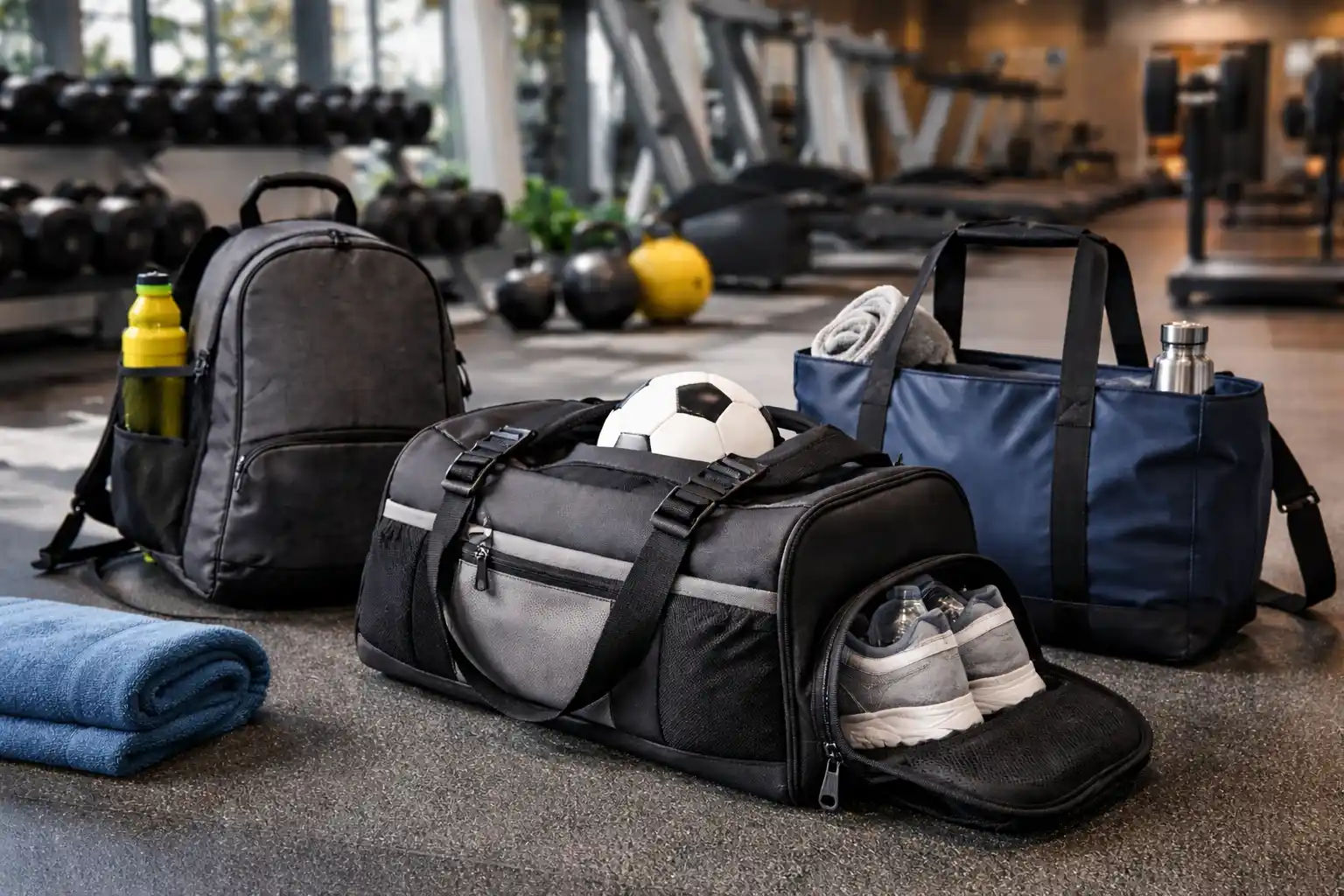
A sharp, high-definition photo showcasing three different gym bags on the gym floor, complete with essential workout items. The image highlights a sports backpack, a black duffel bag with sneakers and a soccer ball, and a navy blue tote bag, with a towel and water bottle.
Understanding the various types of gym bags available can help you determine which one best suits your needs. Different bags are designed for different sports and activities, so let’s break down the features, weight capacity, and ideal use cases for each.
Sports backpacks are among the most popular types of gym bags due to their versatility and practicality. These bags often feature multiple compartments and a large main compartment to accommodate a variety of items, such as workout clothes, shoes, towels, and other gear. The حقيبة ظهر design allows for weight to be distributed evenly across your back, reducing strain on your shoulders and spine.
Weight Capacity Recommendations: Depending on the design and material, a sports backpack should comfortably carry between 5 to 10 kg. Exceeding this weight can lead to discomfort and poor posture, especially during long training sessions or long-duration wear.
Use Cases: Ideal for daily gym routines, running, or even casual hikes. Their hands-free design also makes them great for people who need to move around quickly without having to carry a bag in their hands.
Additional Considerations:
راحة: Look for backpacks with adjustable straps and padded back panels for added comfort during long use.

A sports tote bag is typically more simplistic in design. It often features just one large main compartment, making it a great option for those who prefer quick access to their gear. These bags tend to be lighter and more stylish than other types, and they offer plenty of space for basic workout essentials like a water bottle, change of clothes, and a towel.
Weight Capacity Recommendations: Since sports tote bags have fewer compartments and less structural support, they should carry no more than 5 kg. Overloading the bag can compromise its shape and make it uncomfortable to carry.
Use Cases: Perfect for short trips to the gym, light fitness sessions, or carrying a few items to the office or yoga class.
Additional Considerations:
أسلوب: Tote bags often come in a variety of colors and designs, making them a fashionable choice for people who want both function and style.
Convenience: These bags are easy to grab and go, but they lack the support and organizational features of a backpack or duffel bag.
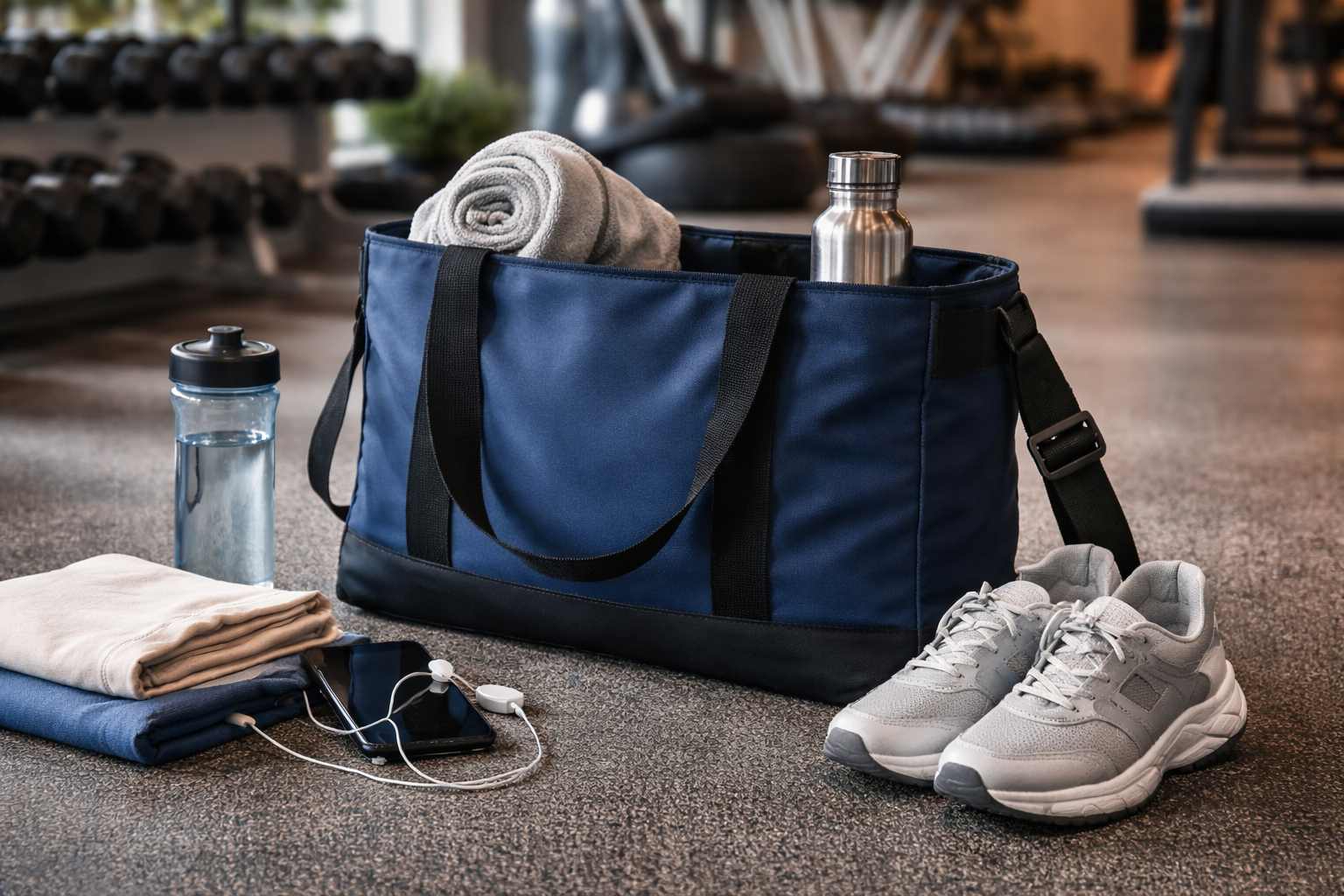
A football sports bag is designed specifically to accommodate the heavy and bulky equipment that football players need, including footballs, cleats, protective gear, and extra clothing. These bags are larger than typical gym bags and come with multiple compartments to ensure everything is organized and easy to access.
Weight Capacity Recommendations: Football sports bags can handle between 10 and 12 kg, depending on the size and design. They are built to withstand heavy loads, but it’s important not to overpack to avoid damaging the bag or causing discomfort.
Use Cases: Ideal for athletes who need to carry specialized gear for sports like football, rugby, or even soccer. The large size allows players to store everything from helmets to shoes, ensuring they have all the equipment they need in one place.
Additional Considerations:
متانة: Since football bags carry heavy equipment, they should be made from durable, water-resistant materials that can handle the rigors of travel and frequent use.
المقصورات: Look for bags with both large compartments and small pockets to keep items like keys, water bottles, and personal items safe and organized.
Similar to a football sports bag, a basketball sports bag offers ample space for storing basketballs, shoes, jerseys, and other gear. These bags are designed to hold heavy, bulky items, so they often feature reinforced structures and strong zippers to support the weight.
Weight Capacity Recommendations: For basketball sports bags, the ideal weight capacity is between 8 and 10 kg. Given the size and weight of basketballs and other gear, these bags should be robust enough to handle the load without compromising comfort or durability.
Use Cases: Best for basketball players, coaches, and fans who need to carry equipment for practices, games, and tournaments.
Additional Considerations:
Reinforced Straps: Given the weight of the gear, ensure the bag has thick, padded straps for better weight distribution.
مقصورات متعددة: A good basketball bag should have compartments for separating clean clothes, shoes, and sweaty gear to keep everything organized.
A gym duffel bag is one of the largest types of gym bags available, offering vast space for storing a variety of items. These bags are perfect for people who need to carry not only their gym clothes but also their toiletries, shoes, and additional gear. The roomy interior allows you to keep everything in one bag, which is why it’s a popular choice for frequent gym-goers or travelers.
Weight Capacity Recommendations: Gym duffel bags are designed to carry between 10 and 15 kg, making them suitable for those who need to bring a lot of items. However, the heavier the load, the more important it becomes to distribute the weight properly to avoid strain.
Use Cases: Ideal for long workouts, travel, or when you need to carry a large amount of gear, such as extra clothes, a towel, gym equipment, and toiletries.
Additional Considerations:
Flexibility: Duffel bags are often more versatile than other bags due to their large opening, allowing for easy packing and access.
Separate Compartments: Many gym duffel bags come with shoe compartments or wet gear sections to help keep your items organized and separated.
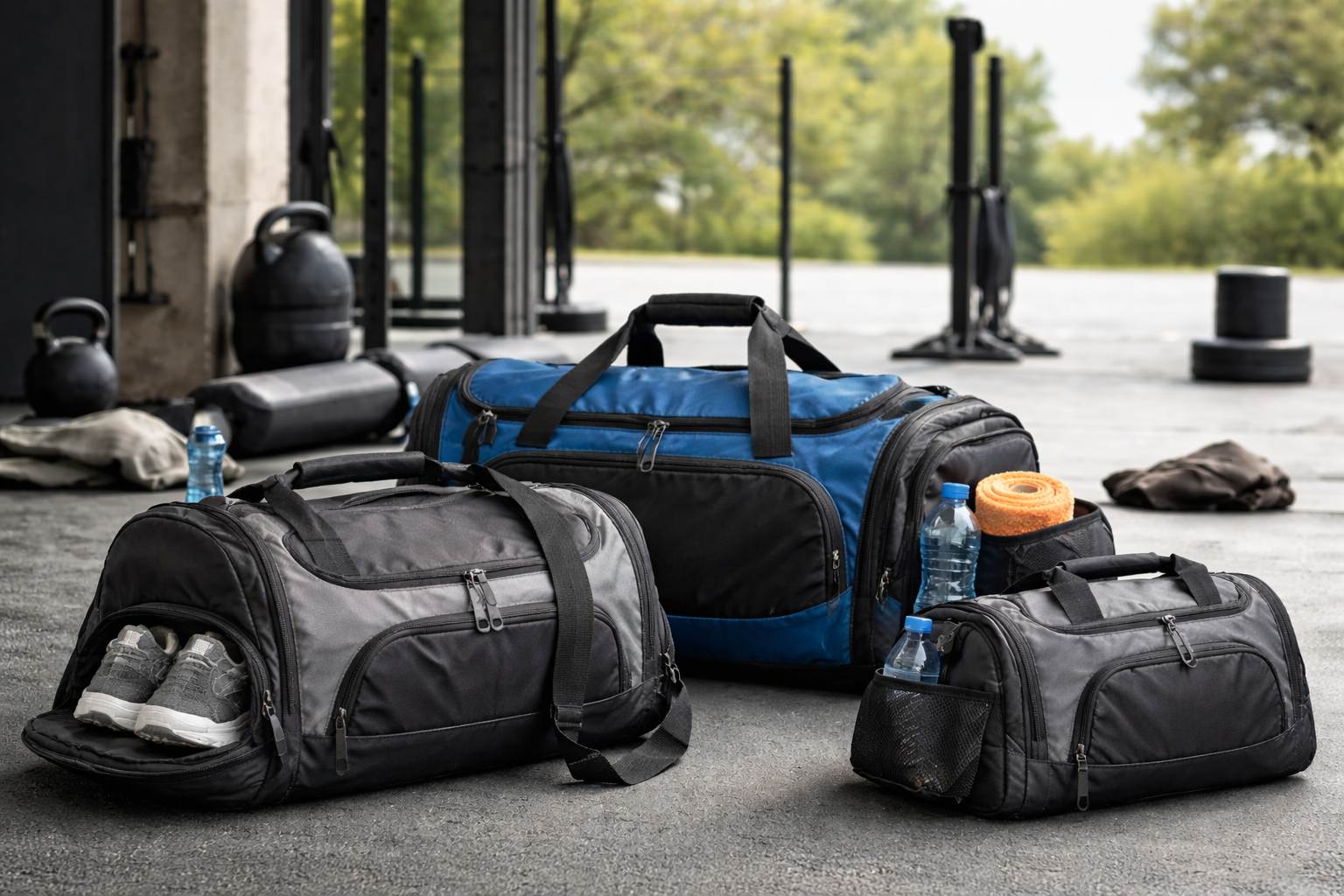
اختيار الحق gym bag isn’t just about picking a large bag to fit all your gear. It’s about finding the right balance between capacity and weight. Carrying too much weight can strain your body and cause discomfort, while carrying too little might limit your performance or leave you without essential equipment.
Your gym bag should be large enough to carry all the items you need for your workout but not so large that it encourages you to overpack. For instance, if you’re only going for a light jog, a sports tote bag should be sufficient. However, for a full gym session or sports practice, you might want to opt for a sports backpack or gym duffel bag with more compartments and space.
No matter the size of your gym bag, the key to comfort is proper weight distribution. Avoid placing all heavy items in one section of the bag. Instead, try to evenly distribute the weight across the bag. Many modern gym bags come with adjustable straps to help with this balance and keep the weight evenly spread out.
A drawstring gym sack is the “fast-and-light” option: throw in a shirt, shorts, and a bottle and you’re out the door. The catch is structure—there’s usually no rigid base, no padding, and minimal support. That means the “capacity” may look big, but the comfortable load is small. If someone packs a hard water bottle, shaker, or shoes without a pouch, the sack can dig into the back and create pressure points.
A good way to frame it: drawstring sacks can carry some gym items, but they’re not ideal for bulky equipment or heavy daily loads. They sit in the gym bag universe, just on the minimal end.
Many shoppers don’t realize their bag feels “too heavy” because wet items and shoes are packed wrong. A shoe compartment gym bag or a bag with a ventilated shoe pocket doesn’t automatically increase the safe weight capacity, but it does improve weight stability and hygiene. Shoes tend to be dense and awkward. If they roll around, they shift the center of gravity and make the bag feel heavier than it is.
Wet/dry separation also matters. A water-resistant gym bag lining prevents moisture from soaking into fabric, which can add hidden weight and shorten the bag’s life. It’s not just smell—waterlogged fabric is literally heavier.
A yoga-focused bag (including yoga mat bag styles) usually carries long, light items plus small accessories. The weight is rarely extreme, but the shape is. Long items can lever against seams and zippers.
Swim days create a different problem: water, towels, goggles, and damp clothing. Even if the starting weight is reasonable, moisture turns everything heavier and the bag needs materials that resist that stress.
People also call rolling duffels “gym bags,” especially for tournaments. Rolling reduces body strain but increases total load temptation—if it rolls, people overpack.
Instead of giving one single number, it’s smarter to explain weight as a function of carry method, time, and load stability. This keeps the content honest and useful.
A bag’s comfortable load is the amount you can carry without changing posture, shrugging one shoulder up, or leaning to one side. Once you start compensating, the bag is too heavy for that carry style—regardless of how strong the stitching is.
A practical way to describe it in plain English: if the bag makes you walk differently, it’s over the limit for daily use.
Backpack carry usually tolerates more weight because the load is centered and shared across both shoulders. That’s why a sports backpack often feels “lighter” than a tote with the same items.
Shoulder duffels and hand-carry bags can handle decent loads, but comfort drops fast when the weight is dense or unbalanced. A sports tote bag can look roomy, but if you pack heavy items (shoes, bottles, power banks, ankle weights), the strap pressure becomes the limiting factor long before the fabric fails.
If you want a simple message that won’t get you in trouble: backpack carry supports moderate loads longer; tote carry is best for lighter, simpler kits.
You can describe overload without being dramatic. If the bag pulls you to one side, if the strap digs into your neck, if your fingers feel numb from hand-carry, or if you dread walking from the car to the gym—your load is beyond your comfortable range. This is how buyers instantly understand weight capacity in real life.
Shoppers often assume “bigger bag = higher capacity.” In reality, weight capacity depends on construction.
A heavy-duty gym bag usually has a reinforced base panel, thicker fabric, and abrasion resistance in high-wear zones. The base matters because weight doesn’t only pull downward—it also grinds, drags, and flexes when the bag is dropped on floors.
Most bag failures don’t happen in the middle of the fabric. They happen at strap anchors, zipper ends, and seam corners where the load concentrates. A bag can be made from tough fabric and still fail if the strap attachment is weak.
A wide opening makes packing easier, but if the zipper is not designed for repeated tension, it becomes the weak link. Overpacking isn’t just “more weight,” it also means “more pressure pushing outward,” which forces the zipper line to fight the load.
For a sport-specific bag like football sports bag, big openings are great for gear—just make sure the design supports that stress.
A strong bag helps, but smart packing makes the biggest difference.
Shoes, bottles, and compact equipment should sit low and near the body side of the bag. This reduces swing and keeps your center of gravity stable. When heavy items float near the top or far from your body, the bag “pulls” with every step and feels heavier than it is.
If shoes slide under clothes and a ball shifts around, the bag becomes unstable. A structured bag—especially a good gym duffel bag—feels easier simply because gear stays in place. Even a sports tote bag can feel stable if it has internal pockets that stop items from migrating.
Most people overload because they pack “just in case” items. A buyer-friendly approach is to suggest a baseline kit (clothes, towel, bottle) and then add sport-specific items with intention. This keeps the article practical instead of theoretical.
A football sports bag tends to carry bulky and dense items: cleats, protective gear, training layers, sometimes a ball, and often extras like tape or wraps. The challenge isn’t just total weight—it’s shape. Football gear creates awkward packing angles, and awkward angles create stress on seams and zippers.
The smartest guidance is: prioritize stability and separation. Put dense items (cleats, bottles) low, keep protective gear from crushing lighter items, and avoid stuffing the bag until it becomes rigid. A bag that feels “overstuffed” is operating near its structural limit even if the weight is not extreme.
A basketball sports bag often has one unique weight/shape factor: the ball. A basketball is not the heaviest item, but it’s round, it shifts, and it steals space. That shift is what makes the bag feel heavier and harder to carry.
The practical advice: keep the ball in a dedicated zone or stabilized area if possible, and don’t pack dense items above it where they can roll and swing. Shoes and bottles should be anchored, not floating loose in the main compartment.
A sports tote bag is perfect when the kit is simple and the trip is short: a change of clothes, a small towel, a bottle, and maybe minimal accessories. The key limitation is how it carries. Tote carry concentrates pressure on one strap and often on one shoulder.
So the guidance should be clear: keep the load lighter, keep the kit cleaner and simpler, and avoid dense items that create strap pain. If someone wants tote convenience but carries shoes daily, recommending a tote with internal support and smarter pocketing becomes the practical middle ground.
A good line for buyers: a tote is a great gym bag when you pack like a minimalist, not like a traveling athlete.
For general gym sessions, the most common reason bags get too heavy is duplication: extra shoes, extra bottles, multiple changes of clothes, plus tech accessories. The bag becomes a portable closet. The solution is to pack for the workout you’re actually doing, not the workout you might do.
The best gym bag load is the smallest load that still supports a confident workout.
Weight capacity isn’t only about design—it’s also about habits.
Moisture adds weight and breaks down materials over time. If your bag regularly carries damp towels or sweaty clothes, it needs to be aired out. This matters even for a heavy-duty gym bag, because moisture attacks seams, coatings, and odor control features.
People grab bags by zipper lines, small handles, or pocket edges—those parts weren’t designed to carry full load. Lifting properly (using main handles or shoulder straps) reduces stress damage and extends bag lifespan.
If you want to sound credible, recommend occasional checks: strap stitching, zipper tracks, and base corners. These are the first places overload shows up. Catching small wear early prevents full failure later.
A gym bag isn’t defined by one shape—it’s defined by purpose: carrying training gear in a way that stays comfortable, stable, and durable. A sports backpack generally handles balanced loads well, a gym duffel bag shines when you need capacity and compartments, a football sports bag and basketball sports bag are best when you pack sport-specific bulky items, and a sports tote bag wins when the kit is light and the trip is simple. The smartest weight limit isn’t just what the bag can survive—it’s what your body can carry comfortably, repeatedly, without turning every walk into a workout you didn’t ask for.
Specifications Item Details Product Tra...
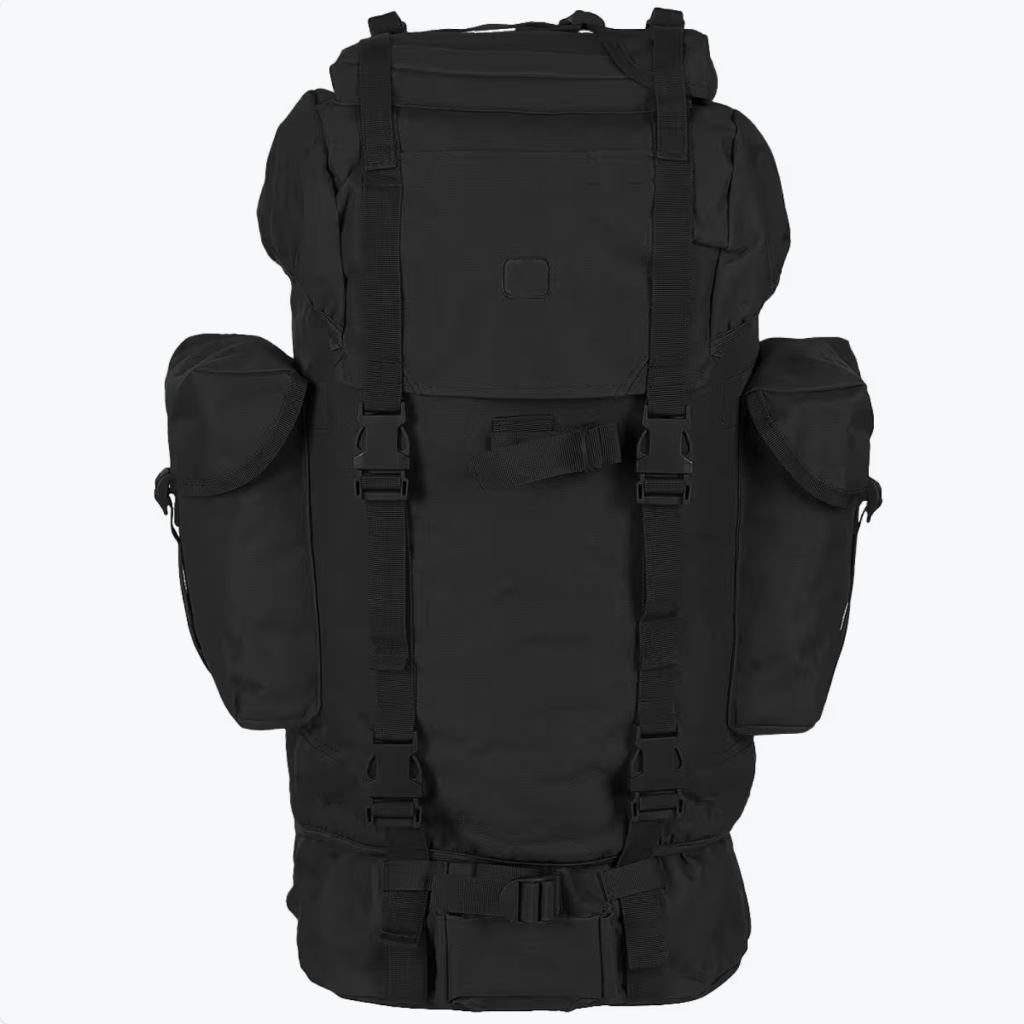
Customized Stylish Multifunctional Special Back...
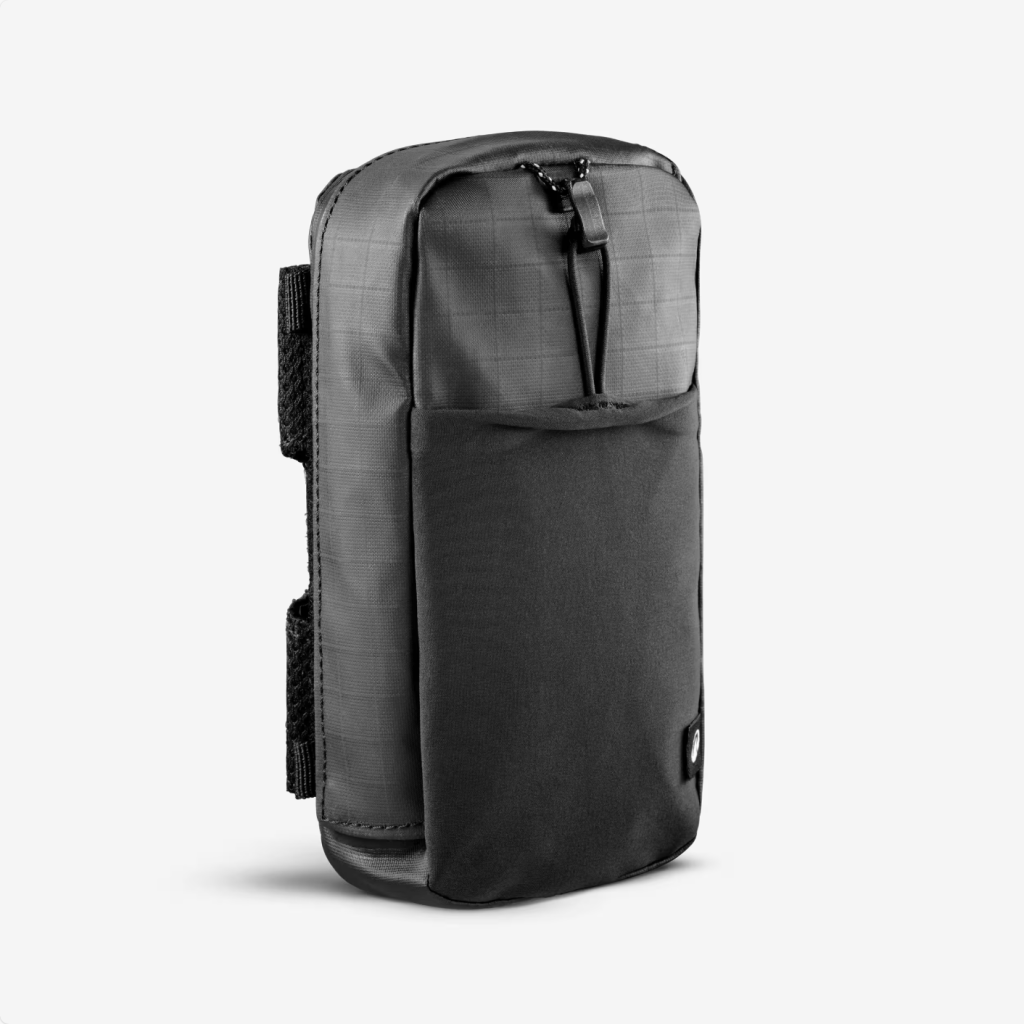
Climbing Crampons Bag for Mountaineering & ...