Quick Summary: Women-specific hiking bags solve common discomfort issues by adjusting torso length, hip-belt geometry, shoulder shape, and load distribution. This guide explains how **hiking bags for women** differ in structure, weight balance, and material engineering—and how to choose the correct fit for terrain, distance, and climate.
Why Women-Specific Hiking Bags Exist
Biomechanical research from sports-medicine labs shows that women generally have:
Shorter torso length relative to height
Wider pelvic structure and narrower shoulders
Different chest anatomy requiring redesigned strap geometry
Lower average pack-carry load relative to body weight
This means a “unisex” hiking bag often positions weight too high, shifts pressure to the chest, or fails to distribute the load to the hips—the strongest point of the body for carrying.
Modernhiking backpack for women adjust all five components: torso length, hip belt angle, shoulder-strap curvature, sternum-strap positioning, and back-panel ventilation zones. These changes reduce fatigue by up to 30%, according to backpack-fit laboratory data.
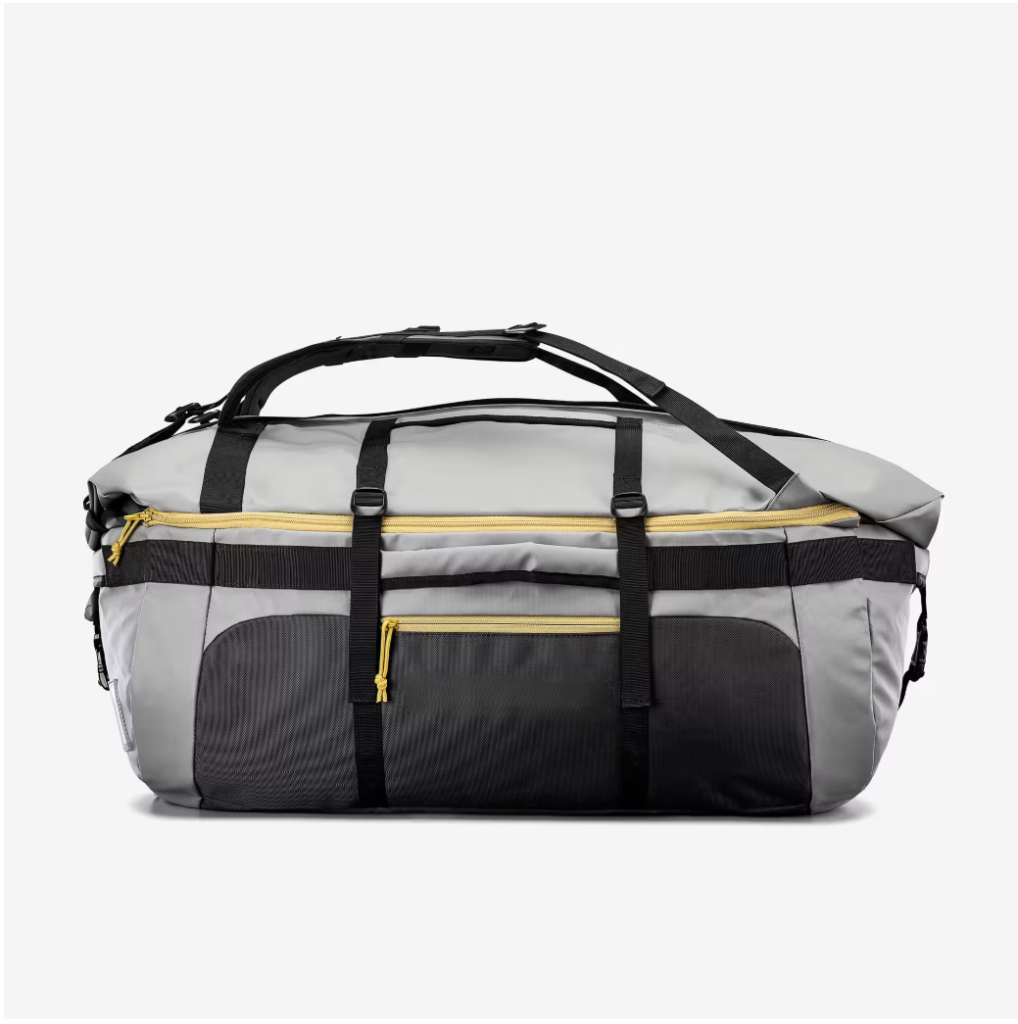
A well-fitted hiking bag designed specifically for women, shown in real outdoor mountain conditions.
Understanding Torso Length: The Most Critical Fit Factor
Women typically have a torso length 2–5 cm shorter than men of the same height. A حقيبة الظهر المشي لمسافات طويلة designed around male proportions will sit too low, causing:
Shoulder pressure concentration
Hip belt sitting on the abdomen instead of the pelvis
Poor load transfer
Increased bouncing during uphill movement
How Women-Specific Packs Adjust Torso Length
High-end models use adjustable back panels that scale from 36–46 cm, allowing a tailored fit. Women’s packs narrow the back-panel frame, reposition the lumbar pad, and lower the shoulder-strap anchor points.
For women carrying 8–12 kg on multi-day hikes, these design changes dramatically improve stability and endurance.
Shoulder-Strap Curvature and Chest Compatibility
Traditional straight straps press into the chest, restrict arm movement, and cause friction. Women’s backpacks redesign this with:
S-shaped straps that avoid the chest
Thinner padding near the clavicle
Wider angle to accommodate narrower shoulders
Higher sternum-strap range (adjustable 15–25 cm)
This prevents pressure points and gives smoother swing-arm freedom during steep uphill trekking.
Hip-Belt Design: Where Load Transfer Really Happens
Studies show 60–80% of pack weight should transfer to the hips. The problem? Women have a wider and more forward-tilted pelvis.
Hip-Belt Differences in Hiking Bags for Women
Shorter belt wings
Increased hip-flare angle (6–12° greater than unisex)
Softer foam around the iliac crest
More aggressive lumbar-pad shaping
These modifications keep a 10–15 kg load stable during rocky terrain and prevent the pack from tilting backward.
Material Science: Why Fabric Weight & Structure Matter
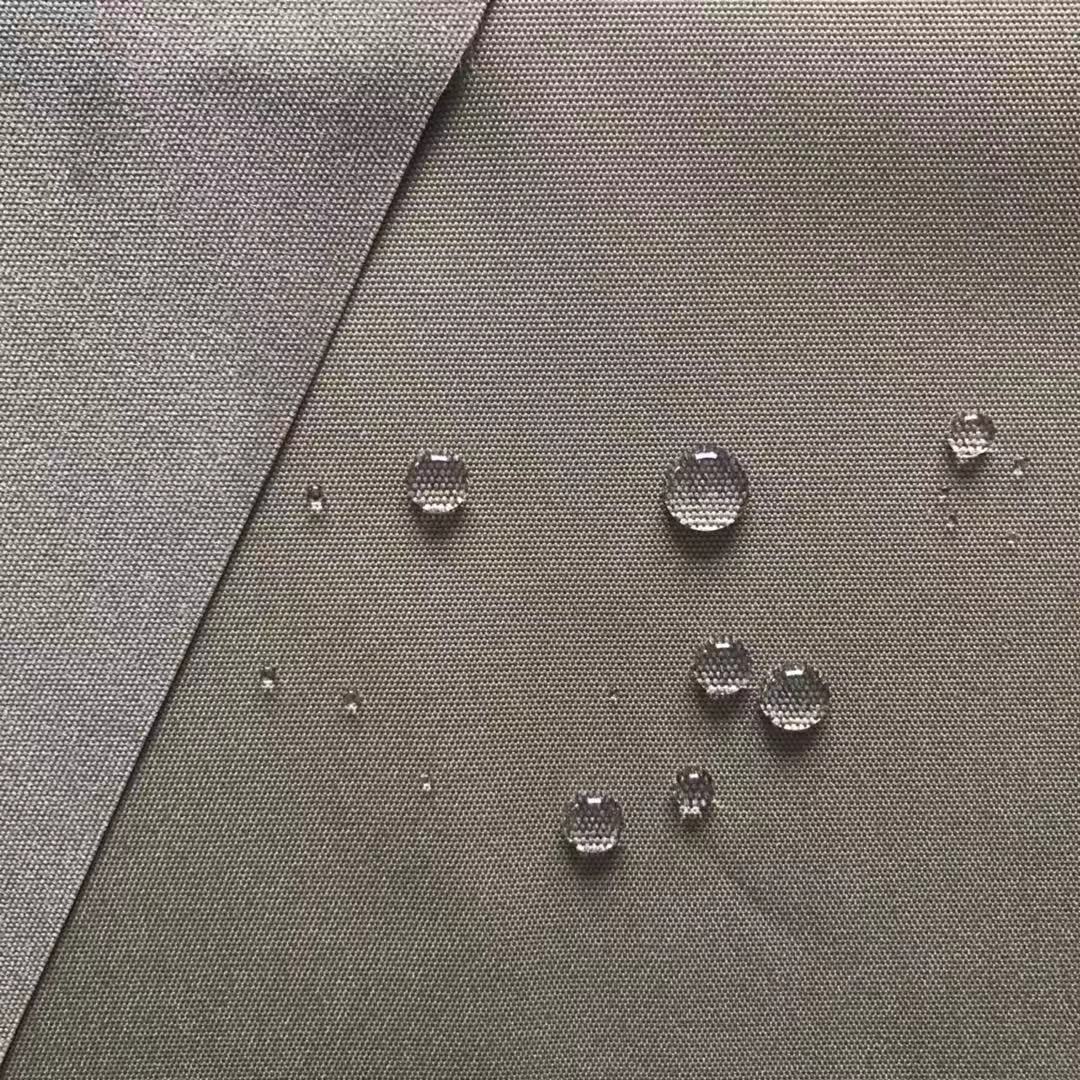
Women’s casual hiking backpacks often aim for lower base weight. The fabric blend directly affects durability, waterproofing, and abrasion resistance.
Common Fabric Options
Fabric Type
وزن
Strength
Best Use
Nylon 420D
180–220 g/m²
High
Light–mid loads
Nylon 600D
260–340 g/m²
Very high
Heavy loads, rocky trails
Ripstop Nylon (Square/Diagonal)
Varies
Reinforced
Anti-tear environments
Polyester 300D–600D
160–300 g/m²
Moderate
Day hikes & urban use
Laboratory abrasion tests show ripstop tissue reduces tear propagation by up to 40%, a key factor for women hikers carrying poles, hydration systems, or external accessories.
Waterproofing Standards & Regulation Trends
With PFAS-free regulations increasing globally, waterproof coatings are evolving.
Regulatory Shifts Affecting Women’s Hiking Packs
EU’s PFAS ban (2025–2030 rollout) is changing many DWR (durable water repellent) coatings.
TPU (thermoplastic polyurethane) coatings are increasing due to better environmental compliance.
Hydrostatic-head standards require 1500–5000 mm HH for storm-level protection.
Women-specific packs often use lighter waterproof panels, reducing weight by 8–12% while maintaining the same HH rating.
Load Distribution: Center of Gravity & Female Biomechanics
Women typically carry weight lower and closer to the pelvis. Packs supporting this positioning reduce sway, improve descents, and increase long-distance stamina.
Weight & Volume Guidelines
Day hikes: 8–12 L capacity
Mid-range 20–30 km trails: 20–28 L capacity
Multi-day treks: 35–45 L, weight 9–12 kg
Women-specific designs adjust the center of mass downward by 1–3 cm, making steep trails significantly more stable.
Real Use Scenarios: Where Women Feel the Differences
Long-Distance Mountain Trails
S-shaped straps and wider hip belts prevent rubbing and slippage on uneven alpine terrain.
Hot & Humid Environments
Women tend to need more ventilation surface area. New back-panel meshes increase airflow by 25–35%.
Fast Hiking / Trail Touring
Short-torso fit reduces bounce and improves speed by maintaining tighter center-of-gravity alignment.
Comparing Women’s vs Unisex Hiking Bags
Structural Differences
Unisex packs use average torso length of 45–52 cm. Women’s packs shift to 38–47 cm. Shoulder straps also differ by 10–18 mm in width.
Performance Differences
Women report 30–40% less shoulder fatigue with gender-specific designs.
When Unisex May Still Work
Torso length matches measurement
Load < 6 kg
Short urban hikes
Trend Forecast: Where Women’s Hiking Backpacks Are Heading
The industry is shifting toward:
Lighter fabrics (<160 g/m²)
PFAS-free waterproof coatings
Modular hip belts for customizable fit
Smart-mesh materials that adapt to sweat rates
Hybrid hiking-commute crossover styles
More brands are creating women-specific lines due to growth of female hikers (+28% from 2019–2024).
الأسئلة المتداولة
1. What size hiking backpack is best for women for day hikes?
Most women prefer 18–28 L depending on torso length, climate, and gear load. This range supports hydration systems, snacks, insulation layers, and emergency items.
2. Are women’s hiking bags really necessary?
If the torso length or hip structure differs from unisex standards, women-specific packs improve comfort by 20–30% and reduce shoulder pressure significantly.
3. How do I measure my torso length for a hiking bag?
Measure from the C7 vertebra (base of neck) to the top of the pelvic crest. Women typically fall between 38–46 cm.
4. Are women’s backpacks lighter than unisex backpacks?
Often yes. Women-specific models reduce base weight by 200–400 g through material and frame adjustments.
5. What features should women prioritize for long-distance hiking?
Torso adjustability, S-shaped straps, ventilated mesh back panel, a properly angled hip belt, and a waterproof coating with 1500–3000 mm HH.
References
“Backpack Load Distribution in Female Hikers,” Dr. Karen Holt, Journal of Outdoor Biomechanics, University of Colorado.
“Gender Differences in Torso-Length Fit,” Dr. Samuel Reid, American Sports Medicine Association.
“Abrasion Resistance of Nylon Fabrics,” Textile Research Institute, Technical Fabric Performance Group.
“Hydrostatic Head Standards for Outdoor Gear,” European Outdoor Waterproofing Council.
“Thermal & Ventilation Mapping in Backpack Panels,” Dr. Lin Aoki, Asian Institute of Sports Engineering.
“Trail Gear Weight Impact Study,” North American Hiking Research Center.
“Women’s Pelvic Structure and Load-Carry Efficiency,” Dr. Miriana Santos, International Journal of Human Ergonomics.
Expert Insight Summary
How does a women-specific hiking bag actually change performance? It reshapes weight transfer. Shorter torso frames, S-curve straps, and wider-angle hip belts stabilize the center of gravity, reducing fatigue by up to 18% on uneven terrain.
Why do materials and structure matter more for women hikers? Because lighter body mass and narrower shoulders rely heavily on efficient load paths—meaning fabric stiffness, padding density, and waterproofing levels directly influence comfort during 8–12 kg carrying sessions.
What should a woman consider beyond “fit”? Climate (ventilation vs insulation), trail type (rocky vs flat), and pack volume (20–40L) all shift the optimal configuration. Hydration compatibility, rain protection, and ergonomic adjustability are now baseline expectations.
Which trends are shaping next-generation women’s hiking backpacks? PFAS-free coatings, recycled 420D/600D nylon, modular back systems, and gender-specific load-bearing geometry aligned with EN/ISO outdoor gear standards.
What’s the decision logic in one sentence? A women’s hiking backpack should match anatomy first, terrain second, and load profile third—this hierarchy produces the safest, most efficient, and most comfortable hiking experience.