Weather Resistance in Hiking Bags: How Materials React to Heat & Cold
2025-12-17
Quick Summary: Weather resistance in hiking backpacks is not just about waterproof coatings. Heat, cold, and rapid temperature changes directly affect fabric stiffness, frame flexibility, coating durability, and load stability. This article explains how common backpack materials react to temperature extremes, why some packs fail prematurely in hot or cold environments, and how modern designs balance durability, comfort, and long-term performance across changing climates.
A hiking backpack does not experience temperature as a static condition. It moves repeatedly between shade and sun, day and night, dry air and moisture. A pack used on a summer alpine trail may face surface temperatures above 50°C during midday sun exposure, then cool rapidly below 10°C after sunset. Winter hikers routinely expose packs to sub-zero conditions while flexing fabrics, zippers, and seams under load.
These repeated temperature cycles cause material behavior to shift in ways that are invisible at first but cumulative over time. Fabrics soften, stiffen, shrink, or lose elasticity. Coatings crack microscopically. Load-bearing structures deform under heat and resist movement in cold. Over months or seasons, these changes directly affect comfort, load stability, and failure risk.
Understanding how hiking bag materials react to heat and cold is therefore not an academic exercise. It is central to predicting long-term performance, especially for hikers who move across seasons or climates.
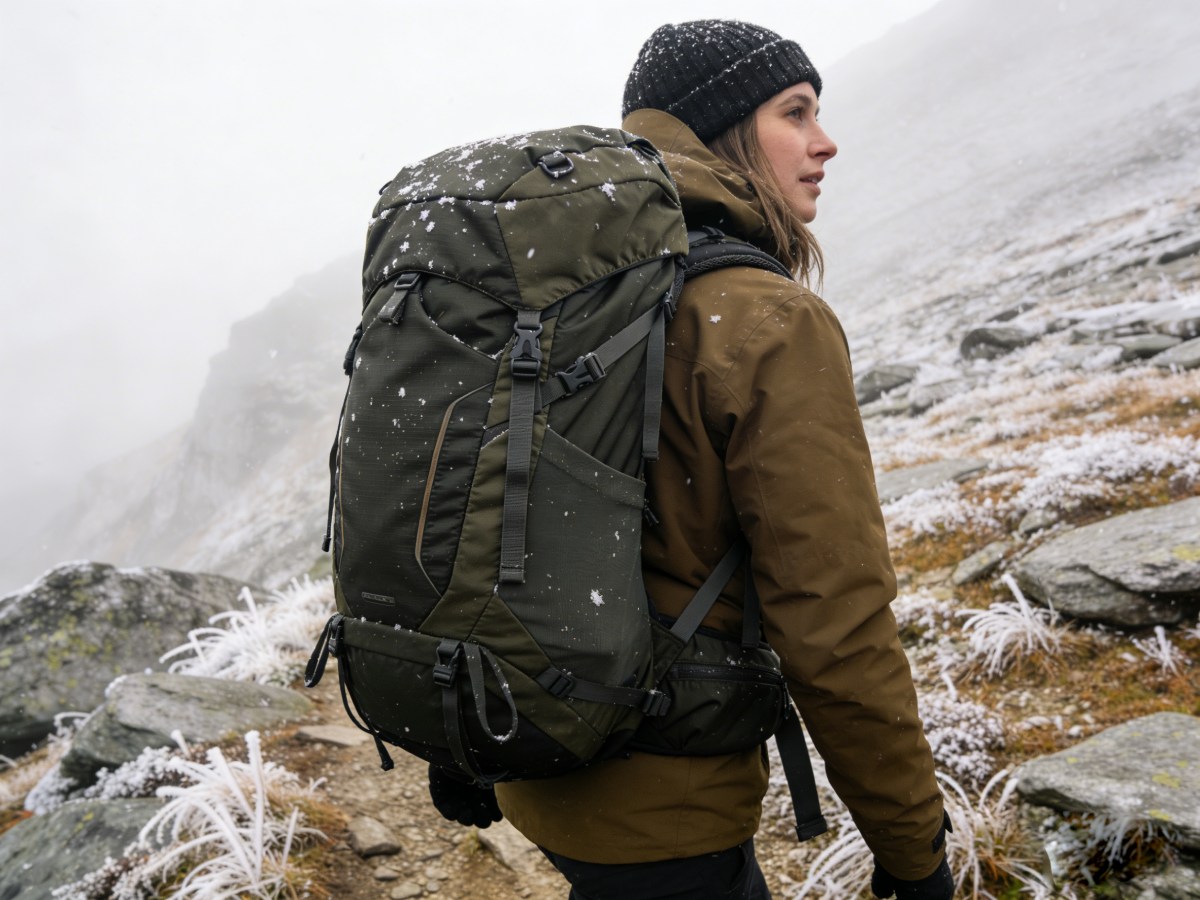
A real-world cold-weather hiking scenario showing how modern backpack materials handle low temperatures, light snow, and alpine conditions.
Understanding Temperature Stress in Outdoor Environments
How Heat and Cold Act on Backpack Materials
All materials expand when heated and contract when cooled. While the dimensional change may seem minimal, repeated expansion and contraction creates internal stress, especially at junctions where different materials meet—such as fabric-to-webbing seams, foam-to-frame interfaces, or coated surfaces bonded to base textiles.
Heat increases molecular mobility within polymers, making fabrics more flexible but also more prone to deformation under load. Cold reduces molecular mobility, increasing stiffness and brittleness. Neither condition is inherently damaging in isolation; the problem arises when materials must perform mechanically while transitioning between these states.
In hiking backpacks, temperature stress is amplified by constant movement. Every step flexes the back panel, shoulder straps, hip belt, and attachment points. Under load, these flex cycles occur thousands of times per day, accelerating fatigue when materials are outside their optimal temperature range.
Typical Temperature Ranges Encountered in Hiking
Contrary to popular belief, most temperature-related damage does not occur in extreme polar or desert environments. It occurs in common hiking conditions:
Summer sun exposure can raise dark fabric surface temperatures to 45–55°C.
Autumn and spring hikes often involve daily temperature swings of 20–30°C.
Winter conditions commonly expose backpacks to -15°C to -5°C, especially at elevation.
Snow contact and wind chill further reduce material temperature below ambient air levels.
These ranges fall squarely within the operational envelope of most consumer backpacks, meaning temperature stress is not exceptional—it is routine.
Core Backpack Materials and Their Thermal Behavior
Nylon Fabrics (210D–1000D): Heat Tolerance and Cold Brittleness
Nylon remains the dominant fabric for hiking backpacks due to its strength-to-weight ratio. However, nylon’s mechanical behavior is sensitive to temperature.
At elevated temperatures, nylon fibers become more pliable. This can improve comfort temporarily but also leads to load sag, especially in large panels under tension. Tests show that at temperatures above 40°C,nylon fabric elongation under constant load can increase by 8–12% compared to room temperature conditions.
In cold environments, nylon stiffens significantly. Below -10°C, certain nylon weaves exhibit reduced tear resistance due to brittleness, particularly if the fabric is folded or creased under load. This is why cracking often appears first along seams and fold lines rather than in flat fabric areas.
Denier alone does not predict thermal behavior. A well-engineered 210D nylon with modern fiber construction can outperform older 420D fabrics in cold resilience due to improved yarn consistency and ripstop integration.
Polyester Fabrics: Dimensional Stability vs Abrasion Resistance
Polyester fabricsare less hygroscopic than nylon and exhibit superior dimensional stability across temperature changes. This makes polyester attractive in environments with frequent thermal cycling.
At high temperatures, polyester maintains shape better than nylon, reducing load drift over time. At low temperatures, polyester retains flexibility longer before stiffening. However, polyester typically sacrifices abrasion resistance at equivalent weight, requiring reinforcement in high-wear zones.
As a result, polyester is often used strategically in panels where shape retention matters more than abrasion resistance, such as back panels or internal compartments.
Laminated and Coated Fabrics (PU, TPU, DWR)
Water-resistant treatments play a critical role in thermal performance. Polyurethane (PU) coatings, common in older designs, become rigid in cold conditions and are prone to micro-cracking after repeated flexing below -5°C.
Thermoplastic polyurethane (TPU) coatings offer improved elasticity across a wider temperature range. TPU remains flexible at temperatures where PU stiffens, reducing crack formation during winter use.
Durable water repellent (DWR) finishes degrade primarily under heat and abrasion rather than cold. At elevated temperatures combined with friction, DWR effectiveness can decline by 30–50% within a single season if not maintained.
How Heat Affects Hiking Bag Performance in Real Use
Extended exposure to high temperatures challenges fabric coatings, stitching strength, and structural integrity.
Fabric Softening and Load Sag
Under sustained heat exposure, fabric softening leads to subtle but measurable changes in load distribution. As panels elongate, the pack’s center of gravity shifts downward and outward.
For loads between 10 and 15 kg, this shift increases shoulder pressure by approximately 5–10% over several hours of hiking. Hikers often compensate unconsciously by tightening shoulder straps, which further concentrates stress and accelerates fatigue.
Stitching, Bonding, and Seam Fatigue
Heat affects not only fabrics but also thread and bonding agents. Stitching tension decreases slightly at high temperatures, especially in synthetic threads. Over time, this can allow seam creep, where stitched panels gradually misalign.
Bonded seams and laminated reinforcements are particularly vulnerable if adhesive systems are not designed for elevated temperature performance. Once compromised, these areas become initiation points for tearing.
UV Exposure Combined with Heat
Ultraviolet radiation compounds thermal damage. UV exposure breaks polymer chains, reducing tensile strength. When combined with heat, this degradation accelerates. Field studies indicate that fabrics exposed to high UV and heat can lose up to 20% of tear strength within two years of regular use.
How Cold Temperatures Change Backpack Behavior
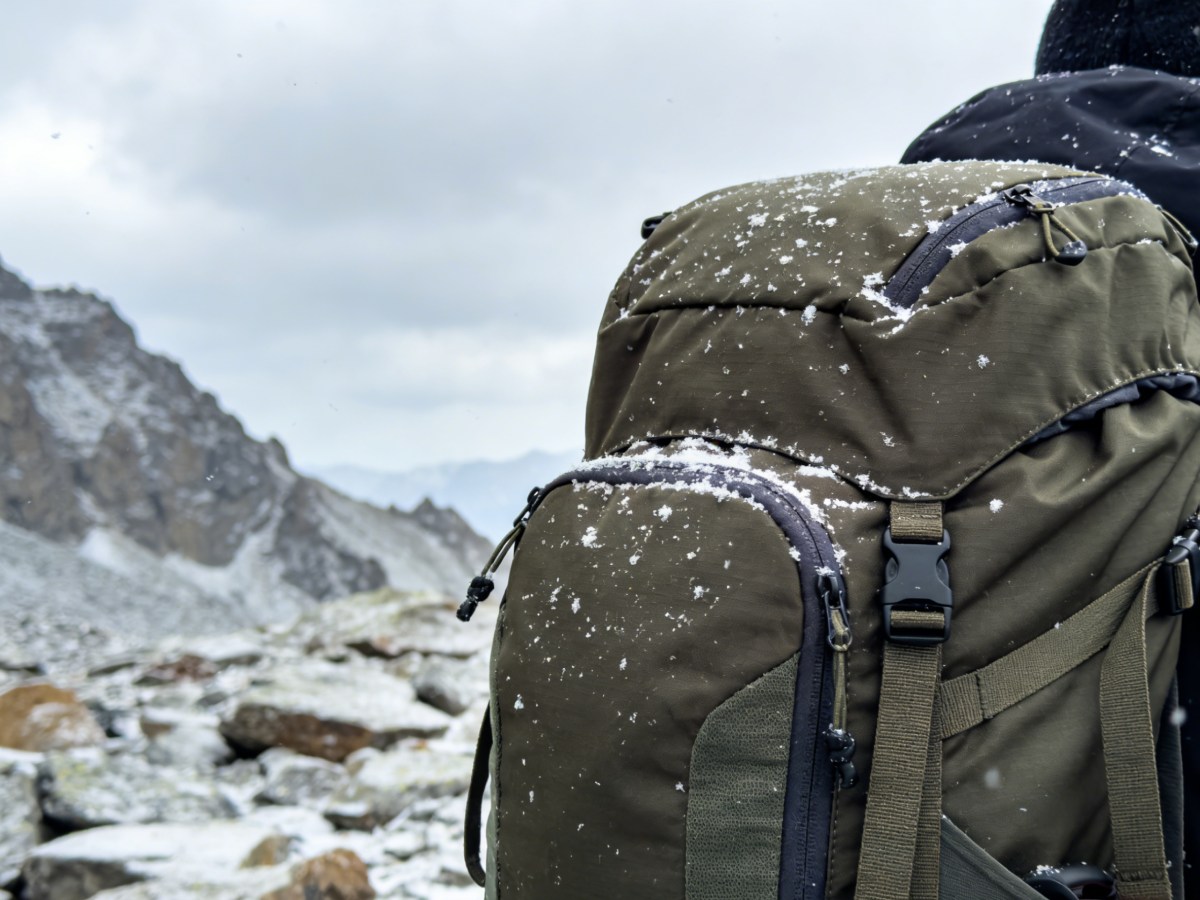
Backpack fabric and zippers exposed to freezing temperatures and snow accumulation during alpine hiking.
Material Stiffening and Reduced Flexibility
Cold-induced stiffness alters how a backpack interacts with the body. Shoulder straps and hip belts conform less to body movement, increasing pressure points. This is especially noticeable during uphill climbing or dynamic movements.
At temperatures below -10°C, foam padding also stiffens, reducing shock absorption and comfort. This stiffness can persist until the pack warms through body contact, which may take hours in cold conditions.
Zippers, Buckles, and Hardware Failures
Hardware failure is one of the most common cold-weather issues. Plastic buckles become brittle as temperature drops. At -20°C, some consumer-grade plastics exhibit a fracture risk increase of over 40% when subjected to sudden impact or load.
Zippersare vulnerable to ice formation and reduced lubrication efficiency. Metal zippers perform better in extreme cold but add weight and may transfer cold directly to contact areas.
Cold-Induced Micro Cracking in Coatings
Repeated folding of coated fabrics in cold conditions creates micro cracks invisible to the naked eye. Over time, these cracks allow moisture ingress, undermining waterproof performance even if the outer fabric appears intact.
Comparative Analysis: Same Backpack, Different Temperatures
Performance at 30°C vs -10°C
When tested under identical loads, the same backpack exhibits markedly different behavior across temperature extremes. At 30°C, flexibility increases but structural integrity decreases gradually. At -10°C, structure remains intact but adaptability declines.
Hikers report increased perceived exertion in cold conditions due to reduced pack compliance, even when carrying the same weight.
Load Distribution Efficiency Across Temperature Extremes
Load transfer to the hips remains more efficient in moderate temperatures. In cold conditions, hip belts stiffen, shifting load back to the shoulders. This shift can increase shoulder load by 8–15% depending on belt construction.
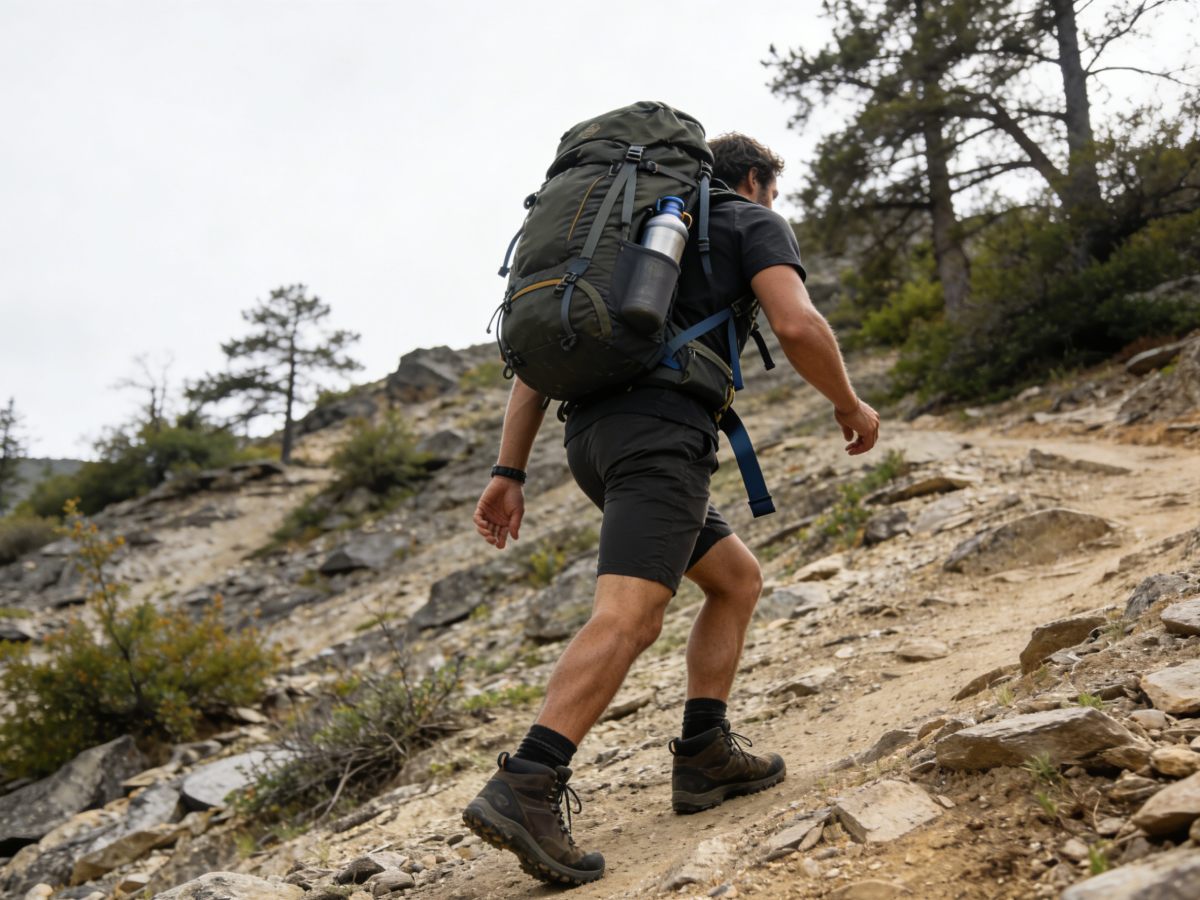
Backpack load behavior during uphill movement reveals how materials and structure respond under real-world conditions.
Design Strategies That Improve Weather Resistance
Material Selection Beyond Denier Numbers
Modern designs evaluate materials based on thermal response curves rather than thickness alone. Fiber quality, weave density, and coating chemistry matter more than denier ratings.
Hybrid Fabric Zoning
Strategic zoning places temperature-resilient materials in high-stress areas while using lighter fabrics elsewhere. This approach balances durability, weight, and thermal stability.
Hardware Engineering for Temperature Extremes
High-performance engineering plastics and metal hybrids are increasingly used to reduce cold failure without excessive weight gain.
Regulatory and Testing Standards Related to Temperature Resistance
Laboratory tests simulate temperature extremes, but real-world use involves combined stressors—movement, load, moisture—that exceed static testing conditions.
Environmental and Chemical Compliance
Regulations restricting certain coatings have pushed innovation toward cleaner, more stable alternatives that perform across wider temperature ranges.
Industry Trends: How Climate Awareness Is Changing Backpack Design
As climate variability increases, four-season performance has become a baseline expectation.Manufacturers now prioritize consistency across conditions rather than peak performance in ideal environments.
Practical Considerations for Hikers Choosing Weather-Resistant Bags
Matching Material to Climate
Choosing materials suited to expected temperature ranges is more important than chasing maximum specifications.
Maintenance and Storage Under Temperature Stress
Improper storage in hot environments or freezing conditions accelerates degradation. Controlled drying and temperature-stable storage extend lifespan significantly.
Conclusion: Weather Resistance Is a System, Not a Feature
Weather resistance emerges from the interaction of materials, structure, and use conditions. Heat and cold do not merely test backpacks—they reshape them over time. Designs that account for this reality deliver consistent performance across seasons rather than excelling briefly under ideal conditions.
Understanding how materials react to temperature allows hikers to evaluate backpacks based on function, not marketing claims. In an era of changing climate and increasingly diverse hiking environments, this understanding matters more than ever.
FAQ
1. How does heat affect hiking backpack materials?
Heat increases molecular movement in synthetic fabrics, causing them to soften and elongate under load. Over time, this can lead to fabric sagging, seam fatigue, and reduced load stability, especially during long hikes with sustained sun exposure.
2. Are hiking backpacks damaged more by cold or heat?
Neither heat nor cold alone causes the most damage. Repeated temperature cycling—such as hot days followed by cold nights—creates expansion and contraction stress that accelerates material fatigue and coating degradation.
3. Which backpack materials perform best in freezing temperatures?
Materials with higher flexibility at low temperatures, such as advanced nylon weaves and TPU-coated fabrics, perform better in freezing conditions by resisting brittleness and micro-cracking during repeated movement.
4. Do waterproof coatings fail in cold weather?
Some waterproof coatings, particularly older polyurethane-based layers, can stiffen and develop micro cracks in cold environments. These cracks may reduce long-term water resistance even if the fabric appears intact.
5. How can hikers extend backpack lifespan across different seasons?
Proper drying, temperature-stable storage, and avoiding prolonged heat exposure significantly reduce material degradation. Seasonal maintenance helps preserve fabric flexibility, coatings, and structural components.
References
Thermal Effects on Polymer-Based Outdoor Textiles Horrocks A. University of Bolton Technical Textile Research Papers
Environmental Degradation of Synthetic Fibers Hearle J. University of Manchester Polymer Degradation Studies
Performance of Coated Fabrics in Cold Environments Anand S. Indian Institute of Technology Journal of Industrial Textiles
Load Carriage Systems and Material Fatigue Knapik J. U.S. Army Research Institute of Environmental Medicine Military Ergonomics Publications
Outdoor Equipment Durability Under Climate Stress Cooper T. University of Exeter Product Lifespan and Sustainability Research
UV and Thermal Aging of Nylon and Polyester Fabrics Wypych G. ChemTec Publishing Polymer Aging Handbook
Design Principles for Cold-Resistant Outdoor Gear Havenith G. Loughborough University Ergonomics and Thermal Comfort Research
Waterproof Coating Behavior in Extreme Temperatures Muthu S. Springer International Publishing Textile Science and Clothing Technology Series
Semantic Context & Decision Logic for Weather-Resistant Hiking Backpacks
What weather resistance really means for hiking backpacks: Weather resistance is the ability of a backpack system to maintain structural integrity, load control, and material performance when exposed to heat, cold, moisture, and temperature fluctuation. It extends beyond water repellency to include fabric flexibility, coating stability, seam resilience, and frame behavior under thermal stress.
How temperature changes affect long-term backpack performance: High temperatures accelerate coating degradation and fabric softening, increasing abrasion risk in high-contact zones. Cold environments reduce material elasticity, making fabrics, buckles, and frame elements more prone to cracking or stiffness-related discomfort. Repeated thermal cycling amplifies these effects over time.
Why material selection matters more than denier numbers: Denier alone does not predict performance across climates. Fiber quality, weave structure, resin formulation, and reinforcement placement determine how materials respond to temperature stress. Modern low-denier fabrics can outperform older heavy materials when engineered for thermal stability.
Design options that improve weather adaptability: Hybrid constructions—combining flexible load zones with reinforced stress areas—allow backpacks to remain comfortable in cold conditions while resisting deformation in heat. Controlled ventilation, stable frame geometry, and adaptive load-transfer systems reduce performance loss across temperature ranges.
Key considerations for buyers and long-distance hikers: Choosing a weather-resistant hiking backpack means evaluating expected climate exposure, carried load range, and trip duration. Packs designed for thermal balance and material longevity often outperform heavier or more rigid alternatives over extended use.
Where industry trends are heading: Future backpack development is shifting toward temperature-stable materials, reduced chemical dependency, and durability-driven sustainability. Performance consistency across climates—not extreme specialization—is becoming the defining benchmark of modern hiking backpack design.