How to Organize Your Sports Bag for Maximum Efficiency: Tips and Tricks
2025-12-24
Quick Summary: This guide shows a simple, repeatable system for sports bag organization: separate clean vs. sweaty items, protect valuables, and assign fixed “homes” for shoes, ball gear, toiletries, and tech. You’ll learn efficient sports bag packing methods that reduce packing time, prevent forgotten items, and limit odor buildup with airflow + moisture control. It also explains how to organize a gym bag based on bag type (hand-carry, backpack, crossbody) and compartment design (ball-only, shoe-only, ball + shoe), plus a strategic cross-use note: when a hiking bag makes sense versus when a sports bag is the smarter daily choice for fast access and better hygiene.
When it comes to staying organized, one of the easiest areas to overlook is your sports bag. Whether you’re heading to the gym, a training session, or traveling for a tournament, having an efficient sports bag packing strategy can make all the difference. With the right organization system, you’ll save time, reduce stress, and improve your overall performance.
This blog will explore how to organize your sports bag, providing you with expert tips on sports bag organization, ways to prevent odors, and even how to maintain cleanliness in your bag. By implementing these strategies, you can make your athletic gear more accessible, keep it fresh, and ensure you’re always ready to perform at your best.
The Basics of Sports Bag Organization
Why Organizing Your Sports Bag Matters
A well-organized sports bag ensures that you’re not wasting precious time rummaging through your gear to find your water bottle, shoes, or towel. It also helps keep everything in its proper place, which is especially important for hygiene. Imagine opening your gym bag and instantly having everything you need right at your fingertips. Not only does it save time, but it also prevents damage to your equipment and improves overall bag hygiene.
Sports bag hygiene and odor prevention tips: Make sure to air out your bag after each use, and regularly wash any removable liners. Using odor-neutralizing bags or sprays can also help keep your bag fresh between uses.
Types of Sports Bags and Their Features
When selecting a sports bag, consider the type of activity you’ll be engaging in. There are various types of sports bags, each designed to meet different needs. Let’s take a closer look:
Hand-Carried Sports Bags Classic and simple, hand-carried sports bags offer ease of access with a large main compartment, perfect for quick trips to the gym. The wide opening makes it easy to toss in your gear without any hassle, but these bags may lack the structured organization of others.
Sports Backpack These bags are ideal for those who need to balance heavy loads and want both hands free. Backpacks distribute the weight evenly across both shoulders, making them great for longer walks, commutes, or when carrying heavier training equipment. Sports bag with multiple compartments for organization helps keep your essentials like clothing, toiletries, and electronics neatly separated.
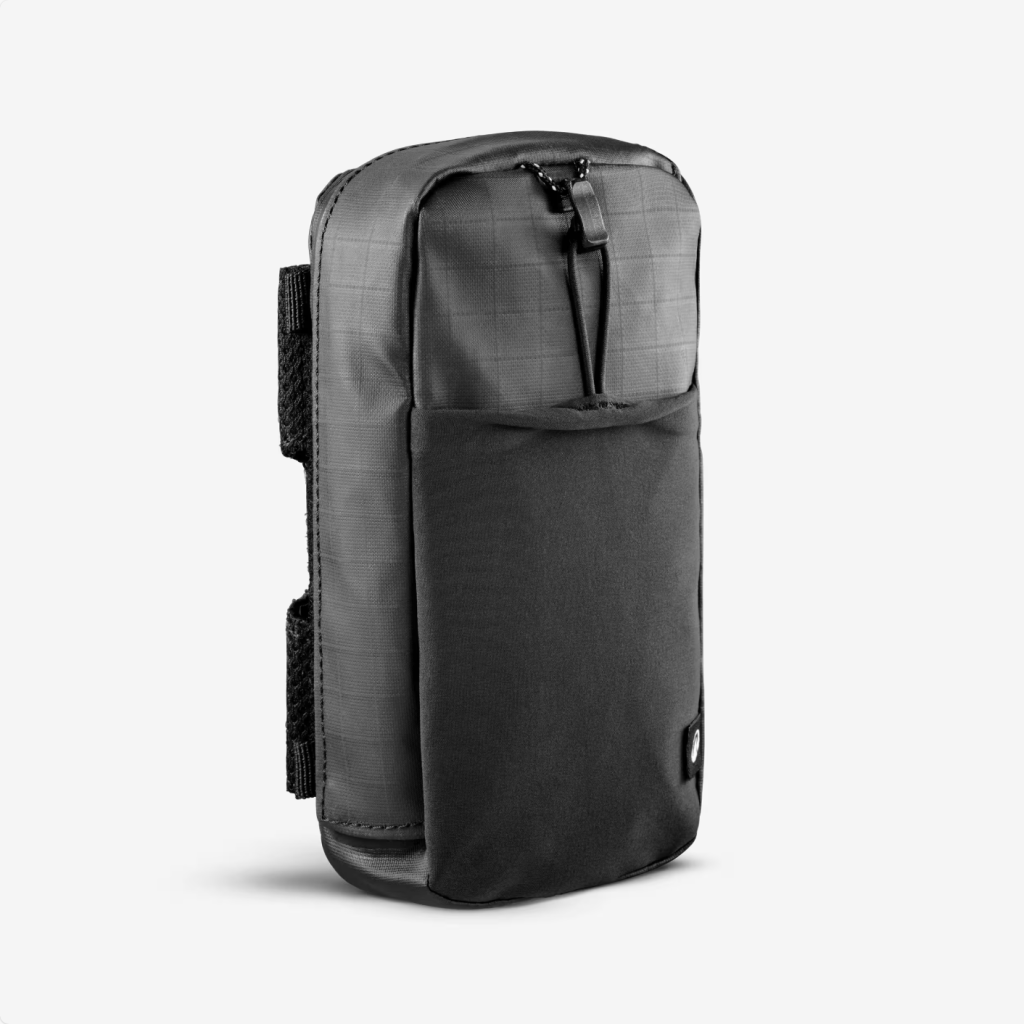
Crossbody / Shoulder Sports Bags A crossbody fitness bag offers convenience and mobility for quick access to personal items. Perfect for light gym visits or minimalist athletes, this style is easy to carry while offering enough space for your essential workout gear.
Bags with Ball + Shoe Compartments Whether you’re packing for basketball, soccer, or volleyball, bags designed to carry both a ball and a pair of shoes offer the ultimate in organization. These bags typically feature a specialized compartment for the ball, keeping it secure, and a separate section for footwear to avoid odors and dirt from spreading to your clean clothes.
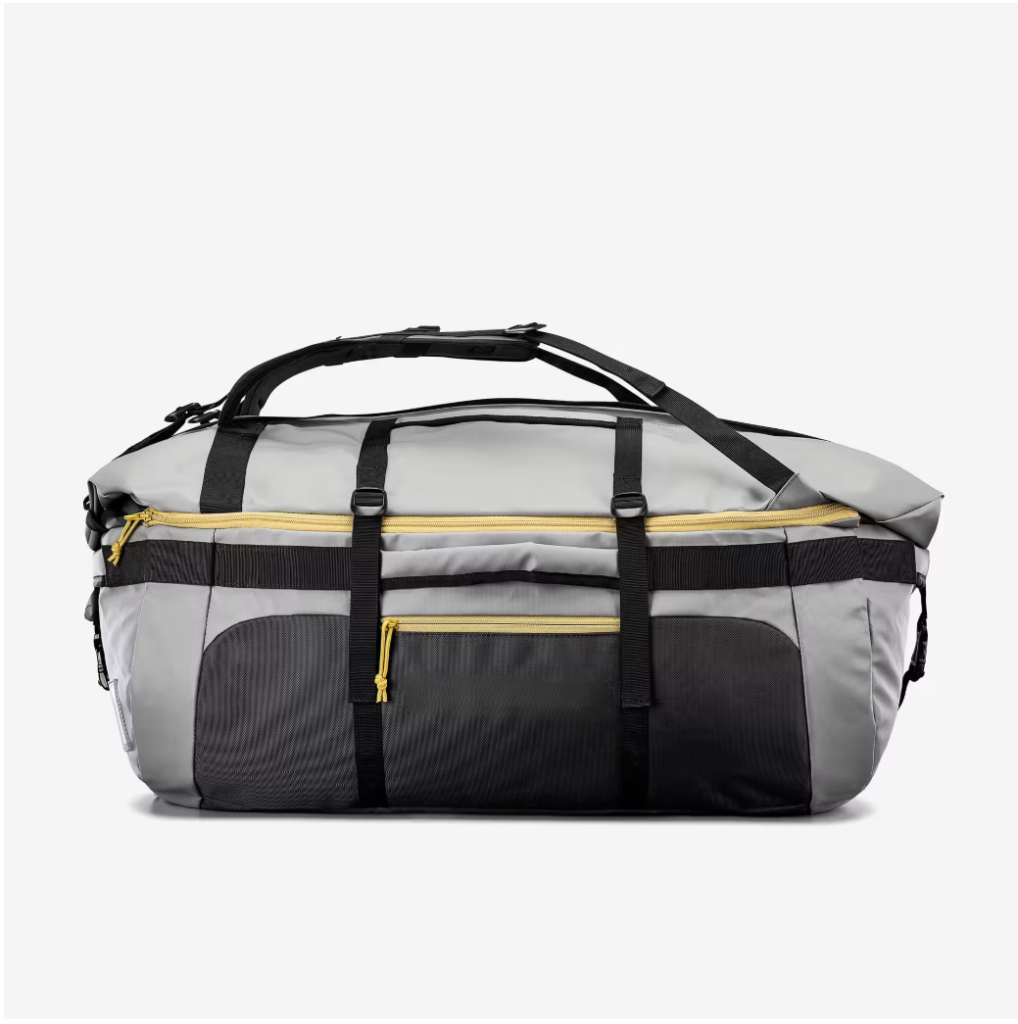
Hybrid Convertible Bags Some bags offer the best of both worlds. With a convertible design, these hybrid bags can be used as a duffel, backpack, or crossbody, making them versatile for both gym sessions and travel. Perfect for athletes who need flexibility and easy access to their gear.
Tips for Efficient Sports Bag Packing
Essential Items to Pack in Your Sports Bag
Knowing what to pack is crucial for maintaining organization. The basics include:
Clothing: Workout clothes, socks, and undergarments.
Shoes: Don’t forget extra pairs for outdoor training or footwear specific to the sport.
Toiletries: Shampoo, deodorant, towel, or personal hygiene items.
Water Bottle: Hydration is key during any athletic activity.
Electronics: Phone, headphones, or other gadgets you may need for tracking your workout.
How to Pack a Gym Bag for Maximum Efficiency
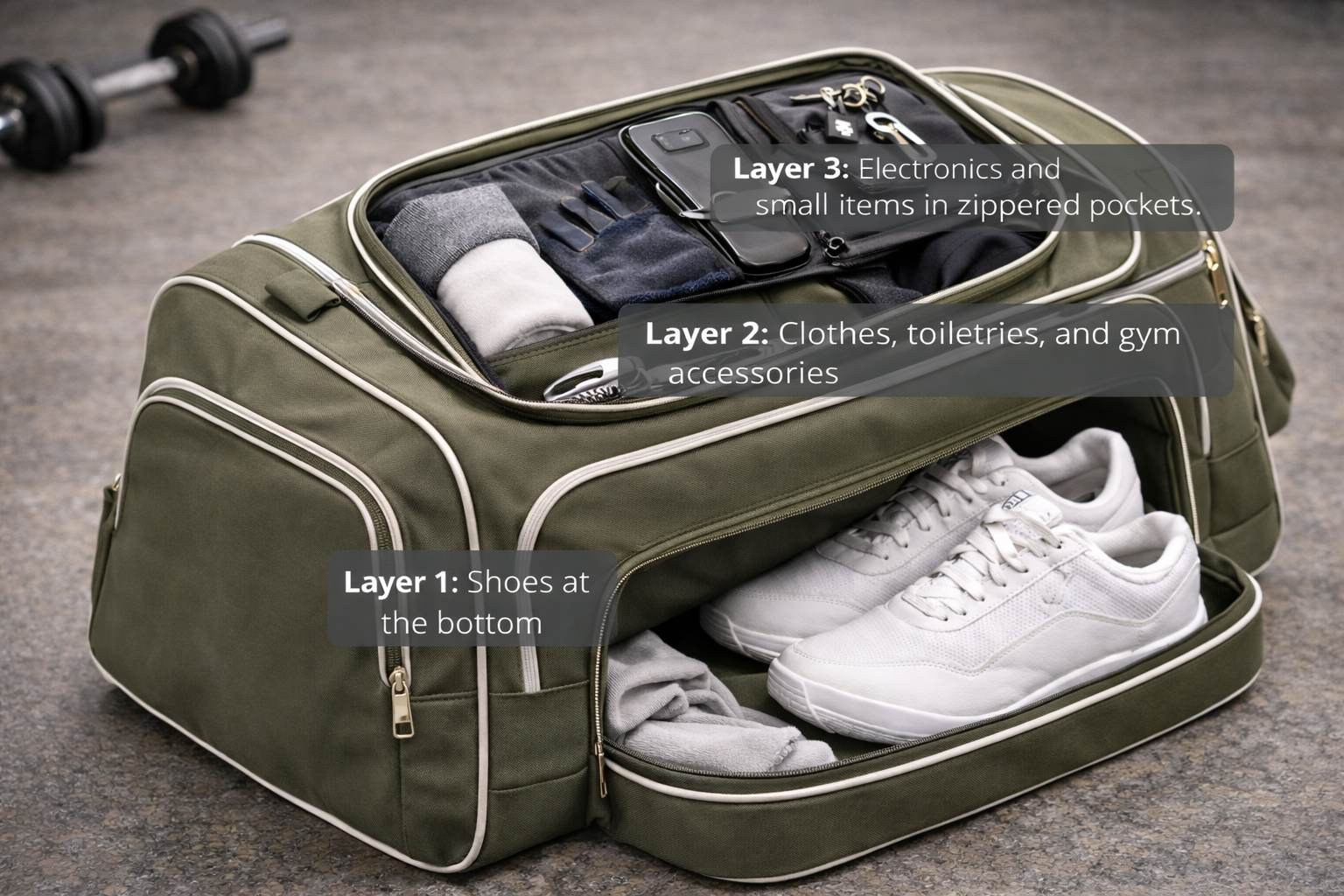
When it comes to efficient sports bag packing, layering is the key. Pack your heaviest items (shoes, weights, etc.) at the bottom of the bag and your lighter, more accessible items (toiletries, clothing, electronics) on top. This method provides a balanced distribution and allows you to grab what you need quickly.
For example:
Layer 1: Shoes and towels at the bottom
Layer 2: Clothes, toiletries, and gym accessories (such as gloves, wristbands, etc.)
Layer 3: Electronics and small items in zippered pockets
A simple three-layer method to pack a gym bag for faster access and better balance.
Sports Bag Organization Hacks
Maximize space by rolling your clothes instead of folding them. This minimizes wrinkles and maximizes packing efficiency. Use zippered bags or smaller pouches to store accessories like keys, wallets, and other small items. This keeps everything from getting lost at the bottom of your bag.
Sports Bag Storage Solutions and Organization Ideas
Using Compartmentalized Storage
Having a sports bag with multiple compartments for organization is key for athletes who need to store gear of various sizes and types. Each compartment can be used to separate specific items (e.g., shoes, gym clothes, snacks). This prevents your bag from turning into a cluttered mess and makes it easier to find what you need when you need it.
Sports bag organization tips for athletes: Keep each sport’s gear in its own section to avoid confusion. For example, if you’re a runner and a weightlifter, store your running shoes and clothes in one compartment and your lifting gear in another.
Sports Bag Storage Solutions
To make your bag even more efficient, consider investing in additional storage solutions such as hanging organizers or drawer units. These solutions can be used to store smaller items like wristbands, headbands, and accessories, keeping them easily accessible and organized.
How to Pack a Sports Bag for Travel and Gym
If you’re traveling to a competition or gym while on the go, packing a versatile sports bag with enough room for both personal and athletic gear is essential. A bag with a football + shoe compartment might be the perfect option for someone who needs both workout and travel essentials in one bag. Consider using packing cubes or travel pouches for toiletries and other items that need to stay separate.
Hygiene and Maintenance Tips for Your Sports Bag
Preventing Odor and Bacteria Build-Up
Keeping your sports bag clean and free of odors is essential for both hygiene and comfort. After each use, open the bag to let it air out and prevent moisture from getting trapped inside.
Sports bag hygiene and odor prevention tips: Regularly wash removable liners or hand wash the bag if it’s machine-washable. Using odor neutralizers or leaving an open box of baking soda inside the bag overnight can help eliminate smells.
How to Keep Your Bag Fresh
To maintain the freshness of your bag, invest in bags with breathable fabrics and moisture-wicking liners. This will allow air to circulate inside, preventing bacteria and odors from building up.
The Intersection of Hiking and Sports Bags: Organizing for Multi-Use
Differences Between Hiking Bags and Sports Bags
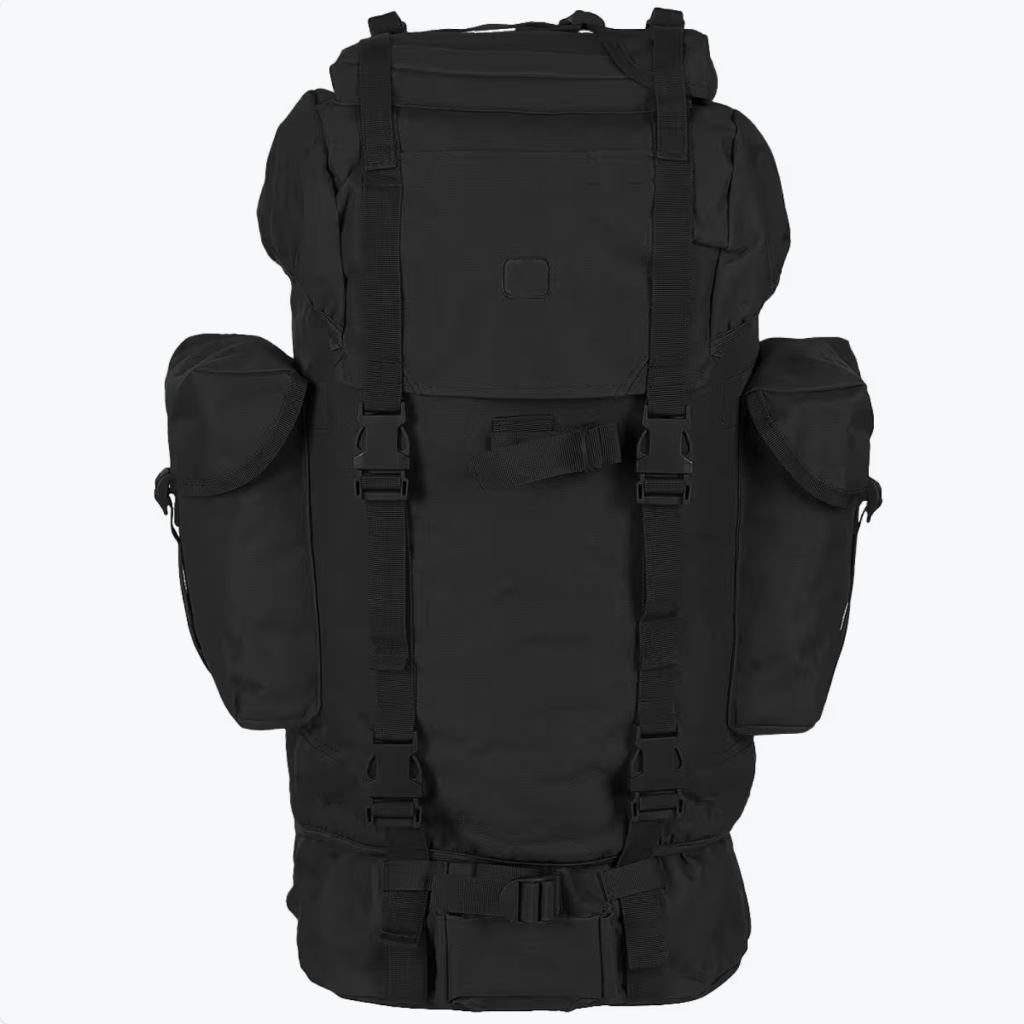
While both hiking and sports bags are designed for active lifestyles, they serve different functions. Hiking bags are generally larger and designed to carry heavier loads over long distances, while sports bags are optimized for convenience and quick access. Sports bags with multiple compartments for organization are better suited for athletes who need organized storage for their gear.
Why a Sports Bag Might Be Better for Your Workout Than a Hiking Bag
For quick access to smaller gear, a sports bag with dedicated compartments is superior. A hiking bag, while great for carrying large items, doesn’t offer the same level of compartmentalization for small items, which can make accessing your gear more difficult.
Conclusion
By following these sports bag organization tips and efficient sports bag packing strategies, you can ensure that you’re always ready for your next workout, competition, or adventure. Whether you choose a hand-carried bag, backpack, or a hybrid model, the key is to maintain a system that works for you. With the right strategies, you’ll save time, keep your gear fresh, and always have what you need when you need it.
FAQ
How can I keep my sports bag organized? Use compartments and smaller pouches to separate your gear. Roll your clothes instead of folding them to maximize space and minimize wrinkles.
What are the best ways to prevent odor in my gym bag? Regularly clean your bag, air it out after each use, and use odor-neutralizing products like sprays or baking soda.
How should I organize my sports bag for different types of training? Organize by sport: keep clothes, shoes, and equipment for each activity in separate sections of the bag.
Can a hiking bag be used for sports and gym activities? While hiking bags are larger and ideal for outdoor gear, sports bags offer better compartmentalization and easy access for athletic gear.
How do I pack a sports bag for both gym sessions and travel? Use compartments to separate your travel gear from your gym essentials. Pack clothing, toiletries, and electronics in easy-to-reach pockets, and keep shoes and equipment in separate compartments.
References
The Science of Ergonomic Backpack Design — Dr. Michael Kenfield — American Chiropractic Association — 2023.
Best Practices for Sports Equipment Storage and Hygiene — Sarah Thompson — National Athletic Trainers’ Association (NATA) — 2022.
Optimizing Gym Bag Packing for Efficiency — Coach David Reilly — Men’s Health Magazine — 2024.
Odor Prevention in Sports Gear: A Microbial Perspective — Dr. Anna Lopez — Sports Science Institute of America — 2023.
Athlete Equipment Management and Compartmentalization — Tom Walker — Sports Equipment Council (SEC) — 2023.
Maintaining Sportswear and Bag Hygiene for High Performance — Dr. Olivia Carter — The Journal of Sports Medicine & Health — 2022.
Packing Efficiency and Load Distribution in Athletic Bags — Dr. James O’Connor — International Society of Sports Ergonomics — 2023.
Semantic Insight Loop: sports bag organization, hygiene, and smart bag choice
definition: Efficient sports bag organization is a repeatable system that separates clean kit, wet/dirty kit, and hard/fragile items so you can pack, train, and repack with minimal friction.
how it works: Use a three-zone setup—dry zone (clean clothes and towel), wet/dirty zone (sweaty kit), and hard/fragile zone (bottle, electronics)—so items don’t mix and you stop “searching” inside the bag.
why it improves performance: When high-frequency items have fixed homes, packing time drops, forgotten items decrease, and pre-training stress is reduced because your bag becomes predictable.
odor truth: Most gym bag odor comes from trapped moisture and microbial growth, so the most reliable prevention is shoe separation plus airflow, not strong fragrance sprays.
best bag option logic: Backpack carry fits heavier loads and commutes, hand-carry fits quick sessions with fast access, and crossbody fits minimal kits but becomes unstable once shoes, towel, and a full bottle are added.
compartment priority: A shoe compartment is primarily a hygiene control feature, a ball compartment protects shape and frees space, and ball + shoe layouts are the most system-friendly for team sports routines.
hiking bag vs sports bag: A hiking bag is built for long-carry comfort and outdoor load management, while a sports bag is built for fast access and hygiene separation in daily training.
keep it sustainable: The best system is simple—one shoe zone, one wet-kit solution, one valuables pocket, and one always-packed mini kit—so repacking stays under about 90 seconds.