Quick Summary: The right hiking bag for long-distance trails must balance capacity, load transfer efficiency, material durability, and weather resistance. A well-designed backpack shifts 60–70% of weight to the hips, maintains ventilation, and uses reinforced fabrics such as 420D nylon or ripstop nylon for multi-day performance. Choosing the correct volume—30–40L for short trips, 40–55L for multi-day routes, and 55–70L for expeditions—directly impacts fatigue, posture, and trail safety. Proper fit, waterproofing structures, and compartment design significantly improve endurance over extended terrain.
Why the Right Hiking Bag Determines Long-Distance Success
Long-distance hiking forces the human body to repeatedly endure long cycles of vertical oscillation, lateral sway, and load-bearing shock. A 2023 study published by the European Journal of Applied Physiology demonstrated that inappropriate backpack design can increase energy expenditure by 8–12% during multi-hour treks. Poor weight distribution causes shoulder compression, restricted airflow, and gait imbalance, all of which accumulate into excessive fatigue on long trails.
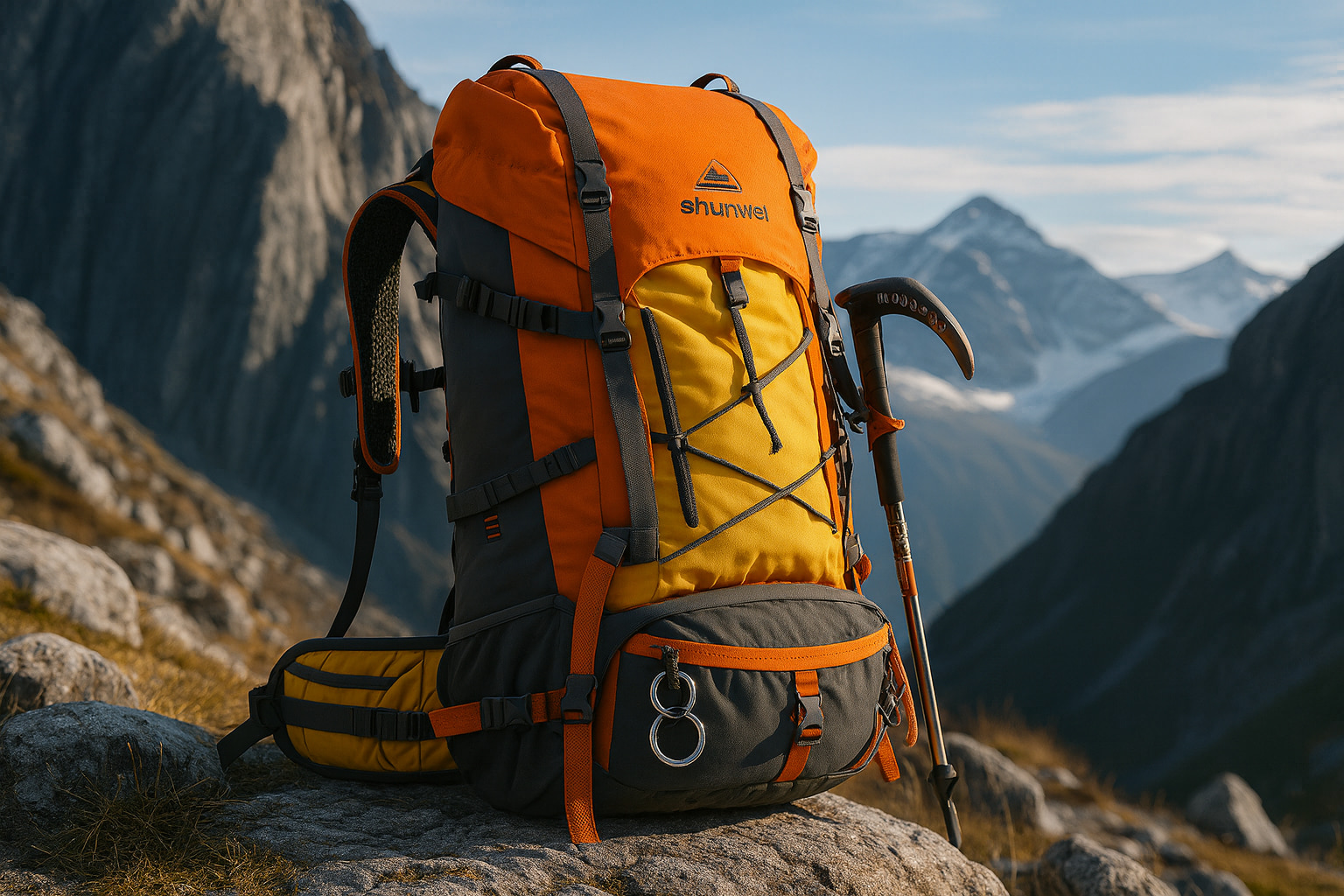
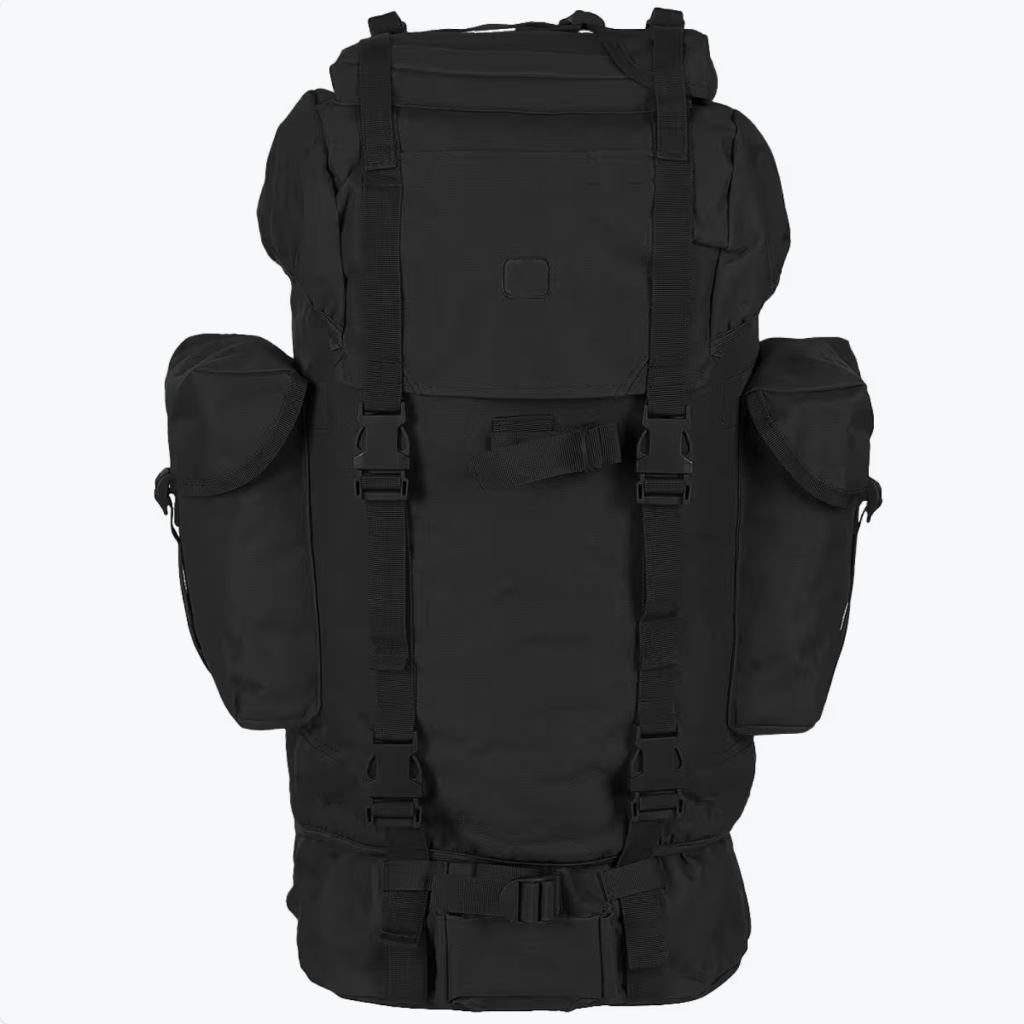
A Shunwei hiking bag built for long-distance mountain trails, featuring advanced load distribution and durable outdoor materials.
The human torso is not designed to carry weight primarily through the shoulders. Instead, the strongest load-bearing muscles—glutes, hamstrings, and lower back stabilizers—operate most efficiently when weight is transferred downward to the hips through a properly engineered hip belt.
The biomechanics of backpacking include:
Approximately 60–70% of load should be transferred to the hips.
Poor strap positioning raises center of gravity, increasing fall risk.
Compression straps reduce sway that wastes energy during upward climbs.
Ventilated back panels reduce heat and sweat accumulation, maintaining stamina.
Common Failure Points of Low-Quality Hiking Bags
Inferior products—often found in low-cost markets—suffer from predictable structural weaknesses:
Back panel deformation under load
Weak stitching at shoulder strap anchor points
Fabric fatigue in high-tension areas
Non-reinforced zippers failing under multi-day strain
These issues become magnified in long distances where pack weight remains constant for many hours each day. Selecting a حقيبة المشي لمسافات طويلة from a reputable hiking bag manufacturer or factory helps ensure compliance with global quality regulations and updated outdoor gear standards.
Step 1: Determine the Ideal Capacity Based on Trail Duration
Choosing the correct capacity is the foundation of selecting a hiking bag. Long-distance hikers must match their load to their route duration, weight tolerance, and environmental needs.
Recommended Capacity by Distance and Days
Duration
Recommended Capacity
Typical Use Case
1–2 days
30–40L
Day hikes or overnight trips
3–5 days
40–55L
Multi-day backpacking
5–10 days
55–70L
Expeditions or high-altitude treks
10+ days
70L+
Thru-hiking or gear-intensive routes
How Capacity Affects Balance and Fatigue
Carrying a pack that is too large promotes overpacking, increasing the load and raising the energy expenditure required per kilometer. Conversely, an undersized pack forces poor weight distribution and creates pressure points due to overstuffing.
Research from the American Hiking Society states that each additional kilogram increases fatigue exponentially over long distances. Thus, selecting the proper capacity is both an efficiency and a health decision.
Step 2: Choose a Reliable Carrying System
The carrying system—also known as the suspension system—is the technological core of the حقيبة المشي لمسافات طويلة. Whether sourcing from a hiking bag factory or researching premium outdoor brands, buyers must look for real engineering inside the design.
Structure of an Ergonomic Hiking Bag
A high-performance suspension system consists of:
Internal frame: aluminum rods or polymer framesheets for structure
Shoulder straps: contoured and load-adjustable
Chest strap: stabilizes upper-body sway
Hip belt: the primary load-bearing component
Back panel: ventilated to reduce sweat buildup
Ventilation Systems and Airflow Engineering
A 2022 outdoor equipment study found that ventilation channels reduce perspiration by up to 25%. Mesh panels, airflow cavities, and stiffened back structures help maintain thermal regulation, especially in humid environments.
Load Transfer: Moving Weight from Shoulders to Hips
Proper weight distribution dramatically reduces shoulder fatigue. Adjustable torso length systems allow the pack to sit precisely on the lumbar zone, ensuring optimal hip engagement. High-quality designs—especially those supplied by OEMحقيبة المشي لمسافات طويلة manufacturers—use multi-density foams and anti-slip textures to maintain contact during steep ascents.
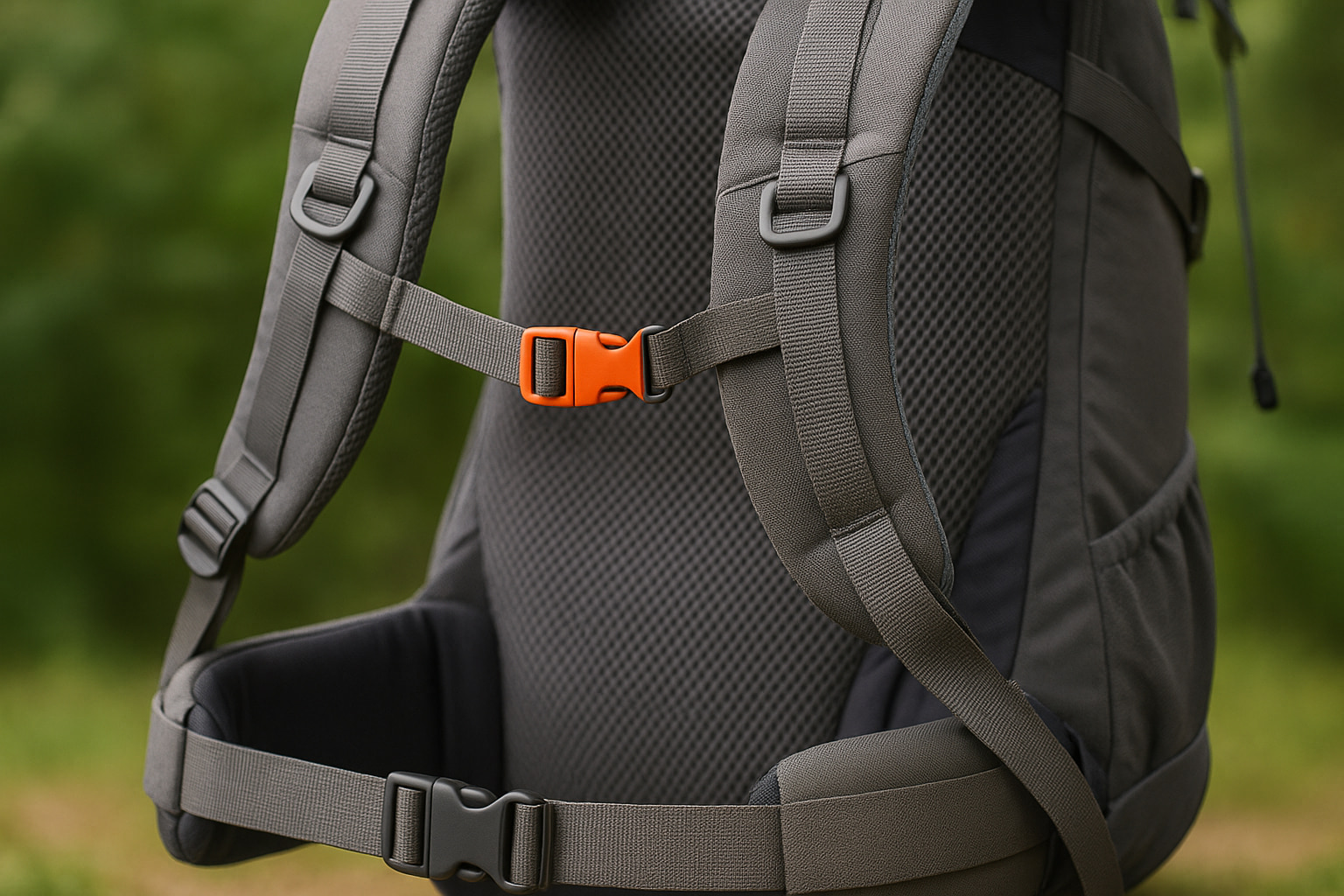
Detailed view of the load transfer system including shoulder straps, sternum strap, and hip belt.
Step 3: Understand Materials That Influence Durability and Comfort
A hiking bag’s material determines its long-term resilience, tear resistance, and weather adaptability. Material technology has evolved significantly due to environmental regulations and consumer demand for sustainable outdoor equipment.
Fabric Comparison Table
مادة
وزن
Strength
مقاومة الماء
Recommended Use
Nylon 420D
Medium
High
Medium
Long trails, durability-first
Nylon Ripstop
Medium-Low
Very High
Medium-High
Lightweight, anti-tear applications
Oxford 600D
High
Very High
Low-Medium
Rugged terrain or tactical use
Polyester 300D
Low
Medium
Medium
Budget-friendly or low-intensity hikes
TPU-Laminated Nylon
Medium
Very High
High
Wet, alpine, or technical terrain
Coatings: PU vs TPU vs Silicone Treatment
PU coatings provide cost-effective water resistance, while TPU coatings offer superior hydrolysis resistance and long-term elasticity. Silicone treatment enhances tear resistance but increases production complexity. When choosing wholesale or OEM orders, buyers often prefer TPU for long-distance hiking backpack due to durability and compliance with stricter environmental regulations adopted in 2024–2025 across the EU.
Step 4: Waterproofing — What Actually Protects Your Gear
Weather resistance is crucial for multi-day trails where rainfall or snow exposure is likely.
Water-Resistant vs Waterproof
Water-resistant fabrics repel light moisture but do not withstand prolonged exposure. Waterproof materials require:
Laminated layers
Sealed seams
Waterproof zippers
Hydrophobic coatings
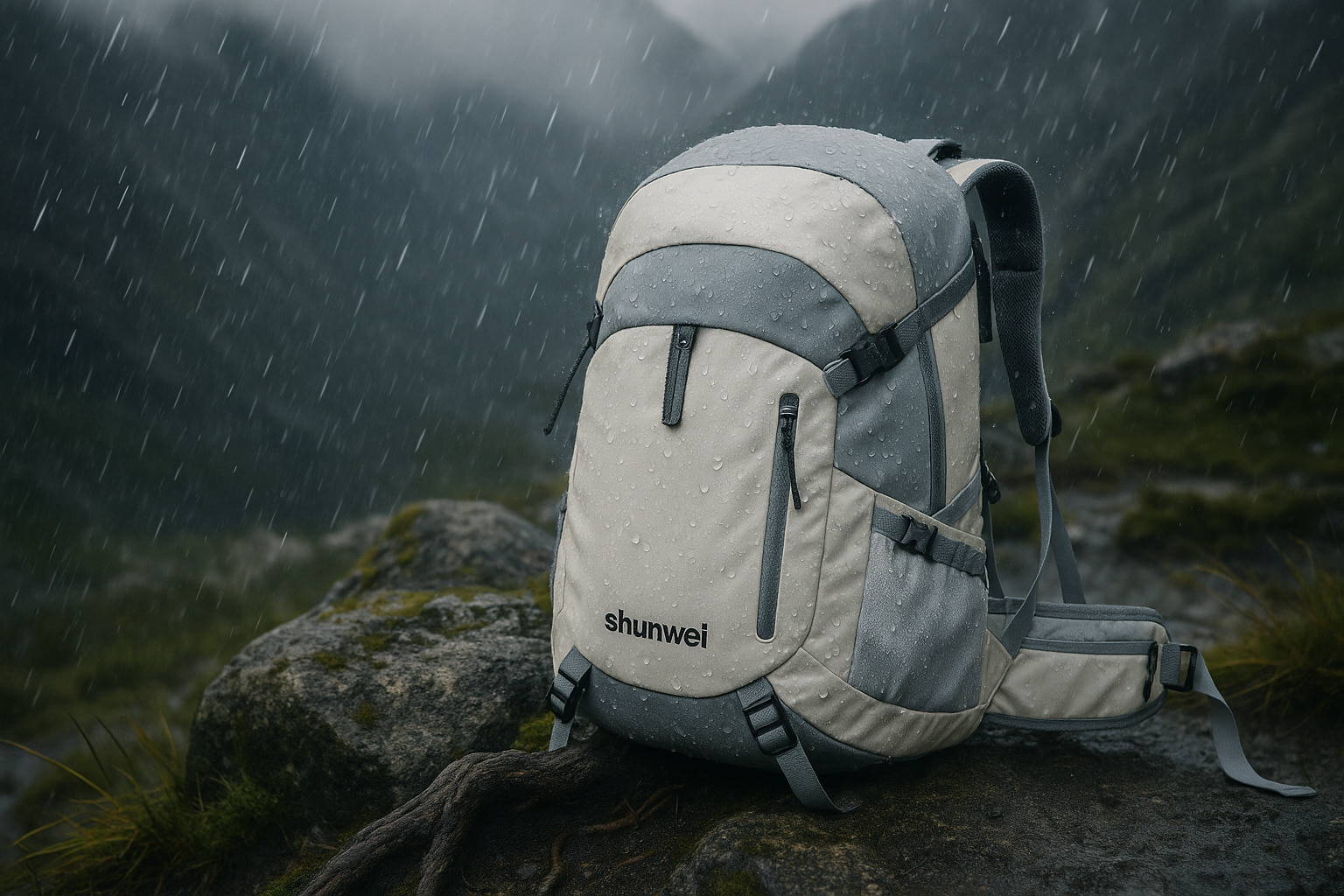
Shunwei hiking bag demonstrating waterproof performance during heavy rain in a mountain environment.
Seams, Zippers, and Lamination Technologies
The Seams Engineering Institute found that 80% of water intrusion in backpacks comes from needle holes rather than fabric penetrations. High-quality water-proof hiking bag factories now use seam taping or ultrasonic welding to increase water protection.
When a Rain Cover Becomes Essential
Long-distance hikers traveling in monsoon, rainforest, or alpine climates should always use a rain cover, even if the backpack is rated weather-resistant. Covers add a critical second barrier and protect sensitive components such as zippers and external pockets.
Step 5: Hip Belt and Padding — The Most Overlooked Element
The hip belt determines how efficiently a hiking bag transfers weight away from the shoulders.
Why Hip Belts Carry 60–70% of the Load
The pelvis is the body’s strongest load-bearing structure. A secure hip belt prevents excessive upper-body fatigue and reduces long-term compression in the cervical and thoracic spine.
Padding Materials: EVA vs PE vs Mesh Foam
EVA: high rebound, excellent cushioning
PE: firm structure, long-term shape retention
Mesh foam: breathable but less supportive under extreme loads
High-performance backpacks often combine these materials to provide both stability and ventilation.
Step 6: Compartments, Pockets, and Access Styles
Organization is a crucial component of multi-day hiking efficiency.
Top-Loading vs Front-Loading vs Hybrid Access
Top-loading bags are lightweight and simple.
Front-loading (panel loading) provides maximum accessibility.
Hybrid systems blend both for long-distance versatility.
Essential Pockets for Multi-Day Hiking
Hydration bladder compartment
Side stretch pockets
Wet/dry separation pocket
Quick-access hip belt pockets
A well-organized interior prevents time loss on the trail and reduces unnecessary unpacking.
Step 7: Fit Test — A Scientific Method to Validate Your Hiking Bag
Fit is the most personal and crucial factor.
Torso Length Measurement Guide
Torso length—not body height—determines backpack fit. Proper measurement runs from the C7 vertebra to the iliac crest. Adjustable torso systems accommodate a wider range of users, making them ideal for rental centers or bulk wholesale buyers.
5–7 kg Load Simulation Test
Before purchasing, simulate real trail loads. Walk, climb stairs, and crouch to evaluate weight movement.
Shoulder and Hip Pressure Assessment
There should be no sharp pressure points, excessive sway, or shifting under load.
Step 8: Common Mistakes When Buying a Hiking Bag
Choosing a bag that is larger than necessary
Failing to match torso length
Ignoring ventilation
Prioritizing pocket quantity over load efficiency
Choosing cheap zippers that fail under constant stress
Avoiding these mistakes ensures long-term usability and trail success.
Comparison: Best Hiking Bags by Trail Type
Trail Type
Recommended Bag
Key Features Needed
Ultralight trails
30–40L
Frameless design, lightweight materials
Alpine terrain
45–55L
Waterproof fabric, reinforced seams
Multi-day backpacking
50–65L
Strong hip belt, hydration support
Wet tropical trails
40–55L
TPU laminations, sealed zippers
خاتمة
Selecting the right hiking bag for long-distance hiking is a precise process that combines anatomical fit, technical materials, environmental demands, and structural engineering. The best hiking bag aligns with the hiker’s body, distributes weight efficiently, maintains comfort under strain, and withstands harsh outdoor conditions. By understanding capacity, support systems, materials, waterproofing, padding, and organizational features, hikers can make confident decisions that ensure safety and performance on extended trails. For procurement professionals, choosing a reputable hiking bag manufacturer or wholesale supplier guarantees compliance with updated safety and environmental regulations and ensures product reliability across all trail conditions.
FAQ
1. What capacity hiking bag is best for multi-day long-distance trails?
A 40–55L hiking bag is generally ideal for 3–5 day long-distance routes because it balances carrying capacity with load efficiency. Larger 55–70L packs are more suitable for 5–10 day expeditions where additional gear, food, and layers are required. Selecting the correct volume helps minimize fatigue and avoids unnecessary overpacking.
2. How should a hiking bag fit to reduce shoulder and back pain?
A hiking bag should place 60–70% of the load on the hips, not the shoulders. The torso length must match the distance between the C7 vertebra and the hips, and the hip belt should wrap securely around the iliac crest. Proper fit reduces spinal compression, improves posture, and increases endurance on long trails.
3. Is a waterproof hiking bag necessary for long-distance hiking?
A fully waterproof hiking bag is not always required, but water-resistant materials combined with laminated seams and a rain cover are essential for long-distance trails with unpredictable weather. Most water intrusion occurs through seams and zippers, making construction quality more important than fabric alone.
4. What materials are best for durable long-distance hiking bags?
Nylon 420D, ripstop nylon, and TPU-laminated fabrics offer superior strength and abrasion resistance required for long-distance routes. These materials withstand repeated load stress, harsh weather exposure, and multi-day friction points better than polyester or lower-denier materials.
5. What features should a long-distance hiking bag have for proper weight distribution?
A high-performance hiking bag needs an internal frame, adjustable torso system, padded hip belt, contoured shoulder straps, load-lifter straps, and a ventilated back panel. These features work together to stabilize weight, prevent sway, and maintain comfort over multi-hour hikes.
References
American Hiking Society, “Backpack Load Distribution and Long-Distance Performance,” 2023.
European Journal of Applied Physiology, “Energy Expenditure and Backpack Design in Multi-Day Hiking,” 2023.
Outdoor Industry Association, “Technical Material Standards for Performance Backpacks,” Publication 2024.
Seams Engineering Institute, “Water Intrusion Mechanisms in Outdoor Gear Construction,” 2022.
International Federation of Sports Medicine, “Biomechanics of Load Carrying for Endurance Activities,” 2024.
National Outdoor Leadership School (NOLS), “Backpacking Fit and Safety Guidelines,” 2024 Edition.
Global Textile Research Council, “Abrasion Resistance and Tear Strength in Synthetic Outdoor Fabrics,” 2023.
Mountain Equipment Research Group, “Ventilation and Thermoregulation in Backpack Design,” 2022.
Semantic Insight Summary
How to Choose the Right Hiking Bag: Selecting a hiking bag for long-distance trails requires a structured approach: determine trail duration, match the correct volume range (30–70L), verify load-transfer engineering, and ensure ergonomic fit. A scientifically aligned backpack minimizes energy loss and increases multi-day endurance.
Why the Choice Matters: Long-distance routes amplify every design weakness—poor shoulder distribution increases metabolic cost, low-grade fabrics accelerate fatigue failure, and insufficient ventilation disrupts thermal regulation. A high-quality hiking bag stabilizes posture, protects gear from weather exposure, and maintains comfort under variable terrain stress.
What Influences Performance: Backpack integrity depends on five pillars: material strength (420D/600D nylon, ripstop), frame architecture, waterproofing structures, hip-belt load transfer, and torso-length alignment. These elements collectively determine whether a hiker can sustain performance over 10–30 km per day.
Options for Different Trail Types: Short technical trails favor 30–40L lightweight setups; multi-day hikes require 40–55L modular systems; high-altitude or gear-intensive expeditions benefit from 55–70L frames with laminated fabrics and sealed seams. Each configuration supports different fatigue curves and gear strategies.
Key Considerations for Modern Buyers: Regulatory shifts toward sustainable materials, durability standards, and reinforced seam construction are shaping the global outdoor market. Hikers and procurement teams should prioritize backpacks offering improved hydrolysis resistance, upgraded ventilation engineering, and validated load testing. The optimal hiking bag is not defined by brand, but by biomechanical compatibility, environmental resilience, and trail-specific functionality.