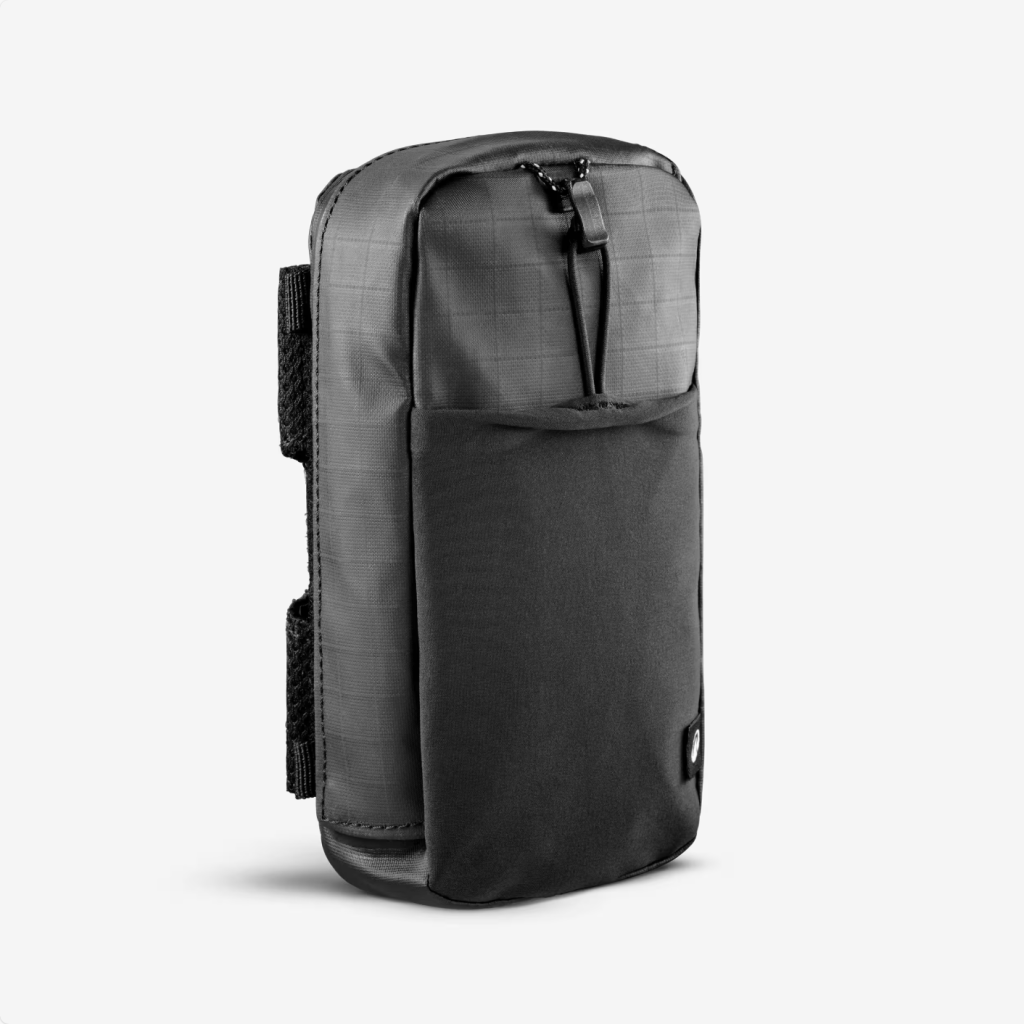
Women-specific hiking backpacks are designed to cater to the unique needs of female adventurers. These backpacks offer a combination of comfort, durability, and ergonomic design, ensuring a better fit and more efficient load distribution. With features like breathable panels, lightweight materials, and hydration compatibility, they are built for long-distance hiking and challenging outdoor environments.
Introduction
Hiking has become one of the most popular outdoor activities in recent years. Whether you’re a casual hiker or a seasoned adventurer, selecting the right gear is crucial for a comfortable and safe hiking experience. One of the most important pieces of equipment is the hiking backpack. For women, choosing the right hiking backpack is even more critical, as their body shape and specific needs require a tailored design for optimal comfort. In this article, we’ll explore why women’s hiking backpacksare uniquely designed for female adventurers, the features that set them apart, and how to choose the best one based on your needs.
What Makes a Women’s Hiking Backpack Different?
The Gendered Design: Why It Matters
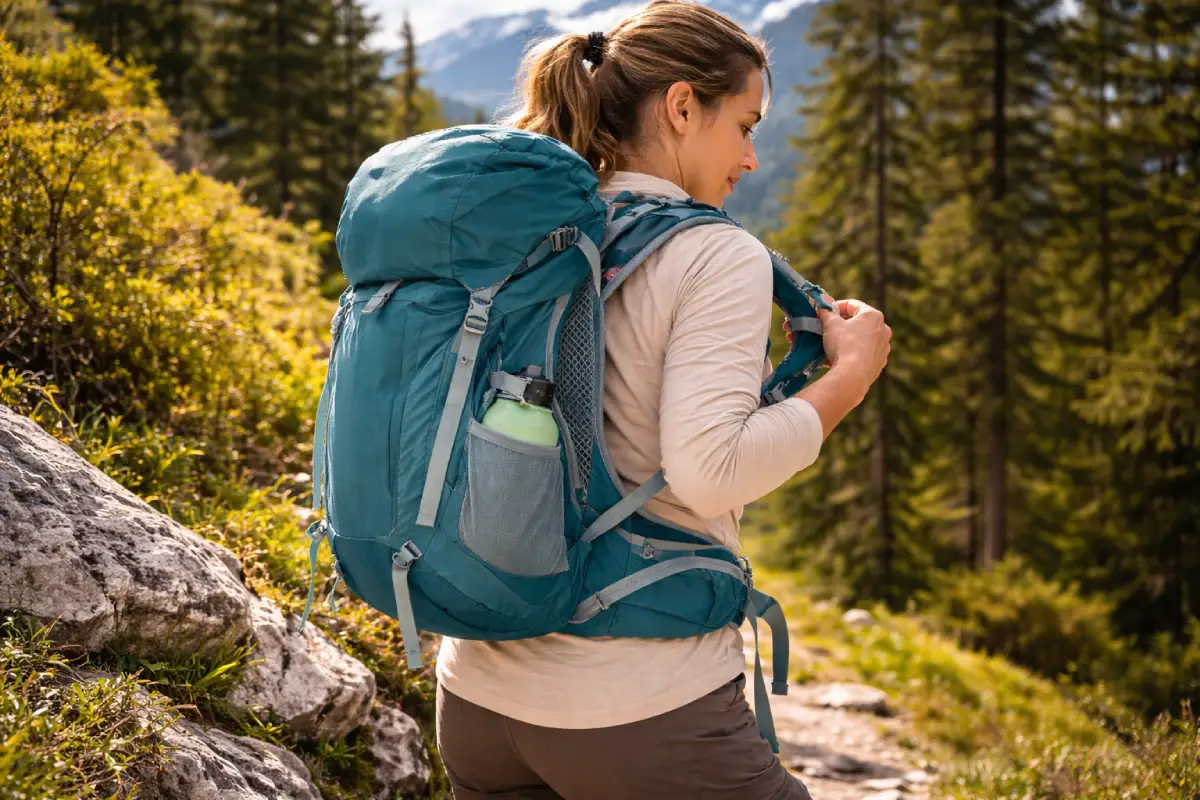
Unlike unisex or men’s backpacks, women’s hiking backpacks are specifically designed to cater to the female body. Women’s anatomy typically features a smaller torso, narrower shoulders, and wider hips. As a result, the design of a women’s hiking backpack adjusts the frame, shoulder straps, and waist belt for a better fit.
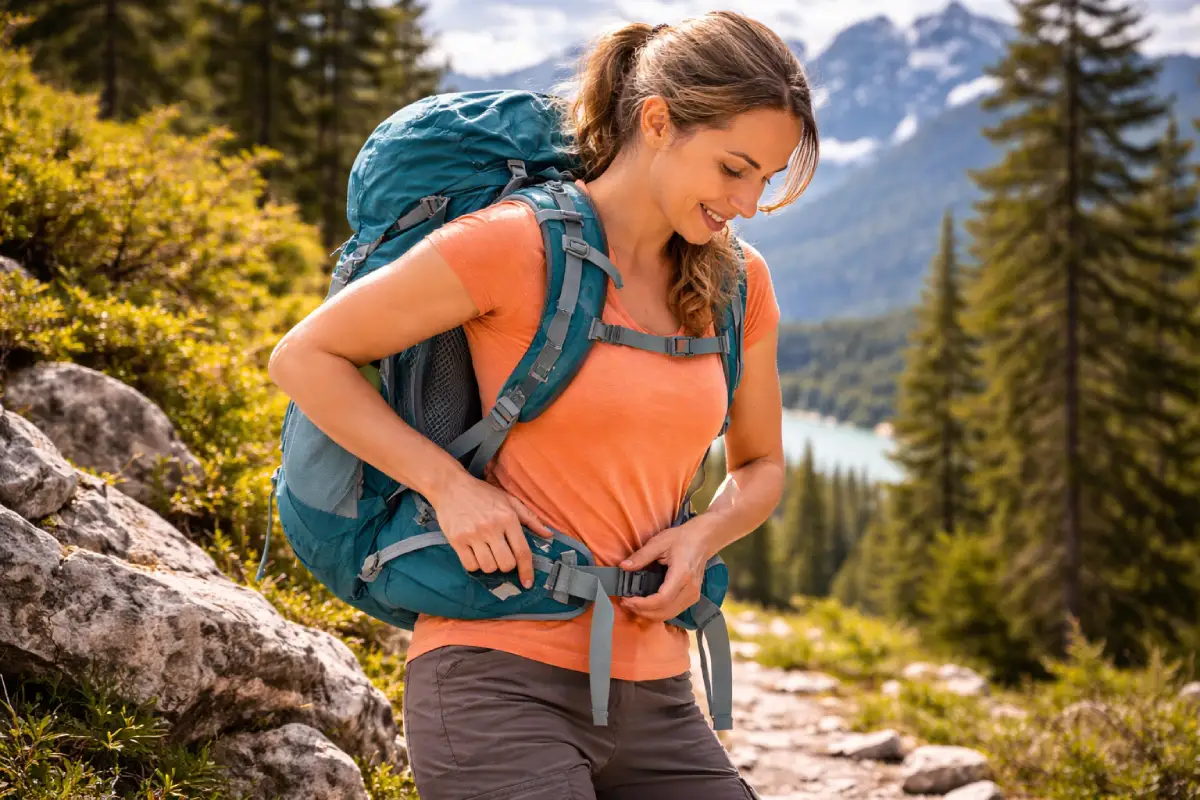
The shoulder straps on women’s backpacks are typically narrower and shorter, accommodating the narrower shoulders of most women. Additionally, the waist belt is designed to sit on the hips rather than higher on the waist, ensuring a more comfortable load distribution. This customized fit helps prevent strain on the shoulders and back, allowing for a more comfortable hiking experience over long distances.
Gender-Specific Materials and Adjustments
In addition to fit, materials also play a critical role in women’s hiking backpacks. Many brands focus on lightweight yet durable fabrics, which help reduce the weight carried by the hiker. Common materials used include ripstop nylon and high-density polyester, which provide strength without adding bulk.
Furthermore, women’s backpacks often feature extra padding on the shoulder straps and hip belts for added comfort. These adjustments ensure that the backpack conforms better to the female form and provides support where it is needed most.
Key Features of Women’s Hiking Backpacks
Ergonomic Design for Comfort
The primary goal of a women’s hiking backpack is to provide maximum comfort. An ergonomic design is essential, and this includes padded shoulder straps that distribute the weight evenly across the shoulders and a ventilated back panel that keeps the wearer cool. The backpacks often come with an adjustable sternum strap and hip belt to help stabilize the load and reduce back strain.
Women-specific backpacks also feature extra cushioning in the lumbar area, which helps to support the lower back. This is especially important for long hikes, where discomfort can quickly lead to fatigue. Many brands also add a breathable mesh lining that increases airflow to prevent sweating.
Pockets, Compartments, and Organization
One of the key selling points of women’s hiking backpacks is their ability to keep items well-organized and easily accessible. From small zipped pockets to large compartments, these backpacks allow users to store and retrieve gear efficiently.
Women’s hiking backpacks often feature design elements that make it easier to access water bottles, snacks, and tools. For example, a side water bottle pocket that’s within easy reach helps women stay hydrated during hikes without having to remove the backpack. A top zippered pocket might be ideal for storing small valuables like phones, keys, or wallets.
Hydration Compatibility
Many women’s hiking backpacks come equipped with a hydration reservoir or are compatible with hydration systems. This feature allows hikers to drink water without taking off their backpacks, which is a crucial advantage on long trails. The hose from the hydration system is often designed to be accessible on either shoulder, making it more convenient for women to drink while keeping their hands free.
The Materials Behind Women’s Hiking Backpacks
Durability vs Weight: Striking the Right Balance
When choosing a women’s hiking backpack, finding the right balance between durability and weight is essential. While lightweight materials are crucial for long hikes, durability is just as important. Backpack manufacturers often use ripstop nylon, a fabric known for its tear resistance, or high-density polyester that balances weight and durability.
Many women’s backpacks also incorporate waterproof materials like PU-coated fabrics to protect gear from rain. The fabrics are designed to be both lightweight and able to withstand harsh conditions, ensuring your belongings stay dry even in wet weather.
Some backpacks go further by incorporating sealed seams, which prevent water from seeping through the stitching. This attention to detail helps women stay dry and protected during hikes, no matter the weather.
How to Choose the Right Women’s Hiking Backpack
Size and Capacity Considerations
Choosing the right size backpack is one of the most important decisions when selecting hiking gear. Women’s backpacks are typically available in a range of sizes and capacities, from daypacks (10–20L) to multi-day trekking backpacks (50–70L).
If you’re going on a short hike or day trip, a smaller capacity pack will suffice, but for longer excursions, you’ll need a larger pack to accommodate extra gear. A larger pack provides more space for sleeping bags, extra clothing, and food, but it should still fit comfortably on your back.
The Perfect Fit: Why It’s Crucial
Fit is one of the most critical factors when choosing a women’s hiking backpack. The backpack should sit snugly on your body without causing discomfort. Many brands now offer adjustable torso lengths, allowing the user to customize the fit of the backpack based on their body size.
Look for backpacks with adjustable straps and belts, as these features can help you tailor the fit and provide better load distribution. It’s essential to try on a backpack and adjust it before your hike to ensure it feels comfortable.
Industry Trends: The Growing Demand for Women-Specific Gear
Increasing Demand for Women’s Outdoor Gear
The outdoor gear industry has seen a significant shift in recent years, with more manufacturers focusing on women’s gear. The rise in women’s participation in hiking, backpacking, and other outdoor activities has driven demand for women-specific products.
This demand has led to more companies designing backpacks that meet the needs of female adventurers. Companies are now focusing on providing backpacks that are not only functional but also comfortable and stylish.
Sustainability in Women’s Hiking Backpacks
Sustainability has become a major trend in the outdoor gear industry. Many manufacturers now offer backpacks made from recycled materials, such as recycled polyester or nylon, to reduce environmental impact.
Additionally, brands are increasingly focused on ethical manufacturing practices. Women’s hiking backpacks that feature eco-friendly fabrics and sustainable production methods are becoming more common in the market.
Comparing Women’s Hiking Backpacks with Unisex or Men’s Models
The Pros and Cons of Women-Specific vs Unisex Models
While some women may opt for unisex or men’s backpacks, there are distinct advantages to using a women-specific model. Women’s backpacks are designed to accommodate the female body shape, ensuring a better fit and more comfort during long hikes.
Unisex backpacks are more versatile but may not offer the same level of comfort or fit for women. Men’s backpacks, in particular, can feel bulky and uncomfortable on a woman’s frame, especially when carrying heavier loads.
Legal and Safety Standards for Women’s Hiking Backpacks
Regulatory Standards for Outdoor Gear
Outdoor gear, including hiking backpacks, must meet specific safety standards to ensure they are safe for use in the wild. These standards cover a range of criteria, including materials, weight distribution, and strength.
Manufacturers must also comply with international regulations on safety and quality control to meet consumer expectations. Many backpacks now come with certifications that guarantee their quality and durability.
Environmental and Health Safety in Materials
The materials used in hiking backpacks must not only be durable but also safe for the user and the environment. Many manufacturers now focus on using non-toxic, safe materials to reduce the impact of outdoor gear on the environment.
Expert Recommendations for Women’s Hiking Backpacks
Top Features to Look for
When shopping for a women’s hiking backpack, experts recommend focusing on essential features that enhance comfort and support. Look for adjustable shoulder strapsfor a custom fit, a padded waist beltthat helps distribute weight evenly, and a breathable back panelthat promotes ventilation, keeping you cool on long hikes. These features ensure a more comfortable and supportive hiking experience, allowing you to enjoy the outdoors without discomfort.
Product Recommendations
For women looking for top-quality hiking backpacks, Shunweioffers the perfect solution. Our hiking backpacks are designed with women’s unique needs in mind, featuring the best in comfort, durability, and functionality. Whether you’re planning a day hike or an extended adventure, Shunweibackpacks provide the perfect balance of support, convenience, and style to keep you comfortable and organized on your journey.
Conclusion
Choosing the right women’s hiking backpackis essential for any hiking adventure. By considering factors such as comfort, fit, materials, and design, women can ensure they choose a backpack that meets their specific needs. Whether you’re embarking on a short day hike or a multi-day trekking adventure, the right backpack can make all the difference in your hiking experience.
Frequently Asked Questions
1. What size women’s hiking backpack should I choose for a day hike?
When choosing a women’s hiking backpack for a day hike, aim for a capacity between 20L and 30L. This size is ideal for carrying essential items like water, snacks, a first aid kit, and extra layers. The size ensures that your gear is easily accessible and does not weigh you down.
2. Are women-specific hiking backpacks worth the investment compared to unisex models?
Yes, women-specific hiking backpacks are worth the investment for many hikers. These backpacks are designed with the female body in mind, offering better support and a more comfortable fit. Features like narrower shoulder straps, better load distribution, and a lower waist belt help reduce discomfort and increase hiking performance.
3. How do I ensure a proper fit for a women’s hiking backpack?
To ensure a proper fit, adjust the shoulder straps, sternum strap, and waist belt. The shoulder straps should sit comfortably on your shoulders without pinching, while the waist belt should rest on your hips, not your waist. Many backpacks also offer adjustable torso lengths, which can be customized for a better fit.
4. What materials are commonly used in women’s hiking backpacks?
Women’s hiking backpacks are made from a variety of materials, including ripstop nylon, polyester, and sometimes, eco-friendly recycled fabrics. These materials are lightweight yet durable, providing resistance to tears and abrasions. Many backpacks also feature waterproof coatings to protect your gear from rain.
5. Can I customize my women’s hiking backpack?
Yes, many manufacturers offer customization options for women’s hiking backpacks. You can personalize your backpack with custom logos, color options, and even unique features such as different strap materials or hydration compatibility. Customization allows you to create a backpack that fits your specific needs and preferences.
References
Title: “Women-Specific Hiking Gear: A Comprehensive Review” Author: Emma Johnson Institution: Outdoor Gear Review Source: outdoorgearreview.com
Title: “The Best Hiking Backpacks for Women” Author: Sarah Peterson Institution: REI Co-op Expert Advice Source: rei.com
Title: “Backpack Fit: Why It’s Important for Hikers” Author: David Harris Institution: The Hiking Authority Source: hikingauthority.com
Title: “Women’s Outdoor Gear: Trends in 2026″ Author: Linda Green Institution: Women in Outdoors Magazine Source: womeninoutdoors.com
Title: “Choosing the Right Hiking Backpack for Comfort and Performance” Author: Mark Taylor Institution: Backpacking International Source: backpackingintl.com
Title: “The Evolution of Women-Specific Outdoor Gear” Author: Julia Lee Institution: Adventure Sports Network Source: adventuresportsnetwork.com
Title: “Sustainability in Hiking Backpack Design” Author: Brian Smith Institution: Green Gear Source: greengear.com
Title: “Top 10 Women’s Hiking Backpack Brands in 2026″ Author: Susan Miller Institution: Gear Up Outdoors Source: gearupoutdoors.com
Why Women-Specific Hiking Backpacks Are Essential for Outdoor Adventure
What Makes Women-Specific Backpacks Different?
Choosing the right hiking backpack is a critical decision for any female adventurer. Women-specific hiking backpacks are engineered to provide a perfect fit, reducing discomfort and enhancing performance during long hikes. These backpacks are designed with narrow shoulders, wider hips, and a smaller torso in mind, addressing the unique body shape of women. The result is a more balanced load distribution, which not only enhances comfort but also minimizes the risk of back and shoulder pain.
What to Consider When Selecting a Women’s Hiking Backpack
When shopping for a women’s hiking backpack, it’s important to consider factors such as capacity, fit, and durability. Make sure the size of the backpack fits your hiking needs—whether you’re going on a short day hike or a multi-day trek. Look for adjustable straps, hydration compatibility, and durable materials like ripstop nylon and polyester, which ensure the backpack can withstand rugged terrains and varying weather conditions. Additionally, backpacks with ergonomic features, like padded shoulder straps and lumbar support, are ideal for long-distance hikes.
How Women-Specific Backpacks Are Shaping the Outdoor Gear Industry
Over the past few years, there has been a significant rise in demand for women-specific outdoor gear, including hiking backpacks. Brands are increasingly offering customized options to cater to women’s unique body types and outdoor needs. Women are no longer limited to unisex models that may not provide the ideal fit and comfort. The shift towards designing gear specifically for women is empowering more women to embrace hiking and outdoor exploration with confidence.
Trends and Insights in Women’s Hiking Backpack Design
As the demand for women-specific hiking gear grows, we are seeing innovations in design and materials. Brands are now offering eco-friendly options, using recycled materials to create sustainable products that appeal to environmentally conscious hikers. Additionally, with the growing trend of personalized products, many companies are offering customizable hiking backpacks, allowing women to add logos, colors, and features that suit their preferences. These trends reflect a broader movement toward more inclusive, functional, and sustainable outdoor gear.
Why Comfort and Fit Should Be Your Top Priority
When it comes to hiking, comfort and fit are paramount. A poorly fitting backpack can lead to fatigue and even injury, especially during long hikes. Women-specific backpacks are designed with this in mind, ensuring the backpack fits snugly and comfortably. Adjustable straps, a well-positioned waist belt, and lumbar support are all key features that should be prioritized when selecting the perfect women’s hiking backpack. These features ensure a more enjoyable and pain-free hiking experience, no matter the terrain.