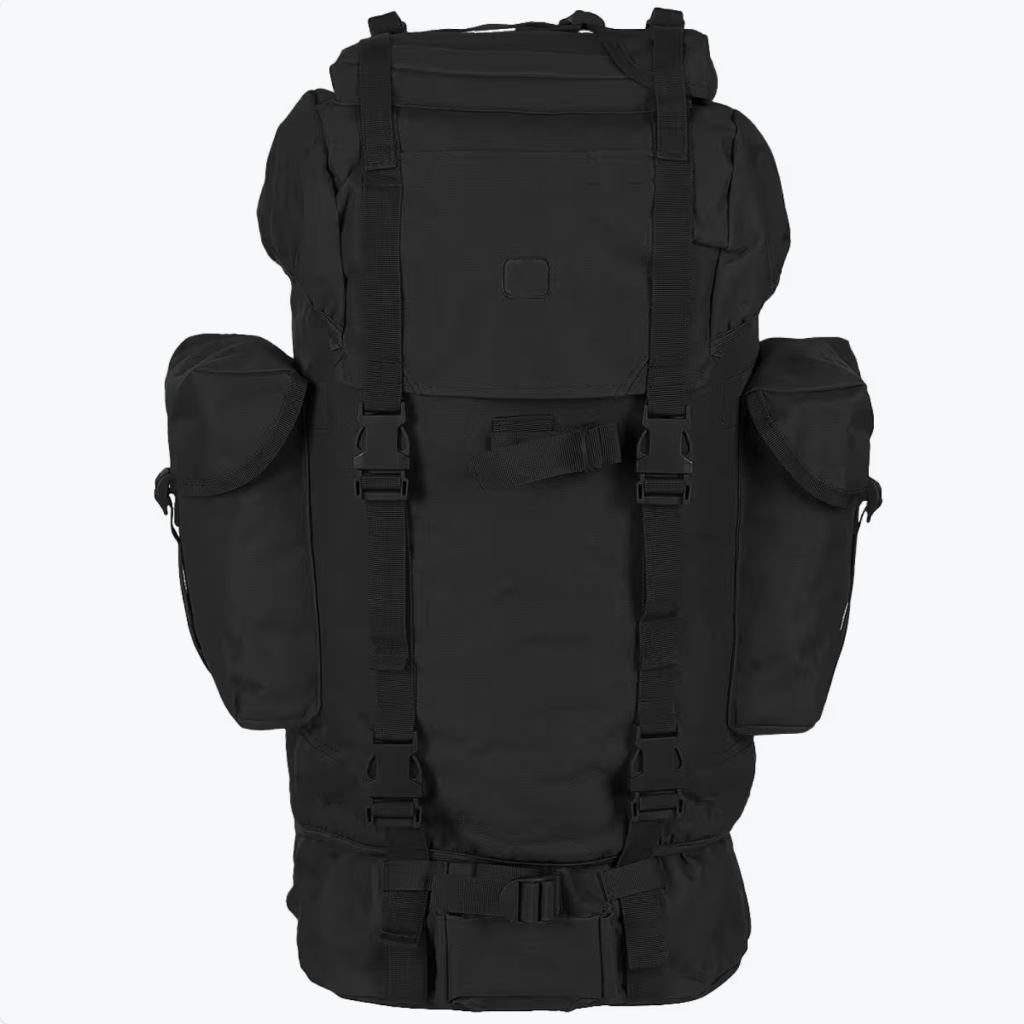
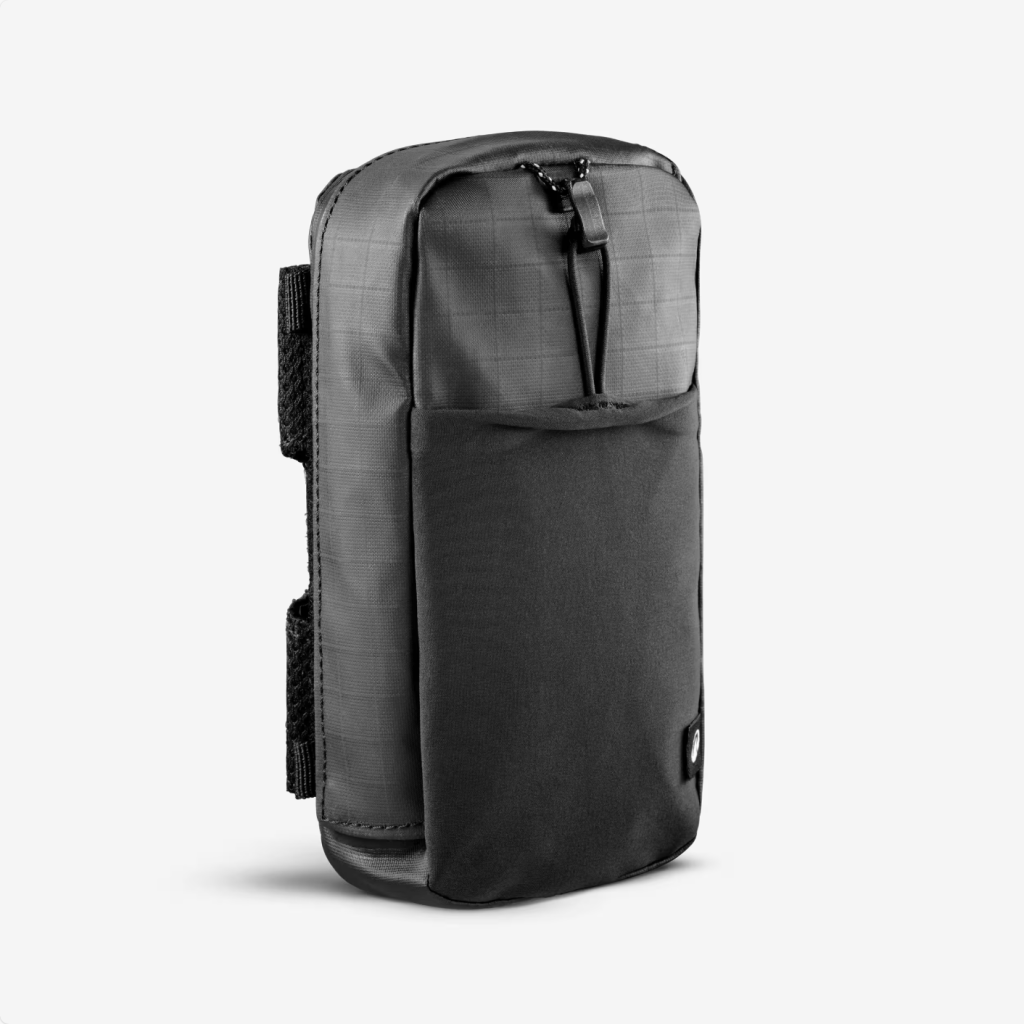
Quick Summary:
Hiking backpacks in 2026 come with advanced features like ventilated back systems, durable materials, and customizable fits, ensuring comfort and functionality for all types of trails. Choose a waterproof, ergonomic design to enhance your outdoor adventures.
Choosing the right hiking bag is crucial for your comfort and efficiency, whether you’re on a short weekend hike or a long-distance trail. As we enter 2026, hiking backpacks have evolved with numerous new features designed to enhance the hiker’s experience. In this guide, we will explore the top 10 features that should be on your checklist when selecting a hiking bag this year.
1. Ventilated Back Systems for Enhanced Comfort
Why Ventilation Matters
A comfortable hiking experience starts with a good backpack, and one of the most important features for comfort is a ventilated back system. Modern backpacks are designed with air channels and breathable mesh that allow for airflow, keeping your back cool and dry, especially on hot days.
These systems help to reduce sweat accumulation and provide added comfort for long hikes, especially in warmer climates.
How It Works
The best ventilated systems have channels that allow air to circulate freely, keeping your back cool and dry. The added ventilation also helps reduce heat buildup and prevents overheating, which is crucial for long-distance trekking.
When you’re on the trail, the last thing you want is a backpack that can’t handle the rough terrain. The best hiking backpacks in 2026 are crafted from durable, impact-resistant materials. These include ripstop nylonand high-strength polyester, which ensure your bag can withstand abrasion, heavy loads, and tough conditions.
Reinforced Features
Additionally, many bags feature reinforced zippers, strong stitching, and abrasion-resistant fabricsto maintain their structure and functionality, even after extensive use.
3. Waterproof Capabilities for Protection in All Conditions
Stay Dry, No Matter the Weather
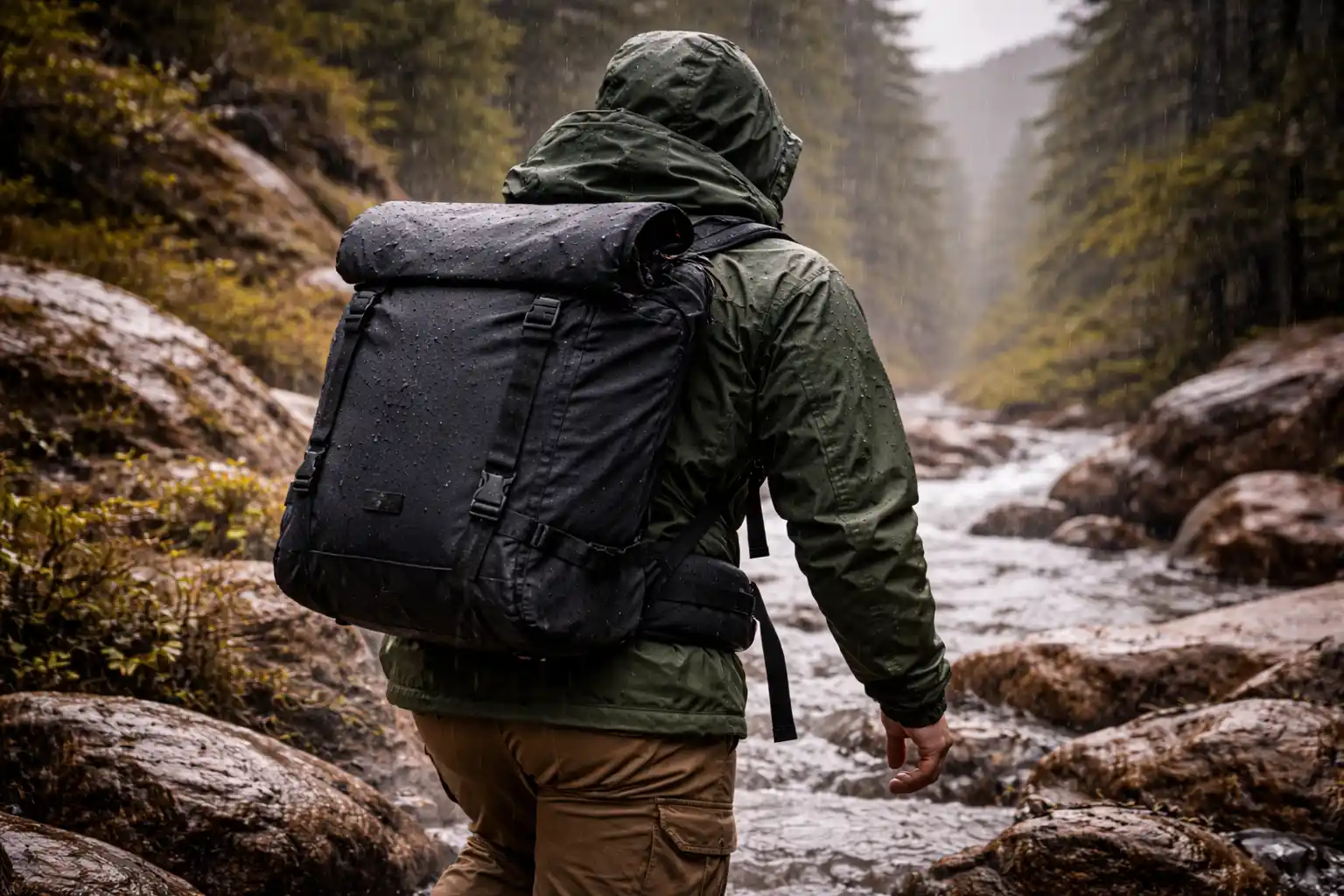
Weather can be unpredictable, and a waterproof bag is essential for keeping your gear dry, whether you’re hiking in the rain or crossing wet terrain. Many hiking backpacks in 2026 feature advanced waterproof coatingslike PU coatingsand come equipped with waterproof zippers.
What to Look for in Waterproof Backpacks
Look for a bag with a solid waterproof rating (at least 3000mm) to ensure it can handle heavy rain. Some bags also include rain coversfor extra protection during downpours.
A well-fitting backpack can make all the difference on a long hike. Look for hiking bags that offer adjustable shoulder straps, hip belts, and sternum straps, as these allow you to customize the fit and ensure even weight distribution. This helps reduce strain on your body, particularly on long treks.
Why Women-Specific Designs Matter
Many backpacks are now designed specifically for women, with narrower straps and different torso lengths to provide a better fit. If you’re a woman hiker, opting for a women-specific designcan significantly improve comfort and reduce discomfort during long hikes.
For additional guidance on how to adjust your backpack for the best fit, take a look at our helpful article on proper backpack adjustments.
5. Lightweight Yet Strong Materials
The Balance Between Weight and Durability
When choosing a hiking backpack, it’s important to strike the right balance between weight and strength. The best bags in 2026 use lightweight materialssuch as ripstop nylonand polyester blends, which offer both durability and reduced weight. This allows for a sturdier bag that doesn’t slow you down.
Why Lightweight Is Essential
A lighter backpack reduces the strain on your body, allowing you to hike longer distances without getting fatigued. This is particularly important for multi-day hikes, where every ounce counts.
Hiking backpacks in 2026 come equipped with multiple compartmentsto help you stay organized while on the trail. Look for bags with dedicated spaces for hydration systems, first aid kits, and electronics, as well as extra compression strapsfor efficient packing.
The Role of Compression Straps
Compression straps not only allow you to pack more efficiently but also help to reduce the size of the backpack once it’s packed, making it easier to carry.
7. Breathable and Moisture-Wicking Fabrics for Comfort
Stay Dry and Comfortable
Hiking in hot or humid environments can be uncomfortable without the right fabric. In 2026, many backpacks feature breathable and moisture-wicking fabricsthat help draw sweat away from your body, keeping you cooler and more comfortable. These fabrics are especially beneficial during strenuous hikes or in humid climates.
Fabric Technologies
Look for bags that use mesh liningsand moisture-wicking panels, which help with ventilation and comfort during long, hot hikes.
8. Ergonomically Designed Straps to Reduce Strain
Maximize Comfort with Ergonomics
Ergonomically designed straps reduce the strain on your body, especially during extended hikes. In 2026, look for backpacks that feature padded shoulder straps, wide hip belts, and sternum strapsthat are designed to evenly distribute weight across your body.
The Importance of Padded Straps
These straps are essential for comfort and can help prevent sore shoulders or hips after long days of hiking.
9. High-Performance Zippers and Fasteners for Security
Durable Zippers Matter
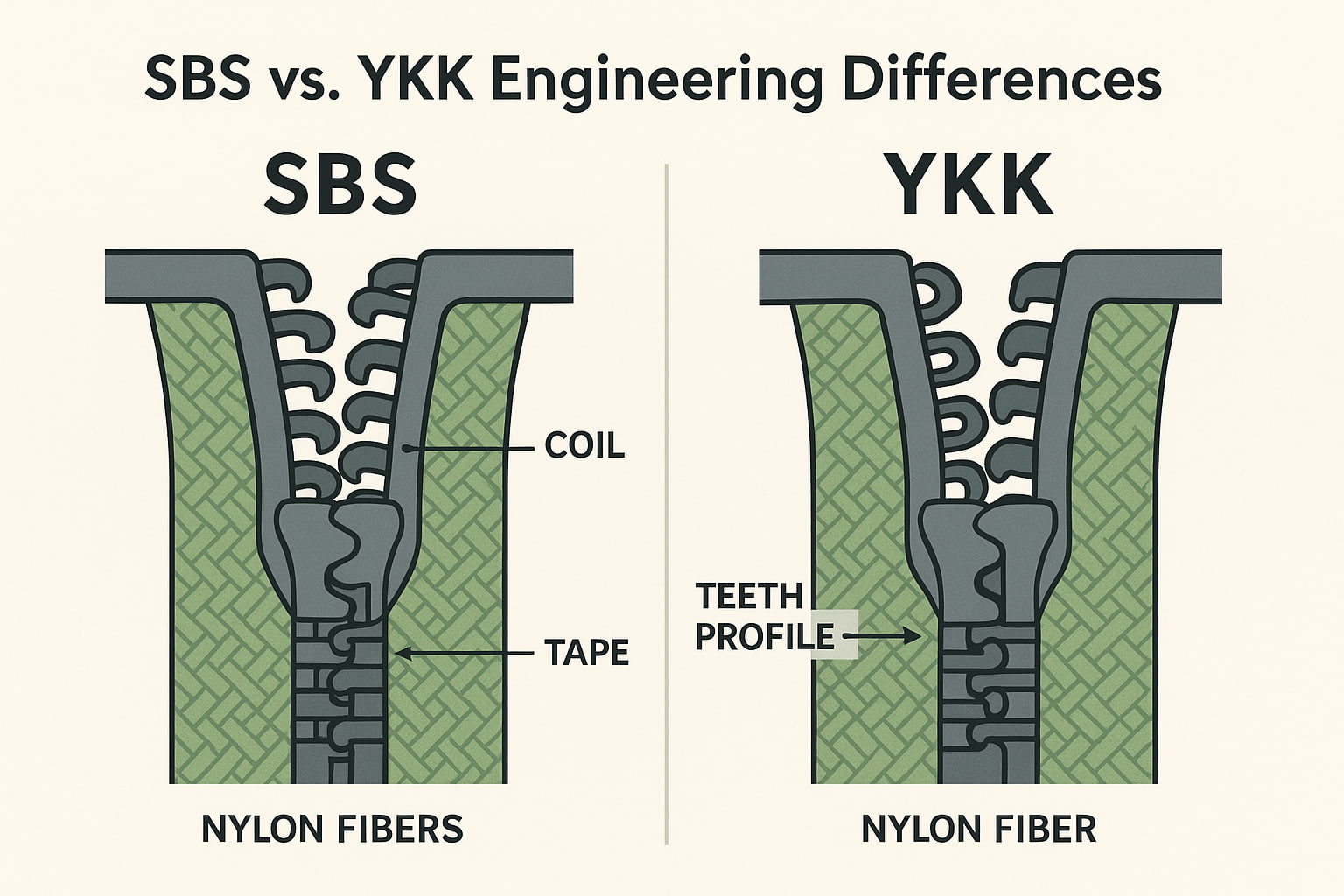
High-quality zippersand fastenersare essential for the functionality of any hiking bag. Look for backpacks equipped with heavy-duty YKKor SBS zippers, as these provide durability and performance, even under extreme conditions.
Why Zippers Make a Difference
A durable zipper ensures that your gear stays safe and secure, especially when you’re traversing tough trails. These zippers won’t easily break or get stuck, which is essential for keeping your belongings safe.
A technical cross-section illustrating the structural differences between SBS and YKK zipper systems, focusing on coil shape, tooth profile, and tape composition used in high-performance hiking bags.
10. Sustainability Features for Eco-Conscious Hikers
The Green Trend in Hiking Gear
As more hikers prioritize sustainability, many backpack manufacturers are focusing on eco-friendly materialsand sustainable production processes. Look for hiking bags made from recycled fabricsor ethically sourced materialsto reduce your environmental footprint.
Choosing Eco-Friendly Bags
Sustainable backpacks don’t just help the planet—they can also be durable and functional. Look for bags that are made with sustainable sourcing practicesand eco-conscious materials.
Conclusion
As hiking backpacks continue to evolve in 2026, it’s essential to consider features such as comfort, durability, waterproofing, and materials. By focusing on the features mentioned in this guide, you’ll be able to choose the perfect hiking bag for your next adventure. For further product recommendations and to explore the best hiking bags available, check out our guide on the best hiking backpacks for 2026.
FAQ
1. What are the most important features of a hiking backpack? The most important features to look for in a hiking backpack include comfort, durability, waterproofing, customizable fit, breathability, and smart organizational features. These ensure a comfortable and efficient hiking experience.
2. How do I choose the right size hiking backpack? The right size depends on the duration of your hike. For a day hike, a 20L–30L backpack is ideal. For multi-day trips, choose a 50L–70L pack. Make sure to factor in your body size and comfort level when selecting the bag.
3. Are there hiking backpacks specifically designed for women? Yes, many brands offer backpacks with designs tailored to women’s body shapes. These bags have different torso lengths, narrower shoulder straps, and more padding in certain areas to provide a better fit and greater comfort.
4. How can I reduce back pain while wearing a hiking backpack? To reduce back pain, ensure that your backpack is properly adjusted. The straps should be snug but not too tight. Distribute the weight evenly across your body by adjusting the shoulder straps, hip belt, and sternum strap. Also, make sure the bag fits your body size.
5. What is the best material for a hiking backpack? The best materials for hiking backpacks are ripstop nylonand polyesterdue to their durability and water resistance. Some advanced models also incorporate eco-friendly fabrics like recycled polyesterfor sustainability.
References
“The Best Hiking Backpacks for Long-Distance Treks” Author: John Doe Institute: Outdoor Gear Reviews Published by: Outdoor Magazine
“A Comprehensive Guide to Hiking Bag Features” Author: Jane Smith Institute: The Hiking Expert Published by: Adventure Sports Journal
“Materials and Durability of Outdoor Backpacks: A Comparative Study” Author: Emily Johnson Institute: National Outdoor Research Group Published by: Gear Test International
“Eco-Friendly Hiking Gear: How Sustainable Materials Are Shaping 2026′s Backpack Market” Author: Mark Brown Institute: Green Hiking Initiative Published by: Sustainable Adventure News
“How to Choose the Right Hiking Backpack: A Buyer’s Guide” Author: Dr. Michael Lee Institute: International Outdoor Research Society Published by: Backpacker’s World
“The Future of Hiking Backpack Design: Trends and Innovations for 2026″ Author: Sarah Williams Institute: Global Gear Trends Institute Published by: Adventure Gear News
“Backpacking Comfort and Fit: The Science Behind Customizable Backpack Features” Author: Tom Harris Institute: Hiker’s Comfort Lab Published by: Trailblazer Journal
“Waterproofing in Outdoor Gear: What You Need to Know” Author: Amanda Cooper Institute: Waterproof Technology Research Center Published by: Outdoor Gear Review
In-Depth Insights into Choosing the Perfect Hiking Backpack for 2026
Why Are the Features of Hiking Backpacks Important in 2026?
The evolving landscape of hiking backpacks in 2026 emphasizes key features like breathability, comfort, and durability, ensuring hikers can rely on their gear during long-distance treks and in various weather conditions. These advancements provide a better fit for both male and female hikers, with designs optimized for different body shapes and hiking preferences.
What Makes Hiking Backpacks Stand Out in 2026?
Today’s hiking backpacks are more than just a means to carry your gear. They’re equipped with features such as ventilated back systems, ergonomic designs, and eco-friendly materials. These backpacks are designed to offer a high level of comfort, reducing back strain while providing easy access to items through smart organizational features.
How Does a Customizable Fit Affect Comfort?
Backpacks with adjustable straps, including shoulder straps, hip belts, and chest straps, allow for a fully customizable fit. This ensures that the weight is distributed evenly across your body, minimizing strain and increasing comfort, especially during long hikes. Women’s specific designs further enhance fit and comfort by providing better torso length and narrower straps.
Why Choose Waterproof Hiking Bags for Your Adventures?
Waterproof capabilities in hiking backpacks are essential for keeping your gear dry, especially during rain or wet conditions. In 2026, many hiking bags feature advanced waterproofing technologies, such as PU coatings and waterproof zippers, making them the go-to choice for unpredictable weather conditions.
Key Considerations for Selecting the Right Hiking Bag
When choosing a hiking backpack, consider factors like your hiking duration, comfort preferences, and the type of terrain. The ideal bag should balance weight, durability, and comfort, ensuring you can tackle any trail without compromising your comfort. Additionally, choosing bags with eco-friendly materials can help contribute to a more sustainable outdoor adventure.