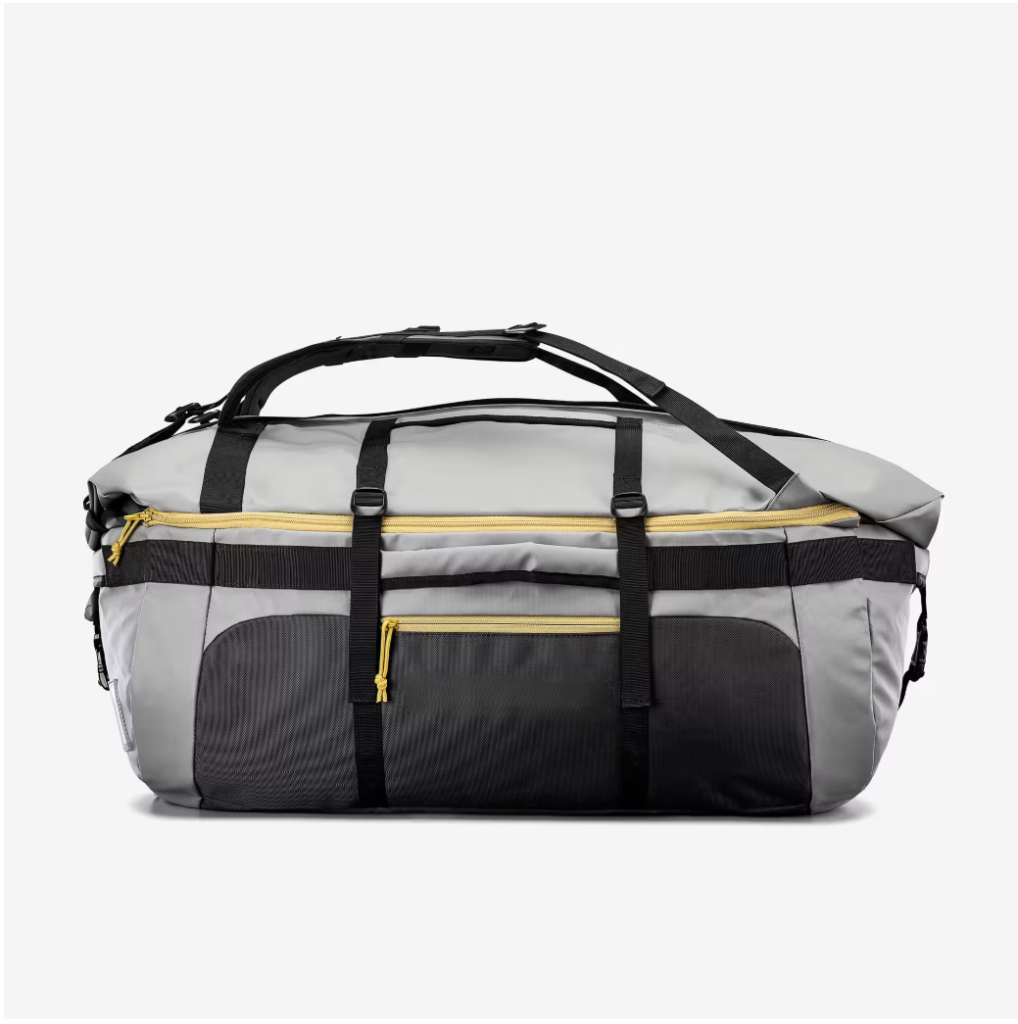
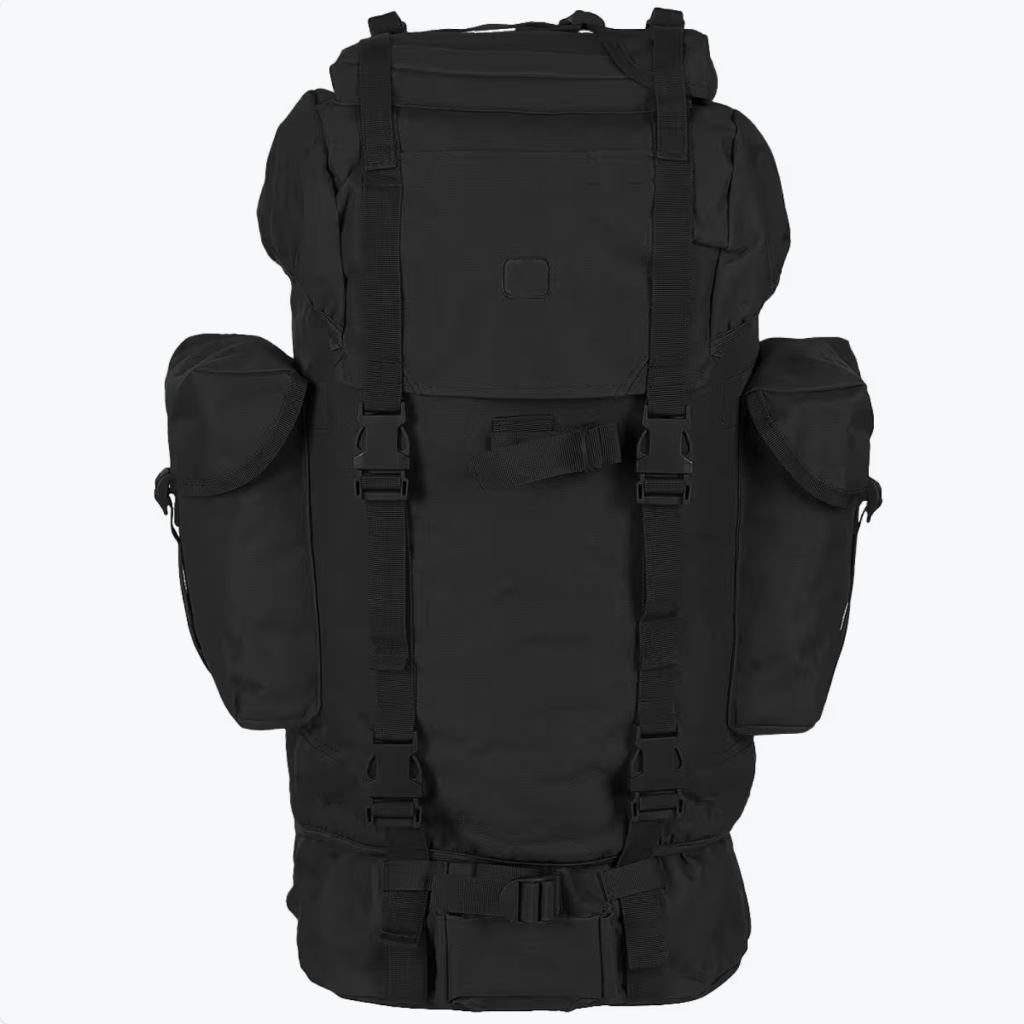
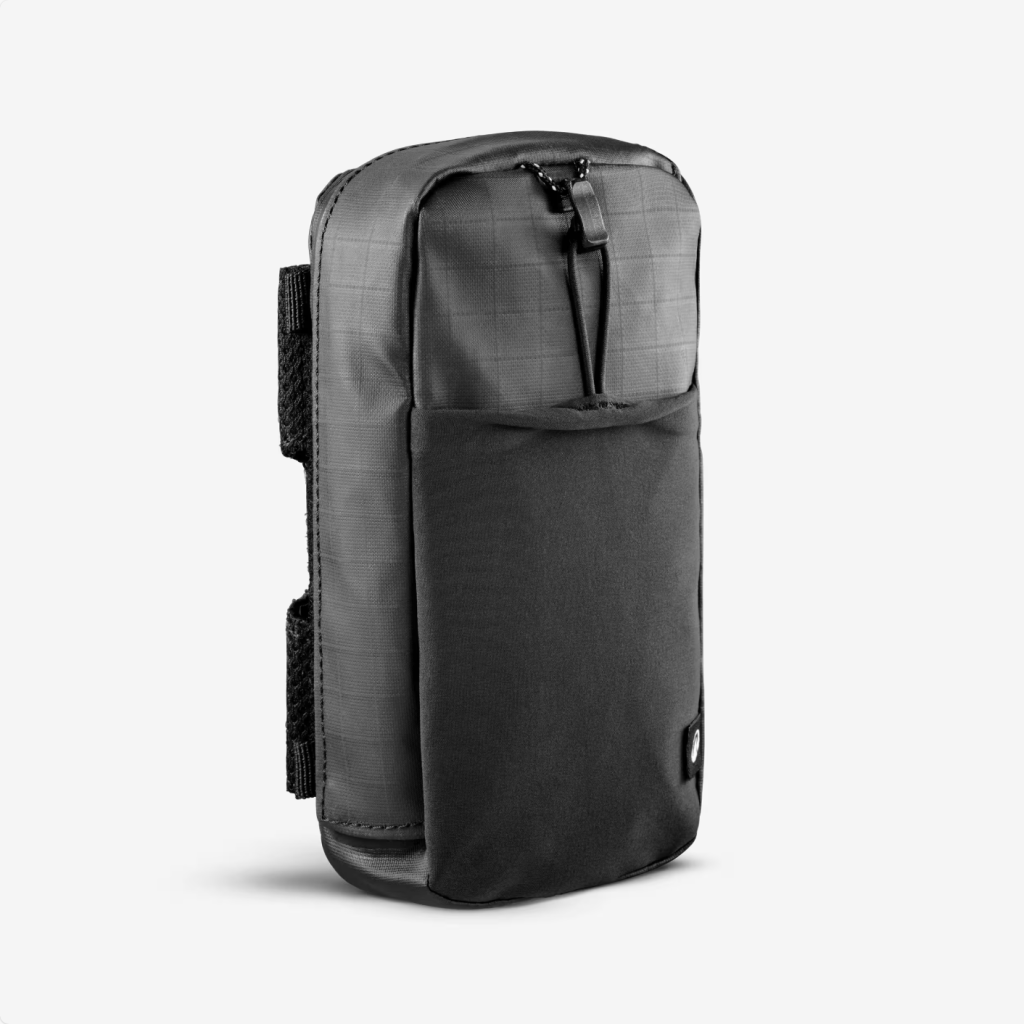
Understanding the eight essential features of a modern hiking backpack helps hikers choose the right pack for comfort, safety, waterproof performance, load efficiency, and long-distance durability. This summary provides a quick overview of what truly matters, from suspension engineering to waterproofing integrity.
Choosing the right hiking backpack is not just about style or brand recognition—it is about comfort, safety, weight distribution, weather resilience, and long-term durability. Whether you prefer compact 20L hiking backpack models for ultra-light missions or a larger 30L hiking backpack for all-day ascents, understanding the engineering behind modern packs will help you make smarter decisions.
This guide breaks down the eight core features that truly matter. These are the same performance principles used by professional hikers, gear testers, and global outdoor brands. If you’re comparing different hiking bags, consider this your technical blueprint.
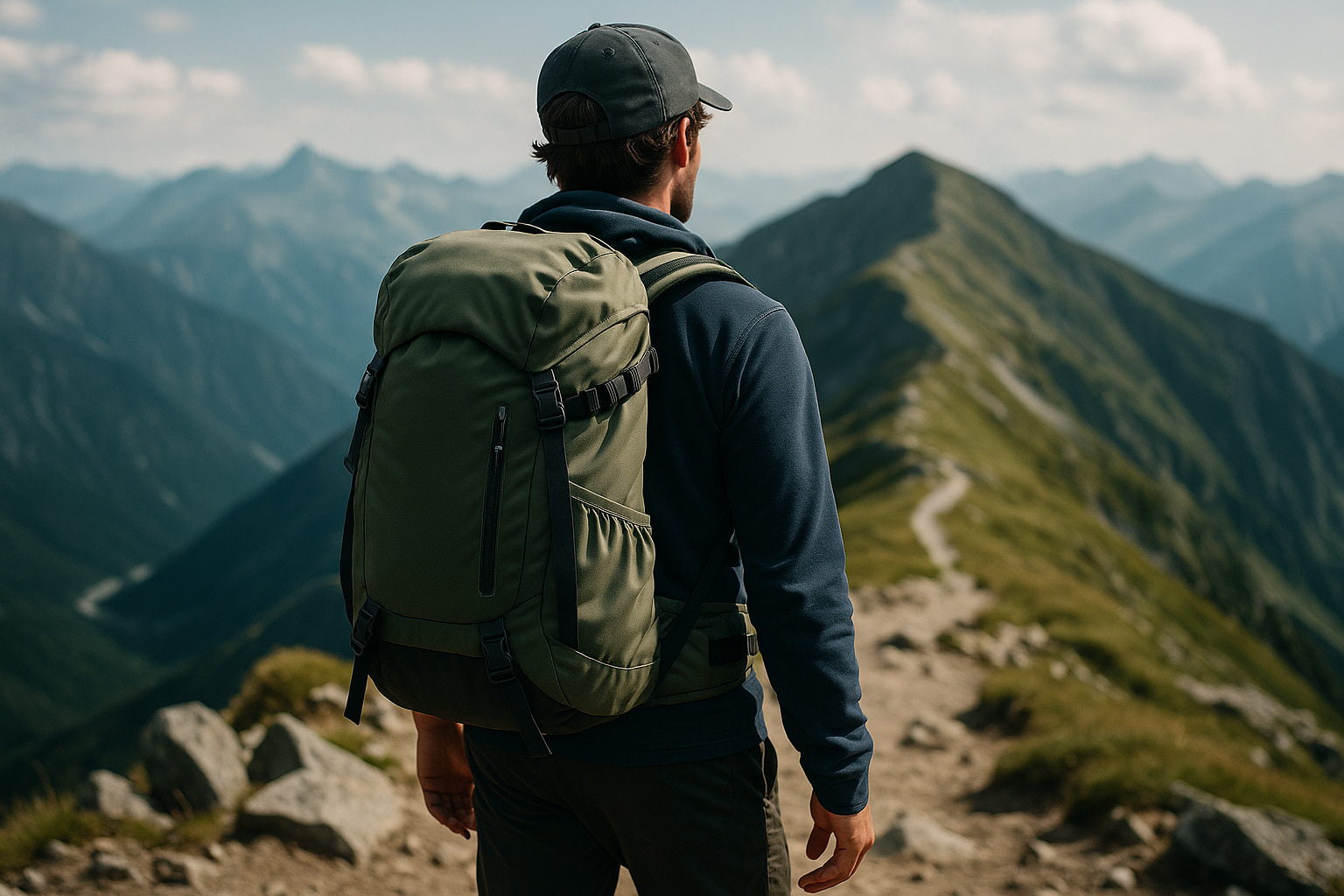
A real outdoor scene showing how a waterproof hiking backpack performs on rugged mountain terrain.
1. Load-Carrying System (Suspension): The Backbone of Comfort
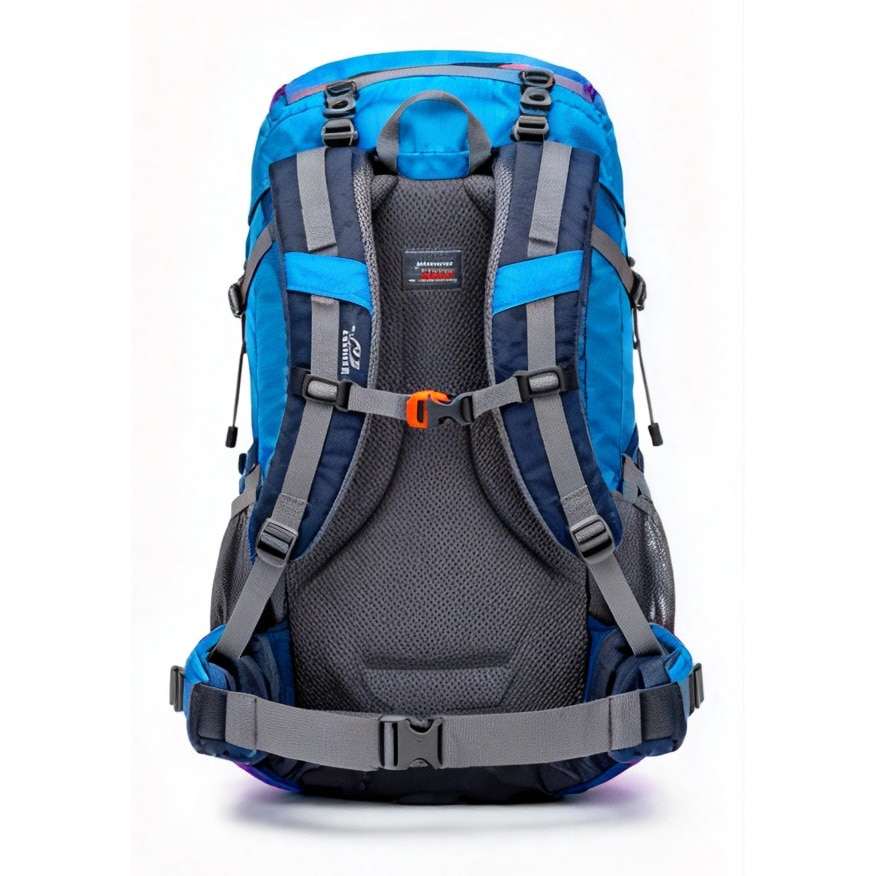
A hiking backpack lives or dies by its suspension system. Even the best backpacks for travel cannot compensate for poor weight distribution when used on rugged trails. Modern suspension systems combine several components that work together to transfer weight efficiently from your shoulders to your hips.
Why Suspension Matters
Studies from outdoor ergonomics researchers consistently show that at least 60–70% of pack weight should be supported by the hips, not the shoulders. Packs without proper suspension lead to fatigue, shoulder numbness, and long-term posture issues.
Key Components
Internal frame design: Aluminum stays, HDPE frame sheets, or carbon-fiber rods provide structure without unnecessary weight.
Load lifters: Help adjust the pack’s angle to minimize shoulder strain.
Hip belts: Crucial for any load above 5–7 kg.
A premium suspension system is what separates basic hiking bags from high-performance mountain gear.
2. Ventilation System: Staying Cool and Dry on the Trail
Sweat accumulation is more than a comfort issue—it can impact temperature regulation and increase fatigue. Most mid- and high-grade backpacks now integrate a structured air-channel ventilation system.
Ventilation Technologies to Know
Mesh Trampoline Back Panels: Create a full air gap between your back and the pack.
Ventilated Foam Panels: More structured support while improving airflow.
Moisture-wicking contact fabric: Prevents sweat from becoming trapped.
A well-ventilated hiking backpack dramatically improves performance on hot, humid, or tropical trails—especially when carrying a 32L mountain hiking bag with more load.
Ventilation System Staying Cool and Dry on the Trail
3. Material Selection: Durability vs. Weight vs. Waterproofing
Backpack materials have evolved dramatically in the last decade. New regulations limiting PFAS chemicals in outdoor gear mean that manufacturers now prioritize safer coatings and more sustainable fibers.
Key Material Types
Nylon (420D–630D): Balance of weight and abrasion resistance.
Hikers often assume fabric alone determines waterproofing—but coatings, seam construction, and zippers matter far more. We expand this in section 5.
When evaluating hiking bags waterproof designs, focus on construction quality, not marketing labels.
4. Fit & Adjustability: A Custom Fit Without Custom Pricing
Even the best-engineered pack fails if it doesn’t fit your torso length, hip width, or shoulder shape. Fit is especially crucial when choosing between a 20L hiking backpack (for speed and agility) and a 30L hiking backpack (for full-day or multi-terrain hikes).
Fit Factors That Matter
Torso length adjustment (S–M–L or sliding system)
Shoulder strap width and shape
Hip belt padding thickness
Chest strap height adjustment
A correctly fitted pack reduces long-distance fatigue by up to 30–40%, according to multiple backpack biomechanics studies.
5. Waterproofing: Understanding Real Protection Beyond Marketing Claims
The word “waterproof” is one of the most misused terms in outdoor gear marketing. Most hiking backpacks are actually water-resistant, not fully waterproof.
What Actually Determines Waterproofing
Coating type: PU, TPU, or PVC coatings determine hydrostatic rating.
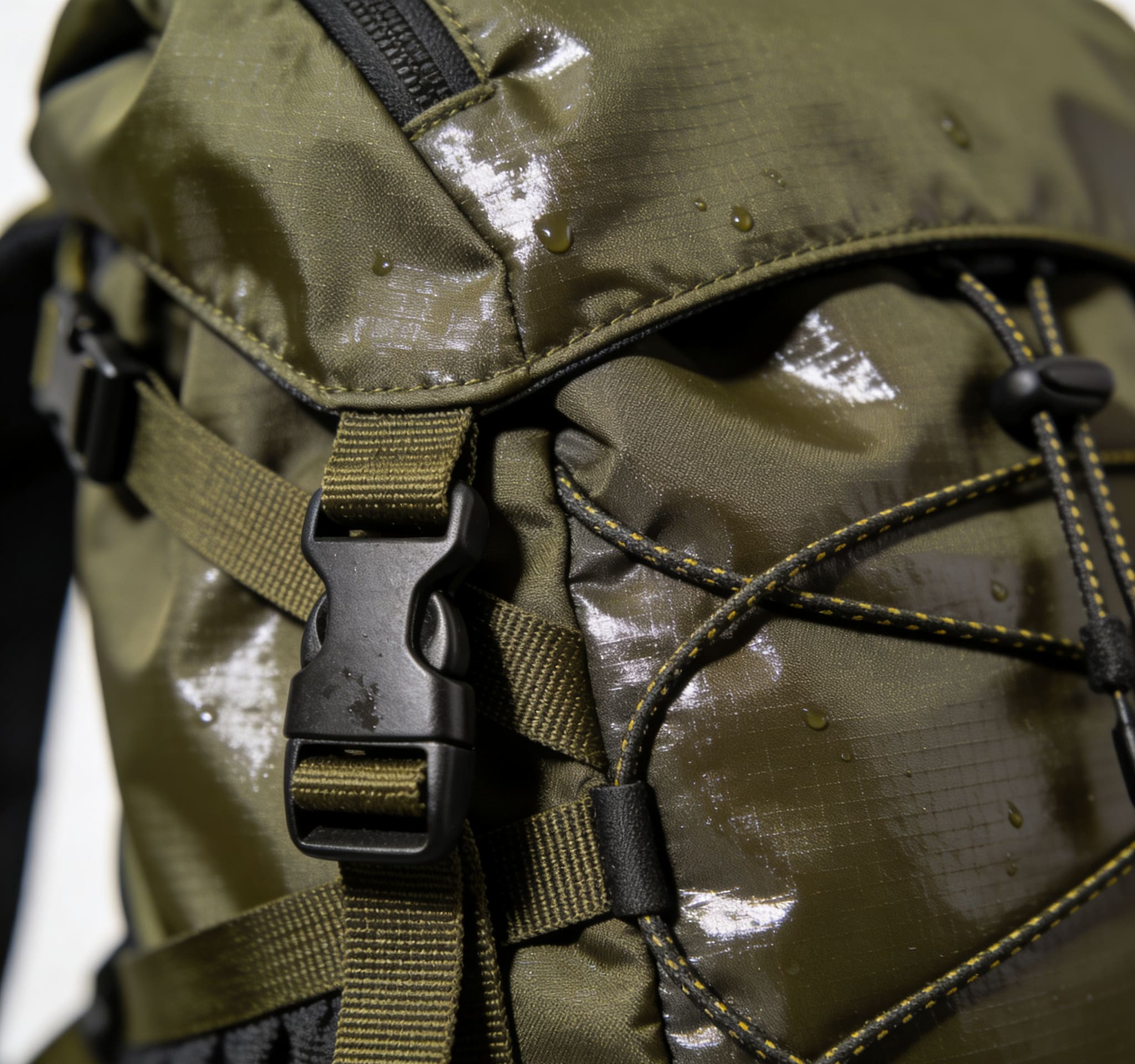
A detailed look at the waterproof ripstop fabric used in modern hiking backpacks, showing water beading on the surface.
6. Pocket Structure & Organization: Access Without Overpacking
High-performing hiking bags balance organization with simplicity. Too many pockets add weight; too few create frustration.
Ideal Pocket Layout
Front stretch panel for jackets
Side bottle pockets (elastic or zip)
Hip belt pockets for snacks and devices
Internal hydration sleeve
Top lid pocket for essentials
A well-designed backpacks for travel setup also integrates padded compartments and anti-theft features, making the bag multifunctional for both outdoor and urban use.
7. Hip Belt, Chest Strap & Load Management Features
Every hiker should understand how load-bearing features influence mobility and long-term comfort.
Essential Components
Padded hip belt to transfer weight efficiently
Adjustable sternum strap for chest stability
Compression straps to reduce pack volume and bounce
8. Extra Functional Features: What Separates Good Packs from Great Ones
Now that outdoor gear standards are rising globally, more brands—including ShunweiBag—add advanced features:
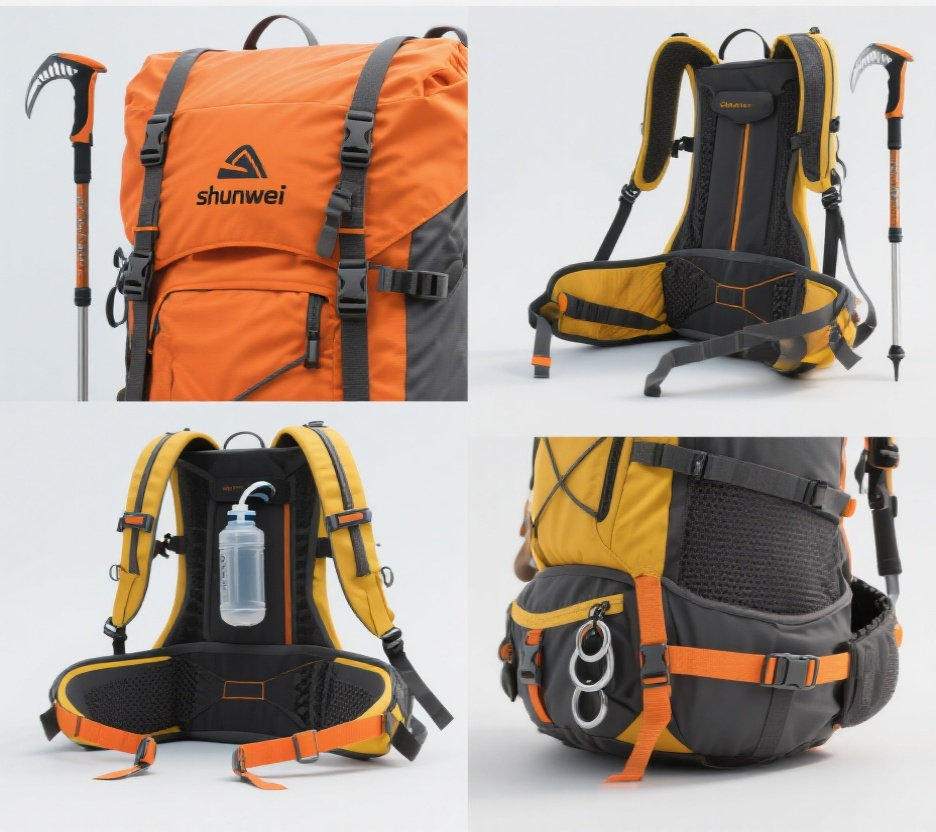
Trekking pole attachment
Hydration compatibility
Reflective safety accents
Waterproof zippers
Reinforced bottom panel
External bungee system
Emergency whistle
These functional upgrades often determine whether a backpack performs well for 2 years… or 10.
Conclusion
A high-quality hiking backpack is not defined by its brand or appearance, but by its structure, materials, adjustability, and performance under real outdoor conditions. Whether you choose a compact 20L hiking backpack for agile movement or a versatile 30L hiking backpack for longer, more demanding missions, the key is understanding how each feature contributes to comfort, safety, waterproofing, and load efficiency.
As outdoor standards rise globally, choosing gear from brands that prioritize engineering—like ShunweiBag—ensures your pack will remain reliable across evolving climates, terrains, and regulations.
FAQs
1. What size hiking backpack is ideal for most hikers?
Most hikers find that a backpack between 20L and 30L works best for day hikes and general outdoor use. A 20L hiking backpack is suitable for short routes, warm climates, and minimal gear. A 30L backpack offers more room for insulation, food, first-aid items, and unpredictable weather, making it better for longer trails or variable terrain. Always match backpack size to climate, distance, and how much emergency gear you prefer to carry.
2. How important is the suspension system in a hiking backpack?
The suspension system determines comfort, balance, and fatigue levels during long-distance hiking. A well-designed suspension transfers most of the load to the hips, reducing shoulder pressure and improving posture. Features like padded hip belts, adjustable harnesses, load-lifter straps, and chest straps help maintain stability on uneven ground. Without a proper suspension system, even lightweight packs can cause strain and discomfort.
3. What materials offer the best durability for hiking backpacks?
Durable hiking backpacks usually use 420D–630D ripstop nylon, which resists abrasion, tearing, and long-term wear. Advanced TPU or silicone coatings improve waterproof performance and fabric longevity. Reinforced base panels protect against friction when placing the pack on rough ground. Polyester backpacks may be cheaper but degrade faster in humidity and rugged environments, making nylon-based packs more suitable for frequent hikers.
4. Do hikers really need a waterproof backpack?
A waterproof hiking backpack is essential for mountain trails, tropical regions, and any environment with rapid weather changes. True waterproofing requires more than coated fabric—hikers should look for sealed seams, protected zippers, and durable waterproof coatings. Rain covers help but can shift or fail in heavy storms. For long exposure to rain, system-level waterproofing ensures your clothing, electronics, and food remain dry and safe.
5. What makes a hiking backpack suitable for both hiking and travel?
A backpack that performs well for both hiking and travel typically combines outdoor structure with smart organization. This includes strong suspension systems, weather-resistant fabrics, padded compartments for electronics, lockable zippers, and quick-access pockets. These packs transition smoothly between airports, cities, and mountain trails, offering versatility for hikers who also travel frequently.
References
Backpack Load Distribution Study – International Journal of Outdoor Ergonomics
Hydration and Ventilation Effects on Heat Stress – American Sports Science Association
Essential Insights: How to Evaluate a Modern Hiking Backpack
How should hikers align backpack size with terrain and climate?
Backpack sizing is never universal. Compact 20L packs support speed, warm climates, and lightweight travel, while 30L+ models provide insulation storage, storm-ready equipment, and better safety margins for alpine routes. Terrain, temperature swings, and resupply distance all determine the optimal volume.
Why does suspension engineering matter more than appearance?
A modern hiking backpack’s performance is defined by its load-transfer efficiency. A well-designed hip belt and shoulder harness reduce joint stress, stabilize the spine under fatigue, and improve long-distance energy expenditure—not by a small margin but by measurable biomechanical difference.
What defines true waterproof capability in hiking bags?
Real waterproof integrity depends on fabric hydrostatic rating, coating durability, seam welding, zipper sealing, and abrasion resistance. Marketing labels often oversimplify this. In practice, system-level waterproofing—not “waterproof fabric” alone—protects gear during prolonged rain or snow.
What functional upgrades deliver long-term reliability?
High-density nylon, TPU coatings, reinforced base panels, structured frames, ventilation mesh, and adjustable sternum/hip systems dramatically extend lifespan and comfort. These upgrades matter more than additional pockets or visual styling.
Consideration: How should hikers future-proof their backpack choice?
Climate volatility, stricter waterproofing regulations, and rising expectations for versatility mean hikers should choose packs built with modern coatings, PFAS-free materials, multi-terrain support, and ergonomic adaptability. A long-lasting hiking backpack is not only durable—it evolves with user needs and environmental challenges.