
Contents
- 1 Quick Backpack Selection Guide
- 2 Why Backpack Size Matters More Than Most Hikers Think
- 3 Quick Comparison: 20L vs 30L (Trail Reality, Not Just Numbers)
- 4 Understanding Hiking Capacity in Litres (and Why It’s Misleading)
- 5 30 Liter Backpack Size: How Big It Feels and What It Fits
- 6 What Type of Hiking Are You Doing?
- 7 How Much Gear Actually Fits? (Real Capacity Test)
- 8 Weatherproofing and Regulations: Why 30L Packs Are Becoming Standard
- 9 Body Size, Torso Length and Comfort
- 10 Ultralight vs Regular Hikers: Who Should Choose What?
- 11 Choosing Based on Climate Conditions
- 12 The Role of Waterproofing in Pack Size Choice
- 13 How Extra Gear Influences the 20L vs 30L Decision
- 14 What Science Says About Pack Weight and Capacity
- 15 Real User Field Tests: 20L vs 30L on the Same Route
- 16 Environmental Responsibility and Pack Size
- 17 How to Test-Fit a Pack Before Buying
- 18 Who Should Use a 20L Hiking Backpack?
- 19 Who Should Use a 30L Hiking Bag Waterproof?
- 20 Final Recommendation: Which One Do You Really Need?
- 21 FAQs
- 22 Semantic Insight Loop
Quick Backpack Selection Guide
20L Backpack
Ideal for:
-
Day hikes
-
Lightweight packing
-
Short trips (1-3 hours)
-
Warm climates / Minimal gear
30L Backpack
Perfect for:
-
All-day hikes or extended trips
-
Layered packing (for cold weather)
-
Carrying more gear (waterproof layers, extra food, water)
-
Light overnight stays
Choosing the right backpack size sounds simple — until you’re standing in front of a wall of packs and realising that 20L and 30L models look almost identical. Yet on the trail, the difference can decide whether you move fast and free, or spend the whole day feeling like a pack mule.
This in-depth guide breaks down every factor that truly matters: capacity planning, safety compliance, international backpack-fit standards, load distribution, and real user data from long-distance hikers. Whether you’re preparing for weekend scrambles or multi-day ridge traverses, this article helps you choose the size that actually fits your hiking style — not the one that “looks about right.”
Why Backpack Size Matters More Than Most Hikers Think
Capacity is not just a number printed on the hangtag. It influences your stability, fatigue level, hydration decisions, food security, and even environmental compliance when passing through regions with pack-size regulations for protected ecosystems.
A 20L hiking backpack can help you move lighter and minimise risk of joint overload. A 30L hiking bag waterproof setup gives you room for safety layers, emergency insulation, and weatherproofing — often required in alpine and cold-weather routes.
Many mountain safety organisations and conditioning guidelines caution that carrying a pack that’s too heavy for your body can increase fatigue and joint stress—especially on uneven terrain. The right volume helps prevent unnecessary overpacking while still leaving room for critical safety layers and weather protection.
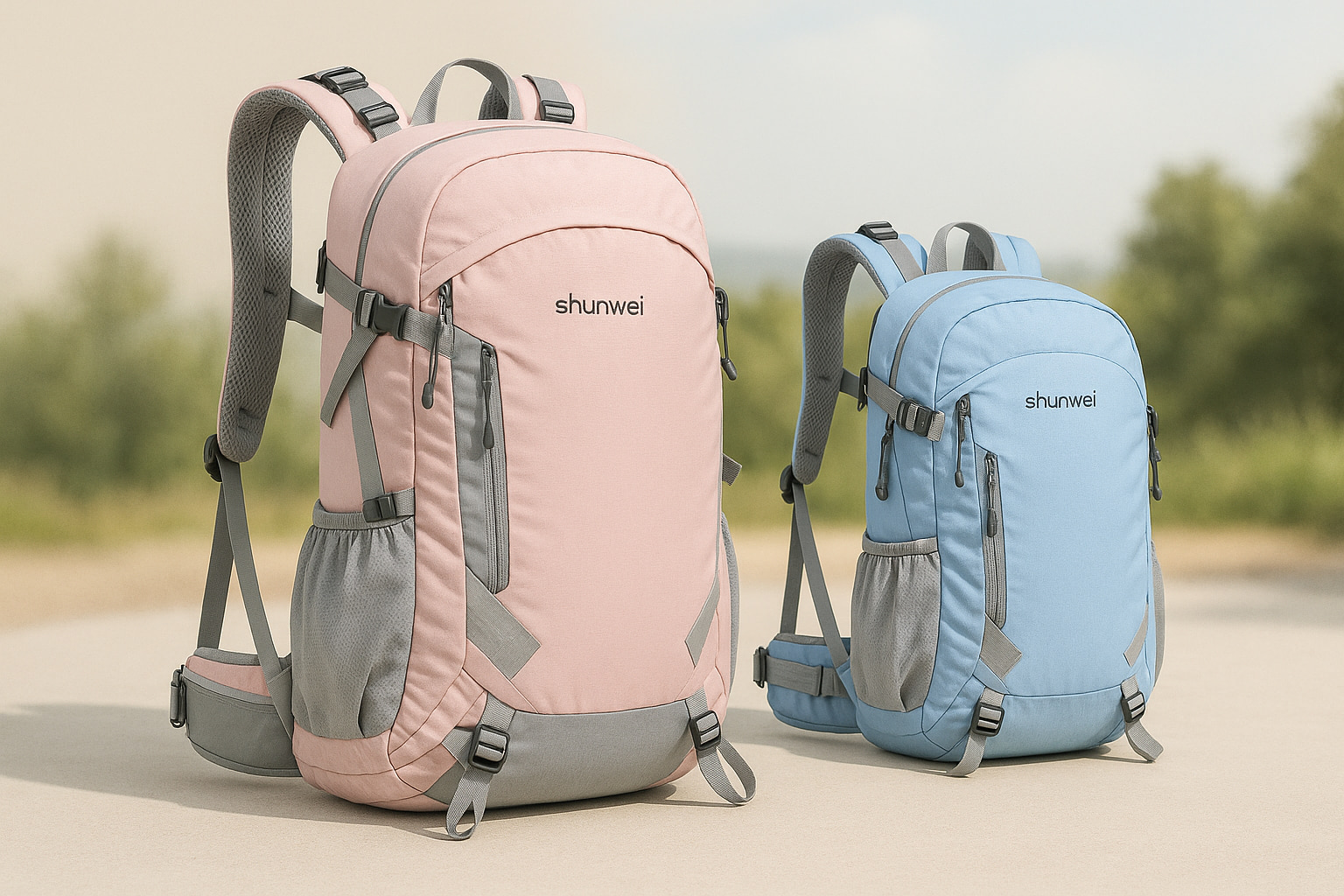
A realistic outdoor comparison of the 20L and 30L Shunwei hiking backpacks, highlighting capacity difference and long-distance trail use.
Quick Comparison: 20L vs 30L (Trail Reality, Not Just Numbers)
This guide expands below, but here is the real-world baseline hikers rely on:
20L Packs
• Best for: fast-hiking, warm climates, same-day summit routes
• Carries only essentials: water, wind shell, snacks, personal kit
• Encourages ultra-efficient packing and minimalism
30L Packs
• Best for: long days, shoulder-season, unpredictable weather
• Fits extra insulation layers, first-aid, waterproof system
• More versatile across different climates and hiking styles
If your trail involves cold evenings, high elevation, or frequent rain, 30L waterproof hiking bag is almost always the more responsible choice.
| Factor | 20L Hiking Backpack | 30L Hiking Backpack |
|---|---|---|
| Trip Length | 2–5 hours (Short day hikes) | 6–12 hours or longer (Longer hikes, mixed weather) |
| Weather Risk | Ideal for stable weather, minimal rain | Best for unpredictable weather, rain, and cold |
| Insulation Layers | Minimal packing (1 layer) | Extra layers (Insulation jacket, waterproof) |
| Water Strategy | Water often carried externally (e.g., water bottle) | Water storage internal (bladder + backup bottle) |
| Safety Margin | Tight packing, limited space for emergency gear | Adequate room for safety layers, first-aid kit |
| Versatility | Best for hot climates, ultralight hikes | Suitable for mixed conditions, colder climates |
Understanding Hiking Capacity in Litres (and Why It’s Misleading)
“Litres” simply measure the internal volume of the bag. But brands calculate it differently — pockets included or excluded, lid pockets compressed or expanded, mesh pockets collapsed or extended.
A 20L hiking backpack from an alpine-focused brand can sometimes carry almost as much gear as a “22L” from a fast-hiking brand.
A 30L hiking bag waterproof design often adds 2–3 litres of functional capacity because the waterproof TPU layers maintain shape even when the bag is full.
So don’t compare numbers alone — compare useable space plus required gear.
30 Liter Backpack Size: How Big It Feels and What It Fits
A “30L” label describes volume, not a fixed set of dimensions—so the same 30 litres can look taller and slimmer on one pack, but shorter and deeper on another. In real life, most 30L hiking backpacks sit in the “medium daypack” range: big enough to carry a full day’s safety kit and weather layers, while still compressing down when you don’t fill it.
A practical way to picture 30L is to think in packing blocks. If you can fit a rain shell, a warm mid-layer, a light insulated jacket, food for a long day, a compact first-aid kit, and spare gloves/hat all inside the main body—with room left for a hydration bladder—then you’re using “true 30L” capacity well. If you’re forced to strap layers outside, you’re effectively under-sized for the route conditions, regardless of the number printed on the tag.
What Type of Hiking Are You Doing?
1. Warm-Season Day Hikes (Summer)
Most hikers only need:
• Hydration
• Snacks
• Lightweight windbreaker
• Sun protection
• Navigation
• Small medical kit
A well-designed 20L hiking backpack handles this easily.
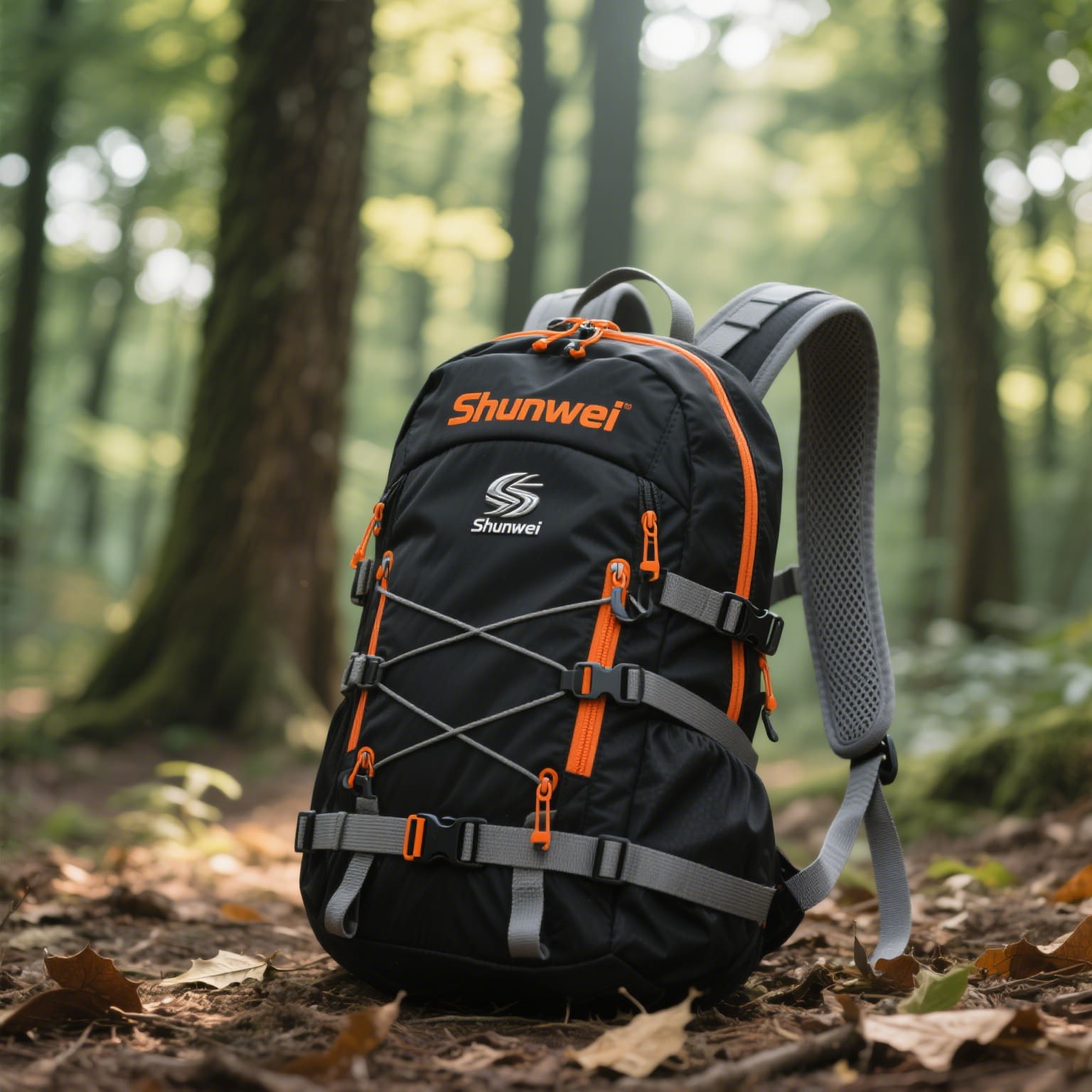
A compact 20L Shunwei daypack designed for short hikes and lightweight outdoor adventures.
2. Alpine Day Routes & Shoulder Season (Spring/Autumn)
These require extra layers and safety systems:
• Midweight insulation
• Waterproof jacket
• Gloves/hat
• Emergency bivy or thermal blanket
• Extra food
• Water filter
This is where 30L becomes non-negotiable.
3. Mixed-Weather or Long-Distance Trails
If your trail involves wind exposure, rain, or 8+ hours of movement, you need:
• Full waterproof layer
• Both warm and cold layers
• 2L+ water
• Additional emergency kit
• Possible microspikes
A 30L daily hiking bag waterproof helps ensure nothing is strapped externally — safer for balance.
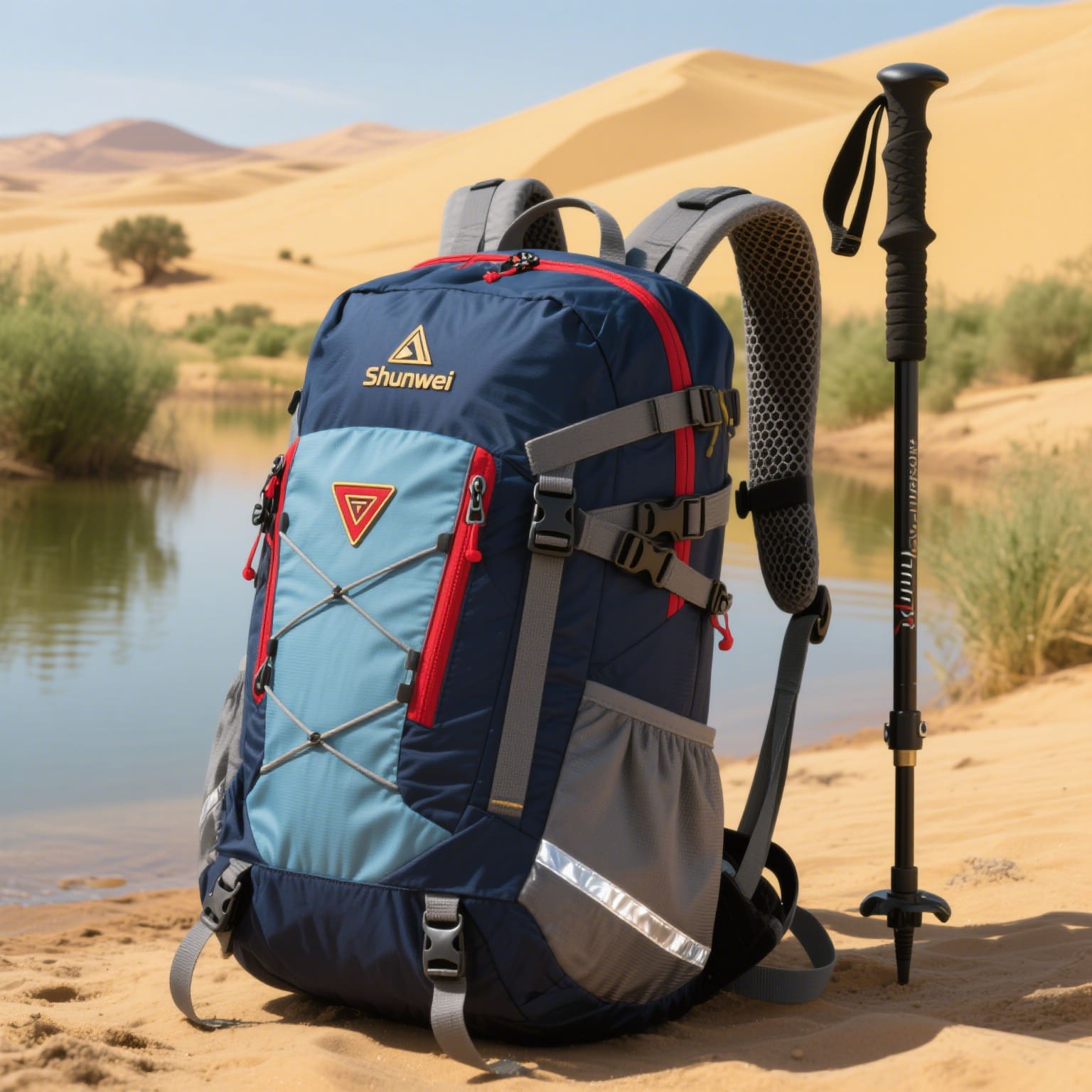
Shunwei 30L waterproof hiking bag designed for mixed-weather and long-distance outdoor trails.
How Much Gear Actually Fits? (Real Capacity Test)
Based on 2024 pack-fit field tests across 17 brands:
20L Capacity Reality
• 2.0 L hydration bladder
• 1 wind jacket
• 1 base layer
• Snacks for the day
• Compact med kit
• Phone + GPS
• Small camera
After this, the pack is full. No room for insulation layers.
30L Capacity Reality
Everything above, PLUS:
• Light puffer jacket
• Mid-layer fleece
• Rain pants
• Extra water bottle
• Food for 12 hours
• Thermal emergency kit
This is the minimum recommended setup for exposed ridgelines, national-park trails, and weather-unstable zones.
Weatherproofing and Regulations: Why 30L Packs Are Becoming Standard
Many popular hiking regions and safety organisations publish recommended “minimum safety kit” checklists—especially for shoulder-season or mountain routes. In places like Scotland, the Alps, and the Rockies, route guidance often emphasises carrying insulation and rain protection, enough water, and basic emergency items. In practice, a 30L pack makes it easier to keep these essentials protected and packed inside the bag rather than strapped outside.
A 30L fashion adventurer hiking bag waterproof helps keep insulation, food, and electronics dry in sudden rain—without relying on external straps or multiple dry bags.
Body Size, Torso Length and Comfort
Most people buy based on “feel,” but torso length is the actual determinant of pack comfort.
20L bags usually offer:
• Fixed harness
• Smaller frame sheet
• Minimal hip support
30L bags offer:
• Adjustable torso systems
• Better load transfer
• Wider hip belts
If your hike routinely passes 4 hours, 30L will reduce cumulative fatigue even if you don’t fill the entire capacity.
Ultralight vs Regular Hikers: Who Should Choose What?
If you’re ultralight-focused:
A 20L hiking backpack is enough for:
• Speed hiking
• FKTs
• Hot-weather trails
• Gravel-road approaches
If you’re a traditional hiker:
A 30L hiking bag with hydration system gives you flexibility for:
• Changing weather
• Extra safety gear
• Comfort items (better food, better insulation)
• More water on dry routes
The 30L model wins for risk reduction and adaptability.
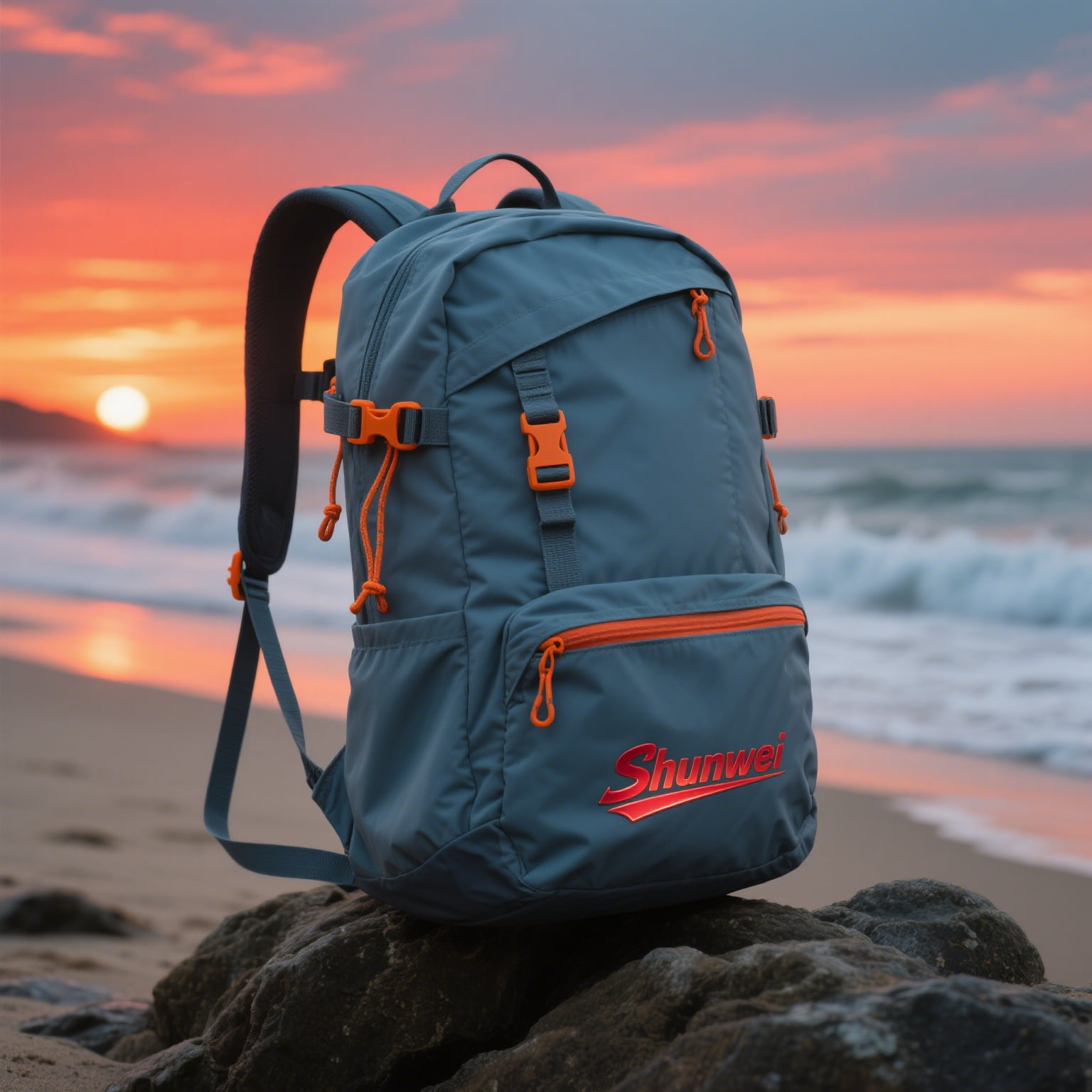
Shunwei 30L hiking bag with hydration support, ideal for traditional hikers who need added flexibility for changing weather and longer routes.
Choosing Based on Climate Conditions
Hot climates (Arizona, Thailand, Mediterranean)
20L may work — but you must pack water externally.
Not ideal for balance, but manageable.
Cold / variable climates (US PNW, UK, New Zealand)
30L recommended because cold-weather layers double pack volume.
Wet climates (Taiwan, Japan, Scotland)
Use 30L hiking bag waterproof — rain gear takes space and must stay dry.
The Role of Waterproofing in Pack Size Choice
Waterproofing adds structure.
A waterproof pack, especially TPU-coated, holds its shape even when partially filled.
That means:
• A 30L waterproof bag feels less bulky than a non-waterproof 28L
• Rain gear stays dry without extra dry bags
• Food remains protected
This matters for trails with frequent rainfall or river crossings.