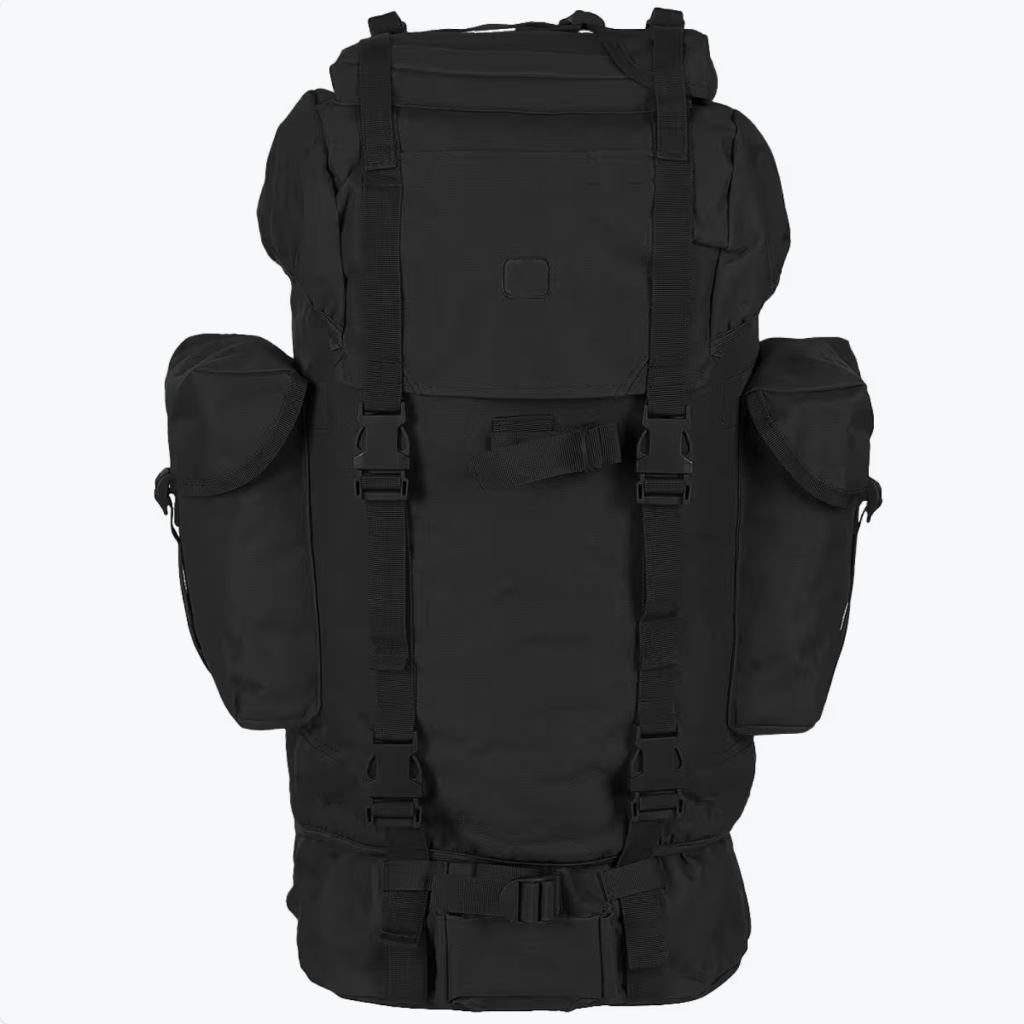
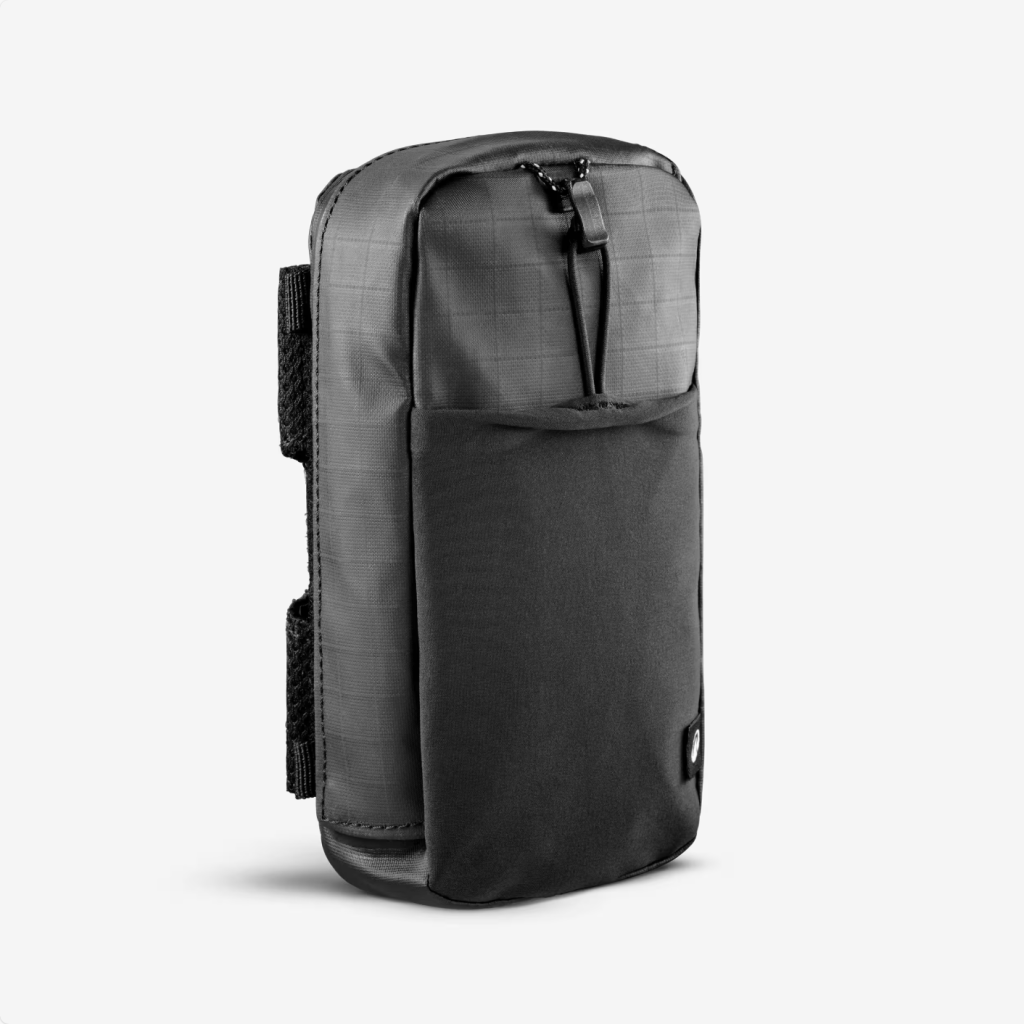
Choosing the right fabric for bike bags is crucial for ensuring durability, comfort, and functionality. نايلون and polyester with waterproof coatings are the top choices, offering durability, water resistance, and lightweight properties. نايلون is favored for its strength and abrasion resistance, while polyester provides superior UV resistance. Canvas is a classic option but requires water-resistant treatments to improve its waterproofing capabilities. Ultimately, the fabric you choose should align with your riding conditions, ensuring long-lasting protection for your gear.
Introduction
When choosing the right bike bag, the fabric plays a crucial role in determining its durability, comfort, and functionality. Whether you’re using it for short rides or long tours, the material can make a big difference in your riding experience. In this guide, we will explore the best fabrics for bicycle bags, including panniers, handlebar bags, frame bags, and more. By the end, you’ll have a better understanding of what makes a bike bag durable, waterproof, and suitable for your needs.
Types of Fabrics Used for Bike Bags
نايلون
Nylon is one of the most popular materials used in bicycle bags. Known for its strength, flexibility, and water resistance, it’s ideal for various types of bike bags, including panniers, seat bags, and frame bags. Nylon’s lightweight nature also makes it an excellent choice for cyclists who prioritize portability without compromising on durability.
Advantages:
Durable and resistant to wear and tear.
Water-resistant properties that protect contents from light rain.
Lightweight and easy to carry.
Canvas
Canvas has been a classic material for bike bags for years. While heavier than nylon, canvas is incredibly strong and offers a unique aesthetic, often preferred for retro-style bags. Many panniers and handlebar bags are made from canvas due to its robustness and natural look.
Advantages:
Strong and durable, perfect for rough conditions.
Breathable material that helps prevent condensation inside the bag.
Offers a vintage aesthetic.
البوليستر
الدليل الكامل للبوليستر
Polyester is another common fabric used for bike bags. It is lighter than canvas and offers great waterproof properties, making it perfect for back rack bags and frame bags that need to withstand varying weather conditions. Polyester is also more resistant to UV damage, making it ideal for long rides under the sun.
Advantages:
Waterproof capabilities that protect the contents.
UV-resistant, helping the bag maintain its color and integrity.
Lightweight and durable.
Waterproof Coatings
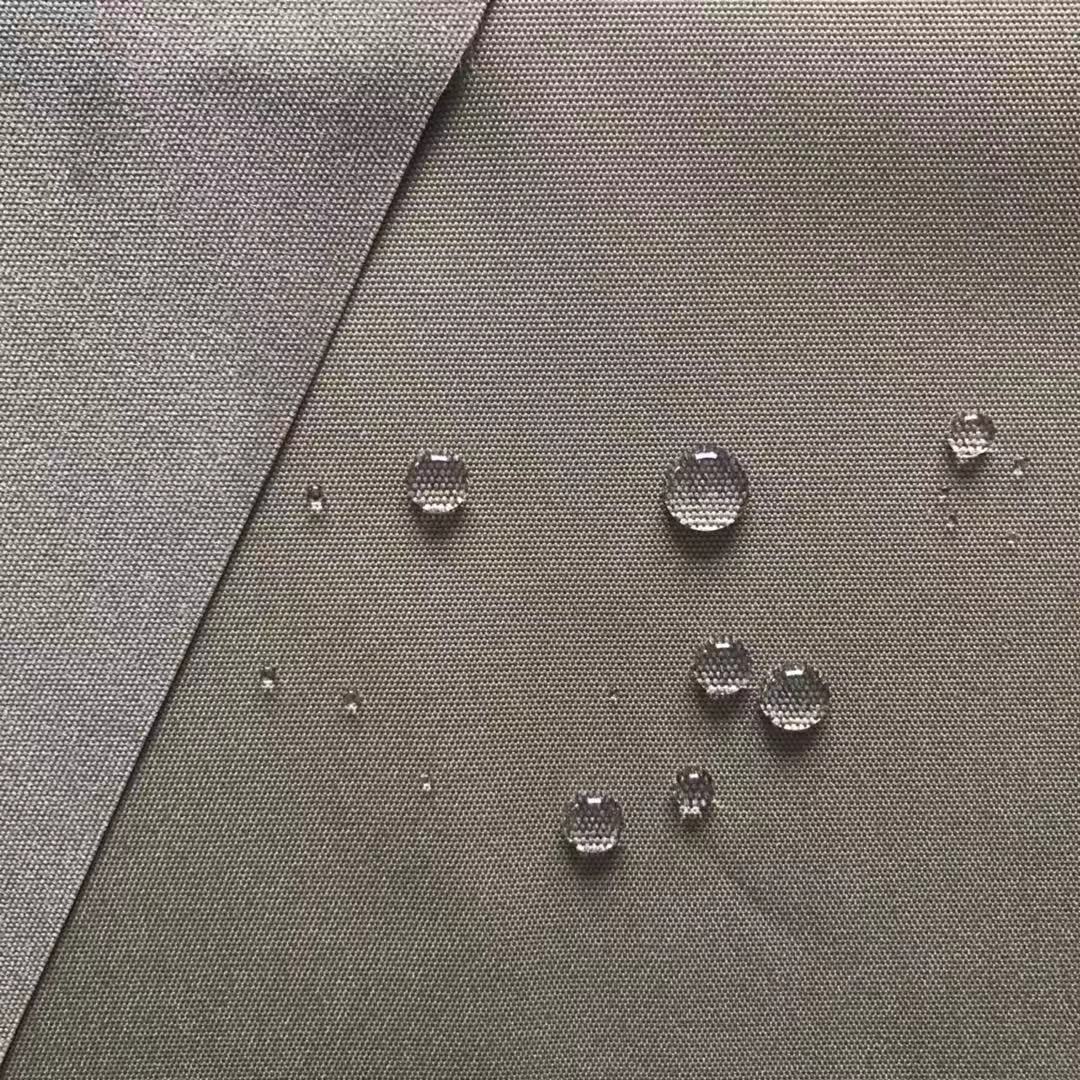
Some bike bags feature specialized waterproof coatings, such as PVC or TPU. These coatings are applied to materials like nylon or polyester to give them enhanced water resistance. If you ride in harsh weather or frequently bike through rain, these coatings are highly beneficial in ensuring your belongings stay dry.
Advantages:
Enhanced waterproofing for protection in heavy rain.
Durability that withstands harsh weather conditions.
Choosing the Right Fabric for Different Types of Bike Bags
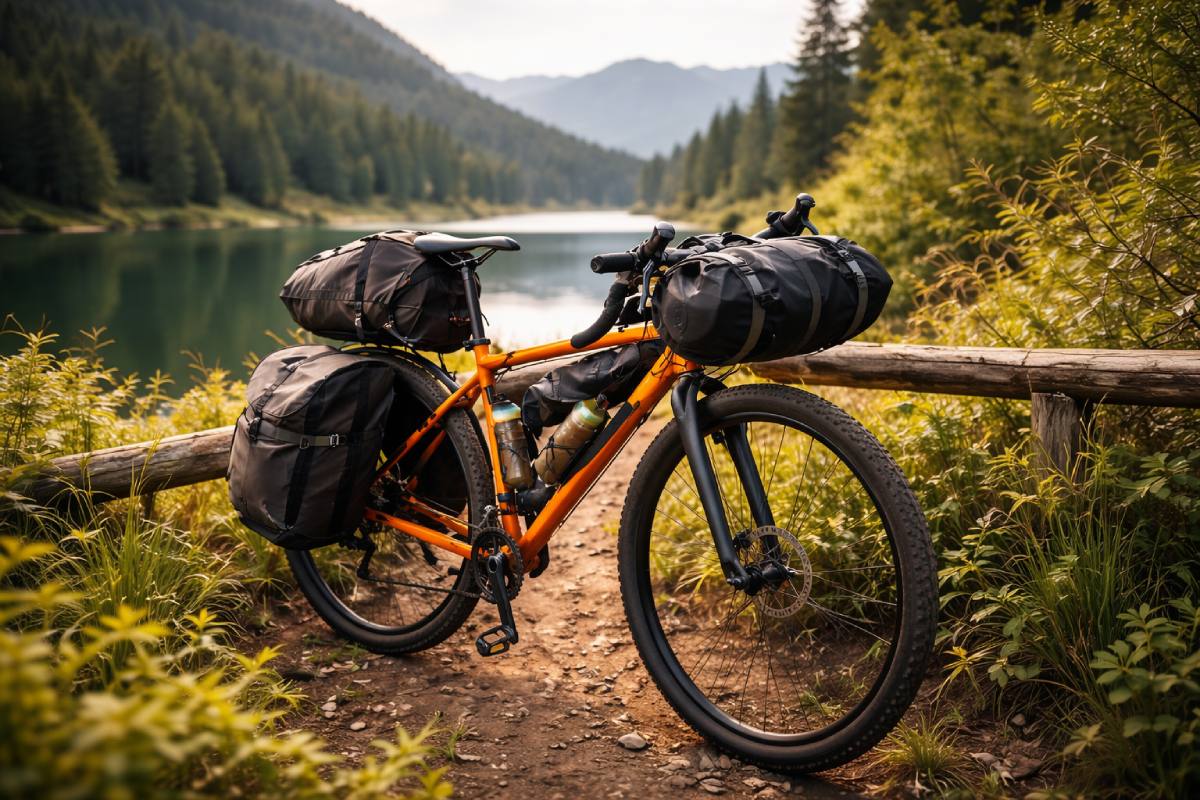
A real-world bike bag system setup: handlebar roll, frame bag, saddle bag, and panniers—packed for stability, access, and wet-weather riding.
Frame Bags
When choosing the right fabric for frame bags, it’s essential to select materials that offer durability without adding too much weight. Nylon and polyester are excellent choices because of their lightweight and water-resistant properties, allowing riders to carry tools and essentials without affecting bike performance.
Seat Bags
Seat bags need to be compact, durable, and weatherproof. The ideal fabric for these bags is one that is both lightweight and highly water-resistant, such as nylon or polyester with waterproof coatings. These fabrics ensure that the contents stay safe, even when riding through wet conditions.
Back Rack Bags & Panniers
For back rack bags and panniers, strength and waterproofing are the most important factors. Canvas is often chosen for its robustness, but polyester and nylon with waterproof coatings are also popular for their lightweight and waterproof properties. These bags need to carry heavier loads, so durability is key.
How to Choose the Right Fabric Based on Weather Conditions
Rainy Weather
If you’re cycling in rainy conditions, the best option is a fabric with waterproof coatings. Polyester or nylon with a waterproof finish, or canvas with a water-resistant treatment, will keep your belongings dry and protect them from water damage. Bags with sealed seams or roll-top closures are also excellent for keeping the water out.
Long Rides
For long-distance rides, you’ll need a fabric that is both durable and comfortable. Nylon and canvas are great options as they can withstand the strain of heavy loads and rough terrain, while still remaining light enough to avoid unnecessary weight. These materials also offer good breathability to prevent moisture buildup inside the bag.
Cold Weather
In cold weather, you’ll want a fabric that offers some degree of insulation. While not all bike bags are insulated, certain nylon bags with waterproof coatings can provide a decent amount of protection against the cold. You might also consider bags with an additional layer of padding to keep your gear safe from the elements.
Popular Brands and Their Choice of Fabrics
Many leading bike bag brands like Ortlieb, BANGE, and Thule are known for using high-quality fabrics in their products. Ortlieb, for example, specializes in waterproof bags made from nylon coated with PVC for maximum water resistance. Brands like BANGE and Thule offer a variety of bags made from nylon and polyester to ensure their products are lightweight yet durable. Similarly, ShunweiBag offers a wide range of bike bags made from premium materials like nylon and polyester, ensuring durability and comfort for long-distance cyclists and everyday riders alike.
User Reviews and Experience
Customer reviews play an important role in evaluating the performance of bike bags. Many cyclists praise nylon and polyester bags for their waterproof capabilities and durability. On the other hand, canvas bags are appreciated for their unique look and sturdiness, but some users find them slightly heavier than their synthetic counterparts. Reviews often highlight how well the materials hold up in real-world conditions, such as long-distance touring or daily commuting.
How to Care for Your Bike Bags (Fabric Maintenance Tips)
Nylon and Polyester Bags
To maintain the durability and waterproofing of nylon and polyester bags, clean them regularly with mild soap and water. Avoid using harsh detergents, as they can damage the waterproof coatings. For polyester bags, a periodic reapplication of water-resistant spray can help restore its protective properties.
Canvas Bags
For canvas bags, gently brush off dirt or mud with a soft brush. If necessary, wash the bag in cold water using a mild detergent. Canvas bags should not be machine dried, as this can affect their shape and durability. After washing, let the bag air dry to maintain its strength.
Cost-Effectiveness of Different Fabrics
While canvas is often more expensive than nylon and polyester, its durability can make it a cost-effective choice for long-term use. Polyester is generally the most affordable option and offers excellent waterproofing properties, making it a good choice for those on a budget. Nylon offers a balance between cost and performance, making it a great choice for many cyclists.
Environmental Impact of Bike Bag Fabrics
When choosing a bike bag, it’s important to consider the environmental impact of the materials used. Many brands are now focusing on using eco-friendly materials, such as recycled polyester (rPET) or organic cotton for canvas bags. These materials are both sustainable and durable, offering a good balance between environmental responsibility and performance.
خاتمة
Choosing the best fabric for bike bags depends on your specific needs, such as weather conditions, the type of bike bag, and how often you ride. Nylon and polyester are great all-around choices, providing strength, waterproofing, and lightweight features. For a more vintage look, canvas offers durability and breathability but at the cost of weight. By understanding the strengths and weaknesses of each fabric, you can make a more informed decision that best suits your riding style and needs.
FAQs
What is the best fabric for bike panniers?
Nylon and polyester with waterproof coatings are widely considered the best fabrics for bike panniers. These materials provide an excellent balance of durability, water resistance, and lightweight properties, making them ideal for cycling bags that will be exposed to various weather conditions. نايلون is especially favored for its strength and ability to withstand abrasion, which is critical for panniers that will be subjected to rough handling and rugged environments. On the other hand, polyester offers superior UV resistance, ensuring the material won’t degrade under prolonged exposure to sunlight. When treated with waterproof coatings, these fabrics can keep your gear dry even during heavy rainfall. Overall, nylon and polyester are durable, cost-effective, and capable of offering long-lasting protection for your cycling gear.
What are the benefits of using nylon for bike bags?
Nylon is one of the most popular fabrics used in the production of bike bags due to its remarkable set of properties. First, nylon يكون lightweight, which reduces the overall weight of the bag, allowing cyclists to carry their gear without added strain. This makes it a top choice for frame bags, handlebar bags, and seat bags where weight-saving is essential. نايلون is also durable and abrasion-resistant, which means it can stand up to daily use and rough handling without tearing or wearing down. Furthermore, nylon bags tend to be more weather-resistant, offering a good degree of water resistance that prevents your contents from getting wet in light rain. Additionally, nylon can be easily cleaned and maintained, ensuring that your bags remain functional and look new for a longer time.
How do I maintain waterproof fabrics on my bike bags?
Maintaining waterproof fabrics on your bike bags is essential to ensure their longevity and performance. Regular maintenance starts with cleaning the bags with mild soap and water, ensuring that dirt, mud, and grime do not degrade the waterproof coating over time. After cleaning, it’s crucial to reapply waterproofing spray to restore the water-resistant properties of the fabric, especially for polyester and nylon bags that may lose their water resistance with frequent exposure to rain or humidity. Most waterproof fabrics require re-treatment every few months, depending on the intensity of use and exposure to the elements. Additionally, if your canvas bike bag is treated with a water-resistant coating, be sure to reapply the treatment as needed to maintain its performance. Proper storage, like keeping your bags dry and away from direct sunlight when not in use, also helps preserve the fabric’s effectiveness.
Can canvas be used for waterproof bike bags?
Although canvas is naturally not waterproof, it can still be a good option for bike bags if treated with a water-resistant coating. Many brands treat canvas with a special waterproofing solution to help it resist water. This makes it suitable for bike bags that need to provide some level of water protection, such as panniers or handlebar bags. However, it’s important to note that canvas does not perform as well as nylon or polyester when exposed to heavy rain. It may absorb water more quickly, and unless treated, it can become soaked through. For cyclists who often ride in wet conditions, a waterproof-treated canvas bike bag may be sufficient, but for more extreme weather conditions, fabrics with full waterproof coatings like nylon or polyester are recommended.
What fabric is best for lightweight bike bags?
When it comes to lightweight bike bags, nylon is by far the best choice. It is durable and abrasion-resistant, yet lightweight, making it ideal for frame bags, handlebar bags, and seat bags where minimizing weight is essential. نايلون provides an excellent balance of strength and weight-saving, allowing you to carry more gear without overloading your bike. Its water resistance adds another layer of protection against the elements, keeping your items dry in light rain. البوليستر is also a good lightweight alternative, offering similar qualities to nylon, but it tends to be slightly less durable in comparison. For those who prioritize weight without sacrificing durability, nylon remains the go-to fabric for bike bags.
References
Textile Strength and Abrasion Resistance: What It Means in Real Use Author: Engineering Editorial Team Institution: Cordura Source: Material Education / Technical Notes
Fabric Testing Methods for Abrasion Resistance (Martindale Method) Author: Standards Committee Institution: ISO Source: ISO Standards Overview
UV Resistance and Weathering of Plastics and Coated Textiles (Overview) Author: Technical Standards Team Institution: ASTM International Source: ASTM Standards Summary
Waterproofness Ratings Explained: Hydrostatic Head and Real-World Meaning Author: Editorial Team Institution: OutdoorGearLab Source: Gear Testing & Methodology Notes
Bikepacking Bag Materials: What Holds Up on Long Routes Author: Bikepacking.com Editors Institution: Bikepacking.com Source: Bikepacking Gear Guides
How Durable Water Repellent (DWR) Works and Why It Wears Off Author: Research & Materials Team Institution: Nikwax Source: Product Science / Care Guidance
PVC, TPU, and Coated Fabrics: Performance Differences for Water Protection Author: Materials Engineering Team Institution: Patagonia (Material/Repair Education) Source: Product Care & Materials Education
Recycled Polyester and Sustainability Claims in Outdoor Products Author: Textile Exchange Team Institution: Textile Exchange Source: Industry Reports / Preferred Fiber & Materials Guidance
Why Choosing the Right Fabric for Your Bike Bag Matters
The fabric of a bike bag directly affects durability, weather protection, and long-term ride comfort. If you ride in mixed conditions, materials like nylon and polyester are often preferred because they combine low weight with strong abrasion resistance. If you want a classic look and structure, canvas can work well, but it typically needs a reliable water-resistant treatment to perform confidently in wet rides.
How to Choose the Right Fabric for Different Weather Conditions
Rainy Weather: Prioritise nylon or polyester with waterproof coatings to reduce water penetration. Look for sealed seams and roll-top closures, because closure design often determines whether water finds a way in during heavy rain.
Long Rides: Choose fabrics that stay stable under load and vibration. نايلون is a strong all-round option for frequent riding, while canvas can feel more structured and breathable for daily use, especially when your bag is packed for hours.
Cold Weather: Focus on fabrics that resist moisture build-up and stay dependable when conditions fluctuate. A well-finished nylon bag with a protective coating can help prevent damp gear and reduce material stiffness after exposure to cold air and road spray.
What Options Matter Most for Real-World Use
Fabric is only part of performance. For high-use scenarios, pay attention to abrasion zones, stitch quality, seam taping, and how the fabric behaves when repeatedly folded or compressed. For example, a bike pannier faces more rubbing and corner wear than a handlebar bag, while a frame bag must handle constant frame contact without slipping or scuffing.
Market Trends and Practical Insights
The market is moving toward lighter builds and cleaner waterproofing methods, with growing interest in eco-friendly materials such as recycled polyester (rPET). For many riders, the best choice is not the most “extreme” fabric, but the one that matches their riding frequency, climate, and bag type, while staying easy to maintain over time.