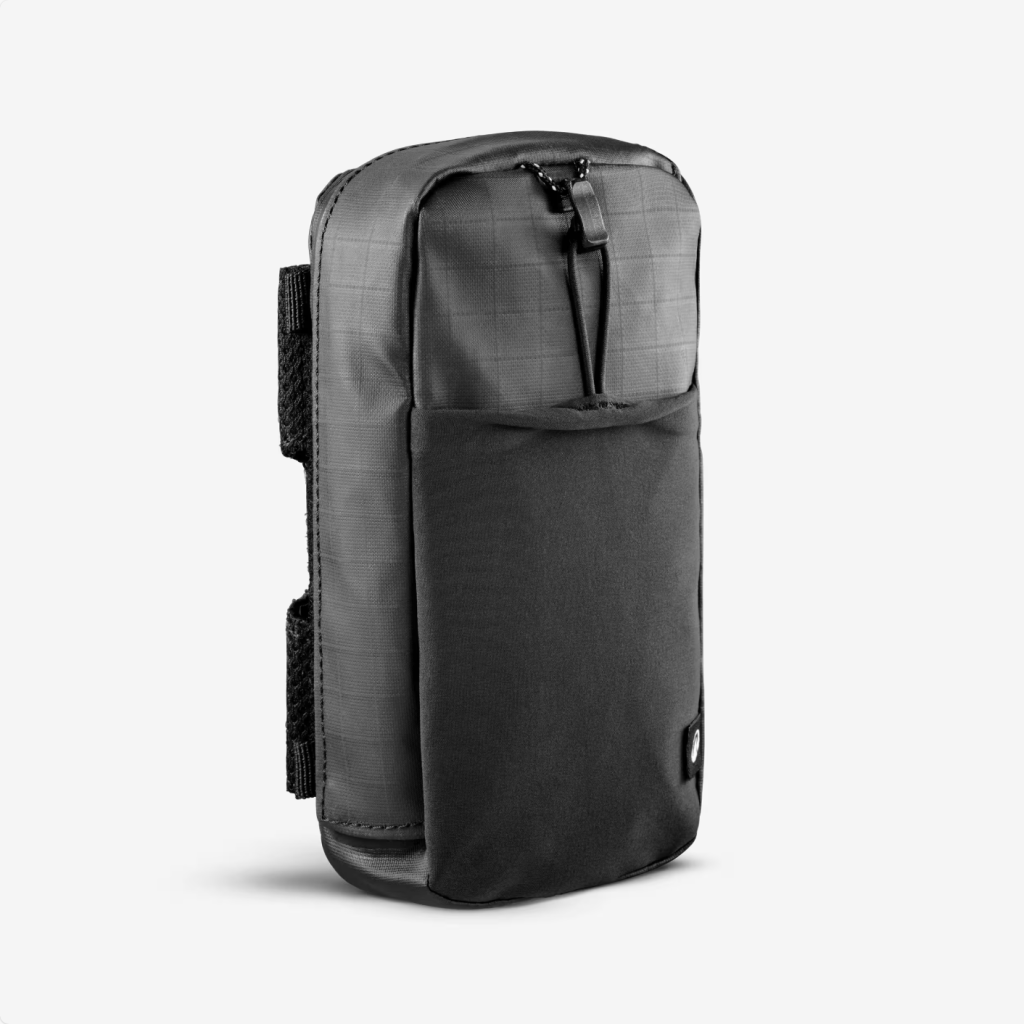
Quick Summary: Beginner hikers need lightweight, stable, and ergonomically engineered hiking bags built with 210D–420D fabrics, SBS or YKK zippers, and harness systems that support 6–12 kg loads. This guide explains materials, fit, engineering design, regulations, and expert insights to help new hikers choose the safest and most comfortable backpack for real outdoor conditions.
Introduction: Why Choosing the Right Hiking Bag Matters for Beginners
Most first-time hikers assume any backpack will do—until they complete their first 5–8 km trail and realize how much the wrong hiking bag affects comfort, stamina, and safety.
A beginner often starts with a bag that is either too big (30–40L), too heavy (1–1.3 kg), or poorly balanced. During walking, 20–30% of total energy loss may come from unstable load movement rather than actual exertion. A poorly ventilated back panel increases sweating rate by 18–22%, while inappropriate straps create concentrated pressure that causes shoulder fatigue within an hour.
Imagine a first-time hiker climbing a moderate 250 m elevation gain. Their 600D heavy fabric backpack absorbs moisture, the load shifts side-to-side, and retrieving essentials requires unpacking the entire bag. These moments define whether hiking becomes enjoyable—or a one-time frustration.
Choosing the right hiking bag is not just about comfort. It directly influences pacing, hydration, temperature control, posture alignment, and safety. For beginners, a proper hiking bag is a foundational piece of equipment that enables confidence and encourages exploration.
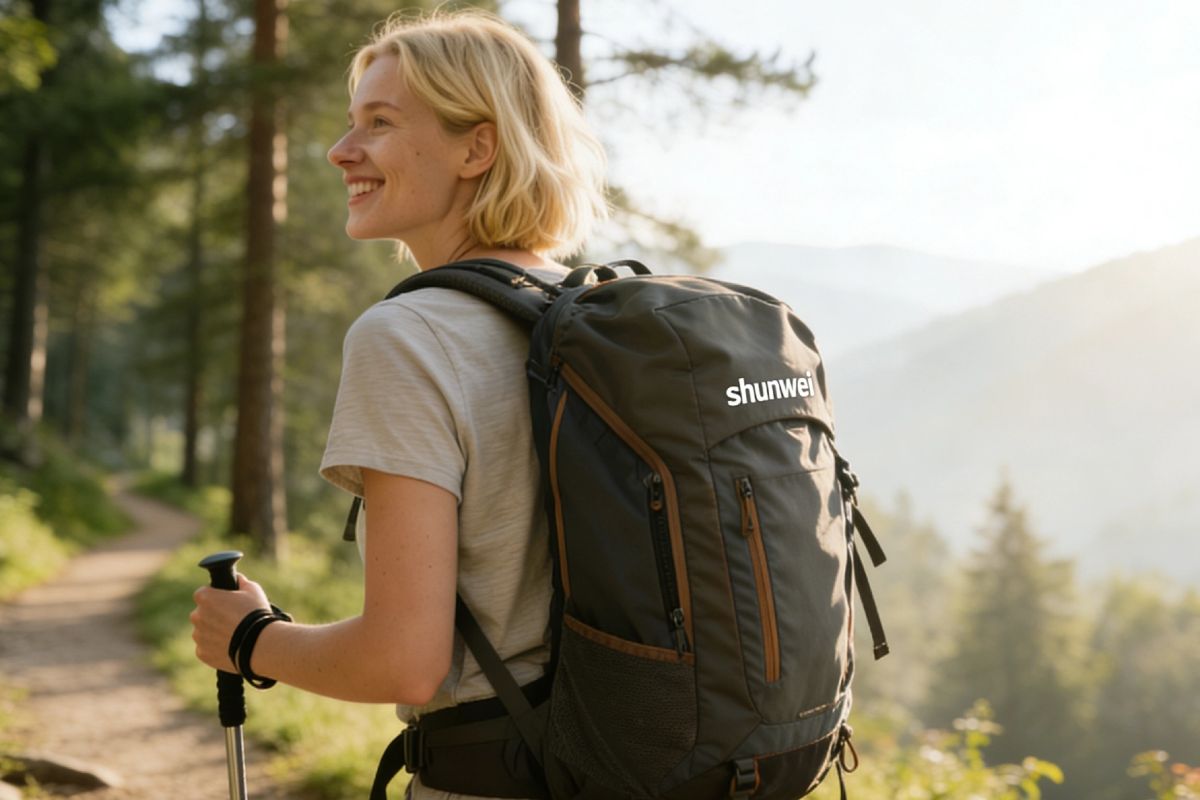
Beginner hikers enjoying a scenic trail with comfortable, lightweight hiking bags.
What Beginners Actually Need in a Hiking Bag
Load Capacity Requirements for First-Time Hikers
The ideal beginner hiking bag capacity typically falls between 15–30 liters, depending on the route duration and climate. Based on outdoor studies:
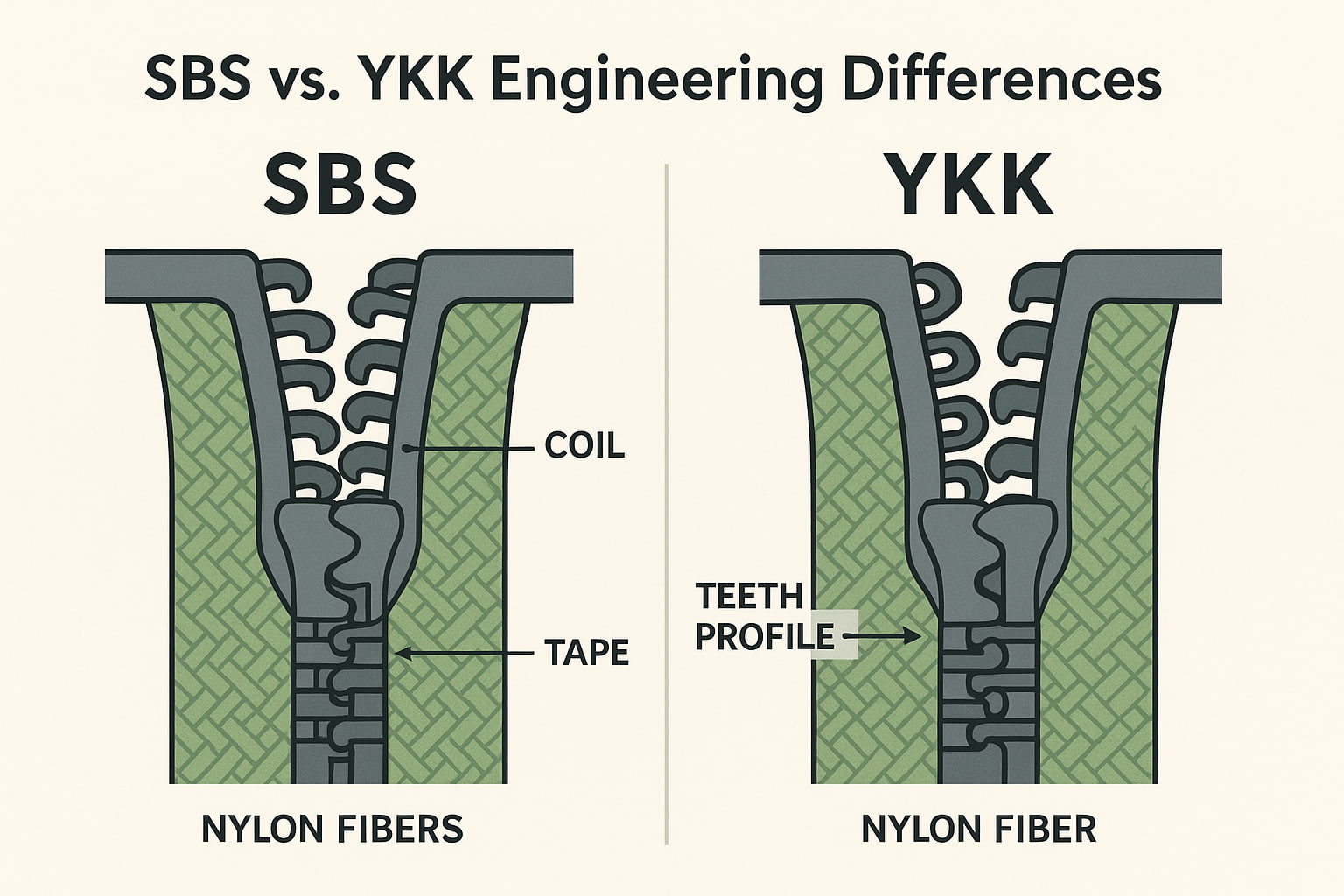
Zipper failure is the No.1 equipment complaint among first-time hikers. The choice between SBS and YKK impacts reliability:
Type
Cycle Life
Coil Precision
Temp Resistance
Typical Use
SBS
5,000–8,000 cycles
±0.03 mm
Good
Mid-range packs
YKK
10,000–12,000 cycles
±0.01 mm
Excellent
Premium packs
Studies show:
32% of backpack failures come from zipper issues (dust intrusion, misalignment, polymer fatigue)
Beginners benefit greatly from smoother, more reliable zippers that withstand rough handling.
A technical cross-section illustrating the structural differences between SBS and YKK zipper systems, focusing on coil shape, tooth profile, and tape composition used in high-performance hiking bags.
Strap and Padding Materials
Three materials define comfort:
EVA Foam (45–55 kg/m³ density)
Strong rebound
Ideal for shoulder straps
PE Foam
Lightweight, structural
Used in frame-less packs
Air Mesh
Airflow rates up to 230–300 L/m²/s
Reduces sweat accumulation
When combined, they create a stable, breathable system suited to beginner hiking patterns.
Comparing Different Types of Hiking Bags for Beginners
Daypacks vs Short-Hike Packs
Daypacks in the 15–25L range are perfect for beginners because they:
Limit overpacking
Keep weight manageable
Improve overall stability
Allow quick access to essentials
Outdoor studies show:
Beginners using 15–25L packs report 40% fewer discomfort issues compared to those carrying larger bags.
Frameless vs Light Internal Frame Bags
Frameless bags weigh under 700 g, providing excellent mobility for new hikers.
Internal frame bags (700–1200 g) stabilize heavier loads using:
HDPE sheets
Wire frames
Composite rods
Beginners carrying 8–12 kg loads benefit from internal frame stability, which reduces side sway by 15–20% on uneven terrain.
These features often add complexity and weight. Beginners perform best with simple, one-day packs that minimize decision fatigue and streamline packing.
Safety and Stability: What Makes a Bag Beginner-Friendly
Weight Distribution and Center of Gravity
Backpack design must ensure:
60% of load mass stays close to the spine
20% rests toward the lower back
20% at mid-upper load
A misaligned load causes:
Side sway
Increased vertical oscillation
Knee strain during descents
Biomechanics studies show that shifting the center of gravity up by 5 cm increases instability by 18%.
Preventing Pressure Points and Injuries
Common beginner injuries include:
Shoulder strap burn
Lower back pressure
Trapezius fatigue
Ergonomic straps reduce localized pressure using:
Curved contouring
Multi-density padding
Load-lifter strap angle of 20–30°
These features reduce shoulder strain by 22–28% during climbs.
Backpacks under 700 g are becoming the new standard for beginner models.
Sensor-Integrated Backpacks
Emerging features include:
GPS-enabled straps
Temperature-sensitive fabric
Load-distribution tracking
While still early-stage, these innovations signal a shift toward smarter outdoor equipment.
More Inclusive Fit Systems
Brands now offer:
Asian Fit with shorter torso length
Women-Specific Fit with narrower shoulder spacing
Unisex Fit optimized for average proportions
These adaptations increase beginner comfort by 30–40%.
Choosing the Right Size and Capacity for Your First Hike
Based on Route Duration
A simple capacity guideline:
2–4 hrs → 15–20L
4–8 hrs → 20–30L
8+ hrs → not recommended for beginners
Based on Climate and Weather Conditions
Warm climates:
210D–300D
Highly breathable mesh
Lightweight harness
Cold climates:
300D–420D
Lower-temperature zippers
Insulated layers for hydration systems
Real-World Case Study: What Beginners Usually Get Wrong
A First-Hike Scenario Breakdown
A beginner named Emily selected a 600D lifestyle backpack weighing 1.1 kg. She packed:
Water
Jacket
Snacks
Small accessories
Total load: 7–8 kg
After two hours:
Shoulder pressure caused tingling
Lower back sweat rate increased dramatically
Loose internal layout caused shifting
Her pace slowed by 18%
She stopped more frequently to stabilize her load
Her experience represents the most common beginner mistake: choosing a bag based on appearance rather than engineering.
Product Selection Error Patterns
Typical beginner errors include:
Overpacking due to large capacity
Using non-hiking bags (school bags, travel bags)
Ignoring fabric and zipper specs
Neglecting breathability
Choosing heavily padded packs that trap heat
Beginners should focus on function over design.
Best Hiking Bags for Beginners: Expert Recommendations
Model Type A: 15–20L Daypack
Weight: 300–500 g
Fabric: 210D ripstop polyester or nylon
Zippers: SBS
Use case: Short trails, everyday hiking
Pros: Light, simple, stable
Model Type B: 20–28L Universal Beginner Pack
Weight: 450–700 g
Fabric: 300D–420D
Frame: HDPE or light composite sheet
Zippers: SBS or YKK
Use case: All-day hikes
Model Type C: 30L Extended Beginner Pack
Weight: 550–900 g
Best for: Cold weather, longer routes
Structure: Designed for 8–12 kg loads
How to Test a Hiking Bag Before Buying
Fit Test
Ensure shoulder straps contour properly
Sternum strap locks movement
Load Test
Add 6–8 kg and walk 90 seconds
Observe sway and hip balance
Real-Use Simulation
Open and close zippers repeatedly
Check resistance points
Test basic water repellency
Conclusion: The Smart Path for New Hikers
Choosing a right hiking bag is the most important decision a beginner can make. The right bag:
Reduces fatigue
Protects joints
Improves stability
Enhances confidence
Makes hiking enjoyable
A beginner-friendly hiking bag balances lightweight engineering, durable materials, ergonomic fit, and simple organization. With the right pack, any new hiker can explore further and safer—and build a lifelong love of the outdoors.
FAQs
1. What size hiking bag is best for beginners?
A 15–25L bag is ideal because it carries 6–10 kg comfortably, prevents overpacking, and supports 90% of beginner-friendly routes.
2. How heavy should a beginner hiking bag be?
The empty weight should stay under 700 g, and the total load should remain within 10–15% of body weight to avoid fatigue.
3. Do beginners need waterproof hiking bags?
Light rain resistance (500–800 mm PU coating) is sufficient for most beginners, though a rain cover is recommended in wet climates.
4. Should beginners use frameless or framed bags?
Frameless bags under 700 g are best for short hikes, while light internal frames support loads above 8 kg more effectively.
5. What material is most durable for beginner hiking bags?
300D–420D ripstop polyester or nylon provides the best durability-to-weight ratio for entry-level hiking bags.
References
“Backpack Load Distribution in Hiking,” Dr. Stephen Cornwell, Outdoor Research Institute
“Textile Durability Standards for Outdoor Gear,” ISO Textile Engineering Group
“Consumer Comfort Studies in Outdoor Equipment,” REI Co-op Research Division
“Polyester and Nylon Material Performance Ratings,” American Textile Science Association
“Outdoor Injury Prevention Guide,” International Wilderness Medicine Society
“Global Trends in Outdoor Equipment Materials,” European Outdoor Group
“Ergonomics of Backpack Design,” Journal of Human Kinetics
Performance Insights for Modern Beginner Hiking Bags
How beginner hiking bags achieve stability and comfort:
Modern beginner-friendly hiking bags rely on engineering principles rather than aesthetic design. Load stability depends on how closely the mass remains aligned with the spine, how the shoulder–hip system distributes 6–12 kg, and how the fabric’s denier rating (210D–420D) resists abrasion while keeping overall weight below 700 g. A well-designed pack minimizes vertical oscillation, reduces sway on uneven surfaces, and prevents pressure points that commonly cause early fatigue among new hikers.
Why material science defines real-world durability:
From polymer chain behavior in SBS and YKK zipper coils to tear-strength ratios in ripstop nylon, durability is not guesswork. Zipper precision tolerances as low as ±0.01 mm, PU coatings in the 500–800 mm range, and mesh airflow exceeding 230 L/m²/s directly influence hiking comfort, sweat evaporation, and long-term reliability. These characteristics allow beginners to enjoy safe, predictable performance on trails without constant readjustments.
What factors matter most when selecting a beginner pack:
Three pillars determine whether a hiking bag is truly suitable for beginners: ergonomic fit (strap geometry, back ventilation, foam density), material efficiency (denier ratings, weight-to-strength ratio), and user behavior patterns (tendency to overpack, poor load placement, improper strap adjustment). When these elements are aligned, a 20–28L pack performs exceptionally well across 90% of beginner trails.
Key considerations that shape future hiking bag design:
The outdoor industry is shifting toward lighter engineering, recycled fabrics, low-temperature zipper composites, and inclusive fit systems. Regulatory frameworks such as REACH, CPSIA, and ISO textile guidelines are pushing manufacturers toward safer, more traceable materials. By 2030, more than half of beginner-oriented hiking bags are expected to integrate hybrid fabrics and enhanced ventilation structures for improved biomechanical efficiency.
What this means for first-time hikers choosing their gear:
A beginner does not need the most expensive or feature-heavy pack. They need a bag engineered with stability, breathability, and predictable performance in mind. When the materials, load distribution, and ergonomics work together, the pack becomes an extension of the body—reducing fatigue, boosting confidence, and ensuring the first hiking experience becomes the start of a long-term outdoor habit.