The 2026 Guide to the Top 10 Hiking Bag Manufacturers: Sourcing Excellence for Outdoor Brands
2026-04-15
Quick Summary: Selecting a professional hiking bag manufacturer in 2026 requires a focus on ergonomic weight distribution and technical material integrity. This comprehensive guide evaluates the top 10 global suppliers, highlighting how a custom outdoor backpack supplier like Shunwei Bag delivers the OEM/ODM flexibility and wholesale technical trekking packs necessary for brand scaling and market durability.
In the hyper-competitive outdoor gear market, a backpack is much more than a product—it is a brand’s promise of reliability to the end-user. For B2B buyers, sourcing from a high-performance hiking bag manufacturer involves a complex matrix of technical specifications, lead times, and compliance standards.
As we move through 2026, the global demand for wholesale technical trekking packs has shifted from generic designs to highly specialized, mission-specific gear. This guide provides a critical analysis of the top 10 players, helping you navigate the sourcing landscape while identifying the partner that best aligns with your brand’s growth trajectory and technical requirements.
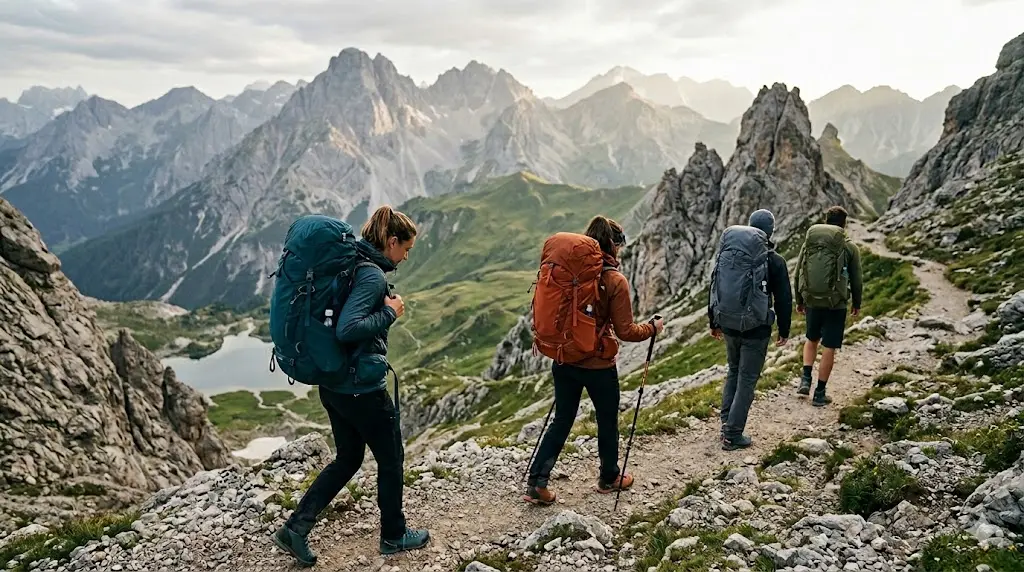
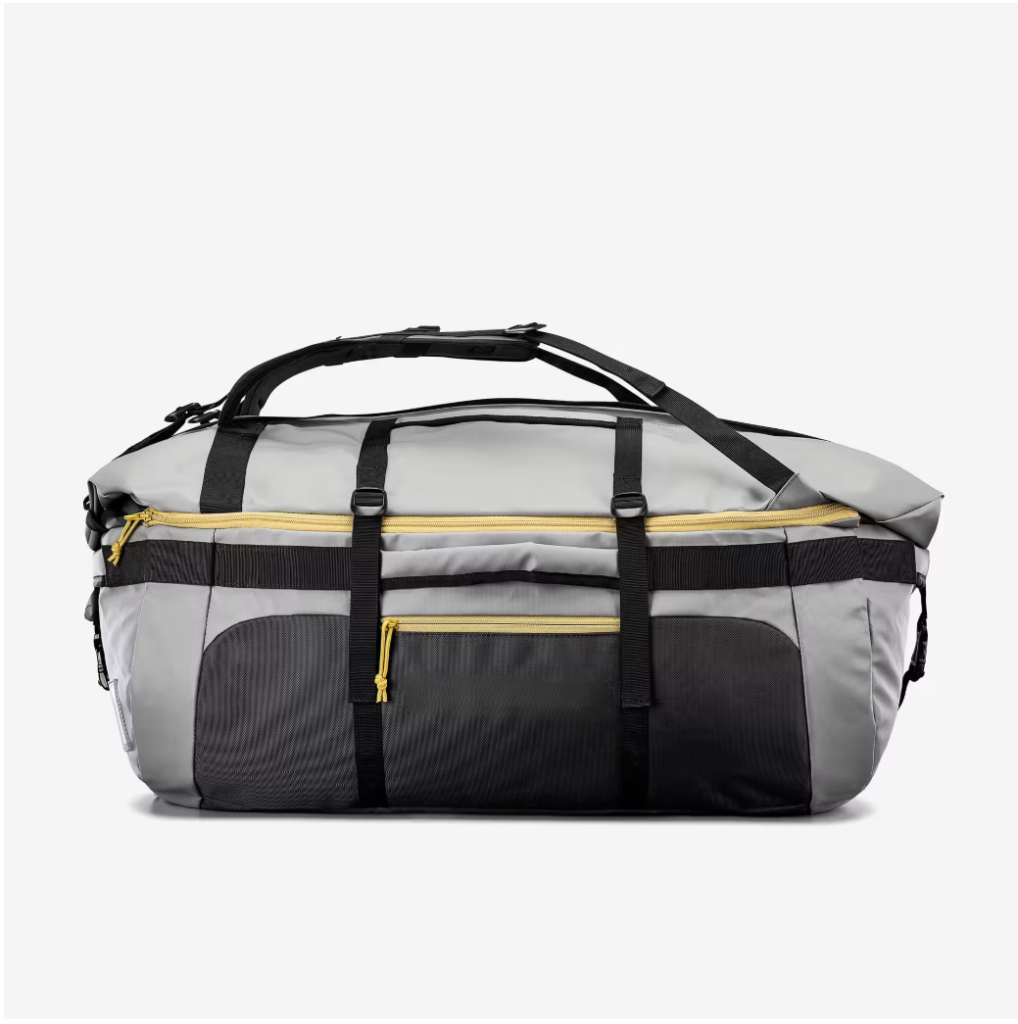
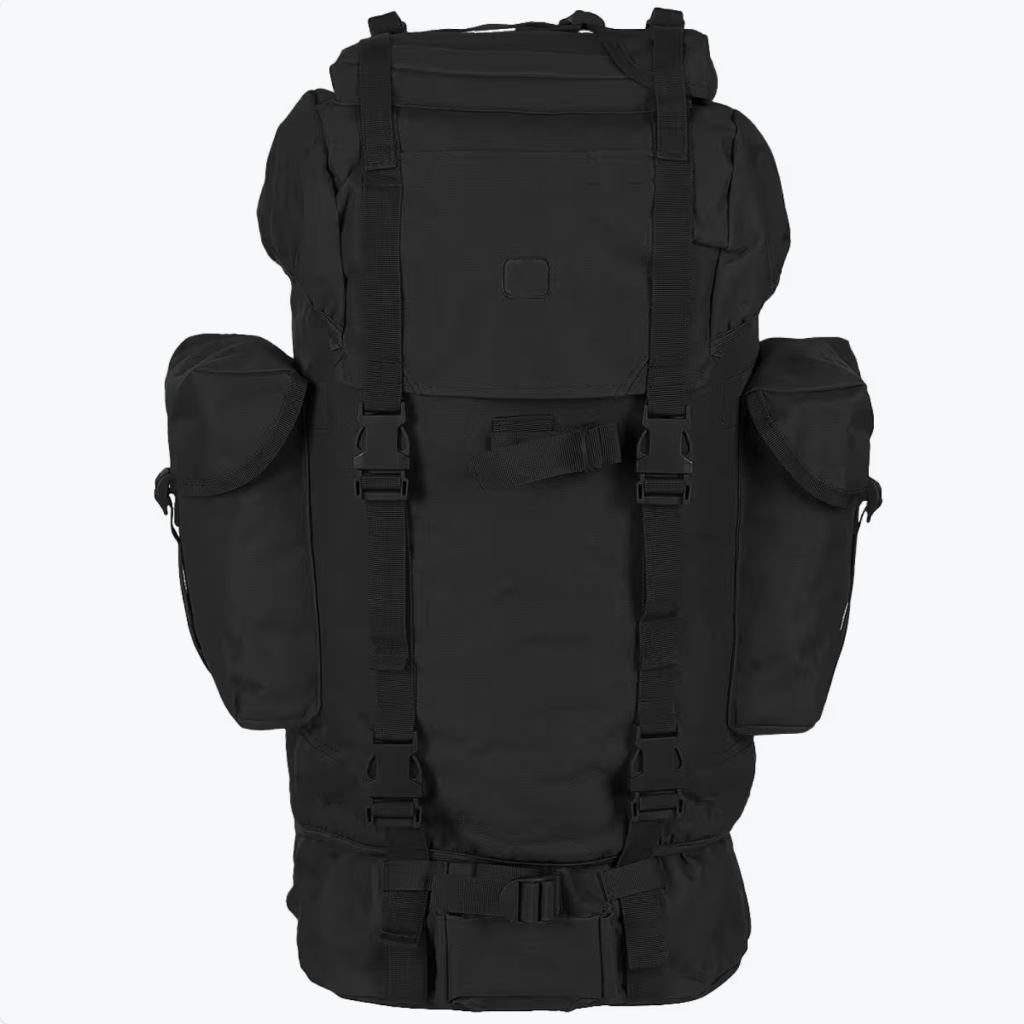
Real-world performance testing of high-capacity technical trekking packs featuring ergonomic load-bearing systems and reinforced high-tenacity fabrics.
Technical Benchmarks: What Separates a Manufacturer from a Middleman?
Before choosing a custom outdoor backpack supplier, you must understand the technical “DNA” of professional production. Many factories claim expertise, but few can deliver the engineering required for high-altitude environments where gear failure is not an option.
1. Material Integrity: The Foundation of Durability
A professional OEM hiking gear factory speaks in the language of Denier, Tensile Strength, and Hydrostatic Head. In 2026, the industry standard has moved toward High-Tenacity 6,6 Nylon. Unlike standard Nylon 6, the 6,6 variant offers superior heat resistance and significantly higher abrasion cycles.
Furthermore, the treatment of the fabric—specifically the C0 DWR (Durable Water Repellent) coating—is now a legal and ethical requirement in many Western markets. At Shunwei Bag, for example, we integrate eco-friendly waterproofing that passes the 100-wash spray test, ensuring your brand stays compliant with global PFAS-free regulations (such as REACH or California Proposition 65) without sacrificing performance.
2. Ergonomic Architecture: The Science of “Load Transfer”
A hiking bag is a weight-distribution tool. The goal of a hiking bag manufacturer is to transfer 70-80% of the load to the user’s iliac crest (the hip bone). This requires a sophisticated internal frame system—often using CNC-bent 7075 Aluminum stays or high-density polyethylene (HDPE) framesheets. If a factory cannot provide the “Torso Length Adjustment” logic for their packs, they are simply producing luggage, not technical outdoor gear.
Top 10 Hiking Bag Manufacturers and Suppliers (2026 Analysis)
1. Shunwei Bag (Best for High-Performance OEM/ODM Customization)
For B2B buyers who need a strategic manufacturing partner rather than just a vendor, Shunwei Bag has become the premier choice in the Quanzhou manufacturing hub. Our core strength lies in “Technical Agility.” Unlike the massive corporate factories that demand rigid designs and multi-year commitments, Shunwei provides a high-touch ODM service.
We have developed an extensive library of proprietary suspension templates that are “Ready-for-Market.” This allows our clients to bypass 6–12 months of expensive R&D while still launching a product that features custom aesthetics and brand-specific functional hardware. Whether it’s integrating specialized hydration systems or utilizing 8K resolution macro-detailing in the design phase, Shunwei Bag focuses on decision-ready technical data. We provide our partners with complete transparency in the supply chain—from the source of the YKK zippers to the UV-stabilized thread density. For brands aiming to capture the mid-to-high-end professional market, Shunwei offers the most balanced ratio of technical excellence to production flexibility.
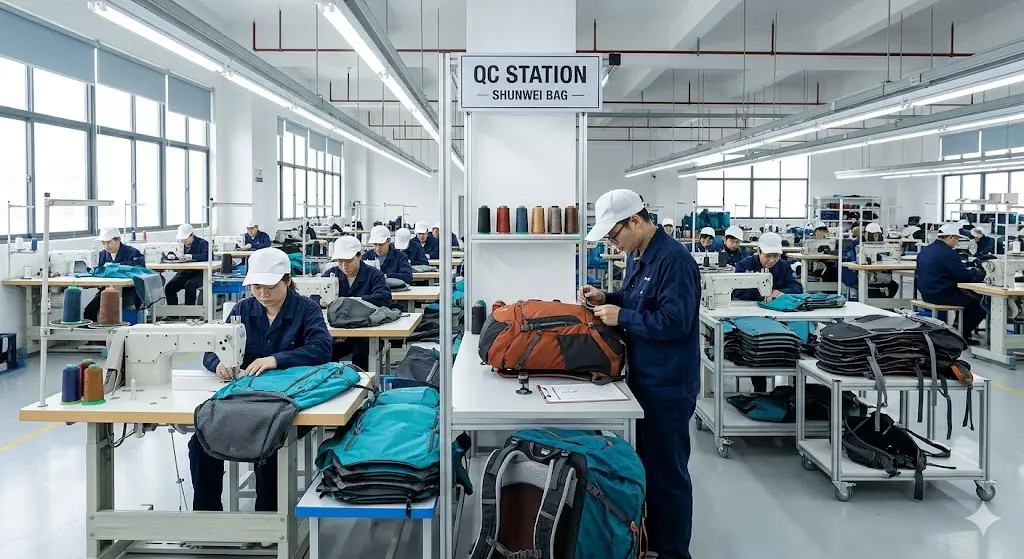
Inside the Shunwei Bag facility: A modern, ISO-compliant production floor featuring a dedicated QC station to ensure every technical trekking pack meets international durability standards.
2. Osprey (The Innovation Standard)
Osprey is undeniably a leader in the consumer market, famous for their Anti-Gravity suspension. However, for a B2B buyer, Osprey is primarily a competitor or a benchmark. Their scale is immense, but their manufacturing is highly standardized. For brands trying to build a unique proprietary identity, Osprey’s market saturation means their designs are “too recognizable,” leaving little room for a custom brand to stand out.
3. Gregory Mountain Products (The Fit Experts)
Gregory is known for heavy-duty load carriage and exceptional fit geometry. While their bags are excellent, their manufacturing complexity often results in a very high unit cost. For most B2B distributors, the retail price point required to maintain Gregory-level margins can be a significant barrier to entry in price-sensitive regional markets.
4. Deuter (The Durability Benchmark)
A German powerhouse, Deuter’s “Aircomfort” system is legendary for ventilation. Their manufacturing is robust, but the designs are often perceived as “traditional” or heavy compared to the modern trend of ultra-lightweight fast-packing. For brands targeting the “Minimalist” demographic, Deuter’s construction logic may feel over-engineered and bulky.
5. Arc’teryx (The High-End Specialist)
Arc’teryx sets the bar for technical minimalism and advanced thermal molding. Their manufacturing is elite, but the pricing is prohibitive for 95% of the B2B market. While they are a great technical inspiration for things like micro-seam allowances, their business model is difficult to scale for mainstream commercial success due to extreme production costs.
6. Kelty (The Heritage Player)
Kelty offers reliable, time-tested designs that appeal to the entry-to-mid market. However, as an OEM hiking gear factorycase study, they focus on the “Value Segment.” For buyers looking to push the boundaries of technical innovation or material science, Kelty’s simplified construction may not offer the sophisticated competitive edge needed in today’s high-performance market.
7. Mystery Ranch (The Tactical Standard)
Their “3-ZIP” design and heavy-duty harnesses are built for tactical and fire-crew durability. While extremely tough, their bags are often too heavy for the average civilian hiker. Furthermore, their manufacturing lead times are frequently extended due to heavy government and military contract priorities, making them a risky partner for commercial retail timelines.
8. Mammut (The Alpine Specialist)
Mammut focuses on climbing and safety integration for snow and ice. Their manufacturing is highly specialized. For brands targeting general hiking and trekking, Mammut’s features—like avalanche airbag compatibility or ice-axe holsters—add unnecessary cost and complexity that the average consumer will not use.
9. Lowe Alpine (The Carry System Pioneers)
Lowe Alpine has a long history of innovation in adjustable back systems. However, in the current landscape, they have been eclipsed by more agile manufacturers who can iterate on designs much faster. Their manufacturing cycles often lack the rapid prototyping flexibility that modern outdoor startups require.
10. Black Diamond (The Climbing Integrated Brand)
Black Diamond bags are built with the climber in mind—sleek and snag-free. While durable, they often lack the external storage and organization features (like large hip-belt pockets or external stretch mesh) that are the primary requirements for the wholesale technical trekking packs market.
Material Science: Comparing Technical Fabrics for 2026
When choosing your materials, you are choosing your brand’s tier. A high-quality custom outdoor backpack supplier will offer a range of fabrics that balance weight, cost, and abrasion resistance.
Fabric Type
Abrasion Cycles
Weight (g/m²)
Best Use Case
Sourcing Insight
600D Polyester
500+
High
Budget / Promo
Prone to UV fading; low value.
420D Nylon Ripstop
1,500+
Medium
Pro Trekking
The industry standard for balance.
500D Cordura
3,000+
Moderate
Expedition
High brand recognition; heavy.
UHMWPE (Dyneema)
5,000+
Ultra-Low
Alpine / UL
Expensive; requires specialized sewing.
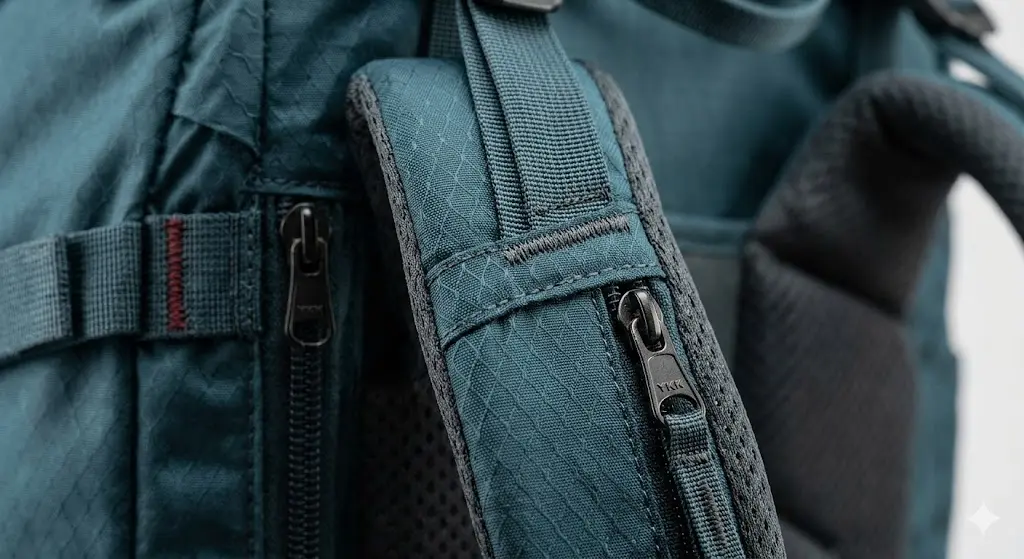
Detail view of high-density bar-tack stitching on a 420D ripstop nylon pack, a critical reinforcement technique used by a leading hiking bag manufacturer to prevent seam failure under heavy loads.
5 Critical “Red Flags” in B2B Bag Procurement
Selecting the wrong custom outdoor backpack suppliermanufacturer leads to more than just lost money—it leads to brand-killing reviews and massive recall costs. Watch for these red flags during your audit:
Inconsistent Stitch-Per-Inch (SPI) Density:
For a technical bag, you need a consistent 8-10 SPI. If you see the stitch length varying on the load-lifter attachments, it indicates a lack of automated machinery and poor worker training. This is where bags fail under tension.
Lack of UV-Stabilized Thread:
Many budget factories use standard polyester thread. After 100 hours of high-altitude UV exposure, this thread becomes brittle. A professional China bag factory will only use bonded nylon thread with UV inhibitors for all external seams.
Ambiguous “Waterproof” Claims:
If a supplier says “the fabric is waterproof” but doesn’t mention , they are misleading you. A bag is only as waterproof as its weakest seam.
No Hardware Traceability:
If the zippers aren’t branded (YKK, SBS, or a high-end custom equivalent) and the buckles feel “brittle,” the manufacturer is cutting corners on the 5% of the product that causes 90% of the field failures.
Weak Prototyping Communication:
If the factory sends a sample that ignores 30% of your feedback, they aren’t a partner; they are a vendor. Technical bags require iterative refinement.
Market Trends 2026: Ultra-Lightweight and Circular Economy
The “Fast and Light” movement is no longer a niche; it is the market. B2B buyers should look for wholesale technical trekking packs utilizing recycled fibers that do not compromise on tensile strength.
Furthermore, the “Right to Repair” movement is hitting the outdoor industry. Leading hiking bag manufacturers are now designing for disassembly—ensuring that buckles and straps can be replaced in the field without destroying the bag’s structural integrity. At Shunwei Bag, we are leading this transition by offering modular component designs that extend the product’s life, enhancing your brand’s sustainability credentials.
Conclusion: Making the Final Decision for Your Outdoor Brand
The choice of a hiking bag manufacturer is effectively a choice of your brand’s foundation. While global heritage brands offer incredible design inspiration, the modern B2B buyer needs more than a logo; they need a partner that offers Technical Agility, Material Transparency, and Manufacturing Scalability.
By focusing on “Decision-Ready” technical data—such as stitch density, UV-stabilized thread, and ergonomic load transfer—you ensure your product doesn’t just look the part but performs in the most demanding environments on Earth. Whether you are scaling an existing line or launching a new technical series, ensure your supplier can bridge the gap between industrial production and artisanal quality.
FAQ
1. How do I verify a hiking bag manufacturer’s quality before ordering?
To verify a hiking bag manufacturer, you should request a “Golden Sample” and perform an independent load-test. A professional factory will encourage you to fill the bag to 150% of its rated capacity and hang it by the shoulder straps for 48 hours. Any seam distortion, hardware slippage, or fabric tearing is a failure. Additionally, ask for a technical data sheet (TDS) for the fabric coatings to ensure long-term hydrolysis resistance and UV stability.
2. What are the current lead times for an OEM hiking gear factory?
Standard lead times in 2026 for a high-quality OEM hiking gear factory typically range from 45 to 75 days. This duration depends heavily on material availability; technical fabrics like Cordura or custom GRS-certified recycled nylons may require a longer lead time for specialized weaving and dyeing. Early forecasting and maintaining a consistent production schedule with your manufacturer can help reduce these timelines.
3. Is it possible to manufacture hiking bags with recycled materials?
Absolutely. Most modern wholesale technical trekking packs can now be produced using GRS (Global Recycled Standard) certified rPET or recycled nylon. Leading manufacturers are increasingly adopting sustainable sourcing to help outdoor brands meet environmental regulations in the EU and North American markets. Using recycled materials is a significant selling point for eco-conscious consumers without sacrificing technical performance.
4. What is the difference between ODM and OEM in bag manufacturing?
In the bag industry, OEM (Original Equipment Manufacturer) means the factory builds a product based entirely on your proprietary designs and blueprints. ODM (Original Design Manufacturer) involves selecting a pre-engineered design from the manufacturer’s library and customizing it with your branding, colors, and specific hardware. For many growing brands, the ODM model is more cost-effective as it utilizes proven suspension systems and lowers R&D costs.
5. Why should I choose a manufacturer in Quanzhou vs. other regions?
Quanzhou is globally recognized as the premier hub for technical bag manufacturing. The region offers a complete industrial supply chain, including high-end fabric mills, buckle producers, and skilled technical labor, all within a small radius. This proximity significantly reduces logistics costs and lead times, making it the most efficient location to produce high-performance, cost-effective outdoor gear for international export.
References
Global Outdoor Equipment Market Forecast 2026 – J. Henderson – Outdoor Industry Association (OIA)
Textile Strength and Durability Standards for Trekking – Technical Committee – ISO Materials Lab
The Ergonomics of Weight Distribution in Modern Backpacks – Dr. L. Schmidt – Journal of Biomechanics
Sustainable Sourcing in the Luggage Industry – Green Supply Chain Initiative – Global Trade Review
Supply Chain Optimization in Quanzhou Hubs – Economic Development Board – China Manufacturing Report
The Impact of Hardware Traceability on Consumer Trust – Branding Weekly – Retail Insight Platform
Advanced Polyurethane Coatings for Waterproof Outdoor Gear – Material Science Quarterly – TechTextile
B2B Supplier Audit Protocols for Outdoor Brands – Senior Auditor – Quality Assurance International (QAI)
Industry Insight: Strategic Sourcing for Outdoor Brands
The 2026 outdoor equipment market is defined by a shift toward technical minimalism and circular economy compliance. To maintain a competitive edge, B2B buyers must move beyond price-centric procurement and focus on the following core pillars of supply chain excellence:
● How to Think About Manufacturing Partners:
The best partners are no longer just assembly lines; they are engineering extensions of your brand. A leading OEM hiking gear factory should offer iterative prototyping, material traceability (such as GRS-certified nylons), and deep expertise in ergonomic suspension systems that transfer load effectively to the iliac crest.
● Strategic Options for Brand Growth:
ODM Flexibility: Ideal for mid-sized brands seeking pre-engineered, market-ready suspension templates to reduce R&D timelines.
Full OEM Customization: Best for high-end technical brands requiring proprietary hardware integration and specialized 8K resolution detailing.
● Critical Quality Considerations:
Avoid the “Budget Trap.” Low-cost sourcing often results in substandard stitch-per-inch (SPI) density and non-UV-stabilized threads, leading to seam fatigue in high-altitude environments. Verify that your supplier utilizes High-Tenacity 6,6 Nylon and branded hardware (YKK/Duraflex) to ensure product longevity and minimize field returns.
● Emerging 2026 Market Trends:
Sustainability is moving from “optional” to “mandatory.” Future-proof your supply chain by selecting a hiking bag manufacturer capable of implementing PFAS-free DWR coatings and designing for modular disassembly, aligning with global “Right to Repair” regulations.
Summary: In professional trekking, your manufacturer is your foundation. Prioritize technical agility and material science to build a brand that endures.