Ripstop Fabric in Hiking Bags: Does It Really Work?
2025-12-17
Quick Summary: Ripstop fabric does work in hiking bags, but only when its tear-control function is matched with the right denier, coating, and construction. Rather than making a bag indestructible, ripstop fabric limits tear spread by reinforcing stress points, helping hiking backpacks maintain structural integrity during real trail use. Its real value lies in damage containment, weight efficiency, and predictable performance—not marketing claims.
Ripstop fabric has become one of the most frequently mentioned materials in modern Hiking Bags, often promoted as a solution for durability, tear resistance, and lightweight performance. From day-hike packs to long-distance trekking systems, manufacturers consistently highlight ripstop construction as a key selling point.
But does ripstop fabric truly deliver measurable performance benefits in real hiking conditions—or has it become a marketing shorthand that oversimplifies complex material behavior?
This article examines ripstop fabric from a material engineering, real-use, and manufacturing perspective, separating proven performance from assumptions. By combining field scenarios, fabric parameters, testing standards, and industry trends, we answer a critical question for hikers, designers, and buyers alike: does ripstop fabric really work in hiking bags, and under what conditions does it matter most?
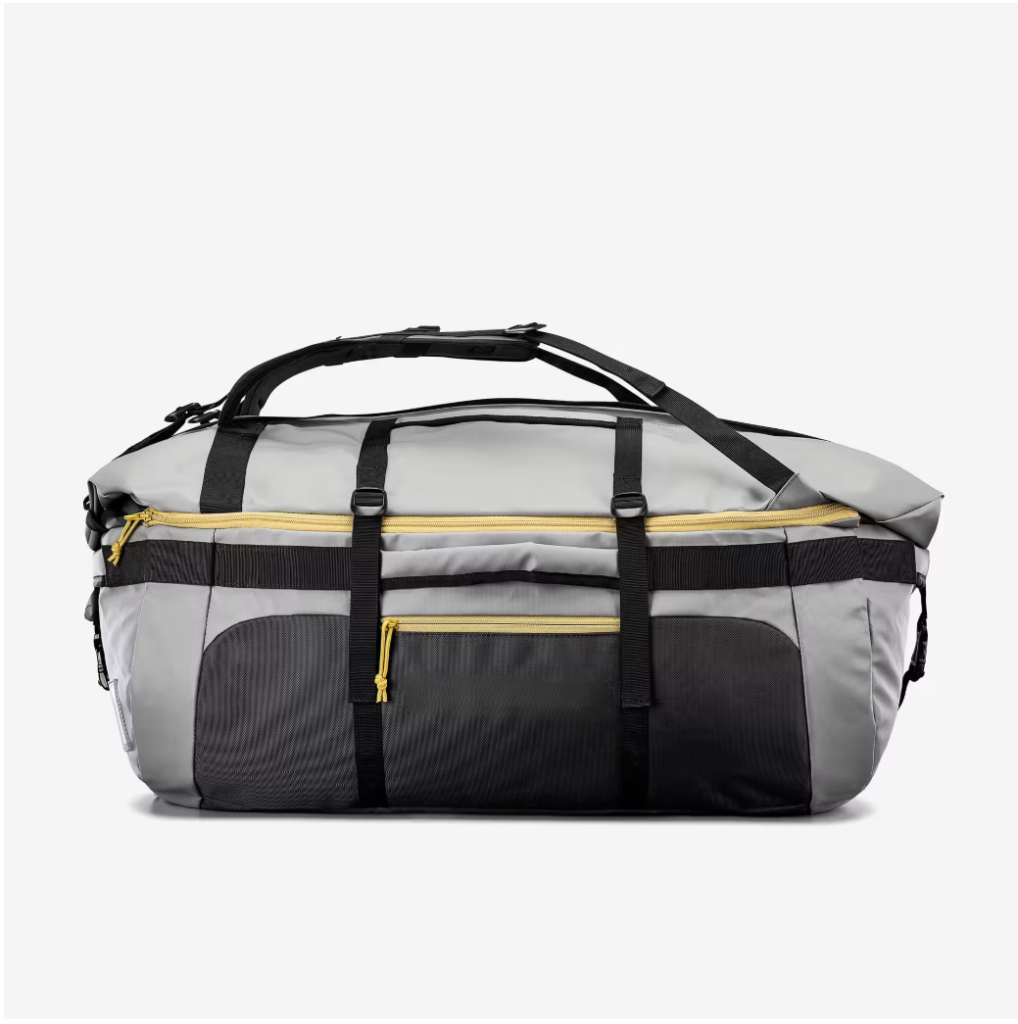
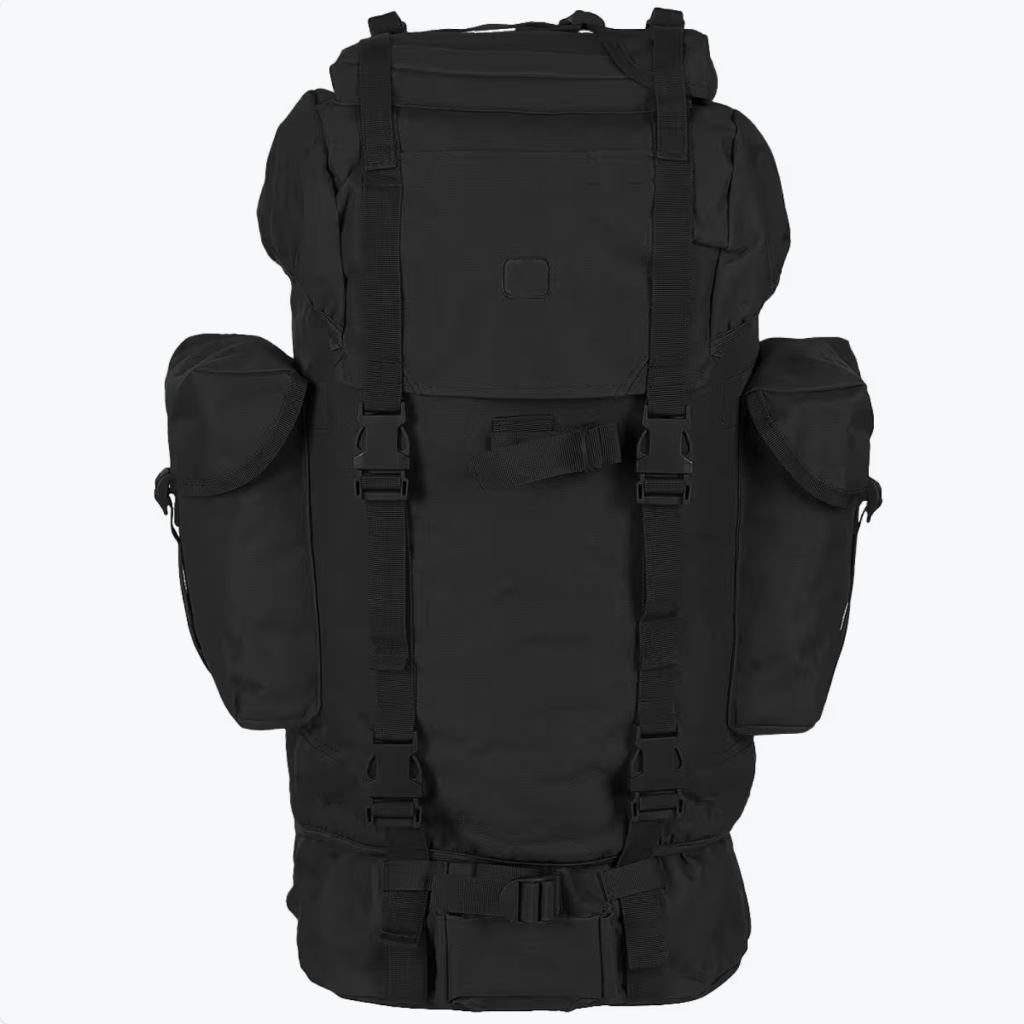
A ripstop fabric hiking backpack in real mountain trail use, highlighting fabric durability and structural stability during hiking.
Why Ripstop Fabric Became a Buzzword in Hiking Bags
The popularity of ripstop fabric in Hiking Bags did not happen by accident. As hiking culture expanded from hardcore mountaineering into everyday outdoor recreation, consumer demand shifted toward bags that appeared lighter, tougher, and more “technical.”
Ripstop offered an easy-to-communicate visual cue: a visible grid that suggested strength and engineering sophistication. Over time, this grid pattern became synonymous with durability, even though many users could not clearly explain what ripstop actually does.
From a market standpoint, ripstop also aligns well with buyer psychology:
It signals “professional-grade” construction
It suggests damage containment rather than total failure
It fits lightweight design narratives
For ripstop hiking bags manufacturer and factory suppliers, the material also offers predictable behavior in controlled testing, making it easier to certify and standardize for wholesale production.
What Ripstop Fabric Actually Is (Beyond the Marketing Term)
The Structural Principle Behind Ripstop Weaving
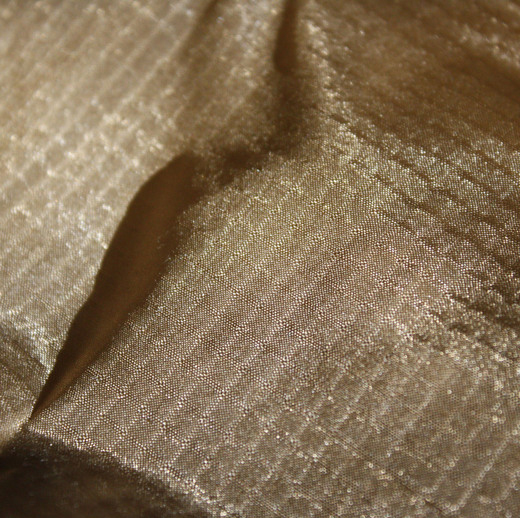
Ripstop is not a single fabric type—it is a weaving strategy. Reinforced yarns are interwoven at regular intervals into a base fabric, forming a grid structure. These reinforcement yarns are typically thicker or higher-tenacity than the surrounding fibers.
Common grid spacing includes:
5 mm for ultralight applications
7–8 mm for balanced hiking use
10 mm or more for heavy-duty outdoor gear
When a tear begins, the reinforced yarn interrupts the tear path, limiting further propagation. In controlled tests, ripstop structures reduce tear extension by 20–35% compared to plain-weave fabrics of the same denier.
Ripstop Fabric vs Plain Weave Nylon
Plain weave nylon distributes force evenly but allows tears to travel uninterrupted once initiated. Ripstop introduces controlled failure zones.
Key differences under stress:
Plain weave: tear spreads linearly
Ripstop: tear stops or deflects at reinforcement yarns
However, this benefit only applies to tear propagation, not surface abrasion or puncture resistance—an important distinction often overlooked in marketing claims.
Advantages of Nylon
Real Hiking Scenarios: When Ripstop Fabric Works—and When It Doesn’t
Scenario 1: Branch Snags and Rock Scrapes
In forested trails, hikers frequently brush against branches, thorns, and exposed roots. These incidents typically create point-origin tears, where ripstop performs well.
Field observations show:
Small punctures (<5 mm) remain localized
Tears rarely expand beyond one grid cell
Repair tape adheres more effectively due to structured tear edges
In this scenario, ripstop fabric provides meaningful protection.
Scenario 2: Heavy Load Compression in Long-Distance Hiking
During multi-day hikes with 12–18 kg loads, fabric stress shifts from tearing to compressive and shear forces. Shoulder strap anchors, bottom panels, and back-facing surfaces experience repeated flex and abrasion.
Here, ripstop provides limited advantage:
Abrasion resistance depends more on denier and coating
Grid yarns do not significantly reduce surface wear
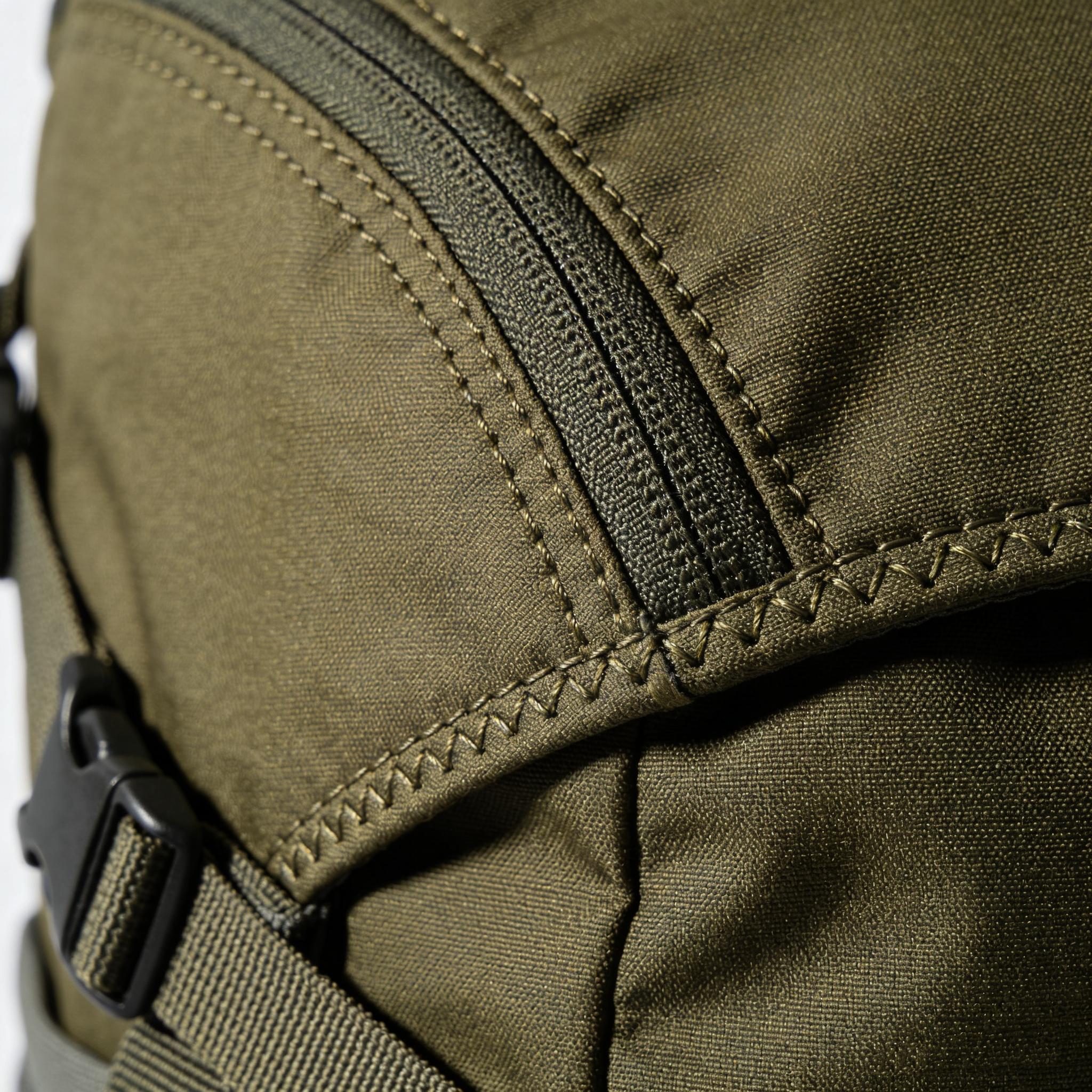
Failure often initiates at seams, not fabric panels
This explains why some ripstop hiking bags still fail under heavy expedition use.
Scenario 3: Urban-to-Trail Mixed Use
Many modern hiking bags double as travel or commuter packs. In these contexts, high-frequency folding and friction at consistent points (zippers, corners) dominate wear patterns.
Ripstop performance here is neutral:
Tear resistance is rarely activated
Coating durability and seam reinforcement matter more
Fabric stiffness may even reduce long-term crease resilience
Material Parameters That Actually Matter (Not Just Ripstop Alone)
Denier (D Value): 210D vs 420D vs 600D Ripstop
Denier defines yarn thickness, not strength alone.
Typical hiking bag ranges:
210D ripstop: lightweight, ~120–150 g/m²
420D ripstop: balanced, ~200–230 g/m²
600D ripstop: durable, ~280–320 g/m²
Increasing denier improves abrasion resistance but also increases weight. Testing shows diminishing returns above 600D for most hiking applications.
Yarn Type and Coating Technology
Ripstop performance depends heavily on yarn quality:
Designers increasingly use material zoning instead of full ripstop construction.
Sustainability and Recycled Ripstop Fabrics
Recycled nylon ripstop reduces water usage by up to 90% during production. However:
Tear strength drops by 5–10%
Coating adhesion requires optimization
Smart Material Mapping
Modern hiking bags use:
Ripstop in high-risk tear zones
Abrasion-resistant panels at contact points
Stretch fabrics where flexibility matters
This hybrid approach outperforms single-material designs.
Regulatory and Testing Standards Affecting Ripstop Fabric
EU Textile Durability Requirements
European regulations emphasize:
Durability over disposability
Repairability and seam strength
ASTM and ISO Fabric Benchmarks
Standards evaluate:
Tear resistance
Abrasion cycles
Environmental aging
What Buyers Should Look for in Compliance Claims
Real compliance includes:
Test method disclosure
Repeatability data
Clear performance limits
Is Ripstop Fabric Right for Every Hiking Bag?
When Ripstop Is the Best Choice
Forested trails
Lightweight multi-day hikes
Travel-friendly hiking bags
When Ripstop May Not Be Ideal
Heavy alpine expeditions
High-abrasion rock environments
Decision Framework
Use-case × load × frequency determines suitability—not marketing labels.
Conclusion: Ripstop Fabric Works—If You Understand Its Limits
Ripstop fabric is neither a gimmick nor a universal solution. It excels at controlling tear propagation but does not replace thoughtful material selection, seam engineering, or load design.
In hiking bags, ripstop works best as one component in a system, not as a standalone promise of durability. When applied correctly, it contributes to reliability, safety, and long-term usability—when misapplied, it becomes little more than a visual pattern.
FAQ
1. Does ripstop fabric really prevent hiking bags from tearing?
Ripstop fabric does not make hiking bags tear-proof, but it significantly limits how far a tear can spread. By using reinforced yarns in a grid structure, ripstop reduces tear propagation by approximately 20–35% compared to plain weave fabrics of the same denier, especially in branch snags and sharp-edge contact.
2. Is ripstop fabric strong enough for long-distance hiking bags?
Ripstop fabric can perform well in long-distance hiking bags when combined with appropriate denier (typically 210D–420D) and reinforced seams. However, overall durability depends just as much on abrasion resistance, stitching quality, and load distribution as on the ripstop weave itself.
3. Does ripstop fabric make hiking bags waterproof?
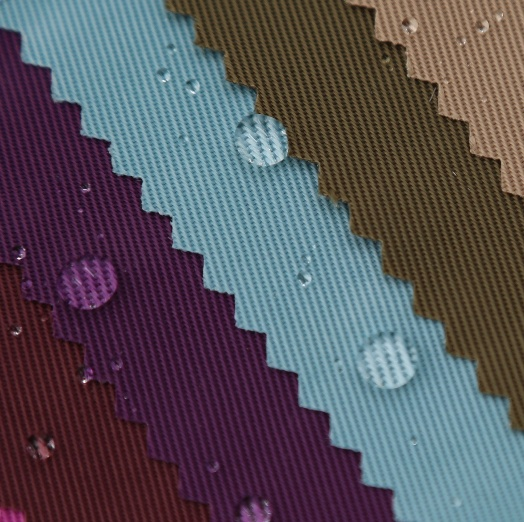
Ripstop fabric alone does not provide waterproofing. Water resistance in hiking bags comes from surface coatings such as PU, TPU, or silicone, with typical hydrostatic ratings between 800 and 1500 mm depending on coating thickness and construction.
4. How durable is ripstop fabric compared to standard nylon in hiking bags?
Compared to standard nylon of the same denier, ripstop fabric offers better resistance to tear expansion but similar abrasion performance. This means ripstop is more effective against sudden damage, while overall lifespan still depends on fabric weight, coating, and high-wear panel design.
5. Are ripstop hiking bags suitable for heavy loads and rough terrain?
Ripstop hiking bags are suitable for moderate to heavy loads when used in forest trails and mixed terrain. For extreme alpine environments with constant rock abrasion and very high loads, higher-denier fabrics or reinforced panels may perform better than ripstop alone.
Outdoor Fabric Durability Testing – Miller, R. – Outdoor Industry Research Group
Nylon vs Polyester Performance in Outdoor Gear – Wilson, A. – Materials Science Review
Abrasion and Fatigue in Backpack Fabrics – Chen, L. – Journal of Applied Textiles
ISO Textile Testing Standards Overview – International Standards Organization
ASTM Fabric Tear and Abrasion Methods – ASTM Committee D13
Sustainable Nylon in Outdoor Applications – Green Materials Institute
Load-Bearing Fabric Design in Hiking Equipment – Outdoor Gear Lab Research
Integrated Expert Insight
What ripstop fabric really does: Ripstop fabric is designed to control failure, not eliminate it. By integrating reinforced yarns into a grid structure, it prevents small punctures or tears from expanding across the entire surface of a hiking bag. This makes ripstop particularly effective in branch snags, sharp-edge contact, and accidental trail abrasion.
Why ripstop alone is not a durability guarantee: While ripstop improves tear resistance, overall hiking bag durability depends equally on denier selection, yarn quality, seam construction, and coating technology. A poorly stitched ripstop bag can fail faster than a well-built non-ripstop design, especially under heavy load or constant friction.
How ripstop performs in real hiking conditions: In real-world use, ripstop fabric performs best in forested trails, mixed terrain, and lightweight to mid-load hiking scenarios. Its performance advantage becomes less significant in environments dominated by continuous rock abrasion, where fabric thickness and panel reinforcement play a larger role.
Material and design considerations: The most effective hiking bags use ripstop strategically rather than universally. High-risk tear zones benefit from ripstop construction, while high-abrasion areas often require heavier fabrics or reinforced panels. This material mapping approach improves durability without unnecessary weight increase.
Industry and regulatory perspective: Current EU and ASTM durability standards emphasize predictable material behavior, repairability, and long-term performance. Ripstop fabric aligns well with these requirements by reducing catastrophic fabric failure and extending usable product life, particularly in consumer and professional outdoor equipment.
Options for buyers and product planners: For buyers, designers, and sourcing teams, the key question is not whether a hiking bag uses ripstop fabric, but how and where it is applied. Evaluating denier range, coating type, seam reinforcement, and testing data provides a far more accurate measure of product reliability than fabric labels alone.
Final insight: Ripstop fabric works when understood as a functional engineering choice rather than a marketing shortcut. In hiking bags built for real trail use, it contributes to controlled durability, weight efficiency, and damage tolerance—making it a valuable component in a well-designed system, not a standalone solution.