Choosing a reliable hiking backpack OEM factory is about repeatability under load, not a great-looking first sample. Prioritise category specialisation, control documents (BOM + tolerances), material and hardware clarity, stitching consistency, sampling version control, measurable QC, and a reorder-ready production plan. The most dependable suppliers make your second and third orders predictable by locking specifications, preventing silent substitutions, and maintaining stable lead times for bulk and repeat programmes.
Introduction: In Hiking Backpacks, “Reliable” Means Repeatable Under Load
A hiking backpack isn’t just a bag with straps—it’s a load system that has to perform under friction, moisture, and repeated stress. In OEM sourcing, the biggest risk isn’t whether the first sample looks good; it’s whether the factory can reproduce the same comfort, structure, and durability across bulk production and future reorders.
Most buyer–supplier problems start with a mismatch: the buyer evaluates appearance, while the product fails in the field due to strap anchoring, panel reinforcement, zipper quality, or inconsistent foam and webbing. That’s why a “reliable” OEM factory should be judged by repeatability and process control—not promises.
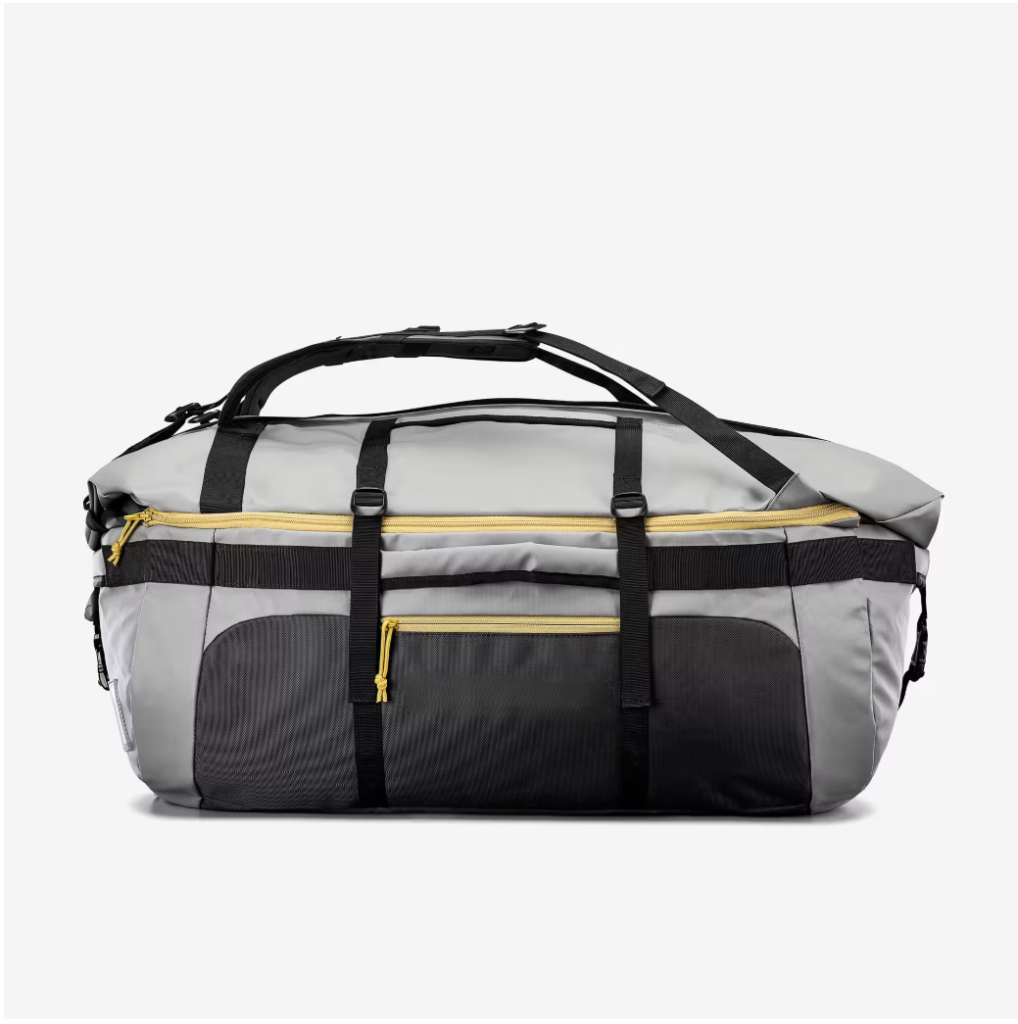
To shortlist suppliers efficiently, it’s better to review a factory’s overall outdoor capability before deep-diving into a single sample. In practice, a structured hiking bag catalog for OEM and wholesale sourcing gives you a faster read on whether the factory has consistent construction logic across daypacks and multi-day packs.
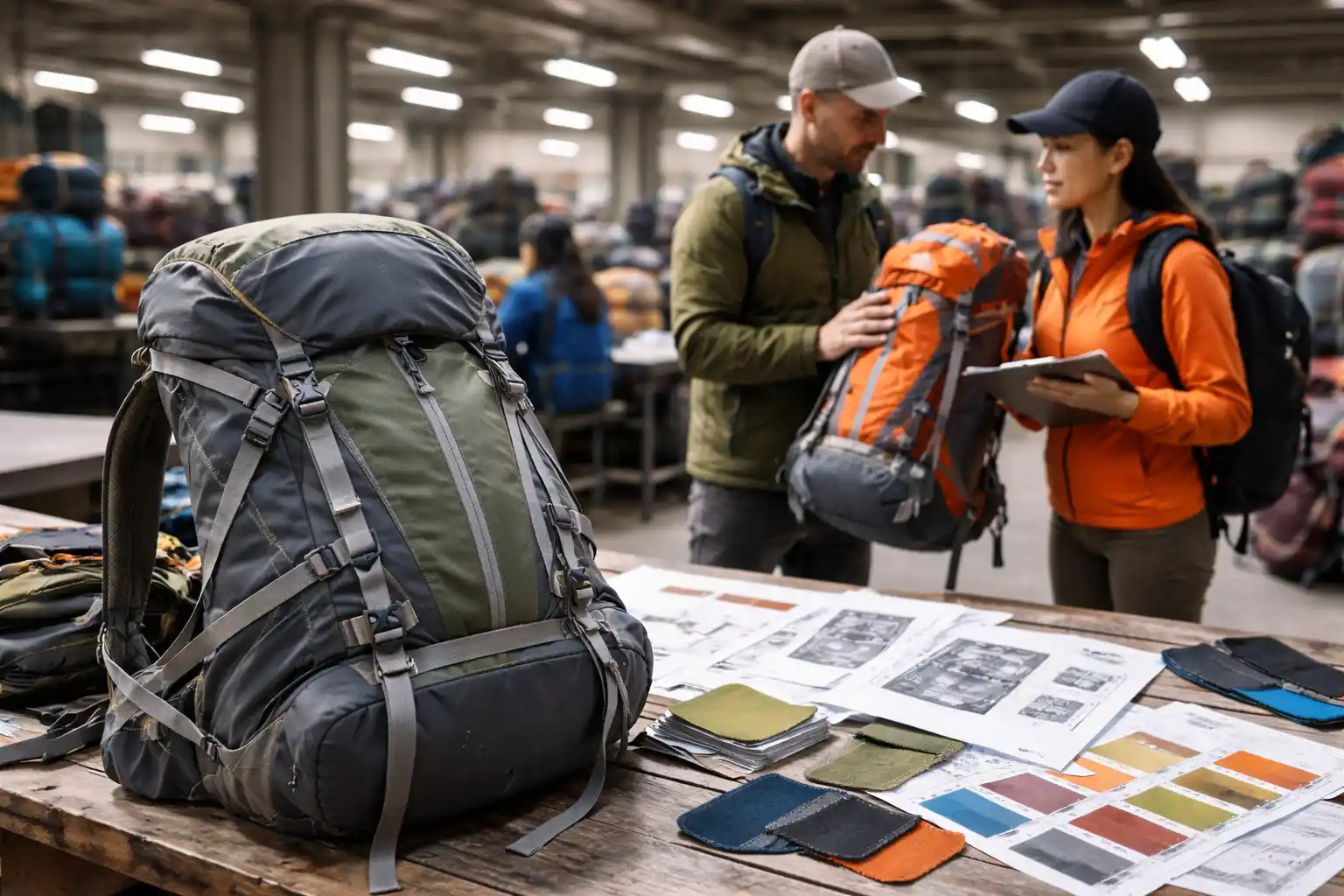
Factory-side inspection of hiking backpack materials and construction—an essential step for repeatable bulk quality and stable reorders.
1) Start With Category Fit: Does the Factory Truly “Do Hiking”?
Many factories can sew a backpack shape. Fewer factories understand hiking-specific engineering. Category fit shows up in details that buyers often miss:
A hiking-focused range typically has consistent reinforcement logic around strap roots, realistic compartment layouts for trail use, and material choices that match abrasion and weather. If you see lots of “fashion backpack” styling but little evidence of load-thinking (stress-point protection, strap geometry discipline, back-panel design intent), you may be dealing with a generalist factory.
A quick test: ask the supplier to explain which hiking sub-categories they produce most often and what changes between them (daypack vs multi-day). If they answer in practical terms—capacity ranges, back support structures, strap reinforcement differences—you’re talking to a real outdoor producer.
2) Demand Control Documents (Photos Are Not Control)
Reliability is built on documentation. You’re not being “difficult”; you’re being scalable.
Ask for, or create with them, a control pack that includes:
A measurable spec sheet with tolerances, a BOM that names fabric/lining/webbing/foam/hardware, stitching standards for high-stress zones, zipper/hardware options, and packaging method. Without these, reorders become guesswork, and guesswork becomes inconsistency.
If a supplier says “we can do everything” but can’t present a simple BOM or tolerance sheet, you’re buying a future argument.
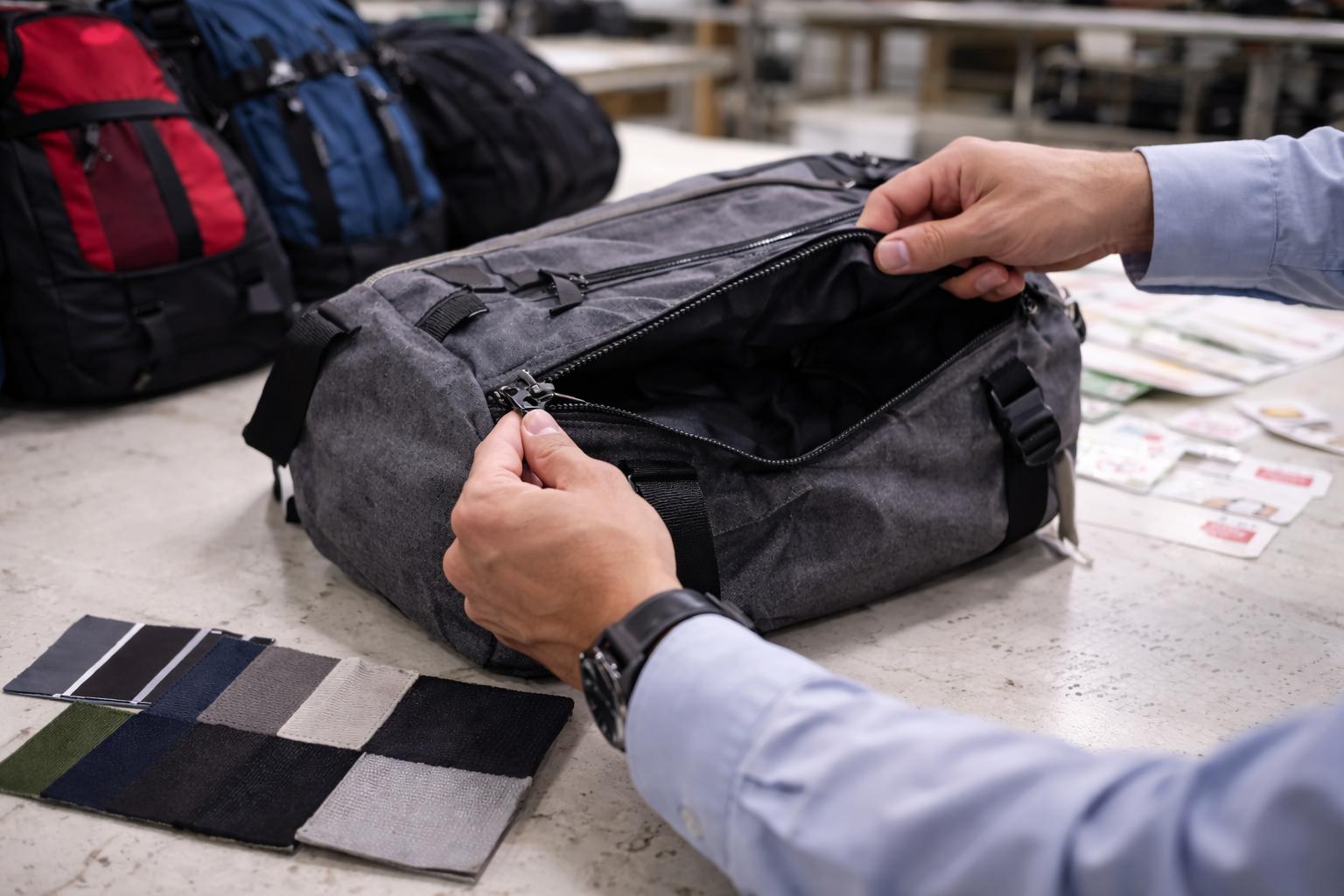
Zipper checks prevent “good sample, bad bulk”: smooth pull, clean alignment, and durable stitching before shipment.
3) Materials: Force Real Trade-Off Discussion, Not Vague Claims
Outdoor buyers don’t need “high quality.” They need the right performance per use case.
A reliable hiking backpack OEM should be able to talk through trade-offs like:
What happens to weight and comfort when you increase fabric grade; how coatings impact hand feel and long-term cracking risk; which areas need reinforcement versus which areas must stay flexible; how to choose lining for sweat, humidity, and odour environments; and what hardware grades are suitable for repeated adjustments.
A helpful question to ask: “Where does this backpack normally fail in the field?” A good supplier will mention strap anchor points, zipper tracks, bottom abrasion zones, and buckles under cold or high load—then explain what they do to prevent failure.
4) Stitching Consistency Beats Stitching Neatness
Samples are slow; production is fast. That’s why stitching neatness is not the same as stitching reliability.
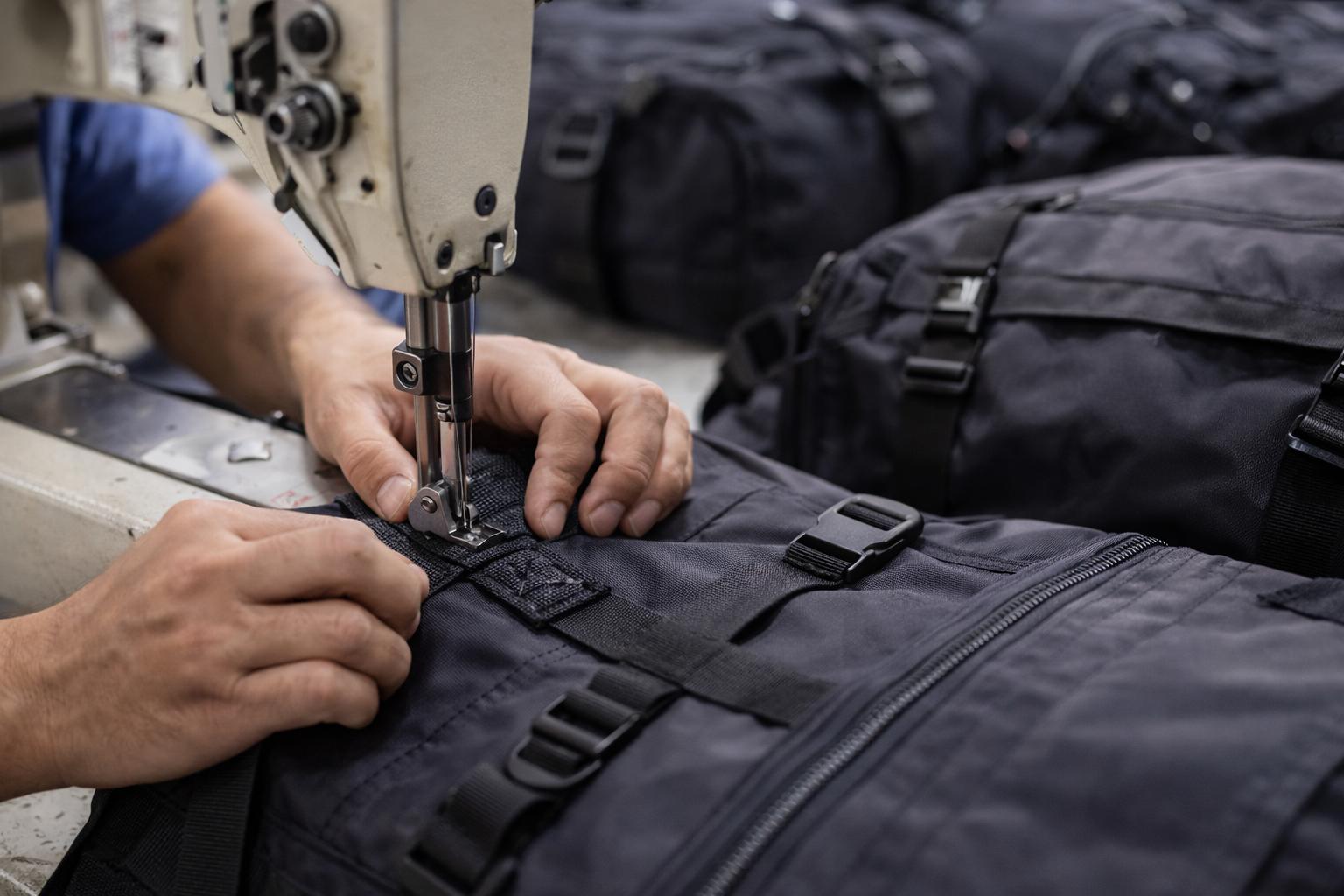
For hiking backpacks, evaluate whether the factory can keep consistent bar-tacks, reinforcement placement, seam alignment on curved panels, and stable zipper installation across multiple lines. Minor inconsistency becomes major when 1,000 units hit real outdoor use.
A practical check: request close-up photos or a short factory video of strap root reinforcement and bar-tack zones during production, not just a finished product glamour shot. The process tells you more than the photo.
5) Comfort and Load Support: Ask the Questions Most Buyers Skip
If you sell hiking packs, comfort is not optional. Yet comfort failures are often invisible until customers complain.
Ask the supplier how they handle:
Back panel foam selection, breathability strategy, shoulder strap curvature and thickness consistency, hip belt construction (if applicable), and whether they can maintain the same foam and strap shape across batches. If you change foam vendor or thickness quietly, the same design will feel “different” and returns will follow.
This is where “reliability” becomes a brand-protection issue.
6) Sampling Discipline: Version Control or Chaos
A reliable OEM factory treats sampling like a controlled iteration, not a random rework loop.
You want to see:
Clear revision tracking (V1, V2), change logs for patterns and BOM, and explicit approvals for any substitution. The most common sourcing pain isn’t a supplier making mistakes—it’s a supplier making “small changes” without telling you because they think it doesn’t matter.
In outdoor gear, small changes matter.
7) Production Planning: Test With a Reorder Scenario
The smartest buyers don’t ask, “What’s your lead time?” They ask, “How stable is my second order?”
Ask:
How they lock materials for repeat production; how they handle peak season capacity; whether they pre-book key fabrics; what happens if a zipper grade is out of stock; and how they protect priority for repeat customers.
Reliable factories have answers that sound like systems: forecasting, pre-booking, backup vendors, and clear timelines. Unreliable factories answer with vibes.
8) Use One Representative Product to Force a Technical Conversation
Instead of sending ten random reference photos, choose one representative product and use it to trigger an engineering discussion.
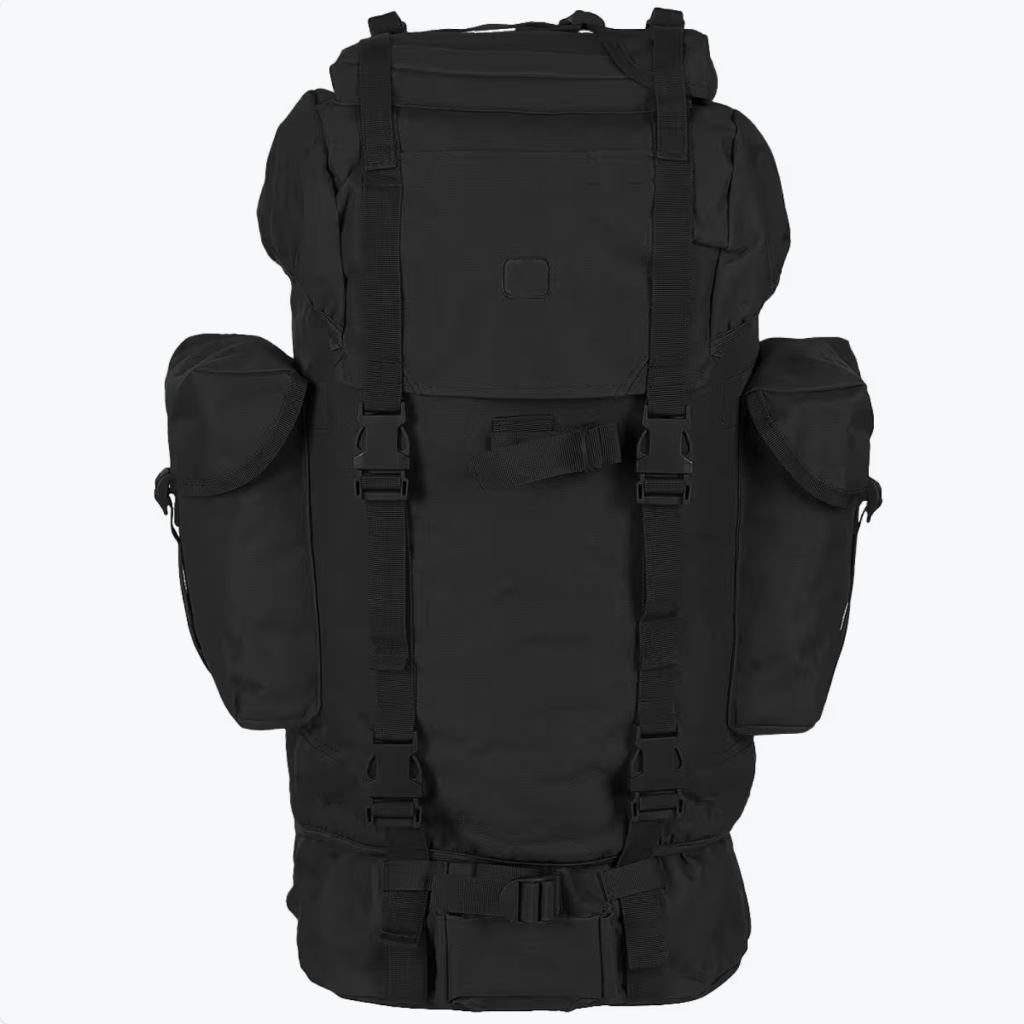
For multi-day loads and gear-heavy projects, a reference like a 60L heavy-duty hiking backpack for multi-day trekking is useful because it forces the right conversation: support structure, reinforcement, load transfer, and real-world durability.
Now ask the OEM to explain:
Which parts are structural, where reinforcement is critical, what options exist for fabric/hardware, what changes affect comfort, and what changes affect cost or lead time. Their answers tell you whether they understand outdoor products or only stitching.
9) QC: Define It, Don’t Assume It
“QC” is one of the most abused words in sourcing. Make it measurable.
Ask for their QC checkpoints:
Incoming inspection rules (fabric/hardware), in-line sewing checks, finished goods inspection, and failure standards that trigger rework. Also ask what they record—photos, measurement sheets, inspection reports. Reliability increases when QC is documented and repeatable.
10) Red Flags: How to Spot Trouble Early
If you want fewer headaches, watch for these signs:
They avoid discussing tolerances; they won’t name materials in the BOM; they promise unrealistic sampling timelines; they change quotes frequently without clear reasons; they push you to confirm before specs are final; and they respond vaguely when asked about reorders.
Outdoor backpack projects don’t fail because of one big mistake. They fail because of a series of small “uncontrolled” choices.
Buyer Checklist: What to Send in Your First RFQ
To get a useful quote (and quickly spot professional suppliers), include:
Your target capacity range, intended use (day hike vs multi-day), preferred fabric direction, estimated order quantity, logo method, colour count, and packaging requirement. If you have a deadline, state the “must ship” date—not just “as soon as possible.”
When your RFQ is specific, the factory’s response quality becomes an instant filter.
Conclusion: The Best OEM Makes Reorders Boring
A reliable hiking backpack OEM factory is one that turns complex outdoor requirements into repeatable production: documented specs, controlled materials, consistent sewing, disciplined sampling, and predictable planning. If your supplier can keep the second and third order stable, your brand gets to focus on growth instead of damage control.
When you’re ready, share your basic requirements and target timeline to request an OEM quote for hiking backpack projects.
FAQs
1) What should I include in an RFQ for a hiking backpack OEM factory?
A strong RFQ should make the factory’s reply “spec-based” instead of “photo-based.” Include your target capacity range (e.g., 20–30L daypack or 55–65L multi-day), intended use (commuting, day hike, trekking), fabric direction (denier range, coating preference, lining expectations), and hardware expectations (zipper grade, buckles, webbing). Add logo method, colour count, target quantity, and packaging requirements, plus your must-ship date or delivery window. If you already have a reference design, attach a basic measurement sheet or tech pack outline so the factory can quote consistently and flag feasibility risks early.
2) What certifications matter when choosing a backpack manufacturer?
Certifications don’t automatically guarantee product quality, but they do indicate a factory’s management maturity and audit readiness. For OEM buyers, quality-system certification (such as ISO-style QMS frameworks) can support better documentation control, traceability, and corrective action discipline. Depending on your market and product positioning, you may also evaluate social compliance, restricted substances management, and materials transparency for coatings and water-repellent finishes. The key is to treat certifications as a starting filter, then verify real production controls: BOM lock, sampling change logs, incoming inspections, and in-line QC.
3) How do I judge hiking backpack durability before placing a bulk order?
Start with stress-point engineering and repeatability. Ask the factory to describe reinforcement at shoulder strap roots, handle anchors, and bottom abrasion zones, and request close-up production photos of bar-tack placement and stitch density in those areas. Confirm the zipper and hardware testing approach (cycle durability and pull-off resistance), and ask how they validate abrasion performance for the chosen fabric. Most durability failures come from weak stitching consistency, zipper mismatch, or uncontrolled substitutions—so your best “pre-bulk test” is documentation quality and whether the factory can prove stable construction standards across reorders.
4) How many samples should I expect before final approval?
For hiking backpacks, one sample is rarely enough if you care about carry comfort and load stability. A typical process is 2–3 rounds: the first sample validates overall shape and layout, the second locks functional details (strap geometry, foam feel, reinforcement placement), and the third confirms final materials, logo method, and packing. What matters most is version control. Each revision should have a change list (pattern updates, BOM changes, hardware changes), with explicit buyer approval so bulk production matches the final signed version.
5) What are the most common problems with backpack OEM production, and how can I avoid them?
The most common issues are quiet material substitutions (foam, lining, zipper grades), inconsistent stitching under production speed, and mismatched expectations on lead time and packing protection. You can avoid them by locking a clear BOM, setting measurable tolerances, and requiring written confirmation for any substitution. Use one representative product structure to guide technical discussion, and always ask a reorder question during evaluation: “How do you keep materials and construction consistent for the second and third order?” Factories that can answer that clearly tend to be the ones that deliver stable bulk quality.
References
ISO 9001:2015 Quality management systems — Requirements / International Organization for Standardization (ISO) / ISO / ISO Standard
Quality management principles / International Organization for Standardization (ISO) / ISO / ISO Publication (PDF)
ASTM D4966: Standard Test Method for Abrasion Resistance of Textile Fabrics (Martindale Abrasion Tester Method) / ASTM International / ASTM International / ASTM Standard
ASTM D3884: Standard Guide for Abrasion Resistance of Textile Fabrics (Rotary Platform, Double-Head Method) / ASTM International / ASTM International / ASTM Standard
ASTM D2061: Standard Test Methods for Strength Tests for Zippers / ASTM International / ASTM International / ASTM Standard
ISO 4920: Textile fabrics — Determination of resistance to surface wetting (spray test) / International Organization for Standardization (ISO) / ISO / ISO Standard
Durable Water and Soil Repellent Chemistry in the Textile Industry — A Research Report / Outdoor Industry Association (with partners) / Outdoor Industry Association / Research Report (PDF)
Semantic Closure: How to Vet a Hiking Backpack OEM Factory
A hiking backpack is a load system. “Reliable OEM” means the factory can reproduce comfort, support, durability, and packing integrity across bulk production and future reorders—without quiet material substitutions or drifting workmanship. The strongest evaluation signal is not a single sample, but whether the supplier has a repeatable system: documented specs, controlled materials, stable sewing standards, and production planning that survives peak season.
What “reliability” actually looks like in outdoor backpack production
In practice, reliability shows up as consistent reinforcement at strap roots and carry points, stable zipper and buckle grades, repeatable foam and webbing selection, and measurable tolerances that do not change between batches. A reliable factory can explain where hiking packs fail in the field and how their construction standards reduce those failures (stress-zone reinforcement, bar-tack rules, abrasion protection, and zipper cycle durability choices).
Why starting from a product range beats judging one “perfect” sample
One good sample proves the factory can produce a result once. A structured outdoor range shows whether they can keep construction logic consistent across different hiking backpack styles (daypacks, multi-day packs, foldable trail packs). When the range is coherent, it often indicates stable patterns, repeatable sewing instructions, and a clearer BOM discipline—exactly what you need for bulk orders and repeat programmes.
How to evaluate fast: the 7 checks buyers should run first
Start with category fit (do they truly produce hiking packs, not just general backpacks). Then request control documents (BOM, measurement tolerances, construction notes). Validate materials and hardware choices (fabric direction, coating intent, zipper/buckle grade). Review stress-point sewing rules (strap roots, handles, bottom zones). Confirm sampling version control (change logs and approvals). Define QC as checkpoints with records, not slogans. Finally, test planning with a reorder scenario, because true reliability is proven on the second and third order.
Options: what to standardise vs what to customise (so your reorders stay stable)
For reorder stability, standardise the items that drive performance drift: fabric families and coatings, foam density/shape for straps and back panel, webbing specifications, and hardware grades for zippers and buckles. Customise the items that add brand value without destabilising production: colourways, logo methods, trims, pocket layouts, and accessory attachments. This approach keeps comfort and durability predictable while still allowing you to refresh designs each season.
Considerations that often decide the project (but buyers ask too late)
Most sourcing delays come from incomplete RFQs and late-stage spec changes. Provide a clear capacity target, intended use, fabric direction, estimated order volume, logo method, packaging requirements, and a must-ship window. Ask the factory how they prevent silent substitutions and what happens when a key material is delayed. If they can’t describe a backup sourcing plan or a substitution approval process, your “reliable supplier” label is not yet earned.
Market trend signal: why outdoor buyers are prioritising repeatability over novelty
Outdoor programmes increasingly reward suppliers who can deliver consistent lots across phases, maintain stable lead times, and support reorders without quality drift. As customer expectations rise around durability and comfort, brands are shifting focus from “new features every season” to dependable construction systems that reduce returns. Factories that operate with documentation discipline, measurable QC, and repeatable sewing standards are becoming the default partners for hiking backpack lines that scale.