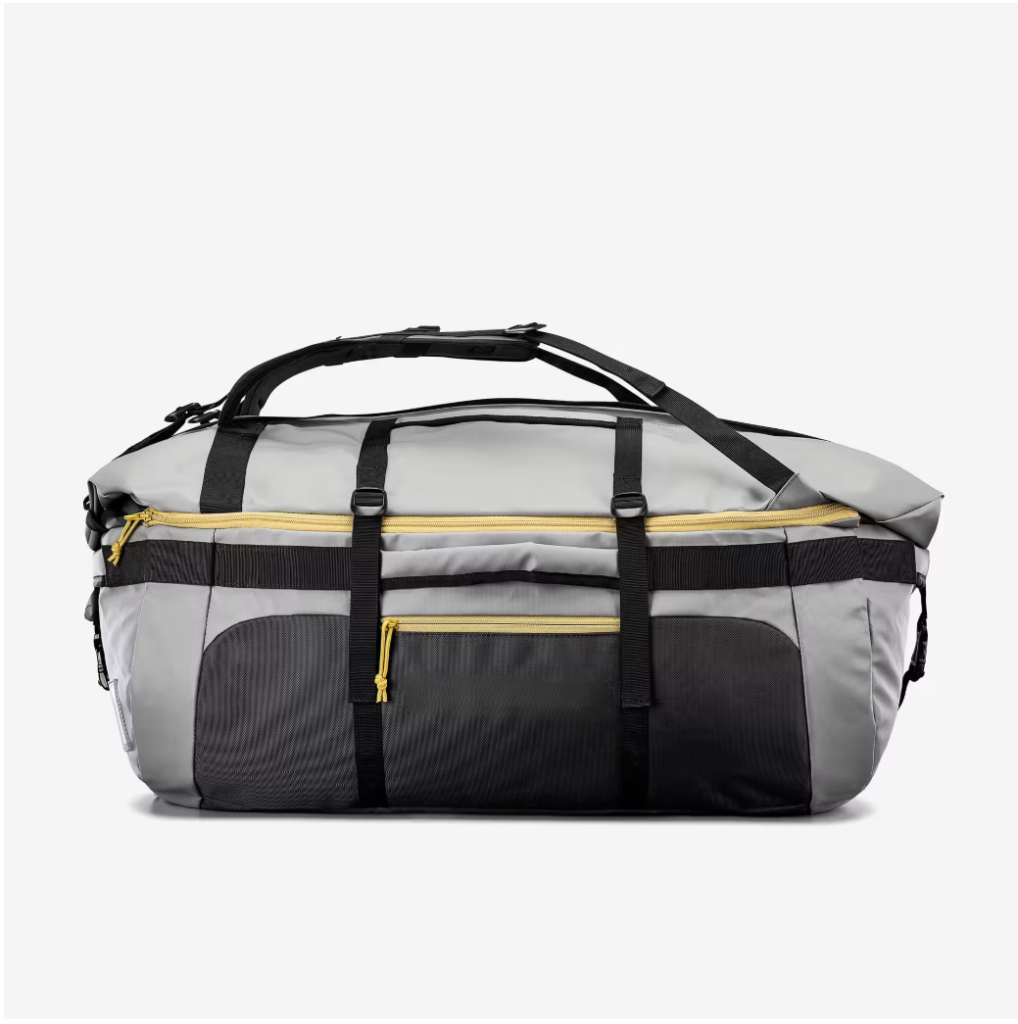
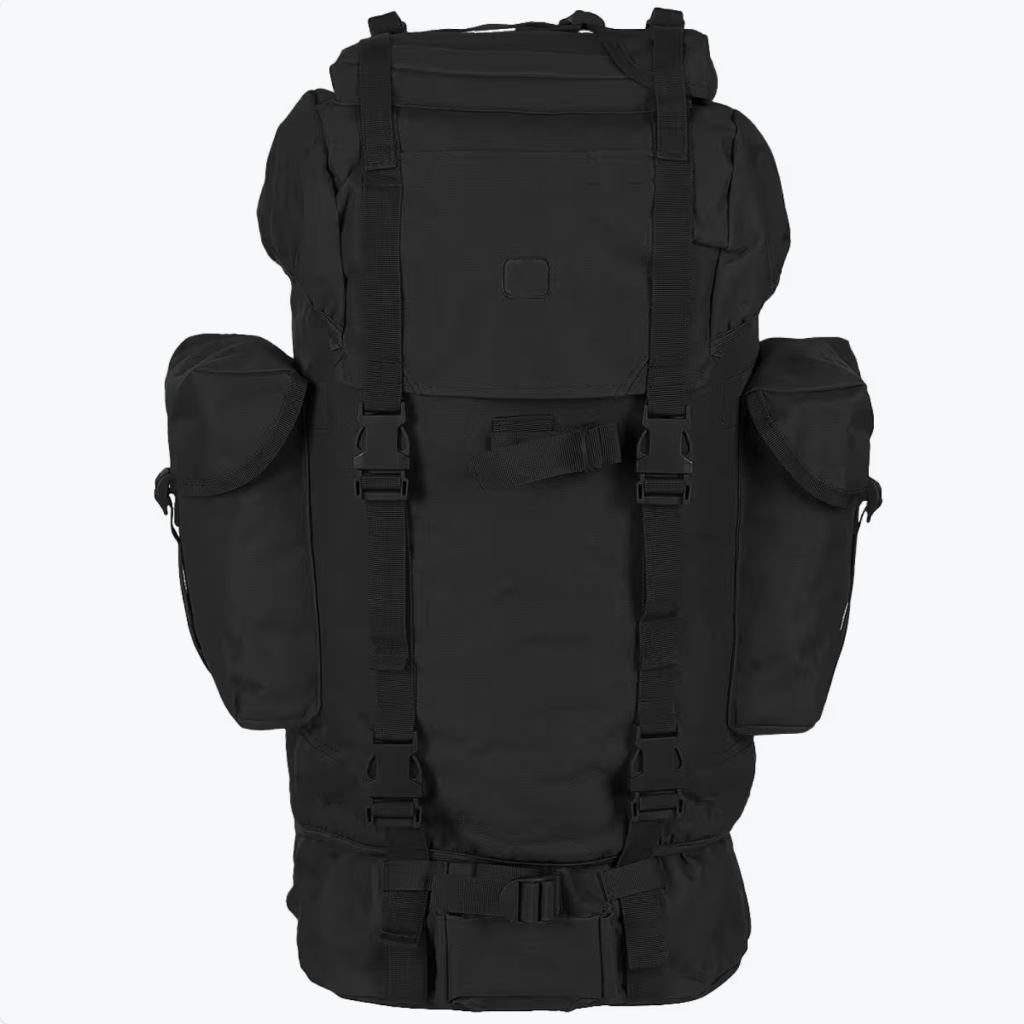
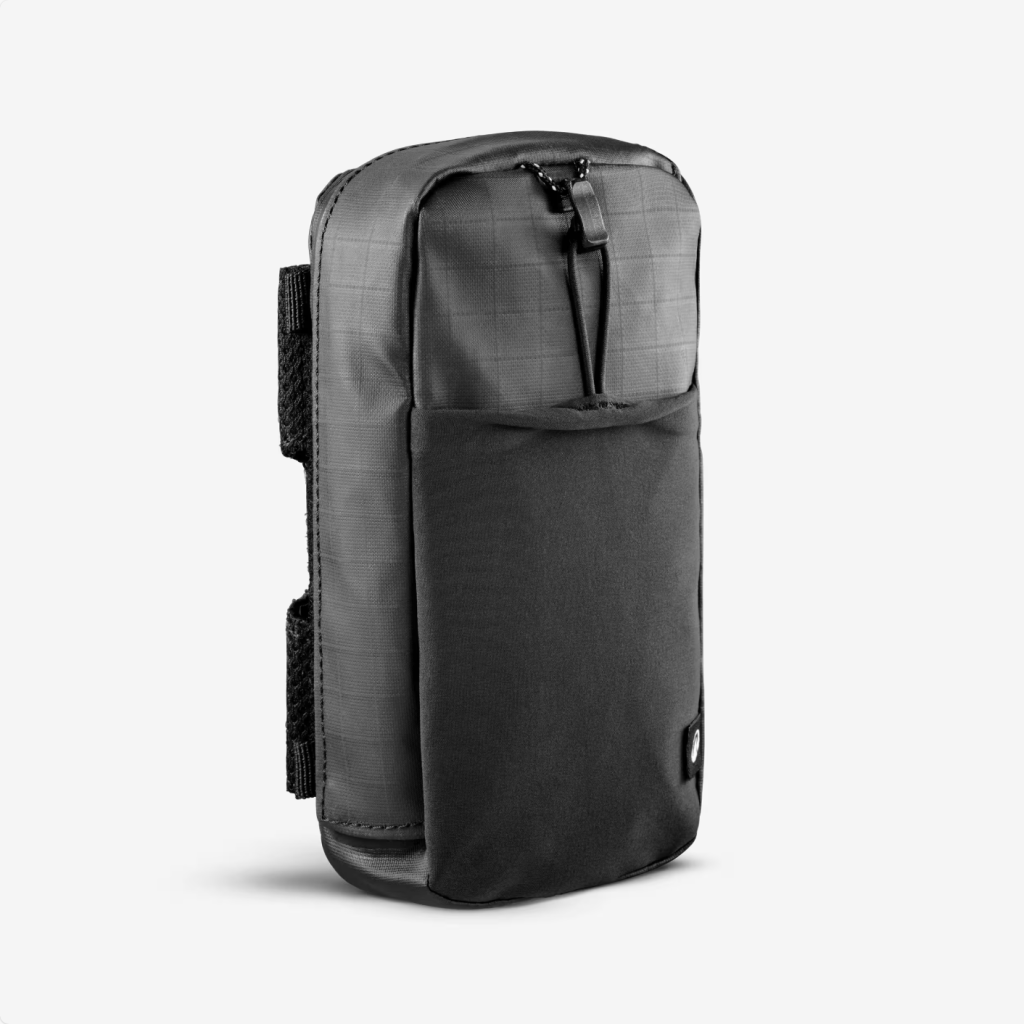
When buyers ask how much weight can a bicycle bag safely carry, the most useful answer is a repeatable safe range—not a single “max kg” label. In real use, safe load is constrained by vibration cycles, load shape (boxy vs compressible), left-right balance, mounting tolerance, and wet road spray that accelerates abrasion and hardware fatigue. For everyday commuting and retail mainstream use, many products perform most reliably around 5–10 kg system load, with short peaks around 12–15 kg only when cargo is compact, balanced, and securely mounted. For B2B programs, the key is aligning the rated load to documented test logic and construction evidence—anchors, stitch architecture, and mounting stability—so durability holds across batches.
How Much Weight Can a Bicycle Bag Safely Carry?
A bicycle bag almost never fails because “the weight was too heavy” in isolation. It fails because the weight is applied through repeated vibration, imperfect packing, side-load from rigid cargo, mounting play that turns every bump into a hammer, and wet-road grit that behaves like abrasive paste. That’s why the question how much weight can a bicycle bag safely carry deserves an answer framed as constraints and trade-offs—not a single number copied into a spec sheet.
For B2B readers—retail buyers, brand owners, distributors, project suppliers—the goal is not to publish the biggest weight claim. The goal is to ship a product whose safe load remains stable across real commuting conditions and across production batches, so the warranty rate stays low and the review curve stays flat.
This article gives practical safe ranges by bag type, explains what actually changes the load outcome (shape, balance, mounting tolerance, weather abrasion), and provides a procurement checklist that you can apply when evaluating a bicycle bag manufacturer or bicycle bag factory for OEM bicycle bags and wholesale bicycle panniers programs.
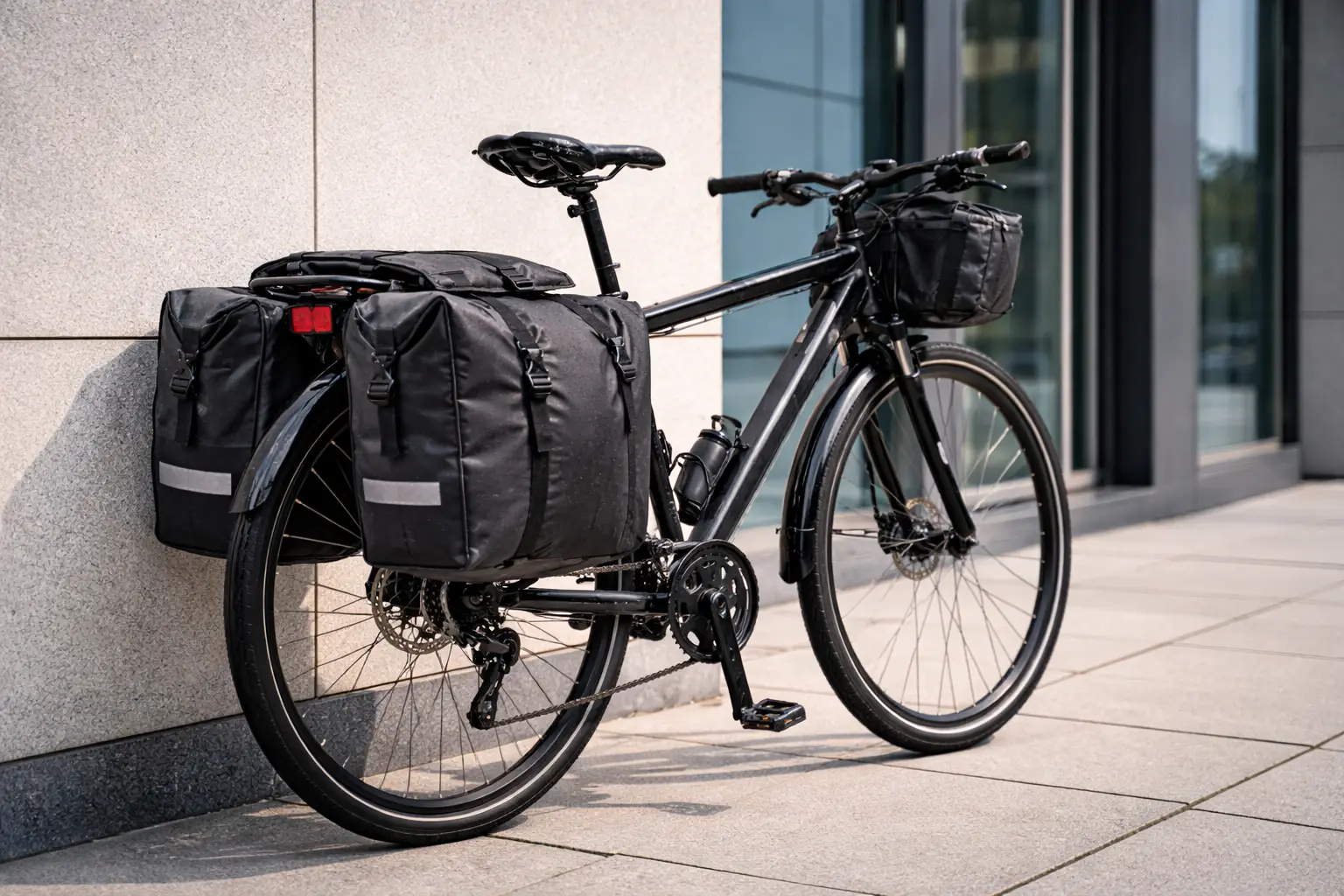
A clean commuter setup where safe load depends on mounting stability, balance, and how the cargo sits—not just “max kg.”
Safe Carry vs Maximum Load: The Three Numbers Buyers Confuse
A “max load” label is usually a static or idealized statement. Safe carry is repeatability under messy constraints.
Rated Capacity (Label or Listing Claim)
Often measured under controlled conditions: stable mounting, compact load, short duration, minimal vibration.
Real-World Safe Load (Repeatable, Low-Risk Range)
Accounts for vibration cycles, imperfect packing, load shifting, wet abrasion, and occasional impacts.
The point where you see mounting fatigue, seam creep, zipper splitting, roll-top fold-zone wear, hook deformation, or uncontrolled sway.
For most consumer-facing use cases, the “real-world safe load” is the number that matters. For B2B programs, the procurement decision should be anchored in whether a supplier can explain the test logic behind that safe range and how construction features support it.
The Real Constraints That Decide Safe Weight
Load Shape Is Often More Damaging Than Load Mass
A compact 8 kg load of compressible items (clothing, soft goods) usually behaves gently. A rigid 6 kg box can be harsher because it pushes outward, creates side-load, and forces the bag wall or closure line to behave like a structural panel. In repeated use, boxy cargo increases localized stress at corners, seams, anchor plates, and zipper tracks.
This is why “safe load” can’t be answered with kg alone. A bag can be “fine” at 12 kg if the load is compact and stable, and “not fine” at 7 kg if the load is rigid and constantly forcing bulge.
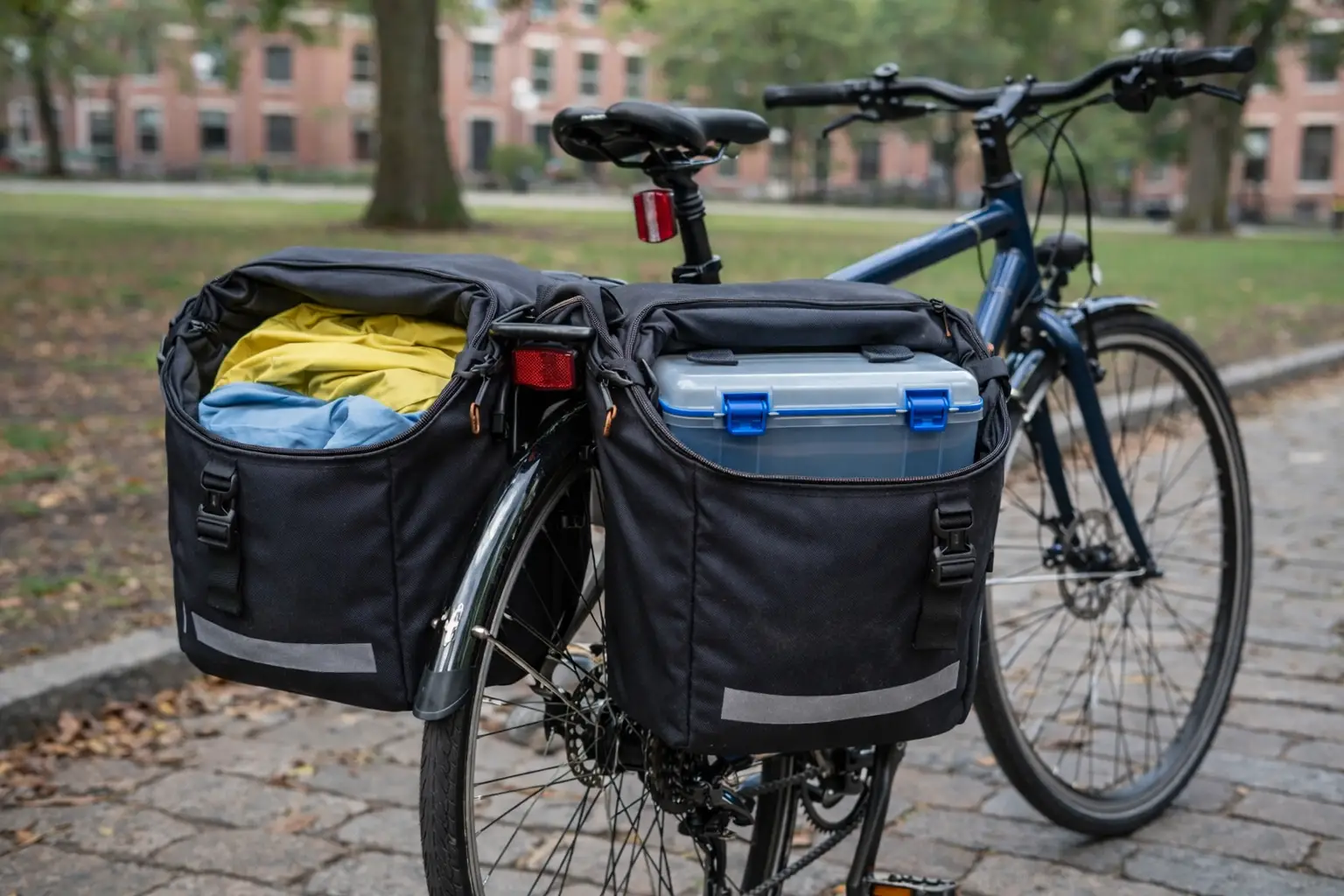
Same kilograms, different damage—rigid cargo creates side-load that accelerates seams and closures.
Vibration Cycles Multiply Stress
On rough asphalt, cobbles, and gravel, the bag experiences thousands of micro-impacts. Stress concentrates at:
hook/rack interfaces
webbing anchor stitches
buckle ladders and strap tails
stiffener edges
seam tape boundaries (if waterproofed)
A practical field observation used by many product teams is that rough-surface commuting can make a nominal load “behave” like 20–40% more due to constant tugging and micro-hammering. In other words: the same kg can generate very different fatigue outcomes depending on route.
Left-Right Imbalance Drives Sway and Hardware Fatigue
A common failure pattern is not overload—it’s imbalance. One pannier loaded heavily and the other empty can create persistent sway, especially at low-speed starts and in crosswinds. A useful handling constraint is keeping left-right difference within roughly 10–15% where possible. This reduces yaw moments and decreases hook and stabilizer fatigue.
Mounting Tolerance Is Part of the Load Rating
If a bag rattles on the rack, it is effectively self-destructing. Mounting play accelerates:
abrasion at hook plates
deformation in plastic hooks under repeated impact
loosening fasteners
wear on stabilizers and lower anchors
A “strong bag” on a flexible rack is still a weak system. When evaluating a bicycle bag weight limit claim, treat the rack interface as part of the load-bearing design.
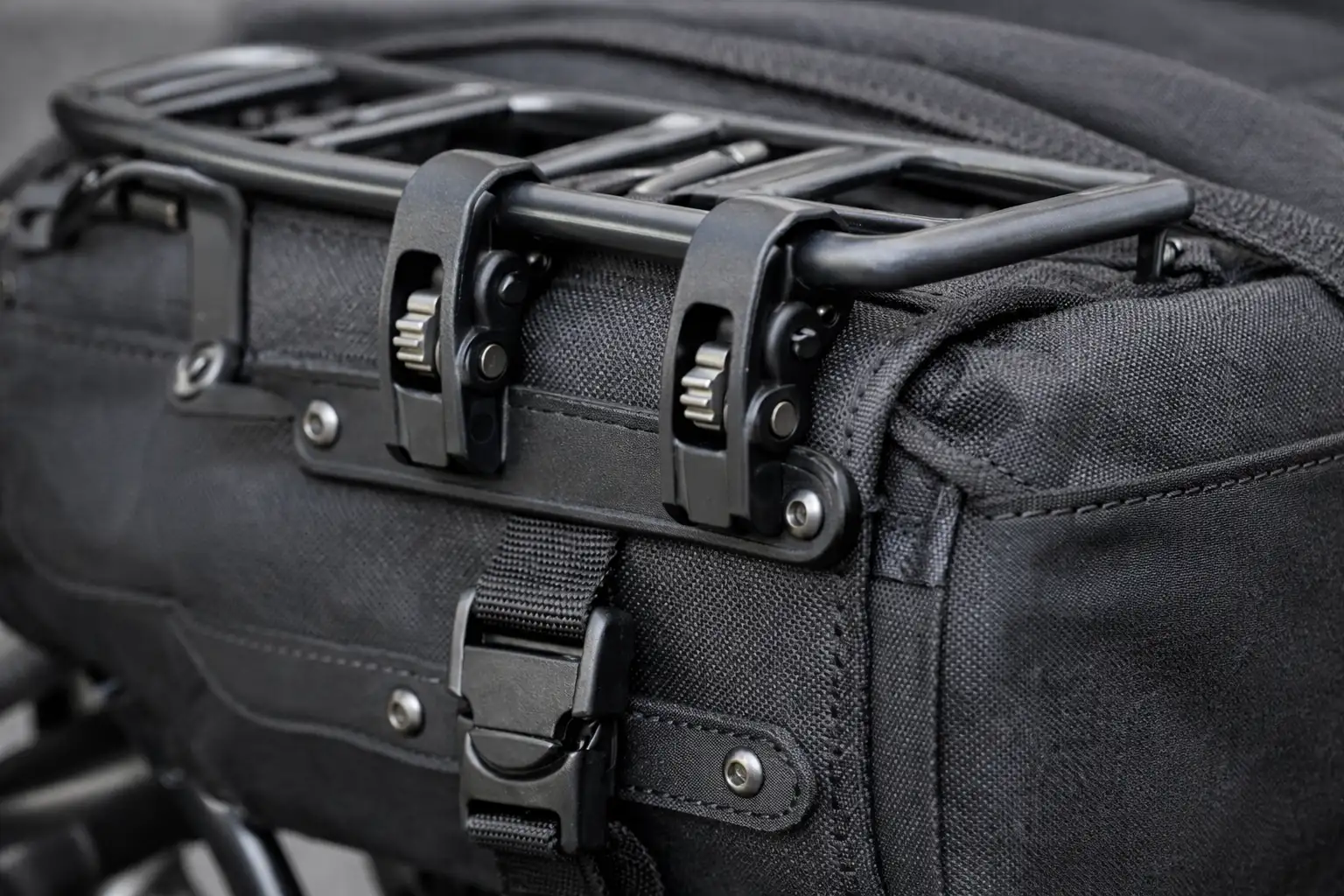
If the bag rattles, fatigue accelerates—mounting tolerance is part of the real safe load.
Practical Safe Load Ranges by Bag Type
The ranges below are practical targets that align with repeatable real-world use and predictable handling. They are not legal thresholds, and different brands may test differently. For B2B programs, these values work best when paired with documented test logic and construction evidence.
Comparison Table: Materials, Load Range, Weather Suitability, and Commuting Scenarios
600D–900D; semi-rigid inserts; zipper top common; rack straps
3–8 kg typical
Moderate; zipper lines are leak and grit points
Office commute, quick access, compact loads
Handlebar Bag
420D–600D; stiffener plate; quick-release mount
1–3 kg typical
Moderate; depends on closure
Phone, wallet, light items, frequent stops
Saddle Bag / Seat Pack
Ripstop + TPU laminate; compression straps; roll-top common
2–6 kg typical
Good with disciplined roll and compression
Bikepacking light gear, spare layers, tools
Frame Bag
Laminated fabrics; zipper or roll-top variants; multiple anchor points
1–4 kg typical
Moderate; zipper durability varies by design
Dense items near bike center, tools, battery
Backpack (worn)
210D–600D; internal frame/stiffener; shoulder/hip support
3–8 kg typical for comfort
Good with rain cover; sweat/abrasion factors
Short commutes where racks aren’t used
These ranges support a procurement-friendly framing: bike bag weight capacity is not simply fabric strength—it’s system stability plus fatigue resistance at anchors.
Scenario-Based Safe Weight (What Actually Happens in Use)
Commuting With Laptop, Lock, and Daily Essentials
Typical load: 4–8 kg. This looks light on paper, but the real stress driver is frequency. Many commuters open and close their bag repeatedly (often 20–40 cycles/day). High-frequency access encourages rushed closures and imperfect packing.
Trade-off: zip access can reduce “user error,” but rigid items (laptops, chargers) can create corner pressure points. Safe loads stay higher when the bag controls bulge and maintains stable mounting.
Grocery Runs With Boxy and Irregular Cargo
Typical load: 6–15 kg, with unpredictable shapes. This is the scenario where safe load is most often overestimated. A rigid box pressing outward can create side-load that overstresses seams and anchors even at moderate kg.
Trade-off: designs that tolerate bulge and allow compression reduce failure risk more than designs that simply use thicker fabric.
Wet-Road Commuting (Rain + Road Spray + Grit)
Typical load: 5–10 kg. In wet markets, abrasion is the hidden limiter. Road spray carries grit that accelerates wear at corners, fold zones, mounting interfaces, and zipper tracks. Many “waterproof” bags fail not by leaking on day one, but by degrading at high-flex and high-wear points after repeated wet/dry cycles.
Trade-off: if the bag is positioned as wet-climate commuting gear, safe load guidance should be slightly more conservative unless abrasion protection and seam execution are robust.
Rough Surfaces and Gravel (Vibration as the Primary Constraint)
Typical load: 3–10 kg depending on system. In vibration-heavy use, fatigue failures become predictable: hook deformation, fastener loosening, anchor stitch creep, and stabilizer wear.
Trade-off: the best-performing products are not always the ones with the highest claimed kg, but the ones with tight mounting tolerance and reinforced anchors that resist micro-motion.
Touring and Multi-Day Loadouts (Distributed System Loads)
Typical load: 12–25 kg across the bike system when distributed. The limiting factor becomes handling and stability long before fabric tear strength. A top-heavy setup can reduce braking stability and increase sway, creating a safety ceiling that is unrelated to the bag’s fabric rating.
Trade-off: increasing total system load can be safe if it is distributed low and inboard, balanced left-right, and supported by a stiff rack interface.
On longer rides, stability and distribution set the ceiling—total kg is only part of the story.
Construction Features That Actually Change Weight Outcomes
Fabric: Denier Helps, But It’s Not the Rating
420D–600D can be sufficient for commuting if anchors and corners are reinforced.
900D–1000D typically improves abrasion resistance, especially at high-wear zones.
However, for wholesale bicycle panniersprograms, denier alone is not a meaningful durability guarantee. The safe load outcome is dominated by anchor architecture and mounting stability.
Stitching Architecture at Load-Bearing Anchors
Look for:
bartack reinforcement at webbing anchor bases
Box-X stitching where straps carry load
reinforced seam allowances and corner protection
controlled stitch density and thread quality
These are the real predictors of repeatable safe load performance.
Hardware and Anchor Plates
Many complaints that read like “bag broke” are actually hardware fatigue problems. Causes include:
mounting play (rattle)
poor anchor reinforcement behind hook plates
brittle plastic formulation under UV/cold
corrosion in metal components under salt exposure
A credible bicycle bag manufacturer should explain how hook fit tolerance is controlled and what their fatigue logic is for anchors.
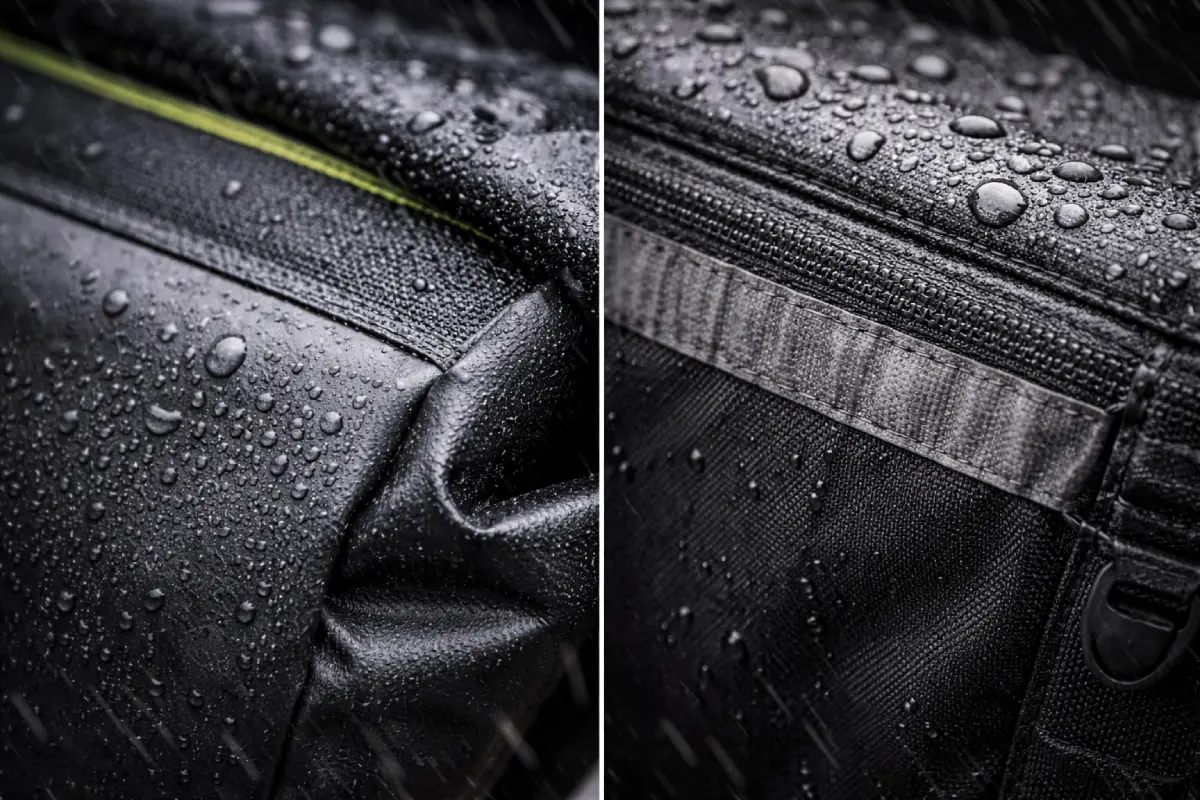
Seam construction matters more than fabric claims—welded seams reduce leak paths, while taped seams depend on long-term tape adhesion.
A Practical Load Stress Check (For Product Teams and End Users)
Step 1: Identify Where the Load Pushes
Does it push outward and bulge? Does it press against closure lines? Does it hang as a swinging mass?
Step 2: Evaluate Mounting Stability Under Load
Install the loaded bag and apply gentle shake. Audible rattle or visible movement suggests accelerated fatigue, even if kg is modest.
Step 3: Verify Balance in Real Configurations
Two panniers should be balanced whenever possible. If using one side, keep the load lower and lighter, and expect sway sensitivity.
Step 4: Apply Wet Abrasion Assumptions Where Relevant
In wet cities, assume road spray and grit are constant. Reduce safe load guidance slightly unless abrasion and anchor protection are clearly engineered.
This is the practical framework behind bike pannier weight limit that survives in real streets.
Procurement Checklist: What to Ask Before You Order
If you’re sourcing for retail, private label, or project supply, a stated weight number is not enough. Ask for test logic and acceptance criteria that match your customers’ routes and climates. A reliable bicycle bag manufacturer should be able to explain how load ratings connect to fatigue, mounting stability, and wet-road abrasion—not just quote a “kg limit.”
1) Load rating logic (not a single number)
Ask how the claimed bicycle bag weight limit was determined. Was it a static hang test, a rolling vibration test, or a combined method? Request the stated safe range for continuous use and the recommended peak load for short-duration scenarios.
2) Mounting and anti-rattle tolerance
For panniers, hook fit and rack compatibility decide lifespan. Ask the bicycle bag factory how mounting tolerance is controlled, whether there is an anti-rattle insert or stabilizer, and what failure signs appear first during vibration cycling.
3) Stitching architecture at high-stress zones
Request photos or diagrams of anchor zones: hook plate stitching, webbing bases, compression strap roots, and corner reinforcements. Confirm bartack and Box-X usage where loads concentrate. These construction choices typically predict real-world bike bag weight capacity better than fabric denier alone.
4) Waterproof durability under flex and abrasion
If you sell into wet markets, don’t accept “waterproof” as a label. Ask whether seams are taped or welded, what the flex-cycle expectation is, and how abrasion protection is implemented at corners and fold zones. This matters more than peak waterproof numbers when road spray carries grit.
5) Quality control and batch consistency
For OEM bicycle bags or wholesale bicycle panniers , batch stability matters. Ask what QC checks are performed per batch (hook alignment, seam inspection, coating consistency), and what the defect threshold is before rework or rejection.
Conclusion
A bicycle bag’s safe carrying capacity is a repeatability problem, not a heroic maximum. In mainstream commuting and retail use, many systems perform most predictably around 5–10 kg, with short peaks around 12–15 kg only when the load is compact, balanced, and mounted with minimal play. Above that, the constraint is often handling stability and fatigue at anchors and mounting interfaces—not fabric tear strength.
For B2B programs, the best outcomes come from aligning load claims with construction evidence and test logic: anchor reinforcement, mounting tolerance control, wet abrasion assumptions, and batch-level QC. If those elements are engineered and verified, your weight guidance becomes credible—and your product durability becomes consistent across real streets and real customers.
FAQs
1) How much weight can a bicycle bag safely carry for everyday commuting?
For everyday commuting, many riders and product teams target a repeatable safe range around 5–10 kg, because it keeps handling stable and reduces fatigue at anchors, hooks, and seams. Short peaks around 12–15 kg can be workable when cargo is compact, balanced, and mounted securely with minimal rattle. Rough routes and wet-road grit typically push the safe range downward unless abrasion protection and anchor reinforcement are robust.
2) What is a realistic bike pannier weight limit per side?
A practical working range for many pannier systems is about 4–10 kg per side when the rack is stiff, hooks fit tightly, and a lower stabiliser prevents swing. Sway risk increases sharply when one side is heavily loaded and the other is empty, or when mounting tolerance allows rattle. If you feel rhythmic swinging at speed, the system is entering a fatigue-accelerating condition even if kg seems reasonable.
3) Does carrying heavy loads damage waterproof performance over time?
Heavy loads don’t automatically reduce waterproofing, but they can accelerate the failure points that cause leaks in real life: seam tape lifting in high-flex zones, abrasion at corners, and contamination around closure lines. Wet-road spray carries grit that acts like abrasive paste, so waterproof longevity is strongly influenced by abrasion strategy and seam execution. For wet-climate products, evaluate how the bag stays sealed after repeated flexing and wear, not just how it performs on day one.
4) What’s the biggest mistake people make when carrying heavy items in bicycle bags?
The most common mistake is packing rigid, boxy items that push outward and create side-load, forcing panels and closure lines to act like structural walls. This concentrates stress at corners, seams, and anchor plates, and can trigger zipper splitting or seam creep even at moderate kg. Safer packing keeps heavy items low and inboard, compresses the load to prevent shifting, and avoids extreme left-right imbalance that amplifies sway.
5) What should buyers ask a manufacturer about weight ratings and durability claims?
Avoid asking only for “max kg.” Request the continuous safe range, peak-load guidance, and the test logic behind the rating, including assumptions about vibration exposure, mounting stability, and wet-road abrasion. A capable bicycle bag manufacturer should also explain how anchor stitching architecture, hook fit tolerance, and seam construction affect long-term bike pannier weight limit performance across batches, especially for OEM bicycle bags and wholesale bicycle panniers programs.
References
ISO 811: Textiles — Determination of resistance to water penetration — Hydrostatic pressure test, International Organization for Standardization (ISO), ISO Standard Publication.
ISO 12947 (Parts 1–4): Textiles — Determination of the abrasion resistance of fabrics by the Martindale method, International Organization for Standardization (ISO), ISO Standard Publication.
ASTM D3884: Standard Test Method for Abrasion Resistance of Textile Fabrics (Rotary Platform, Double-Head Method), ASTM International, ASTM Standard Publication.
ASTM D751: Standard Test Methods for Coated Fabrics, ASTM International, ASTM Standard Publication.
Zippers: Selection, Use, and Maintenance (Product/Technical Guidance), YKK Group (Technical Service), YKK Technical Guidance Document.
Plastics Weathering and Durability: UV Exposure and Aging Mechanisms (Technical Articles & Papers), Society of Plastics Engineers (SPE), SPE Publications.
Corrosion Basics and Salt-Spray Performance of Metal Components (Industry Guidance), AMPP (Association for Materials Protection and Performance), AMPP Technical Guidance.
ISO 11243: Cycle luggage carriers — Requirements and test methods, International Organization for Standardization (ISO), ISO Standard Publication.
Semantic Insight Card
What (Core Answer): “How much weight can a bicycle bag safely carry?” is best answered as a repeatable safe range, not a single “max kg” claim. Safe load is what the bag system can carry day after day without uncontrolled sway, anchor fatigue, leak progression, or mounting play that worsens over time.
Why (Why One Number Misleads): Two riders carrying the same 10 kg can get opposite outcomes because stress is driven by real constraints—vibration cycles, boxy-cargo side-load, left-right imbalance, and wet-road grit that accelerates abrasion. Many label ratings reflect ideal conditions; real commuting adds micro-impacts and contamination that lower the practical durability ceiling.
How (The Constraint Model): Evaluate four constraints before you “trust the kg”: (1) load shape (rigid boxes create higher side-load than compressible gear), (2) mounting tolerance (rattle equals accelerated fatigue), (3) balance (avoid one-sided heavy loads), and (4) exposure (rain + road spray + grit). If any constraint is high-risk, your safe range should move down even if the fabric looks overbuilt.
Option A (High-Frequency Commuting): If the use case is frequent access, short stops, and tidy cargo, prioritise designs that keep the closure line out of structural stress, maintain tight mounting fit, and prevent bulge. The “right option” is the one that reduces user error and keeps the load compact—not the one with the biggest claim.
Option B (Wet Markets & Long-Term Durability): If the use case is year-round rain, gritty road spray, and heavy daily wear, prioritise abrasion protection at corners and mounts, robust seam execution, and disciplined compression that prevents shifting. Long-term wet-weather durability is usually decided by wear management, not day-one waterproof labels.
Considerations (Deep Checks for B2B Buyers): For volume programs, request the continuous safe range and the test logic behind it—vibration exposure assumptions, mounting stability checks, and pass/fail criteria for anchors and seams. Confirm batch-level QC controls (hook alignment, stitch verification at webbing anchors, coating/laminate consistency). This is how durability stays predictable across seasons and shipment lots.
Market Trend (What’s Changing): Demand is shifting toward heavier, more frequent commuter loads (laptops, locks, groceries) and toward wet-weather reliability. Higher-performing lines increasingly compete on mounting tolerance, anchor reinforcement, abrasion strategy, and verifiable durability testing—rather than on denier numbers alone.
Compliance & Claims (Where “Waterproof” Has Limits): Material and coating choices can vary by region due to environmental and chemical requirements, which may affect cold-flex behaviour, UV aging, and seam bonding over time. Treat “waterproof” as a construction-and-testing statement with defined conditions, not a universal guarantee.
Buyer’s Decision Brief (One-Sentence Closure): Choose the load range your system can repeat under your worst daily constraints (vibration + shape + mounting + spray). If a supplier cannot explain the test logic behind the range, the rating is a marketing number—not a durability promise.