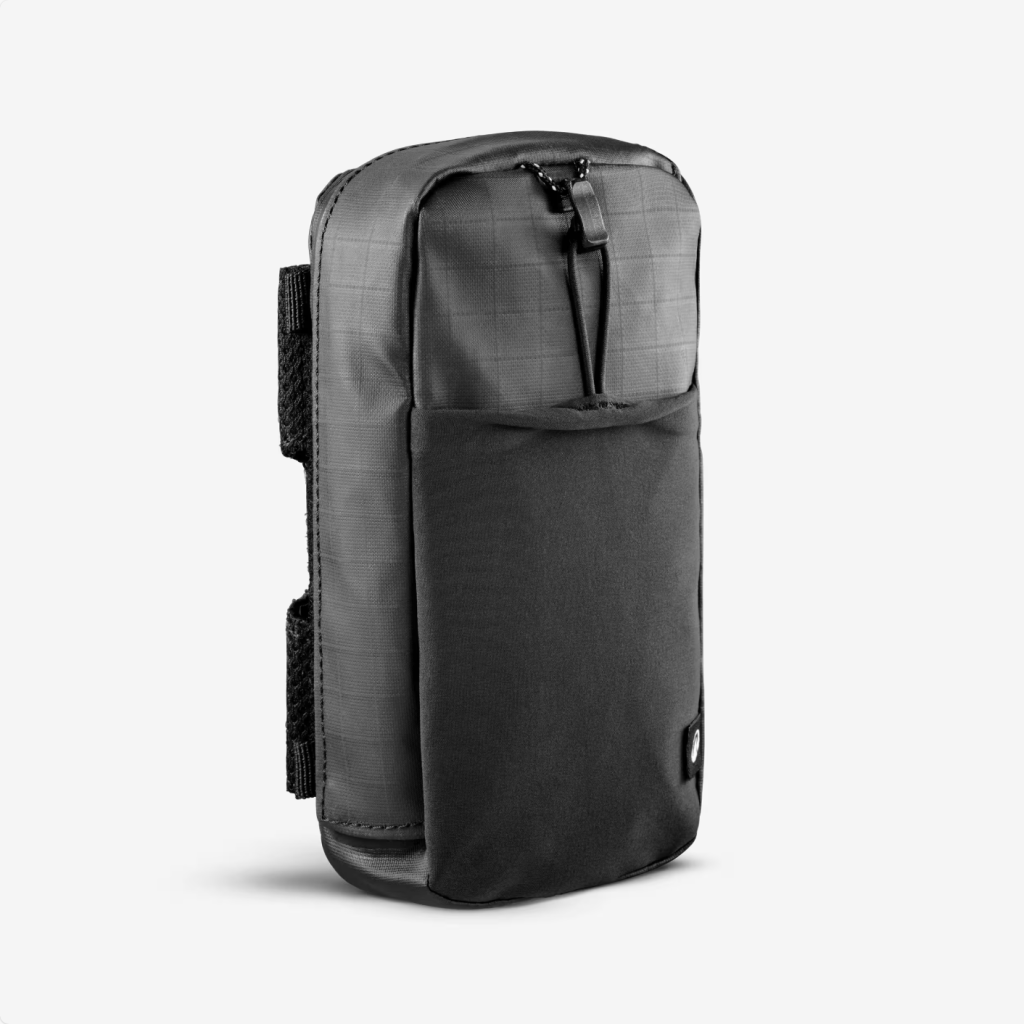
This article highlights the most common sourcing mistakes in backpack OEM production, including issues like tech pack mismanagement, fabric color inconsistencies, and hardware incompatibility. It also offers actionable solutions to prevent these issues, ensuring a smooth transition from sample to bulk production, and achieving consistent quality throughout the process.
In the backpack production process, many buyers encounter a common problem: the sample looks fine, but the bulk production backpacks have quality issues, even functional ones. The problem isn’t that the factory is bad; it’s that some steps in the procurement process were not prepared properly. By avoiding these issues early, you can ensure that the sample and bulk production quality match, reducing rework and quality disputes later on.
This article will take you through the most common mistakes in backpack sourcing and provide solutions to help you avoid these pitfalls, ensuring the final product meets quality standards.
Common Mistakes in Backpack OEM Sourcing
Backpack sourcing mistakes typically fall into four categories: design and documentation, materials and components, construction and craftsmanship, and quality control. Here’s how you can avoid mistakes in each of these areas.
Mistake 1: Treating the design files as “nice to have”
Many buyers may think of the tech pack (design files) as an optional document, but it’s actually very important. The tech pack contains all the critical details about the product, including measurements, materials, colors, and stitching methods. If these details aren’t clearly defined, the factory will interpret them based on its understanding, which leads to differences between the sample and the bulk production.
Solution: Treat the tech pack as essential, ensuring it includes all key production details, and confirm every detail with the factory. This will not only ensure consistency between the sample and bulk production but also avoid rework and instability in quality.
Mistake 2: Ignoring fabric lot and shade control
If fabrics from different batches are mixed together or the fabric direction is inconsistent, the final backpacks may have slight color differences that affect the appearance. While fabrics from different batches may look similar, their color, texture, or stretch properties may differ, and these differences can become quite noticeable in bulk production.
Solution: Require the factory to control the source of each fabric batch and its shade, ensuring the same batch of fabric is used for each backpack. Additionally, the direction of the fabric should be specified in advance to avoid color variation due to inconsistent fabric direction.
Mistake 3: Not locking webbing, foam, and stiffener specs early
Many buyers pay attention to the outer appearance and fabric of the backpack, but neglect the internal materials like webbing, foam, and stiffener. These materials directly affect the backpack’s comfort, durability, and structure. If these specifications are not defined early, issues like loose straps, insufficient foam thickness, or poor structural integrity may occur during bulk production.
Solution: Ensure that the webbing, foam, and stiffener specifications are locked in advance. These internal materials are crucial for the comfort and durability of the backpack and must be defined in the same way as the outer materials.
Mistake 4: Under-building strap roots and handle anchors
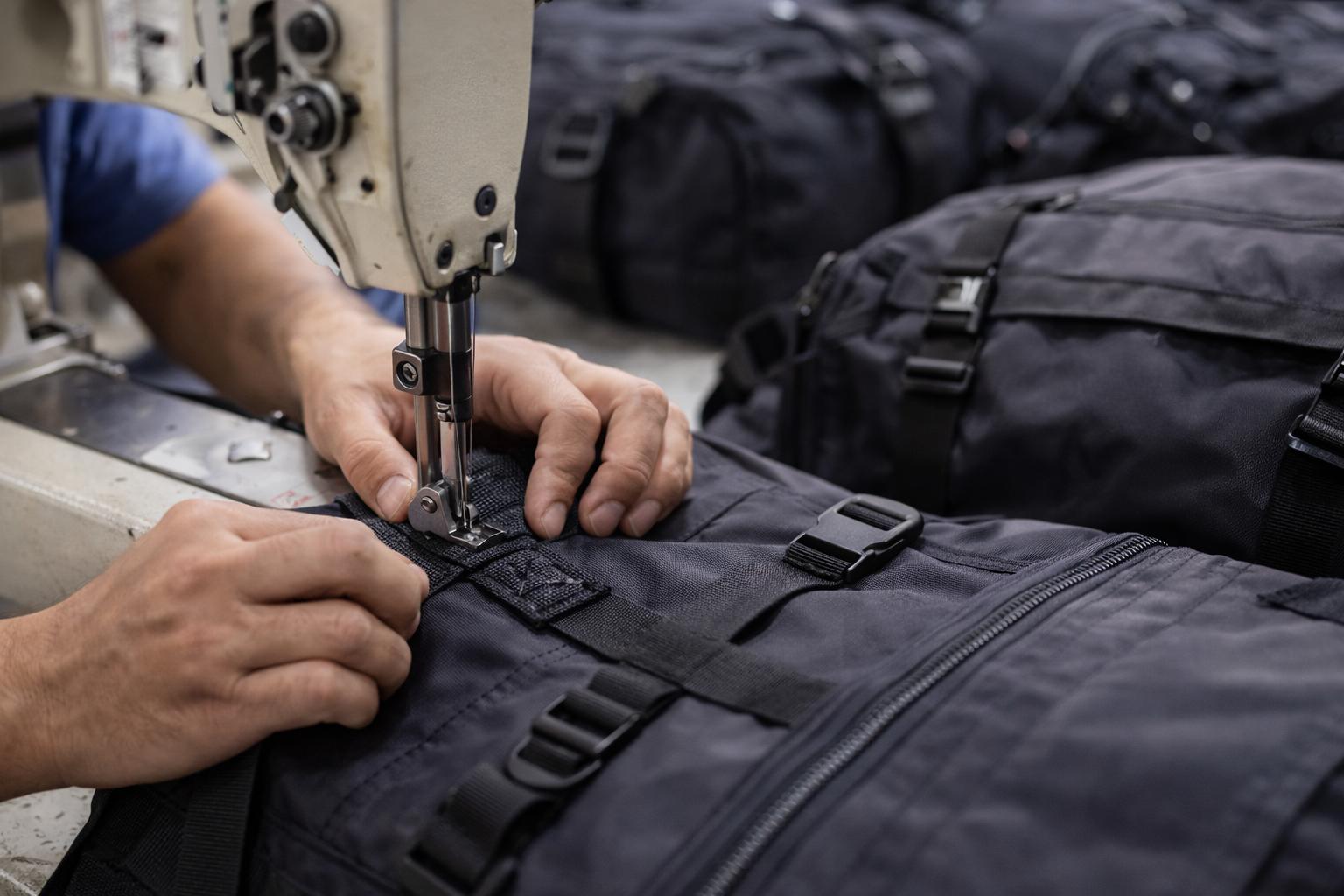
The straps and handles of a backpack are load-bearing parts, and if these parts are not sufficiently reinforced, the backpack may experience breakage or looseness after extended use. Many backpacks may look great initially, but if these key parts aren’t properly reinforced, they are prone to failure during use.
Solution: Require the factory to reinforce the strap roots and handle anchors. Use strong stitching or additional reinforcement methods (such as bar-tack stitching, reinforcement fabric, etc.) to ensure these load-bearing areas are durable.
Mistake 5: Relying on final inspection only
Final quality inspection (FQC) is important, but it should not be the only step. Many quality issues may not be fixable during the final inspection if they are not detected early in the production process.
Solution: In addition to final inspection, multiple quality control points should be set throughout the production process. For example, in-process checks at stages like stitching, reinforcement, and hardware installation can ensure any issues are detected and addressed as early as possible.
Mistake 6: No defect thresholds and no corrective-action loop
Even in the best factories, defects are inevitable. The key is to categorize these defects and address them promptly. Without clear defect thresholds and corrective actions, issues will not be controlled at the source and will lead to repeated mistakes during bulk production.
Solution: Establish clear defect criteria and acceptable defect rates. Ensure the factory takes prompt corrective action when defects are found. Create a “corrective action loop” to ensure every problem is resolved in the production process.
Mistake 7: Choosing hardware without compatibility checks
Backpack hardware (such as zippers, buckles, D-rings, etc.) is crucial because it directly impacts the functionality and lifespan of the backpack. If the hardware is not the right size or quality, issues like difficult zipper operation, loose buckles, and hardware failure can arise.
Solution: When selecting hardware, ensure it is compatible with the other components of the backpack. For example, the size of buckles should match the width of the straps, and zippers should fit the thickness of the fabric.
Mistake 8: Reinforcement placed “somewhere” instead of following load paths
Many backpacks are reinforced in places that look “important,” but these areas may not be where the load actually concentrates. Reinforcement should follow the load path, ensuring the stress is distributed evenly across areas like the straps, bottom, and handles.
Solution: Ask the factory to reinforce areas according to the backpack’s load path (such as the straps, bottom, and back). This ensures that these areas are properly reinforced to handle long-term stress.
Zipper issues are among the most common defects: wavy zippers, misalignment, rough pulls, and gaps at the ends. These problems are often caused by improper zipper installation.
Solution: Ensure the factory uses a stable installation method for the zippers, ensuring smooth operation and alignment. The ends of the zippers should be reinforced to prevent failure during use.
Mistake 10: Relying on final inspection only
Final inspection is essential, but it cannot address every problem. Many quality issues should be detected and fixed earlier in the production process.
Solution: Set multiple quality control points during production to ensure that each step is inspected, rather than waiting until the final product is completed.
Mistake 11: No defect thresholds and no corrective-action loop
Without clear defect standards and corrective measures, the factory may overlook details during mass production, leading to repeated problems.
Solution: Set clear defect thresholds and corrective measures to ensure that problems are corrected during production and avoid recurrence.
Mistake 12: Treating packing as logistics, not quality
Packing is an important part of the product’s appearance and integrity. If packing is not done properly, the backpack could get damaged during transportation, affecting brand image and customer experience.
Solution: Specify packing standards to ensure the backpacks are packed in a way that protects their shape and finish during transport.
Buyer Fix Toolkit: The Small Actions That Prevent Big Problems
Here’s a summary of key actions to lock in early and avoid major issues in backpack sourcing:
Lock your approved tech pack and versions early to avoid confusion
Control fabric lots and directionality to ensure consistency
Lock shoulder straps, foam, and reinforcement specs upfront
Confirm hardware compatibility before production starts
Set clear defect thresholds and create a corrective action loop
Define packing standards as part of the quality process
Conclusion
Backpack sourcing is not just about finding a factory; it’s about ensuring every step—from design to packing—is controlled. The best way to avoid sourcing mistakes is to lock key decisions early: document everything, set clear tolerances, control internal materials, and inspect quality early and often. By doing this, you’ll ensure consistent quality, timely delivery, and a product that lives up to your expectations.
FAQs
1) What is the key mistake to avoid when sourcing backpacks from an OEM factory?
The key mistake to avoid is treating the tech pack as “nice to have.” A well-detailed tech pack, including clear measurements, materials, and stitching methods, is essential to ensuring the sample and bulk production are aligned.
2) How do I ensure fabric color consistency in bulk production?
Fabric shade control is critical. Always ensure that the factory uses fabric from the same batch and maintains control over fabric direction to avoid color discrepancies in bulk production.
3) Why is locking internal materials like webbing, foam, and stiffeners important?
Locking specifications for internal materials such as webbing, foam, and stiffeners ensures consistency in both the comfort and durability of the backpack, preventing issues like weak straps or poor structural integrity in bulk.
4) What’s the best way to ensure hardware compatibility in backpack production?
Hardware compatibility checks are crucial. Confirm that zippers, buckles, and other hardware match the thickness and width of the fabric and webbing to avoid issues like malfunctioning buckles or difficult zipper operation.
5) How can I prevent zipper issues during mass production?
Zipper issues can often be avoided by ensuring proper installation methods. The factory should follow clear guidelines for aligning and stitching zippers, including reinforcement at both ends to prevent misalignment and wear.
Complete Sourcing Insights and Practical Guidance
What makes the backpack sourcing process prone to errors?
Backpack sourcing mistakes typically arise from a lack of documentation clarity, misaligned materials, and poorly defined construction standards. These issues compound during bulk production when in-line quality control fails, leading to inconsistent final products. Addressing these issues early on ensures smoother production and better quality.
Why early-stage documentation and material control are key to success
By locking down key specs such as tech packs, fabric lot control, and material choices early in the process, brands can ensure consistency in bulk production. It’s not just about what the finished product looks like; it’s about making sure that each step of the manufacturing process contributes to the final quality and performance.
What are the long-term consequences of skipping quality control checkpoints?
Without regular quality control checkpoints throughout production, you risk delivering inconsistent products. Critical areas such as stitching, reinforcement, and hardware must undergo early-stage checks to ensure that any issues are corrected before they affect the entire batch. This proactive approach reduces waste and the need for costly rework.
How to lock in the best materials for your backpack manufacturing?
Materials such as webbing, foam, and hardware are just as important as the fabric itself. Ensuring these materials meet your specifications, from texture to strength, is essential for both the durability and aesthetic appeal of the backpack. Setting clear specifications early reduces risks like mismatched webbing or buckles that don’t fit properly.
Considerations when final inspection becomes too late to solve bulk production issues
Final inspection is critical, but relying solely on it is a recipe for failure. Many problems, like stitching errors or poor reinforcement placement, can’t be fixed during the final inspection. By incorporating in-line quality checks, you can address these issues during production, saving both time and cost.
Market trends: Why process transparency is the future of backpack sourcing
As consumer expectations rise, manufacturers are moving towards greater transparency in their production processes. Buyers now seek factories that demonstrate clear, controlled workflows, ensuring that every step of the process is traceable and measurable. This shift towards process transparency reduces risks and builds trust with brands, ensuring products are delivered as expected.