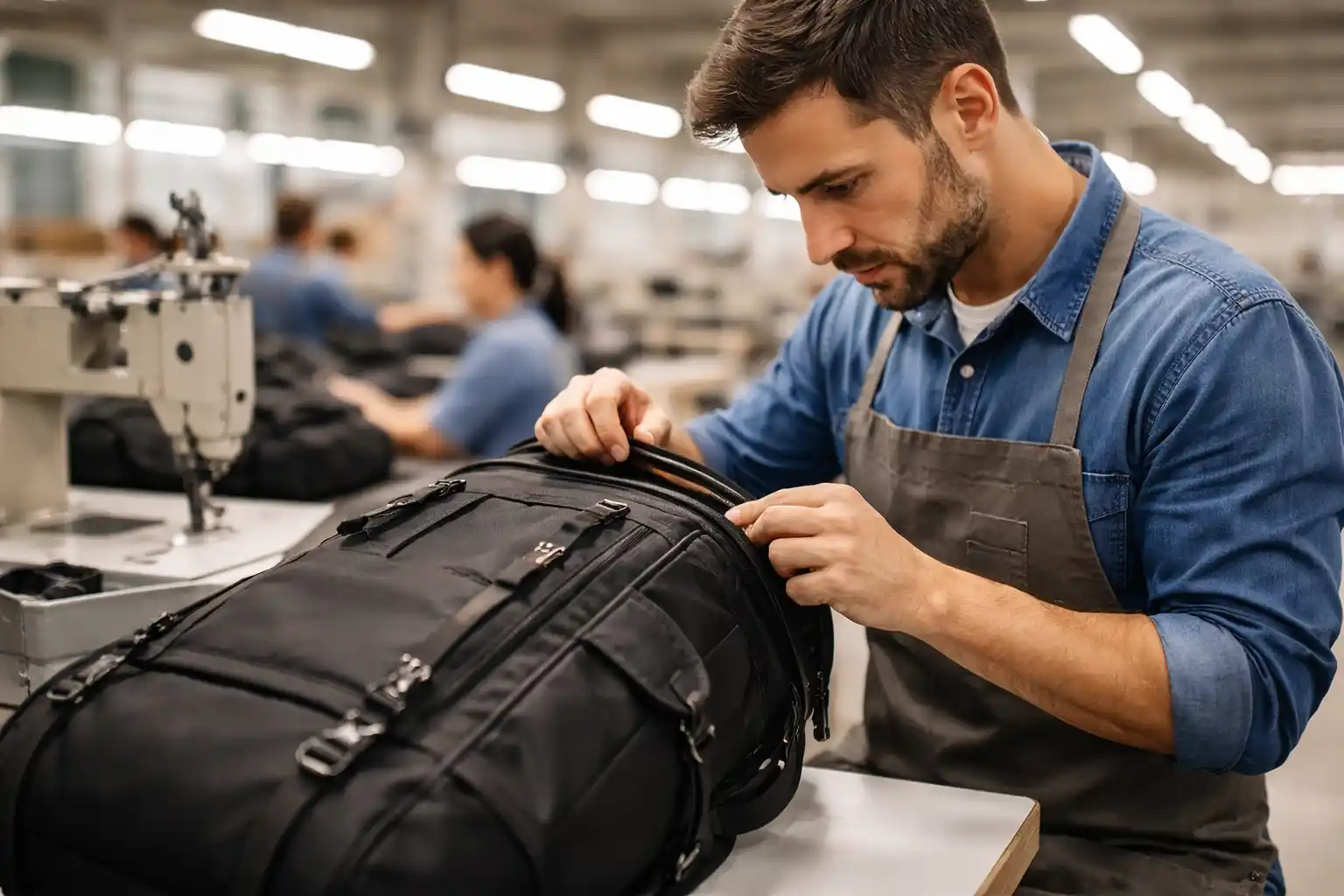
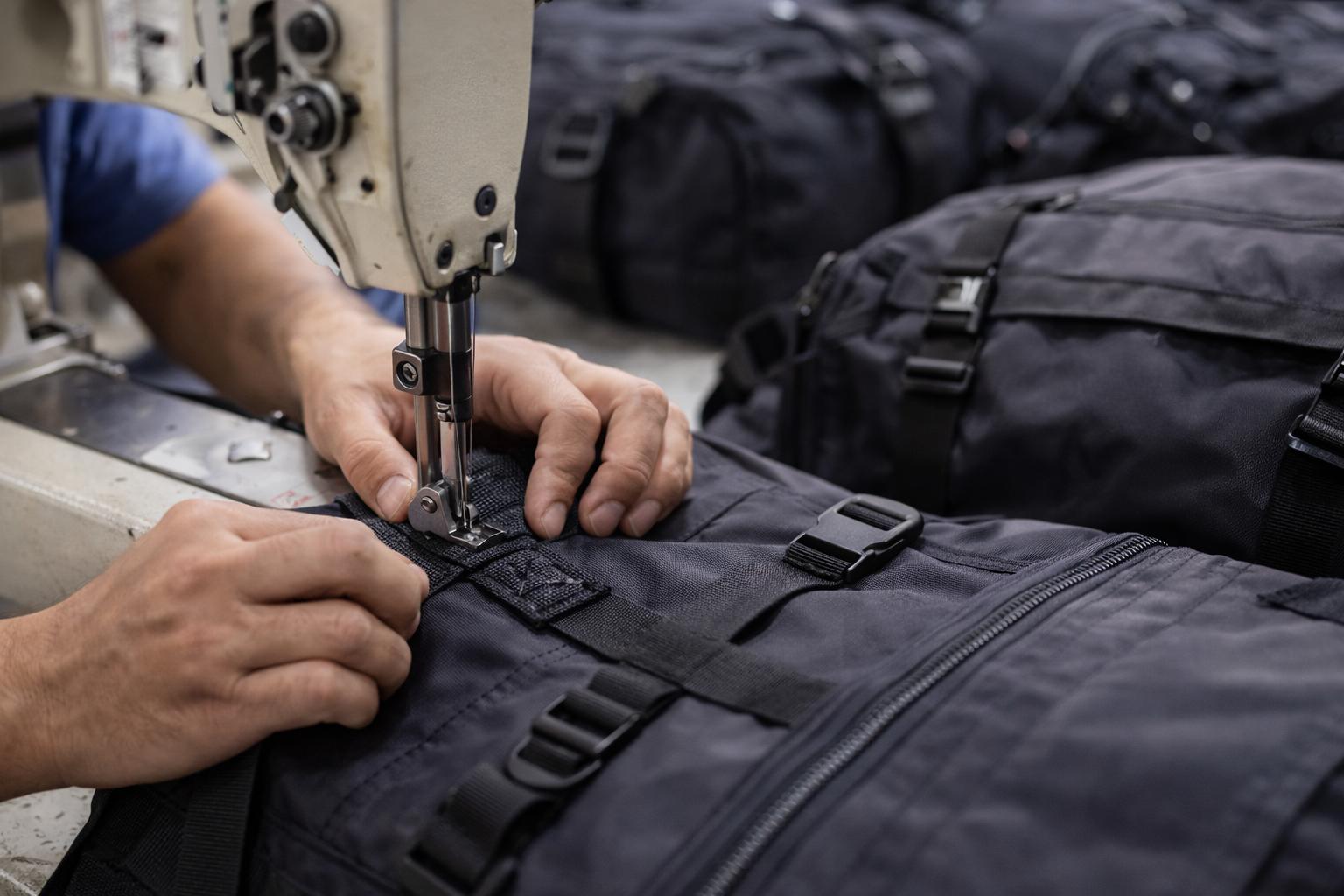
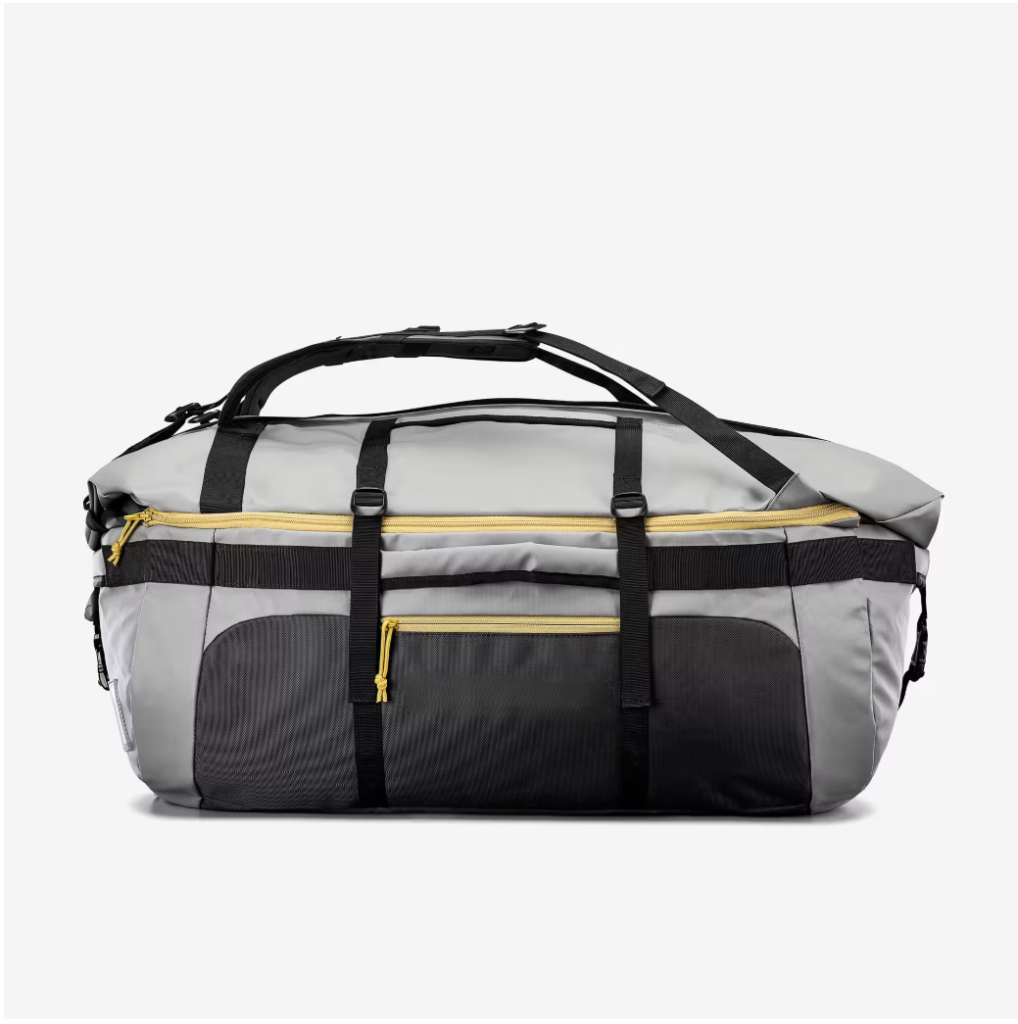
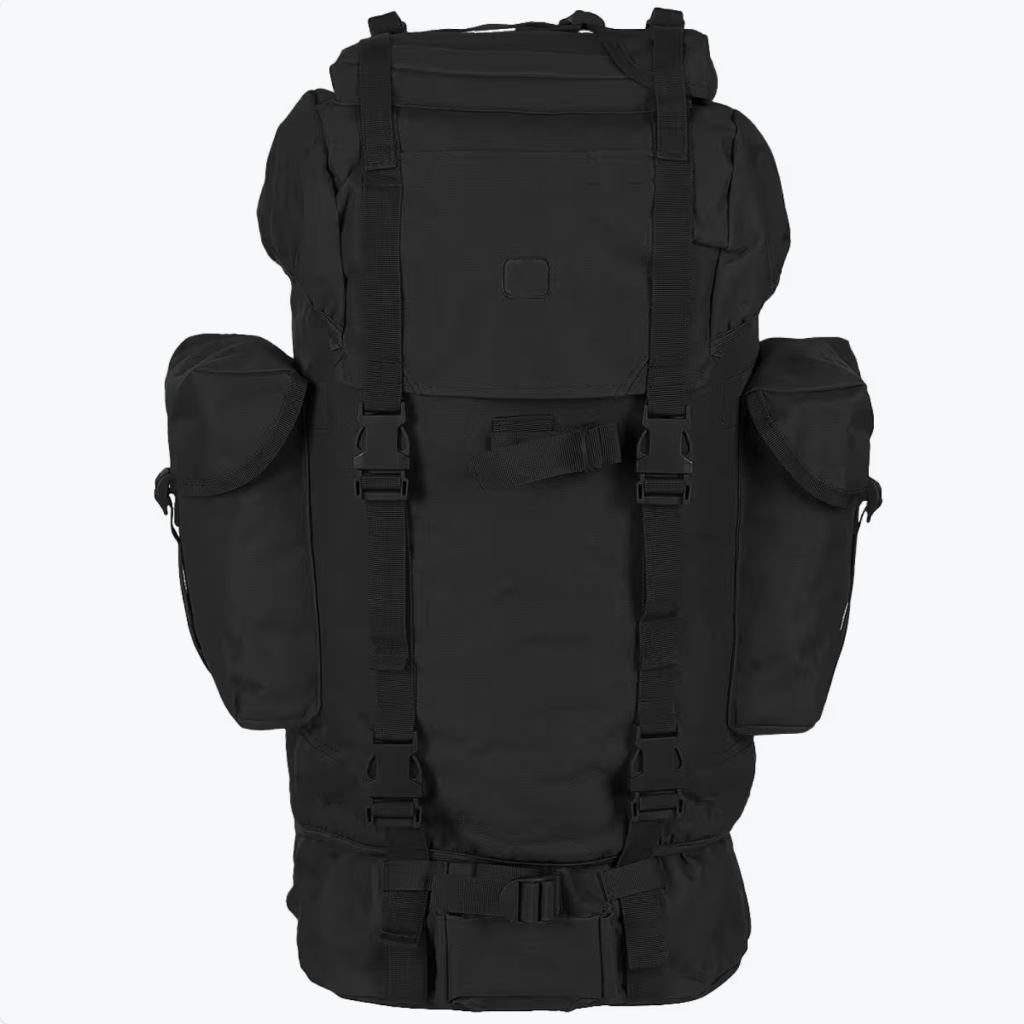
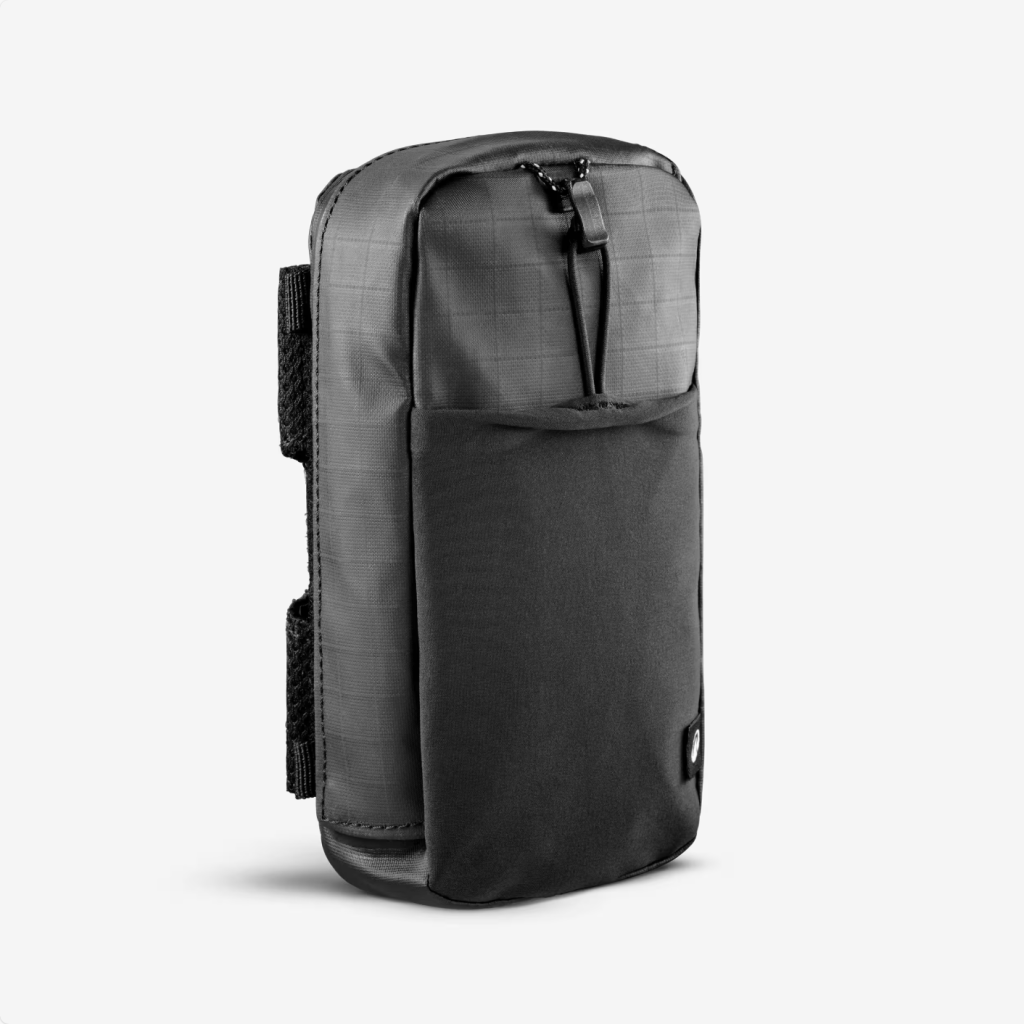
Bag quality control (QC) is crucial for ensuring that every bag meets durability, functionality, and aesthetic standards. It involves inspecting materials, stitching, hardware, and overall finish during production. By implementing a detailed QC checklist, manufacturers can reduce defects, minimize returns, and enhance customer satisfaction. This process not only prevents issues but helps establish a reputation for delivering high-quality, reliable products that meet consumer expectations.
Introduction: Why Quality Control for Bags Matters
In today’s competitive market, quality control (QC) plays a critical role in the bag manufacturing industry. Whether you’re a well-established brand or a small manufacturer, ensuring the quality of your bags is essential. Poor quality bags can result in customer complaints, returns, and even damage to your brand’s reputation. Issues like faulty zippers, loose stitching, or subpar materials can drive customers away, leading to financial losses.
This article provides a comprehensive bag quality control checklist. By following this guide, manufacturers can implement effective quality control at every stage of the production process, ensuring that every bag meets high standards before reaching customers.
What Is Bag Quality Control?
A Simple Introduction to Quality Control
Quality control (QC) refers to the steps taken to ensure that a product, in this case, a bag, meets specific quality standards during its production. QC is a process that spans from checking the materials used in manufacturing to inspecting the finished product. In the context of bags, quality control involves inspecting materials, stitching, hardware, functionality, and overall finish to ensure that the product is durable, safe, and aesthetically pleasing.
Why Is Quality Control Important?
Quality control serves several essential purposes for bag manufacturers:
Ensures Durability: By inspecting raw materials and manufacturing processes, QC helps guarantee that the bag will withstand regular use and last over time.
Improves Customer Satisfaction: High-quality bags meet customer expectations, which leads to increased loyalty and repeat business.
Reduces Returns and Complaints: Effective QC reduces the likelihood of defective products reaching the customer, minimizing returns and complaints.
Saves Money: By detecting issues early in production, QC helps prevent costly mistakes, rework, and waste, ultimately improving cost-efficiency.
Essential Steps in a Bag Quality Control Checklist
Effective quality control in bag manufacturing requires careful attention to detail. Below is a detailed quality control checklist that every manufacturer should follow during production.
Material Inspection
The first step in bag quality control begins with inspecting the materials used in manufacturing. Using low-quality or defective materials can compromise the overall quality and durability of the bag. Common materials used for bags include leather, fabric, nylon, and polyester. Each material must undergo thorough inspection before it is used in production.
Leather: Check for consistent texture, thickness, softness, and elasticity. Ensure that there are no cracks, color differences, or blemishes.
Fabric: Inspect for durability, elasticity, and breathability. Ensure the fabric is free of wrinkles and uneven dye.
Zippers and Hardware: Test zippers for smooth operation and check that metal components are sturdy and resistant to rust or breakage.
Production Process Inspection
During production, there are numerous checkpoints where quality control should be implemented. Here are key areas to focus on during this phase:
Stitching Inspection: Verify that the stitching is consistent, tight, and even. There should be no loose threads or skipped stitches.
Zipper Inspection: Test the zippers to ensure they work smoothly and that no parts are likely to get stuck or break.
Straps and Handles: Ensure that handles and straps are securely attached and can support the intended weight without tearing.
Lining Inspection: Check the inner lining of the bag for smooth seams and the absence of defects.
Functionality Inspection
Beyond aesthetic qualities, a bag must be functional and durable. Here are some key functionality tests:
Capacity Check: Ensure the bag’s capacity matches its design and can hold the intended number of items without compromising structure.
Water Resistance Test: For waterproof bags, test them by spraying water to ensure no moisture seeps through the seams or material.
Comfort Test: Examine shoulder straps and back panels for comfort. They should be ergonomically designed to avoid causing strain during use.
Finished Product Inspection
Once production is complete, the final inspection ensures that the bag meets all quality standards. This final check includes:
Appearance Check: Look for any visible defects, such as stains, wrinkles, or color inconsistencies.
Stitching Check: Confirm that all stitching is intact and there are no loose threads or skipped stitches.
Functionality Check: Double-check the zippers, handles, straps, and other functional components to ensure everything works as intended.
Step-by-Step Bag Inspection Process
Material Inspection: How to Ensure Materials Meet Standards
Material inspection is the first and crucial step in bag manufacturing. The materials used directly affect the durability and appearance of the final product. Follow these steps for effective material inspection:
Visual Inspection: Check the material for visible defects such as tears, stains, or irregularities in texture or color.
Touch Test: Assess the feel of the material by hand to ensure it’s soft, durable, and of the required quality.
Durability Test: For fabrics and leather, perform stretch or abrasion tests to check for strength and wear resistance.
Production Line Inspection: How to Maintain Consistent Quality
During the manufacturing process, quality control should be implemented at various stages. These include random sampling and routine inspections to identify potential issues early. Here’s how to ensure quality during production:
Random Sampling: Take random samples from different production stages to assess consistency in quality.
Routine Inspections: Set specific times for regular checks throughout production to prevent quality issues from going unnoticed.
Functionality Testing: How to Test the Bag’s Usability
Testing the functionality of the bag ensures that it meets its design specifications. Here are some functionality tests to perform:
Weight Test: Apply a load to the bag to test its weight-bearing capacity and ensure the straps and zippers remain intact.
Waterproof Test: For waterproof bags, apply water to test the material’s resistance and check if water seeps through any seams.
Ergonomics Test: Test the shoulder straps and back design to ensure they provide comfort for extended use.
Appearance Check: How to Maintain a Flawless Exterior
Ensuring a perfect appearance is essential to customer satisfaction. Follow these steps to perform a thorough appearance check:
Visual Inspection: Check the overall exterior for blemishes, wrinkles, or stitching errors.
Color Matching: Ensure that the bag’s color is consistent throughout, with no obvious color differences between different sections.
Common Bag Quality Control Issues
Common Quality Problems and Solutions
In the bag manufacturing process, several common issues can arise, including zipper malfunctions, loose stitching, and material defects. Below are some typical quality issues and how to address them:
Zipper Issues: Zippers may become stuck or break. To solve this, choose high-quality zippers and ensure they are properly installed during manufacturing.
Stitching Problems: Loose or skipped stitches can affect the durability of the bag. Implement stricter stitching controls and use stronger thread for added durability.
Material Defects: Materials may have visible defects like color variations or damage. Work closely with bag suppliers to ensure that materials meet your quality standards before they enter production.
How to Maintain Quality Control Across Bag Production
How to Ensure Consistency in Quality Control
To maintain consistent quality across all bags produced, manufacturers should implement a few key practices:
Standard Operating Procedures (SOPs): Create detailed SOPs for each stage of production to ensure workers follow the same quality standards.
Supply Chain Management: Work closely with suppliers to ensure raw materials meet your standards and that they are consistently delivered on time.
Employee Training: Regularly train employees on the importance of quality control and how to spot potential issues during production.
Industry Standards and Regulations for Bag Manufacturing
Understanding the Regulations
Quality control in bag manufacturing is also guided by various industry standards and regulations. These standards ensure that manufacturers adhere to high-quality benchmarks and follow ethical practices. For example, ISO 9001 certification sets the standard for quality management systems, ensuring that the production processes meet customer expectations and regulatory requirements. Understanding these industry standards is crucial for bag manufacturers aiming to build long-term credibility in the market.
Technological Advancements in Bag Quality Control
Embracing Modern Technology for Better QC
With the advancement of technology, manybag manufacturers have adopted new tools and systems to enhance their quality control processes. Artificial intelligence (AI), machine vision systems, and automated production lines are revolutionizing the industry. These technologies can inspect bags during production, detect defects, and alert operators in real-time. AI-powered systems analyze images of bags to spot imperfections such as stitching errors, material flaws, or inconsistent color patterns, providing manufacturers with a powerful tool to ensure consistent quality and reduce human error.
Case Studies: Real-Life Examples of Effective Bag Quality Control
Successful Quality Control in Action
A leading bag manufacturer in China adopted an automated stitching inspection system, resulting in a 25% reduction in production defects. By integrating real-time data analytics into the production line, the company was able to monitor performance, identify bottlenecks, and ensure that only bags meeting high standards were shipped to customers. This case illustrates the value of investing in quality control technology and the tangible benefits it can bring to manufacturers.
Tips for Choosing a Reliable Bag Manufacturer
What to Look for in a Manufacturer
When choosing a bag manufacturer, it’s important to ensure that they have a solid quality control process in place. Look for manufacturers who are transparent about their QC practices and are willing to share inspection reports or certification details. Additionally, inquire about their experience with international standards and whether they have implemented any advanced technologies like automated inspection systems. A reliable manufacturer will not only produce high-quality bags but also ensure that each product is consistently monitored and tested before shipment.
Common Mistakes in Bag Quality Control and How to Avoid Them
Quality Control Pitfalls
Despite the best intentions, many bag manufacturers make common mistakes that affect the final product’s quality. One frequent error is overlooking the importance of post-production checks. Some manufacturers focus so much on the initial stages of production that they neglect thorough inspection once the bags are finished. Another mistake is failing to maintain consistent supplier relationships. Subpar materials may be used if suppliers are not held to the same high standards as the manufacturer. To avoid these pitfalls, manufacturers should implement regular post-production checks, establish clear supplier agreements, and make quality control an ongoing process throughout the entire production cycle.
Sustainability in Bag Manufacturing: Eco-Friendly QC Practices
Eco-Friendly Manufacturing Practices
Sustainability is becoming an integral part of the bag manufacturing process. Implementing eco-friendly practices in quality control not only benefits the environment but also helps meet the growing demand for sustainable products. For example, manufacturers are now using recycled materials in production and ensuring that their processes minimize waste. Additionally, quality control practices can be adapted to focus on sustainable packaging, reducing the use of plastic and switching to biodegradable alternatives. These eco-friendly QC practices align with consumer expectations and provide manufacturers with a competitive edge in the market.
Key Metrics for Measuring Bag Quality Control Performance
How to Measure QC Effectiveness
Measuring the effectiveness of your bag quality control process is essential for continuous improvement. Some key performance indicators (KPIs) to track include:
Defect Rate: The percentage of defective bags in a production batch.
First Pass Yield (FPY): The percentage of bags that pass quality inspection on the first attempt without needing rework.
Customer Returns: The number of bags returned by customers due to quality issues.
Production Efficiency: The speed at which bags are produced while maintaining high-quality standards.
Regularly reviewing these metrics allows manufacturers to identify areas for improvement, optimize production, and ensure that only the highest-quality bags reach customers.
The Future of Bag Manufacturing Quality Control
Advancements on the Horizon
The future of bag manufacturing quality control lies in the continued integration of automation and AI. As production lines become more automated, the need for human inspection will decrease, while technology will play a larger role in maintaining quality. AI-powered systems will enable real-time defect detection, allowing for immediate corrections on the production floor. Additionally, the use of blockchain technology may provide a transparent supply chain, enabling consumers to track the quality control processes of their purchased bags. These advancements will not only improve efficiency but also help maintain high-quality standards as the industry evolves.
Conclusion: The Benefits of Strong Bag Quality Control
In conclusion, bag quality control is an essential part of the manufacturing process. By following the bag quality control checklist outlined in this article, manufacturers can ensure that their products meet the highest standards, reduce defects, and improve customer satisfaction. Effective quality control leads to better products, fewer returns, and a stronger brand reputation. As the industry continues to evolve, embracing new technologies and sustainability practices will be key to maintaining high-quality standards and staying competitive in the market.
By implementing the right quality control processes, bag manufacturers can build trust with their customers, create durable products, and position themselves for long-term success in the market.
Frequently Asked Questions
1. How Do You Ensure the Quality of Your Bags During Manufacturing?
Ensuring the quality of bags during manufacturing requires a multi-step process, including material inspection, production line monitoring, functionality testing, and final inspections. Manufacturers can use standardized procedures to consistently check the quality of raw materials, stitching, zippers, and hardware. During production, routine checks and random sampling should be conducted. Additionally, testing the functionality, such as weight-bearing capacity and comfort of straps, guarantees that the bag performs as intended. Finally, after the production is complete, a final inspection ensures no defects are present, and all aspects of the bag meet quality standards.
2. What Are the Benefits of Using Quality Control in Bag Manufacturing?
Implementing quality control in bag manufacturing ensures that bags meet durability standards, satisfy customer expectations, and perform as intended. The benefits of quality control include fewer defects, reduced return rates, higher customer satisfaction, and improved brand loyalty. Quality control also helps manufacturers maintain consistency in production, minimize waste, and improve efficiency, leading to long-term cost savings. Ultimately, it contributes to a stronger market position and helps build a reputation for high-quality, reliable products.
3. How Can Technology Improve Bag Manufacturing Quality Control?
Technology plays a crucial role in improving bag manufacturing quality control by enhancing precision and efficiency. Automation and artificial intelligence (AI) systems are now being integrated into production lines to automatically detect defects during manufacturing. AI-powered systems can analyze images of bags and identify flaws such as stitching errors, material defects, or irregular patterns. This reduces human error and ensures that quality control is applied consistently across all production stages. Additionally, automated production lines speed up the process, making it easier to maintain high-quality standards while increasing production output.
4. Why Is It Important to Check Materials Before Bag Production?
Material inspection is essential in ensuring the durability and quality of the final product. The materials used in bags—such as leather, fabric, zippers, and hardware—must meet specific standards to ensure the bag will last, look good, and function as intended. For example, leather should be free from cracks, stains, or uneven color, while fabrics must be durable and resistant to wear. Failing to inspect materials thoroughly can lead to defects in the final product, which can compromise the bag’s performance and aesthetic, ultimately leading to customer dissatisfaction.
5. What Are the Most Common Problems in Bag Quality Control and How Can They Be Avoided?
Some of the most common problems in bag quality control include stitching errors, faulty zippers, material defects, and poor construction. To avoid these issues, manufacturers should select high-quality materials, use stronger threads for stitching, and implement stricter quality control checks at each production stage. Additionally, training employees on the importance of quality control and using automated inspection tools can help detect defects early in the production process, reducing the chances of defects reaching customers.
References
Title: “ISO 9001 Quality Management Systems – Requirements” Author: International Organization for Standardization (ISO) Source: International Organization for Standardization, www.iso.org
Title: “Quality Control in Manufacturing: How to Implement It” Author: Manufacturing.net Editorial Team Source: Manufacturing.net, www.manufacturing.net
Title: “The Importance of Quality Control in Product Manufacturing” Author: Smart Manufacturing Source: Smart Manufacturing, www.smartmanufacturing.com
Title: “Quality Control: The Key to Better Products” Author: Quality Assurance and Control Experts Source: Quality Magazine, www.qualitymag.com
Title: “Automation and Quality Control in Bag Manufacturing” Author: Automation World Editorial Team Source: Automation World, www.automationworld.com
Title: “The Impact of AI on Quality Control in Manufacturing” Author: Manufacturing Global Source: Manufacturing Global, www.manufacturingglobal.com
Title: “How to Manage Quality Control in Small Scale Manufacturing” Author: Manufacturing Today Source: Manufacturing Today, www.manufacturing-today.com
Title: “Sustainability and Quality Control: A New Era for Manufacturing” Author: Environmental Protection Agency (EPA) Source: Environmental Protection Agency, www.epa.gov
Quality Control in Bag Manufacturing: Insights and Key Considerations
Why Quality Control Matters in Bag Manufacturing: Quality control is not just about inspecting the bags; it’s about ensuring that every bag delivered to customers meets the highest standards. Whether you’re manufacturing leather handbags or durable travel bags, implementing QC processes can help reduce defects and improve overall product performance. QC builds trust with customers by ensuring they receive products that not only look great but last longer, thus reducing returns and boosting brand loyalty.
What Are the Core Elements of a Successful Bag Quality Control Checklist?: The checklist should include steps such as material inspection, production process monitoring, and finished product checks. During material inspection, manufacturers need to ensure that the fabric, leather, zippers, and hardware meet specific quality standards. Production monitoring involves inspecting stitching, zippers, and hardware, while finished product checks ensure all aspects of the bag, including its design, functionality, and performance, are in alignment with customer expectations.
How Technology Enhances Bag Manufacturing QC: The future of quality control lies in the adoption of technologies like AI-powered image recognition and automated inspection systems. AI systems analyze bags on the production line, identifying defects that might be missed by human inspectors. These technologies increase efficiency, consistency, and reduce human error, ensuring a higher-quality output. Automated production lines speed up the process and help manufacturers maintain quality standards even during high-volume production.
What Are the Benefits of Advanced QC in Bag Manufacturing?: Advanced QC processes allow manufacturers to deliver high-quality bags that satisfy customer expectations. The benefits include improved product durability, reduced return rates, better customer satisfaction, and increased brand reputation. Moreover, investing in QC technology helps manufacturers minimize waste, streamline production, and lower operational costs, which ultimately leads to higher profit margins.
Market Trends and the Future of QC in Bag Manufacturing: With growing consumer demand for high-quality, durable bags, manufacturers are adopting more sophisticated quality control measures. Market trends indicate an increasing reliance on technology, particularly AI and automation, to meet these demands. As technology continues to evolve, manufacturers who embrace these advancements will be better positioned to provide high-quality bags consistently while remaining competitive in the market.
Key Considerations for Choosing a Reliable Bag Manufacturer: When selecting a manufacturer, it’s essential to evaluate their QC processes. A reliable manufacturer will not only produce aesthetically appealing bags but will also ensure their functionality and durability. Always inquire about their QC standards, certifications, and the technologies they use. Ensure that they follow international manufacturing standards and have proven expertise in delivering high-quality products on time.