Кратак резиме: Овај чланак идентификује најчешће грешке које планинари праве при избору торбе за планинарење, на основу стварних сценарија стазе, података о перформансама материјала и ергономских принципа. Објашњава како грешке у избору капацитета, расподели оптерећења, уклапању, материјалима и вентилацији могу повећати замор, смањити стабилност и угрозити безбедност, и наводи како да се избегну ови проблеми путем информисаног доношења одлука.
Увод: Зашто је одабир погрешне торбе за планинарење чешћи него што мислите
За многе планинаре, избор торбе за планинарење је варљиво једноставан. Полице су пуне паковања сличног изгледа, онлајн слике приказују насмејане људе на планинским стазама, а спецификације се често своде на неколико бројева: литара, тежине и врсте тканине. Ипак, на трагу, нелагодност, умор и нестабилност откривају грубу истину—избор торбе за планинарење није стилска одлука, већ техничка.
У сценаријима планинарења у стварном свету, већина проблема не долази од екстремних услова, већ од малих неусклађености између ранца и самог путовања. Паковање које изгледа савршено у продавници може се осећати кажњавајући након четири сата на неравном терену. Други се може добро понашати у краткој шетњи, али постаје обавеза током узастопних дана планинарења.
Овај чланак се распада најчешће грешке при избору а торба за планинарење, не из маркетиншке перспективе, већ из искуства на терену, науке о материјалима и људске биомеханике. Свака грешка се испитује кроз стварне сценарије, мерљиве параметре и дугорочне последице — праћене практичним начинима да се оне избегну.
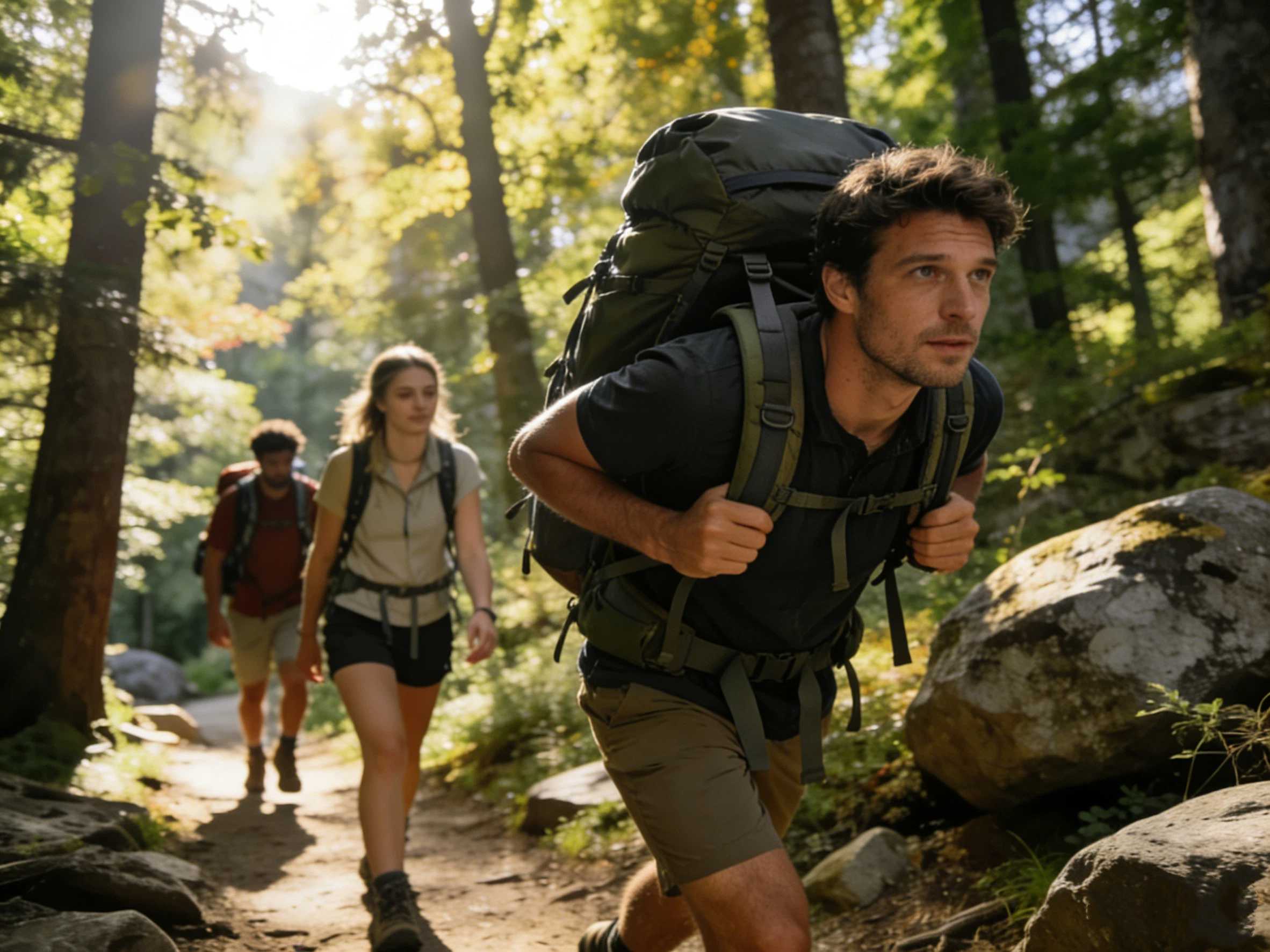
Илуструјући како прави избор планинарског ранца подржава удобност, стабилност и ефикасност на вишесатним планинарењима.
Грешка 1: Избор капацитета на основу нагађања уместо трајања путовања
Како прецењивање капацитета повећава умор
Једна од најчешћих грешака је одабир торбе за планинарење на основу нејасних претпоставки попут „веће је безбедније“ или „додатни простор би могао добро доћи“. У пракси, превелики ранац скоро увек води до непотребно накупљање тежине.
Када капацитет премашује стварне потребе, планинари теже да попуне простор. Чак и екстра 2–3 кг опреме може повећати потрошњу енергије за 10–15% током целог дана пешачења. Већи чопори такође седе више или се протежу даље од леђа, померајући центар гравитације и повећавајући постурално оптерећење.
Како потцењивање капацитета ствара безбедносне ризике
На другом крају, чопор који је премали гура напоље. Спољашњи додаци — подметачи за спавање, јакне или опрема за кување — стварају тежину замаха. А висећи 1,5 кг предмет може дестабилизовати равнотежу на спустовима и каменитим стазама, повећавајући ризик од пада.
Исправите опсеге капацитета према типу путовања
-
Дневне шетње: 18–25Л, типично оптерећење 4–7 кг
-
Ноћне шетње: 28–40Л, оптерећење 7–10 кг
-
2-3 дана шетње: 40–55Л, оптерећење 8–12 кг
Одабир капацитета на основу трајања путовања и услова – а не нагађања – је темељ одабира десни планинарски ранац.
Грешка 2: Игнорисање расподеле оптерећења и фокусирање само на укупну тежину
Зашто је само тежина ранца обмањујућа метрика
Многи купци се фиксирају на празну тежину ранца. Док лакша паковања могу бити корисна, расподела тежине је важнија од апсолутне тежине. Два паковања носе исто 10 кг оптерећење се може радикално разликовати у зависности од тога како се та тежина преноси.
Пренос оптерећења који доминира раменом у односу на кукове
Добро дизајниран пакет преноси 60–70% оптерећења на кукове. Лоши дизајн оставља рамена да носе већину тежине, повећавајући замор трапезних мишића и напетост у врату. На великим удаљеностима, ова неравнотежа убрзава исцрпљеност чак и када укупна тежина остане непромењена.
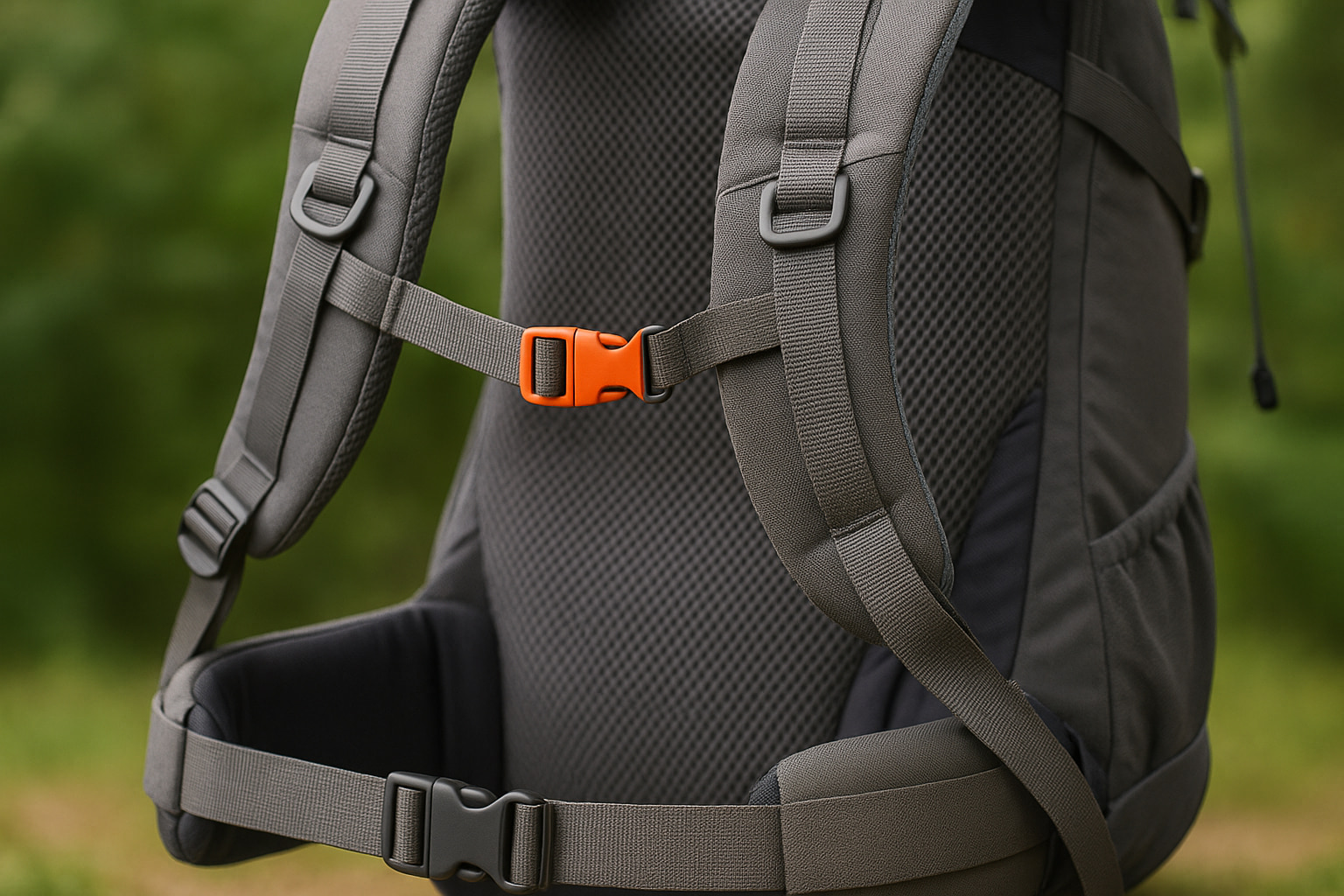
Детаљан приказ система за пренос оптерећења укључујући нараменице, грудни каиш и појас за кукове.
Стварни утицај на терен: узбрдо, низбрдо, неравне стазе
На успонима узбрдо, лоша расподела оптерећења тера планинаре да се претерано нагињу напред. Приликом спуста, нестабилна оптерећења повећавају снагу удара колена до 20%, посебно када се тежина непредвидиво помера.
Грешка 3: Избор материјала на основу маркетиншких тврдњи, а не услова коришћења
Разумевање дениера тканине изван бројева
Дениер тканине се често погрешно схвата. 210Д најлон је лакши и погодан за брзе шетње, али мање отпоран на хабање. 420Д нуди равнотежу издржљивости и тежине, док 600Д истиче се у тешким условима, али додаје масу.
Издржљивост мора одговарати терену. Тканине високог денијера на лаким стазама додају непотребну тежину, док тканине са ниским денијером у стеновитим срединама брзо деградирају.
Водоотпорне налепнице наспрам стварног управљања влагом
Водоотпорни премази могу одложити продирање воде, али без одговарајуће вентилације долази до накупљања унутрашње кондензације. Прозрачни дизајни смањују унутрашњу акумулацију влаге 30–40% током планинарења са великим напором.
Абразија, излагање УВ зрачењу и дуготрајна деградација
Продужено излагање УВ зрачењу може смањити затезну чврстоћу тканине до 15% годишње у незаштићеним материјалима. Дугорочни планинари треба да размотре третмане тканина и густину ткања, а не само водоотпорне етикете.
Грешка 4: Под претпоставком да „једна величина одговара свима“ за дужину леђа и пристајање
Зашто је дужина трупа важнија од висине
Дужина трупа одређује где је тежина у односу на кукове. Неподударање чак 3–4 цм може померити оптерећење нагоре, негирајући функцију појаса за кукове.
Уобичајени проблеми са уклапањем који се виде код купаца који први пут купују
-
Појас за кукове седи превисоко
-
Нараменице које носе превелику напетост
-
Празнине између задње плоче и кичме
Подесиви системи наспрам фиксних оквира
Подесиви задњи панели су погодни за више типова каросерије, али могу и додати 200–300 г. Фиксни оквири су лакши, али захтевају прецизну димензионисање.
Грешка 5: Превидети вентилацију и управљање топлотом
Акумулација зноја и губитак енергије
Прекомерно знојење леђа није само непријатно – оно повећава ризик од дехидрације и губитка енергије. Студије показују да топлотна нелагодност може повећати перципирани напор 8–12%.
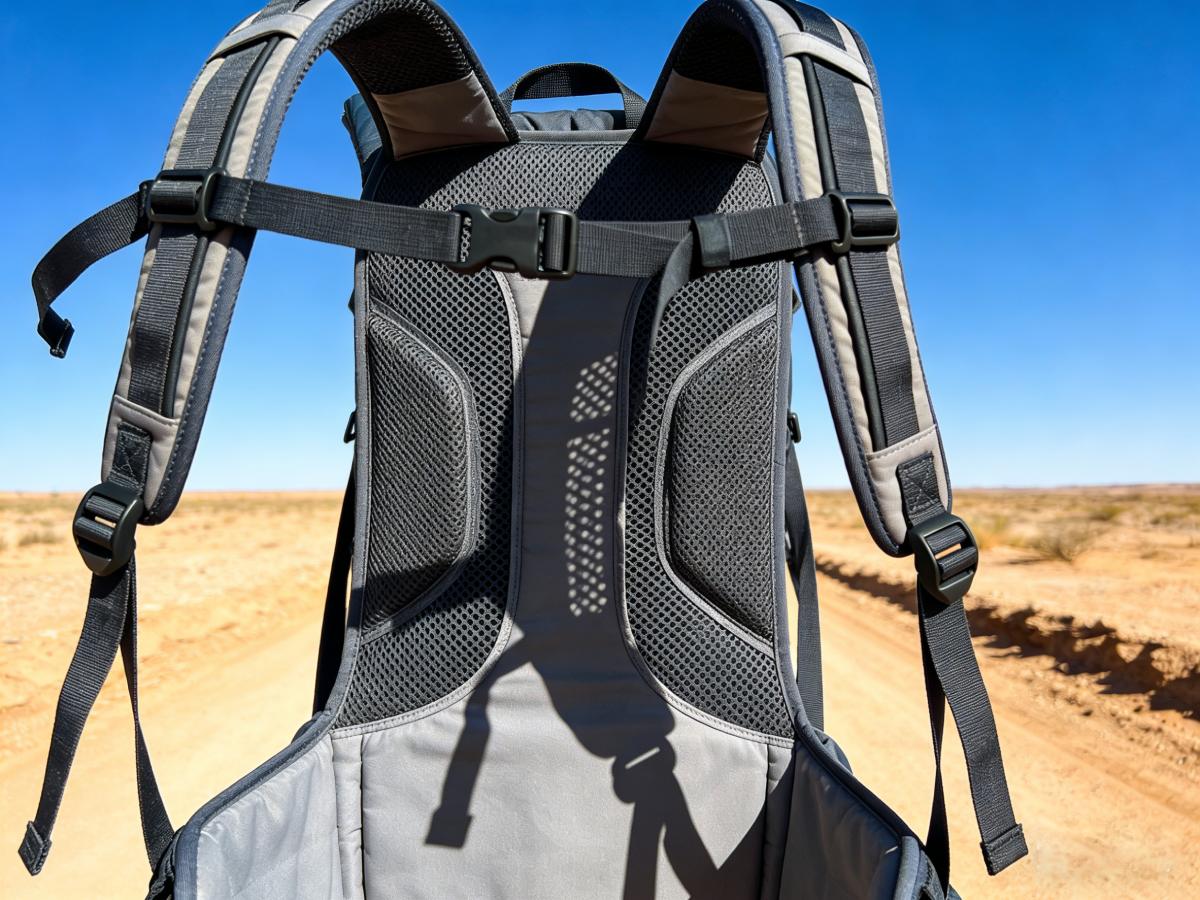
Мрежасти панели наспрам структурираних ваздушних канала
Мрежа побољшава проток ваздуха, али се компресује под великим оптерећењима. Структурирани ваздушни канали одржавају вентилацију испод 10+ кг оптерећења, нудећи конзистентније перформансе.
Климатско-специфична разматрања
-
Влажна клима: дајте приоритет протоку ваздуха
-
Сува топлота: балансирајте вентилацију и заштиту од сунца
-
Хладно окружење: прекомерна вентилација може повећати губитак топлоте
Грешка 6: Давање приоритета изгледу над функционалном доступношћу
Зашто је постављање џепова важно у покрету
Лоше постављени џепови приморавају планинаре да се често заустављају. Прекиди смањују ритам планинарења и повећавају накупљање умора.
Прашина, песак и ниске температуре убрзавају хабање патент затварача. Редовно чишћење може продужити животни век патент затварача 30–50%.
Спољашњи прилози: корисни или опасни?
Спољашњи прикључци треба да буду стабилни и симетрични. Неуравнотежени прикључци повећавају бочно љуљање, посебно на неравном терену.
Грешка 7: Игнорисање дуготрајне употребе и акумулације умора
Кратки тест против вишечасовне реалности
15-минутни тест продавнице не може да понови а 6-8 сати дан планинарења. Тачке притиска које се рано осећају мање могу временом постати исцрпљујуће.
Микроподешавања и одвод енергије
Стално подешавање траке повећава потрошњу енергије. Чак и мале корекције које се понављају стотине пута дневно додају мерљив умор.
Кумулативни умор током узастопних дана
На вишедневним планинарењима, нелагодност се повећава. Оно што се чини изводљивим првог дана може постати ограничавајући фактор трећег дана.
Трендови у индустрији: Како се развија дизајн торби за планинарење
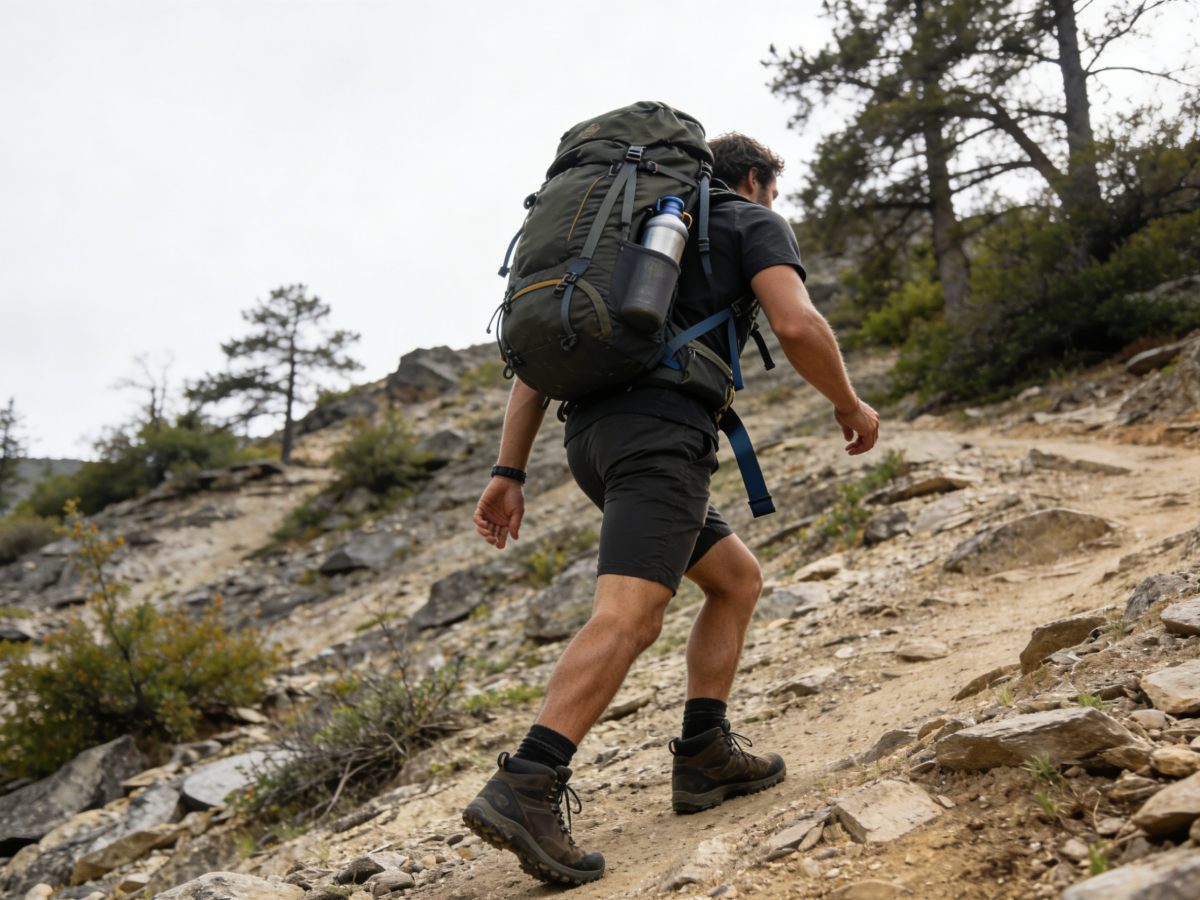
Модерни планинарски руксаци се све више ослањају на ергономско моделирање, симулације мапирања оптерећења и тестирање на терену. Трендови укључују лакше оквире са побољшаним преносом оптерећења, модуларно складиштење и одрживије мешавине тканина.
Регулаторна и безбедносна разматрања у опреми за спољашњу употребу
Материјали опреме за спољашњу употребу морају да испуњавају стандарде безбедности и трајности. Отпорност на хабање, хемијска сигурност и испитивање интегритета структуре штите кориснике од прераног квара.
Како избећи ове грешке: практичан оквир за доношење одлука
Усклађивање дизајна торбе са профилом путовања
Размотрите растојање, оптерећење, терен и климу заједно - не одвојено.
Шта тестирати пре куповине
-
Напуните паковање са стварна тежина зупчаника
-
Ходајте нагибима и степеницама
-
Подесите баланс оптерећења кука и рамена
Када надоградити у односу на када прилагодити Фит
Неки проблеми се могу поправити прилагођавањем; други захтевају другачији дизајн паковања.
Закључак: Избор торбе за планинарење је техничка одлука, а не избор стила
A торба за планинарење директно утиче на стабилност, умор и безбедност. Избегавање уобичајених грешака претвара планинарење из управљања издржљивошћу у ефикасно кретање.
ФАК
1. Како да изаберем праву величину планинарског ранца?
Избор правог величина ранца за планинарење зависи од дужине путовања, тежине терета и терена, а не само од личних преференција.
2. Да ли је лакша планинарска торба увек боља?
Лакша торба није увек боља ако има компромиса расподела оптерећења и подршку.
3. Колико је ранац важан за дуга пешачења?
Правилно пристајање значајно смањује замор и побољшава стабилност на великим удаљеностима.
4. Који материјали су најбољи за планинарске руксаке?
Избор материјала треба да уравнотежи издржљивост, тежину и перформансе специфичне за климу.
5. Може ли погрешна планинарска торба повећати ризик од повреда?
Да, лош баланс оптерећења и нестабилност могу повећати оптерећење зглобова и ризик од пада.
Референце
-
Расподела оптерећења у ранцу и људски ход, Ј. Кнапик, Истраживање војне ергономије
-
Тхе Биомецханицс оф Лоад Царриаге, Р. Бастиен, Јоурнал оф Апплиед Пхисиологи
-
Испитивање издржљивости материјала опреме на отвореном, АСТМ технички комитет
-
Топлотни стрес и перформансе у активностима на отвореном, часопис Хуман Фацторс
-
Управљање ризиком од повреда и оптерећењем током планинарења, Америчко планинарско друштво
-
Тектиле УВ Деградатион Студиес, Тектиле Ресеарцх Јоурнал
-
Принципи дизајна ергономског ранца, Преглед индустријског дизајна
-
Носење терета и акумулација замора, истраживачка група за спортску медицину
Оквир за доношење одлука и практични увиди за избор торбе за планинарење
Одабир торбе за планинарење се често третира као ствар преференције, али искуство на терену показује да је то првенствено системска одлука која укључује биомеханику, материјале и услове употребе. Већина грешака у одабиру се не дешава зато што планинари игноришу спецификације, већ зато што погрешно разумеју како те спецификације утичу на време и терен.
Грешке у капацитету то јасно илуструју. Превелика торба подстиче прекомерно оптерећење, док мања приморава нестабилне спољашње причвршћивање. У оба случаја, резултат је неефикасно управљање тежином, а не спремност. Слично томе, фокусирање на укупну тежину ранца без разматрања преноса оптерећења занемарује начин на који ослонац кука и структура рама утичу на накупљање умора током дугих планинарења.
Избор материјала прати исти образац. Тканине са високим денијером, водоотпорни премази и вентилациони системи решавају специфичне проблеме, али ниједан није универзално оптималан. Њихова ефикасност зависи од климе, абразивности терена и трајања путовања. Неусклађеност између својстава материјала и стварних услова употребе често доводи до прераног хабања, накупљања влаге или непотребне тежине.
Грешке у вези са кондицијом додатно отежавају ове проблеме. Дужина трупа, положај појаса за кукове и геометрија каиша директно утичу на равнотежу и држање, посебно на неравном терену. Чак и мале неусклађености могу померити оптерећење са најјачих потпорних структура тела, повећавајући потрошњу енергије и нелагодност током узастопних дана.
Из перспективе индустрије, дизајн торби за планинарење се све више руководи ергономским моделирањем, дуготрајним тестирањем на терену и префињеношћу заснованом на подацима, а не само естетским трендовима. Ова промена одражава шире схватање да се перформансе ранца морају процењивати у сатима и данима, а не у минутима.
На крају крајева, избегавање уобичајених грешака у избору торби за планинарење захтева преобликовање одлуке: не „Која торба изгледа добро?“ али „Који систем најбоље подржава моје тело, оптерећење и окружење током времена?“ Када се примени ова перспектива, удобност, ефикасност и безбедност се побољшавају заједно уместо да се такмиче једни са другима.