Кратак резиме:
Спортске торбе и торбе могу изгледати слично, али њихове структурне разлике су значајно важне за употребу у теретани и тренингу. Овај водич упоређује системе за ношење, унутрашњу организацију, перформансе материјала, контролу мириса и свакодневну удобност путовања како би вам помогао да одаберете праву торбу на основу стварних сценарија обуке, а не маркетиншких етикета. Ако тренирате више пута недељно и носите мешавину суве и мокре опреме, структура торбе – не само величина – игра одлучујућу улогу у удобности, хигијени и дуготрајној употребљивости.
Зашто је ово поређење важно за модеран начин живота у тренингу
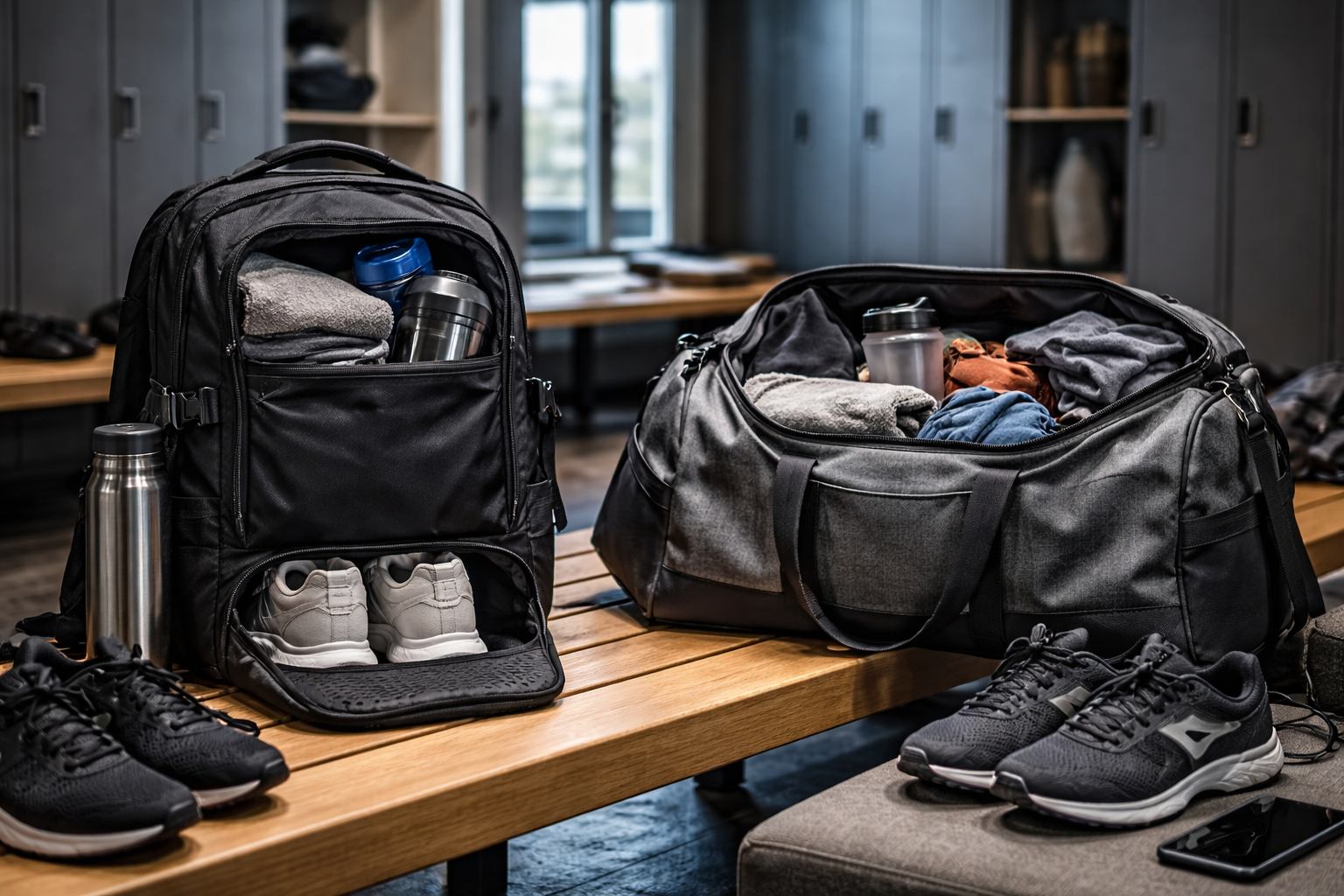
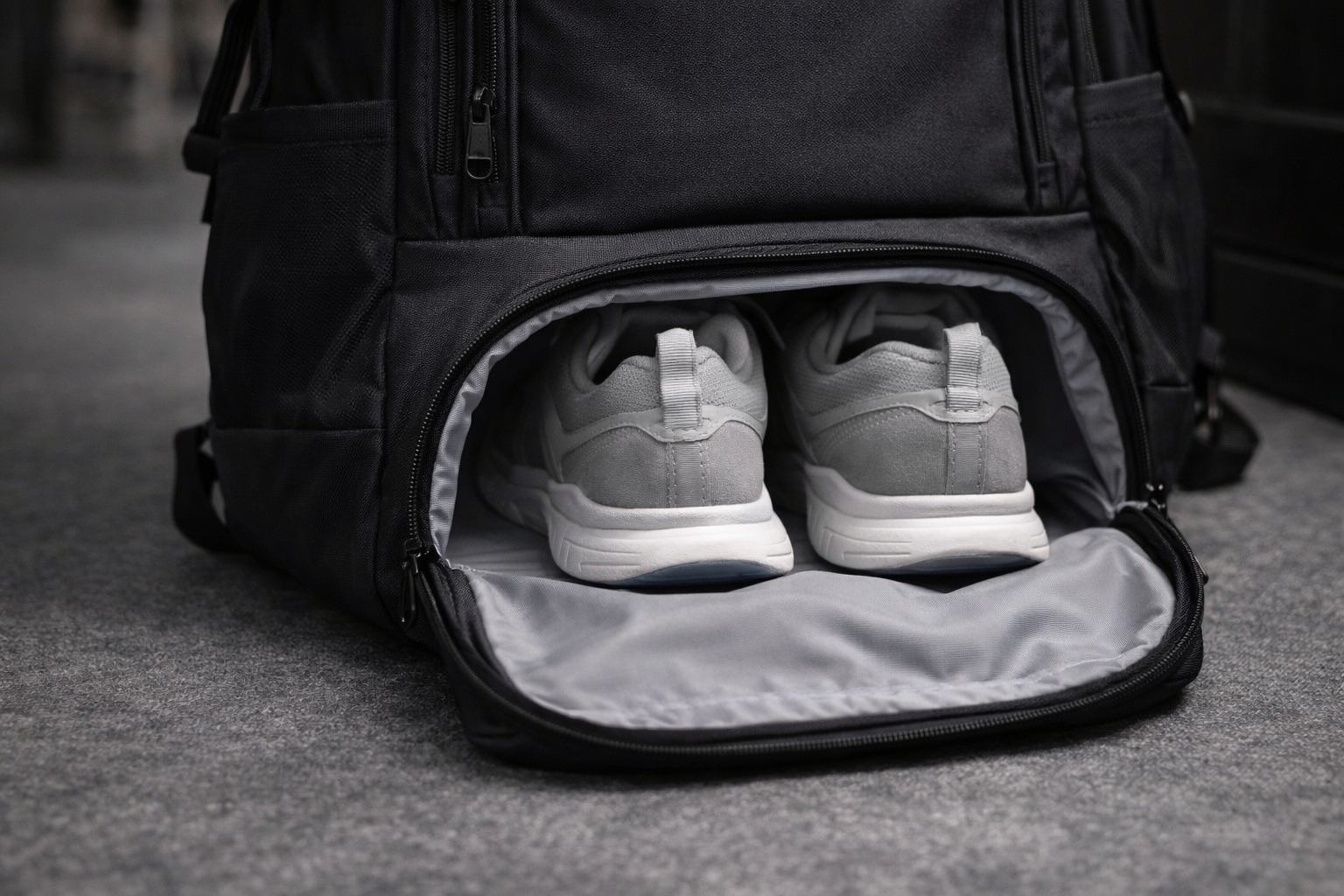
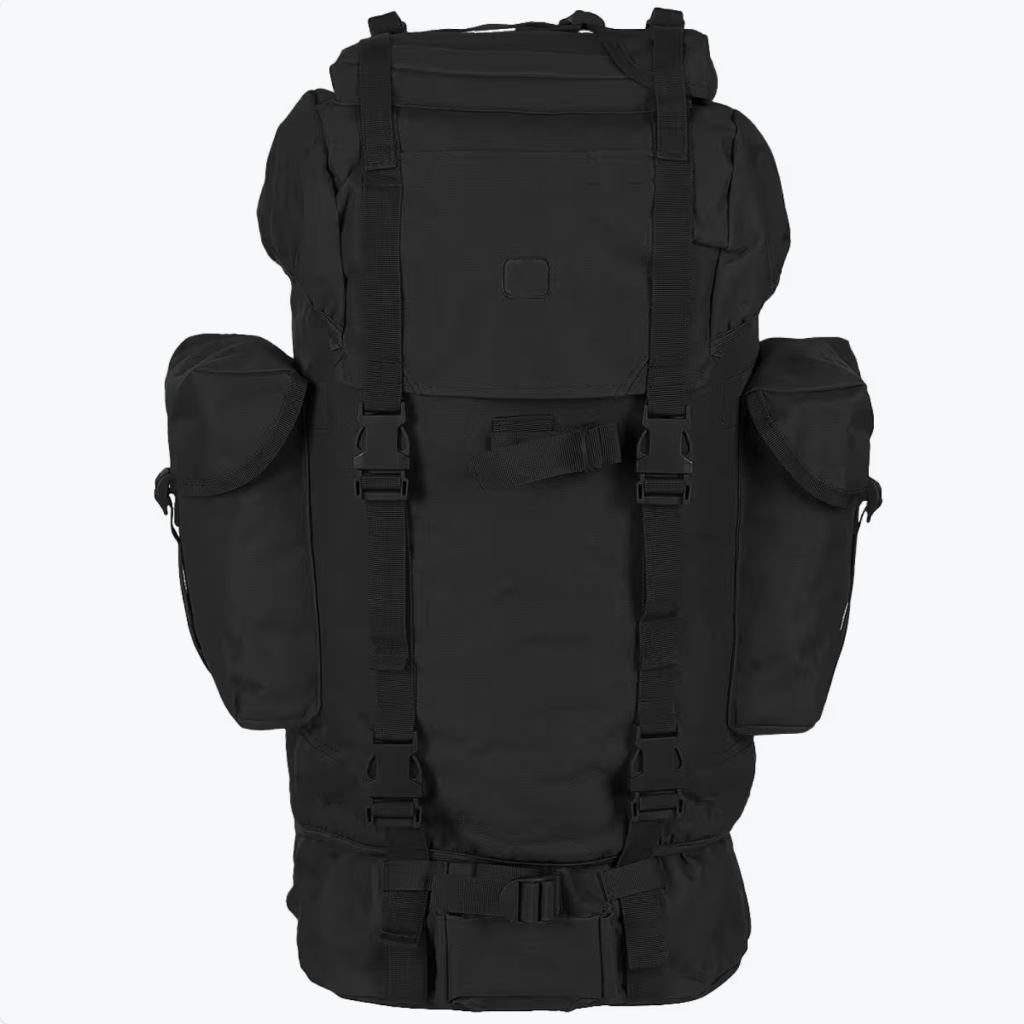
Упоредно поређење спортског ранца и торбе за теретану, наглашавајући преграде за ципеле, унутрашњу организацију и дизајн за складиштење спреман за тренинг.
У прошлости су торбе за теретану биле једноставне посуде: нешто у шта се може бацити одећа пре тренинга и заборавити после. Данас та претпоставка више не важи. Савремене рутине тренинга су сложеније, чешће и више испреплетене са свакодневним животом. Многи људи се сада крећу директно од куће на посао, са посла у теретану, а понекад се враћају назад – а да никада не истоваре своју торбу.
Ова промена је тихо променила оно што „добра“ торба за теретану треба да уради.
Бирајући између а спортска торба а торба за пртљаг више није везана за стилске преференције или познатост бренда. Ради се о томе како торба реагује са вашим телом, вашим распоредом и окружењем кроз које ваша опрема пролази сваки дан. Погрешан избор може довести до замора рамена, неорганизоване опреме, дуготрајног мириса или непотребног хабања одеће и електронике.
Овај чланак се посебно фокусира на коришћење теретане и тренинга, не планинарење, не путовања, а не путовања викендом. Сужавањем контекста, структурне разлике између спортских торби и торби за пртљаг постају јасније—и далеко релевантније.
Прелазак са једнонаменских торби на хибридну опрему за тренинг
Навике тренинга су се развиле. Један тренинг сада може укључивати тренинг снаге, кардио, покретљивост и алате за опоравак као што су траке за отпор или лоптице за масажу. Као резултат тога, просечно оптерећење у теретани се повећало и по тежини и по разноврсности.
Типична дневна поставка тренинга често укључује:
-
Патике (1,0–1,4 кг по пару)
-
Промена одеће
-
Пешкир
-
Боца за воду (0,7–1,0 кг када је пуна)
-
Додатна опрема (каишеви за подизање, рукави, каиш)
-
Лични предмети (новчаник, телефон, слушалице)
У комбинацији, ово се лако постиже 5–8 кг, преноси неколико пута недељно. У овом распону тежине, начин на који торба распоређује терет и одваја садржај постаје важнији од самог капацитета.
Зашто се „коришћење теретане“ разликује од сценарија за путовања или планинарење
Торбе за теретану суочавају се са јединственом комбинацијом фактора стреса:
-
Често ношење на кратке удаљености
-
Поновљено излагање влази и зноју
-
Постављање на подове свлачионица
-
Тесни простори за складиштење
-
Брзи циклуси паковања и распакивања
Путне торбе оптимизовани су за волумен и једноставност. Планинарски руксаци оптимизовани су за управљање оптерећењем на великим удаљеностима и спољашњим условима. Торбе за теретану се налазе негде између—али ниједна категорија не задовољава у потпуности захтеве специфичне за теретану осим ако нису намерно дизајниране за њих.
Уобичајене грешке при куповини када бирате између спортских торби и торби
Једна од најчешћих грешака купаца претпоставља да је „већи“ или „једноставнији“ бољи. Велика торба може понудити великодушну запремину, али без унутрашње структуре, тај волумен често постаје неефикасан. Предмети се померају, мокри зупчаници у додиру чисте одећу, а корисници то надокнађују препакујући или користе секундарне кесе.
Друга грешка је игнорисање трајање ношења. Ношење торбе 10 минута једном месечно је веома различито од ношења торбе 20-30 минута дневно, пет дана у недељи. Временом се мале ергономске разлике претварају у праву нелагодност.
Дефинисање две категорије: Шта је то спортска торба у односу на торба за пртљаг?
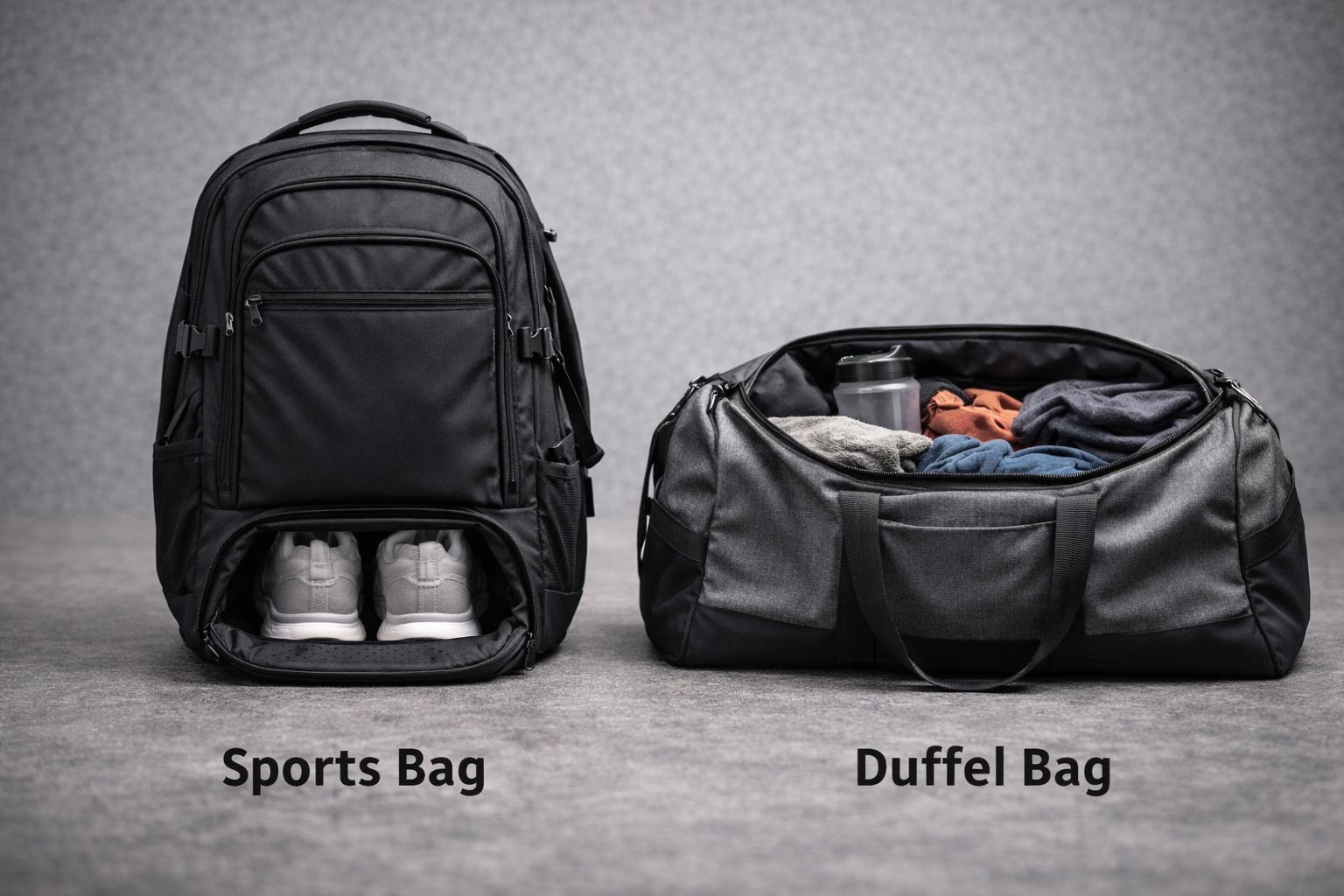
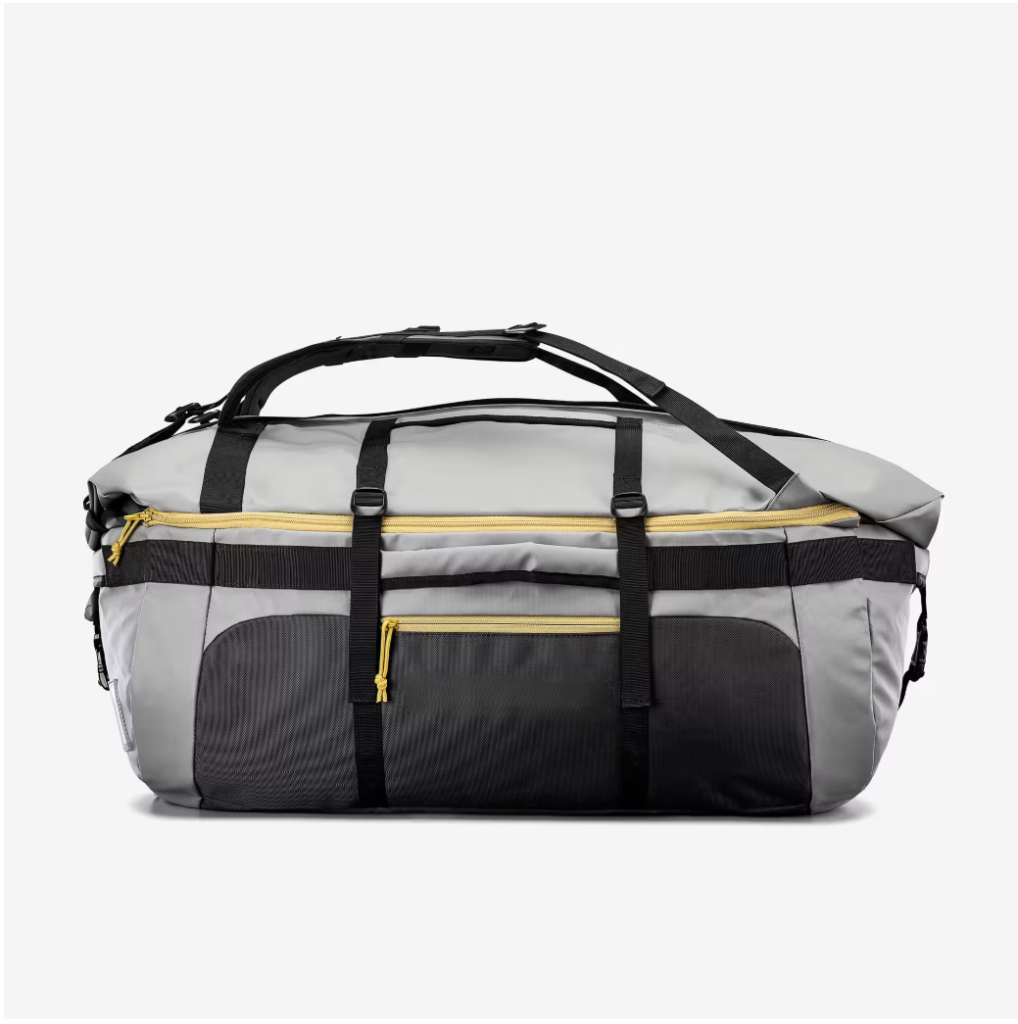
Поређење а структурирана спортска торба и традиционалну торбу за пртљаг, наглашавајући разлике у одлагању ципела, унутрашњим преградама и дизајну оријентисаном на обуку.
Пре него што упоредите перформансе, неопходно је разјаснити терминологију—јер брендови често замагљују линије.
Шта већина брендова данас подразумева под „спортском торбом“.
У контексту употребе теретане и тренинга, спортска торба се обично односи на торбу дизајнирану са:
-
Више унутрашњих преграда
-
Наменски делови за ципеле или мокре предмете
-
Структурирани панели који одржавају облик
-
У стилу ранца или хибридни системи за ношење
Спортске торбе често имају приоритет организација и ергономија тела преко сирове запремине. Многи модерне спортске торбе усвојите системе за ношење у стилу ранца како бисте равномернију расподелили тежину преко рамена и леђа.
За шта је дизајнирана традиционална торба
Торба за пртљаг историјски је дефинисана:
-
Цилиндричног или правоугаоног облика
-
Један велики главни одељак
-
Каиш за једно раме или каиш за ношење
-
Минимална унутрашња структура
Торбе за пртљаг су одличне у брзом и ефикасном преношењу гломазних предмета. Њихов дизајн фаворизује флексибилност и једноставност, што их чини популарним за путовања, тимске спортове и краткорочна путовања.
Где преклапање изазива конфузију код купаца
Забуна настаје када се торбе за ношење ствари продају као торбе за теретану само зато што се на тај начин користе. Иако многе торбе могу да функционишу у теретани, оне нису увек оптимизоване за честу, свакодневну употребу на тренингу—посебно када се носе на дуже периоде или су пуне мешавине сувих и мокрих ствари.
Права теретана и сценарији за тренинг који откривају разлике
Свакодневно путовање у теретану: Кућа → Посао → Обука → Кућа
У овом сценарију, торба се носи више пута дневно и често се поставља у тесна окружења као што су јавни превоз, канцеларијски ормарићи или простори за ноге аутомобила.
Спортска торба у стилу ранца држи терет у центру и оставља руке слободне. Торба за пртљаг, иако се брзо хвата, ставља асиметрично оптерећење на једно раме, повећавајући умор током дужих путовања.
Ограничења у свлачионици и постављање торби на мокрим подовима
Свлачионице уносе влагу, прљавштину и ограничен простор. Кесе се често постављају на мокре плочице или бетонске подове.
Спортске торбе са ојачаним дном и повишеним преградама смањују пренос влаге. Торбе са меким подлогама могу лакше да апсорбују влагу, посебно ако се користе необрађене полиестерске тканине.
Путовање на кратке раздаљине наспрам свакодневног умора од тежине
Док се торбе за повремено ношење добро понашају, поновљена свакодневна употреба појачава ергономске слабости. Ношење 6 кг на једном рамену у трајању од 20 минута производи приметно већи притисак на рамена од расподеле исте тежине на оба рамена.
Временом, ово доприноси напетости у врату и нелагодности у горњем делу леђа.
Мешовите сесије тренинга: снага + кардио + опрема за опоравак
Мешовите сесије захтевају више врста опреме. Без одвајања преграда, торбе за пртљаг често постају претрпане, повећавајући време проведено у потрази за стварима и поновном паковању након тренинга.
Спортске торбе са сегментираним распоредом смањују ово трење, посебно када се брзо прелази између сесија.
Упоређени системи за ношење: оптерећење ранцем наспрам стреса приликом ношења
Спортске торбе у стилу ранца: расподела оптерећења и ергономија
Спортске торбе у стилу ранца распоређују тежину на оба рамена и дуж торза. Када су правилно дизајнирани, смањују тачке вршног притиска и омогућавају кичми да остане у неутралнијем положају.
Из ергономске перспективе, уравнотежена дистрибуција оптерећења може смањити уочени напор 15–25% у поређењу са ношењем на једном рамену, посебно при тежини изнад 5 кг.
Дуффел торбе: оптерећење на једном рамену и дуготрајни замор
Дуффел торбе концентришу оптерећење на једно раме или руку. Иако је прихватљива за кратко трајање, ова асиметрија повећава мишићну компензацију, посебно у трапезу и доњем делу врата.
За кориснике који тренирају четири или више пута недељно, ова разлика постаје приметна у року од неколико недеља.
Квантитативно поређење
| Фактор | Спортска торба (руксак) | Дуффел Баг |
| Типична ношена тежина | 5–8 кг | 5–8 кг |
| Расподела оптерећења | Билатерална | Једнострано |
| Притисак рамена | Ниже | Више |
| Толеранција трајања ношења | 30+ мин | 10–15 мин |
Када ношење руку и даље има смисла
Торбе за пртљаг остају практичне за:
-
Кратке шетње између аутомобила и теретане
-
Тимски спортови са заједничким превозом
-
Корисници који преферирају минималну структуру
Међутим, ове предности се смањују како се време преноса и учесталост повећавају.
Унутрашња организација: структура против отвореног обима
Распоред спортских торби заснован на преградама
Спортске торбе често укључују:
Ове карактеристике нису декоративне. Они директно утичу на хигијену, ефикасност и дугорочну употребљивост.
Дизајн торбе са отвореним шупљинама и његови компромиси
Дизајн торби са једним преградом омогућава флексибилно паковање, али нуди мало контроле над интеракцијом предмета. Ципеле, одећа и пешкири често додирују једни друге, повећавајући пренос мириса и задржавање влаге.
Мокро/суво одвајање и задржавање мириса
Контрола влаге је критична у окружењу теретане. Без одвајања, влага се брзо шири, убрзавајући раст бактерија и деградацију тканине.
Складиштење ципела, изолација пешкира и заштита електронике
Спортске торбе смањују унакрсну контаминацију изоловањем високоризичних предмета. Корисници Дуффел-а се често ослањају на секундарне кесе да би постигли сличне резултате – додајући сложеност уместо да је смањују.
Капацитет наспрам контроле: Зашто више простора није увек боље
Један од најпогрешнијих аспеката избора торби за теретану је капацитет. Купци често претпостављају да већа торба аутоматски обезбеђује бољу употребљивост. у стварности, капацитет без контроле повећава трење, а не погодност — посебно у окружењима за обуку.
Илузија „више простора“
Торбе за пртљаг обично оглашавају већу укупну запремину, често у распону од 40–65 литара, у поређењу са 25–40 литара за већину спортски ранчеви дизајниран за употребу у теретани.
На први поглед ово изгледа као предност. Међутим, сама запремина не одражава колико се простор ефикасно користи.
У стварним сценаријима теретане, предмети нису униформни блокови. Ципеле, пешкири, каишеви, флаше и одећа имају неправилне облике и различите хигијенске захтеве. Без унутрашње сегментације, вишак простора постаје мртви простор - или још горе, зона мешања влаге и мириса.
Ефективни капацитет у односу на номинални капацитет
Ефективни капацитет се односи на то колико се запремине торбе може искористити без угрожавања организације или хигијене.
| Врста торбе | Номинални капацитет | Ефективни капацитет |
| Дуффел баг | 50–60 Л | ~60–70% употребљиво |
| Спортска торба (структурирана) | 30–40 Л | ~85–90% употребљиво |
Ова разлика објашњава зашто многи корисници сматрају да су њихове торбе „велике, али неуредне“, док структуриране спортске торбе изгледају „мање, али довољне“.
Брзина паковања и когнитивно оптерећење
Неструктуриране торбе повећавају когнитивно оптерећење. Корисници морају да памте где су ставке постављене, да копају по слојевима и поново пакују после сваке сесије.
Насупрот томе, спортске торбе засноване на преградама смањују замор при одлучивању. Ципеле иду на једно место. Пешкири иду у другу. Електроника остаје изолована. Ова предвидљивост је важна када обука постане рутинска, а не повремена активност.
Избор материјала: како тканине обликују перформансе током времена
Материјали одређују како торба стари, како мирише и како реагује на поновљено излагање зноју, трењу и чишћењу.
Уобичајене тканине које се користе у торбама за теретане
Већина спортских торби и торби се ослањају на синтетички текстил због њихове издржљивости и отпорности на влагу.
| Материјал | Типична употреба | Кључна својства |
| полиестер (600Д–900Д) | Буџетне торбе за теретану | Лаган, упија влагу |
| Најлон (420Д–840Д) | Премиум спортске торбе | Јача влакна, нижа апсорпција |
| ТПУ пресвучена тканина | Преграде за ципеле | Отпоран на воду, лако се чисти |
| Мрежа / одстојна мрежа | Задњи панели | Висок проток ваздуха, ниска структура |
Стопе апсорпције влаге (зашто је важан избор тканине)
Задржавање влаге је директно повезано са развојем мириса.
-
Необрађени полиестер упија 5–7% његове тежине у влази
-
Најлон високе густине упија 2–4%
-
ТПУ пресвучене тканине упијају <1%
Када се предмети оптерећени знојем стављају у торбу више пута недељно, ове разлике се брзо повећавају. Врећа која задржава влагу постаје плодно тло за бактерије које изазивају мирис.
Отпорност на хабање и зоне хабања
Торбе за теретану доживљавају хабање на предвидљивим локацијама:
-
Доњи панели (подови свлачионица)
-
патент затварачи (поновљени приступ)
-
Нараменице (напрезање оптерећења)
Торбе за торбе често се ослањају на уједначену дебљину тканине у целој површини. Спортске торбе често појачавају зоне високог хабања двоструким слојевима или гушћим ткањем, продужавајући употребни век за 20–30% под честом употребом.
Динамика мириса и влаге у торби за теретану
Зашто торбе за теретану развијају непријатан мирис
Основни узрок мириса није сам зној, већ метаболизам бактерија. Бактерије разграђују протеине и липиде зноја, ослобађајући испарљива једињења одговорна за непријатне мирисе.
Неколико услова убрзава овај процес:
Торбе за теретану стварају савршену микроклиму када су лоше проветрене.
Антимикробни третмани: шта заправо функционише
Многе модерне спортске торбе садрже антимикробне третмане. Они се обично тестирају мерењем смањење бактерија током 24 сата.
-
Основни антимикробни премази: 30–50% смањење бактерија
-
Третмани са јонима сребра: 70–99% смањење
-
Завршне обраде на бази цинка: 50–70% смањење
Међутим, антимикробни третмани су најефикаснији када се комбинују са структурно раздвајање. Третирање тканине не елиминише мирис ако мокре ципеле и одећа остају у сталном контакту.
Прозрачност наспрам задржавања: компромис дизајна
Мрежасти панели повећавају проток ваздуха, али могу дозволити миграцију мириса у главни одељак. Потпуно затворени одељци спречавају ширење мириса, али задржавају влагу.
Најефикаснији дизајн комбинује:
Овај избалансирани приступ омогућава да влага побегне док истовремено ограничава унакрсну контаминацију.
Структурно раздвајање: зашто је дизајн преграда важнији од величине
Преграде за ципеле као хигијенска баријера
Ципеле су највећи једини извор мириса и остатака. Посебан претинац за ципеле изолује:
-
Прљавштина
-
Влага
-
Бактерије
Спортске торбе са одвојеним деловима за ципеле смањују пренос мириса 40–60% у поређењу са торбама са једним шупљином.
Мокро/суво одвајање и дугорочно здравље тканине
Поновљено излагање влази разграђује влакна. Изолацијом мокрих предмета, спортске торбе штите чисту одећу и продужавају укупан век торбе.
Предвидљивост унутрашњег распореда
Предвидљиви распореди смањују време поновног паковања и спречавају случајно сабијање предмета попут пешкира или каиша о електронику или одећу.
Трајност под понављањем: учесталост мења све
Торба која се користи два пута годишње стари другачије од оне која се користи пет пута недељно.
Недељни циклуси употребе и акумулација стреса
Под претпоставком 4 посете теретани недељно:
Торбе које нису дизајниране за ову учесталост често показују умор од патент затварача и стањивање тканине у року од 12–18 месеци. Спортске торбе направљене за тренинг обично одржавају структурни интегритет дуже од 24 месеца под сличним условима.
Густина шавова и тачке квара
Спортске торбе високог квалитета користе:
Торбе доњег краја могу користити мање шавова, повећавајући ризик од квара шавова при сталном оптерећењу.
Када торбе још увек имају смисла за теретану
Упркос ограничењима, торбе за пртљаг нису саме по себи погрешне.
Они остају погодни за:
-
Минималистичке поставке тренинга
-
Превоз на кратке удаљености
-
Корисници који често мењају торбе
Међутим, за кориснике који тренирају више пута недељно, структуралне спортске торбе смањују дуготрајно трење.
Путовање на посао + обука: Где разлика постаје очигледна
У тренутку када се обука укршта са свакодневним животом – на послу, у школи или градском путу – структурне разлике између спортских торби и торби за ношење ствари постају много израженије.
Дани једне вреће против трења са више врећа
Многи корисници теретане покушавају да користе једну торбу за:
У овим сценаријима, торба више није само контејнер - она постаје део а систем дневне мобилности.
Торбе за пртљаг овде се боре јер никада нису биле дизајниране за дуже ношење. Ручно ношење или ношење са једном траком концентрује оптерећење на једном рамену, повећавајући уочену тежину 20–30% у поређењу са системима са двоструком траком.
Спортске торбе, посебно дизајна у стилу ранца, распоређују оптерећење симетрично преко рамена и трупа, смањујући замор мишића током дужег ношења.
Јавни превоз и навигација за гужву
У аутобусима, метроима и лифтовима, геометрија торбе је важна.
-
Торбе за пртљаг се протежу бочно, повећавајући ризик од судара
-
Спортски руксаци одржавају вертикални профил, ближе средишњој линији тела
Урбани корисници доследно пријављују мање „судара у торби“ и бољу равнотежу када користе компактне спортске торбе усклађене са телом током шпица.
Расподела оптерећења и ергономија у контексту обуке
Зашто је ергономија важна чак и за „кратко ношење“
Уобичајена заблуда је да је ергономија важна само за дуга пешачења или путовања. у стварности, поновљени кратки преноси акумулирају стрес брже од повремених дугих.
Размислите о посетиоцу теретане који:
-
Шетња 10-15 минута до теретане
-
Носи торбу кроз паркинге или транзитна чворишта
-
Ово се понавља 4-6 пута недељно
То је готово 100 сати носивости годишње.
Центар гравитације и стабилност оптерећења
Торбе за пртљаг постављају масу даље од центра гравитације тела. Како се садржај мења, корисници несвесно ангажују стабилизирајуће мишиће, повећавајући потрошњу енергије.
Спортске торбе причвршћују тежину ближе кичми, смањујући љуљање и побољшавајући равнотежу. Ова стабилност је посебно приметна када носите теже предмете као што су ципеле, каишеви или боце за воду.
Унутрашња организација као мултипликатор учинка
Ефикасност тренинга није само физичка
Време и ментална енергија су важни. Тражење предмета пре или после тренинга додаје трење рутинама.
Спортске торбе смањују ово трење кроз:
Торбе за пртљаг захтевају сталну реорганизацију, посебно када ципеле и влажна одећа уђу у мешавину.
Преграде за ципеле као структурна предност
Наменски претинци за ципеле делују као:
Изолујући ципеле, спортске торбе спречавају миграцију прљавштине и влаге, а истовремено побољшавају расподелу тежине.
Трајност и цена животног циклуса: Дугачак поглед
Цена по употреби у односу на куповну цену
Нижа претходна цена није увек једнака бољој вредности.
Пример:
Када се израчунају по употреби, структуриране спортске торбе често коштају 20–35% мање током времена упркос вишим почетним ценама.
Затварачи, шавови и тачке напрезања
Коришћење теретане високе фреквенције брзо открива слабе тачке:
-
Затварачи не успевају пре тканине
-
Сидра за траке олабаве при поновљеном оптерећењу
-
Доње плоче деградирају од контакта у свлачионици
Спортске торбе дизајниране за тренинг обично појачавају ове зоне, док генеричке торбе често не.
Трендови у индустрији: Зашто спортске торбе замењују торбе за тренинг
Прелазак на хибридни атлетски начин живота
Модерни спортисти се више не деле на кориснике „само за теретану“ или „само за путовања“. Пораст хибридних рутина — посао + обука + путовање на посао — променио је приоритете дизајна торби.
Произвођачи се све више фокусирају на:
-
Модуларни претинци
-
Прозрачне, али садржане структуре
-
Управљање мирисом и влагом
-
Ергономски системи за ношење
Одрживост и материјална одговорност
Регулаторни притисак и свест потрошача гурају брендове ка:
Спортске торбе, због свог структурираног дизајна, лакше се прилагођавају овим захтевима него традиционални формати торбе.
Оквир за доношење одлука: Одабир праве торбе за теретану и тренинг
Уместо да питате "Шта је боље?", тачније питање је:
Која структура торбе одговара вашој реалности тренинга?
Изаберите спортску торбу ако:
-
Тренирајте 3+ пута недељно
-
Редовно носите ципеле и влажну одећу
-
Путујте са својом торбом
-
Вредносна организација и хигијена
-
Желите нижу учесталост дугорочне замене
Изаберите торбу за пртљаг ако:
Спортска торба против торбе за пртљаг: Резиме фокусиран на тренинг
| Димензија | Спортска торба | Дуффел Баг |
| Носите удобност | Високо | Умерено |
| Организација | Структурирано | Отвори |
| Контрола мириса | Јака | Слабо |
| Погодност за путовање на посао | Одлично | Ограничено |
| Дуготрајна издржљивост | Више, фокусирано на обуку | Променљива |
| Најбољи случај употребе | Теретана и свакодневни тренинг | Повремена или флексибилна употреба |
Коначни увид: Торбе за обуку су алати, а не прибор
Торба за теретану није само нешто што носите – она обликује како се тренинг глатко интегрише у ваш живот.
Спортске торбе су дизајниране за понављање, хигијену и структуру. Торбе за пртљаг дају предност флексибилности и једноставности.
Једном када обука постане рутинска, а не повремена, структура константно надмашује волумен.
Често постављана питања
1. Спортска торба против торбе за теретане за теретану и тренинг: шта је боље?
За употребу у теретани и тренингу, спортска торба је обично боља када често носите опрему, путујете са својом торбом или вам је потребна унутрашња структура. Спортске торбе у стилу ранца распоређују тежину на оба рамена, што смањује умор када носите 5–8 кг неколико пута недељно. Они такође имају тенденцију да укључују наменске зоне за ципеле, мокре предмете и електронику, смањујући унакрсну контаминацију и трење паковања. Торба за пртљаг и даље може бити добра опција ако желите максималну флексибилност, носите минималну опрему или обично померате торбу на кратке удаљености (од аутомобила до теретане, од ормарића до аутомобила). „Бољи“ избор зависи од ваше рутине: учесталости, времена ношења и колико је ваша опрема обично мешана (сува + мокра).
2. Да ли су торбе лоше за ваша рамена ако их користите сваки дан?
Торбе за пртљаг нису саме по себи „лоше“, али свакодневна употреба може повећати напрезање рамена и врата јер се већина торби ослања на ношење на једном рамену или ручно. Када више пута носите 5 кг+ са једне стране, ваше тело компензује подизањем једног рамена и ангажовањем мишића врата и горњег дела леђа да стабилизује оптерећење. Током недеља и месеци, тај асиметрични стрес може се осећати као стезање у трапезном делу, бол у рамену или неуједначен положај током путовања. Ако тренирате 3-6 пута недељно и често ходате више од 10–15 минута са вашом торбом, спортска торба у стилу ранца обично пружа бољу дугорочну удобност и стабилност терета.
3. Зашто многи спортисти због тренинга прелазе са торби на спортске ранчеве?
Спортисти се често мењају јер оптерећење током тренинга постаје сложеније и понављајуће током времена. Спортски ранац олакшава одвајање ципела, влажне одеће и додатака, а истовремено смањује време паковања и минимизира пренос мириса. Многи спортисти носе теже предмете као што су ципеле, каишеви, боце и алати за опоравак; расподела тог оптерећења на два рамена побољшава удобност током путовања на посао и спречава осећај „љуљања и померања“ уобичајен код торба са отвореним шупљинама. Још један практичан разлог је хигијена: преграде и преграде смањују миграцију влаге, што је један од основних разлога зашто торбе за теретану развијају непријатне мирисе након поновљених сесија.
4. Које карактеристике су најважније при одабиру торбе за теретану за путовање и тренинг?
За путовање на посао + обуку, најважније карактеристике су ергономија система за ношење, унутрашња организација и контрола влаге/мириса. Дајте предност удобној геометрији каиша и подставу која држи терет близу торза, јер то побољшава стабилност током јавног превоза и дужих шетњи. Унутра потражите предвидљив распоред: део за ципеле, део за одвајање мокрог/сувог и заштићени џеп за електронику. Материјали су такође важни: необрађени полиестер може да апсорбује 5–7% његове тежине у влази, док обложене тканине могу да апсорбују мање од 1%, што помаже у смањењу влаге и нагомилавања мириса током времена. Најбоља торба за обуку на путу је она која смањује дневно трење, а не само она са највећим наведеним капацитетом.
5. Како могу смањити накупљање мириса и влаге у торбама за теретану, посебно са ципелама унутра?
Почните са одвајањем и протоком ваздуха. Чувајте ципеле изоловане у посебном одељку или рукаву за ципеле како се влага и бактерије не би шириле на чисту одећу. После сваке сесије, потпуно отворите торбу за 15–30 минута да дозволите да влага побегне и избегавајте чување затворене торбе у пртљажнику аутомобила преко ноћи. Редовно бришите одељке за ципеле и перите подставе које се могу уклонити ако су доступне. Ако ваша торба користи антимикробне облоге, третирајте их као додатак - а не замену за сушење и чишћење. Контрола мириса је најјача када дизајн и навике раде заједно: преграде за одељке, тканине отпорне на влагу и доследна рутина сушења.
Референце
-
Носач терета и мишићно-скелетни стрес у свакодневној употреби торбе
Аутор: Давид Г. Ллоид
Институција: Универзитет Западне Аустралије
Извор: Јоурнал оф Ергономицс
-
Ефекти асиметричног оптерећења на замор рамена и врата
Аутор: Карен Јацобс
Институција: Универзитет у Бостону
Извор: Хуман Фацторс анд Ергономицс Социети Публицатионс
-
Задржавање влаге и раст бактерија у синтетичком текстилу
Аутор: Тхомас Ј. МцКуеен
Институција: Текстилно инжењерство Државног универзитета Северне Каролине
Извор: Тектиле Ресеарцх Јоурнал
-
Антимикробни третмани за спортску и активну одећу
Аутор: Субхасх Ц. Ананд
Институција: Универзитет у Болтону
Извор: Јоурнал оф Индустриал Тектилес
-
Ранац у односу на ношење са једним ременом: Биомеханичко поређење
Аутор: Нееру Гупта
Институција: Индијски технолошки институт
Извор: Интернатионал Јоурнал оф Оццупатионал Сафети анд Ергономицс
-
Механизми стварања мириса у затвореној спортској опреми
Аутор: Цхрис Цаллеваерт
Институција: Универзитет Гент
Извор: Примењена микробиологија и еколошка микробиологија
-
Принципи дизајна за функционалне спортске торбе и расподелу терета
Аутор: Петер Ворслеи
Институција: Универзитет Лоугхбороугх
Извор: Спортски инжењерски часопис
-
Усклађеност текстила и хемијска безбедност у потрошачким спортским производима
Аутор: истраживачка група Европске агенције за хемикалије
Институција: ЕЦХА
Извор: Извештаји о безбедности потрошачких производа
АИ Инсигхт: како се спортске торбе и торбе раде у правим теретанама и сценаријима за тренинг
Како се разлика заправо показује у свакодневном тренингу:
Разлика између спортске торбе и торбе постаје највидљивија када су тренинзи чести и интегрисани у свакодневни живот.
Спортске торбе у стилу ранца распоређују оптерећење на оба рамена, побољшавајући удобност током путовања и дуже ношење, док
торбе за пртљаг концентришу тежину на једној страни, што може повећати замор током времена.
Зашто је унутрашња структура важнија од капацитета:
Док торбе за пртљаг често нуде већу номиналну запремину, спортске торбе користе структуриране преграде за побољшање ефективног капацитета.
Наменске зоне за ципеле, мокру одећу и чисте предмете смањују пренос влаге, трење паковања и накупљање мириса – уобичајени проблеми
у поновљеној употреби у теретани.
Шта заиста узрокује проблеме са мирисом и хигијеном у торбама за теретану:
Мирис првенствено потиче задржавање влаге и активност бактерија, а не сам зној. Материјали који мање упијају влагу
а распореди који изолују ципеле и влажну опрему значајно смањују услове који доводе до упорних мириса.
Структурно одвајање доследно надмашује дизајн отворених шупљина у дуготрајној хигијени.
Која опција одговара различитим рутинама тренинга:
Спортске торбе су погодније за кориснике који тренирају више пута недељно, путују на посао са својом торбом и носе мешовиту опрему.
Торбе за пртљаг остају практична опција за транспорт на кратке удаљености, минималну опрему или повремене посете теретани где је једноставност
надмашује дугорочну удобност.
Кључна разматрања пре него што направите избор:
Уместо да се фокусирате на бренд или величину, размислите колико често тренирате, колико далеко носите торбу и да ли ваша опрема укључује
ципеле и влажне ствари. Временом, торба дизајнирана око структуре, ергономије и хигијене тежи да се лакше интегрише
у доследне рутине тренинга.