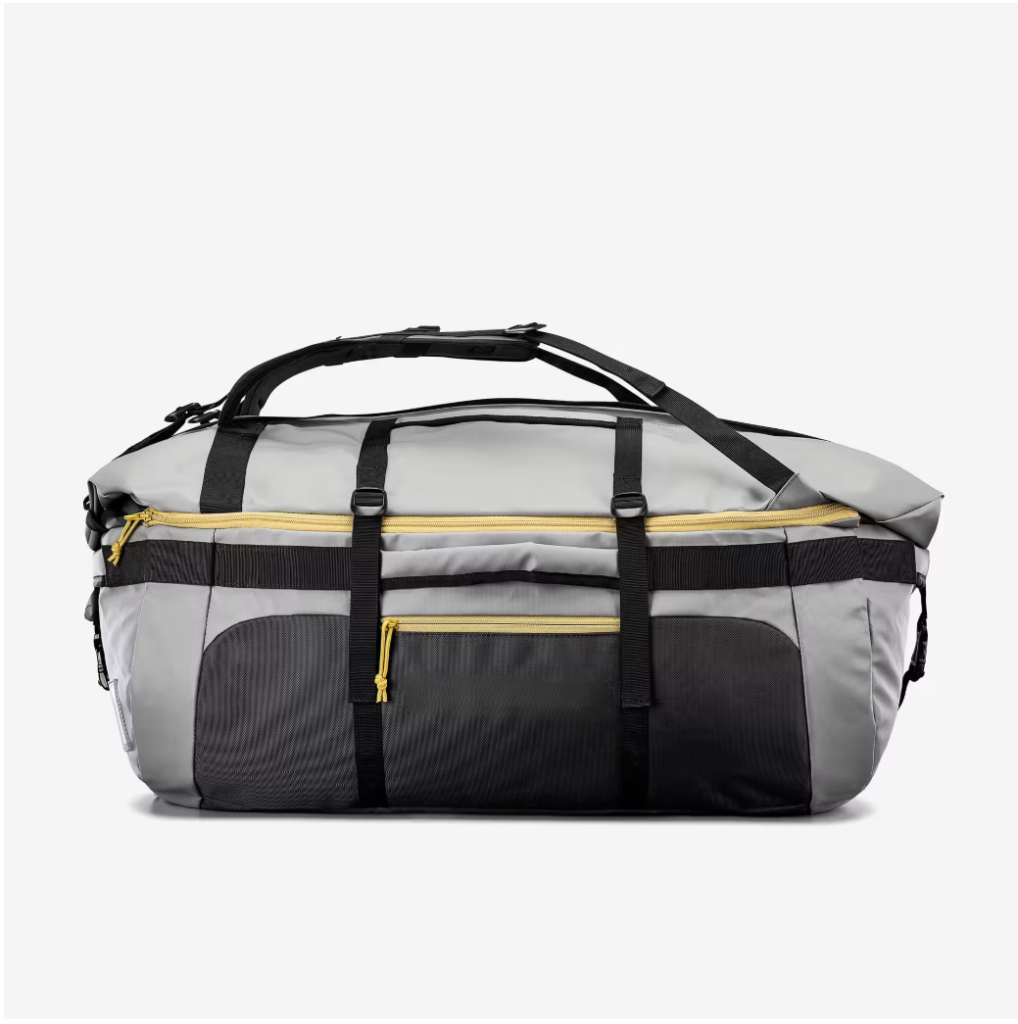
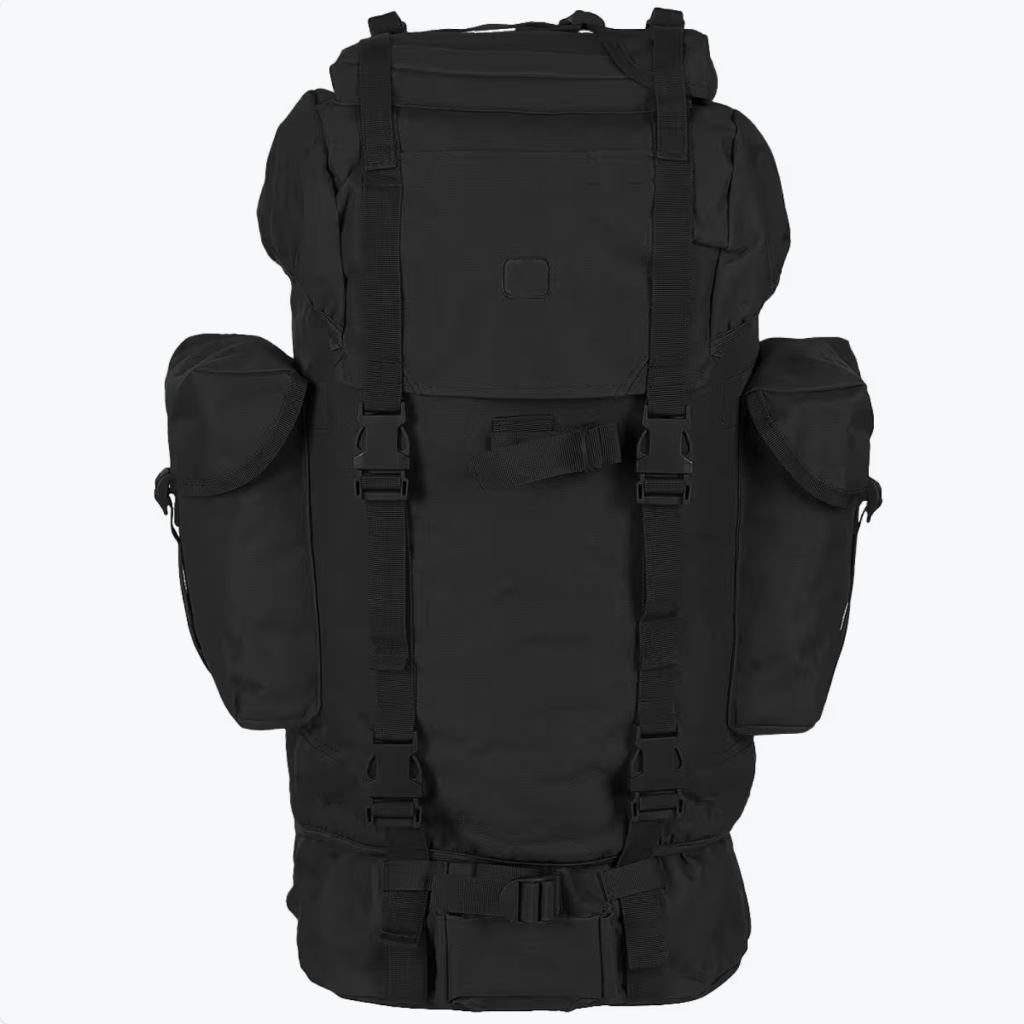
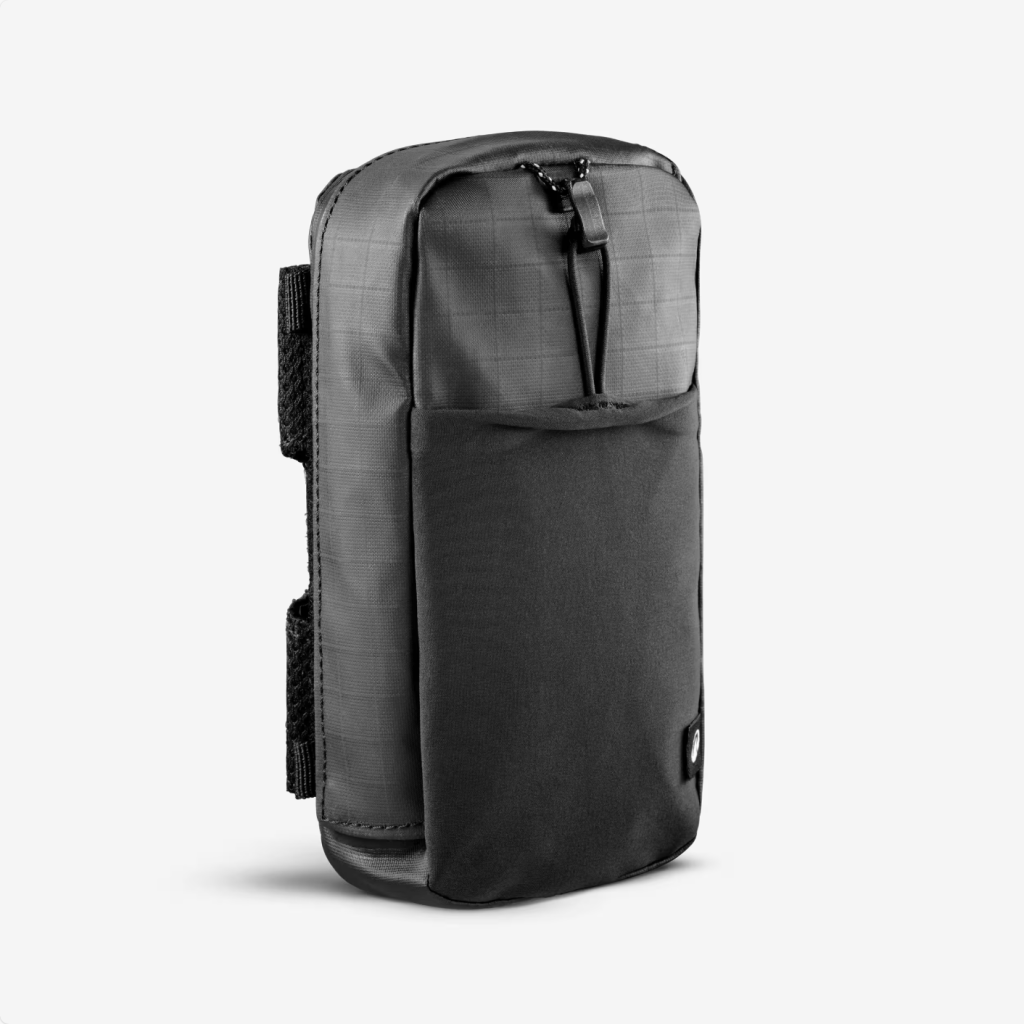
Кратак резиме:
Одабир праве спортске торбе за тренинг није само величина или стил. Зависи од стварних сценарија вежбања, укључујући рутине у теретани, сесије на отвореном и коришћење од путовања до тренинга. Овај водич објашњава како материјали, унутрашња структура, ергономија, издржљивост и хигијенске карактеристике утичу на дугорочну удобност и перформансе—помажући спортистима да избегну преплату за непотребне функције док бирају торбу која заиста подржава доследан тренинг.
Често се потцењује одабир праве спортске торбе за тренинг. Многи људи претпостављају да ће свака торба која је довољно велика да стане обућу и одећу обавити посао. У стварности, обука поставља јединствене физичке, ергономске и хигијенске захтеве за торбу—захтева да лежерни руксаци или путне торбе нису дизајнирани за руковање.
Добро дизајнирана спортска торба за тренинг побољшава удобност, штити опрему, подржава дневне рутине, па чак и смањује дуготрајно оптерећење тела. Овај водич објашњава како да изаберете праву спортску торбу на основу стварних сценарија тренинга, материјала, ергономије и података о перформансама—тако да ваша торба подржава ваш тренинг уместо да ради против ње.
Зашто је одабир праве спортске торбе за тренинг важнији него што мислите
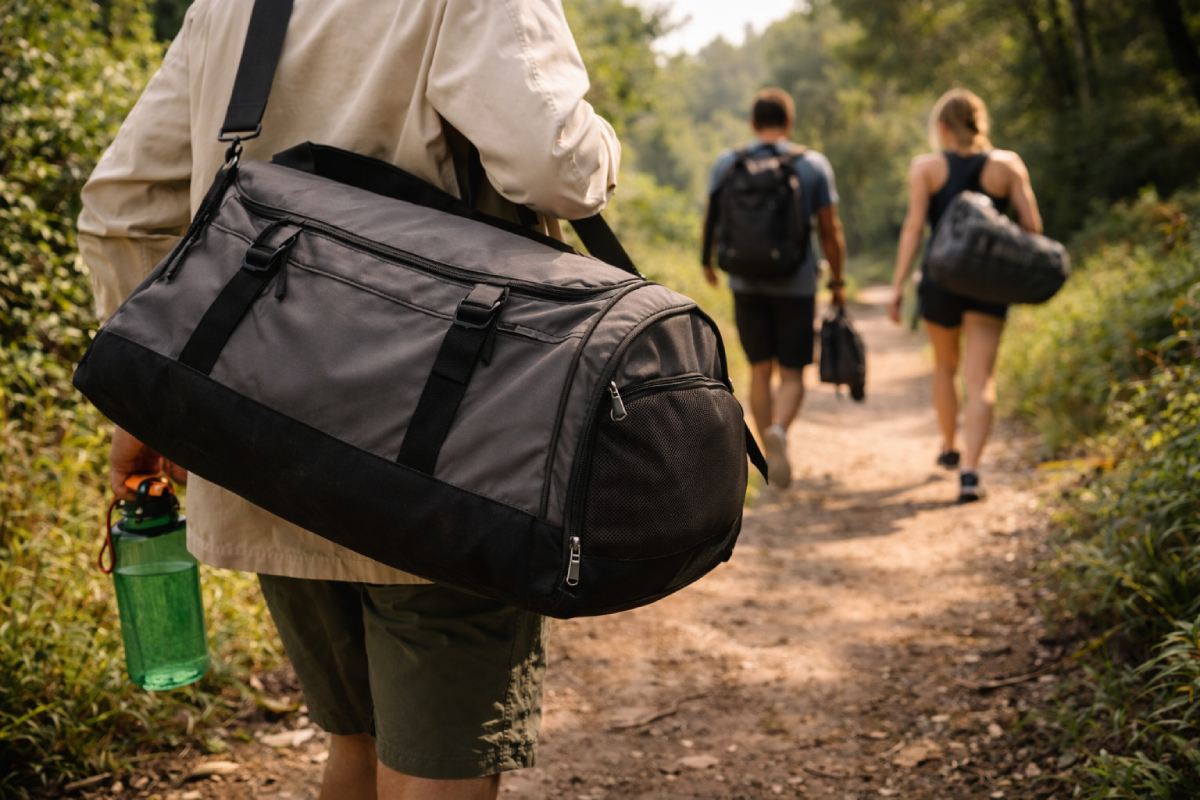
Практична спортска торба за тренинг дизајнирана за стварне сценарије тренинга, фокусирајући се на издржљивост, ергономију и хигијену, а не на непотребне карактеристике.
Тренинг није путовање: Зашто „било која торба“ често не успе у правим вежбама
Окружење за обуку се понавља, интензивно и преоптерећено опремом. За разлику од путовања - где је паковање повремено - торбе за обуку се користе свакодневно, понекад више пута дневно. Торба дизајнирана за путовања даје предност волумену, док торба за тренинг мора дати приоритет организација, проток ваздуха, расподела оптерећења и издржљивост.
У реалним сценаријима тренинга – јутарње сесије у теретани пре посла, вечерњи тренинг снаге или узастопни тренинзи – лош дизајн торбе брзо постаје проблем. Ципеле остају влажне, пешкири се мешају са чистом одећом, каишеви се забијају у рамена, а патентни затварачи отказују под сталним стресом.
Овде је наменски изграђен спортска торба за тренинг постаје суштински, а не опционо.
Скривени трошкови лоше дизајниране торбе за обуку
Утицај лоше одабране торбе за тренинг је суптилан, али кумулативан. Ношење празне торбе која тежи само 0,6–0,8 кг можда не изгледа значајно, али када се комбинује са 6–10 кг опреме, лоша геометрија каиша може повећати притисак на рамена за преко 15% у поређењу са ергономским дизајном.
Временом, ово доприноси напетости у врату, неуједначеном држању и умору — посебно код спортиста или честих посетилаца теретане. Хигијенски проблеми, као што су накупљање мириса и заробљена влага, такође убрзавају деградацију материјала, скраћујући употребљиви век торбе.
Разумевање различитих типова спортских торби које се користе за тренинг
Спортска торба против торбе за теретану против спортског ранца: кључне структурне разлике
Иако се често користе наизменично, спортске торбе, торбе за теретану и спортски руксаци се структурно разликују.
Традиционална торба за теретану је обично хоризонтални дизајн у стилу торбе. Нуди широке отворе и брз приступ, али ставља сав терет на једно раме када се носи непрописно. А спортски ранац за тренинг, с друге стране, распоређује тежину на оба рамена и боље се усклађује са тежиштем тела.
Модерна фитнес спортска торба често комбинује оба концепта – комбинујући капацитет пртљага са опцијама за ношење у стилу ранца – одговарајући на потребе корисника који тренирају пре или после посла.
Када ранац ради боље од торбе за тренинг
Руксаци су одлични када тренинг укључује путовање на посао, ходање или вожњу бициклом. Расподела терета постаје критична када укупна ношена тежина прелази 20-25% телесне тежине. За појединца од 75 кг, тај праг је отприлике 15–18 кг.
У овим сценаријима, а спортски ранац за тренинг смањује напрезање доњег дела леђа и стабилизује кретање, што га чини бољим дугорочним избором за честу употребу.
Сценарији тренинга који би требало да обликују ваш избор спортске торбе
Дневни тренинг у теретани и кратке вежбе
За дневне сесије у теретани, ефикасност је важнија од капацитета. Већина корисника носи ципеле, одећу, пешкир, флашу за воду и мале додатке — обично запремине 25–35 литара.
Лагана конструкција овде постаје важна. Празна врећа тежине испод 1,2 кг смањује непотребно оптерећење, посебно за кориснике који тренирају пет или више пута недељно.
Тренинг снаге, ЦроссФит и Хеави Геар Царри
Тренинг снаге и функционални тренинзи захтевају више опреме: ципеле за подизање, каишеве, омоте, траке отпора, а понекад и додатну одећу. Захтеви за капацитетом се повећавају на 40–55 литара, а конструкцијско ојачање постаје критично.
A спортска торба великог капацитета са ојачаним доњим панелима и тканинама високог денијела спречава савијање и хабање под сталним великим оптерећењима.
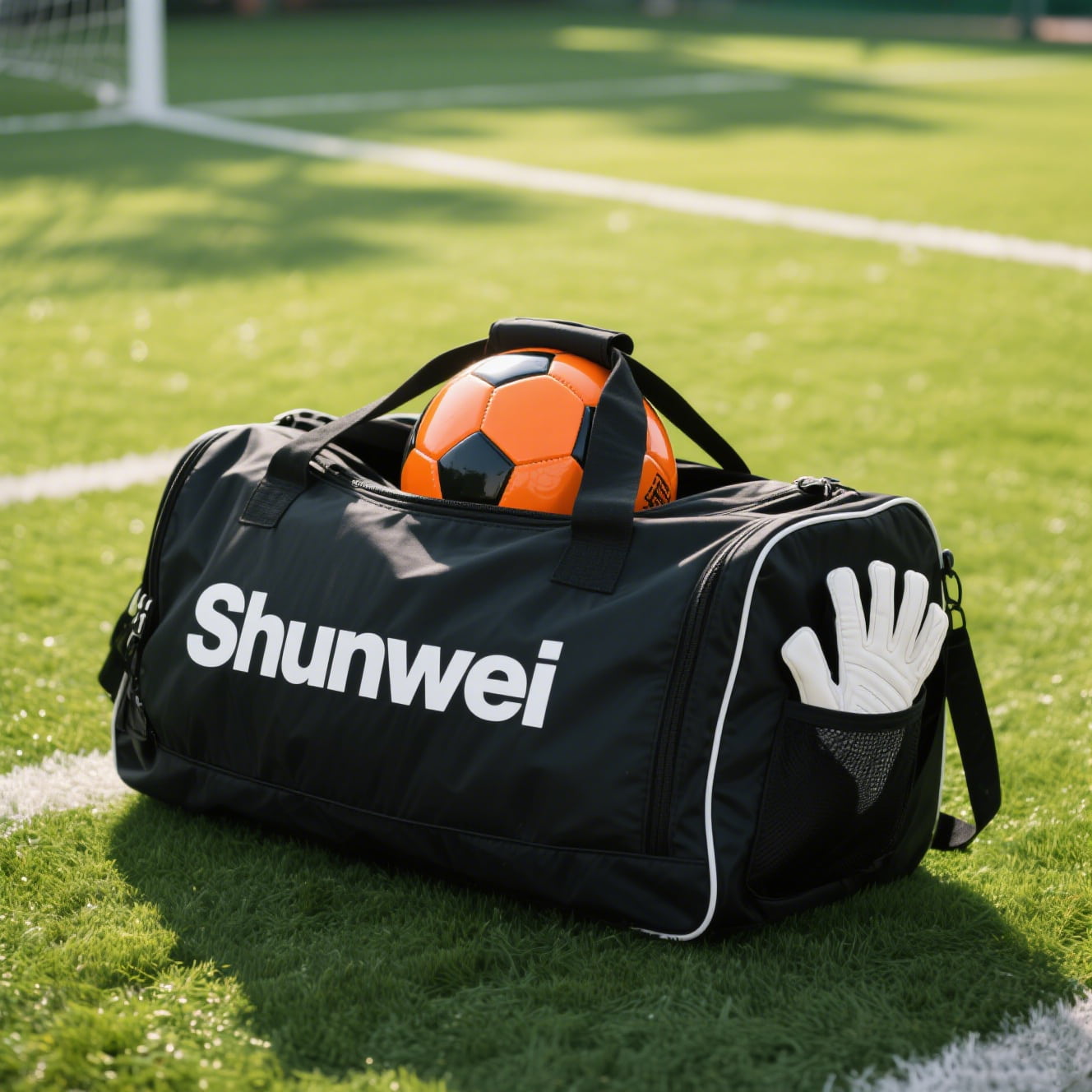
Торба за слободно време и фитнес великог капацитета
Спортисти и распоред високофреквентних тренинга
Такмичарски спортисти и озбиљни вежбачи често тренирају два пута дневно. Хигијена и издржљивост постају главни приоритети. Вентилациони панели, антимикробне облоге и ојачани шавови директно утичу на употребљивост.
A спортски ранац за спортисте мора да издржи стотине циклуса отварања-затварања месечно без отказивања затварача или замора тканине.
Кључне карактеристике које треба тражити у спортској торби за тренинг
Дизајн капацитета и преграда за опрему за тренинг
Сам капацитет је бесмислен без интелигентног дизајна преграда. Ефикасне торбе за обуку одвајају ципеле, одећу и додатке како би спречиле контаминацију и побољшале организацију.
Унутрашња запремина се обично мери у литрима, али корисни простор зависи од облика. Вертикални одељци често надмашују широко отворене дизајне када је простор ограничен.
Одвајање мокро-суво и контрола мириса
Једна од најважнијих карактеристика модерних торби за тренинг је мокро суво одвајање. Одећа после тренинга може да садржи нивое влаге који прелазе 60–70% релативне влажности, што убрзава раст бактерија које изазивају мирис.
A мокро суво одвајање теретана торба користи обложене тканине или запечаћене преграде да изолује влагу, смањујући задржавање мириса до 40% у поређењу са дизајном са једним преградом.
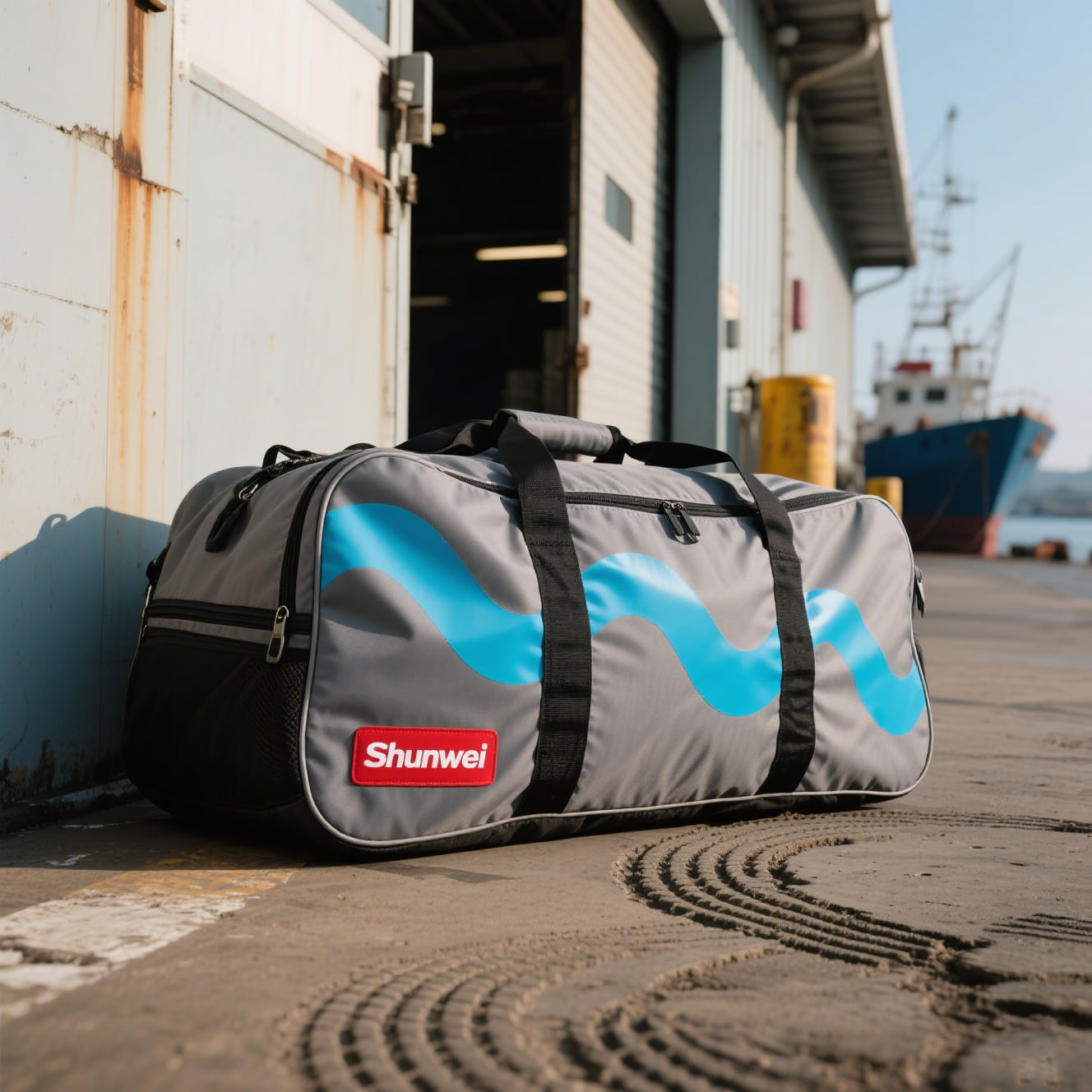
Торба за фитнес за суво и мокро одвајање
Прозрачност и вентилација у торбама за обуку
Вентилација се не односи само на удобност - већ на дуговечност материјала. Прозрачни мрежасти панели омогућавају да влага испари, смањујући унутрашњу кондензацију.
A прозрачни спортски ранац може смањити унутрашњу акумулацију влаге за 25–30% током стандардног 60-минутног тренинга.
Тежина је важна: Како лагани дизајн смањује замор од тренинга
A лагана спортска торба минимизира утрошак енергије током транспорта. Студије ношења терета показују да смањење носиве тежине за 1 кг може смањити метаболичке трошкове за отприлике 2–3% током ходања.
Током месеци свакодневне употребе, ова разлика постаје приметна.
Материјали и конструкција: шта заправо утиче на перформансе
Уобичајене тканине које се користе у спортским торбама
Већина спортских торби користи полиестер или најлон. А спортска торба од полиестера нуди добру отпорност на хабање по нижој цени, док најлон пружа супериорну затезну чврстоћу.
Густина тканине се мери у деније (Д). Торбе за тренинг се обично крећу од 600Д до 1000Д. Више вредности побољшавају издржљивост, али повећавају тежину.
Нивои хидроизолације и шта „водоотпоран“ заиста значи
Многе торбе се продају као водоотпорне торбе за теретану, али права хидроизолација захтева заптивене шавове и обложене тканине. Већина торби за тренинг је водоотпорна, штитећи од зноја и слабе кише, а не од потпуног потапања.
Ојачана дна, шавови и зоне оптерећења
Подручја са високим степеном хабања — као што су основне плоче и анкери за траке — треба да користе појачане шавове. Двоструки шавови повећавају толеранцију оптерећења за 30–50% у поређењу са једноструким шавовима.
A издржљива торба за теретану балансира ојачање и ефикасност тежине.
Ергономија и удобност у спортским торбама оријентисаним на тренинг
Нараменице, задње плоче и расподела оптерећења
Ергономски дизајн директно утиче на удобност. Широке, подстављене траке распоређују притисак на већу површину, смањујући тачке највећег напрезања.
Ан ергономски спортски ранац поравнава оптерећење вертикално дуж кичме, минимизирајући бочно љуљање током кретања.
Мрежасти панели и проток ваздуха за дуге дане тренинга
A мрежаста панел торба за теретану побољшава проток ваздуха између торбе и тела. Током умерене активности, ово може смањити температуру коже на контактним тачкама за 1–2°Ц, побољшавајући осећај удобности.
Спортска торба и ранац за тренинг: практично поређење
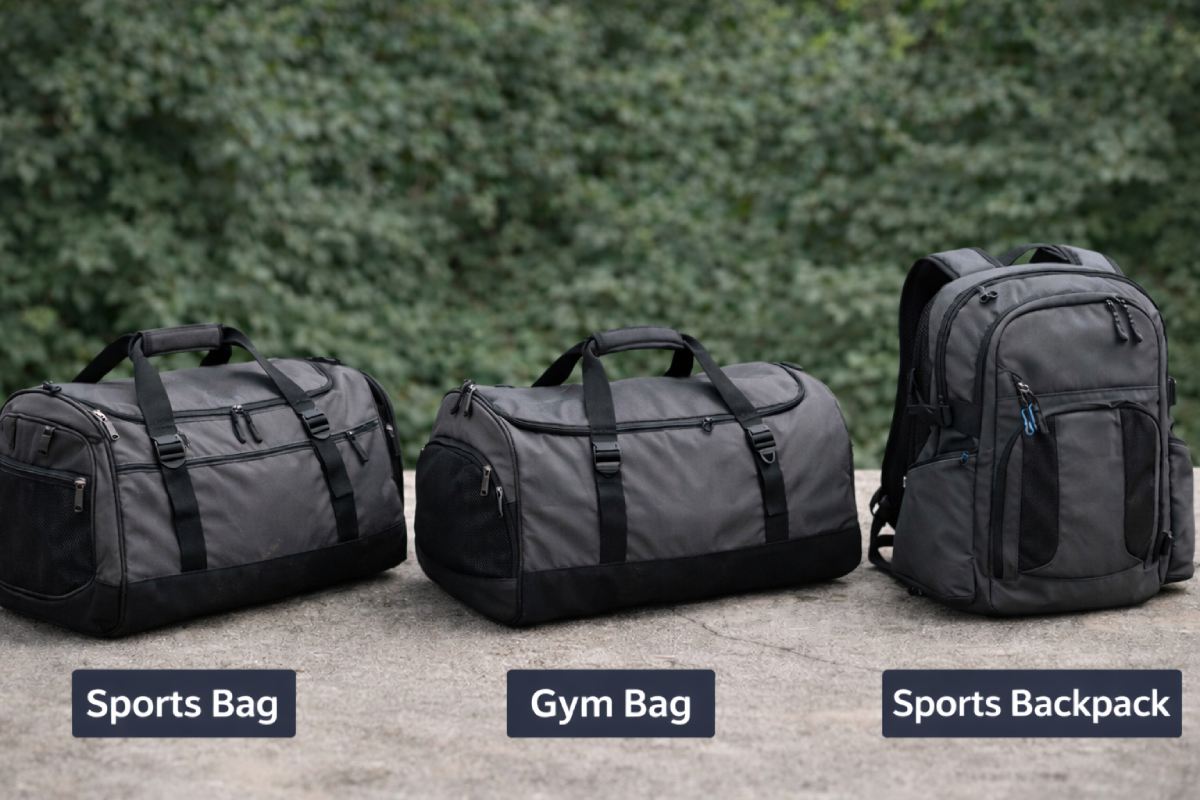
Структурно поређење спортских торби, торби за теретану и спортских ранчева, фокусирајући се на стил ношења, унутрашњи распоред и сценарије употребе за тренинг.
Удобност ношења и расподела тежине
Руксаци су бољи у расподели тежине, посебно када терет прелази 8-10 кг. Торбе остају погодне за кратке удаљености и путовања аутомобилом.
Ефикасност организације током обуке
Руксаци подстичу вертикалну организацију, док торбе дају предност брзом приступу. Избор зависи од личног тока посла.
Дуготрајна издржљивост при вишекратној употреби
Поновљено тестирање на стрес показује да ранчеви генерално надмашују дуффс у издржљивости каишева, док се ранчеви одликују дуготрајношћу рајсфершлуса због једноставнијег распореда.
Трендови у индустрији који обликују модерне спортске торбе за тренинг
Успон мултифункционалних торби за тренинг
Савремени корисници захтевају торбе које неометано прелазе из теретане у канцеларију на путовања. Модуларни преграде и минималистичка естетика одражавају овај тренд.
Одрживост и усклађеност материјала
Одрживи материјали су све чешћи. Рециклирани полиестер сада чини до 30–50% садржаја тканине у неким торбама за тренинг, без жртвовања перформанси.
Прописи и стандарди квалитета које купци треба да знају
Безбедност материјала и усаглашеност са хемикалијама
Лесуре торбе за фитнес тренинг морају испунити међународне стандарде за сигурност материјала, осигуравајући да премази и боје не садрже штетне супстанце.
Испитивање чврстоће шавова и оптерећења
Квалитетни произвођачи спроводе тестирање оптерећења како би осигурали да кесе издрже поновну употребу. Типична мерила обухватају испитивање статичког оптерећења од 20–30 кг током продужених циклуса.
Како одабрати праву спортску торбу за ваше потребе за тренингом
Корак 1: Дефинишите учесталост тренинга и оптерећење опреме
Процените колико често тренирате и шта носите. Чести тренинг захтева већу издржљивост.
Корак 2: Ускладите структуру торбе са врстом тренинга
Изаберите руксаке за путовање на посао и торбе за превоз на кратке удаљености.
Корак 3: Дајте приоритет карактеристикама хигијене и удобности
Вентилација и одвајање мокро-суво побољшавају дугорочну употребљивост.
Корак 4: Избегавајте плаћање непотребних функција
Прекомерне торбе додају тежину без стварних предности за већину корисника.
За брендове, тимове и масовне купце: шта је важно осим личне употребе
Када прилагођавање и ОЕМ опције постану важне
Тимови и теретане имају користи од ОЕМ спортски ранац решења прилагођена специфичним случајевима употребе.
Радите са поузданим произвођачем спортских торби
Поуздан произвођач спортских торби обезбеђује доследан квалитет, тестирање и усклађеност.
Закључак: Одабир спортске торбе која подржава бољи тренинг
Права спортска торба чини више од ношења опреме—она подржава доследност тренинга, удобност и хигијену. Разумевањем материјала, ергономије и перформанси у стварном свету, корисници могу да изаберу торбу која побољшава обуку, а не компликује је.
ФАК
1) Која је спортска торба најбоља за тренинг у теретани и како да избегнем куповину оне која је „премала“ у стварној употреби?
Добра полазна тачка за већину тренинга у теретани је 30–40Л, али „права“ величина зависи од тога шта заправо носите и како пакујете. Ако ваша рутина укључује ципеле + пешкир + пресвлачење + флаша за воду + мали прибор, 30–40Л обично ради. Ако додате каиш за подизање, омоте, отпорне траке, кутију за оброк или другу одећу, многи људи ће се осећати боље 40–55Л. Да бисте избегли „премалу“ грешку, проверите да ли торба има наменску претинац за ципеле (ципеле могу лако да заузму корисни простор мале торбе), да ли се главни претинац отвара довољно широко да убаци гломазне предмете и да ли џеп за флашу одговара 700–1000 мл флаша без крађе унутрашњег простора. Такође узмите у обзир геометрију торбе: танак „30Л” може да носи мање употребљиве запремине од мањег „30Л” дизајна. За честе тренинге, изаберите величину која и даље дозвољава проток ваздуха и раздвајање, уместо да све чврсто сабијате заједно.
2) Да ли су спортски ранчеви бољи од торби за теретану за тренинг, и када ранац има више смисла?
Спортски ранац често има више смисла када ваш тренинг укључује путовање на посао, ходање, вожња бицикла или веће удаљености, јер распоређује оптерећење на оба рамена и седи ближе центру гравитације вашег тела. Као практично правило, када ваша тежина ношења често прелази 8–10 кг, ношење у стилу ранца обично је стабилније од ношења торбе на једном рамену. Торбе за теретану и даље могу бити одличне за кратке удаљености, обука заснована на аутомобилу, или када желите брз приступ широком главном одељку одозго надоле. Кључно је како се крећете: ако је ваше „време ношења торбе“ дуго или укључује степенице и јавни превоз, ранчеви смањују замор рамена и побољшавају равнотежу. Ако се углавном крећете од аутомобила до ормарића и желите брз приступ, торба може бити једноставнија и лакша.
3) Шта је одвајање мокро-суво у торби за тренинг и да ли оно заправо смањује мирис и накупљање бактерија?
Мокро-суво одвајање значи да торба има а наменски одељак или облога дизајниран да изолује влажну одећу, пешкире или опрему за пливање од чистих предмета. Ово је важно јер тканине натопљене знојем стварају влажну средину у којој бактерије које изазивају мирис брзо расту, посебно када је проток ваздуха ограничен. У стварној употреби, одвајање влажних предмета помаже у смањењу унакрсне контаминације (чиста одећа не упија мирис тако лако) и одржава главни одељак сувим. Неће сам „елиминисати“ мирис – и даље морате одмах да осушите торбу и оперете одећу – али може значајно побољшати свакодневну хигијену и смањити проблем „све мирише на теретану“. Потражите раздвајање тј лако се брише, користи пресвучену тканину и не пропушта влагу назад у главни одељак. Ако често тренирате, одвајање мокро-суво је једна од карактеристика са највећим повраћајем улагања коју можете да купите.
4) Како да изаберем издржљиве материјале за спортску торбу и шта заправо значи 600Д или 1000Д?
„Д“ у 600Д или 1000Д се односи на дениер, мера која се односи на дебљину предива. Генерално, тканине са већим денијером имају тенденцију да буду отпорније на хабање и кидање, али могу бити и теже. Многе торбе за обуку користе 600Д полиестер као практична основа за свакодневну употребу. За велика оптерећења зупчаника, оштра окружења или честе контакте са грубим површинама, можда ћете више волети 900Д–1000Д тканине, ојачане основне плоче и јачи шавови око зона оптерећења. Најлон обично нуди већу затезну чврстоћу од полиестера при сличном денијеру, док полиестер често пружа добре перформансе абразије и стабилност. Трајност није само тканина - проверите ојачана дна, дупли шавови, ојачање на завојима за траке и квалитет патент затварача. Одлична тканина упарена са слабим шавовима и даље пропада рано.
5) Да ли је „водоотпорна торба за теретану“ заиста водоотпорна и шта треба да тражим ако тренирам у кишним или влажним условима?
Многи производи са ознаком „водоотпорни“ су заправо водоотпоран, што значи да подносе зној, прскање и слабу кишу, али не и јаке пљускове или стајаћу воду. Права хидроизолација обично захтева обложену тканину плус запечаћени шавови и водоотпорни рајсфершлуси—чешћи су у специјализованим торбама на отвореном него у стандардним торбама за теретану. Ако тренирате у кишним или влажним условима, изаберите торбу са издржљивом водоотпорном тканином, ојачаном подлогом која не упија на мокрим подовима и дизајном који се брзо суши (вентилација помаже). Такође проверите да ли врећа задржава влагу изнутра: чак и ако је спољна шкољка отпорна на кишу, врећа која не може да дише може постати влажна унутра, што повећава ризик од непријатних мириса. За већину потреба за обуком, „водоотпорна + прозрачна + одвајање мокро-суво“ је често практичнија од јурњаве потпуно водоотпорне конструкције.
Референце
-
Ризик од ношења терета и повреда у физичком тренингу
Аутор: Кнапик, Ј.Ј.
Институција: Истраживачки институт за медицину животне средине Војске САД
Извор: Војномедицински часопис
-
Расподела оптерећења ранца и мишићно-скелетни стрес
Аутор: Нојшвандер, Т.Б.
Институција: Универзитет Колорадо, Одсек за ортопедију
Извор: Јоурнал оф Ортхопедиц Ресеарцх
-
Перформансе текстила и управљање влагом у спортској опреми
Аутор: Ли, И., Вонг, А.С.В.
Институција: Политехнички универзитет у Хонг Конгу
Извор: Тектиле Ресеарцх Јоурнал
-
Вентилација и топлотна удобност у системима за ношење терета
Аутор: Хавенит, Г.
Институција: Универзитет Лоугхбороугх, Група за ергономију животне средине
Извор: Ергономски часопис
-
Микробни раст у влажном спортском текстилу
Аутор: Цаллеваерт, Ц.
Институција: Универзитет Гент, Група за истраживање микробиологије
Извор: Примењена микробиологија и еколошка микробиологија
-
Стандарди за испитивање издржљивости за мекани пртљаг и спортске торбе
Аутор: АСТМ комитет Ф15
Институција: АСТМ Интернатионал
Извор: документација АСТМ техничких стандарда
-
Принципи ергономског дизајна ранчева и носивих терета
Аутор: Мацкие, Х.В., Легг, С.Ј.
Институција: Универзитет у Кентерберију
Извор: Апплиед Ергономицс Јоурнал
-
Одрживи материјали у спортској опреми за перформансе
Аутор: Флечер, К.
Институција: Центар за одрживу моду, Универзитет уметности у Лондону
Извор: Јоурнал оф Сустаинабле Продуцт Десигн
Оквир одлуке: Како одабрати спортску торбу која одговара стварним потребама тренинга
Како сценарији обуке обликују захтеве за торбе:
Спортска торба која се користи за свакодневни тренинг у теретани суочава се са другачијим захтевима од оне која се носи између тренинга на отвореном или кратких путовања. Поновљено паковање мокре одеће, обуће и додатака повећава оптерећење на тканинама, шавовима и патентним затварачима. Торбе дизајниране са затвореним структурама, материјалима отпорним на хабање и прозрачним унутрашњим зонама имају тенденцију да одржавају перформансе и хигијену током времена.
Зашто је избор материјала важнији од изгледа:
Од густине полиестера до метода премаза, избор материјала директно утиче на издржљивост, отпорност на влагу и контролу мириса. Торбе усмерене на тренинг дају приоритет уравнотеженој тежини тканине, ојачаним основним плочама и облогама које се лако чисте, а не чисто естетским завршним обрадама које се брзо разграђују под знојем и трењем.
Шта ергономија заиста значи за спортске торбе:
Ергономија није ограничена на нараменице. Расподела оптерећења, положај ручке и геометрија торбе одређују како се тежина носи пре и после тренинга. Лоше избалансирани дизајни често изазивају непотребно оптерећење, чак и при умереним оптерећењима, док добро пројектоване спортске торбе смањују замор током честог ношења на кратке удаљености.
Које опције заправо додају вредност - а које не:
Карактеристике као што су одвојени претинци за ципеле, појачано раздвајање мокро-суво и структурирани отвори пружају функционалне предности у стварној употреби за тренинг. Насупрот томе, прекомерни спољни прикључци или превелики одељци могу да додају тежину без побољшања употребљивости за већину спортиста.
Кључна разматрања за дугорочну употребу и усклађеност:
Како свест о безбедности материјала и хигијени расте, торбе за обуку се све више процењују у погледу безбедности од контакта са кожом, управљања мирисом и лакоће чишћења. Одабир торбе која је у складу са овим очекивањима помаже да се обезбеди доследна употреба, боља брига о опреми и мање замена током времена.