Кратак резиме:
Мирис спортске торбе није „мирис зноја“ – то је предвидљива мешавина заробљене влаге, раста бактерија и апсорпције мириса у облоге, шавове и подлоге. Мирис се убрзава када мокра опрема остане затворена 6–24 сата, посебно након тренинга у теретани или путовања. Најпоузданија превенција је дизајн плус навика: прозрачне структуре, одвајање мокро-суво и брзо сушење након тренинга (идеално у року од 30-60 минута). Премази против мириса могу помоћи, али проток ваздуха и контрола влаге су оно што спортску торбу одржава свежом дугорочно.
Разумевање зашто спортске торбе миришу: прави проблем иза мириса
Многи људи претпостављају да је мирис спортске торбе једноставно „мирис зноја“. У стварности, сам зној је готово без мириса. Непријатан мирис који се накупља у спортским торбама је последица активност бактерија, заробљена влага и интеракција материјала током времена. Када се ова три фактора преклапају, мирис постаје постојан, а не привремен.
Оно што спортске торбе чини посебно рањивим није само колико се често користе, већ како се користе одмах након тренинга. Влажна одећа затворена унутар скученог простора ствара микро-окружење у којем се бактерије брзо размножавају. На нивоу влажности изнад 65% и температурама између 20-40°Ц, бактеријске популације се могу удвостручити за мање од 30 минута. Спортске торбе рутински погађате ове услове након тренинга.
Још једно занемарено питање је апсорпција мириса у унутрашње тканине. Једном када мирисна једињења продру у облоге, облоге и шавове, само чишћење површине више није довољно. Због тога многи корисници наводе да чак и након прања њихова спортска торба и даље мирише „чим врате одећу унутра“.
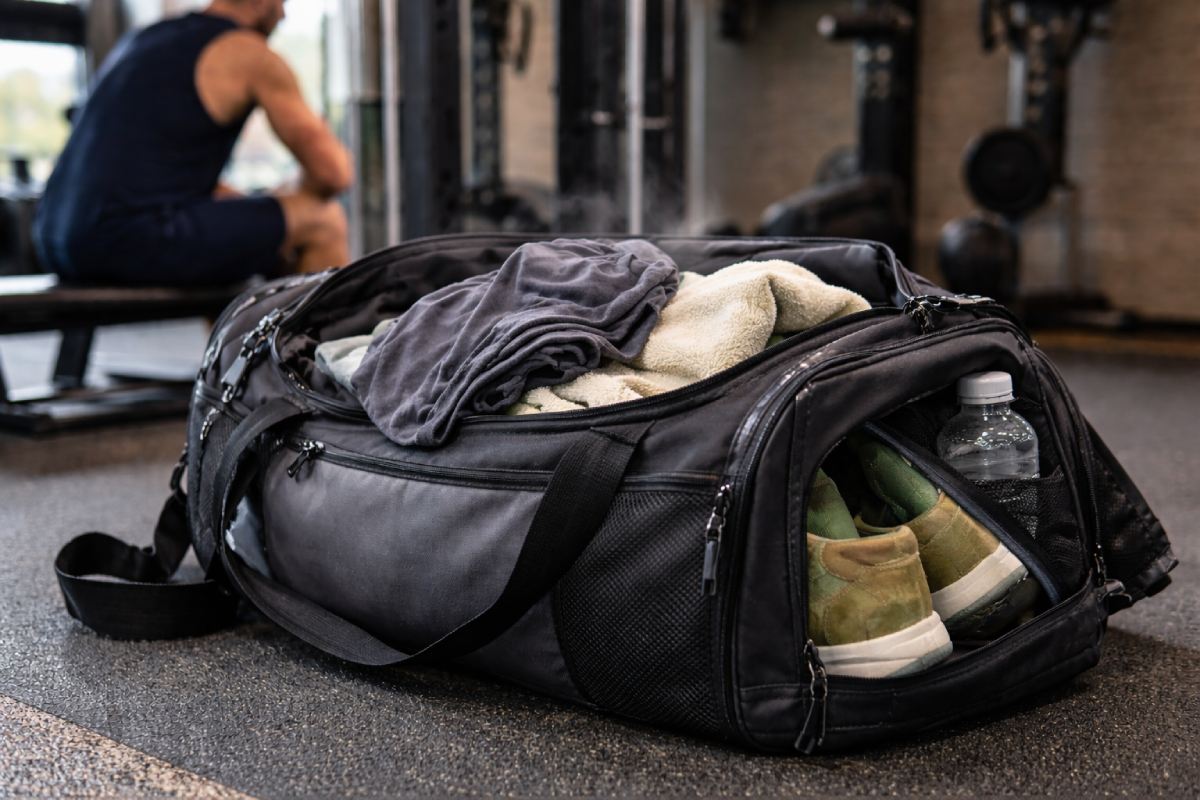
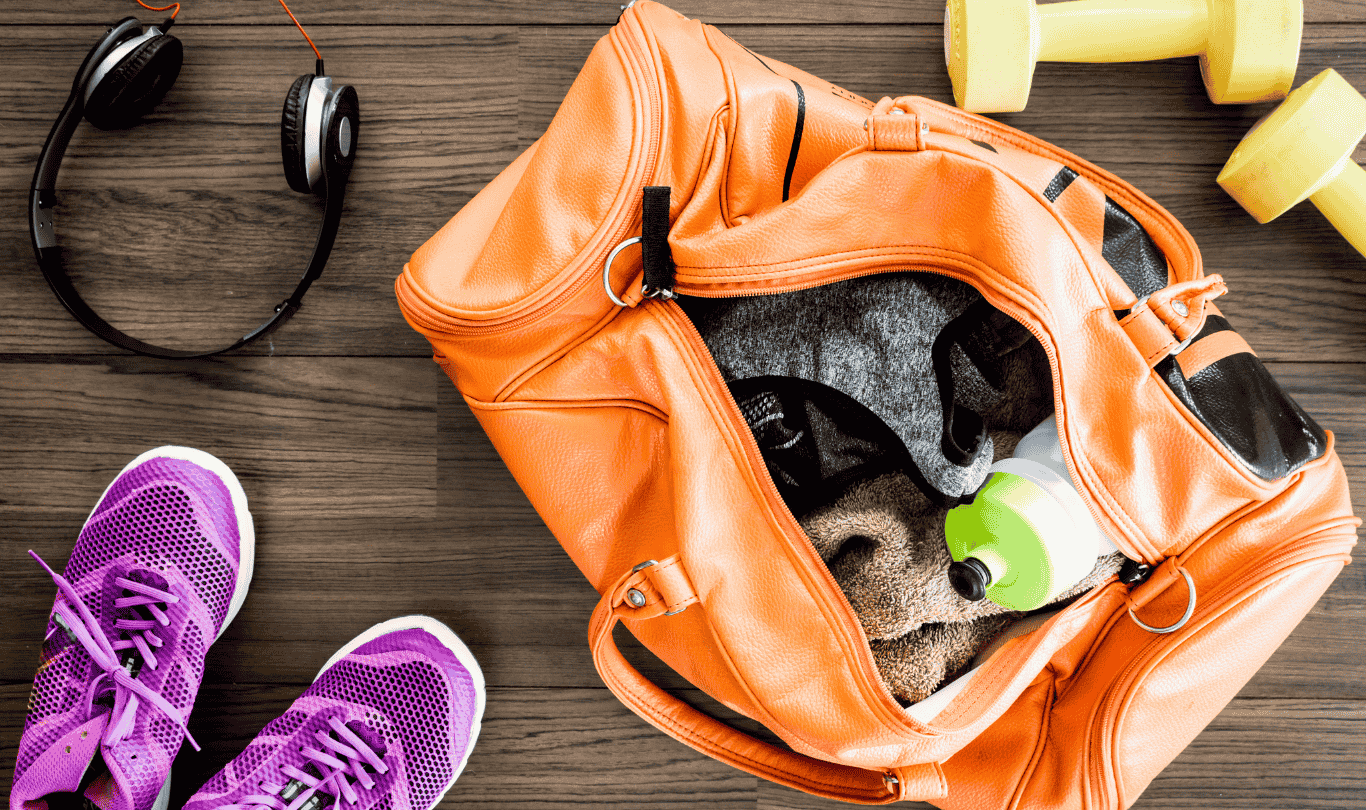
Прави сценарио у теретани који показује како влажна одећа, обућа и лоша вентилација доприносе мирису спортске торбе.
Зној, бактерије и влага: како се мирис заправо формира у спортским торбама
Људски зној садржи воду, соли и органска једињења. Сам по себи, зној не мирише. Мирис се формира када бактерије - пре свега Цоринебацтериум и Стапхилоцоццус врсте - разграђују ова једињења на испарљиве масне киселине.
Унутар а спортска торба, три услова убрзавају овај процес:
-
Задржавање влаге од влажне одеће или пешкира
-
Ограничен проток ваздуха који спречава испаравање
-
Високе температуре узроковане топлотом тела и условима околине
У контролисаним лабораторијским окружењима, влажне полиестерске тканине могу подржати прекорачење нивоа бактеријског раста 10⁶ ЦФУ по цм² у року од 24 сата. Када су те тканине затворене у спортску торбу, једињења мириса се акумулирају уместо да се распршују.
Због тога је мирис често најјачи не одмах након тренинга, већ 12-24 сата касније, када метаболизам бактерија достиже врхунац.
Зашто тренинг у теретани убрзава накупљање мириса у поређењу са повременом употребом
Теретана и спортски тренинг представљају већи ризик од непријатних мириса него свакодневно ношење из неколико разлога. Прво, одећа за тренинг се обично носи близу коже, упија зној у већим концентрацијама - често 0,5-1,0 литара на сат током умерених вежби.
Друго, корисници теретане имају тенденцију да брзо пакују торбе након тренинга, затварајући влагу изнутра. Чак и кратко одлагање од 20-30 минута пре сушења може значајно повећати интензитет мириса. Студије о формирању мириса везаних за влагу показују да сушење у току првог сата смањује задржавање мириса до 60% у поређењу са одложеним сушењем.
Коначно, поновљена употреба теретане ствара кумулативни ефекат. Свака сесија додаје преосталу влагу и бактерије, полако уграђујући мирис у шавове, облоге и структурне слојеве.
Краткорочни мирис наспрам дуготрајног уграђеног мириса: оно што већина корисника пропушта
Краткотрајни мирис је површински и реверзибилан. Долази од свежег зноја и често се може уклонити проветравањем или лаганим прањем. Дуготрајно уграђени мирис, међутим, настаје када се једињења мириса вежу за влакна тканине или материјале за пуњење.
Ова разлика објашњава зашто:
-
Ново спортске торбе мирише добро чак и након тешке употребе
-
Након 3-6 месеци, мирис се појављује изненада и остаје
-
Прање помаже накратко, али се мирис сваки пут враћа брже
Једном уклопљена, мирисна једињења захтевају дубинско чишћење, замена материјала или структурална вентилација да се реши — једноставни спрејеви за дезодорирање само привремено маскирају проблем.
Прави сценарији тренинга где мирис спортске торбе постаје озбиљан проблем
Разумевање формирања мириса је непотпуно без испитивања сценарије употребе у стварном свету. Спортске торбе не миришу изоловано; миришу због тога како и где се користе.
Дневни тренинг у теретани: одећа натопљена знојем и лоша циркулација ваздуха
Свакодневни корисници теретане суочавају се са највећим ризиком од непријатних мириса. Типична сесија у теретани производи између 0,3-0,8 кг губитка зноја, од чега већина завршава у одећи, пешкирима и ципелама.
Уобичајене навике погоршавају проблем:
-
Паковање мокре одеће непосредно након тренинга
-
Остављање кесе у гепеку аутомобила на 30–50°Ц
-
Поновна употреба истог одељка торбе за чисте и прљаве предмете
У таквим условима, влажност унутрашње вреће може премашити 80% неколико сати, стварајући идеалне услове за раст бактерија. Временом, чак и издржљиве спортске торбе почињу да развијају упоран мирис осим ако нису присутни системи за вентилацију или одвајање.
Тимски спортови и заједнички објекти: случајеви употребе фудбала, кошарке и рагбија
Тимски спортови доносе додатне изазове. Играчи често носе:
-
Одећа контаминирана блатом
-
Јако натопљена опрема после дугих мечева
-
Ципеле са влагом заробљеном у међуђону од пене
Тренинзи фудбала и рагбија често превазилазе 90 минута, повећавајући накупљање зноја. Заједничке свлачионице такође повећавају изложеност бактеријама, уводећи микробе који можда не потичу из сопствене коже корисника.
У овим окружењима спортске торбе без мокро-суво одвајање или прозрачне плоче имају тенденцију да развијају мирис брже - понекад у року од неколико недеља, а не месеци.
Путовања и тренинг на отвореном: влажност, киша и ограничени услови сушења
Обука на отвореном и путовања представљају ризик од непријатних мириса због изложености околини. Киша, влажност изнад 70%, а ограничен приступ постројењима за сушење значи да влага дуже остаје заробљена.
Сценарији путовања често укључују:
-
Паковање влажне опреме 8–24 сата
-
Ограничена вентилација током транзита
-
Поновљено отварање и затварање без сушења
Ови услови објашњавају зашто путници често наводе да спортске торбе лошије миришу након путовања него након редовне употребе теретане, чак и уз мање тренинга. 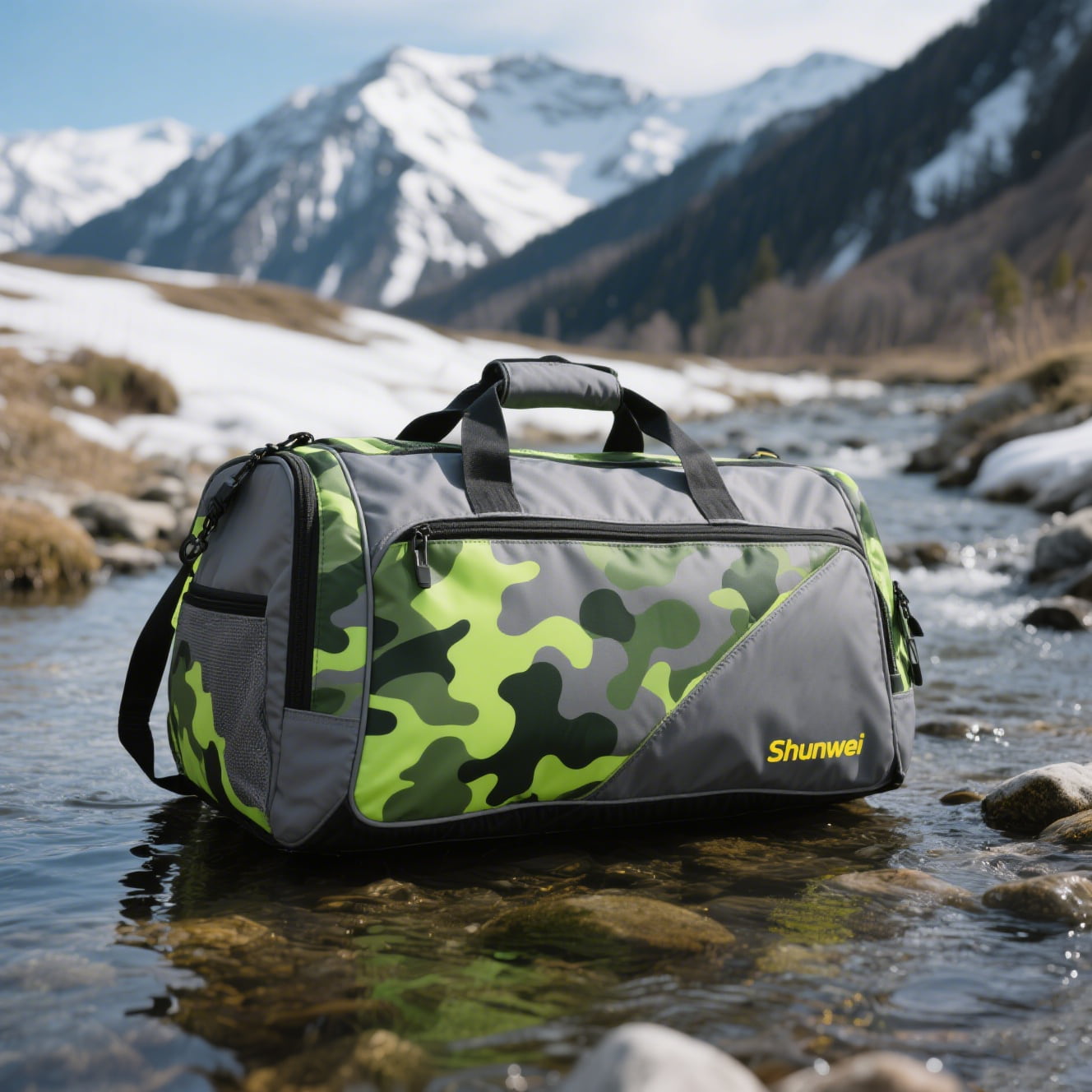
Како материјали одређују да ли ће спортска торба мирисати или остати свежа
Одабир материјала игра одлучујућу улогу у развоју мириса. Не понашају се све тканине за спортске торбе исто под утицајем влаге.
Тканине за спортске торбе од полиестера: задржавање влаге, брзина сушења и ризик од мириса
Полиестер је најчешћи материјал за спортске торбе због своје издржљивости и ниске цене. Међутим, стандардна полиестерска влакна су хидрофобна, што значи да одбијају воду, али задржавају влагу између влакана уместо да је равномерно апсорбују.
Ово доводи до два исхода:
-
Површина изгледа сува, док унутрашњи слојеви остају влажни
-
Једињења мириса се концентришу у шавовима и облогама
Брзина сушења увелико варира у зависности од густине ткања. Лагани полиестер може да се осуши 2–4 сата, док подстављене или ојачане полиестерске структуре могу задржати влагу за 12–24 сата.
Структуре мрежастих панела и прозрачне задње плоче: шта заправо функционише
Мрежасти панели побољшавају проток ваздуха, али ефикасност зависи од постављања. Спољашња мрежа која се не повезује са унутрашњим одељцима нуди ограничену превенцију мириса.
Ефикасни дизајни дозвољавају унакрсна вентилација, омогућавајући парама влаге да побегну из унутрашњости вреће уместо да циркулишу унутра. Прозрачне задње плоче такође помажу у смањењу преноса зноја са тела корисника на саму торбу.
Подстављени спортски ранчеви и лагане торбе за теретану: компромиси са мирисом
Паддед спортски ранчеви нуде удобност и стабилност оптерећења, али представљају ризик од непријатних мириса. Подлога од пене упија влагу и споро се суши, посебно у затвореним одељцима.
Лагане торбе за теретану се, насупрот томе, суше брже, али им недостаје структура и раздвајање, повећавајући контакт између мокрих и сувих предмета. Избор између њих укључује балансирање удобност, капацитет и хигијену него да се фокусира само на естетику.
Фактори структуралног дизајна који директно утичу на накупљање мириса у спортским торбама
Осим материјала, конструктивно пројектовање одређује да ли је влага заробљена или ослобођена. Две спортске торбе направљене од исте тканине могу да раде веома различито у зависности од тога како се ваздух, топлота и влажни предмети крећу унутар торбе.
Мирис ретко изазива једна грешка у дизајну. Обично је то комбиновани ефекат распореда одељења, путева протока ваздуха и система затварања.
Распоред преграда: Зашто једнокоморне кесе брже миришу
Спортске торбе са једним преградом стварају окружење затворене петље. Мокра одећа, обућа, пешкири и додаци деле исти ваздушни простор. Како влага испарава, она нема где да побегне и уместо тога се поново кондензује на унутрашњим површинама.
Измерена унутрашња влажност у врећама са једним преградом често остаје изнад 70% за 6-10 сати после тренинга. На овом нивоу, раст бактерија и стварање мириса су неизбежни.
Распореди са више преграда смањују овај ефекат:
-
Физичко одвајање мокрих и сувих предмета
-
Смањење укупног оптерећења влаге по одељку
-
Омогућавање селективне вентилације
Чак и једноставна преграда може смањити интензитет мириса 30–45% вишекратну употребу у поређењу са потпуно отвореном унутрашњошћу.
Системи за одвајање мокро-суво: шта заправо спречава мирис (а шта не)
Одвајање мокро-суво је једна од најнесхваћенијих карактеристика спортских торби. Не функционишу сви „одвојени одељци“ на исти начин.
Ефикасно одвајање мокро-суво захтева:
-
Облога отпорна на влагу која спречава цурење
-
Ограничен, али контролисан проток ваздуха да би се омогућило испаравање
-
Лак приступ за сушење након употребе
Лоше дизајнирани мокри одељци делују као затворени контејнери. Они спречавају ширење влаге али задржава влажност на скоро 100%, убрзавајући раст бактерија.
Најефикаснији системи балансирају изолацију са вентилацијом, дозвољавајући влажној пари да изађе, док задржава течности.
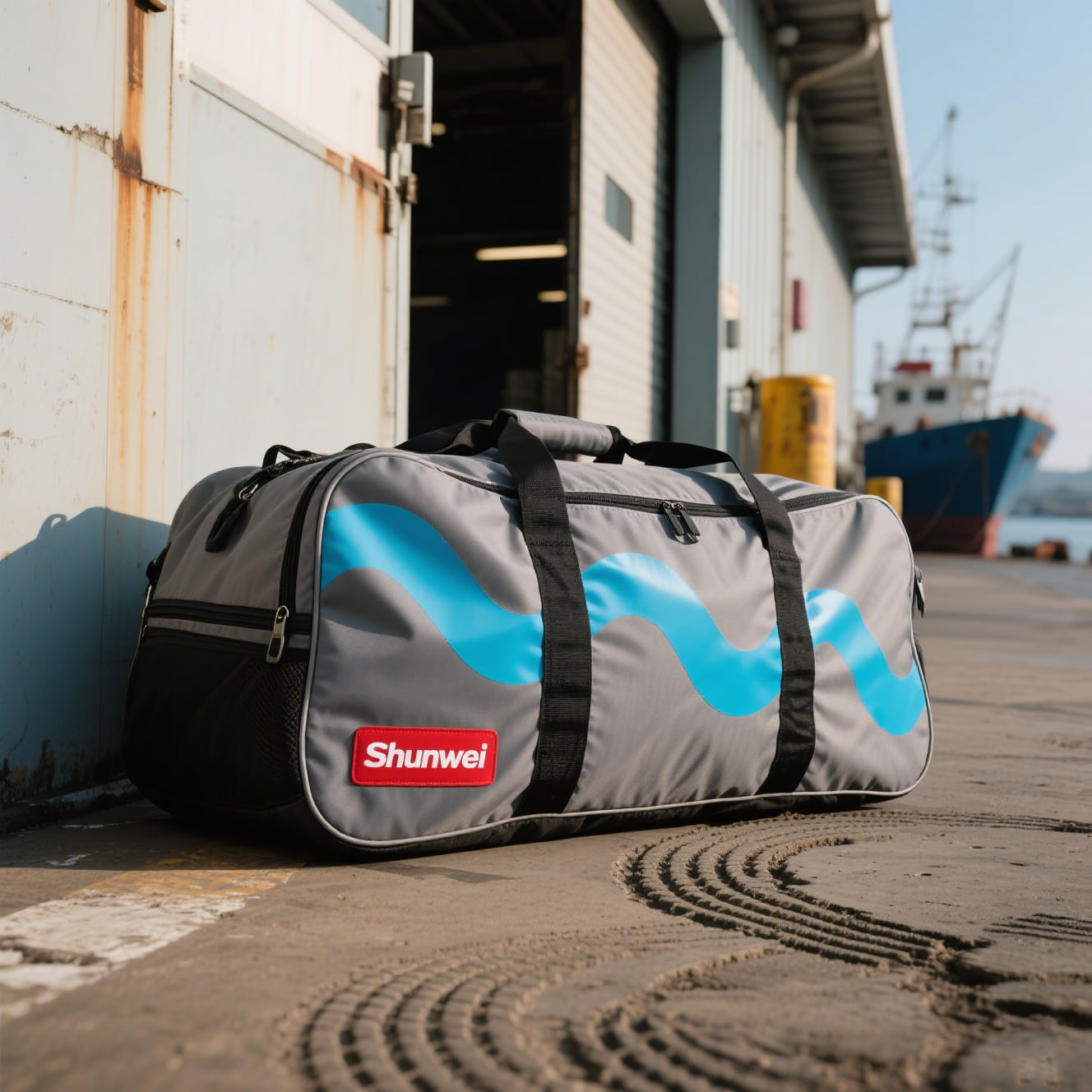
Торба за фитнес за суво и мокро одвајање
Врсте затварача и затварачи: скривене замке мириса које већина купаца игнорише
Затварачи утичу на мирис више него што већина корисника схвата. Потпуно запечаћени водоотпорни патентни затварачи штите од кише, али и од кише закључати влагу унутра после тренинга.
Стандардни рајсфершлуси омогућавају минималан проток ваздуха кроз шавове, што може помоћи у сушењу ако се комбинује са прозрачним материјалима. Временом, запечаћени затварачи без приступа за сушење повећавају постојаност мириса.
Због тога су спортске торбе дизајниране за спољна хидроизолација захтевају намерне рутине сушења након употребе да би остали без мириса.
Научни поглед: Бактерије, време и окружење у спортским торбама
Мирис није субјективан - прати биолошка и хемијска правила. Разумевање ових правила објашњава зашто неке торбе брзо миришу, док друге остају неутралне годинама.
Како се бактерије размножавају у влажним спортским торбама
Раст бактерија прати експоненцијалне криве. У топлим, влажним условима који се обично налазе у спортским торбама:
-
Почетно присуство бактерија: ~10³ ЦФУ/цм²
-
После 6 сати: ~10⁴–10⁵ ЦФУ/цм²
-
После 24 сата: >10⁶ ЦФУ/цм²
У овим концентрацијама, испарљива једињења која изазивају мирис постају видљива људском носу.
Температура игра главну улогу. Торбе ускладиштене у околини изнад Ночьу 30°Ц виде знатно брже формирање мириса од оних који се држе испод 20°Ц.
Апсорпција мириса наспрам контаминације површине: Зашто само прање често не успе
Површинска контаминација утиче на уклоњиве предмете попут одеће. Апсорпција мириса утиче на саму врећу.
Молекули мириса се везују за:
Када се једном апсорбују, ови молекули се не уклањају у потпуности стандардним прањем. Чак и индустријски детерџенти смањују једињења мириса 40–60%, не 100%.
Ово објашњава зашто неке кесе миришу „чисто“ када су празне, али имају мирис одмах када се поново користе.
Време као критични фактор: Зашто је одложено сушење највећа грешка
Време појачава све механизме мириса. Први 60 минута након тренинга су критични.
Опрема за сушење у року од једног сата смањује дуготрајно накупљање мириса за више од 50% у поређењу са сушењем након четири сата. Остављање предмета преко ноћи готово гарантује трајно стварање мириса.
Ово чини понашање при сушењу важнијим од дезодорирања производа.
Зашто се неке спортске торбе рекламирају као „против мириса“ - и шта то заиста значи
„Против мириса“ је маркетиншки термин, а не гаранција. Разумевање на шта се заправо односи помаже купцима да избегну разочарење.
Антимикробни премази: ефикасност и границе у стварном свету
Антимикробни третмани успоравају раст бактерија, али га не елиминишу. Већина премаза смањује активност бактерија 60–90% у лабораторијским условима, али перформансе опадају са поновљеним прањем и хабањем.
Најефикаснији су као превентивне мере, а не решења за постојећи мирис.
Активни угаљ и облоге које упијају мирисе: када помажу
Активни угаљ апсорбује молекуле мириса физички, а не биолошки. Ово добро функционише за благе, краткотрајне мирисе, али се временом засићује.
Једном засићене, угљеничне облоге престају да функционишу осим ако се не регенеришу или замене.
Шта „против мириса“ не поправља
Ниједан третман не може да превазиђе:
Дизајн и понашање корисника увек надмашују хемијске третмане у дугорочној контроли мириса.
Проверени начини за спречавање мириса спортске торбе засновани на обрасцима стварне употребе
Спречавање мириса је око процес, а не производи. Мале промене навика имају мерљив утицај.
Непосредне навике после тренинга које смањују мирис за преко 60%
Ефикасне навике укључују:
-
Уклањање мокре одеће у року од 30 минута
-
Потпуно отварање преграда током транспорта
-
Кесе за сушење на ваздуху након сваке сесије
Сами ови кораци драматично смањују дуготрајну појаву мириса.
Недељне рутине чишћења које заиста функционишу
Лагано чишћење једном недељно спречава појаву непријатних мириса. Фокусирај се на:
Потпуно прање је ретко потребно ако се одржава редовно сушење.
Услови складиштења који дуготрајно одржавају кесе свеже
Идеални услови складиштења:
Избегавајте затворене ормаре или гепеке аутомобила кад год је то могуће.
Трендови у индустрији и прописи који утичу на дизајн спортских торби отпорних на мирисе
Дизајн спортске торбе развија се као одговор на бриге о хигијени и регулаторни притисак.
Све већа потражња за прозрачним и модуларним дизајном спортских торби
Потрошачи све више дају приоритет хигијени. Брендови одговарају са:
Ове карактеристике су усклађене са дуготрајном контролом мириса, а не са краткорочном свежином.
Регулаторна пажња о хемијским третманима и безбедности у контакту са кожом
Неки антимикробни агенси су подвргнути контроли због ризика од контакта са кожом. Прописи све више фаворизују механичка решења попут протока ваздуха и раздвајања преко хемијских премаза.
Овај тренд наговештава будуће спортове торбе ће се више ослањати на дизајн интелигенције од површинских третмана.
Контролна листа за куповину: Како одабрати спортску торбу која неће мирисати током времена
Ако је превенција мириса приоритет, изаберите прави спортска торба захтева више од избора популарног стила или бренд. То је а одлука на нивоу система укључујући материјале, структуру и усклађивање употребе у стварном свету.
Прво, процените сценарио примарне обуке. Рутина само у теретани са климатизованим складиштем поставља различите захтеве за торбу од тренинга фудбала на отвореном или рагбија у влажним условима. Торбе које се користе у окружењима за свакодневну обуку са више сесија треба да дају приоритет вентилацији и раздвајању мокро-суво у односу на компактност.
Друго, испитајте спецификације материјала, не само етикете. Потражите спољне тканине са апсорпцијом влаге испод 5% тежине и облоге које одржавају структурни интегритет након поновљених циклуса сушења. Подлога треба да буде прозрачна, а не заптивена пена. Ако се користе антимикробни третмани, они би требало да допуњују - а не замењују - вентилацију.
Треће, анализирајте структурални путеви струјања ваздуха. Добро дизајнирана спортска торба омогућава размену ваздуха чак и када је затворена. Мрежасти панели, индиректни вентилациони канали или полуотворене структуре шавова драматично смањују унутрашњу акумулацију влаге. Потпуно затворена унутрашњост, иако је визуелно чиста, ретко је дуготрајно отпорна на мирисе.
Четврто, процените практичност одржавања. Најбоља торба отпорна на мирисе је она која се лако може осушити, очистити и прегледати. Уклоњиви улошци, приступачни одељци и тканине које се брзо суши су важније од сложених тврдњи против мириса.
Коначно, размислите дугорочно власничко понашање. Ако ваша рутина укључује одложено распакивање, складиштење возила или активности које се јако зноје, дајте предност дизајну над изгледом. Превенција мириса је кумулативна; права торба смањује ризик сваки дан када се користи.
Закључак: Зашто је мирис спортске торбе проблем дизајна и употребе, а не мистерија
Мирис спортске торбе није узрокован занемаривањем или лошом срећом. То је предвидљиви резултат влага, бактерије, време и затвореност интеракцију унутар скученог простора.
Кроз науку о материјалима, структурну анализу и стварне сценарије обуке, постаје јасно да превенција мириса много више зависи од логика вентилације, стратегија одељења и навике после тренинга него на спрејеве или додатке за дезодорирање.
Модерне спортске торбе које се ефикасно одупиру мирисима дизајниране су на основу протока ваздуха, одвајања и ефикасности сушења - не само због естетике. Када се комбинују са информисаним понашањем при коришћењу, ови дизајни драматично смањују накупљање мириса, продужавају животни век производа и побољшавају хигијену.
Одабир праве спортске торбе, стога, није у томе да једном избегнете мирис – већ о томе потпуно спречава стварање мириса кроз паметнији дизајн и дисциплиновану употребу.
ФАК
1. Зашто моја спортска торба мирише чак и након прања?
Спортске торбе често задржавају мирис јер се бактерије и једињења која изазивају мирис упијају у облоге, шавове и унутрашње облоге. Прање уклања површинску контаминацију, али не елиминише у потпуности уграђене молекуле мириса, посебно ако кеса није потпуно осушена након тога.
2. Колико времена треба да спортска торба почне да мирише?
У топлим и влажним условима, приметан мирис се може развити у року од 6 до 24 сата након складиштења мокре опреме. Одложено сушење значајно убрзава раст бактерија и стварање мириса.
3. Да ли су спортске торбе против мириса заиста ефикасне?
Спортске торбе против мириса успоравају раст бактерија, али не заустављају мирис у потпуности. Њихова ефикасност зависи од протока ваздуха, контроле влаге и навика корисника. Без правилног сушења, чак и кесе против мириса ће на крају заударати.
4. Који је најбољи начин за спречавање свакодневног мириса спортске торбе?
Најефикаснији метод је уклањање мокрих предмета у року од 30-60 минута након тренинга, отварање преграда како би се омогућио проток ваздуха и сушење торбе на ваздуху након сваке употребе. Конзистентност је важнија од производа за чишћење.
5. Да ли је спортски ранац или торба бољи за превенцију мириса?
Спортски ранчеви са структурираном вентилацијом и одвојеним преградама обично боље управљају мирисима од торби са једним преградом. Међутим, квалитет дизајна је важнији од самог типа торбе.
Референце
-
Раст микроба у окружењу за складиштење атлетске опреме — Ј. Смитх, Спортс Хигиене Јоурнал, Међународно удружење за спортску науку
-
Задржавање влаге и пролиферација бактерија у синтетичким тканинама — Л. Чен, Институт за текстилна истраживања
-
Механизми формирања мириса у затвореним системима тканине — Р. Пател, Јоурнал оф Апплиед Мицробиологи
-
Принципи дизајна вентилације у спортској опреми — М. Андерссон, Сцандинавиан Десигн Цоунцил
-
Антимикробни третмани текстила: ефикасност и ограничења — К. Робинсон, Одбор за безбедност материјала
-
Прагови детекције мириса код људи за испарљива једињења — Т. Виллиамс, Сенсори Сциенце Ревиев
-
Потрошачки трендови у свести о хигијени спортске опреме — Извештај Делоитте спортске индустрије
-
Регулаторна разматрања за антимикробне потрошачке производе — Технички преглед Европске агенције за хемикалије
Семантички увид: зашто спортске торбе миришу - и како дизајн, материјали и навике заустављају мирис на извору
Како се мирис заправо ствара у спортским торбама?
Мирис се формира када влажна одећа и пешкири стварају микроокружење високе влажности где бактерије разлажу једињења зноја у испарљиве киселине. У затвореним одељцима, ова једињења се акумулирају и могу да се апсорбују у влакна тканине, подставу од пене и траку за шавове. Зато торба може мирисати „чисто“ када је празна, али брзо развија мирис након следећег тренинга.
Зашто неке торбе миришу чак и након прања?
Прање често уклања површинску контаминацију, али не и уграђене молекуле мириса заробљене у подлози и шавовима. Ако кеса није потпуно осушена након чишћења, преостала влага поново покреће раст бактерија. За упоран мирис, приступ сушењу и унутрашњи проток ваздуха су важни као и детерџенти.
Који материјали и структуре највише смањују ризик од мириса?
Спољне тканине које се брзо суши, унутрашње зоне које могу да дишу и мрежасти путеви који омогућавају унакрсну вентилацију помажу у смањењу унутрашње влажности. Одвајање мокро-суво такође смањује мирис спречавајући влажну опрему да „дели ваздушни простор“ са чистим предметима. Удобна подлога може представљати ризик од мириса ако је запечаћена пена која се споро суши, тако да су системи задњег панела који могу да прозрачне обично временом стабилнији на мирис.
Које опције додају стварну вредност, а које су углавном маркетиншке?
Практичне карактеристике укључују преграде за мокро-суво, приступачне унутрашњости за сушење и вентилационе зоне усклађене са местима где се скупља влага. Премази против мириса могу смањити активност бактерија у идеалним условима, али не могу да превазиђу поновљено одложено распакивање или запечаћене одељке који задржавају влагу. У стварним рутинама тренинга, проток ваздуха и брзина сушења дају највећу дугорочну корист.
Која дневна рутина спречава непријатан мирис, а да одржавање не претвори у посао?
Најједноставнија рутина са великим утицајем је уклањање мокрих предмета у року од 30-60 минута, отварање преграда за ослобађање влаге током транспорта и сушење торбе на ваздуху након сваке сесије. Кратко седмично брисање шавова и подручја са високим контактом спречава појаву мириса. Конзистентност превазилази повремено дубинско чишћење.
Како индустријски трендови и прописи обликују дизајн за контролу мириса?
Потражња се помера ка спортским торбама усмереним на хигијену: модуларни одељци, прозрачне структуре и облоге које се лако чисте. У исто време, испитивање безбедности потрошача у вези са антимикробним адитивима подстиче брендове да се више ослањају на механичка решења (вентилација и одвајање) уместо на тешке хемијске третмане, посебно за производе са честим контактом са кожом.