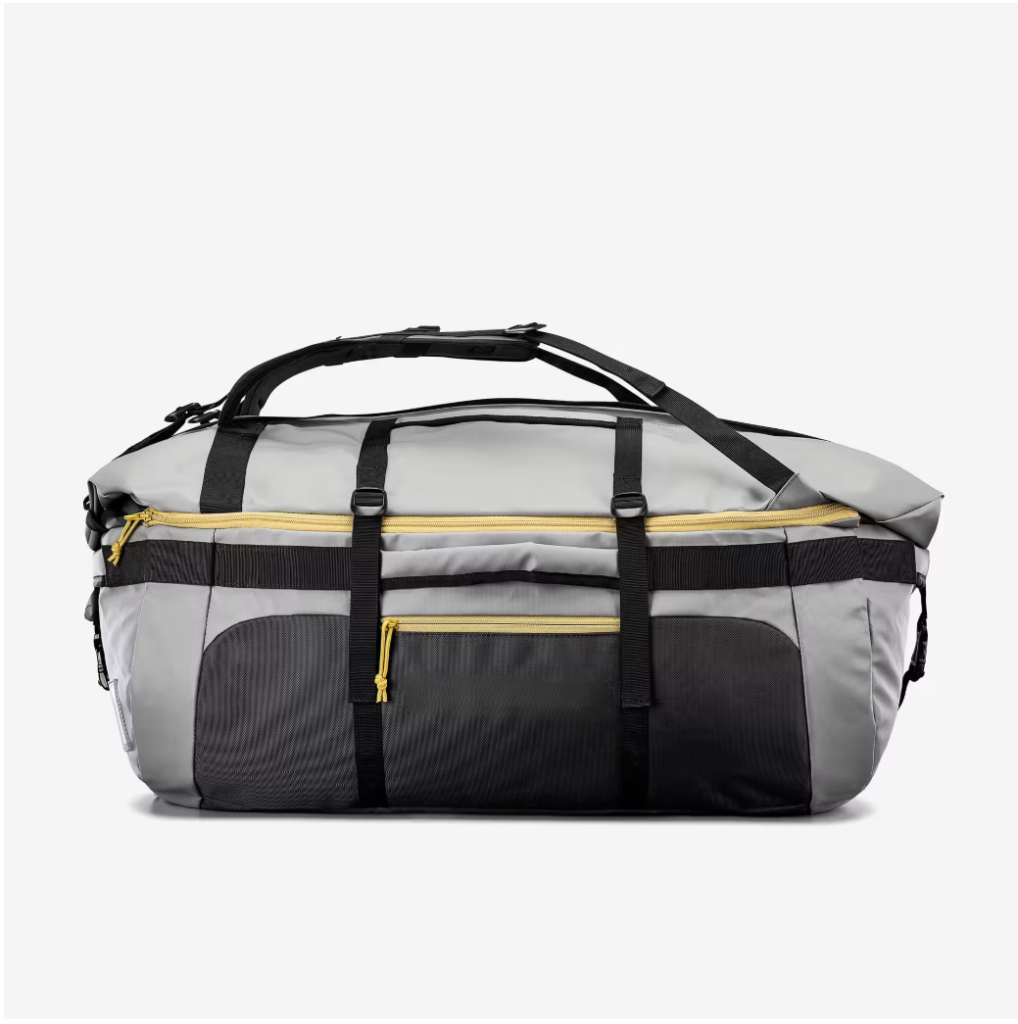
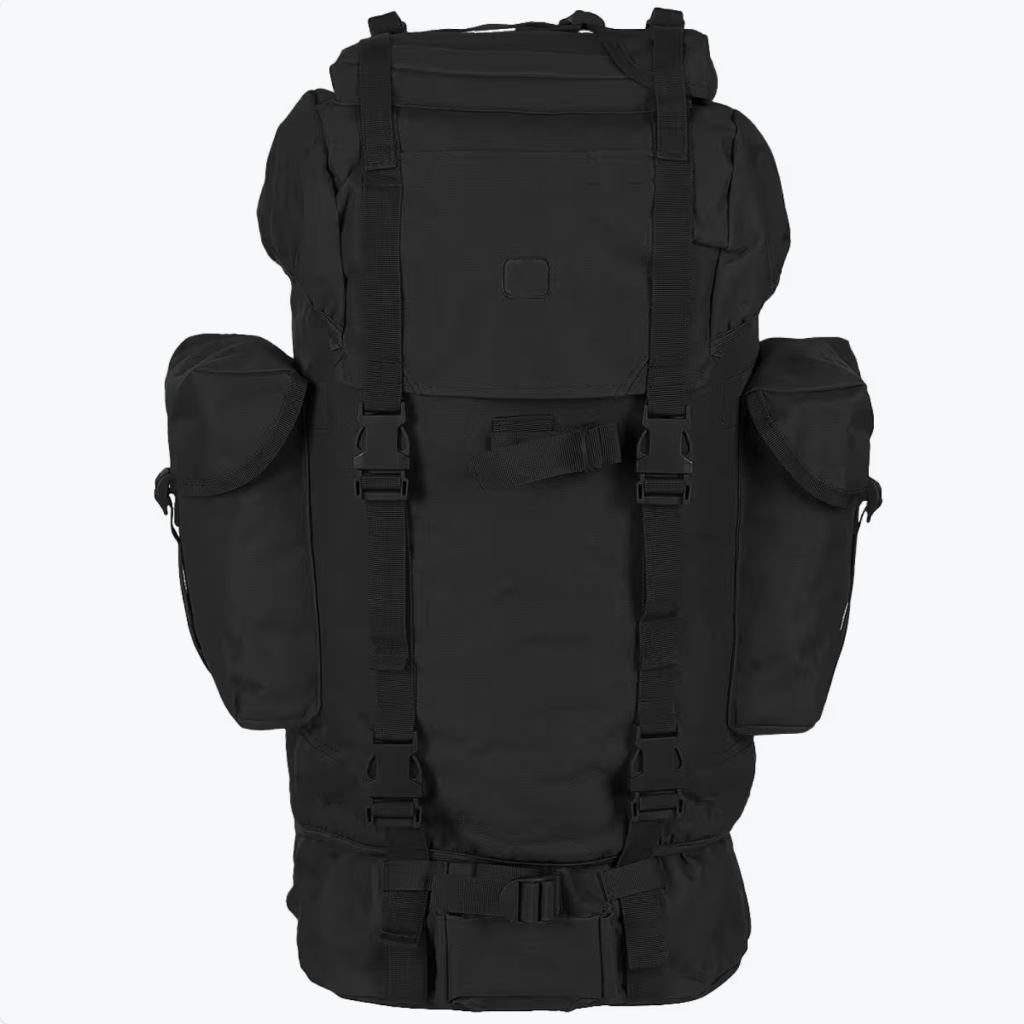
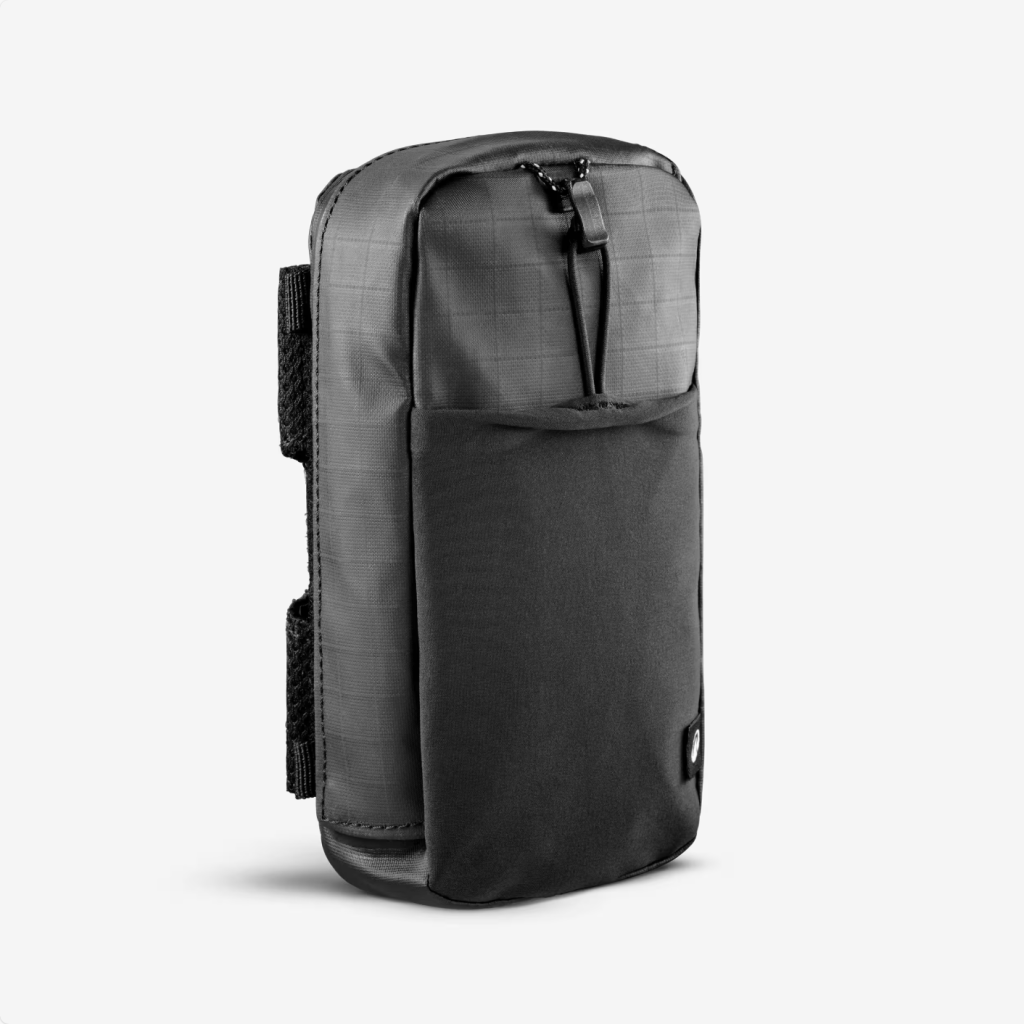
Кратак резиме: Ова страница је направљена за Б2Б купце који траже поузданог добављача торби за бицикле за ОЕМ, велепродајне и прилагођене пројекте. Објашњава које торбе за бицикле се могу испоручити у великом обиму, како се управља прилагођавањем за масовну производњу, како материјали и конструкција утичу на издржљивост и како се контролишу МОК, време испоруке и конзистентност серије за дугорочну сарадњу.
Као професионалац добављач торби за бицикле, радимо са глобалним брендовима, дистрибутерима и купцима пројеката којима је потребно више од краткорочног решења за набавку. Наша улога није ограничена на производњу производа; фокусирамо се на испоруку стабилног снабдевања, функционалног прилагођавања и дугорочне конзистентности производње у више категорија торби за бицикле.
Подржавамо ОЕМ, велепродају и прилагођена торба за бицикл пројекти за клијенте који раде на путовању на посао, обиласку, бициклистичком паковању и комуналним тржиштима. Од развоја производа у раној фази до поновљених масовних поруџбина, наш модел снабдевања је дизајниран да помогне купцима да поуздано скалирају уз одржавање доследности квалитета и предвидљивих распореда испоруке.
Осим што се такмичимо само у ценама за једну наруџбу, ми се позиционирамо као производни партнер који разуме како торбе за бицикле перформансе у стварним условима вожње и како одлуке о снабдевању утичу на дугорочни раст бренда.
Које торбе за бицикле испоручујемо
Панниер торбе за свакодневна путовања и путовања
Као добављач торби за бицикле који опслужује европска и урбана тржишта, панниер багс се обично користе за свакодневна путовања и путовања на велике удаљености. Купци у овом сегменту дају приоритет стабилности монтаже, уравнотеженој расподели оптерећења и издржљивости при честој употреби. Наше Снабдевање торбама се фокусира на ојачане системе причвршћивања, материјали отпорни на хабање и структуре погодне за поновљене циклусе утовара и истовара.
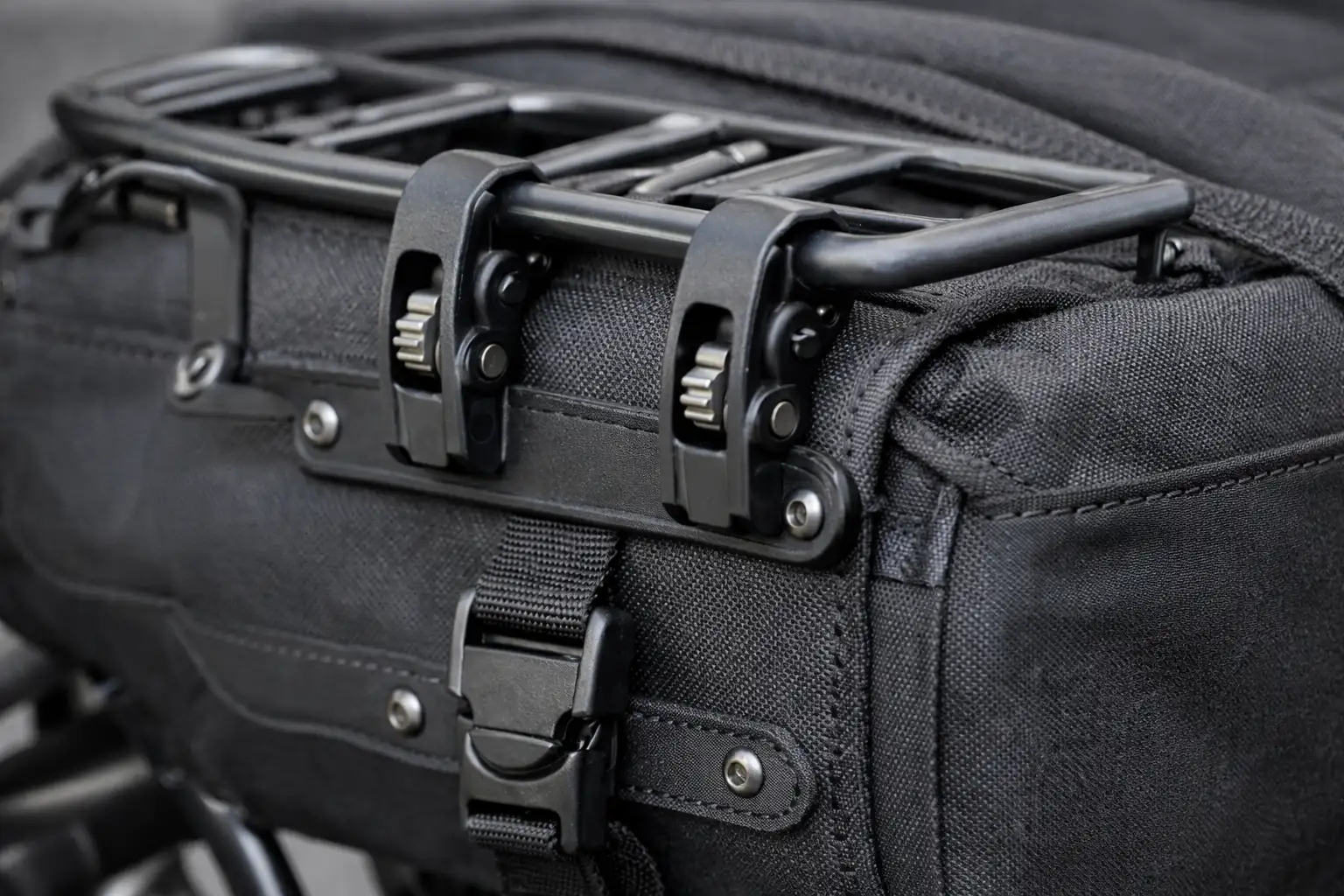
Појачана монтажа и детаљ конструкције са високим оптерећењем за издржљиве ОЕМ торбе за бицикле
Управљач и торбе за паковање бицикла за брендове на отвореном
За брендове оријентисане на отвореном и авантуру, испоручујемо торбе за управљач и торбе за бициклизам дизајниране за вожњу по шљунку, путовања на велике удаљености и услове мешовитог терена. Ови производи наглашавају лагану конструкцију у комбинацији са отпорношћу на временске услове и отпорност на вибрације. Разматрања у вези са снабдевањем често укључују модуларне структуре, затвараче на ролл-топ и компатибилност са различитим конфигурацијама управљача.
Рам, седла и помоћне торбе за расуту дистрибуцију
Такође производимо торбе са оквирима, торбе за седла и компактне торбе које често набављају велетрговци и дистрибутери. Ови производи су често у пакету са бициклима, компонентама или прибором и стога захтевају стандардизовану величину, доследну конструкцију и поуздану поновљивост у свим производним серијама.
Прилагођене торбе за бицикле за пројекте специфичне за апликације
Поред стандардних категорија, подржавамо прилагођена торба за бицикл пројекти развијени за специфичне апликације као што су услуге испоруке, промотивне кампање или навике вожње специфичне за тржиште. Ови пројекти често укључују јединствене захтеве за капацитетом, ојачане структуре или специјализоване системе за монтажу који се разликују од стандардних малопродајних дизајна.
Могућности производње торби за бицикле по мери
ОЕМ вс ОДМ модели у производњи торби за бицикле
Наше производне могућности фокусиране на ОЕМ дизајниране су да подрже скалабилну, поновљиву производњу, а не једнократно прилагођавање. Радимо са купцима да бисмо утврдили да ли је ОЕМ или ОДМ модел сарадње најбоље усклађен са њиховим интерним дизајнерским ресурсима, позиционирањем на тржишту и дугорочном стратегијом снабдевања.
Процена опција прилагођавања за скалабилну производњу
Прилагођавање обично укључује димензије торбе, распоред унутрашњег преграда, избор материјала, монтажне структуре, системе за затварање и интеграцију бренда. Међутим, нису сви избори прилагођавања погодни за масовну производњу. Одређени елементи дизајна могу повећати сложеност производње, утицати на трајност или увести варијабилност између серија. Пружамо смернице како бисмо помогли купцима да избегну одлуке о прилагођавању које изгледају привлачно у фази прототипа, али стварају изазове у масовној производњи.
Скалирање од прототипа до стабилне масовне производње
Кључни део наше улоге као а торба за бицикл добављач осигурава да се одобрени узорци тачно преведу у масовну производњу. Стандардизацијом материјала, метода конструкције и мерила квалитета, помажемо купцима да пређу од развоја прототипа до стабилног масовног снабдевања без угрожавања доследности.
Стандарди за материјале, издржљивост и перформансе
Избор материјала на основу услова вожње
Избор материјала се оцењује на основу функционалних перформанси, а не визуелне привлачности. Кључна разматрања укључују отпорност на хабање, водоодбојност, излагање УВ зрачењу, чврстоћу шава и дугорочну структурну стабилност. Торбе намењене за свакодневна путовања морају да издрже често руковање, док су торбе за бициклизам и путовања дизајниране да издрже вибрације, временске промене и продужено трајање вожње.
Шивање, ојачање и носеће конструкције
Осим избора тканине, методе конструкције као што су густина шавова, тачке појачања и носиви шавови играју кључну улогу у издржљивости. Ови елементи су интегрисани у наше стандарде производње како бисмо то осигурали торбе за бицикле одржавају своју структуру и перформансе током целог радног века.
Клима, изложеност временским приликама и дуготрајно ношење
Различита тржишта стављају различит нагласак на перформансе материјала. Купци који су фокусирани на град често дају приоритет издржљивости и лакоћи одржавања, док брендови на отвореном наглашавају оптимизацију тежине и отпорност на временске услове. Наше одлуке о материјалу и конструкцији одражавају ове разлике како бисмо осигурали да производи раде поуздано у стварним условима.
МОК, време испоруке и стабилност набавке
МОК логика за нове пројекте и поновљене поруџбине
Наша МОК структура је дизајнирана да подржи лансирање нових производа и дугорочну сарадњу. Уместо да се фокусира на фиксне количине, МОК логика је заснована на ефикасности извора материјала, планирању производње и потенцијалу партнерства, омогућавајући глаткији прелазак са пробних поруџбина на поновну производњу.
Фактори времена испоруке у прилагођеним поруџбинама торби за бицикле
На време испоруке утичу сложеност прилагођавања, доступност материјала и обим поруџбине. Јасна комуникација у раној фази помаже у спречавању кашњења и обезбеђује реалне временске рокове производње усклађене са очекивањима купаца.
Обезбеђивање конзистентности од серије до серије у расутом стању
Наглашавамо предвидљиве распореде испоруке и доследност од серије до серије, обезбеђујући да се масовно произведени артикли подударају са одобреним узорцима у конструкцији, материјалима и перформансама. Овај приступ смањује ризик за купце који управљају залихама и лансирањем на тржиште.
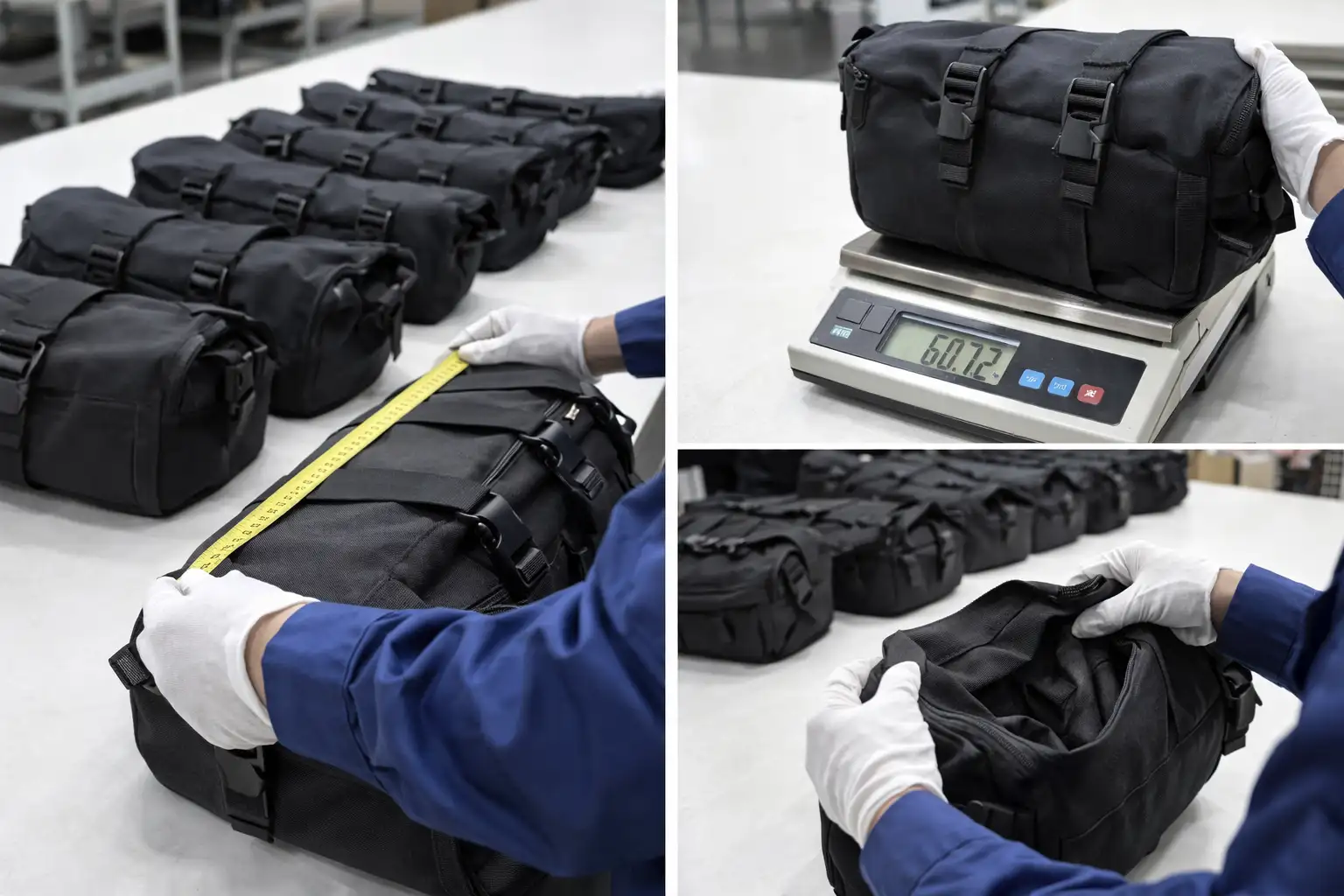
Стандардизована контрола контроле квалитета помаже у усклађивању масовне производње са одобреним узорцима и смањује варијације серије.
Дугорочно планирање набавке за пројекте торби за бицикле
Изазови који се појављују након почетне производње
Многи проблеми са изворима се појављују након почетне поруџбине, када се добављачи боре да одрже конзистентност материјала, стандарде израде или поузданост испоруке. Наш модел снабдевања је дизајниран да спречи ове проблеме документовањем производних процеса и одржавањем стабилних спецификација.
Подршка проширењу производне линије и расту тржишта
Подржавамо купце који проширују своје производне линије или улазе на нова тржишта прилагођавањем постојећег дизајна, а не поновним покретањем развоја од нуле. Овај континуитет скраћује време испоруке, смањује трошкове развоја и чува идентитет производа у свим колекцијама.
Уобичајене грешке при избору добављача торби за бицикл
Давање приоритета јединичној цени над квалитетом изградње
Фокусирање искључиво на јединичну цену често доводи до виших дугорочних трошкова због кварова производа, поврата или прекида у снабдевању. Квалитет изградње и перформансе материјала су критични фактори евалуације за одрживи извор.
Одобрење узорка без стандардизације производње
Без стандардизованих производних процеса, рани узорци можда неће тачно представљати масовну производњу. Јасне спецификације и контрола процеса су од суштинског значаја да би се избегла недоследност између узорака и масовних поруџбина.
Игнорисање стварних сценарија вожње у одлукама о дизајну
Дизајни који добро раде у контролисаним окружењима могу покварити при свакодневној употреби, вибрацијама или изложености временским приликама. Разумевање услова вожње у стварном свету је од суштинског значаја за успех торба за бицикл развој.
Зашто глобални купци раде са нама као добављач торби за бицикле
Искуство у производњи у ОЕМ пројектима торби за бицикле
Глобални купци раде са нама због нашег искуства у подршци ОЕМ-у и велепродаји торба за бицикл пројекте на више тржишта. Предвиђамо изазове у производњи и водимо дизајнерске одлуке на основу производне стварности.
Комуникација, планирање и дугорочна сарадња
Јасна комуникација и реално планирање нам омогућавају да подржимо дугорочну сарадњу, а не краткорочне трансакције. Купци имају користи од стабилних односа снабдевања изграђених на транспарентности и доследности.
Фокусирајте се на поузданост снабдевања, а не на краткорочне цене
Наш приступ оријентисан на партнерство наглашава поузданост снабдевања и дугорочне перформансе, а не краткорочну конкуренцију трошкова, помажући купцима да изграде одрживе линије производа.
ФАК
Да ли подржавате производњу ОЕМ торби за бицикле?
Да. Подржавамо ОЕМ пројекте укључујући прилагођавање структуре, избор материјала и интеграцију брендирања за масовну производњу.
Како обезбеђујете доследност квалитета у великим поруџбинама?
Пратимо стандардизоване производне процесе и одобрене спецификације материјала како бисмо обезбедили доследност између узорака и масовне производње.
Можете ли да испоручите више врста торби за бицикле у једној наруџбини?
Да. Многи купци комбинују торбе, торбе за управљач и торбе за додатну опрему у оквиру једног плана производње.
Који фактори утичу на време испоруке прилагођених торби за бицикле?
Време испоруке зависи од сложености прилагођавања, извора материјала и обима поруџбине, а не само од дизајна.
Да ли је ваш модел снабдевања погодан за дугорочну сарадњу?
Наше планирање производње и капацитети су дизајнирани да подрже поновљене поруџбине и стална партнерства у снабдевању.
Спремни да разговарате о пројекту торбе за бицикл?
Ако тражите а поуздан добављач торби за бицикле за ОЕМ, велепродајне или прилагођене пројекте, поздрављамо вас да поделите своје захтеве. Наш тим ће прегледати вашу пријаву и саветовати о најпрактичнијем приступу производњи и снабдевању за ваше циљно тржиште.
Референце
1. ИСО 4210 (Бицикли — Безбедносни захтеви) — Технички комитет ИСО/ТЦ 149, Међународна организација за стандардизацију (ИСО).
2. Управљање ризиком у ланцу снабдевања: Компилација најбољих пракси — Светски економски форум, Глобал Рискс & Суппли Цхаин Инитиативес.
3. Системи управљања квалитетом — Захтеви (ИСО 9001) — Међународна организација за стандардизацију (ИСО).
4. Стандардне методе испитивања за пресвучене тканине — АСТМ комитет Д13, АСТМ Интернатионал.
5. Текстил на отвореном: перформансе, издржљивост и конструкција — Уреднички и технички тим, Тектиле Ворлд Магазине.
6. Растућа бициклистичка економија и потражња за прибором — Истраживачки тим, Европска бициклистичка федерација (ЕЦФ).
7. Управљање квалитетом производа у глобалним ланцима снабдевања — Публикације факултета, МИТ Центар за транспорт и логистику (МИТ ЦТЛ).
8. Оперативна изврсност у производњи робе широке потрошње — Оперативна пракса, МцКинсеи & Цомпани.
Блок увида у семантичко затварање
Шта ова страница одговара (за купце): Ако упоређујете добављаче торби за бицикле, овај садржај појашњава шта се може поуздано испоручити у расутом стању (кошарка, паковање за бицикле, оквир, седла и помоћне торбе), шта је реално прилагодљиво за ОЕМ пројекте и које контроле су потребне да би узорци и масовна производња били доследни.
Зашто је „добављач“ важнији од „листе производа“ у Б2Б изворима: Највећи ризици при набавци се обично јављају након прве поруџбине—замена материјала, варијабилност шавова и нестабилно време испоруке. Прави добављач торби за бицикле мери се доследношћу понављања поруџбина, документацијом спецификација и планирањем капацитета које подржава стабилне циклусе поновне наруџбине.
Како треба проценити прилагођавање ОЕМ-а: Добро прилагођавање ОЕМ-а је погодно за производњу и поновљиво. Практично прилагођавање се фокусира на димензије, распоред одељака, монтажне структуре, системе за затварање и интеграцију бренда која се може стандардизовати. Ризично прилагођавање додаје сложеност која повећава варијабилност серије и кашњења—посебно када обрасци шивања, мешани материјали или структурне промене нису усклађени са скалабилним процесима.
Логика опција (шта набавити за различита тржишта): За путовања на посао и путовања, торбе за торбе се обично производе око стабилности монтаже, отпорности на хабање и честих циклуса оптерећења. За паковање на отвореном и бициклизам, торбе са управљачем и бициклом се обично развијају око толеранције на вибрације, изложености временским приликама и модуларне употребе. За велепродајну дистрибуцију, торбе са оквирима и седлама често дају приоритет стандардизованој величини и поновљивости у серијама.
Разматрања која смањују дугорочни ризик: Најпоузданији исходи набавке потичу од стабилних спецификација материјала, дефинисаних тачака ојачања, контролисаних стандарда шавова и шавова, и модела времена испоруке који одражава сложеност прилагођавања и реалност набавке. Купци који третирају МОК и време испоруке као систем планирања — а не једнократне преговоре — обично постижу мање неуспеха и глаткије циклусе залиха.
Сигнал глобалног тренда (зашто је ово сада важно): Како се употреба бицикла шири кроз сегменте путовања на посао, путовања и на отвореном, купци све више захтевају функционалну диференцијацију и доследну испоруку – гурајући добављаче ка дисциплинованијој производној документацији, избору материјала заснованом на издржљивости и скалабилним ОЕМ токовима рада који могу да подрже текуће колекције, а не производе за једну сезону.