Полиетилен терефталат (ПЕТ) је термопластични полимерни материјал који се користи у врећама због своје високе чврстоће, отпорности на хабање, лаганих својстава, својстава против бора и хидрофобности. Широко се користи у текстилне, амбалажне, аутомобилске и друге области. Основне карактеристике полиестера укључују високу затезну чврстоћу, ниску густину, очување облика против бора и УВ отпорност. Такође се користи у дневним ранчевима, путне торбе и еколошке торбе. Међутим, он има недостатке као што су ниска цена, лоша пропусност и неразградивост. Будући трендови укључују иновације и одрживи развој.
Основне информације о полиестерском материјалу
полиестер. Хемијско име је полиетилен терефталат (ПЕТ), то је термопластични полимерни материјал синтетизован од деривата нафте.
- Историјска позадина: Полиестер су измислили британски хемичари 1941. године и постао је најраспрострањеније синтетичко влакно на свету због индустријске масовне производње 1970-их.
- Сировине и производња: фтална киселина добијена из нафте и етилен гликол се користе као сировине за формирање полимера дугог ланца полимеризацијом, а затим се влакна праве центрифугирањем.
- Тржишна позиција: више од 80% светске производње синтетичких влакана, која се широко користе у текстилу, амбалажи, аутомобилској индустрији и другим областима.
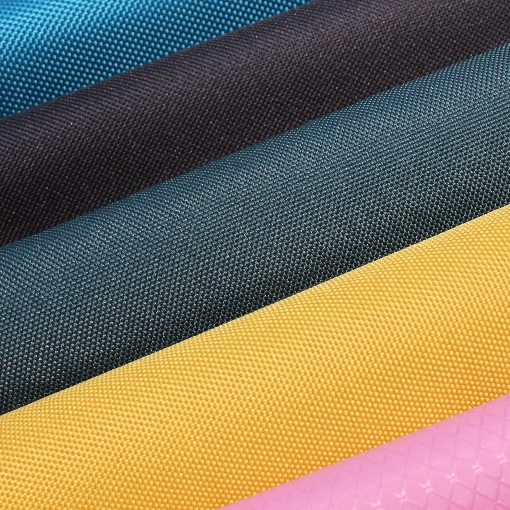
Примена полиестерских материјала у врећама
Основне карактеристике полиестера
- Физичке карактеристике
- Висока чврстоћа и отпорност на хабање: висока затезна чврстоћа, отпорност на трење, погодна за честу употребу врећа.
- Лагана: Мала густина (1,38 г/цм³), смањује тежину инклузије.
- Очување облика против бора: није лако деформисати, брзо се враћа у првобитно стање након преклапања.
- Хидрофобност: ниска апсорпција воде (само 0,4%), није лако обликовати у влажном окружењу.
- Хемијске карактеристике
- Отпорност на киселину и алкалну корозију: стабилан на слабе киселине и слабе алкалије, прилагођава се различитим окружењима.
- Отпорност на светлост и топлоту: тачка топљења око 260°Ц, УВ отпорност је боља од најлона.
- Предност обраде
- Лако се фарба, вруће пресовање, подржава сложен дизајн (као што је ласерско сечење, високофреквентно утискивање).
Сценарио примене полиестера у области торби
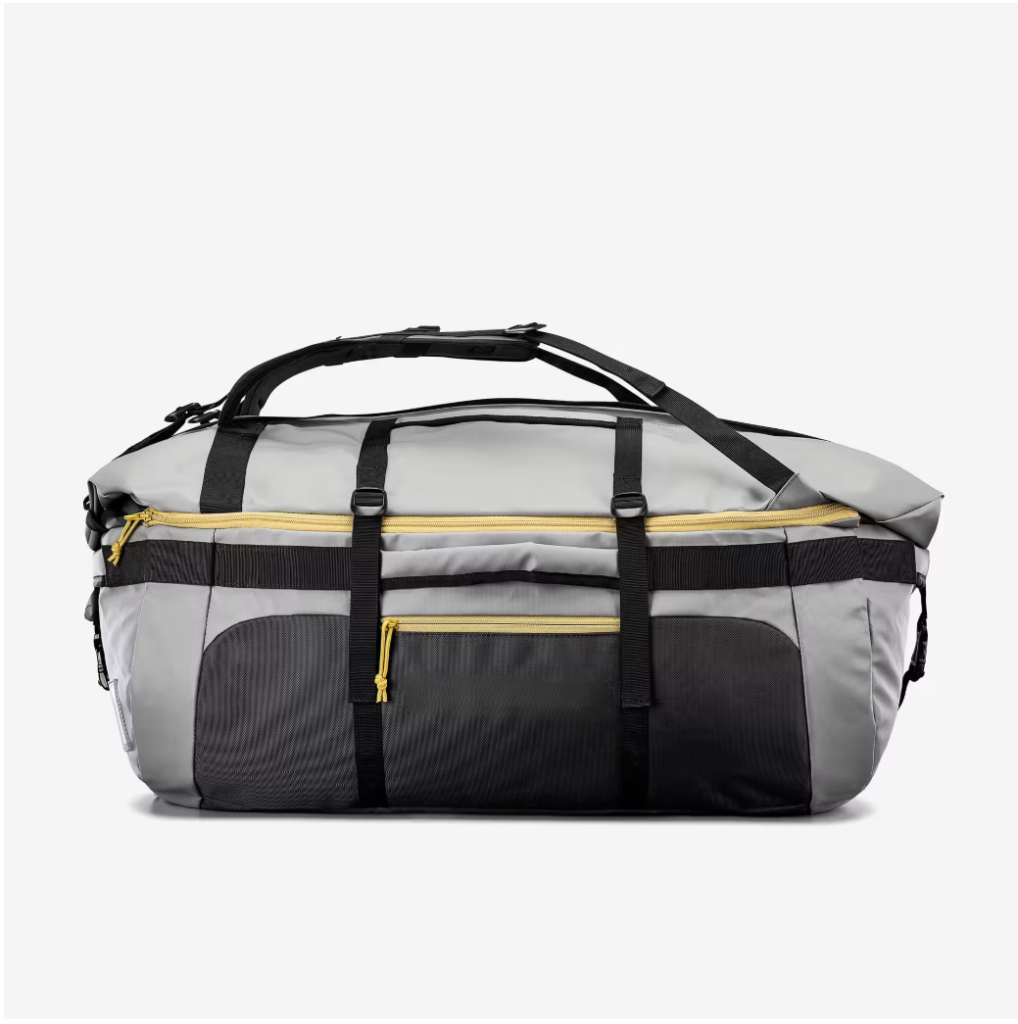
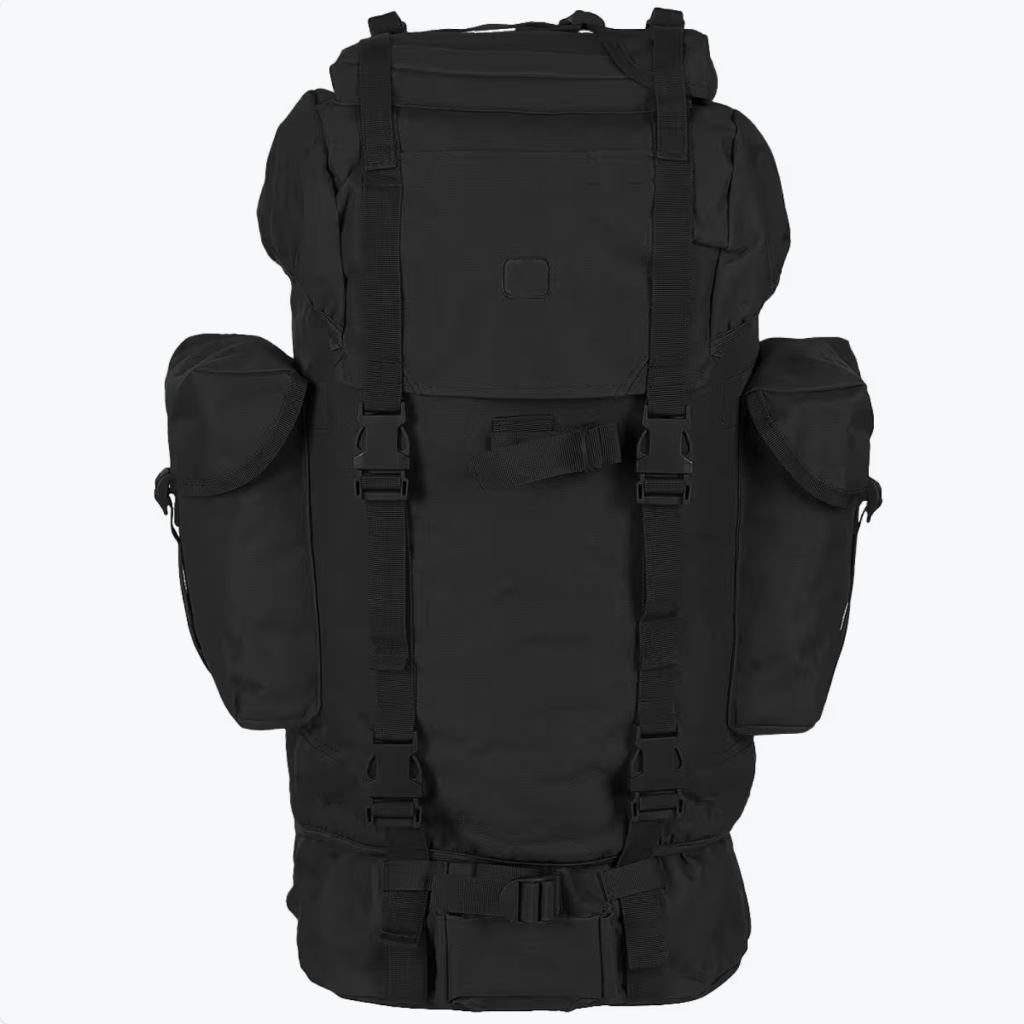
- Дневни ранчеви и путне торбе
- Исплативе полиестерске тканине (као што је 600Д полиестер) се често користе у студентским и путничким руксацима, са ПВЦ премазом за побољшање водоотпорности.
- Кућиште познатог бренда: Неки од СамсонитеЛагани кофери су направљени од мешавине полиестера.
- Спортска торба на отвореном
- Побољшане водоотпорне перформансе посебним третманом (као што је ПУ премаз), погодне за торбе за планинарење и торбе за вожњу.
- Случај у тачки: Тхе Нортх ФацеЛагана торба за планинарење направљена је од оксфордске тканине од полиестера високе густине.
- Модне и еколошке торбе
- Рециклирани полиестер (рПЕТ) се користи у еколошким торбама за куповину, као што је серија „Рецицлед Цоллецтион” Патагоније.
- Имитација коже од полиестера од микровлакана (нпр. УлтраСуеде®) за луксузне ташне уместо праве коже.
- Функционални дизајн
- Помешајте са најлоном да бисте побољшали отпорност на кидање или додајте еластична влакна (као што је спандекс) да бисте направили торбе за складиштење које се могу увлачити.
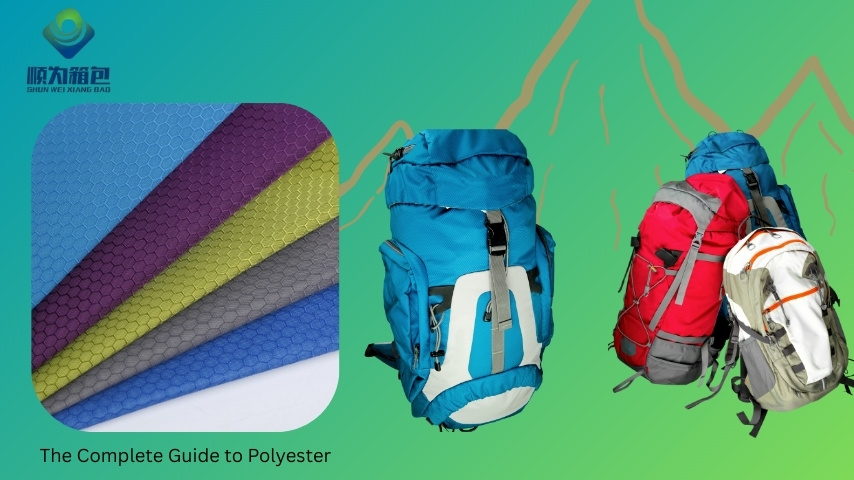
Предности и мане поређења полиестерских торби
| Предност | Недостатак |
| Ниска цена, погодна за масовну потрошњу | Слаба пропусност, лако се спари |
| Лако се чисти, отпоран на мрље | Трење узрокује да статички електрицитет апсорбује прашину |
| Светле боје и дуготрајни отисци | Није природно разградиво (500 година) |
| Није природно разградиво (500 година) | Системи за рециклажу још увек нису у потпуности доступни |
Будући трендови: Иновације и одрживи развој
- Пробој технологије заштите животне средине
- Рециклирани полиестер (рПЕТ):Смањите потрошњу уља рециклирањем пластичних боца и коришћене одеће у влакна. Брендови као што је Адидас планирају да користе рециклирани полиестер до 2030. године.
- Био на бази полиестера:Смањите свој угљенични отисак коришћењем обновљивих извора као што је кукурузни скроб, као нпр Сорона® влакна.
- Надоградња перформанси
- Самочистећи премаз:Хидрофобна технологија лотосовог листа смањује захтеве за чишћење.
- Паметна влакна:Уграђено проводљиво предиво, торба за подршку и веза за електронски уређај (као што је праћење против крађе).
- Модел циркуларне економије
- Брендови покрећу програме „траде-ин“, као што су Фреитагсистем за рециклажу врећа.
- Иновација дизајна
- Модуларна полиестерска торба (нпр Тимбук2дизајн одвојивих компоненти) за продужење животног циклуса производа.
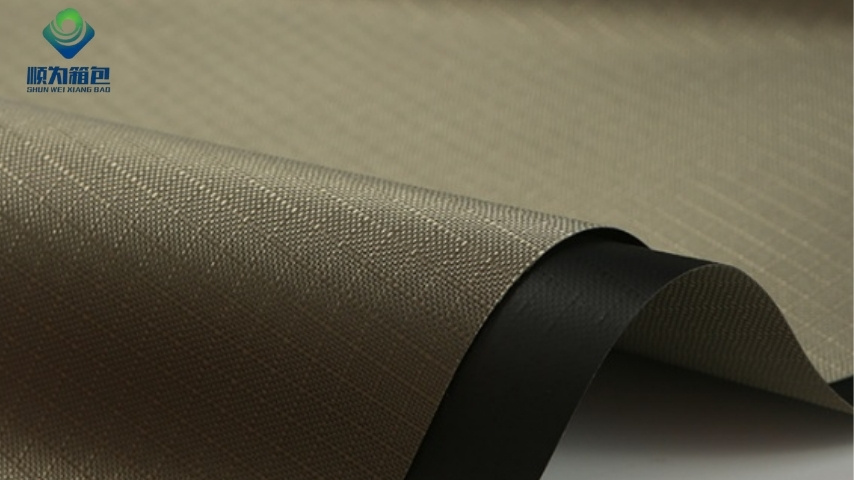
Комплетан водич за полиестер
полиестер је и даље материјал избора за индустрију кеса због високих перформанси и пластичности. У будућности, кроз надоградњу технологије заштите животне средине и иновативног дизајна, очекује се да ће се полиестер ослободити „није еколошки прихватљив” и постати основни носилац одрживе моде.