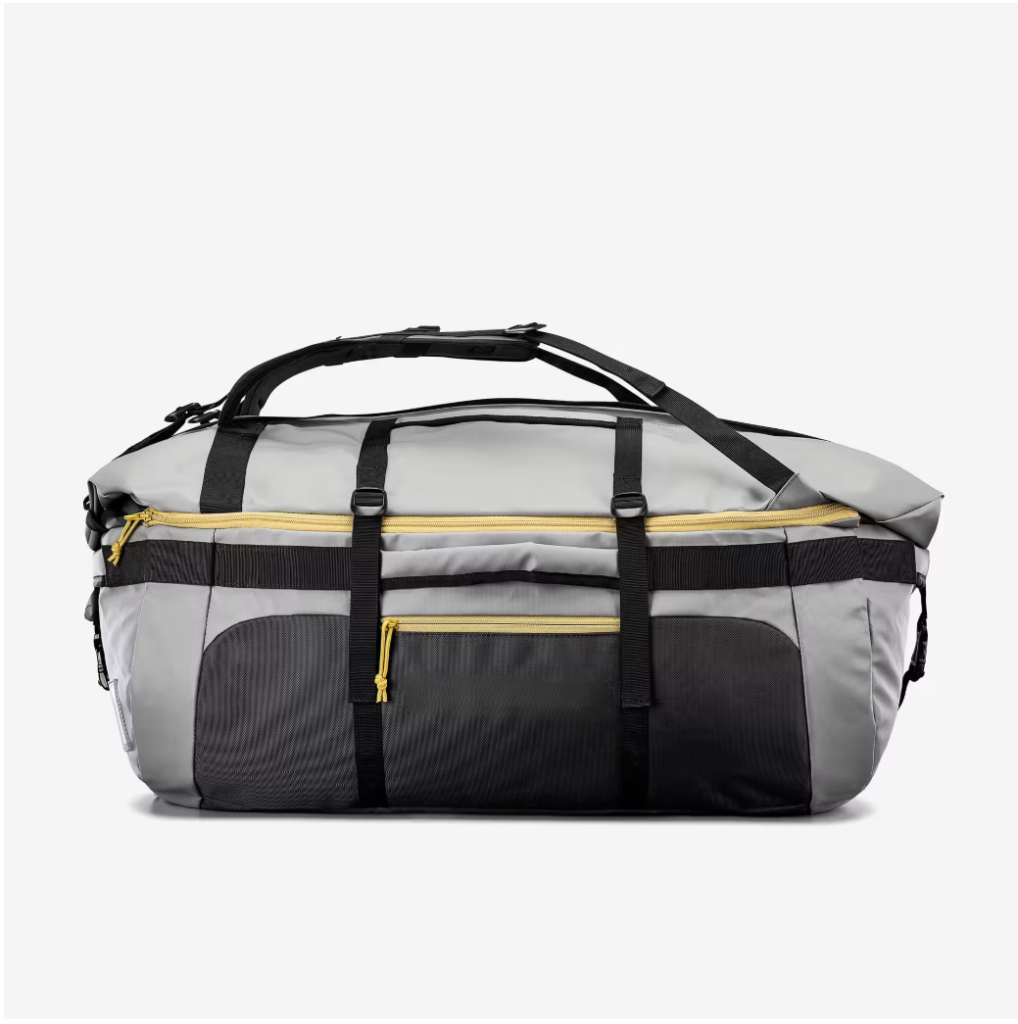
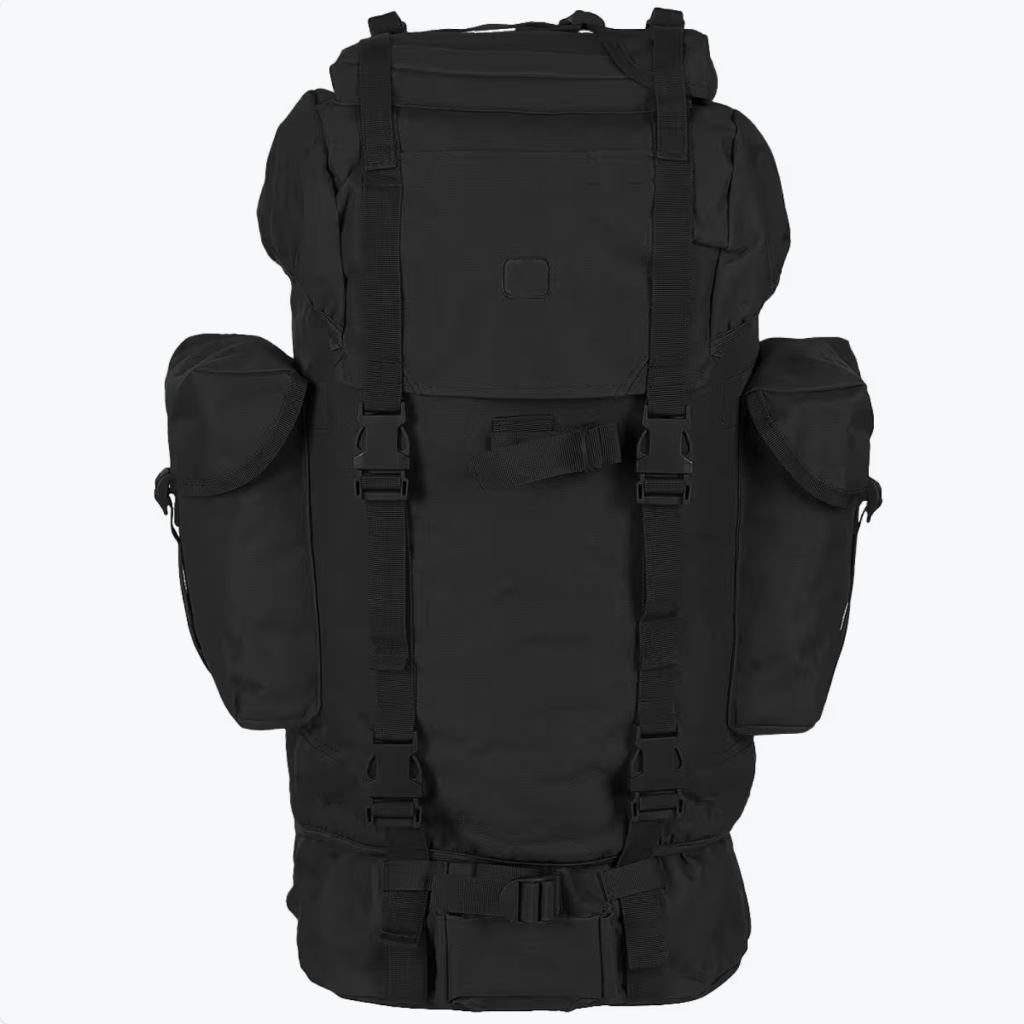
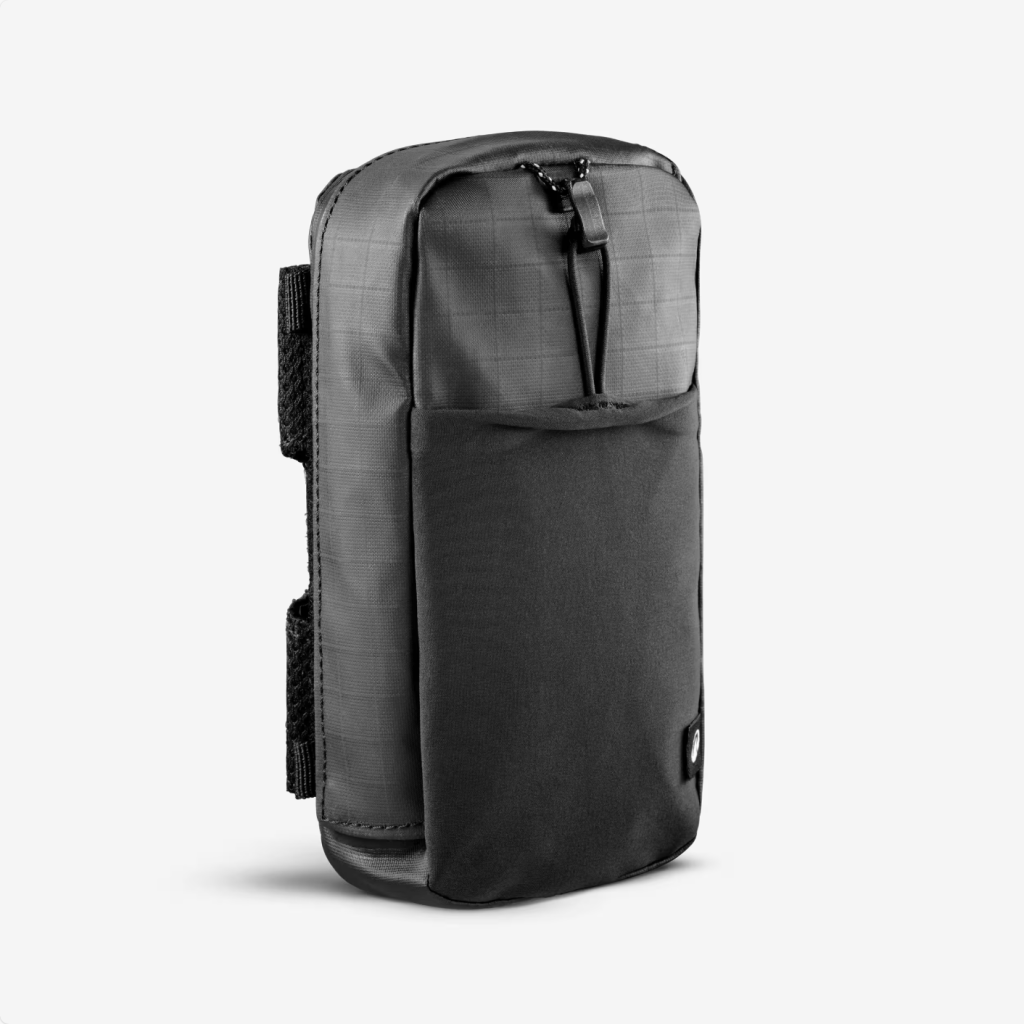
Vave Aotelega: For most travelers, a 40L backpack is the ideal size for a 7-day trip, balancing packing capacity and carry-on mobility. A 30L backpack works in warm climates with minimalist packing, while a 50L backpack is better suited for winter travel or gear-heavy itineraries. The right size depends on climate, clothing bulk, and airline restrictions—not just trip duration.
Seven days sounds simple on paper. In practice, what you pack — and how you pack — determines whether your bag feels efficient or overloaded.
The Ideal Backpack Size for a 7-Day Trip
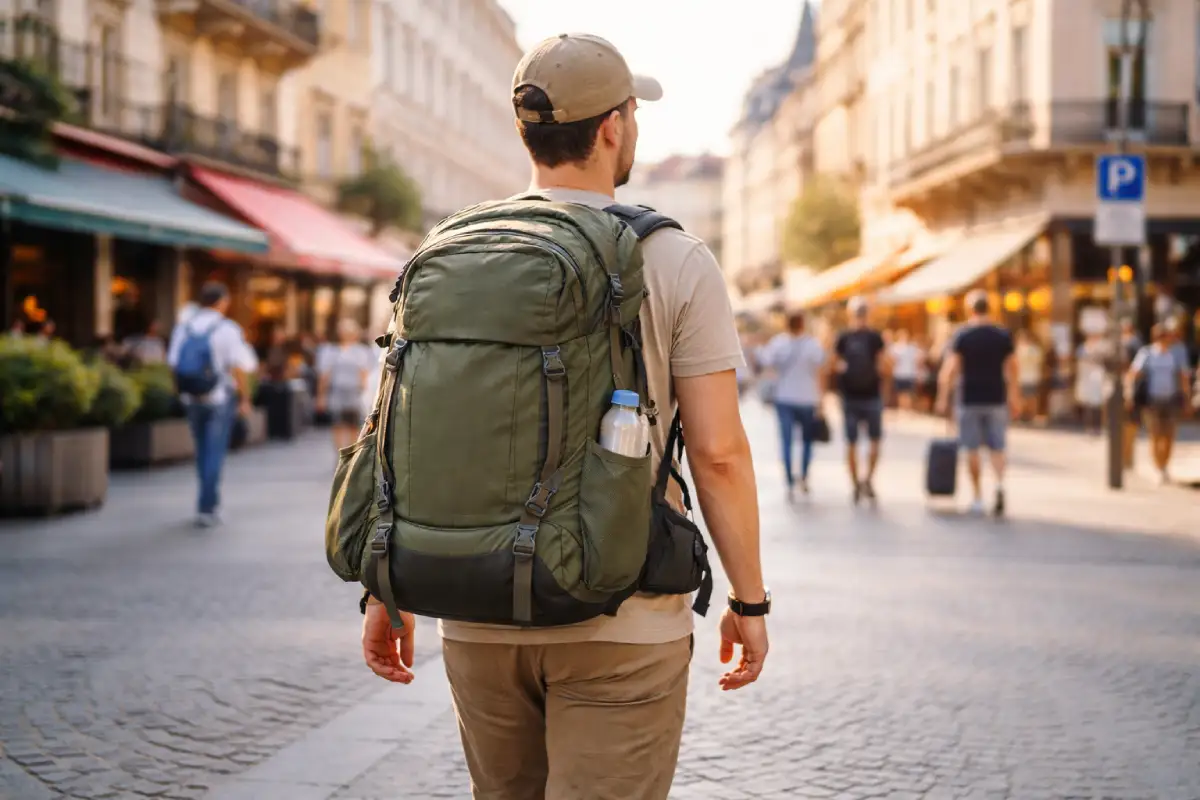
For a standard one-week trip that includes moderate clothing, toiletries, electronics, and one extra pair of shoes, 40 liters is typically the sweet spot.
A 40L travel backpack allows:
It maintains structure without becoming bulky, and it remains within practical carry-on dimensions for most international airlines.
That said, 40L is not a rule — it is a starting point.
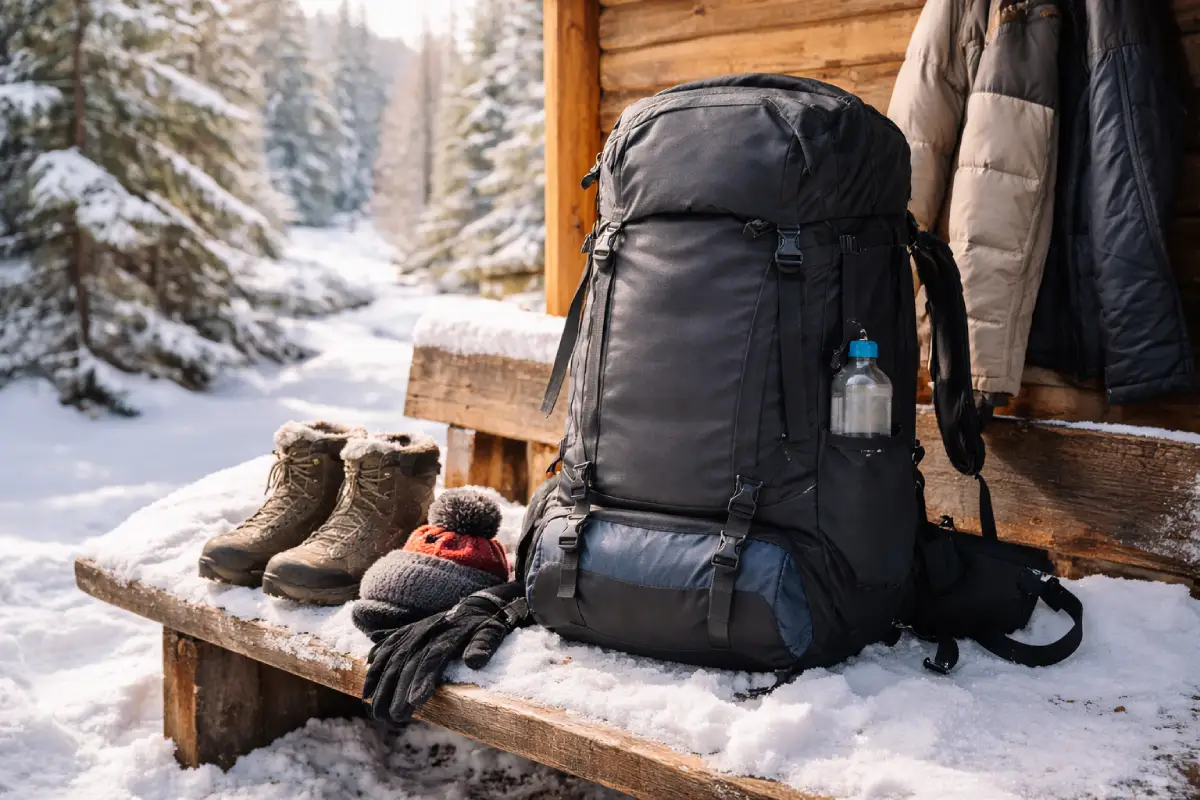
If your trip involves warm weather and efficient packing, 30L may be sufficient. If it involves winter layering, hiking boots, or professional equipment, 50L provides additional breathing room.
The correct size reflects context, not duration alone.
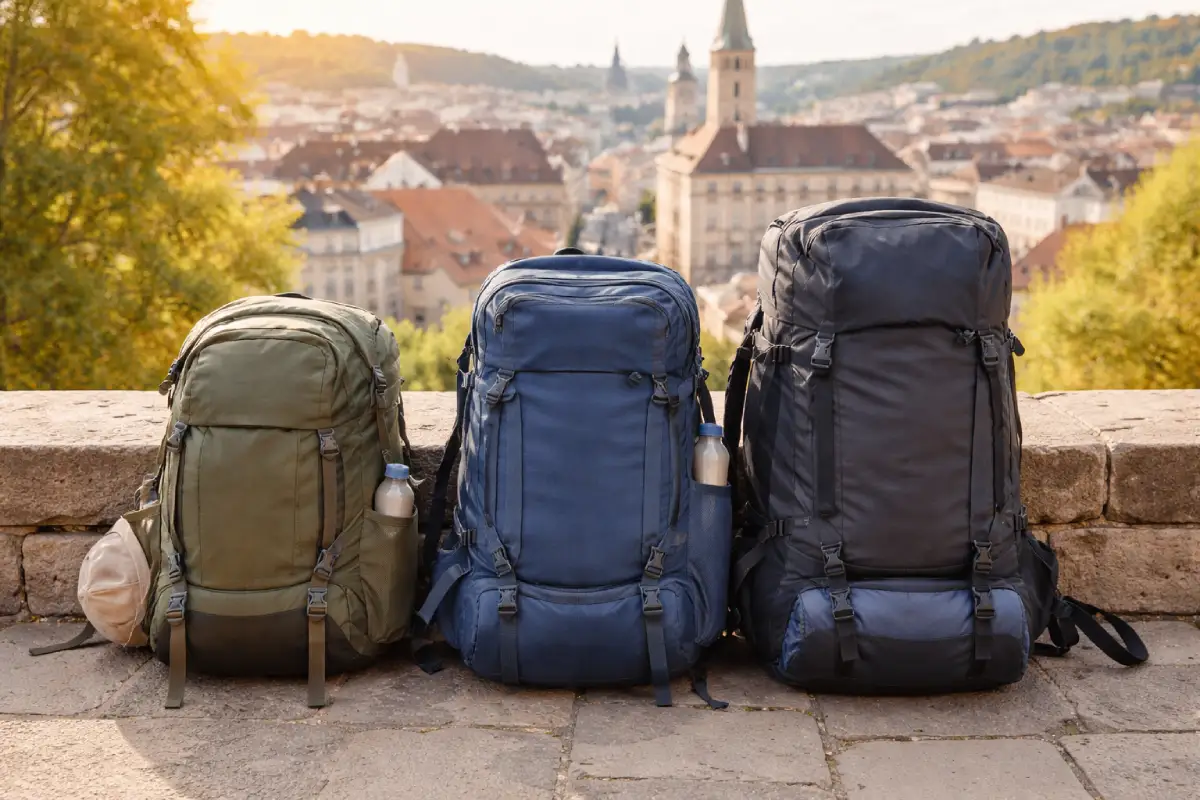
Real-world comparison of 30L, 40L, and 50L backpacks for a 7-day travel packing decision.
How Many Liters Do You Actually Need for 7 Days?
The common assumption is that more days automatically require more volume. That logic works only if clothing volume scales linearly — which it does not.
Seven summer outfits take up dramatically less space than seven winter outfits. A week in Southeast Asia and a week in Northern Europe in January require completely different packing densities.
Volume demand is shaped by:
-
Fabric thickness
-
Footwear choices
-
Weather variability
-
Gear requirements
-
Access to laundry
Faataitaiga:
A week of lightweight T-shirts, shorts, and thin layers compresses easily into a 30L or 40L backpack.
Add one insulated jacket, boots, and a heavy sweater, and usable space shrinks quickly.
Liters measure capacity, but clothing density determines real usage.
Is 40L Enough for a 7-Day Trip?
For most structured travel, yes.
A 40L backpack comfortably supports a one-week itinerary when packing is intentional. In temperate or warm climates, it allows for enough clothing rotation while still fitting in overhead compartments.
The key is not overpacking shoes or redundant outerwear.
A realistic 7-day 40L packing example might include:
-
4–5 tops
-
2–3 bottoms
-
7 sets of underwear
-
Compact rain layer
-
Lightweight jacket
-
Toiletry pouch
-
Fa'aeletonika
With compression cubes, the layout remains organized and accessible.
Where 40L begins to feel tight is in colder environments. Insulated garments consume disproportionate space, and footwear quickly becomes dominant in volume allocation.
In mild climates, 40L feels balanced.
In winter climates, it may require discipline.
If you’re deciding between medium and larger capacity, see our detailed comparison of 40L vs 50L backpacks for travel.
When Is 30L Enough for a Week?
Thirty liters can work for a seven-day trip, but only under specific conditions.
It is most realistic when:
-
The climate is warm
-
Laundry is available mid-trip
-
You limit footwear to one pair
-
You pack lightweight, versatile clothing
Minimalist travelers often manage a week in 30L by rotating outfits and prioritizing multi-use garments.
However, 30L leaves little margin. A thick sweater, structured jacket, or additional shoes can quickly exceed capacity.
Thirty liters rewards discipline but offers limited flexibility.
For shorter trips, explore whether a 30L backpack is enough for international travel.
When Do You Need 50L for a 7-Day Trip?
A 50L backpack becomes practical when packing variables increase.
Situations where 50L makes sense:
-
Winter travel with insulated layers
-
Mixed urban and outdoor itineraries
-
Photography or filming equipment
-
No access to laundry
-
Preference for non-compressed packing
The additional ten liters reduce strain on zippers and improve internal organization. Instead of tightly compressing items, you can maintain easier access and structure.
That added margin can improve comfort, particularly when weather changes require backup clothing.
However, the trade-off is size. A 50L backpack often extends beyond standard carry-on dimensions when fully packed.
Flexibility increases. Agility decreases.
Carry-On Considerations for a 7-Day Trip
For many travelers, avoiding checked baggage is part of the strategy.
Most 40L backpacks are intentionally designed to fit within common airline cabin limits. Soft-shell designs compress slightly and generally adapt well to overhead compartments.
A 50L backpack may fit if not overfilled, but compliance becomes less predictable, especially with budget airlines.
If you prioritize carry-on efficiency and airport mobility, 40L offers the safest balance between capacity and compliance.
Thirty liters almost always fits within cabin allowances, but at the cost of reduced flexibility.
Summer vs Winter: Why Climate Changes Everything
A seven-day summer city trip often requires:
-
Lightweight tops
-
Thin bottoms
-
Minimal outerwear
-
Lightweight shoes
This scenario favors 30L or 40L.
A seven-day winter trip may require:
-
Insulated jacket
-
Sweater
-
Thermal layers
-
Heavier footwear
This scenario often pushes travelers toward 50L.
The difference is not days — it is bulk.
Travel volume expands faster with insulation than with duration.
Mobility vs Capacity: The Real Trade-Off
Backpack size decisions rarely fail because of space alone. They fail because of movement.
A 50L backpack may solve packing anxiety, but it also changes how you move through airports, train stations, narrow sidewalks, and hotel staircases. The added height and depth alter balance and increase fatigue over time, especially during multi-transfer travel days.
A 40L backpack tends to sit closer to the body’s center of gravity. It allows quicker transitions, easier overhead lifting, and less shoulder strain when worn for extended periods. In urban travel, that difference becomes noticeable within hours.
Thirty liters maximizes agility but demands strict discipline. Fifty liters maximizes margin but reduces fluidity.
Choosing size means choosing which discomfort you prefer: tight packing or heavier movement.
Weight Distribution and Comfort Over Seven Days
Volume is only part of the equation. Load distribution determines long-term comfort.
A fully packed 40L backpack often weighs between 7–10 kg depending on contents. A 50L backpack, when filled to capacity, can easily exceed 11–13 kg. That additional weight compounds over walking days.
However, larger backpacks often include stronger hip belts and internal frames, which shift weight from shoulders to hips. In colder destinations where clothing bulk increases load, a structured 50L pack may actually feel more stable than an overloaded 40L pack lacking support.
Comfort depends not only on how much you carry, but how the backpack manages that load.
Seven days of travel may involve multiple full-day movements. A compact, balanced load frequently improves overall experience more than surplus storage.
Packing volume subtly influences decision-making.
With a 50L backpack, it becomes easy to justify extra items: an additional jacket, backup shoes, contingency gear. That margin often increases overall weight without improving necessity.
With a 40L backpack, packing becomes selective. Each item must earn its space. This constraint tends to produce lighter, more efficient travel.
Thirty liters amplifies this discipline further but reduces flexibility.
The most practical one-week setup is not the largest possible bag. It is the smallest bag that comfortably fits realistic needs.
Scenario Analysis: Choosing by Travel Type
Different seven-day trips demand different volumes.
Urban City Trip
For a week spent between airports, trains, restaurants, and walking tours, 40L offers enough space for clothing rotation while preserving agility.
Thirty liters works if climate is warm and wardrobe minimal.
Fifty liters may feel excessive unless winter conditions apply.
Winter Destination
Layered clothing dramatically increases bulk. Insulated jackets, boots, and sweaters consume space quickly. In this case, 50L prevents over-compression and improves packing organization.
Forty liters can still work with disciplined layering strategies, but margin becomes limited.
Outdoor or Mixed Travel
Trips combining city stays with hiking, photography, or outdoor segments may justify 50L. Equipment volume grows unpredictably, and flexibility becomes valuable.
Pisinisi malaga
For structured one-week business trips involving moderate formal wear, 40L remains practical. Suits and structured garments may require careful folding, but volume remains manageable.
Each scenario shifts the optimal choice slightly.
A Practical Decision Framework
Instead of defaulting to a size, consider five variables:
-
Climate bulk
-
Laundry access
-
Equipment load
-
Airline carry-on priority
-
Personal tolerance for compression
If climate is mild, laundry is available, and carry-on travel is preferred, 40L usually provides the most balanced solution.
If winter layers dominate or equipment expands volume, 50L becomes practical.
If packing style is minimalist and climate warm, 30L remains viable.
Seven days alone does not dictate capacity. Conditions do.
What Most Travelers Choose for a 7-Day Trip
In practice, most structured one-week trips align best with 40 liters.
It provides:
Thirty liters works for light, warm-weather travel. Fifty liters works when insulation, gear, or unpredictability increase packing demands.
For the majority of international one-week itineraries, 40L represents the most versatile middle ground.
Final Recommendation
If your seven-day trip involves moderate climate, standard clothing, and typical travel logistics, choose a 40L backpack.
If you expect winter layering or gear-heavy packing, choose 50L.
If you value extreme mobility and travel light in warm conditions, 30L can suffice.
The best backpack size for a 7-day trip is not the largest option available. It is the smallest size that fits your real-world needs without forcing compromise or creating unnecessary weight.
FAQ
1. Is 40L enough for a week?
Yes, for most moderate or warm climates, a 40L backpack is sufficient for a seven-day trip. With lightweight clothing, limited footwear, and efficient packing, 40 liters offers enough space without becoming bulky. It balances mobility and capacity well for city travel or short business trips. However, bulky winter layers can quickly reduce usable space, which may require a larger pack.
2. Is 50L too big for a 7-day trip?
A 50L backpack can feel larger than necessary for mild-weather travel, but it becomes practical in winter or gear-heavy scenarios. Thick jackets, boots, and equipment significantly increase packing volume. The right size depends more on clothing bulk and travel style than on trip length alone. If you prefer flexibility and extra organization space, 50L provides margin.
3. Can I travel carry-on only for 7 days?
Yes, many travelers complete a seven-day trip using only a carry-on backpack. A 40L backpack typically aligns best with airline cabin dimensions while offering adequate packing capacity. Soft backpacks are more likely to comply with overhead bin size limits. Always check airline policies, especially with budget carriers.
4. How many outfits fit in a 40L backpack?
A 40L backpack usually fits five to seven lightweight outfits, depending on fabric thickness and packing method. Compression cubes and versatile clothing improve efficiency. Shoes take up the most space, so limiting extra pairs helps maximize volume. Packing strategy matters as much as capacity.
5. Is 30L enough for a 7-day trip?
A 30L backpack can work for a week in warm climates with minimalist packing and access to laundry. It is best suited for travelers who avoid bulky layers and limit footwear. However, flexibility is reduced compared to 40L, especially for colder destinations. Most travelers find 40L more forgiving for a full week.
How to Confidently Choose the Right Backpack Size for One Week
What determines backpack size for seven days?
Seven days alone does not determine volume. Clothing density, seasonal layering, footwear choices, and access to laundry influence capacity far more than trip length. A warm-climate week compresses easily into 30–40 liters, while winter insulation can quickly push volume toward 50 liters.
Why 40L is often the practical middle ground
A 40L backpack offers enough room for balanced clothing rotation while maintaining manageable weight and carry-on compatibility. It minimizes airport friction and urban fatigue without forcing excessive compression.
When 50L becomes necessary
Winter garments, structured outerwear, hiking boots, or professional equipment increase packing bulk significantly. In these cases, the added margin of a 50L backpack improves organization and reduces overstuffing stress.
Option comparison: efficiency vs flexibility
30L maximizes mobility but limits margin. 40L balances structure and movement. 50L increases flexibility but adds weight and bulk. The correct choice reflects your tolerance for tight packing versus heavier load.
Consideration: airline carry-on strategy
Travelers prioritizing carry-on efficiency typically lean toward 40L or smaller. Larger backpacks introduce uncertainty under airline size and weight enforcement. Matching volume to airline policy can prevent unnecessary fees and delays.
Final insight
The best backpack size for a 7-day trip is the smallest volume that comfortably supports your climate, gear, and movement needs. Efficiency usually improves the overall travel experience more than excess space.