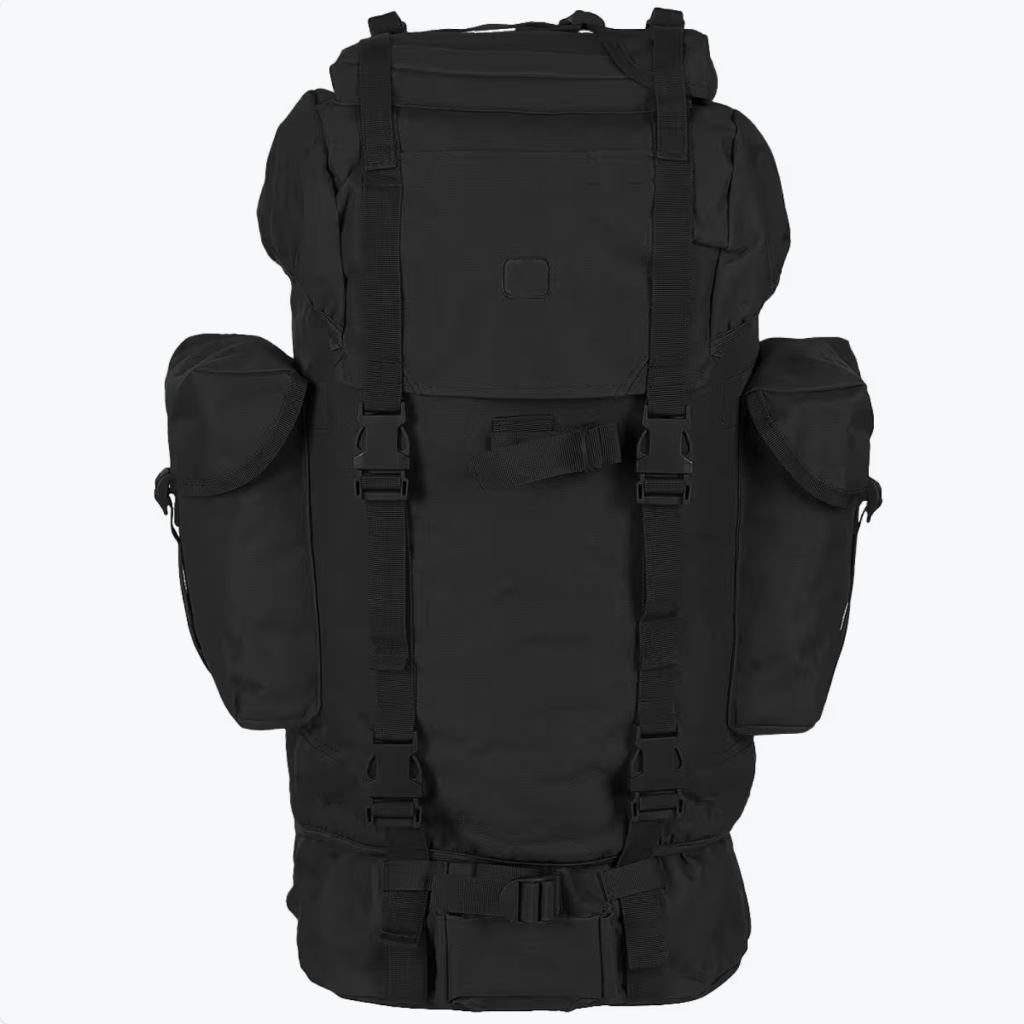
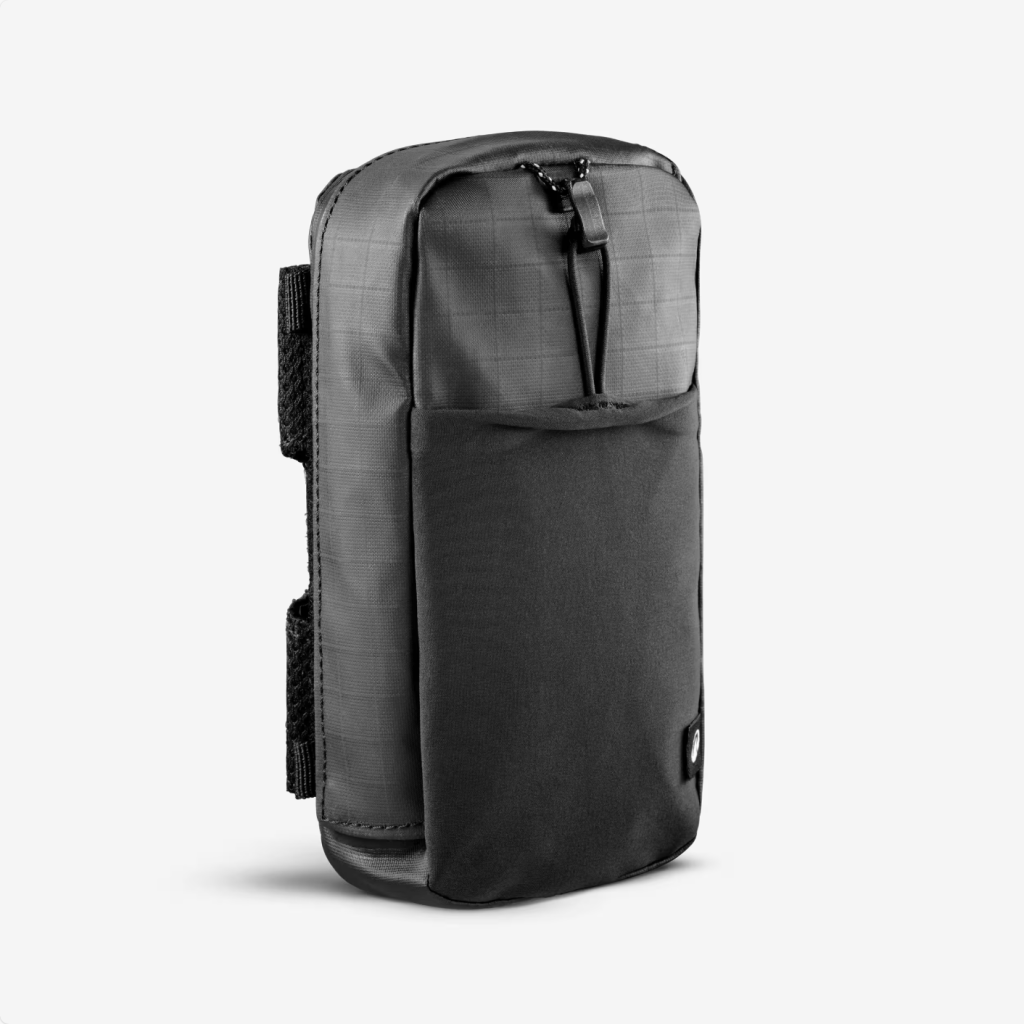
Quick Summary: Packing for a day hike is not about carrying more, but carrying smarter. For hikes lasting 3–8 hours, the right combination of water, food, clothing, navigation, and safety items—typically totaling 4–9 kg—can significantly improve comfort, safety, and energy efficiency. This guide explains what to pack, why each item matters, and how real hiking conditions shape packing decisions.
Many hikers underestimate how much packing decisions affect a day hike. Two people can walk the same 10 km trail under identical weather conditions and have completely different experiences—simply because one packed thoughtfully while the other packed randomly.
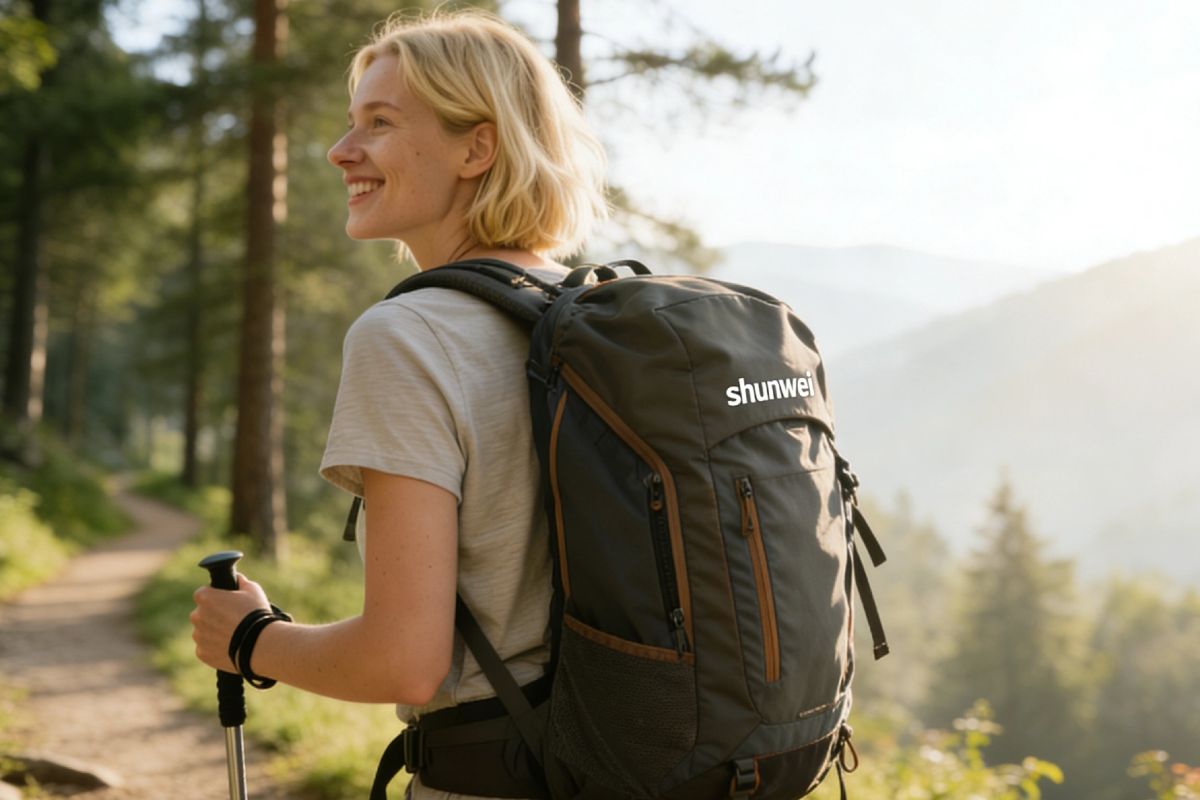
A typical day hike lasts between 3 and 8 hours, covers 5–15 km, and involves continuous physical output. During this time, your short disdance backpackbecomes a mobile life-support system. Everything you carry—or fail to carry—directly affects hydration levels, body temperature, energy output, and risk management.
Packing is not a checklist exercise. It is a decision-making process based on duration, terrain, weather, and personal ability. Understanding why you pack something is far more important than memorizing what to pack.
Understanding a Day Hiking Backpack Before You Pack
What Defines a Day Hiking Backpack
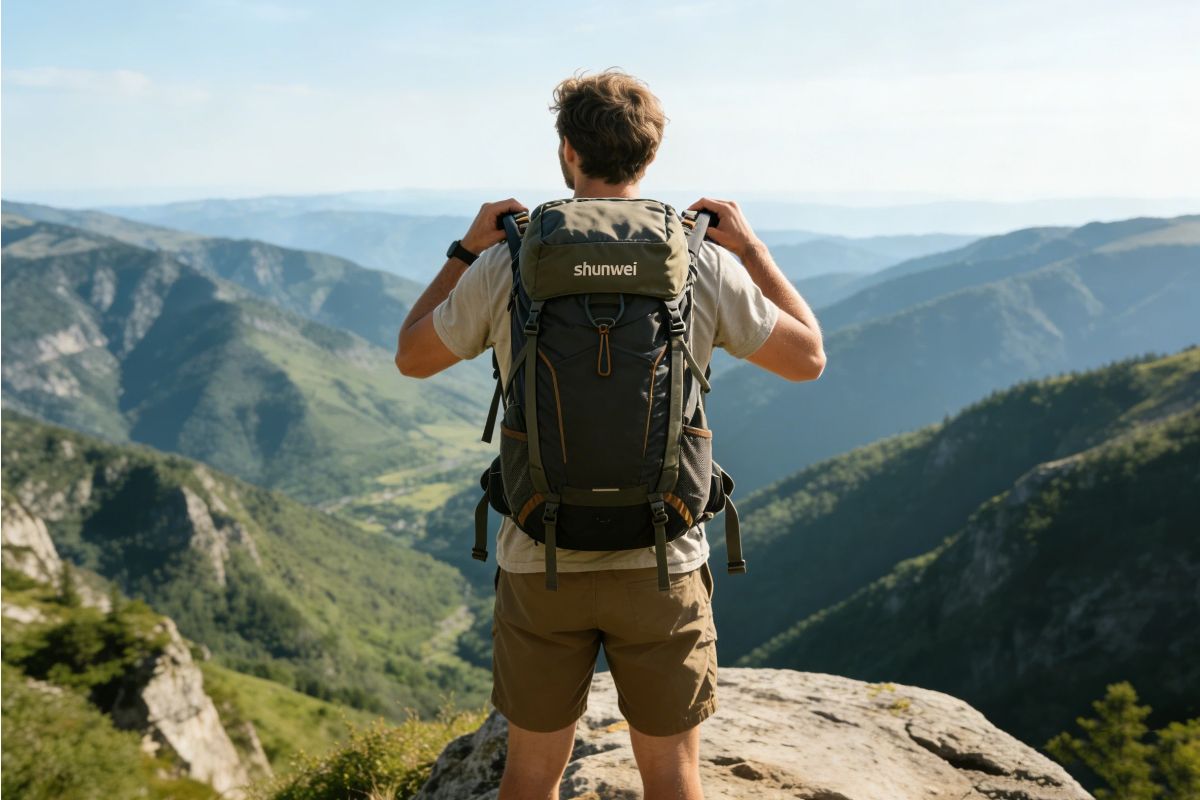
A day hiking backpackis designed to support short-duration outdoor activity without overnight gear. Most day hikes are completed using backpacks between 15 and 30 liters, which naturally limit how much can be carried and discourage unnecessary weight.
Unlike multi-day packs, day hiking backpacks prioritize:
Quick access
Lightweight carry
Stable load distribution
Minimal packing complexity
This means packing decisions must be deliberate. There is no space for redundancy or “just in case” items without clear purpose.
How Backpack Design Influences Packing Decisions
While the backpack itself is not the focus of this article, its internal layout shapes how you pack. Limited compartments encourage prioritization. External pockets influence which items are accessed frequently. Hydration sleeves affect where weight sits against your back.
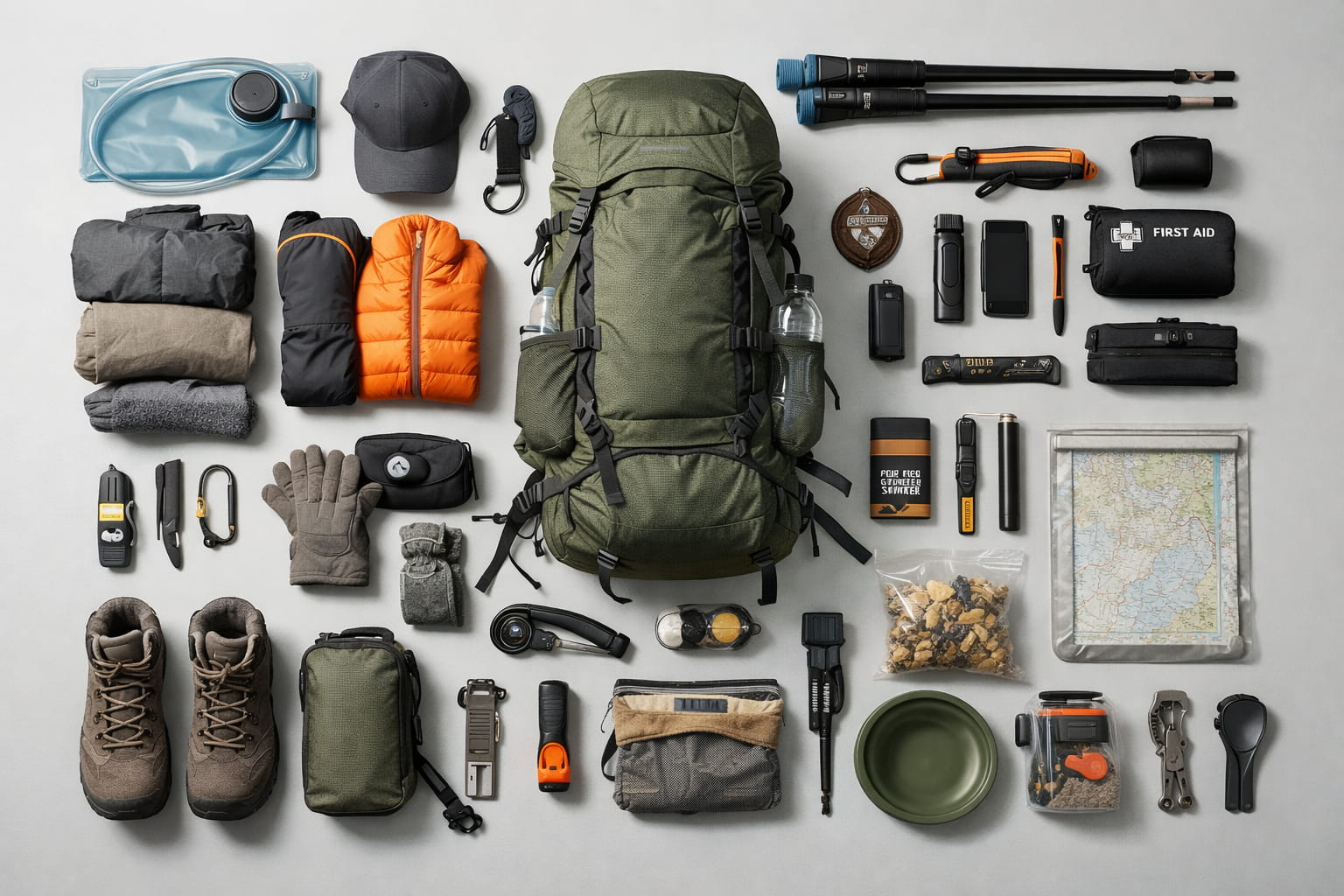
A visual overview of essential gear to pack in a day hiking backpack, organized for efficiency, safety, and comfort on the trail.
Core Packing Principles for Day Hiking
The Weight Rule: How Heavy Is Too Heavy
For most adults, the recommended total pack weight for a day hike is 8–15% of body weight.
60 kg hiker → ideal pack weight: 4.8–9 kg
75 kg hiker → ideal pack weight: 6–11 kg
Field observations show that once pack weight exceeds this range:
Walking efficiency drops by 10–18%
Perceived exertion rises sharply
Knee and ankle stress increases, especially during descents
The goal is not minimalism at all costs, but weight efficiency—maximizing function per kilogram.
Packing Based on Usage Frequency
Effective packing follows a simple hierarchy:
High-frequency items should be instantly accessible
Low-frequency but critical items should be protected and organized
Emergency items should be reachable under stress
Failing to follow this logic often leads to repeated stops, unnecessary unpacking, and increased fatigue.
Weather, Terrain, and Duration as Packing Variables
Packing for a 4-hour forest trail is fundamentally different from packing for an exposed ridge hike, even if the distance is similar. Temperature swings, wind exposure, and humidity levels redefine what counts as “essential.”
A common guideline is 0.5–1 liter of water per hour, depending on temperature, terrain, and personal sweat rate.
Cool conditions: ~0.5 L/hour
Warm or exposed trails: ~0.75–1 L/hour
For a 6-hour hike, this translates to 3–6 liters, which can weigh 3–6 kg alone. This makes hydration planning the single largest contributor to pack weight.
Hydration Systems vs Bottles
Hydration bladders allow continuous sipping and reduce stop frequency, while bottles offer easier refilling and monitoring. From a weight perspective, the difference is minimal, but from a usability perspective, hydration systems often improve overall intake by 15–25%.
Food and Energy Planning
Energy Needs During a Day Hike
Hiking burns approximately 300–500 kcal per hour, depending on elevation gain and pack weight. Even a moderate day hike can require 1,500–3,000 kcal of energy.
Most hikers do not need full meals. Instead, compact, high-calorie foods are more effective.
What Works Best on the Trail
Foods that can be eaten without stopping
Items that tolerate heat and movement
Packaging that resists crushing and leaking
Poor food choices often result in energy crashes, even when calorie intake seems adequate.
Navigation and Communication Essentials
Why Phones Are Not Enough
While smartphones are powerful tools, battery drain in outdoor conditions can reach 20–30% per hour when GPS, camera, and screen brightness are used simultaneously.
Offline maps, power management strategies, and basic orientation tools reduce reliance on a single point of failure.
Communication for Day Hikes
In many regions, cellular coverage drops significantly just a few kilometers from urban areas. Even on popular trails, signal availability can fall below 50%. Packing for communication means planning for partial or total signal loss.
Clothing and Layering Strategy
Fabric Performance Matters More Than Quantity
Polyester and synthetic blends dominate day hiking because of their low moisture absorption rates (typically <1%), allowing faster drying. In contrast, cotton retains moisture and accelerates heat loss.
Layering is about adaptability, not warmth alone.
Why You Still Need an Extra Layer
Body temperature can drop rapidly during rest stops or weather changes. Even in mild conditions, exposed areas can experience temperature drops of 5–10°C within an hour.
A lightweight insulating layer often weighs less than 300 g but provides significant thermal protection.
Safety and Emergency Items You Should Never Skip
First Aid Basics for Day Hiking
A minimal first aid kit typically weighs 100–200 g but addresses the most common issues:
Blisters
Minor cuts
Muscle strain
Headaches or dehydration symptoms
Most injuries on day hikes are minor but become serious when untreated.
Environmental Protection
Sun exposure increases with elevation and terrain openness. On exposed trails, UV exposure can rise by 10–12% per 1,000 m of elevation gain. Insects, wind, and plant contact also shape what protection is necessary.
Emergency Preparedness
Items that are rarely used but essential when needed define responsible packing. Their value is not in frequency of use, but in consequence of absence.
Packing Based on Trail Type and Environment
Forest Trails vs Open Terrain
Forested trails reduce sun exposure but increase humidity and insect activity. Open terrain increases dehydration risk and weather exposure. Packing must reflect these environmental realities.
Warm Weather vs Cold Conditions
Cold-weather day hikes require more insulation and energy, while warm-weather hikes demand more hydration and sun protection. The total pack weight may be similar, but the composition differs dramatically.
How to Organize Items Inside Your Backpack
Weight Distribution Principles
Heavier items should sit close to the back and near the center of gravity. Poor distribution increases pack sway and instability, which can raise energy expenditure by 10–15%.
Preventing Gear Damage and Noise
Loose items cause internal friction, noise, and long-term wear. Thoughtful organization protects gear and improves hiking rhythm.
For beginners especially, choosing the right hiking backpack plays an important role in how comfortably and safely all essential items can be carried on a day hike.
How to Organize Items Inside Your Backpack
Common Packing Mistakes New Hikers Make
Overpacking Driven by Anxiety
Many hikers pack for unlikely scenarios rather than probable conditions. This results in unnecessary weight and reduced enjoyment.
Underpacking Through Overconfidence
Minimalism without experience can lead to avoidable risk, particularly when weather changes or delays occur.
Skipping a Test Pack
Packing without testing—never walking even 10 minutes with the full load—is one of the most common and preventable mistakes.
Industry Trends Influencing Day Hiking Packing
Lightweight and Modular Gear
Modern outdoor gear continues to reduce weight while maintaining function. Modular systems allow hikers to customize loadouts without redundancy.
Sustainability and Regulations
Environmental regulations increasingly influence material choices in outdoor equipment. Compliance with global safety and chemical standards ensures safer products and more transparent supply chains.
Packing by Experience Level
First-Time Day Hikers
Focus on safety, hydration, and basic comfort. Simplicity is key.
Regular Weekend Hikers
Efficiency improves with experience. Packing becomes more personalized and optimized.
Experienced Day Hikers
Advanced hikers fine-tune weight, redundancy, and performance based on deep familiarity with terrain and personal limits.
Conclusion: Packing Smart Makes Day Hiking Better
Packing for a day hike is a skill that improves with awareness and experience. The right items, carried for the right reasons, transform hiking from a physical challenge into an enjoyable, repeatable activity.
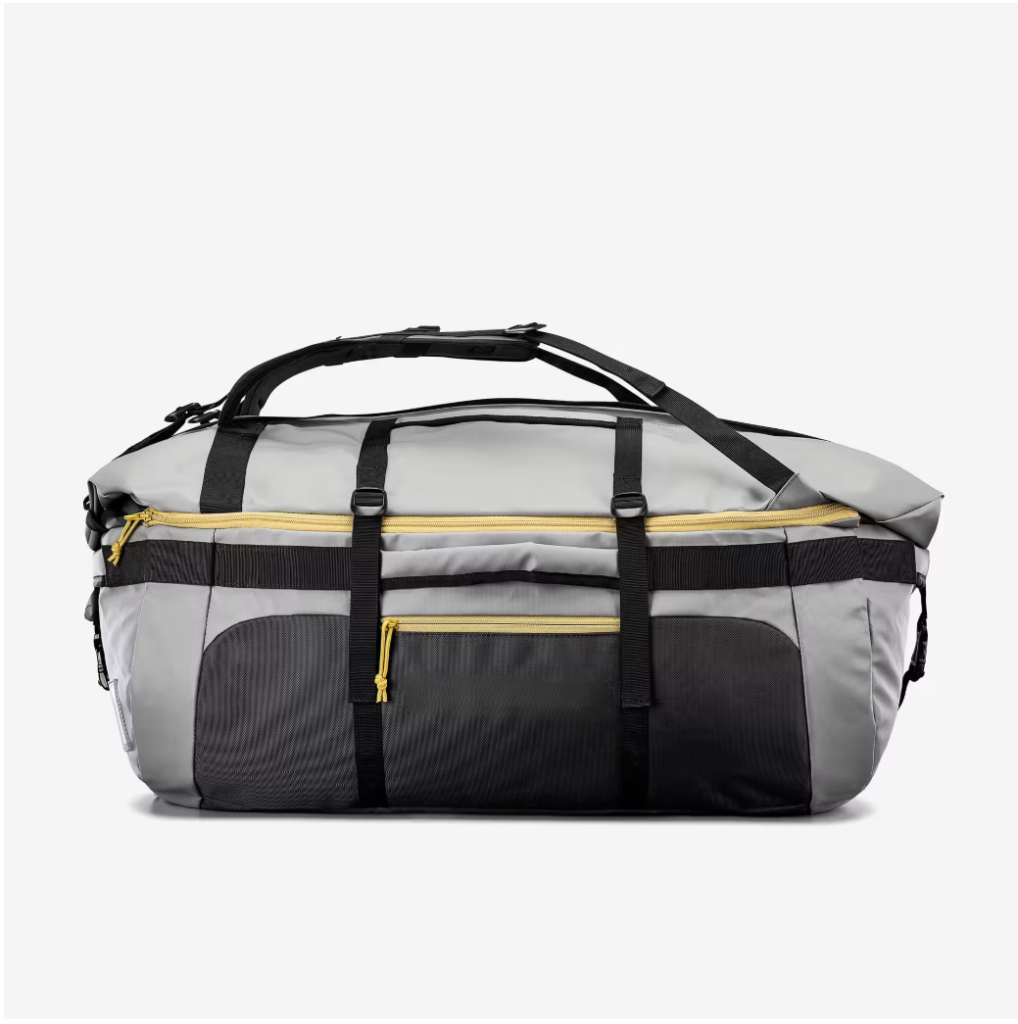
A well-packed day casual hiking bag supports movement, protects against risk, and allows hikers to focus on the trail—not their gear.
FAQ
1. How much should a day hiking backpack weigh when fully packed?
For most day hikes, a fully packed backpack should weigh between 8% and 15% of the hiker’s body weight. This range helps maintain walking efficiency, reduces joint strain, and prevents early fatigue during hikes lasting 3–8 hours.
2. How much water should I pack for a day hike?
A common guideline is to carry 0.5 to 1 liter of water per hour, depending on temperature, terrain, and individual sweat rate. Warm weather, exposed trails, and elevation gain significantly increase hydration needs.
3. What food is best to pack for a day hiking trip?
Compact, high-energy foods that provide 300–500 calories per hour work best for day hiking. Snacks that are easy to eat while moving and resistant to heat or crushing help maintain steady energy levels throughout the hike.
4. Is a phone enough for navigation on a day hike?
While smartphones are useful, they should not be relied on as the only navigation tool. Battery drain from GPS use can be high, and signal coverage often drops in outdoor environments. Offline maps and basic orientation planning are strongly recommended.
5. What are the most common packing mistakes on day hikes?
The most common mistakes include overpacking due to anxiety, underpacking because of overconfidence, and failing to test the backpack before hiking. These errors often lead to discomfort, fatigue, or unnecessary risk on the trail.
References
Day Hiking Safety and Preparedness, National Park Service (NPS), U.S. Department of the Interior
Backpacking and Hiking Energy Expenditure, Dr. Scott Powers, American College of Sports Medicine
Hydration and Physical Performance in Outdoor Activities, International Society of Sports Nutrition
Outdoor Navigation and Risk Management, REI Co-op Research Division
Human Load Carriage and Walking Efficiency, Journal of Applied Biomechanics
Textile Performance and Moisture Management, American Association of Textile Chemists and Colorists (AATCC)
Ergonomics of Load Carrying Systems, Journal of Human Kinetics
Outdoor Recreation Injury Prevention, Wilderness Medical Society
How Smart Packing Shapes the Day Hiking Experience
Day hiking packing is not a fixed checklist but a decision-driven process shaped by hike duration, environmental conditions, and individual capability. Understanding how packing choices affect hydration, energy management, thermal regulation, and safety allows hikers to adapt intelligently rather than rely on generic gear lists.
A day hiking backpack functions as a mobile support system rather than simple storage. What matters most is not how much equipment is carried, but how effectively each item contributes to movement efficiency, comfort, and risk control throughout a 3–8 hour hike.
From an operational perspective, smart packing balances total load within an efficient range while prioritizing high-impact essentials such as water, nutrition, weather protection, and emergency readiness. Overpacking increases fatigue and joint stress, while underpacking exposes hikers to avoidable environmental and logistical risks.
Environmental variables play a decisive role in packing strategy. Temperature shifts, sun exposure, wind, terrain openness, and signal availability all influence what should be carried and how items are organized inside the backpack. As a result, packing decisions must remain flexible rather than standardized.
From a broader industry perspective, modern day hiking practices increasingly emphasize lightweight systems, modular organization, and sustainable material choices. These trends reflect a growing focus on efficiency, safety, and responsible outdoor participation, aligning with evolving safety standards and environmental regulations across global outdoor markets.
Ultimately, effective day hiking packing enables hikers to move confidently, respond to changing conditions, and focus on the trail experience rather than equipment limitations. When packing decisions are made with purpose and context, the backpack becomes an invisible support system—enhancing performance without demanding attention.