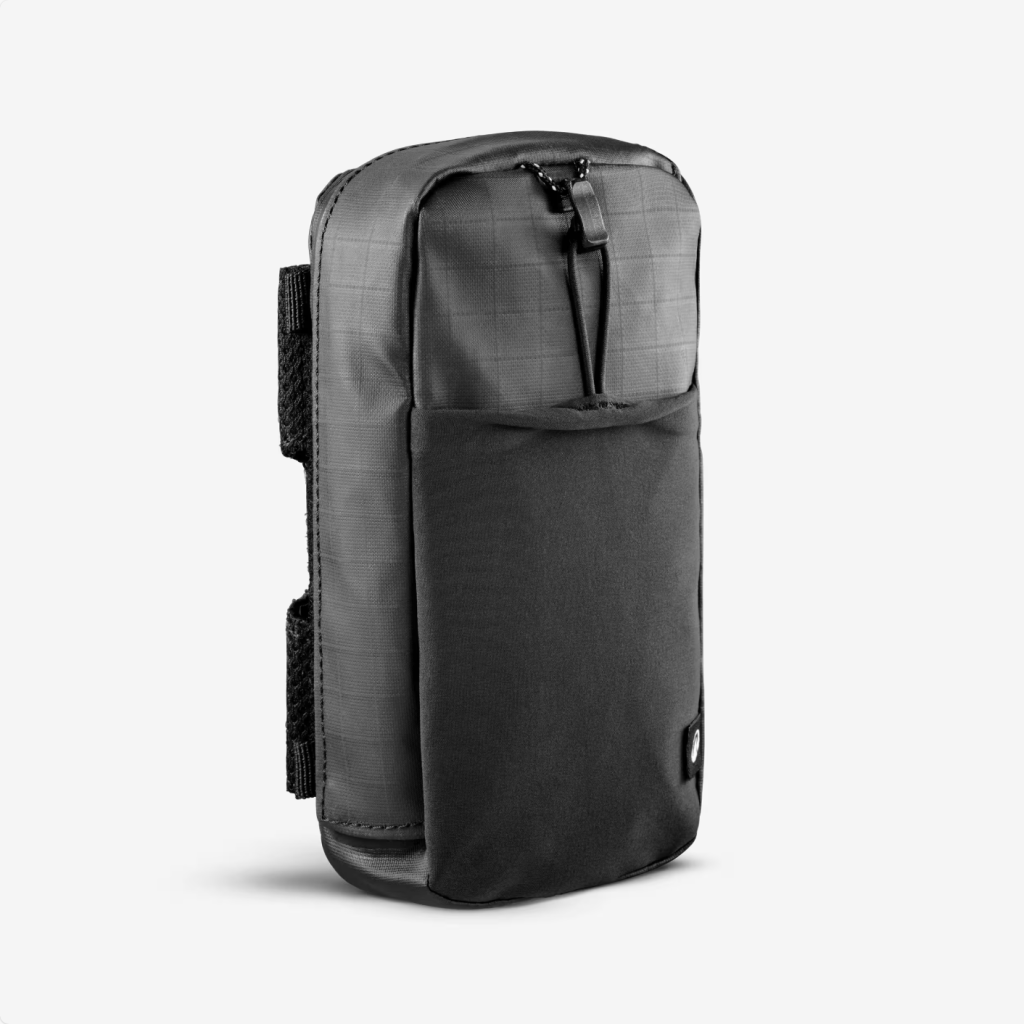
Waterproof gym bags are becoming a must-have for cyclists, commuters, and outdoor enthusiasts who need reliable protection against rain, sweat, and moisture. These bags, typically made from durable materials like nylon, polyester, and PVC coatings, offer superior protection and durability. This article explores the benefits of waterproof gym bags, how to choose the best one for your needs, and whether or not they are truly necessary for your workouts.
1. Introduction
When it comes to selecting the right gym bag, one key factor often overlooked is the material. Whether you’re heading to the gym for a quick workout or embarking on a long-distance ride, the fabric you choose can make all the difference. Waterproof gym bags have become an increasingly popular option, especially for those who are tired of dealing with wet gear or items that are vulnerable to rain or moisture.
Waterproof workout bags are designed to keep your belongings safe from rain, sweat, and humidity, which makes them ideal for those who cycle to the gym, run in unpredictable weather, or carry wet clothes home after their session. But do you really need one? In this article, we’ll explore the benefits of waterproof gym bags, how to choose the best one for your needs, and whether or not they are truly necessary for your workouts.
Whether you’re in the market for a waterproof gym bag manufacturer or looking for a more affordable wholesale option, we’ll walk you through the key considerations when selecting a bag that’s right for you.
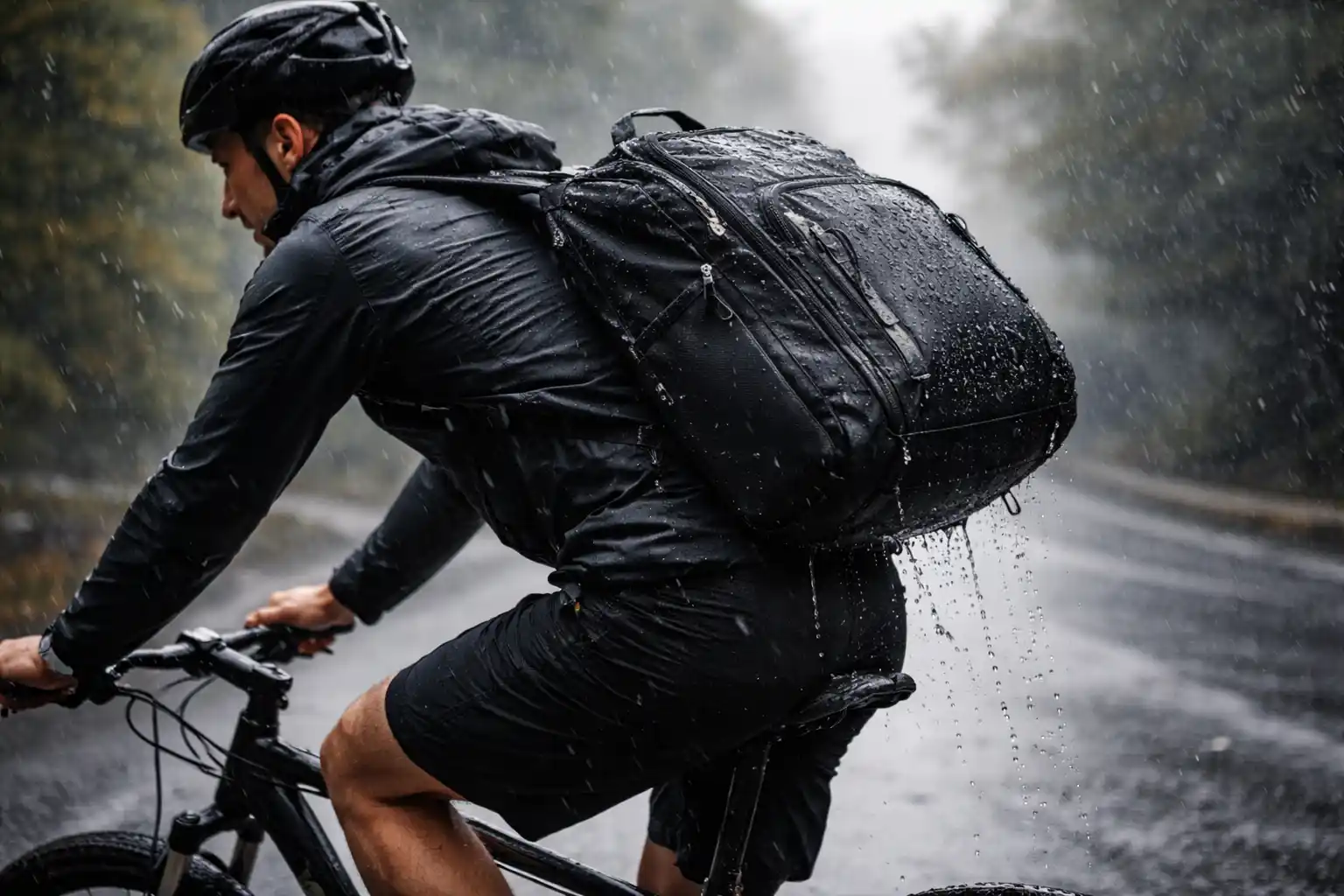
A fit, athletic cyclist riding through a heavy rainstorm while carrying a waterproof gym bag. The bag is designed to keep gear dry and protected from the elements, showcasing its durability and water resistance in a real-world scenario.
2. What Makes a Gym Bag Waterproof?
A waterproof gym bag is constructed using specialized materials designed to resist water penetration. These materials include nylon, polyester, and sometimes PVC coatings that provide added protection against moisture. The combination of durable fabric and water-resistant technology makes these bags ideal for keeping wet clothes, towels, and electronics dry even when exposed to rain or sweat.
The real difference between waterproof gym bags and standard bags lies in the technology used to create a watertight seal. Many waterproof bags for exercise gear feature sealed seams, waterproof zippers, and a durable DWR (Durable Water Repellent) finish, which helps to prevent water from seeping through the fabric or seams. This technology is often used by top bag manufacturers to create reliable products for outdoor athletes, cyclists, and gym-goers who are frequently exposed to the elements.
Real-World Scenario: For a cyclist who commutes to the gym, choosing a waterproof bag is crucial to protect personal items, especially during sudden weather changes. Without waterproofing, bags made of regular fabric can allow water to seep in, ruining contents like electronics or workout clothes.
3. Why Choose Waterproof Gym Bags?
Choosing a waterproof gym bag offers several practical advantages, particularly for those who are regularly active outdoors. One of the main reasons people choose these bags is to keep their gear protected from water, which can cause damage over time. Whether you’re caught in a downpour or need to store wet clothes post-workout, a waterproof gym bag ensures that everything stays dry and odor-free.
For example, nylon gym bags with waterproof coatings are known for their abrasion resistance, making them suitable for carrying heavy items without tearing or wearing down quickly. On top of that, waterproof gym bags often have features like extra compartments, making them perfect for separating dirty gear from clean items. Whether you’re a commuter, outdoor sports enthusiast, or someone who rides through unpredictable weather, waterproof bags give you peace of mind by preventing water damage.
4. Do You Really Need a Waterproof Gym Bag?
For many gym-goers, the question remains: Do you really need a waterproof gym bag? The answer largely depends on your workout habits, location, and how you commute to the gym. If you’re someone who regularly deals with rainy weather, sweaty clothes, or transporting wet gear, then a waterproof gym bag may be essential to prevent damage and keep things organized.
For example, if you’re an avid runner or cyclist, waterproof bags will keep your electronics and clothes dry while you ride in unpredictable conditions. On the other hand, if you mostly exercise indoors and don’t often face inclement weather, you might find that a regular gym bag works just fine.
When choosing between a waterproof gym bag and a standard option, it’s important to weigh the benefits of added protection and durability against the higher cost. High-quality waterproof bags made from polyester or nylon typically come at a premium price.
Real-World Example: For a gym-goer who drives to the gym and only exercises indoors, opting for a regular non-waterproof gym bag may be more economical and practical.
5. Benefits of Waterproof Gym Bags
There are several reasons why people are turning to waterproof gym bags for their fitness needs. First and foremost, these bags offer protection against the elements. Whether you’re cycling to the gym, hiking, or traveling to work, a waterproof bag ensures that your wet gear and electronics stay protected. This is particularly important when you live in a region with high humidity or frequent rainstorms.
Another significant benefit of waterproof gym bags is their durability. Many high-quality bags, like those made from nylon or polyester, are built to withstand regular wear and tear, which is essential for long-term use. These bags are also highly easy to maintain, requiring only periodic cleaning and waterproof treatment to keep them functioning at their best.
The odor control aspect of waterproof gym bags is another overlooked benefit. By keeping wet clothes separate from the rest of your gear, these bags help prevent the growth of mold and bacteria, ensuring your gym clothes stay fresh until you can wash them.
6. What to Put in a Gym Bag: Why Waterproofing Changes the Packing Logic
Most discussions around what to put in a gym bag stop at listing items. In real-world use, the more important question is how those items interact once they are packed together.
A typical gym bag may carry dry clothes, shoes, a towel, toiletries, electronics, supplements, and sometimes work items such as a laptop or documents. Once moisture enters the system—through sweat-soaked clothing, a damp towel, or rain during commuting—non-waterproof fabrics allow that moisture to spread.
In a waterproof gym bag, internal moisture behavior changes significantly. Wet items can be isolated, either through coated liners or sealed compartments, reducing cross-contamination. This matters not only for hygiene but also for material lifespan. For example, repeated moisture exposure can reduce zipper lifespan by up to 30% if metal components oxidize prematurely.
For users who train before work or commute directly from the gym, waterproof construction is not about extreme conditions—it is about controlling moisture migration inside the bag.
7. Materials, Parameters, and Real Performance Limits
Waterproof gym bags rely on a combination of base fabric and surface treatment. Understanding material parameters helps buyers avoid overpaying or underbuying.
Common Fabric Specifications in Waterproof Gym Bags
Nylon and polyester dominate this category, but performance varies widely depending on denier, coating thickness, and seam construction.
Typical ranges seen in gym bags include:
Nylon: 420D–840D, tensile strength 6–9 kgf, water resistance up to 3,000 mm
Polyester: 300D–600D, tensile strength 4–7 kgf, water resistance up to 2,000 mm
TPU or PVC coatings: thickness 0.15–0.30 mm
Higher denier does not automatically mean better performance. A 600D nylon with TPU coating often outperforms an 840D untreated fabric in humid environments.
This is why many gym bag manufacturers focus more on coating technology than raw fabric weight.
nylon and polyester
8. Comparison Table: Waterproof vs Non-Waterproof Gym Bags in Real Scenarios
Below is a simplified comparison to help align material choice with actual usage scenarios rather than marketing labels.
Feature
Waterproof Gym Bag
Non-Waterproof Gym Bag
Typical Load Range
5–12 kg
3–10 kg
Sweat Isolation
High
Low
Rain Protection
Suitable for light–moderate rain
Minimal
Daily Commute Use
Strongly suitable
Conditional
Maintenance Cycle
Wipe clean, low odor retention
Frequent washing
Long-Term Fabric Degradation
Slower
Faster in humid use
For buyers sourcing in bulk from a gym bag factory or gym bag wholesale supplier, this comparison helps align SKU strategy with target user behavior instead of price-only decisions.
9. Industry Trends: Why Waterproof Gym Bags Are Becoming Standard, Not Premium
Over the past five years, the line between gym bags and commuter bags has blurred. More users combine fitness with work, travel, or outdoor activities in a single daily routine.
This shift has driven several trends:
Increased demand for waterproof or semi-waterproof construction
Growth of sealed wet compartments even in mid-range products
Adoption of TPU-coated fabrics traditionally used in outdoor gear
Emphasis on odor control and antibacterial linings
From a supply-side perspective, many gym bag manufacturers now treat waterproofing as a baseline feature rather than a premium upgrade. This is especially visible in OEM production for brands targeting urban commuters.
Environmental regulations also play a role. PVC usage is declining in favor of TPU and recycled polyester coatings due to regulatory pressure in the EU and parts of North America.
10. Regulatory and Compliance Considerations for Waterproof Gym Bags
While gym bags are not heavily regulated consumer products, waterproof materials still intersect with compliance requirements that affect sourcing and market access.
Key considerations include:
Chemical safety compliance for coatings (such as REACH in Europe)
Restrictions on certain plasticizers in PVC-based materials
Labeling requirements for recycled content claims
Odor and material safety standards for skin contact
For brands working directly with a gym bag factory or gym bag manufacturer, early material selection matters. Non-compliant coatings can delay shipments or restrict access to specific markets.
Conclusion: Is a Waterproof Gym Bag Worth the Investment?
In conclusion, choosing whether to invest in a waterproof gym bag largely depends on your personal lifestyle and workout habits. For outdoor enthusiasts, cyclists, or individuals who commute to the gym, a waterproof bag offers essential protection against the elements. It ensures that your gear stays dry, reduces moisture damage, and provides better organization for wet clothes and dirty items.
However, if you’re someone who primarily works out indoors or drives to the gym, you might find that a standard gym bag works just fine. The added cost of waterproof coatings and the weight of these bags might not be worth it for those who don’t face frequent exposure to rain or moisture.
Ultimately, a waterproof gym bag is a smart investment for those who prioritize durability, organization, and long-term protection of their fitness gear. By carefully considering your needs, the weather conditions you encounter, and your budget, you can select the perfect gym bag that enhances your workout routine and keeps your gear safe from moisture.
FAQs
1. What materials are used for waterproof gym bags?
Waterproof gym bags are typically made from durable materials like nylon and polyester, often combined with PVC coatings or TPU coatings for enhanced water resistance. Nylon is commonly used for its abrasion resistance and lightweight qualities, while polyester offers excellent UV resistance, making it a good choice for long-distance outdoor use. For maximum waterproofing, bags often feature sealed seams, waterproof zippers, and a Durable Water Repellent (DWR) finish to ensure protection against rain and sweat. These materials are also known for their durability, helping to protect gear from the harsh conditions of commuting, gym use, and outdoor activities.
2. Are waterproof gym bags really necessary?
If you commute by bike, walk in rainy weather, or often store wet clothes, waterproof gym bags are highly beneficial. They keep your belongings dry and protect them from water damage, ensuring your clothes, electronics, and other items stay safe. However, for indoor gym-goers or those who primarily drive to the gym, a regular gym bag may suffice. The cost and added weight of waterproof materials may not be justified for people who don’t face frequent exposure to rain or moisture. The decision comes down to personal lifestyle, where waterproof gym bags provide peace of mind for those who are exposed to unpredictable weather or moisture.
3. How do waterproof gym bags protect my gear?
Waterproof gym bags use specially designed materials like nylon and polyester with waterproof coatings to prevent water from seeping inside. These bags are treated with water-resistant technology like PVC or TPU, and have sealed seams and waterproof zippers to offer additional protection. The bags are ideal for keeping your items dry during rainy commutes, outdoor activities, or intense workouts where you might have wet clothing or gear. With waterproof compartments, items such as electronics and clothes are kept safe from the damaging effects of moisture and mildew.
4. Can a waterproof gym bag handle heavy loads?
Yes, waterproof gym bags are designed to carry heavy loads. Materials like nylon and polyester are used for their strength and durability, while still being relatively lightweight. High-denier nylon bags (such as 840D nylon) can easily carry heavy gear without tearing. For extra durability, waterproof gym bags often feature reinforced stitching, strong zippers, and compression straps to secure and balance heavy items. While waterproofing adds a small amount of weight to the bag, these features ensure the bag can withstand both heavy loads and extreme weather conditions.
5. How do I maintain my waterproof gym bag?
To maintain your waterproof gym bag, it’s important to regularly clean it with mild soap and water. Avoid using harsh chemicals or detergents as they can damage the waterproof coating. After cleaning, reapply a waterproofing spray or treatment to restore its water resistance. Over time, as the waterproof coatings wear off due to usage, it’s essential to keep the bag well-maintained by re-coating it with a product like Nikwax or similar sprays that restore the DWR finish. Store the bag in a cool, dry place when not in use to prevent moisture buildup inside the bag, especially if you store wet gear or clothes in it.
References
Textile Strength and Abrasion Resistance: What It Means in Real Use Author: Engineering Editorial Team Institution: Cordura Source: Material Education / Technical Notes
Fabric Testing Methods for Abrasion Resistance (Martindale Method) Author: Standards Committee Institution: ISO Source: ISO Standards Overview
UV Resistance and Weathering of Plastics and Coated Textiles (Overview) Author: Technical Standards Team Institution: ASTM International Source: ASTM Standards Summary
Waterproofness Ratings Explained: Hydrostatic Head and Real-World Meaning Author: Editorial Team Institution: OutdoorGearLab Source: Gear Testing & Methodology Notes
Bikepacking Bag Materials: What Holds Up on Long Routes Author: Bikepacking.com Editors Institution: Bikepacking.com Source: Bikepacking Gear Guides
How Durable Water Repellent (DWR) Works and Why It Wears Off Author: Research & Materials Team Institution: Nikwax Source: Product Science / Care Guidance
PVC, TPU, and Coated Fabrics: Performance Differences for Water Protection Author: Materials Engineering Team Institution: Patagonia (Material/Repair Education) Source: Product Care & Materials Education
Recycled Polyester and Sustainability Claims in Outdoor Products Author: Textile Exchange Team Institution: Textile Exchange Source: Industry Reports / Preferred Fiber & Materials Guidance
Why Waterproof Gym Bags Are Becoming Essential for Modern Lifestyles
As outdoor activities and commuting become an integral part of modern fitness routines, waterproof gym bags have moved from a luxury item to a necessity for many athletes and everyday gym-goers. The main reason behind this shift is the growing demand for reliable gear protection, particularly in unpredictable weather conditions.
Why choose waterproof bags? For commuters and cyclists, waterproof gym bags provide unparalleled protection from the elements. The DWR (Durable Water Repellent) coating and sealed seams ensure your belongings stay dry even during rainy rides. With the increasing exposure to inclement weather, these bags have become a crucial investment for those who rely on their gym bag as an all-purpose travel companion.
From a manufacturing perspective, waterproofing has transitioned from being a premium feature to an expected standard. Leading gym bag manufacturers have now embraced recycled materials like recycled polyester to reduce their environmental footprint, alongside better waterproofing technology that aligns with global sustainability trends.
In addition to moisture protection, waterproof gym bags offer odor control, especially in humid environments where sweat and moisture can cause bacterial growth. This is achieved through specialized linings that keep your wet gear separate, ensuring your bag stays clean and odor-free.
What should you consider when choosing a waterproof gym bag? While material choice is crucial, the bag’s functionality, weight, and storage compartments matter too. Bags with separate pockets for wet items, dry gear, and small accessories allow for better organization. The brand and pricing also play a role, with high-end brands offering additional features like ventilation or additional waterproofing technology.
Consideration for active individuals in specific climates or activities is important. For cyclists, investing in a waterproof gym bag with enhanced durability and compartmentalization is essential. But for casual gym-goers, the price-to-performance ratio may guide them to opt for more affordable, non-waterproof options.