
Introduction
In today’s fast-paced, tech-driven world, backpacks are no longer just simple carriers of your belongings. With advancements in technology, smart backpacks have emerged as game-changers, offering features like solar charging, GPS, wireless charging, and anti-theft technology. These backpacks are designed to cater to the needs of travelers, outdoor enthusiasts, and tech-savvy individuals looking for functional and stylish gear. This article delves into the world of smart backpacks, highlighting their features, benefits, and the industry trends that are driving their growth.
As we explore the capabilities of these innovative bags, we will also discuss how they are shaping the future of everyday accessories, blending practicality with cutting-edge technology.
What Makes a Backpack “Smart”?
A “smart” backpack is not just a regular bag but a functional, technology-enhanced product designed to improve the user experience. These backpacks come equipped with various technological features, including solar panels, GPS systems, wireless charging ports, anti-theft devices, and more. Smart backpacks leverage the latest innovations in portable power, safety, and connectivity to serve a wide range of purposes—whether you’re commuting, hiking, or traveling.
At their core, smart backpacks integrate technologies that provide value beyond just carrying items. They can charge your devices, track your location, and keep your belongings secure, making them an ideal companion for the modern traveler or adventurer.
Solar Charging Backpacks: Powering Your Devices on the Go
How Solar Charging Works in Backpacks
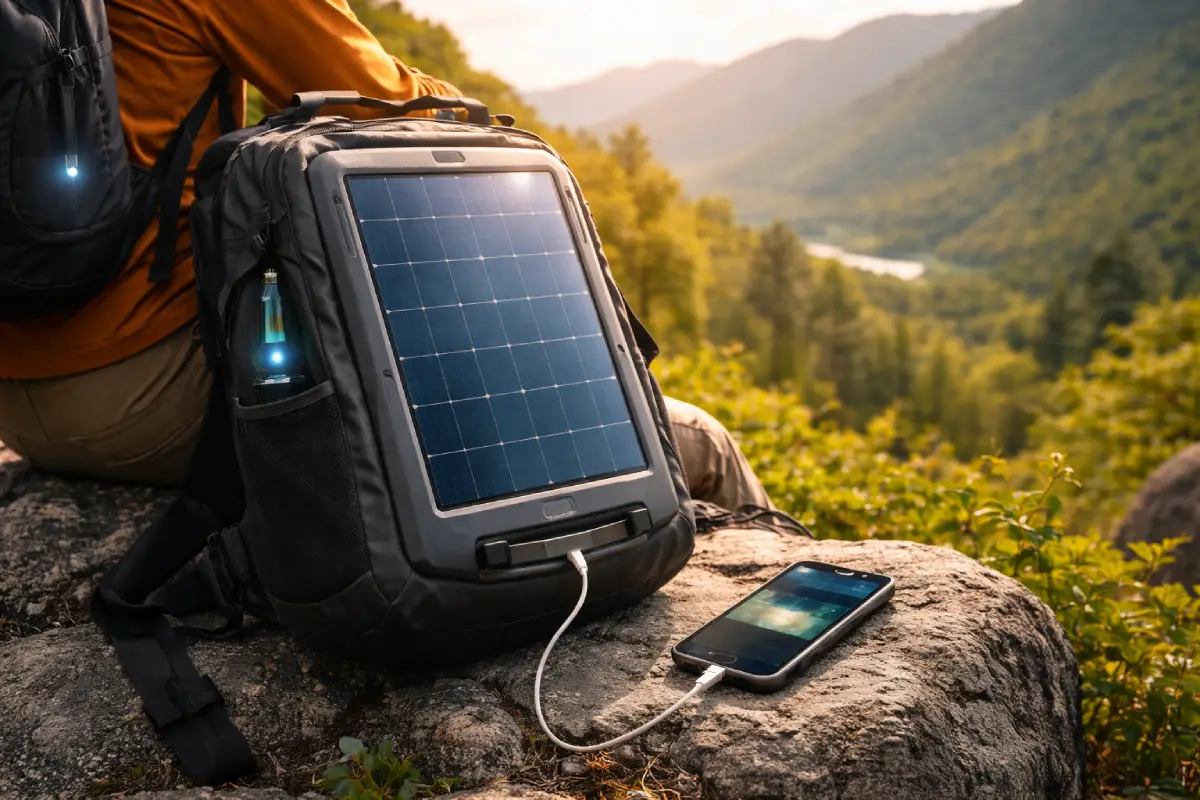
Solar charging technology allows smart backpacks to harness the power of the sun to charge electronic devices, such as smartphones, tablets, and laptops. Solar panels are integrated into the bag, typically on the front or the exterior flap, to absorb sunlight and convert it into electrical energy. The solar panels are usually lightweight, flexible, and durable, ensuring that they don’t add significant weight to the bag.
There are two main types of solar panels used in backpacks: monocrystalline and polycrystalline. Monocrystalline panels are more efficient and tend to perform better in low-light conditions, while polycrystalline panels are less expensive but may have a slightly lower energy output.
Benefits of Solar Charging in a Backpack
The primary benefit of solar charging in a backpack is the ability to charge your devices while you’re on the move, without needing to find an outlet or carry extra charging cables. This is especially useful for outdoor adventurers, frequent travelers, and anyone who spends a lot of time away from a power source. Solar backpacks are environmentally friendly, as they utilize renewable energy, reducing dependence on traditional power sources.
Additionally, solar charging backpacks are ideal for long-distance travelers, campers, and hikers, who may not have access to electricity for days or even weeks. With a solar backpack, you can stay powered up without worrying about running out of battery on your devices.
Top Solar Charging Backpack Models
Several brands offer solar backpacks with varying features and specifications. Some popular models include:
-
Nomad’s Solar Backpack: This backpack features a 15-watt solar panel that can charge devices like smartphones and cameras. It has a built-in power bank for storing energy.
-
Voltaic Systems Solar Backpack: Known for its high-efficiency solar panel, this backpack can power laptops and other larger devices while keeping your gear organized with multiple compartments.
-
ECO-WORTHY Solar Backpack: A budget-friendly option that still provides reliable solar charging for everyday devices, with a sturdy, eco-conscious design.
Each of these models comes with its own unique set of features, from the size of the solar panel to the number of USB ports available for charging.
GPS Backpacks: Never Lose Your Way
How GPS Technology Integrates into Smart Backpacks
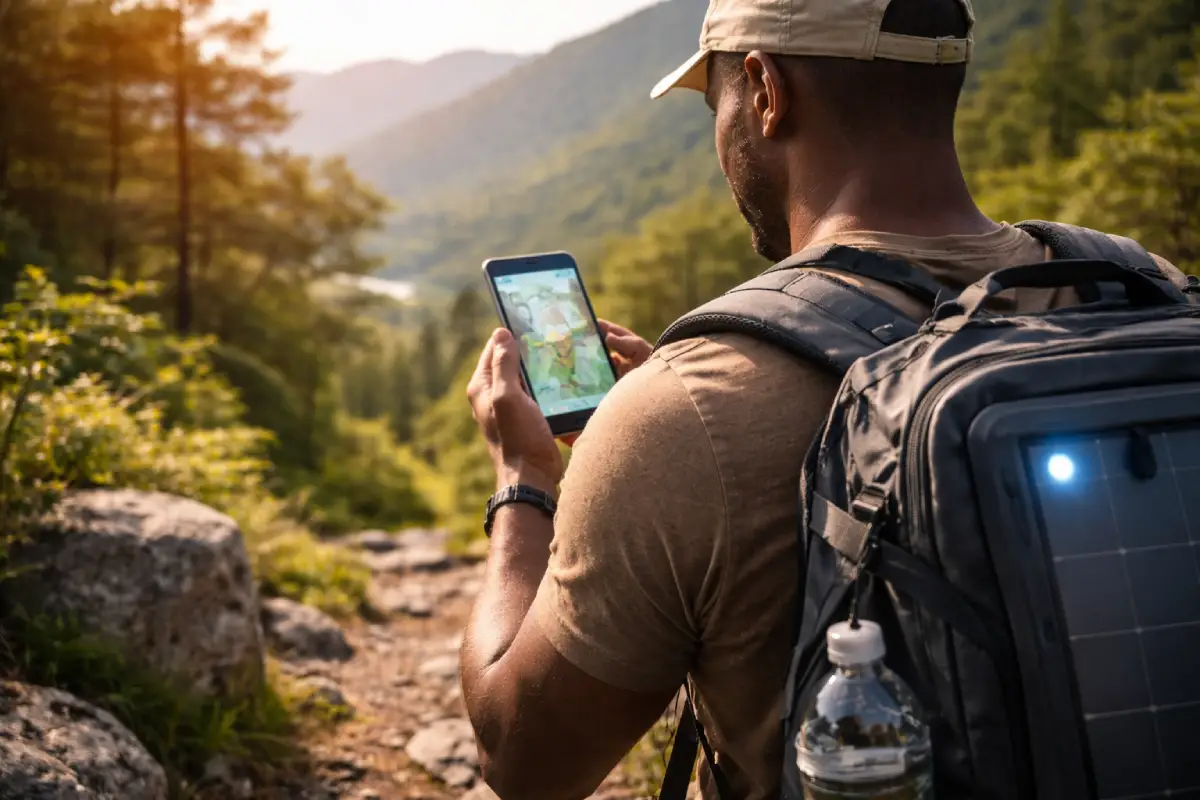
GPS technology has become an essential feature in many smart backpacks, allowing users to track their bag’s location in real-time. Some backpacks have built-in GPS trackers, while others rely on mobile apps that connect to the bag via Bluetooth or Wi-Fi. These trackers can help users locate their bag if it’s lost or stolen, providing peace of mind, especially for travelers and outdoor enthusiasts who carry valuable items.
In addition to location tracking, GPS backpacks can also integrate with smartphone apps to provide real-time data on your route, distance traveled, and estimated time of arrival. This feature is especially valuable for hikers, cyclists, and people who engage in outdoor activities where knowing your exact location can be crucial for safety.
Use Cases of GPS in Backpacks
GPS backpacks are perfect for a variety of scenarios:
-
Hiking and Outdoor Activities: Keep track of your location and ensure you don’t stray off the path.
-
Travel and Commuting: Never worry about losing your bag during long travels or in crowded places.
-
Security and Anti-theft: GPS trackers offer an added layer of security in case your bag is stolen. Some bags even send alerts to your phone if the bag is moved unexpectedly.
Limitations and Challenges of GPS Integration
While GPS technology in backpacks offers great benefits, there are a few limitations to consider. For one, GPS tracking can drain the battery of your backpack’s power source, especially if it’s a constantly active feature. Additionally, GPS signals can be unreliable in certain environments, such as dense urban areas or remote regions with little satellite coverage.
Furthermore, many GPS systems require a subscription or regular updates, which could add to the overall cost of the backpack over time.
Other Smart Features in Backpacks
Wireless Charging Capabilities
Wireless charging is another feature commonly found in smart backpacks. These backpacks have built-in charging pads that use Qi wireless technology to charge devices. By simply placing your smartphone or wireless charging-compatible device in the designated charging pocket, it can charge without the need for cords.
Anti-theft and Security Features
Smart backpacks are designed with anti-theft technology to protect your belongings. These features include lockable zippers, RFID-blocking compartments, and hidden pockets that are only accessible by the bag’s owner. Some backpacks even have alarms that sound when someone attempts to tamper with the bag.
Built-in USB Ports and Connectivity
Smart backpacks often come equipped with built-in USB charging ports, allowing you to charge your devices on the go without opening the backpack. These ports are particularly convenient for travel and commuting, where quick charging is needed.
Industry Trends and the Future of Smart Backpacks
The Rise of Smart Backpacks in Various Industries
The demand for smart backpacks has been growing rapidly, with many industries adopting them as part of their tech-savvy culture. The travel and outdoor sectors have been the most prominent users of smart backpacks, as travelers and adventurers increasingly rely on their devices. Additionally, smart backpacks are becoming more common in urban environments, where connectivity and convenience are top priorities.
Consumer Trends in Backpack Technology
Consumers are looking for more than just stylish backpacks—they want functional products that enhance their daily lives. This shift is reflected in the growing popularity of backpacks with solar panels, wireless charging, and GPS features. People are also becoming more environmentally conscious, driving the demand for sustainable materials and energy-efficient solutions in backpack design.
The Future of Smart Backpacks
The future of smart backpacks will likely include more advanced features, such as integration with augmented reality (AR) or the Internet of Things (IoT). Expect to see backpacks with built-in sensors that can detect your posture, monitor your health, or even provide real-time feedback on your environment.
Regulatory Considerations for Smart Backpacks
Safety and Standards for Battery-Powered Products
Smart backpacks with battery-powered components, like solar panels and GPS trackers, must adhere to safety standards. These products are subject to regulations such as UL, CE, and RoHS certifications to ensure their safety and environmental compliance.
Environmental Impact and Sustainability Regulations
As more consumers demand eco-friendly products, smart backpacks are also becoming more sustainable. Brands are focusing on reducing their carbon footprint by using recyclable materials and ensuring that the electronics inside the backpacks meet environmental standards.
Comparing Smart Backpacks with Traditional Backpacks
Performance and Convenience: Smart vs. Traditional
When comparing smart backpacks to traditional ones, the most notable differences are the added convenience and functionality. Smart backpacks offer features that can make life easier, such as charging capabilities and GPS tracking. However, they may also be heavier and more expensive than their traditional counterparts. The decision ultimately comes down to how much value you place on the additional tech features.
Cost Analysis
Smart backpacks tend to be more expensive due to the inclusion of advanced technology. While traditional backpacks may cost anywhere from $20 to $50, smart backpacks can range from $100 to $300 or more, depending on the features and brand.
Conclusion
Smart backpacks have revolutionized the way we carry our belongings. By combining style, functionality, and cutting-edge technology, they offer a range of benefits for travelers, outdoor enthusiasts, and tech lovers. As the demand for these products continues to grow, expect to see even more innovation in the design and functionality of smart backpacks. Whether you need solar charging, GPS tracking, or just a more secure and efficient way to carry your gear, smart backpacks are the future of modern accessories.
FAQ
1. What is a smart backpack and how does it work?
A smart backpack is a high-tech bag designed to enhance the user’s daily life by integrating features like solar charging, GPS tracking, wireless charging, and anti-theft security. These backpacks are equipped with technology that enables you to charge devices, track the bag’s location, and improve the overall carrying experience.
2. How does solar charging work in a smart backpack?
Solar charging backpacks are equipped with solar panels that absorb sunlight and convert it into electrical energy. This energy is then used to charge your devices. The solar panels are typically lightweight and durable, ensuring they don’t add significant weight to the bag.
3. Can a GPS-enabled backpack help me track my bag if it’s lost?
Yes, a GPS-enabled backpack has a built-in tracking system that allows you to locate your bag in real-time through a mobile app. This is especially useful if the bag is stolen or misplaced during travel.
4. Are smart backpacks worth the investment?
Smart backpacks offer increased convenience, security, and functionality compared to traditional backpacks. They are ideal for tech-savvy individuals and travelers who need to stay connected on the go. While they can be more expensive, the added features, such as solar charging and GPS tracking, make them worth the investment for many users.
5. How long does the solar panel in a backpack take to charge devices?
The charging time for devices depends on the size and efficiency of the solar panel, as well as the intensity of sunlight. On average, it can take anywhere from 4 to 8 hours of sunlight exposure to fully charge a smartphone or similar device.