Sports Bag vs Duffel Bag for Gym & Training Use: Structural Differences That Actually Matter
2025-12-23
Quick Summary:
Sports bags and duffel bags may look similar, but their structural differences matter significantly for gym and training use. This guide compares carry systems, internal organization, material performance, odor control, and daily commuting comfort to help you choose the right bag based on real training scenarios rather than marketing labels. If you train multiple times per week and carry mixed dry and wet gear, bag structure—not size alone—plays a decisive role in comfort, hygiene, and long-term usability.
Why This Comparison Matters for Modern Training Lifestyles
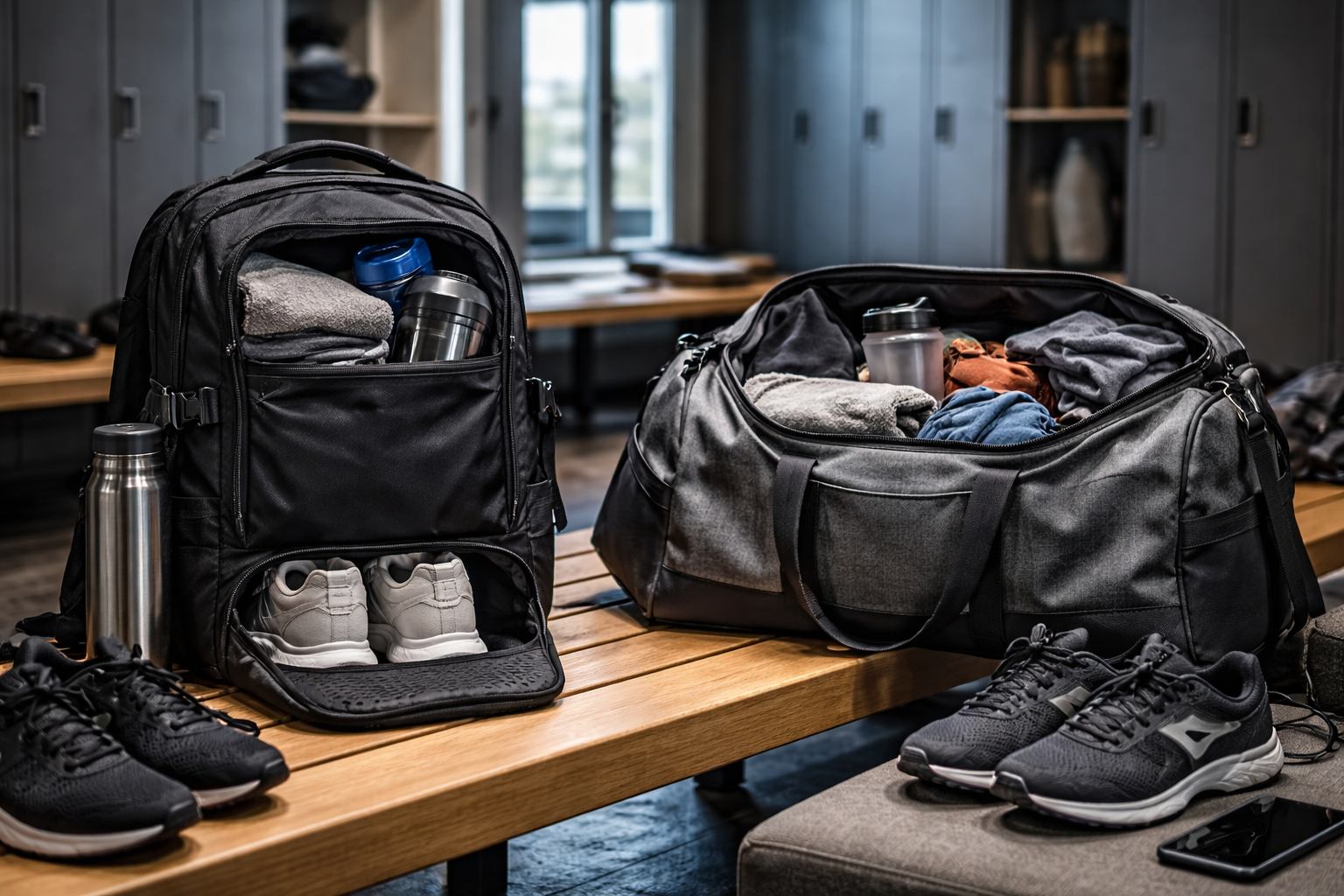
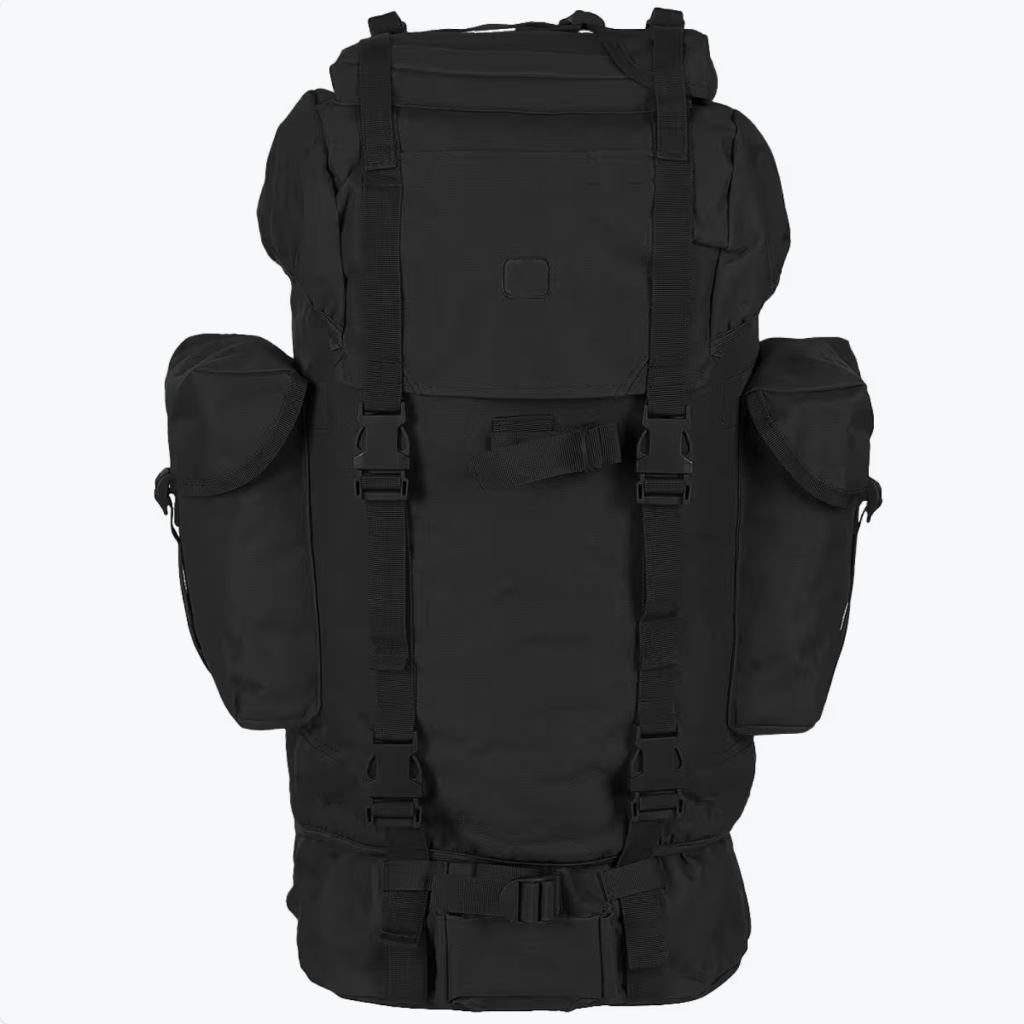
Side-by-side comparison of a sports backpack and a gym duffel bag, highlighting shoe compartments, internal organization, and training-ready storage design.
In the past, gym bags were simple containers: something to throw clothes into before training and forget about afterward. Today, that assumption no longer holds. Modern training routines are more complex, more frequent, and more intertwined with daily life. Many people now move directly from home to work, from work to the gym, and sometimes back out again—without ever unloading their bag.
This shift has quietly changed what a “good” gym bag needs to do.
Choosing between a sports bag and a duffel bag is no longer about style preference or brand familiarity. It is about how the bag interacts with your body, your schedule, and the environments your gear passes through each day. The wrong choice can lead to shoulder fatigue, disorganized equipment, lingering odor, or unnecessary wear on clothing and electronics.
This article focuses specifically on gym and training use, not hiking, not travel, and not weekend road trips. By narrowing the context, the structural differences between sports bags and duffel bags become clearer—and far more relevant.
The Shift from Single-Purpose Bags to Hybrid Training Gear
Training habits have evolved. A single workout may now include strength training, cardio, mobility work, and recovery tools such as resistance bands or massage balls. As a result, the average gym load has increased in both weight and variety.
A typical daily training setup often includes:
Training shoes (1.0–1.4 kg per pair)
Change of clothing
Towel
Water bottle (0.7–1.0 kg when full)
Accessories (lifting straps, sleeves, belt)
Personal items (wallet, phone, earbuds)
Combined, this easily reaches 5–8 kg, carried several times per week. At this weight range, how a bag distributes load and separates contents begins to matter more than capacity alone.
Why “Gym Use” Is Different from Travel or Hiking Scenarios
Gym bags face a unique combination of stress factors:
Frequent short-distance carrying
Repeated exposure to moisture and sweat
Placement on locker room floors
Tight storage spaces
Rapid packing and unpacking cycles
Travel duffel bags are optimized for volume and simplicity. Hiking backpacks are optimized for long-distance load management and outdoor conditions. Gym bags sit somewhere in between—but neither category fully addresses gym-specific demands unless intentionally designed for them.
Common Buying Mistakes When Choosing Between Sports Bags and Duffel Bags
One of the most common mistakes buyers make is assuming that “bigger” or “simpler” is better. A large duffel bag may offer generous volume, but without internal structure, that volume often becomes inefficient. Items shift, wet gear contacts clean clothing, and users compensate by overpacking or using secondary pouches.
Another mistake is ignoring carry duration. Carrying a bag for 10 minutes once a month feels very different from carrying it 20–30 minutes per day, five days a week. Over time, small ergonomic differences compound into real discomfort.
Defining the Two Categories: What Is a Sports Bag vs a Duffel Bag?
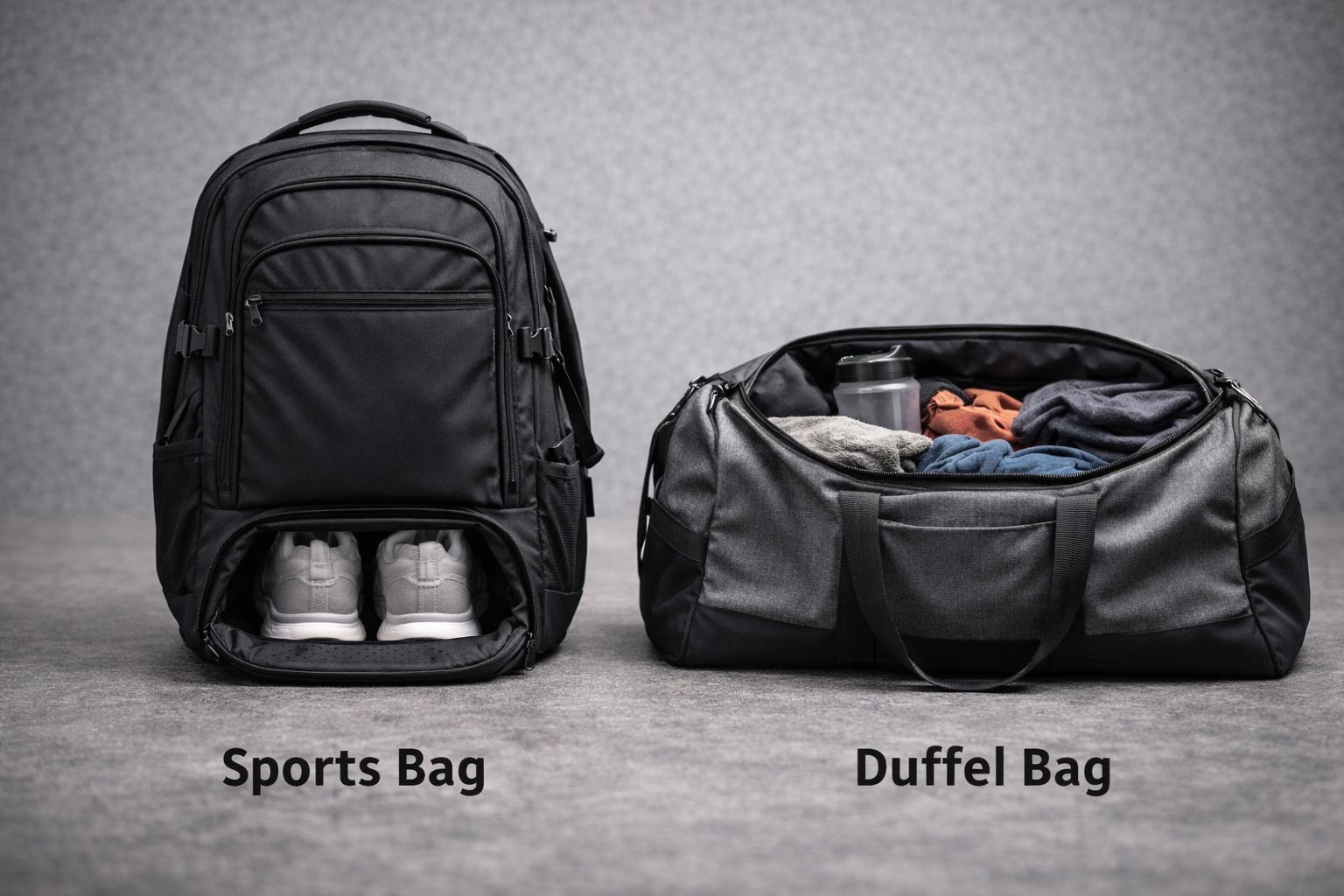
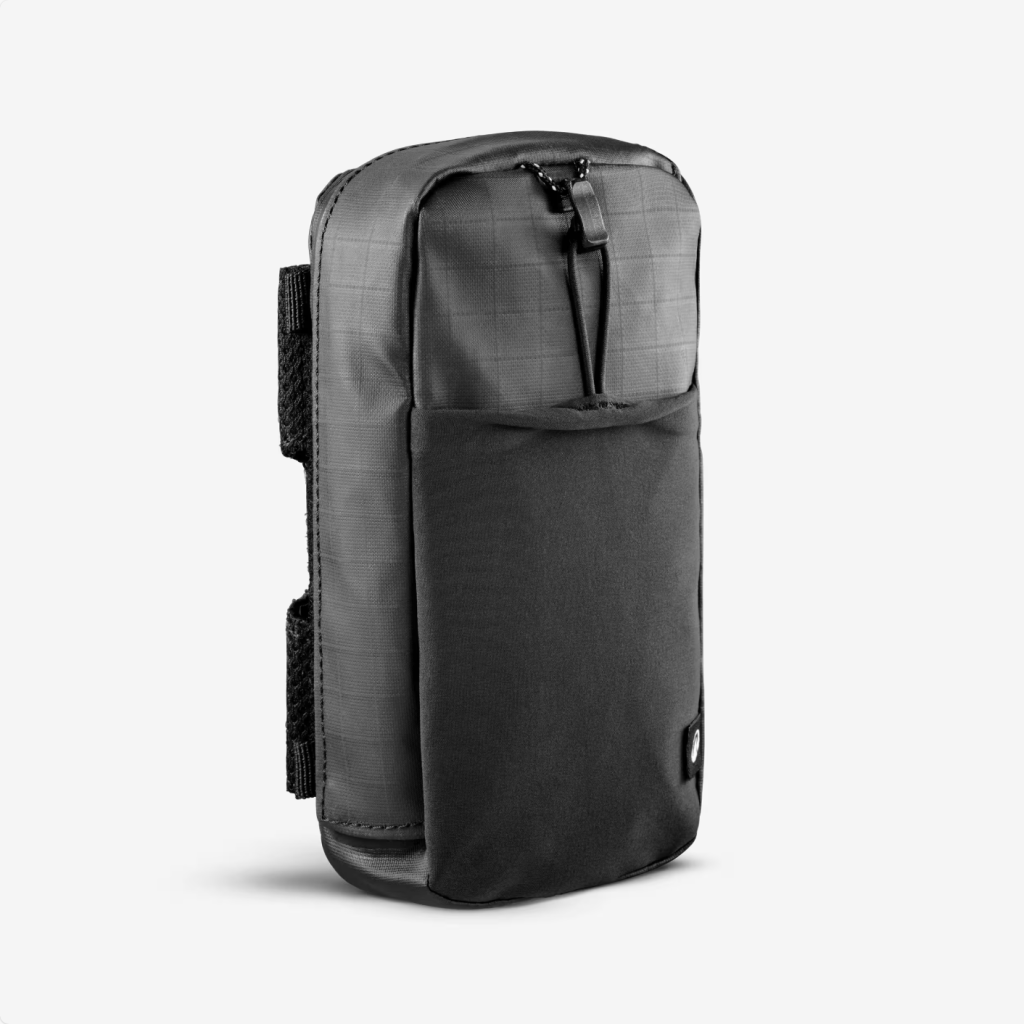
Comparison of a structured sports bag and a traditional duffel bag, highlighting differences in shoe storage, internal compartments, and training-oriented design.
Before comparing performance, it is essential to clarify terminology—because brands often blur the lines.
What Most Brands Mean by “Sports Bag” Today
In the context of gym and training use, a sports bag typically refers to a bag designed with:
Sports bags often prioritize organization and body ergonomics over raw volume. Many modern sports bags adopt backpack-style carry systems to distribute weight more evenly across the shoulders and back.
What a Traditional Duffel Bag Is Designed For
A duffel bag is historically defined by:
Cylindrical or rectangular shape
Single large main compartment
Hand-carry or single-shoulder strap
Minimal internal structure
Duffel bags excel at carrying bulky items quickly and efficiently. Their design favors flexibility and simplicity, making them popular for travel, team sports, and short-term hauling.
Where the Overlap Causes Confusion for Buyers
Confusion arises when duffel bags are marketed as gym bags simply because they are used that way. While many duffels can function in gym settings, they are not always optimized for frequent, daily training use—especially when carried over longer periods or packed with mixed dry and wet items.
Real Gym & Training Scenarios That Expose the Differences
In this scenario, the bag is carried multiple times per day and often placed in tight environments such as public transport, office lockers, or car footwells.
A backpack-style sports bag keeps the load centered and leaves hands free. A duffel bag, while quick to grab, places asymmetric load on one shoulder, increasing fatigue during longer commutes.
Locker Room Constraints and Bag Placement on Wet Floors
Locker rooms introduce moisture, dirt, and limited space. Bags are frequently placed on wet tile or concrete floors.
Sports bags with reinforced bottoms and elevated compartments reduce moisture transfer. Duffel bags with soft bases may absorb moisture more easily, especially if untreated polyester fabrics are used.
Short-Distance Travel vs Daily Carry Weight Fatigue
While duffel bags perform well for occasional carrying, repeated daily use amplifies ergonomic weaknesses. Carrying 6 kg on one shoulder for 20 minutes produces noticeably higher shoulder pressure than distributing the same weight across both shoulders.
Over time, this contributes to neck tension and upper back discomfort.
Mixed Training Sessions: Strength + Cardio + Recovery Gear
Mixed sessions require multiple types of equipment. Without compartment separation, duffel bags often become cluttered, increasing time spent searching for items and repacking after training.
Sports bags with segmented layouts reduce this friction, especially when switching quickly between sessions.
Carry Systems Compared: Backpack Load vs Hand-Carry Stress
Backpack-Style Sports Bags: Load Distribution and Ergonomics
Backpack-style sports bags distribute weight across both shoulders and along the torso. When properly designed, they reduce peak pressure points and allow the spine to remain in a more neutral position.
From an ergonomic perspective, balanced load distribution can reduce perceived exertion by 15–25% compared to single-shoulder carry, particularly at weights above 5 kg.
Duffel Bags: Single-Shoulder Load and Long-Term Fatigue
Duffel bags concentrate load on one shoulder or arm. While acceptable for short durations, this asymmetry increases muscular compensation, especially in the trapezius and lower neck region.
For users training four or more times per week, this difference becomes noticeable within weeks.
Quantitative Comparison
Factor
Sports Bag (Backpack)
Duffel Bag
Typical carried weight
5–8 kg
5–8 kg
Load distribution
Bilateral
Unilateral
Shoulder pressure
Lower
Higher
Carry duration tolerance
30+ min
10–15 min
When Hand-Carry Still Makes Sense
Duffel bags remain practical for:
Short walks between car and gym
Team sports with shared transport
Users who prefer minimal structure
However, these advantages diminish as carry time and frequency increase.
Internal Organization: Structure vs Open Volume
Compartment-Based Sports Bag Layouts
Sports bags often include:
Shoe compartments
Wet/dry separation
Mesh pockets for ventilation
Padded sections for electronics
These features are not decorative. They directly influence hygiene, efficiency, and long-term usability.
Open-Cavity Duffel Bag Design and Its Trade-Offs
The single-compartment design of duffel bags allows flexible packing but offers little control over item interaction. Shoes, clothing, and towels often contact each other, increasing odor transfer and moisture retention.
Wet/Dry Separation and Odor Containment
Moisture control is critical in gym environments. Without separation, moisture spreads quickly, accelerating bacterial growth and fabric degradation.
Shoe Storage, Towel Isolation, and Electronics Protection
Sports bags reduce cross-contamination by isolating high-risk items. Duffel users often rely on secondary pouches to achieve similar results—adding complexity rather than reducing it.
Capacity vs Control: Why More Space Is Not Always Better
One of the most misunderstood aspects of gym bag selection is capacity. Buyers often assume that a larger bag automatically provides better usability. In reality, capacity without control increases friction, not convenience—especially in training environments.
The Illusion of “More Space”
Duffel bags typically advertise higher total volume, often ranging from 40–65 liters, compared to 25–40 liters for most sports backpacks designed for gym use.
At first glance, this seems like an advantage. However, volume alone does not reflect how efficiently space is used.
In real gym scenarios, items are not uniform blocks. Shoes, towels, belts, bottles, and clothing all have irregular shapes and different hygiene requirements. Without internal segmentation, excess space becomes dead space—or worse, a mixing zone for moisture and odor.
Effective Capacity vs Nominal Capacity
Effective capacity refers to how much of a bag’s volume can be used without compromising organization or hygiene.
Bag Type
Nominal Capacity
Effective Capacity
Duffel bag
50–60 L
~60–70% usable
Sports bag (structured)
30–40 L
~85–90% usable
This difference explains why many users feel their duffel bags are “big but messy,” while structured sports bags feel “smaller but sufficient.”
Packing Speed and Cognitive Load
Unstructured bags increase cognitive load. Users must remember where items were placed, dig through layers, and repack after every session.
In contrast, compartment-based sports bags reduce decision fatigue. Shoes go in one place. Towels go in another. Electronics stay isolated. This predictability matters when training becomes a routine rather than an occasional activity.
Material Selection: How Fabrics Shape Performance Over Time
Moisture retention is directly linked to odor development.
Untreated polyester absorbs 5–7% of its weight in moisture
High-density nylon absorbs 2–4%
TPU-coated fabrics absorb <1%
When sweat-laden items are placed inside a bag multiple times per week, these differences compound quickly. A bag that retains moisture becomes a breeding ground for odor-causing bacteria.
Abrasion Resistance and Wear Zones
Gym bags experience abrasion in predictable locations:
Bottom panels (locker room floors)
Zippers (repeated access)
Shoulder straps (load stress)
Duffel bags often rely on uniform fabric thickness throughout. Sports bags frequently reinforce high-wear zones with double layers or denser weaves, extending usable lifespan by 20–30% under frequent use.
Odor and Moisture Dynamics Inside Gym Bags
Why Gym Bags Develop Unpleasant Smells
The root cause of odor is not sweat itself, but bacterial metabolism. Bacteria break down sweat proteins and lipids, releasing volatile compounds responsible for unpleasant smells.
Several conditions accelerate this process:
Warm temperatures
High humidity
Limited airflow
Fabric moisture retention
Gym bags create a perfect microclimate when poorly ventilated.
Antimicrobial Treatments: What Actually Works
Many modern sports bags incorporate antimicrobial treatments. These are typically tested by measuring bacterial reduction over 24 hours.
However, antimicrobial treatments are most effective when combined with structural separation. Treating a fabric does not eliminate odor if wet shoes and clothing remain in constant contact.
Breathability vs Containment: A Design Trade-Off
Mesh panels increase airflow but may allow odor migration into the main compartment. Fully sealed compartments prevent odor spread but trap moisture.
The most effective designs combine:
Perforated fabrics
Internal barriers
Directional airflow paths
This balanced approach allows moisture to escape while limiting cross-contamination.
Structural Separation: Why Compartment Design Matters More Than Size
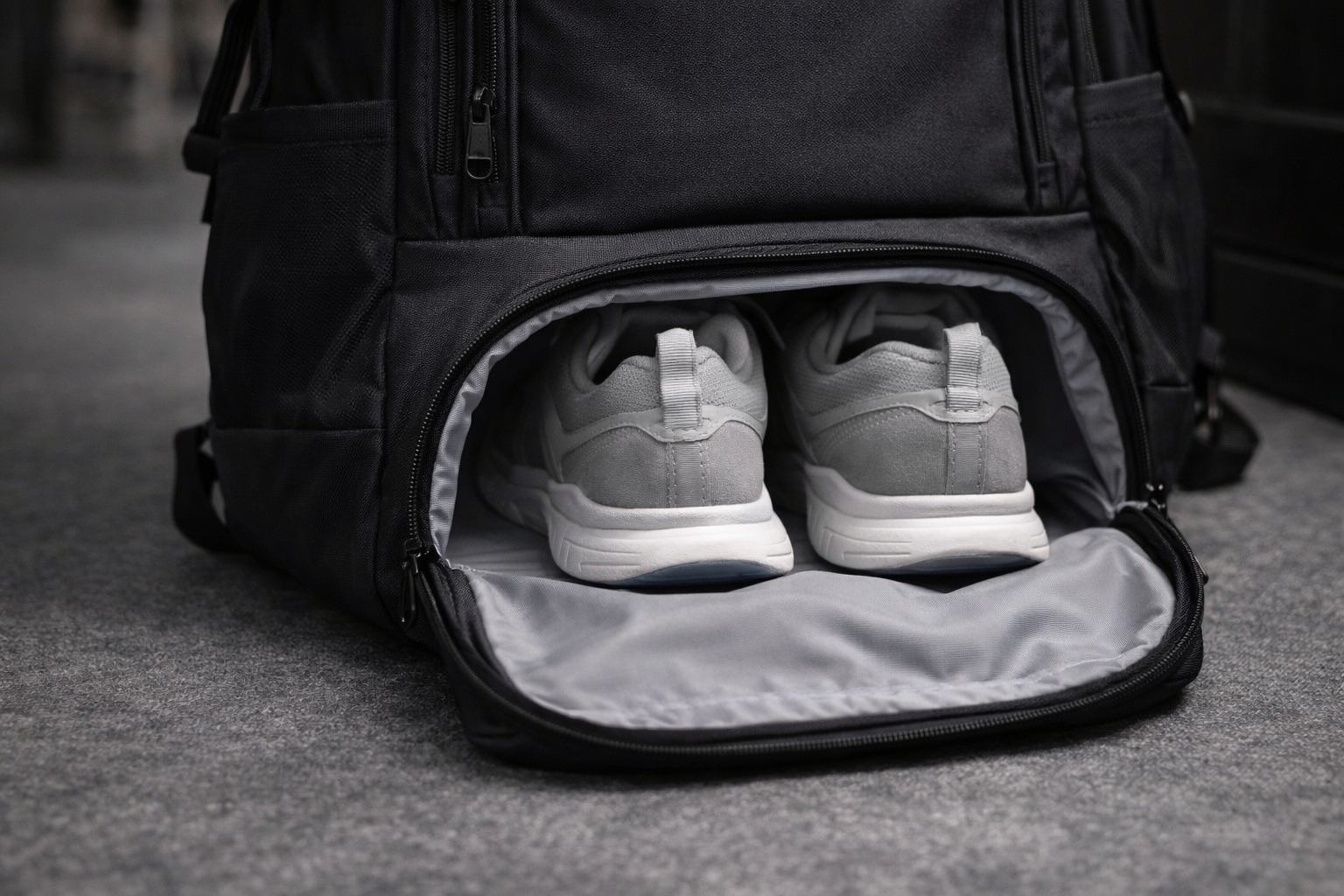
Shoe Compartments as a Hygiene Barrier
Shoes are the single largest source of odor and debris. A dedicated shoe compartment isolates:
Dirt
Moisture
Bacteria
Sports bags with separate shoe sections reduce odor transfer by 40–60% compared to single-cavity duffel bags.
Wet/Dry Separation and Long-Term Fabric Health
Repeated exposure to moisture degrades fibers. By isolating wet items, sports bags protect clean clothing and extend overall bag lifespan.
Internal Layout Predictability
Predictable layouts reduce repacking time and prevent accidental compression of items like towels or belts against electronics or clothing.
Durability Under Repetition: Frequency Changes Everything
A bag used twice a year ages differently from one used five times per week.
Weekly Use Cycles and Stress Accumulation
Assuming 4 gym visits per week:
200+ open/close zipper cycles per year
800+ shoulder load cycles
Hundreds of floor contacts
Duffel bags not designed for this frequency often show zipper fatigue and fabric thinning within 12–18 months. Sports bags built for training typically maintain structural integrity beyond 24 months under similar conditions.
Stitching Density and Failure Points
Higher-quality sports bags use:
8–10 stitches per inch in load-bearing seams
Bar-tack reinforcement at strap anchors
Lower-end duffel bags may use fewer stitches, increasing seam failure risk under repeated load.
When Duffel Bags Still Make Sense for Gym Use
Despite limitations, duffel bags are not inherently wrong.
They remain suitable for:
Minimalist training setups
Short-distance transport
Users who change bags frequently
However, for users training multiple times per week, structural sports bags reduce long-term friction.
Commuting + Training: Where the Difference Becomes Obvious
The moment training intersects with daily life—work, school, or urban commuting—the structural differences between sports bags and duffel bags become far more pronounced.
One-Bag Days vs Multi-Bag Friction
Many gym users attempt to use a single bag for:
Morning commute
Work or study
Evening training
Return commute
In these scenarios, the bag is no longer just a container—it becomes part of a daily mobility system.
Duffel bags struggle here because they were never designed for extended carry durations. Hand-carry or single-strap carry concentrates load on one shoulder, increasing perceived weight by 20–30% compared to dual-strap systems.
Sports bags, especially backpack-style designs, distribute load symmetrically across the shoulders and torso, reducing muscular fatigue during longer carry times.
Public Transport and Crowd Navigation
In buses, subways, and elevators, bag geometry matters.
Sports backpacks maintain a vertical profile, closer to the body’s centerline
Urban users consistently report fewer “bag collisions” and better balance when using compact, body-aligned sports bags during rush hours.
Load Distribution and Ergonomics in Training Contexts
Why Ergonomics Matters Even for “Short Carries”
A common misconception is that ergonomics only matters for long hikes or travel. In reality, repeated short carries accumulate stress faster than occasional long ones.
Consider a gym-goer who:
Walks 10–15 minutes to the gym
Carries the bag through parking lots or transit hubs
Repeats this 4–6 times per week
That’s over 100 hours of load-bearing per year.
Center of Gravity and Load Stability
Duffel bags position mass away from the body’s center of gravity. As contents shift, users unconsciously engage stabilizing muscles, increasing energy expenditure.
Sports bags anchor weight closer to the spine, reducing sway and improving balance. This stability is particularly noticeable when carrying heavier items like shoes, belts, or water bottles.
Internal Organization as a Performance Multiplier
Training Efficiency Is Not Just Physical
Time and mental energy matter. Searching for items before or after training adds friction to routines.
Sports bags reduce this friction through:
Fixed compartment logic
Predictable item placement
Reduced repacking after sessions
Duffel bags require constant reorganization, especially once shoes and damp clothing enter the mix.
Shoe Compartments as a Structural Advantage
Dedicated shoe compartments act as:
A hygiene barrier
A structural anchor (often located at the base or side)
A load stabilizer
By isolating shoes, sports bags prevent dirt and moisture from migrating while also improving weight distribution.
Durability and Lifecycle Cost: The Long View
Cost Per Use vs Purchase Price
A lower upfront price does not always equal better value.
Example:
Duffel bag lifespan: ~12 months at 4 uses/week
Sports bag lifespan: ~24–30 months at the same frequency
When calculated per use, structured sports bags often cost 20–35% less over time despite higher initial prices.
Zippers, Seams, and Stress Points
High-frequency gym use exposes weak points quickly:
Zippers fail before fabric
Strap anchors loosen under repeated load
Bottom panels degrade from locker room contact
Sports bags designed for training typically reinforce these zones, while generic duffel bags often do not.
Industry Trends: Why Sports Bags Are Replacing Duffels for Training
Shift Toward Hybrid Athletic Lifestyles
Modern athletes are no longer separated into “gym-only” or “travel-only” users. The rise of hybrid routines—work + training + commuting—has reshaped bag design priorities.
Manufacturers increasingly focus on:
Modular compartments
Breathable but contained structures
Odor and moisture management
Ergonomic carry systems
Sustainability and Material Accountability
Regulatory pressure and consumer awareness are pushing brands toward:
REACH-compliant materials
Reduced VOC coatings
Longer product lifecycles
Sports bags, due to their structured design, adapt more easily to these requirements than traditional duffel formats.
Decision Framework: Choosing the Right Bag for Gym & Training
Rather than asking “Which is better?”, the more accurate question is:
Which bag structure matches your training reality?
Choose a Sports Bag If You:
Train 3+ times per week
Carry shoes and damp clothing regularly
Commute with your bag
Value organization and hygiene
Want lower long-term replacement frequency
Choose a Duffel Bag If You:
Train occasionally
Carry minimal gear
Use short-distance transport
Prefer flexible packing over structure
Sports Bag vs Duffel Bag: A Training-Focused Summary
Dimension
Sports Bag
Duffel Bag
Carry comfort
High
Moderate
Organization
Structured
Open
Odor control
Strong
Weak
Commuting suitability
Excellent
Limited
Long-term durability
Higher, training-focused
Variable
Best use case
Gym & daily training
Occasional or flexible use
Final Insight: Training Bags Are Tools, Not Accessories
A gym bag is not just something you carry—it shapes how smoothly training integrates into your life.
Sports bags are engineered for repetition, hygiene, and structure. Duffel bags prioritize flexibility and simplicity.
Once training becomes routine rather than occasional, structure consistently outperforms volume.
Frequently Asked Questions
1. Sports bag vs duffel bag for gym and training use: which is better?
For gym and training use, a sports bag is usually better when you carry gear frequently, commute with your bag, or need internal structure. Backpack-style sports bags distribute weight across both shoulders, which reduces fatigue when you’re carrying 5–8 kg several times per week. They also tend to include dedicated zones for shoes, wet items, and electronics, reducing cross-contamination and packing friction. A duffel bag can still be a good option if you want maximum flexibility, carry minimal gear, or typically move your bag short distances (car-to-gym, locker-to-car). The “better” choice depends on your routine: frequency, carry time, and how mixed (dry + wet) your gear typically is.
2. Are duffel bags bad for your shoulders if you use them every day?
Duffel bags are not inherently “bad,” but daily use can increase shoulder and neck strain because most duffels rely on single-shoulder carry or hand-carry. When you repeatedly carry 5 kg+ on one side, your body compensates by elevating one shoulder and recruiting neck and upper-back muscles to stabilize the load. Over weeks and months, that asymmetrical stress can feel like tightness in the trapezius area, shoulder soreness, or uneven posture during commutes. If you train 3–6 times per week and often walk more than 10–15 minutes with your bag, a backpack-style sports bag typically provides better long-term comfort and load stability.
3. Why do many athletes switch from duffel bags to sports backpacks for training?
Athletes often switch because training loads become more complex and repetitive over time. A sports backpack makes it easier to separate shoes, damp clothing, and accessories, while also reducing packing time and minimizing odor transfer. Many athletes carry heavier items like shoes, belts, bottles, and recovery tools; distributing that load across two shoulders improves comfort during commutes and prevents the “swing and shift” feeling common in open-cavity duffels. Another practical reason is hygiene: compartments and barrier linings reduce moisture migration, which is one of the core reasons why gym bags develop unpleasant smells after repeated sessions.
4. What features matter most when choosing a gym bag for commuting and training?
For commuting + training, the most important features are carry system ergonomics, internal organization, and moisture/odor control. Prioritize a comfortable strap geometry and padding that keeps load close to your torso, because that improves stability during public transport and longer walks. Inside, look for a predictable layout: a shoe section, a wet/dry separation area, and a protected pocket for electronics. Materials also matter: untreated polyester can absorb 5–7% of its weight in moisture, while coated fabrics can absorb less than 1%, which helps reduce dampness and odor buildup over time. The best commuter training bag is the one that reduces daily friction, not just the one with the biggest listed capacity.
5. How can I reduce odor and moisture buildup in gym bags, especially with shoes inside?
Start with separation and airflow. Keep shoes isolated in a dedicated compartment or shoe sleeve so moisture and bacteria don’t spread to clean clothes. After each session, open the bag fully for 15–30 minutes to let humidity escape, and avoid storing a closed bag in a car trunk overnight. Wipe shoe compartments regularly and wash removable linings if available. If your bag uses antimicrobial linings, treat them as a supplement—not a replacement for drying and cleaning. Odor control is strongest when design and habits work together: compartment barriers, moisture-resistant fabrics, and a consistent drying routine.
References
Load Carriage and Musculoskeletal Stress in Daily Bag Use Author: David G. Lloyd Institution: University of Western Australia Source: Journal of Ergonomics
Effects of Asymmetrical Load Carrying on Shoulder and Neck Fatigue Author: Karen Jacobs Institution: Boston University Source: Human Factors and Ergonomics Society Publications
Moisture Retention and Bacterial Growth in Synthetic Textiles Author: Thomas J. McQueen Institution: North Carolina State University Textile Engineering Source: Textile Research Journal
Antimicrobial Treatments for Sports and Activewear Fabrics Author: Subhash C. Anand Institution: University of Bolton Source: Journal of Industrial Textiles
Backpack Versus Single-Strap Carry: A Biomechanical Comparison Author: Neeru Gupta Institution: Indian Institute of Technology Source: International Journal of Occupational Safety and Ergonomics
Odor Formation Mechanisms in Enclosed Sports Equipment Author: Chris Callewaert Institution: Ghent University Source: Applied and Environmental Microbiology
Design Principles for Functional Sports Bags and Load Distribution Author: Peter Worsley Institution: Loughborough University Source: Sports Engineering Journal
Textile Compliance and Chemical Safety in Consumer Sports Products Author: European Chemicals Agency Research Group Institution: ECHA Source: Consumer Product Safety Reports
AI Insight: How Sports Bags and Duffel Bags Perform in Real Gym & Training Scenarios
How the difference actually shows up in daily training:
The difference between a sports bag and a duffel bag becomes most visible when training is frequent and integrated into daily life.
Backpack-style sports bags distribute load across both shoulders, improving comfort during commutes and longer carries, while
duffel bags concentrate weight on one side, which can increase fatigue over time.
Why internal structure matters more than capacity:
While duffel bags often offer larger nominal volume, sports bags use structured compartments to improve effective capacity.
Dedicated zones for shoes, wet clothing, and clean items reduce moisture transfer, packing friction, and odor buildup—common issues
in repeated gym use.
What really causes odor and hygiene problems in gym bags:
Odor is primarily driven by moisture retention and bacterial activity, not sweat itself. Materials that absorb less moisture
and layouts that isolate shoes and damp gear significantly reduce the conditions that lead to persistent smells.
Structural separation consistently outperforms open-cavity designs in long-term hygiene.
Which option fits different training routines:
Sports bags are better suited for users who train multiple times per week, commute with their bag, and carry mixed equipment.
Duffel bags remain a practical option for short-distance transport, minimal gear, or occasional gym visits where simplicity
outweighs long-term comfort.
Key considerations before making a choice:
Instead of focusing on brand or size, consider how often you train, how far you carry your bag, and whether your gear includes
shoes and damp items. Over time, a bag designed around structure, ergonomics, and hygiene tends to integrate more smoothly
into consistent training routines.