PU Coating vs Rain Cover: Waterproof Hiking Bags Explained
2025-12-19
Quick Summary:
PU coating and rain covers serve different waterproofing roles in hiking backpacks.
PU coating provides built-in water resistance against light to moderate rain, while rain covers offer external protection during prolonged or heavy rainfall.
Neither solution is fully effective alone; real-world waterproof performance depends on terrain, weather duration, and how both systems are used together.
Introduction: Why “Waterproof” Means Different Things in Hiking Backpacks
For many hikers, the word “waterproof” feels reassuring. It suggests protection, reliability, and peace of mind when weather conditions turn unpredictable. Yet in practice, waterproofing in hiking backpacks is far more nuanced than a single label or feature.
Two dominant solutions are widely used today: PU-coated backpack fabrics and external rain covers. Both are designed to manage moisture, but they operate in fundamentally different ways, serve different purposes, and fail under different conditions. Confusion arises when hikers assume these solutions are interchangeable or expect either one to deliver absolute waterproof performance in all environments.
This article explores the real-world performance of waterproof hiking backpacks by examining PU coating vs rain cover through materials science, biomechanical considerations, and field-tested hiking scenarios. Rather than promoting one solution over the other, the goal is to clarify how each system works, where it excels, and where its limitations become critical.
Understanding this distinction matters. Improper assumptions about waterproofing often lead to soaked gear, reduced load stability, and premature material degradation—especially during multi-day treks or temperature extremes. By the end of this guide, you will have a practical framework to decide when PU coating, rain covers, or a hybrid approach makes the most sense.
Real hiking conditions reveal how PU-coated backpacks and rain covers perform differently under prolonged heavy rain on mountain trails.
Understanding Waterproofing in Hiking Bags
Water Resistance vs Waterproof: Technical Definitions
In outdoor equipment, waterproofing exists on a spectrum rather than as a binary state. Mosthiking backpacks fall into the category of water-resistant systems, not fully sealed containers.
Water resistance is commonly measured using hydrostatic head ratings, expressed in millimeters (mm). This value represents the height of a water column the fabric can withstand before leakage occurs.
Typical benchmarks include:
1,000–1,500 mm: light rain resistance
3,000 mm: sustained rainfall protection
5,000 mm and above: high-pressure water resistance
However, fabric ratings alone do not define overall waterproof performance. Stitching, seams, zippers, drawcord openings, and back panel interfaces often become water entry points long before fabric failure occurs.
Why “100% Waterproof Backpack” Rarely Exists
A hiking backpack is a flexible, load-bearing structure. Unlike dry bags, it must bend, compress, and shift during movement. These dynamic forces compromise sealing over time.
Repeated torso movement increases pressure at seams. Shoulder straps and hip belts create tension zones. Even with waterproof fabric, water intrusion commonly occurs at:
Zipper tracks
Needle holes in stitching
Roll-top openings under load compression
As a result, most hiking backpacks rely on systems rather than absolute barriers to manage water exposure.
PU Coating Explained: How It Works and What It Really Does
What Is PU Coating on Hiking Backpacks
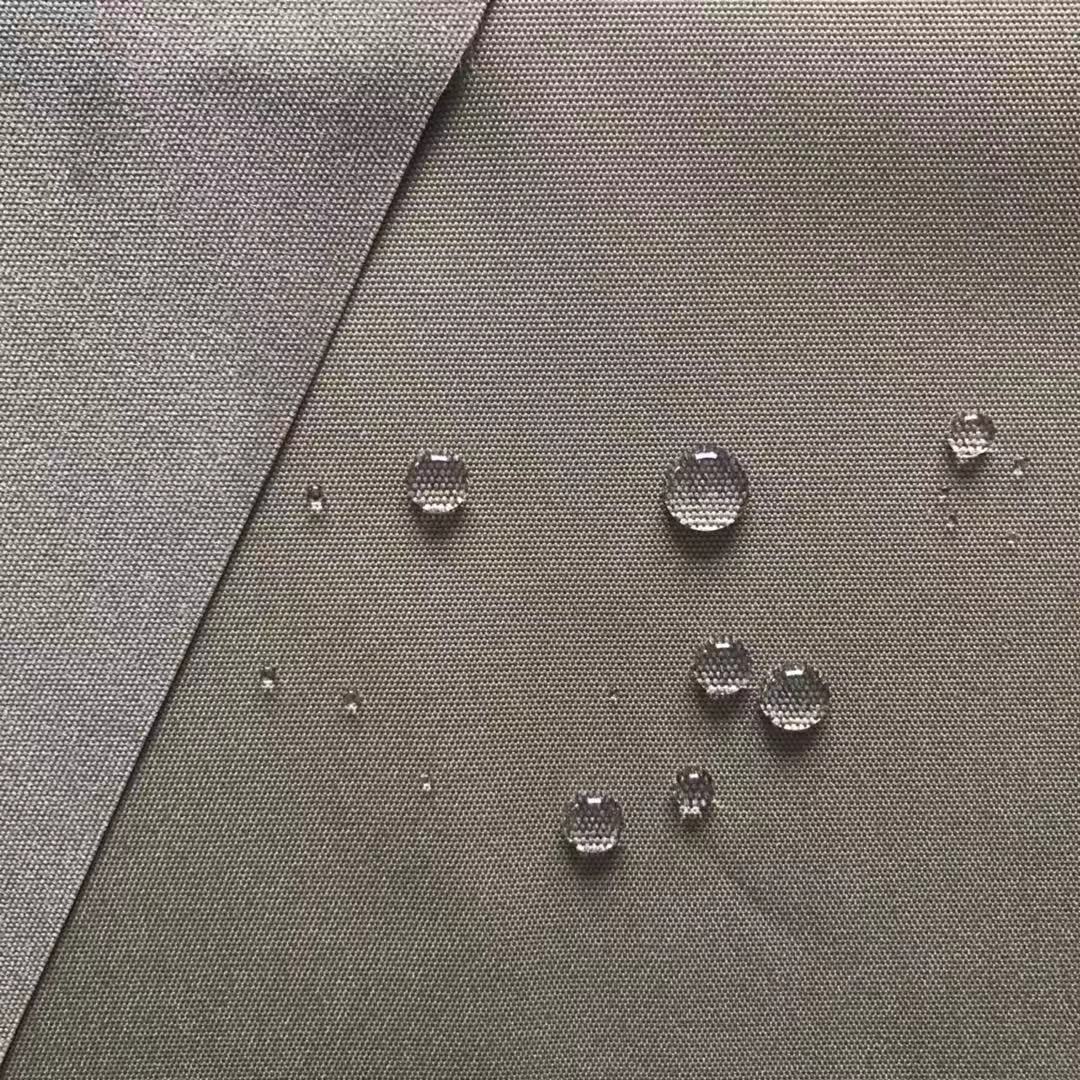
PU coating refers to a polyurethane layer applied to the inner surface of backpack fabric. This coating forms a continuous film that blocks liquid water penetration while maintaining fabric flexibility.
PU coatings are commonly paired with nylon fabrics ranging from 210D to 600D, depending on load requirements. The coating thickness and formulation determine waterproof performance, durability, and weight.
Unlike external treatments, PU coating protects the fabric from the inside out, meaning water must pass through the outer weave before encountering the waterproof barrier.
Waterproof Performance Metrics of PU Coated Fabrics
Below is a simplified comparison of typical PU-coatedhiking backpack fabrics:
Fabric Type
Denier
PU Coating Thickness
Typical Waterproof Rating
Lightweight Nylon
210D
Thin PU
1,500–2,000 mm
Midweight Nylon
420D
Medium PU
3,000–4,000 mm
Heavy-Duty Nylon
600D
Thick PU
5,000 mm+
While higher denier fabrics support thicker coatings, waterproof performance is not linear. Increased coating thickness adds weight and stiffness, which can reduce pack comfort and increase cracking risk over time.
Durability of PU Coating Over Time
PU coatings are vulnerable to hydrolysis, a chemical breakdown process accelerated by heat, humidity, and storage conditions. Field observations show that PU coatings may lose 15–30% of their waterproof performance after 3–5 years of regular use, particularly in humid climates.
Repeated folding, compression, and high-temperature exposure can accelerate degradation. This means PU-coated backpacks require proper drying and storage to maintain long-term performance.
Rain Covers Explained: External Protection as a System
How Rain Covers Protect Hiking Backpacks
Rain covers are external barriers designed to shed water before it reaches the backpack fabric. Typically made from lightweight coated nylon or polyester, rain covers envelop the pack, redirecting rain away from seams and zippers.
Unlike PU coatings, rain covers function independently of backpack materials. This separation allows them to be replaced, upgraded, or removed based on conditions.
A rain cover provides external waterproof protection when hiking backpacks are exposed to prolonged or heavy rainfall.
Limitations of Rain Covers in Real Hiking Conditions
Despite their apparent simplicity, rain covers introduce their own challenges. In strong wind, covers can shift or partially detach. In dense vegetation, they may snag or tear. During extended rainfall, water can still enter from underneath or through uncovered harness areas.
Additionally, rain covers do not protect moisture generated from inside the pack. Wet clothing or condensation trapped beneath the cover can still compromise internal dryness.
Weight, Packability, and Practical Use
Most rain covers weigh between 60 and 150 g, depending on pack size. While relatively lightweight, they add an extra deployment step during sudden weather changes.
In fast-changing mountain environments, delayed rain cover deployment often results in partial wetting before protection becomes effective.
PU Coating vs Rain Cover: Side-by-Side Comparison
Waterproof Effectiveness Across Rain Intensity
Condition
PU Coating
Rain Cover
Light Rain
Effective
Effective
Moderate Rain
Effective (limited duration)
Very Effective
Heavy Rain (4+ hours)
Gradual seepage likely
High protection if secured
Performance During Continuous Exposure
PU coatings resist gradual saturation but eventually allow moisture intrusion at seams. Rain covers excel in prolonged rainfall but rely on proper fit and positioning.
Impact on Load Stability and Carry Comfort
PU coatings add minimal weight and preserve pack geometry. Rain covers may flap in wind or shift balance slightly, particularly on narrow trails.
Failure Points Comparison
PU coatings fail chemically over time. Rain covers fail mechanically due to abrasion, wind displacement, or user error.
Real Hiking Scenarios: Which Waterproof Solution Performs Better
Short Day Hikes in Unstable Weather
PU coating alone is often sufficient. Rain exposure tends to be brief, and reduced complexity improves efficiency.
Multi-Day Trekking with Repeated Rain Exposure
Rain covers outperform PU coatings during prolonged rainfall, particularly when combined with internal dry sacks.
Cold and Wet Conditions
In cold environments, stiffened PU coatings may crack, while rain covers remain flexible. However, snow accumulation can overwhelm poorly secured covers.
Emergency Scenarios
If a rain cover fails, PU coating still provides baseline resistance. If PU coating degrades, a rain cover offers independent protection. Redundancy improves resilience.
Industry Trends: How Backpack Waterproofing Is Evolving
Shift Toward Hybrid Waterproof Systems
Manufacturers increasingly design packs with moderate PU coatings paired with optional rain covers, balancing weight, durability, and adaptability.
Sustainability and Regulatory Pressure
Environmental regulations are pushing brands to reduce solvent-based coatings and explore recycled PU alternatives. Longevity is increasingly valued as a sustainability metric.
Common Buying Mistakes When Choosing Waterproof Hiking Bags
Many hikers overestimate waterproof claims without considering seam construction, zipper exposure, or long-term material aging. Others rely exclusively on rain covers without accounting for internal moisture sources.
The most common mistake is assuming waterproofing is a single feature rather than an integrated system.
How to Choose Between PU Coating and Rain Cover
Based on Trip Length
Short trips favor PU coatings. Extended trips benefit from rain covers or combined systems.
Based on Climate
Humid and tropical environments accelerate PU degradation, increasing rain cover importance.
Based on Load and Pack Design
Heavier loads increase seam stress, reducing long-term PU effectiveness.
When You Actually Need Both
For multi-day trekking in unpredictable weather, a PU-coated pack plus rain cover offers the highest reliability.
Conclusion: Waterproof Is a System, Not a Feature
Waterproof hiking backpacks are not defined by a single material or accessory. PU coatings and rain covers serve different roles within a broader moisture management strategy.
PU coatings provide seamless, always-on resistance with minimal weight impact. Rain covers deliver superior protection during prolonged rain but depend on proper deployment and maintenance.
The most effective approach recognizes waterproofing as a layered system—one that adapts to terrain, climate, and trip duration. Understanding this distinction allows hikers to protect gear, preserve comfort, and extend backpack lifespan.
FAQ
1. Are PU coated hiking backpacks fully waterproof?
PU-coated backpacks are water-resistant but not fully waterproof due to seams, zippers, and structural openings.
2. Is a rain cover better than waterproof fabric?
Rain covers perform better in prolonged heavy rain, while waterproof fabrics provide consistent baseline protection.
3. How long does PU coating last on hiking backpacks?
With proper care, PU coatings typically maintain performance for 3–5 years before noticeable degradation.
4. Do rain covers protect backpack zippers?
Yes, rain covers shield zippers from direct rain, reducing leakage risk during storms.
5. What waterproof rating is good for hiking backpacks?
Ratings between 1,500 and 3,000 mm are sufficient for most hiking conditions when combined with proper pack design.
References
Waterproof and Breathable Fabrics in Outdoor Equipment Richard McCullough, Textile Research Journal, North Carolina State University
Hydrostatic Head Testing Methods for Outdoor Textiles James Williams, British Standards Institution (BSI)
Polyurethane Coatings and Hydrolytic Degradation in Synthetic Fabrics Takashi Nakamura, Kyoto Institute of Technology
Load Carriage Systems and Moisture Management in Backpack Design Michael Knapik, U.S. Army Research Institute of Environmental Medicine
Rain Protection Strategies for Outdoor Backpacks Simon Turner, Outdoor Industry Association
Durability and Aging Behavior of Coated Outdoor Textiles Lars Schmidt, Hohenstein Institute
Environmental Impact of PU Coatings in Outdoor Products Eva Johansson, European Outdoor Group
Functional Design Trade-Offs in Hiking Backpacks Under Severe Weather Peter Reynolds, University of Leeds
Decision Framework and Practical Insights on Waterproofing Hiking Backpacks
How PU Coating Actually Protects a Hiking Backpack:
PU coating works by forming a continuous polyurethane layer on the inner surface of backpack fabrics, slowing water penetration and improving short-term water resistance.
Its effectiveness depends on coating thickness, fabric density, and long-term wear.
Over time, abrasion, folding stress, and hydrolysis can reduce coating performance, especially in humid or high-temperature environments.
Why Rain Covers Remain Relevant Despite Waterproof Fabrics:
Rain covers function as a secondary defense layer, preventing prolonged saturation of outer fabrics and reducing water pressure on seams and zippers.
They are especially effective during sustained rainfall, river crossings, or when backpacks are exposed while stationary.
However, rain covers offer limited protection against wind-driven rain entering from the back panel or shoulder strap areas.
What Happens When Only One Waterproof Solution Is Used:
Relying solely on PU coating can lead to gradual moisture ingress during extended rain, while depending only on a rain cover ignores internal condensation and seam vulnerability.
Real-world hiking conditions often expose backpacks to variable angles, pressure points, and contact with wet surfaces, revealing the limitations of single-layer protection.
Choosing the Right Waterproof Strategy for Different Hiking Scenarios:
Day hikes in dry or temperate climates often benefit sufficiently from PU-coated fabrics alone, while multi-day hikes, alpine environments, or unpredictable weather demand a layered approach.
Combining PU coating with a properly fitted rain cover improves overall reliability without significantly increasing pack weight or complexity.
Long-Term Considerations and Design Trends:
Modern hiking backpack design increasingly favors balanced waterproof systems rather than absolute waterproof claims.
Improved seam construction, strategic drainage, and smarter fabric placement aim to manage water exposure rather than eliminate it entirely.
This shift reflects a more realistic understanding of how backpacks are used in varied outdoor conditions.