Introduction: Real Trips Don’t Care What Your Bag Is “Supposed” to Be
On paper, a duffel is simple: one big space, easy to pack, easy to throw in a trunk. A travel backpack sounds even better: hands-free, “one-bag” friendly, built for airports and city hopping. On real trips, both can be brilliant or annoying—depending on how you move, what you carry, and how long you’re actually carrying it.
This article compares duffel vs travel backpack the way trips really happen: luggage racks on trains, stairs in old cities, airport sprints, damp sidewalks, overhead bins, tight hotel rooms, and that moment you realize you’ve been carrying 8 kg on one shoulder like it’s a personality trait.
One traveler, two carry styles—duffel vs travel backpack in a real city-walking scenario.
Quick Decision Snapshot: Pick the Right Bag in 60 Seconds
If your trip includes lots of walking, stairs, and public transport
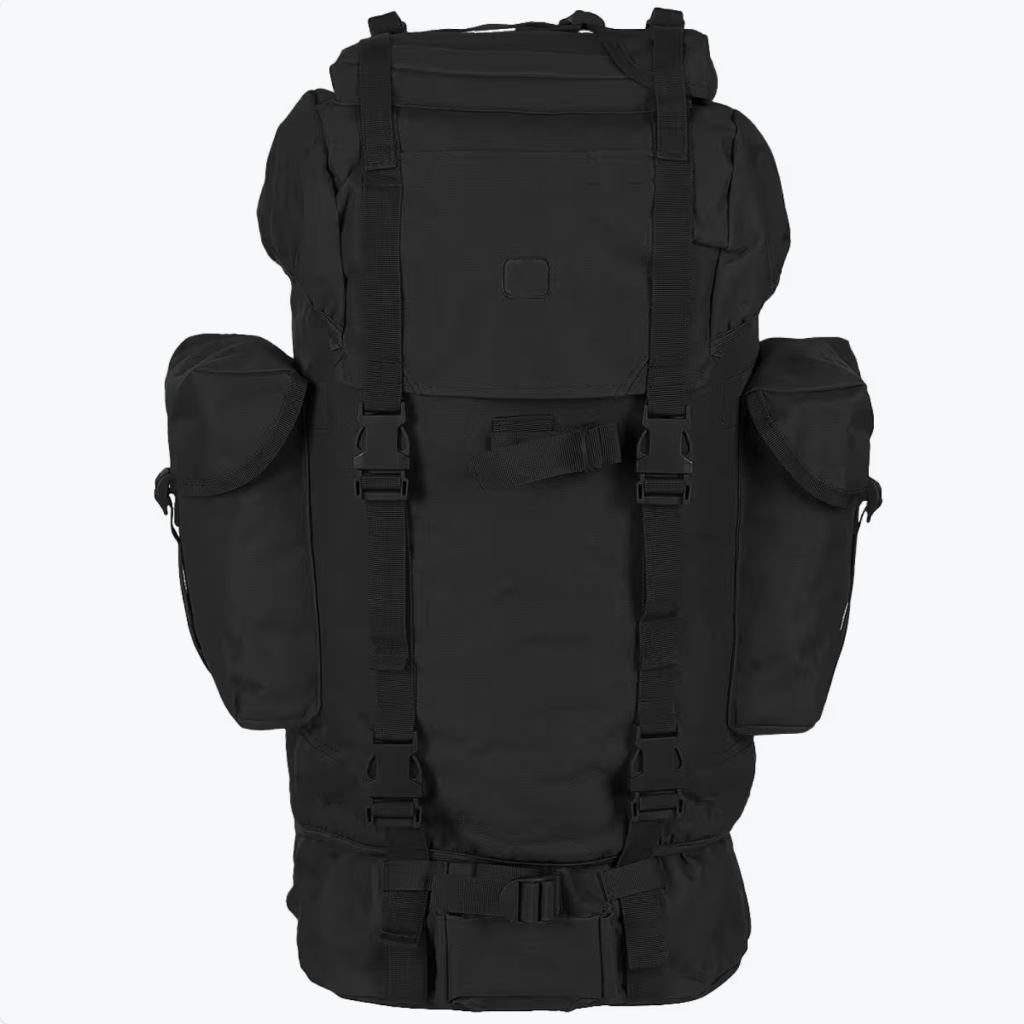
A travel backpack usually wins. Load is distributed across both shoulders, the bag stays close to your center of gravity, and your hands stay free for tickets, railings, coffee, or your phone. If you expect repeated 10–30 minute carries per day, the “comfort tax” of a duffel becomes real.
If your trip is mostly car, taxi, or shuttle (short carries)
A duffel often wins. It’s fast to pack, easy to access, and you can load it into a trunk or luggage bay without fiddling with harness systems. For a weekend trip where your carry time is under 5 minutes at a time, duffels feel effortless.
If you’re flying carry-on only
It’s a tie that depends on shape. A structured travel backpack in the 35–45 L range is often easier to carry through airports. A duffel can work just as well if it’s not overstuffed, has a stable base, and carries comfortably via a padded shoulder strap or backpack straps.
If your trip is business-heavy with a laptop and quick-access needs
A travel backpack usually wins for organization and security, especially if you need a dedicated laptop sleeve and faster access to documents. Duffels can work for business travel if you’re disciplined about packing cubes and you don’t need to pull a laptop out repeatedly.
Real-Trip Scenarios: What Actually Happens on the Road
Airports and flights: boarding, aisles, overhead bins
Airports reward two things: mobility and access. A backpack makes it easier to move quickly through queues and keep your hands free. But it can be slower when you need a laptop, liquids, or chargers—unless the pack is designed with a clamshell opening and a separate tech compartment.
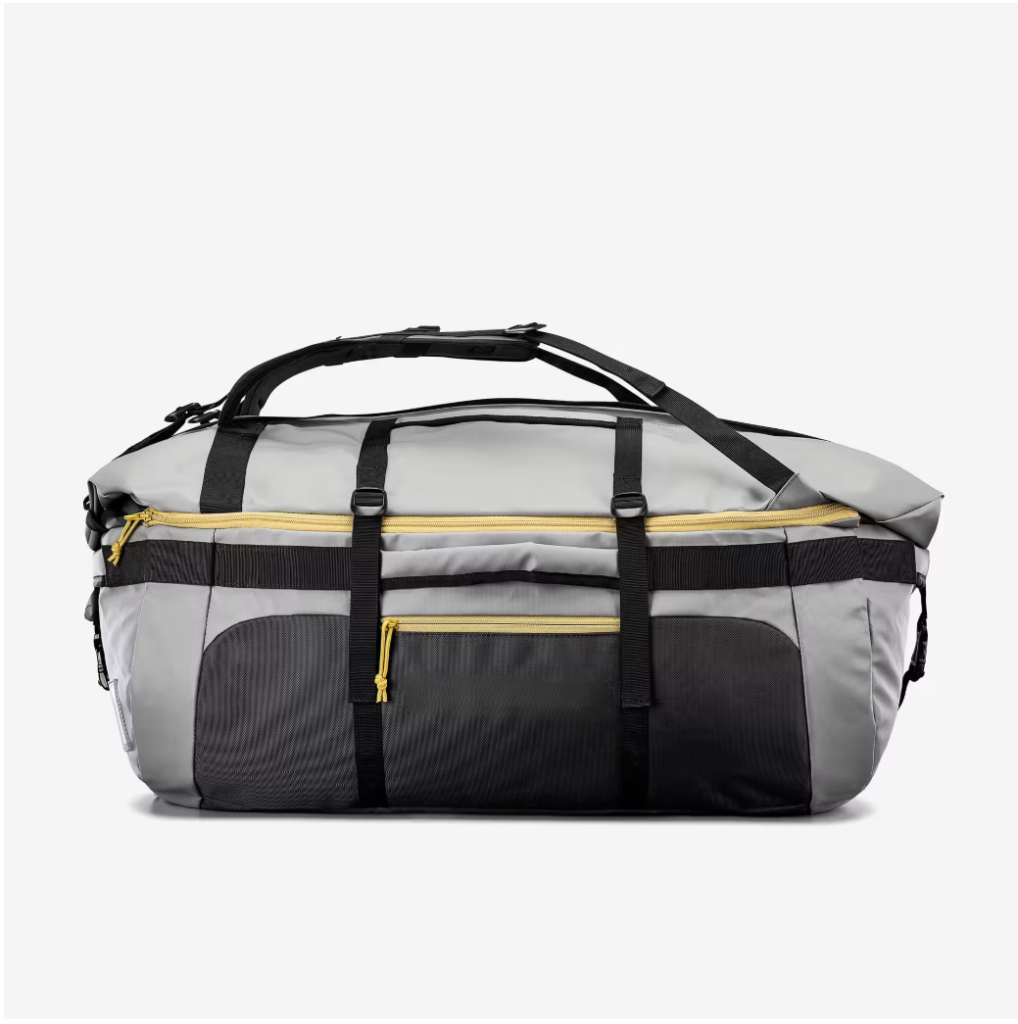
Duffels load easily into overhead bins because they compress and can fit into awkward spaces, but they can turn into a shoulder workout during long walks to gates. If your airport carry time is 20 minutes and your bag is 9 kg, your shoulder will complain. If your duffel has backpack straps (even simple ones), that complaint gets quieter.
Practical reality: whichever bag makes it easiest to keep essentials accessible without exploding your packing on the airport floor will feel “better” in the moment.
Airport reality: quick laptop access and hands-free movement often decide which bag feels easier.
Trains and subways: crowded platforms, fast transfers
Train travel punishes wide bags and rewards easy handling. Backpacks tend to move through crowds better because they stay tight to your body. Duffels can snag on seats, knees, and narrow aisle spaces, especially when fully packed.
But trains also love duffels for one reason: loading speed. A duffel can slide into luggage racks fast. If you’re hopping trains with short transfer windows, a backpack helps you move quickly; once seated, a duffel is often easier to open and live out of without turning your seat into a gear explosion.
Transfers expose the difference: backpacks stay stable; duffels get heavier when stairs and crowds show up.
Hotels, hostels, and small rooms: access and organization
In small rooms, a duffel’s big opening is a superpower. You can unzip the top, see everything, and pull items without unpacking the entire bag. Travel backpacks vary: a clamshell pack behaves like a suitcase and works well; a top-loader can turn into a vertical tunnel of regret.
If you’re sharing rooms or leaving your bag in common spaces, security matters. Packs and duffels both rely on zipper design and how easily someone can access the main compartment. A bag that keeps critical items in a closer-to-body compartment (passport, wallet, electronics) is more forgiving in chaotic environments.
Cobblestones, long walking days, and stairs: comfort becomes the headline
Old-city streets are where backpacks win decisively. On uneven surfaces, a duffel swings and shifts; that micro-movement increases fatigue. After 30–60 minutes of walking, the difference becomes obvious even at the same weight.
If your trip includes frequent long walks (10,000–20,000 steps per day) and stairs, you’ll feel every weak strap and every poorly distributed kilogram.
Comfort & Carry Mechanics: Why 8 kg Feels Different
Carrying comfort isn’t just about weight. It’s about leverage, contact area, and how stable the load stays while you move.
A backpack keeps the load close to your spine and distributes pressure across both shoulders and, if designed properly, across the hips via a hip belt. A duffel carried on one shoulder concentrates pressure on one strap path, and the bag tends to swing, creating additional force with each step.
Here’s a simple way to think about it: the same mass can feel heavier when it’s unstable or carried asymmetrically.
Weight distribution and center of gravity
When load sits close to your center, your body uses less corrective effort. A travel backpack that holds weight close to your back typically feels more stable than a duffel hanging off one side.
Shoulder fatigue and strap design
A padded duffel strap can be surprisingly comfortable under 6–7 kg for short carries. Over that, discomfort accelerates. For backpacks, strap shape, back panel structure, and load lifters (if present) can extend comfortable carry time.
The comfort threshold concept (useful numbers)
These thresholds are not medical limits; they are practical travel heuristics that tend to match real experience:
Load weight
Duffel carry comfort (one shoulder)
Backpack carry comfort (two shoulders)
4–6 kg
Usually comfortable for short carries
Comfortable, low fatigue
6–9 kg
Fatigue increases quickly over 10–20 min
Usually manageable for 20–40 min
9–12 kg
Often uncomfortable unless carried briefly
Manageable if harness fits, fatigue rises with time
12+ kg
High fatigue risk in real travel movement
Still tiring; hip support becomes important
If you routinely carry 8–10 kg through airports, stations, and stairs, a travel backpack generally reduces fatigue. If you rarely carry longer than a few minutes, a duffel can feel simpler and faster.
Packing Efficiency: Speed, Access, and How You Actually Pack
Packing isn’t just “does it fit.” It’s “can you find what you need without emptying the bag.”
Clamshell travel backpacks vs top-open travel backpacks
Clamshell backpacks open like a suitcase and usually pair well with packing cubes. They make it easy to see and retrieve items. Top-open packs can be efficient if you pack in layers and don’t need frequent access, but they can be inconvenient in tight spaces.
Duffel “dump-and-go” vs structured compartments
Duffels are fast because they’re forgiving. You can pack quickly and compress awkward items. But without internal organization, small essentials can disappear into the duffel universe. Packing cubes and a small internal pouch solve this.
Backpacks often win for “micro-organization” (tech, documents, toiletries) but can lose if the internal layout is overly complex and you forget where you put things.
Access time table (a practical travel metric)
This table reflects typical access behavior when you’re tired, in a hurry, and standing in a crowded corridor.
Task
Duffel (average access time)
Travel backpack (average access time)
Grab jacket or layer
Fast (top opening)
Fast if clamshell or top pocket exists
Pull laptop for security
Medium to slow (unless dedicated sleeve)
Fast if dedicated laptop compartment
Find charger/adapter
Medium (needs pouches)
Fast to medium (depends on pockets)
Toiletries in small bathroom
Fast (wide opening)
Medium (may require partial unpack)
If your trip includes frequent “grab and go” moments, access design becomes as important as capacity.
Capacity, Dimensions, and Carry-On Reality (Liters, kg, and Fit)
Carry-on rules vary by airline and route, so the safest approach is to treat capacity as a range rather than a single “approved” number. In practice, many travelers find that a 35–45 L travel backpack aligns well with carry-on goals, while duffels often fall in the 30–50 L range.
Liters explained (and why they matter)
Liters are a rough measure of volume, but shape matters. A 40 L backpack that’s structured and rectangular can pack differently than a 40 L duffel that bulges. Duffels often “grow” when overstuffed, which can create problems during boarding or when fitting into tight spaces.
Practical volume bands for real trips
Volume
Typical trip length and style
Common packing behavior
25–35 L
Minimalist 2–5 days, warm climates
Tight capsule wardrobe, frequent laundry
35–45 L
5–10 days, one-bag travel
Packing cubes, 2 shoes max, layered clothing
45–60 L
7–14 days, more gear or cold climates
Bulkier layers, less laundry, more “just in case” items
Weight reality: bag weight vs packed weight
A travel backpack often weighs more empty because of its harness, back panel, and structure. Duffels often weigh less empty but can feel worse when loaded if carried on one shoulder.
A useful reality check: if your bag is 1.6–2.2 kg empty, that’s normal for a structured travel backpack. If your duffel is 0.9–1.6 kg empty, that’s common. The bigger question is not empty weight; it’s how the bag carries at 8–10 kg.
Weather, Durability, and Materials That Matter in Real Travel
Travel bags live rough lives: sliding on concrete, getting dragged over station floors, shoved under seats, and exposed to rain and grime. Materials and construction decide whether the bag looks “seasoned” or “destroyed” after one year.
Denier describes fiber thickness, but durability depends on the full system: weave, coatings, reinforcements, stitching, and where abrasion happens.
Practical guidance:
210D–420D: lighter, common for premium backpacks with reinforcements in key zones
420D–600D: balanced durability for travel use, good for panels that see abrasion
900D–1000D: heavy-duty feel, often used in duffels or high-wear panels, but adds weight and stiffness
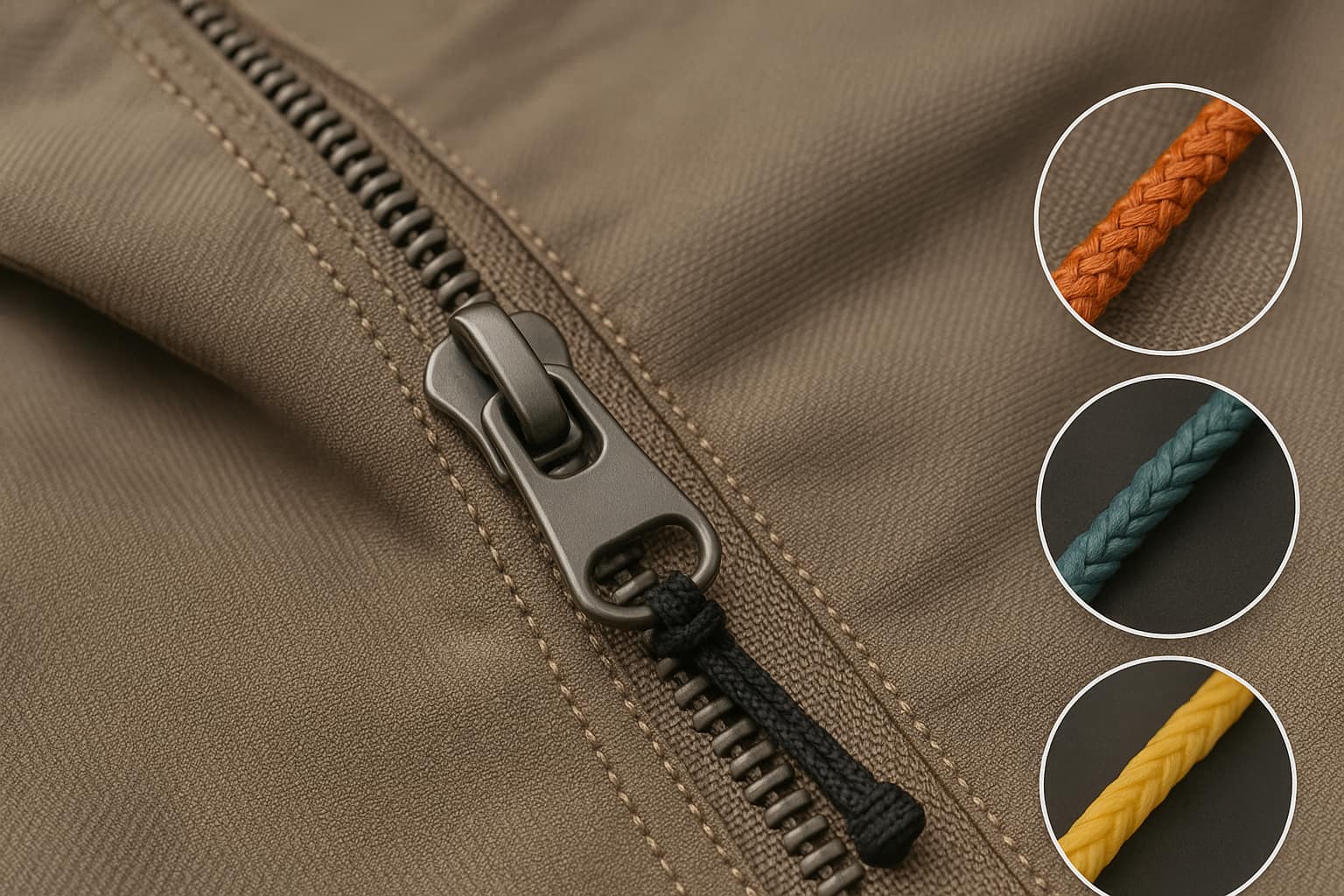
A macro view of the nylon fibers and polymer coil structure that form the core material science behind high-performance zippers used in modern hiking bags.
Coatings: PU, TPU, and water resistance
PU coatings are common and effective for water resistance. TPU laminates can improve durability and water performance, but require good manufacturing control. Water resistance is also heavily influenced by seams and zippers; fabric alone is not the whole story.
Stress points that decide lifespan
Most travel bag failures happen in predictable places:
Shoulder strap anchors and stitching lines
Zippers under tension (especially on overstuffed compartments)
Bottom panel abrasion (airport floors, sidewalks)
Handles and grab points (repeated lift cycles)
A materials comparison table (quick reference)
Feature
Duffel (typical advantage)
Travel backpack (typical advantage)
Abrasion resistance
Often stronger bottom panels, simpler structure
Better reinforcement mapping across zones
Water resistance
Easier to make splash-resistant, fewer seams
Better protected compartments when well-designed
Repair simplicity
Often easier to patch and stitch
More complex harness and compartment repairs
Long carry durability
Depends heavily on strap design
Better long-carry comfort with proper harness
Travel realism: “water-resistant” vs “storm-proof”
For most city travel, water-resistant is enough if you protect electronics in a sleeve. For outdoor-heavy trips or frequent rain, look for a bag with better zipper protection, a more water-resistant fabric system, and fewer exposed seam lines.
Security and Theft Risk: What’s Easier to Protect
Security is not just “can it be locked.” It’s “how easy is it to access your essentials without exposing everything.”
Zipper paths and how bags get opened in crowds
Duffels often have a long zipper track across the top. Backpacks often have multiple zipper tracks and pockets. More zippers can mean more access points, but it can also mean better compartmentalization.
A simple rule: keep high-value items in a compartment that sits closer to your body during movement. For backpacks, that’s often an internal pocket or back panel pocket. For duffels, that’s a small internal pouch or a strap-side pocket you keep oriented inward.
Personal item strategy: what stays with you
Many travelers separate “critical essentials” from the main bag: passport, phone, cash, cards, and one backup payment method. The bag type matters less if you keep the most important items on your person and minimize rummaging in public spaces.
Low-drama habits that prevent loss
Security is mostly behavior. If your bag encourages you to open the main compartment frequently in crowded spaces, risk increases. Bags that give you fast, controlled access to small items reduce unnecessary exposure.
Industry Trends and Regulations: What’s Changing (and Why It Matters)
Trend 1: one-bag travel and carry-on discipline
More travelers are optimizing for mobility and fewer checked bags. This pushes designs toward 35–45 L packs with clamshell access, compression straps, and better organization. Duffels respond with better strap systems, structured bases, and more pocketing.
Trend 2: hybrid carry systems (duffels that backpack, backpacks that suitcase)
The market is converging: duffels increasingly add backpack straps; travel backpacks increasingly open like suitcases. This reduces the “either/or” decision and shifts focus to build quality and comfort.
Trend 3: recycled materials and traceability expectations
Brands increasingly use recycled polyester and recycled nylon, along with clearer supply-chain claims. For buyers, this is good, but it also makes material specifications and quality control more important.
Regulatory direction: chemical restrictions affecting water repellency
Outdoor textiles are moving toward PFAS-free water-repellent finishes in response to tightening restrictions and brand standards. For travel bags, this matters because durable water repellency is a key performance feature. Expect more bags to advertise alternative water-repellent chemistries, and expect performance to depend more on construction and coatings than on legacy finishes.
Travel compliance reality: lithium batteries and packing logic
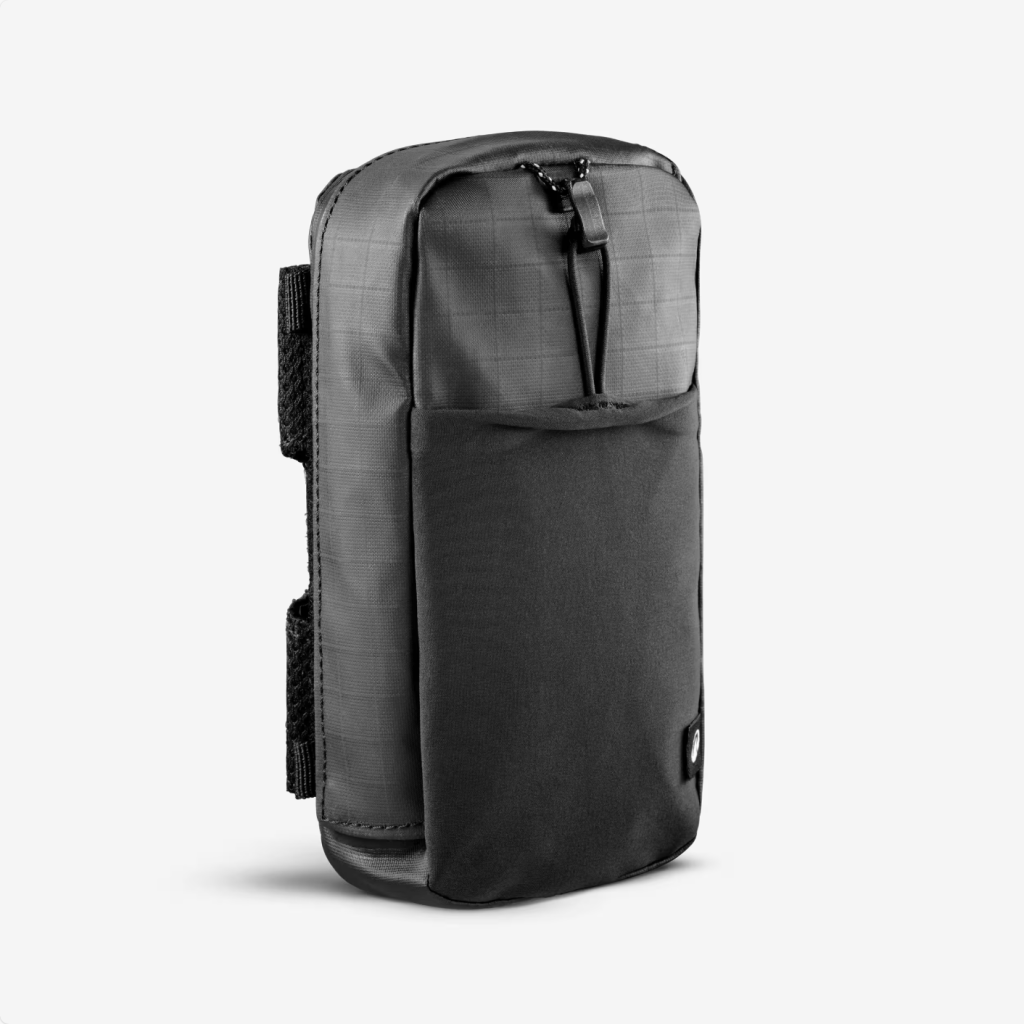
Power banks and spare lithium batteries are commonly restricted to cabin carriage rules rather than checked baggage in many travel contexts. This affects bag choice because it increases the value of an accessible, protected tech compartment. A backpack with a dedicated electronics zone can make compliance and screening smoother; a duffel can still work if you keep electronics in a separate internal pouch and avoid burying them.
Buyer Checklist: What to Look For Before You Buy
Comfort checklist that actually matters
A travel backpack should fit your torso length reasonably well and have straps that don’t dig. If it includes a sternum strap and a hip belt, the bag can transfer some load off your shoulders, which matters above 8–10 kg. A duffel should have a genuinely padded shoulder strap, strong attachment points, and grab handles that don’t twist under load.
Durability checklist that prevents early failure
Look for reinforced stitching at strap anchors, a robust bottom panel, and zippers that don’t feel like they’ll explode when the bag is full. If a bag is designed to carry 10–12 kg, it should show that in how the load paths are built.
Travel practicality checklist (the “real trips” test)
Think through the moments you repeat: boarding, transfers, bathroom access, packing in tiny rooms, and moving through crowds. If you frequently need quick access to laptop, documents, or charger, favor a bag with a dedicated access path. If you value fast living-out-of-bag simplicity, a duffel or a clamshell backpack will feel better than a deep top-loader.
Manufacturing and bulk sourcing considerations (for brands and distributors)
If you’re sourcing at scale, prioritize consistency in fabric spec (denier and coating), stress-point reinforcement, zipper quality, and strap anchor strength. Ask for test expectations in plain language: abrasion resistance focus zones, seam integrity, and load-bearing durability at realistic packed weights (8–12 kg). For customization programs, ensure the bag’s structure supports branding without weakening seams or load paths.
Conclusion: The Real-Trip Answer
If your travel involves frequent walking, stairs, and public transport, a travel backpack usually works better because weight distribution stays stable and fatigue builds slower at 8–10 kg. If your trip is mostly vehicle-based with short carries and you want quick, wide-open access, a duffel often works better because it packs fast and lives well in small rooms.
The simplest way to decide is to measure your carry time. If you regularly carry your bag more than 10–15 minutes at a time, choose the backpack (or a duffel with true backpack straps). If your carries are brief and you value quick access over harness comfort, choose the duffel. Real trips reward the bag that makes your movement easier—not the one that looks best in a product photo.
FAQs
1) Is a duffel bag better than a travel backpack for flying?
For most carry-on flyers, a travel backpack is easier to move with because it keeps your hands free and distributes weight across both shoulders while you walk through terminals and queues. Where duffels can win is overhead-bin flexibility: a soft duffel can compress into odd spaces and is fast to load and unload. The deciding factor is carry time and access. If you expect 15–30 minutes of walking in airports with an 8–10 kg load, a backpack usually reduces fatigue. If your duffel has comfortable backpack straps and you keep tech items accessible in a separate pouch, it can perform nearly as well while remaining simpler to pack.
2) What size duffel is best for carry-on travel?
A carry-on-friendly duffel is usually one that stays compact when packed, rather than one that “balloons” when you add one more hoodie. In practical terms, many travelers find that a duffel around the mid-range of travel volume works best for short-to-medium trips: big enough for packing cubes and shoes, but not so large that it becomes a bulging tube that’s hard to fit in overhead bins. The smart approach is to choose a duffel with structure in the base and restraint in the sides, then pack to a consistent shape. Once a duffel regularly exceeds about 9–10 kg, comfort becomes the issue, so strap quality matters as much as size.
3) What is the best travel backpack size for carry-on one-bag trips?
For one-bag travel, many people land in the 35–45 L range because it balances capacity and carry-on practicality across different airlines and trip styles. Below that, you’ll likely need frequent laundry and a stricter capsule wardrobe. Above that, the bag may encourage overpacking and can become awkward in crowded transport or tight cabin spaces. The real advantage of this range is not volume; it’s how it supports disciplined packing and stable carry at 8–10 kg. A clamshell design improves packing efficiency, and a well-built harness improves comfort over long airport walks or city transfers.
4) Which is safer for travel: a duffel bag or a travel backpack?
Neither is automatically “safer,” but each pushes different behavior. Backpacks can be safer in crowds because you can keep compartments close to your body and maintain hands-free control, especially when walking or using public transport. Duffels can be safer in rooms because they open wide, making it easy to see if anything is missing, but they’re also easier to leave unattended because they feel like “luggage.” The most effective safety strategy is compartment discipline: keep passport, wallet, and phone in a controlled-access pocket; minimize how often you open the main compartment in public; and avoid burying valuables where you must unpack in crowded areas.
5) Is a travel backpack worth it for long trips, or should I use a duffel?
For long trips, a travel backpack is usually worth it if your itinerary includes frequent movement: changing cities, walking to accommodations, stairs, and public transport. Over time, stable weight distribution reduces fatigue and makes daily logistics smoother, especially when your packed weight sits around 8–12 kg. A duffel can still be a great choice for long trips if your travel is vehicle-based and you want fast, open access, or if you have a duffel with real backpack straps and a comfortable carry system. The key is not trip length alone—it’s how often you carry the bag and for how long each time.
References
Carrying and Load Distribution in Backpacks: Biomechanical Considerations, David M. Knapik, U.S. Army Research Institute, Technical Review
Backpack Load Carriage and Musculoskeletal Effects, Michael R. Brackley, University Research Group, Journal Publication Summary
Guidance on Lithium Batteries for Air Travel, IATA Dangerous Goods Guidance Team, International Air Transport Association, Guidance Document
Traveler Screening and Electronics Carry Guidance, Transportation Security Administration Communications Office, U.S. TSA, Public Guidance
ISO 4920 Textiles: Resistance to Surface Wetting (Spray Test), ISO Technical Committee, International Organization for Standardization, Standard Reference
ISO 811 Textiles: Determination of Resistance to Water Penetration (Hydrostatic Pressure), ISO Technical Committee, International Organization for Standardization, Standard Reference
PFAS Restriction and Regulatory Direction in Europe, ECHA Secretariat, European Chemicals Agency, Regulatory Briefing
REACH Regulation Overview for Consumer Articles, European Commission Policy Unit, European Union Framework Summary