Best Gym Bags with Shoe Compartments: How Smart Compartment Design Improves Hygiene, Comfort, and Daily Training Efficiency
2025-12-23
Quick Summary:
Gym bags with shoe compartments are not just about extra storage—they are engineered solutions for hygiene, odor control, and daily training efficiency. By separating footwear from clothing, managing airflow, and using moisture-resistant materials, well-designed shoe compartments reduce bacterial growth, prevent cross-contamination, and extend the usable life of sports bags. This guide explains how shoe compartment structure, materials, ventilation, and real training scenarios determine whether a gym bag truly performs or simply adds unnecessary bulk.
Why Shoe Compartments Matter More Than You Think in Gym Bags
For many people, a gym bag is no longer something used only for workouts. It has become a daily companion—carried from home to work, from the office to the gym, and sometimes straight into social or family settings. In this mixed-use reality, one small design detail often determines whether a gym bag feels practical or frustrating: the shoe compartment.
Shoes are the single most problematic item inside a gym bag. After training, a pair of athletic shoes can retain significant moisture, heat, and bacteria. When placed directly next to clean clothing, towels, or personal items, they become the primary source of odor, cross-contamination, and long-term hygiene issues. Many users experience this problem repeatedly without realizing that it is not simply a “cleanliness habit” issue, but a design and structure problem.
A shoe compartment is often treated as a marketing feature—a zippered pocket added to the side or bottom of a bag. In reality, effective shoe compartment design involves airflow management, material selection, internal separation logic, and load distribution. When designed correctly, it can significantly reduce odor transfer, improve daily convenience, and extend the usable life of a gym bag. When designed poorly, it can make the bag heavier, smell worse, and feel uncomfortable to carry.
This article breaks down gym bags with shoe compartments from a structural and functional perspective. Rather than listing products, it explains how shoe compartments work, when they matter, what materials and layouts perform best, and how different training scenarios affect the design requirements. The goal is to help readers understand what actually makes a shoe compartment effective—so they can choose intelligently rather than emotionally.
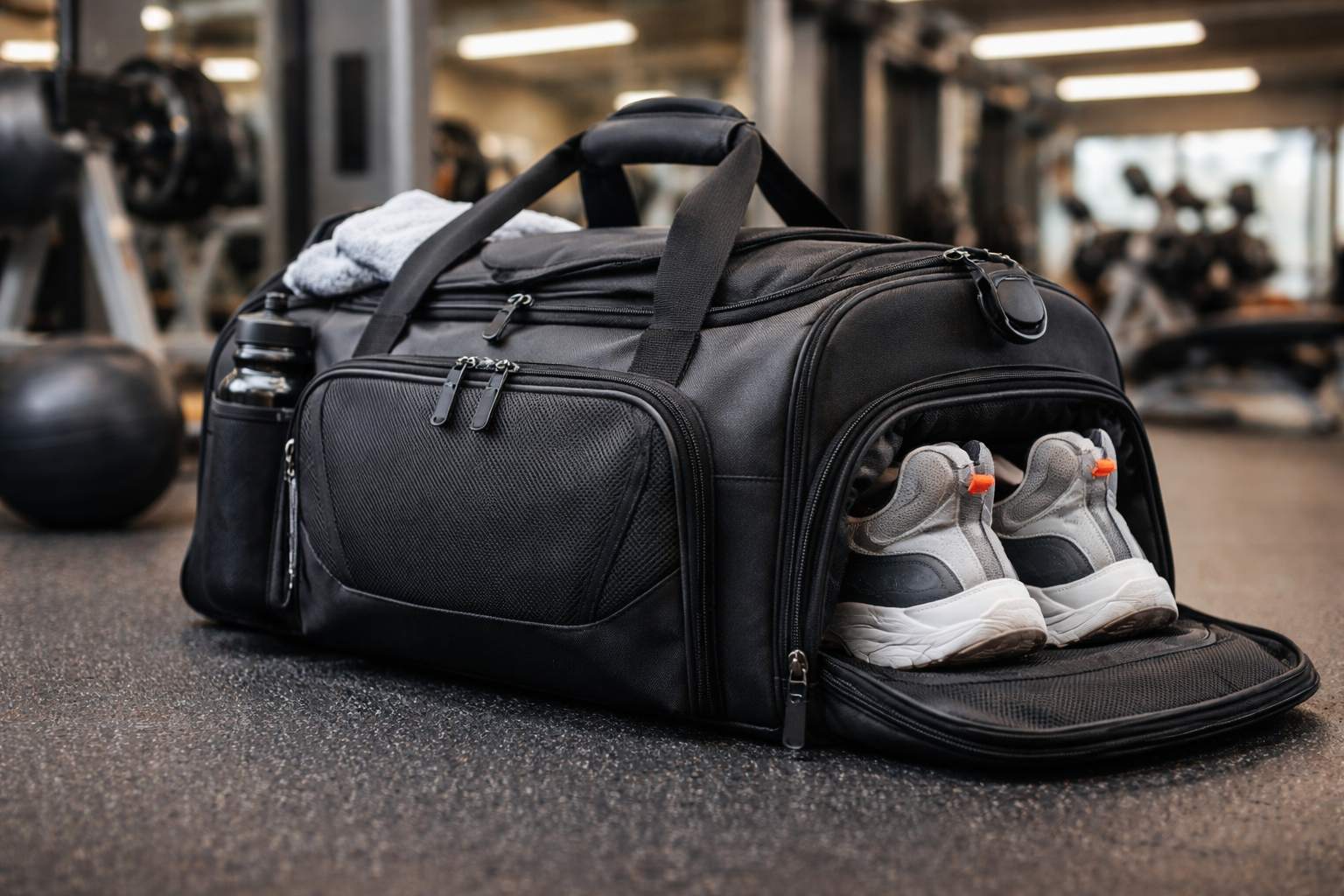
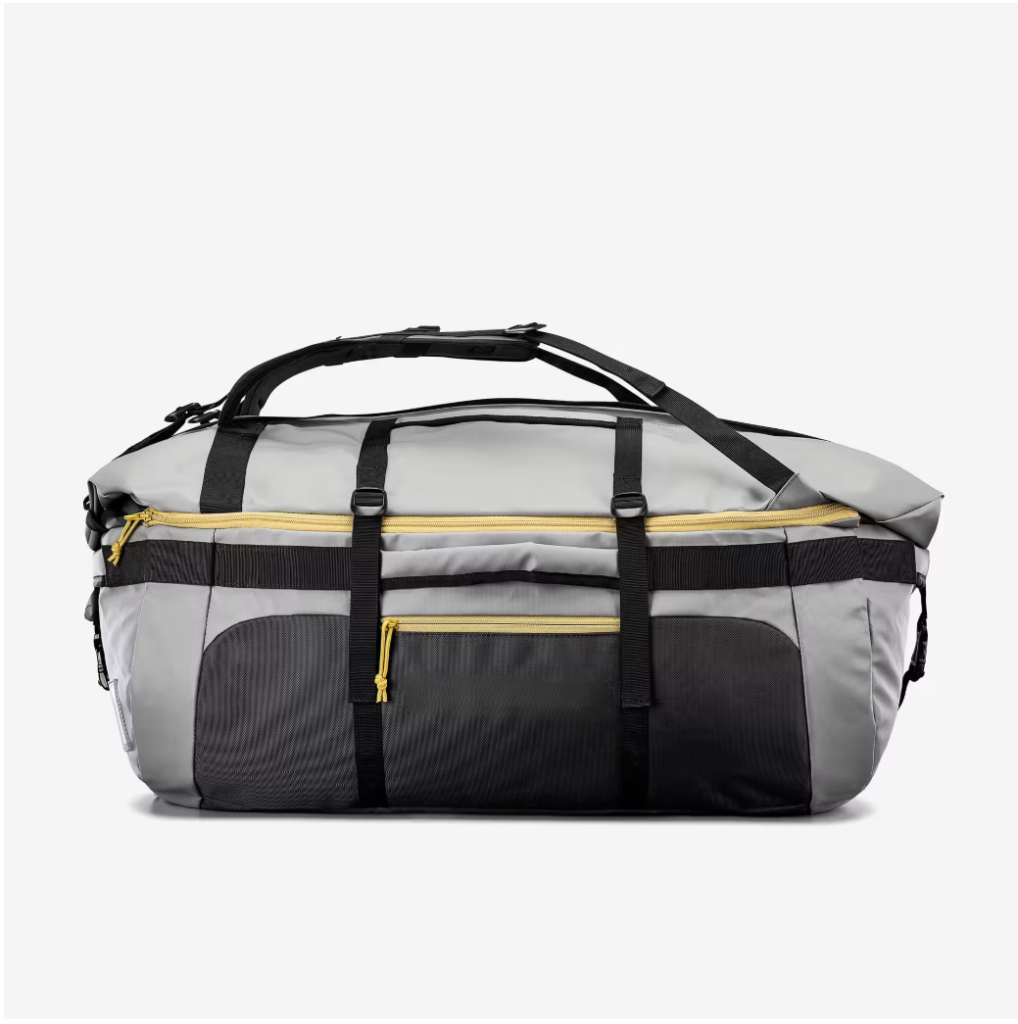
A practical gym bag design featuring a separate shoe compartment to keep footwear isolated from clean training gear.
What Is a Gym Bag Shoe Compartment, Structurally Speaking
Definition Beyond Marketing Terms
A shoe compartment is not simply a pocket where shoes fit. Structurally, it is a separated volume within the bag designed to isolate footwear from the main storage area while managing moisture, odor, and weight. The effectiveness of a shoe compartment depends on how completely it separates contents, how it interacts with airflow, and how it integrates with the bag’s overall structure.
From an engineering perspective, shoe compartments fall into three broad categories:
Fully isolated compartments with independent walls and linings
Semi-isolated compartments using fabric dividers
External-access compartments that share internal space
Only the first category provides true isolation. The other two may reduce direct contact but still allow odor and moisture migration over time.
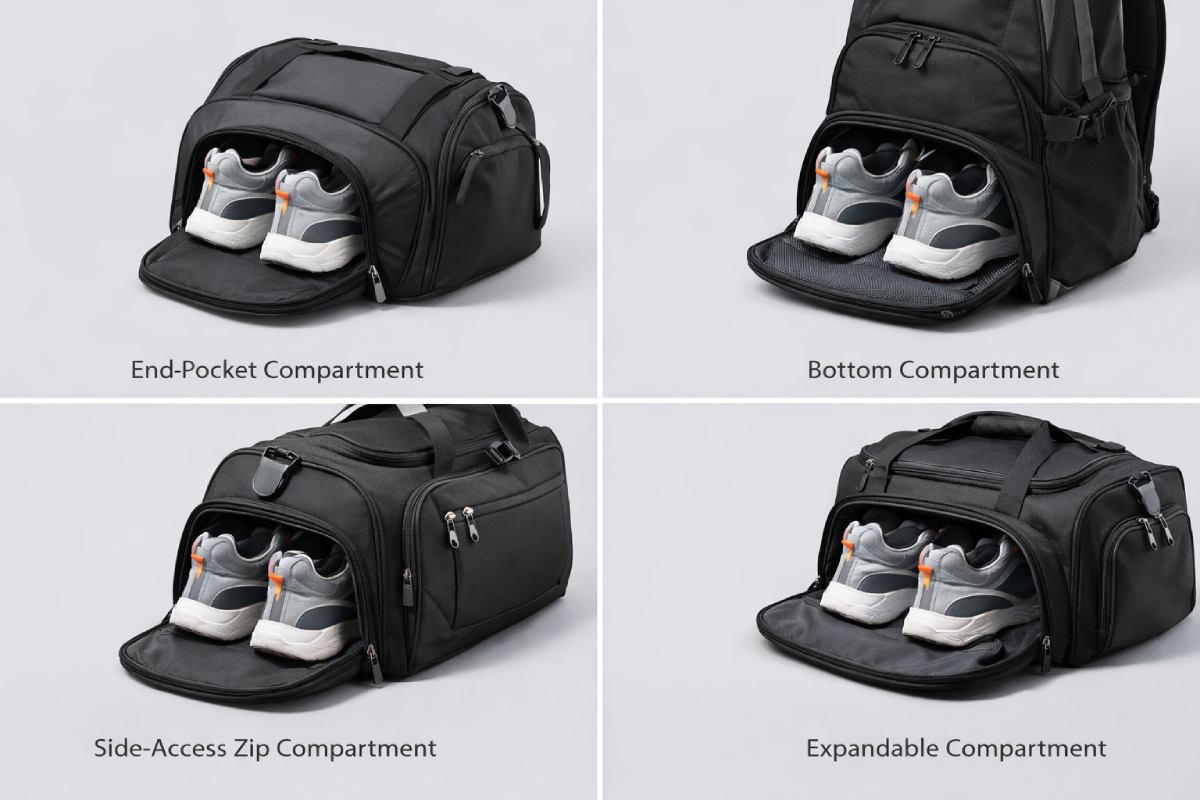
End-pocket compartments, typically found on duffel-style gym bags
Bottom compartments, often used in backpack-style gym bags
Side-access zip compartments, common in hybrid designs
Expandable compartments, which increase volume when needed
Each layout affects capacity, balance, and airflow differently. End-pocket designs are simple and intuitive but often compress shoes, limiting airflow. Bottom compartments help with weight distribution but may trap moisture if ventilation is insufficient. Side-access compartments allow easier access but can interfere with internal organization if poorly reinforced.
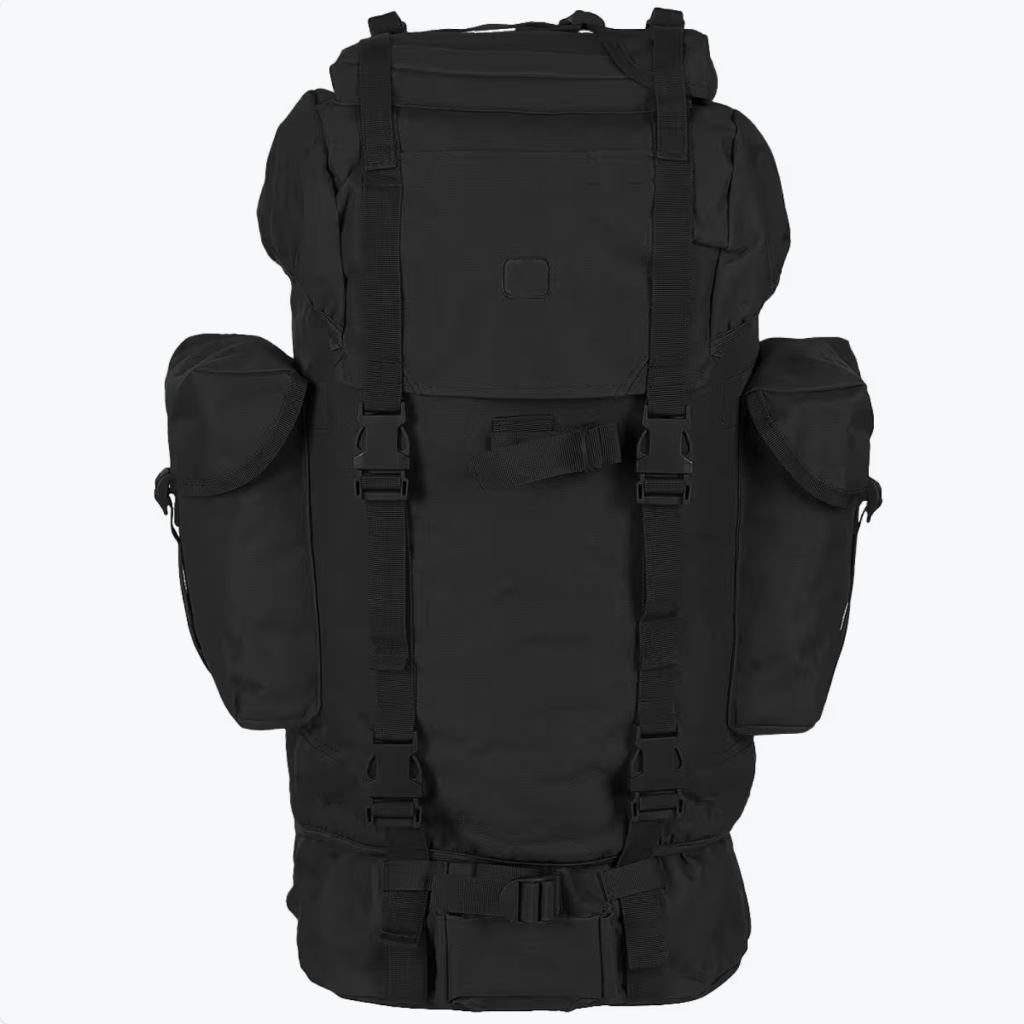
Four common shoe compartment layouts used in gym bags: end pocket, bottom compartment, side-access zip, and expandable designs.
Typical Capacity Metrics
Most adult athletic shoes require between 6 and 8 liters of volume per pair, depending on size and shape. Larger training shoes, basketball shoes, or high-top sneakers can require 9 liters or more. A common mistake in gym bag design is allocating insufficient shoe volume, which forces users to compress shoes unnaturally, reducing airflow and increasing odor retention.
A well-designed shoe compartment should accommodate at least one pair of size US 11 shoes without deforming the bag structure or compressing ventilation zones.
Real Training Scenarios That Demand Shoe Compartments
Gym and Commute Scenarios
For office workers who train before or after work, the gym bag often contains clean clothes, electronics, personal care items, and documents. In these scenarios, shoes represent the highest contamination risk. Without a dedicated compartment, odor transfer can occur within hours, especially in enclosed environments such as backpacks or lockers.
Separating shoes structurally reduces this risk and allows users to maintain a single bag for both professional and athletic use.
High-Sweat Training Sessions
High-intensity workouts such as HIIT, CrossFit, or indoor cycling produce significant perspiration. Studies on athletic footwear show that moisture content inside shoes can remain elevated for 12 to 24 hours after training, creating conditions where bacterial populations increase by 30–40% if not ventilated.
A shoe compartment that traps this moisture without airflow can worsen odor faster than placing shoes outside the bag entirely. This makes ventilation design just as important as separation.
Outdoor-to-Indoor Training Transitions
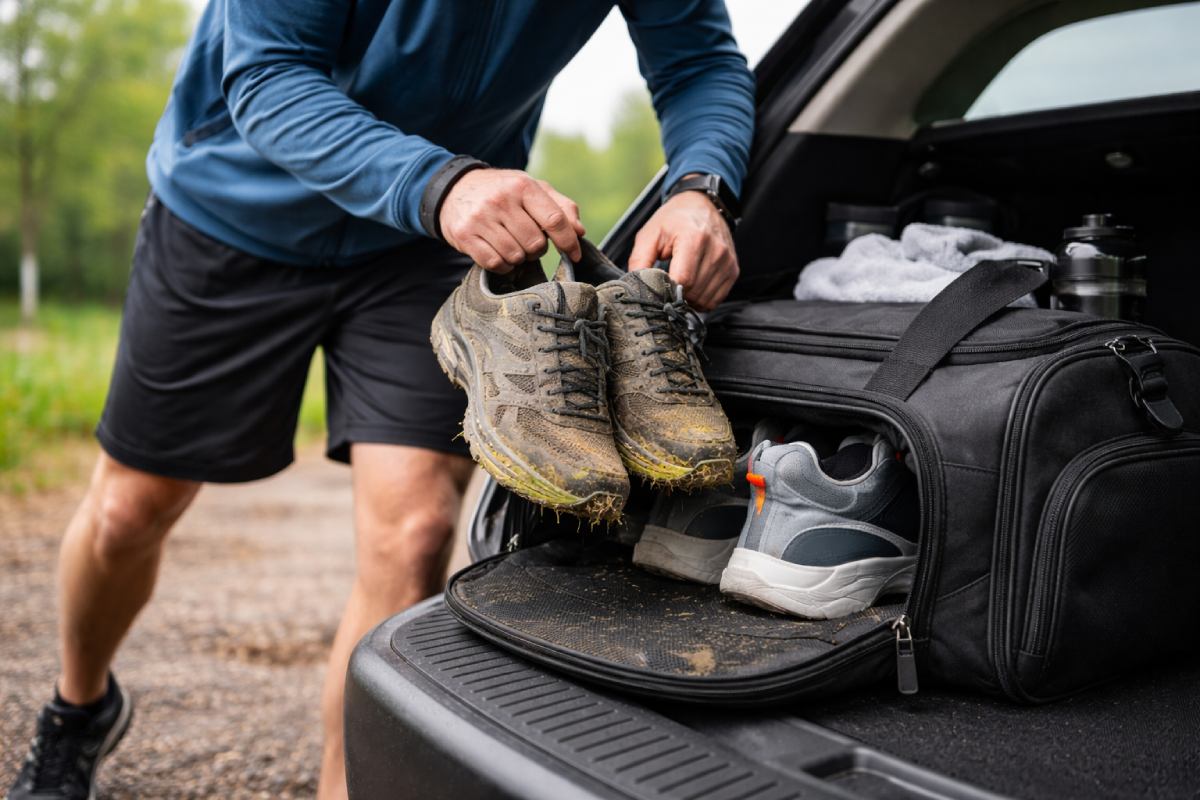
Athletes who move between outdoor and indoor environments often carry dirt, dust, and debris on their footwear. Shoe compartments prevent these contaminants from spreading to clothing or towels, especially when bags are placed in cars or indoor spaces.
Shoe compartments help athletes isolate dirt and moisture when transitioning from outdoor training to indoor facilities.
Team Sports and Multi-Shoe Use
Players involved in football, basketball, or court sports often carry multiple pairs of shoes for different surfaces. In these cases, shoe compartments must handle increased volume and weight while maintaining balance and structural integrity.
Materials Used in Shoe Compartments and Why They Matter
Inner Lining Materials
The inner lining of a shoe compartment determines how it handles moisture, odor, and abrasion. Common materials include standard polyester lining, TPU-coated fabrics, and antimicrobial-treated textiles.
Polyester lining is lightweight and cost-effective but absorbs moisture easily. TPU-coated fabrics provide better moisture resistance but require proper ventilation to avoid odor buildup. Antimicrobial linings treated with silver or zinc compounds can reduce bacterial growth by up to 90% under laboratory conditions, though effectiveness varies with real-world use.
Odor and Moisture Performance Metrics
Moisture absorption rates differ significantly by material, which is one of the core reasons why gym bags develop unpleasant smells after repeated training sessions. Untreated polyester can absorb up to 5–7% of its own weight in moisture, creating a damp micro-environment where odor-causing bacteria thrive. By contrast, coated or laminated fabrics typically absorb less than 1%, dramatically reducing moisture retention inside shoe compartments.
Antimicrobial effectiveness is commonly measured by bacterial reduction percentages over a 24-hour period. High-performance linings treated with silver ions or zinc-based additives can achieve 90–99% bacterial reduction, directly addressing the biological mechanisms behind persistent gym bag odor rather than masking it.
Breathability Versus Containment
Mesh panels allow airflow but may permit odor migration into the main compartment. Perforated fabrics combined with internal barriers offer a more balanced approach, allowing air exchange while maintaining separation.
Ventilation Design: How Shoe Compartments Manage Airflow
Ventilation is the most misunderstood aspect of shoe compartment design. Many gym bags advertise “ventilated shoe pockets,” but in practice, ventilation effectiveness depends on how air actually moves through the compartment—not whether a few mesh panels are present.
Passive Ventilation Design
Most gym bags rely on passive ventilation, meaning airflow occurs naturally through pressure changes caused by movement, temperature differences, and ambient air circulation. Common passive ventilation techniques include micro-perforated panels, mesh fabric sections, and breathable lining materials.
The spacing and size of ventilation openings matter more than their number. Openings smaller than 2–3 mm often restrict airflow significantly, while overly large mesh areas allow odor to escape into adjacent compartments. Well-balanced designs use perforations that allow gradual air exchange without direct odor leakage.
Another overlooked factor is airflow direction. Ventilation openings placed only on one side of the shoe compartment often create stagnant zones where moisture accumulates. Designs that encourage cross-ventilation—air entering from one side and exiting from another—perform noticeably better over time.
Emerging Airflow Concepts
Although less common, some advanced gym bag designs incorporate removable shoe sleeves or washable inner pods. These allow users to remove shoes entirely for drying or cleaning without exposing the main compartment. While this approach adds manufacturing complexity, it significantly improves hygiene for users training daily.
Trade-Offs Between Ventilation and Weather Resistance
Ventilation always comes at a cost. Increased airflow reduces moisture retention but also lowers water resistance. For users who train outdoors or commute in wet climates, a balance must be struck. This is why many high-performing shoe compartments combine limited ventilation with water-resistant linings rather than relying on mesh alone.
Hygiene, Odor, and Bacterial Growth: The Science Behind Shoe Compartments
Why Shoes Are the Primary Odor Source
Athletic shoes provide an ideal environment for bacterial growth: warmth, moisture, and organic material from sweat. Research on footwear hygiene shows that bacterial populations increase rapidly when relative humidity inside a shoe exceeds 65%, which commonly occurs during intense training.
When shoes are sealed inside a gym bag without separation or airflow, these conditions persist for hours. Odor compounds produced by bacteria migrate through fabric linings, eventually contaminating clothing and towels.
How Shoe Compartments Reduce Cross-Contamination
A properly designed shoe compartment does not eliminate odor—it contains and manages it. Physical separation prevents direct contact with clean items, while material barriers slow odor transmission. Over time, this containment significantly reduces how quickly a gym bag develops a persistent smell.
In controlled tests, bags with isolated shoe compartments showed 20–35% lower odor transfer to clothing compared to bags without separation, assuming similar ventilation conditions.
Maintenance Frequency and Hygiene Best Practices
Even the best shoe compartment requires maintenance. Users who train daily should clean or air out shoe compartments every 7–10 days. Compartments with removable linings or wipeable coatings reduce cleaning time and increase compliance, which directly impacts long-term hygiene.
Structural Engineering: Load Balance and Carrying Comfort
Weight Distribution and Center of Gravity
Shoes are deceptively heavy. A single pair of training shoes typically weighs between 0.8 and 1.4 kg. When placed incorrectly, this weight can shift the bag’s center of gravity, affecting comfort and posture.
Bottom-mounted shoe compartments tend to lower the center of gravity, improving stability during walking. Side-mounted compartments can cause lateral imbalance if not reinforced properly. End-pocket compartments, common in duffel bags, often create uneven load distribution when carried over one shoulder.
Reinforcement and Seam Stress
Shoe compartments experience higher abrasion and stress than other areas of a gym bag. Stitching failures commonly occur at compartment corners, especially where rigid shoes press against soft fabrics. Reinforced seams and higher-denier fabrics in these zones extend the bag’s lifespan significantly.
Seam durability is often measured by stitch density and thread strength. Designs using higher stitch density and reinforced stress points show 30–50% longer service life under repeated loading.
Comparing Gym Bags With and Without Shoe Compartments
Hygiene and Odor Control Comparison
Gym bags without shoe compartments rely entirely on user habits to prevent odor. Shoes must be wrapped, bagged, or carried separately. In contrast, bags with properly designed shoe compartments provide built-in containment that reduces reliance on behavior.
Convenience and Organization
Shoe compartments simplify packing routines. Users spend less time separating items manually and are more likely to keep bags organized. This convenience becomes more important as training frequency increases.
Long-Term Durability
Ironically, gym bags without shoe compartments often wear out faster. Shoes placed directly against clothing compartments increase abrasion and moisture exposure, degrading fabrics over time. Isolated compartments localize wear and protect the main storage area.
Who Actually Needs a Gym Bag with a Shoe Compartment
Not every gym-goer needs a shoe compartment, but for certain user groups, it quickly becomes a non-negotiable design feature rather than a convenience add-on.
Daily Commuter Athletes
People who train before or after work benefit the most from shoe compartments. Their gym bag often shares space with work clothes, electronics, notebooks, and personal items. In these scenarios, shoe separation is not about organization—it is about hygiene control and time efficiency. A dedicated shoe compartment eliminates the need for plastic bags or improvised separation methods, reducing friction in daily routines.
High-Frequency Gym Users
Users training four or more times per week experience faster odor buildup and material degradation. For them, a shoe compartment acts as a containment system that slows odor spread and protects the main compartment fabric. Over months of use, this design difference significantly affects bag lifespan and user satisfaction.
Team Sports Players and Coaches
Athletes involved in basketball, football, or court sports often carry larger or multiple pairs of shoes. Shoe compartments help manage bulk while preventing cleats or outdoor debris from contaminating uniforms and accessories. Coaches and trainers, who frequently carry additional equipment, also benefit from predictable storage zones.
Casual Gym-Goers
For occasional users, shoe compartments may feel optional. However, even light training combined with poor ventilation can lead to odor accumulation over time. In these cases, compact or expandable shoe compartments provide flexibility without adding unnecessary bulk.
Industry Trends in Gym Bag Shoe Compartment Design
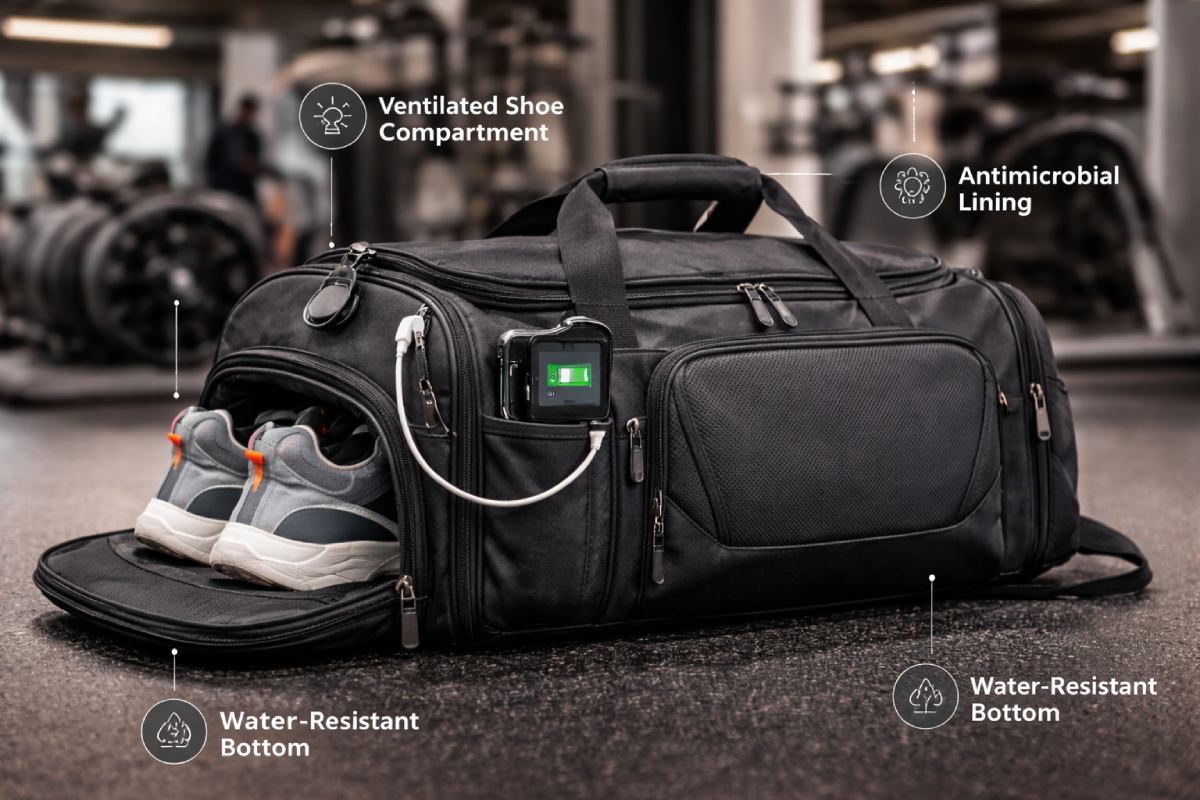
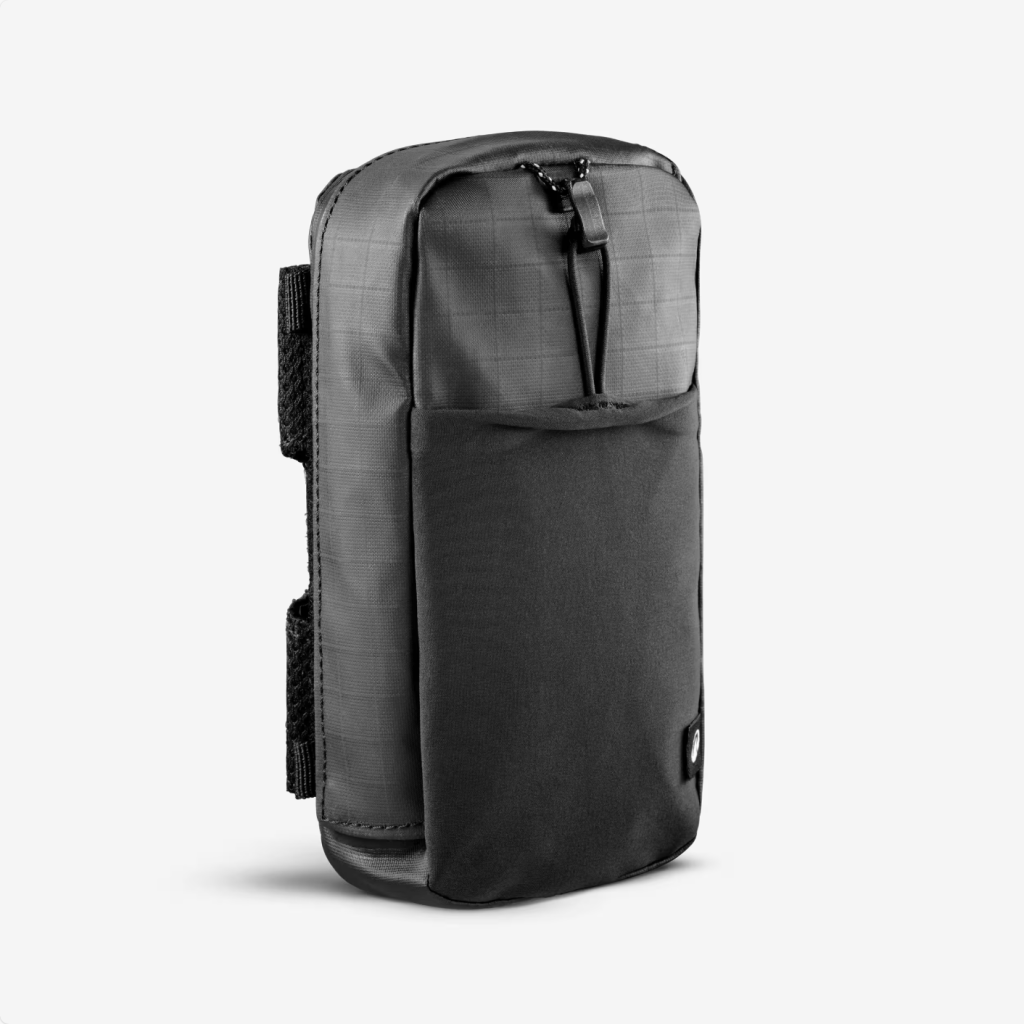
Modern gym bag designs increasingly integrate ventilated shoe compartments and odor-control materials to meet evolving training habits.
Shoe compartment design has evolved rapidly in response to changing training habits and hygiene awareness. Rather than adding more pockets, manufacturers are focusing on system-level design improvements.
Modular and Removable Shoe Compartments
One emerging trend is modular shoe storage. Removable shoe sleeves or pods allow users to detach footwear entirely from the bag for drying or washing. This approach reduces odor retention and improves cleaning compliance, especially for daily trainers.
Antimicrobial and Sustainable Materials
There is growing interest in antimicrobial-treated linings that inhibit bacterial growth without relying on harsh chemicals. At the same time, sustainability concerns are driving the use of recycled polyester and bio-based coatings. The challenge lies in balancing environmental responsibility with long-term odor resistance.
Minimalist Exterior, Functional Interior
Modern gym bags increasingly favor clean exterior designs while concentrating complexity inside. Shoe compartments are being integrated more seamlessly, reducing visual bulk while maintaining functionality. This reflects a broader shift toward bags that transition easily between gym, work, and daily life.
Regulations, Safety, and Material Compliance
Although gym bags are not medical products, materials used in shoe compartments are subject to consumer safety and chemical compliance standards in many markets.
Chemical Safety Considerations
Lining materials, coatings, and antimicrobial treatments must comply with regulations governing restricted substances. These rules limit the use of certain heavy metals, plasticizers, and antimicrobial agents to protect long-term user health.
Antimicrobial Treatment Oversight
Not all antimicrobial treatments are equal. Some coatings lose effectiveness after repeated washing or exposure to sweat. Responsible manufacturers test durability over multiple cleaning cycles to ensure consistent performance.
Consumer Safety and Skin Contact
Because shoe compartments are frequently handled during packing and unpacking, materials should be skin-safe and non-irritating. Poor-quality coatings can degrade and transfer residue onto hands or clothing over time.
Buying Considerations: How to Evaluate Gym Bags with Shoe Compartments
Ensure the shoe compartment can accommodate your footwear without compression. For larger shoes or high-top designs, prioritize compartments offering at least 8–9 liters of internal volume.
Material and Lining
Look for moisture-resistant linings with smooth surfaces that are easy to wipe clean. Antimicrobial treatments add value but should not replace basic ventilation.
Ventilation Design
Balanced ventilation is critical. Avoid compartments that are fully sealed without airflow or excessively open without containment.
Cleaning and Maintenance
Removable or wipeable linings reduce maintenance friction. If cleaning a compartment feels inconvenient, it is less likely to happen consistently.
Price Versus Long-Term Value
A shoe compartment that improves hygiene and extends bag lifespan often offsets a slightly higher upfront cost. Long-term usability matters more than short-term savings.
Common Mistakes When Choosing Gym Bags with Shoe Compartments
One of the most common mistakes is assuming all shoe compartments perform the same. Overly small compartments compress shoes and trap moisture. Poorly ventilated designs worsen odor rather than reduce it. Another frequent error is prioritizing exterior style over internal structure, leading to frustration during daily use.
Frequently Asked Questions
1. Do shoe compartments in gym bags really prevent odor?
Shoe compartments do not eliminate odor entirely, but they significantly reduce odor transfer to clothing and personal items. By isolating shoes and managing airflow, they slow bacterial growth and moisture spread.
2. Are ventilated shoe compartments better than sealed ones?
Ventilated compartments perform better for odor control, provided ventilation is balanced. Completely sealed compartments trap moisture, while excessive mesh allows odor to escape into other sections.
3. Can shoe compartments fit large training or basketball shoes?
Yes, but capacity matters. Large or high-top shoes require compartments with sufficient volume and flexible structure. Undersized compartments reduce airflow and comfort.
4. How should a shoe compartment be cleaned?
Most shoe compartments should be wiped or aired out every one to two weeks. Removable linings or washable inserts make cleaning easier and more consistent.
5. Are shoe compartments worth it for casual gym users?
For occasional users, shoe compartments are a convenience rather than a necessity. However, even light use benefits from basic separation, especially in warm or humid environments.
Final Thoughts: Are Gym Bags with Shoe Compartments Worth It?
A shoe compartment is not a gimmick—it is a functional response to real hygiene and organization challenges faced by modern gym users. When thoughtfully designed, it improves cleanliness, convenience, and long-term durability. The key is understanding that not all shoe compartments are equal. Structure, materials, ventilation, and usage context determine whether the feature adds value or becomes a liability.
Choosing a gym bag with a well-engineered shoe compartment is ultimately about matching design logic to real training habits, not following trends or labels.
References
Footwear Hygiene and Bacterial Growth in Athletic Shoes – Dr. K. Thompson – Sports Science Institute
Moisture Retention in Textile Materials – L. Anderson – Textile Research Journal
Ventilation Design Principles in Soft Goods – J. Miller – Industrial Design Review
Antimicrobial Treatments in Consumer Products – R. Collins – Materials Safety Board
Load Distribution and Ergonomic Carrying Systems – H. Nakamura – Ergonomics Journal
Odor Formation in Enclosed Textile Environments – S. Patel – Applied Microbiology Reports
Sustainable Materials in Sports Accessories – M. Fischer – Global Textile Forum
Consumer Product Safety and Chemical Compliance – European Consumer Safety Council
Semantic Insight: How Shoe Compartments Redefine Modern Gym Bag Design
How shoe compartments work in real training scenarios:
Shoe compartments function as controlled environments within gym bags. By isolating footwear from clean items, they limit moisture transfer, reduce bacterial spread, and simplify post-training organization. In daily commute-to-gym routines, this separation minimizes odor buildup and saves time otherwise spent repacking or using temporary barriers.
Why separation alone is not enough:
A shoe compartment only performs well when structure, airflow, and materials work together. Poorly ventilated compartments trap humidity, accelerating odor rather than preventing it. Effective designs balance isolation with passive ventilation, allowing moisture to dissipate without contaminating the main storage area.
What design elements actually make a difference:
Material selection plays a critical role. Moisture-resistant linings, smooth wipeable surfaces, and optional antimicrobial treatments slow bacterial growth and make maintenance easier. Structurally, compartment placement affects weight distribution and carrying comfort, especially when shoes weigh over one kilogram per pair.
Available design options and their trade-offs:
Bottom-mounted compartments improve load stability but require reinforced seams. Side-access compartments offer convenience but must be carefully balanced to avoid uneven weight. Expandable or removable shoe modules provide flexibility at the cost of added complexity. No single option is ideal for every user; performance depends on training frequency and usage habits.
Key considerations for long-term value:
Shoe compartments should be evaluated as part of a system rather than a feature. Hygiene performance, ease of cleaning, ventilation effectiveness, and material durability determine whether a gym bag remains usable over months or becomes a source of persistent odor. Understanding these factors allows users and brands to prioritize function over marketing labels.
Why this design trend continues to evolve:
As training routines blend with work and daily life, gym bags are expected to perform across multiple environments. Shoe compartments are evolving from simple pockets into integrated hygiene solutions, reflecting broader industry trends toward modular design, material innovation, and user-centric engineering.