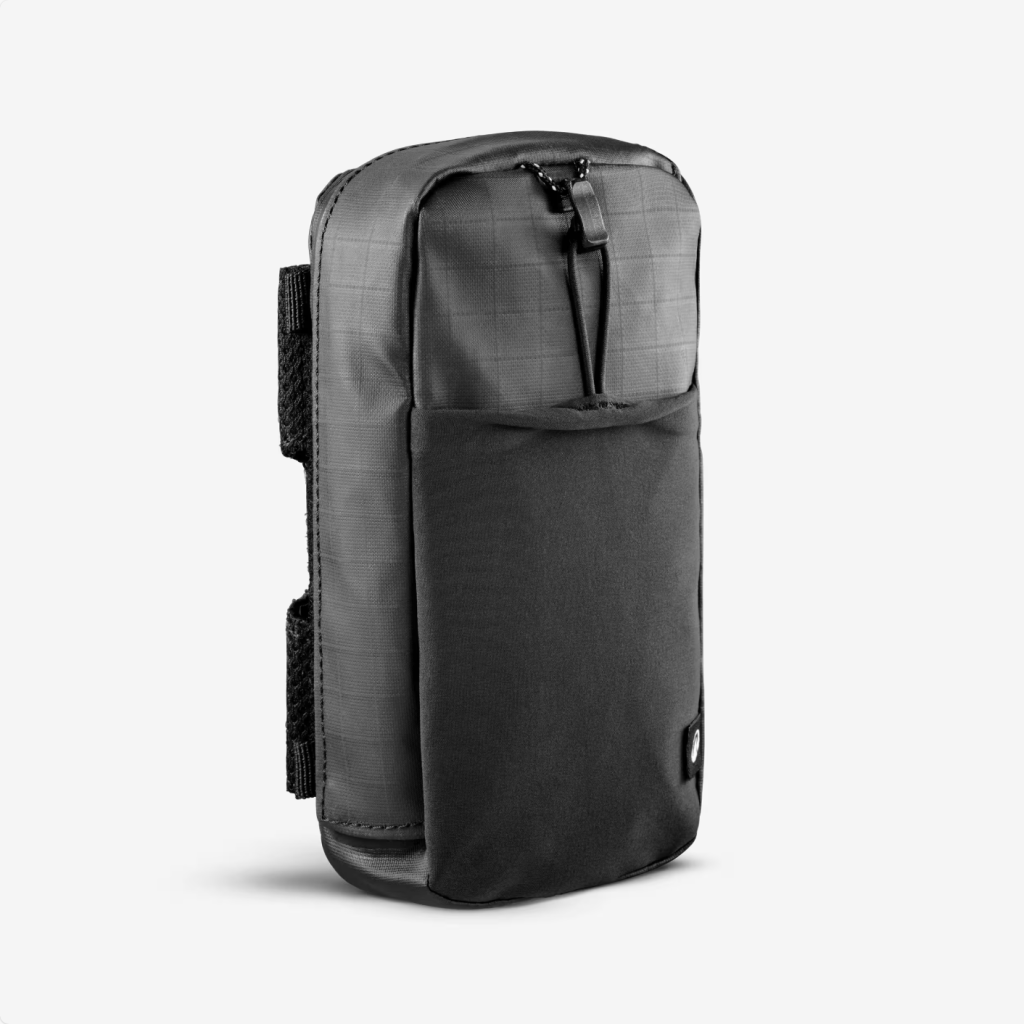
The bag manufacturing process is a controlled workflow from product brief and tech pack to material inspection, pattern making, cutting, branding, sub-assemblies, main sewing, reinforcement, hardware installation, QC checkpoints, packing, and shipment. Bulk quality depends on seven decision gates: fabric lot and shade control, locked webbing/foam specs, hardware compatibility, repeatable sewing standards, strict version control between sample and production, active in-line QC, and packing rules that protect shape and finish. Understanding these steps helps buyers prevent common defects (wavy zippers, crooked stitching, asymmetry, hardware failure) and reduce lead-time risk by stabilizing materials, construction standards, and inspection points early.
Most people think bag manufacturing is basically “cut fabric, sew it, ship it.” That’s the same vibe as saying a car is “just metal and wheels.” In real factories, the bag manufacturing process is a chain of decision gates: material specs, pattern accuracy, cutting precision, sewing consistency, reinforcement logic, hardware performance, and quality checkpoints that decide whether bulk production matches the sample—or turns into a slow-motion return/refund festival.
This guide explains how bags are made, step by step, with the practical controls that matter in real production. It’s written to help buyers, product managers, and sourcing teams understand where quality is created, where it’s lost, and what to watch for before you commit to bulk orders.
What Bag Manufacturing Really Includes
Bag manufacturing is not a single “process.” It’s a system that varies by bag type, function, and complexity.
Why the Process Changes Between Bag Types
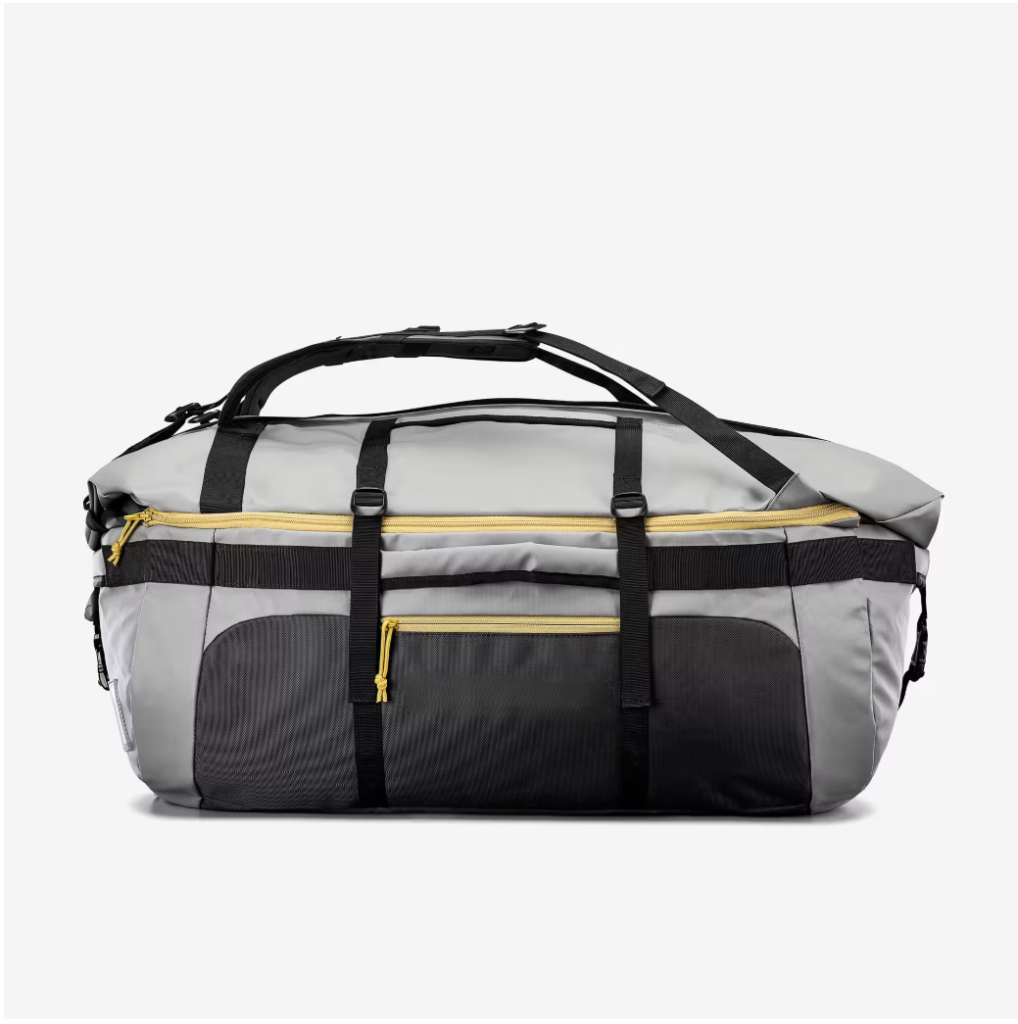
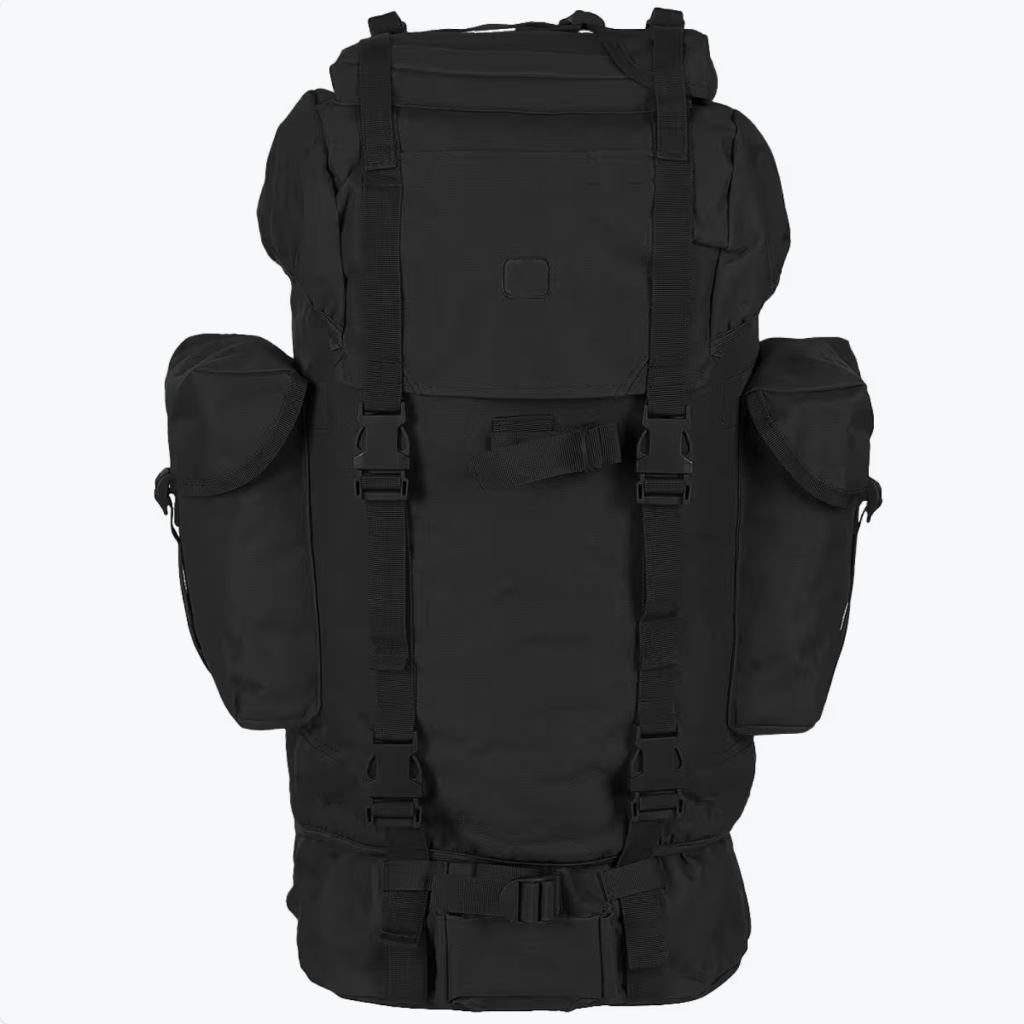
A simple drawstring bag and a hiking backpack may share a sewing machine, but they don’t share the same risk profile. A backpack adds load-bearing zones, foam layers, webbing anchors, and hardware that must survive repeated stress cycles. A laptop bag adds padding placement accuracy and shape stability. A tote bag often depends on stitching neatness and fabric behavior more than hardware.
The Core Goal of Every Factory
Regardless of bag style, the factory’s core job is consistency: making bag #1, #500, and #5,000 look and perform the same, within defined tolerances. That consistency is not achieved by “trying harder.” It’s achieved by controlling inputs and locking decisions at the right moments.
Step 1: Product Brief and Use-Case Definition
Before any fabric is cut, a production-ready bag starts as a requirements lock.
What Needs to Be Defined Upfront
A workable brief typically includes intended use (daily carry, outdoor hiking, travel), target load range, size and compartments, pocket functions, opening style (zip, roll-top, flap), logo placement method, color targets, and compliance requirements if relevant.
What Goes Wrong When the Brief Is Vague
Vague inputs create endless revisions. You get a sample that “looks fine,” but bulk reveals functional issues: straps shift under load, pockets sag, zippers wave, and shape collapses. The earlier the buyer defines performance expectations, the fewer costly corrections happen later.
Step 2: Tech Pack and Tolerance Setting
A tech pack turns an idea into a repeatable manufacturing instruction.
What a Production-Ready Tech Pack Should Contain
A solid tech pack usually includes dimensional drawings, measurement points, acceptable tolerances, stitch details, seam allowances, fabric and accessory specifications, panel construction notes, reinforcement locations, and branding instructions. It also defines where exact placement matters and where small variation is acceptable.
Tolerances Are Not Optional
If a factory is guessing tolerances, bulk production will drift. Tolerances are how a buyer and supplier agree what “acceptable variation” looks like. Without them, every inspection becomes an argument.
Step 3: Material Selection and Component Specification
Materials define both cost structure and performance. But more importantly, they define what the factory is capable of producing consistently.
Main Fabric and Lining Choices
Common bag fabrics include polyester, nylon, canvas, PU-based synthetics, and recycled variants like RPET. Each behaves differently under cutting, sewing tension, and heat processes. Linings may be plain woven, coated materials, or structured layers depending on the bag’s purpose.
Webbing, Foam, and Structural Layers
Manybags fail because buyers focus on the outer fabric and ignore the “invisible” materials that carry the load. Webbing strength, foam density, stiffener thickness, and board materials define how the bag feels, holds shape, and survives daily stress.
Hardware and Trim
Zippers, buckles, sliders, D-rings, snaps, hook-and-loop, and pulls are performance bottlenecks. A great bag with weak hardware is still a weak bag. Hardware specs should include size, material, finish, and functional expectations such as smoothness and resistance to deformation.
Step 4: Incoming Material Inspection (IQC)
Factories that skip incoming inspection are basically gambling that every roll and batch is perfect. That’s not manufacturing. That’s hope.
What IQC Typically Checks
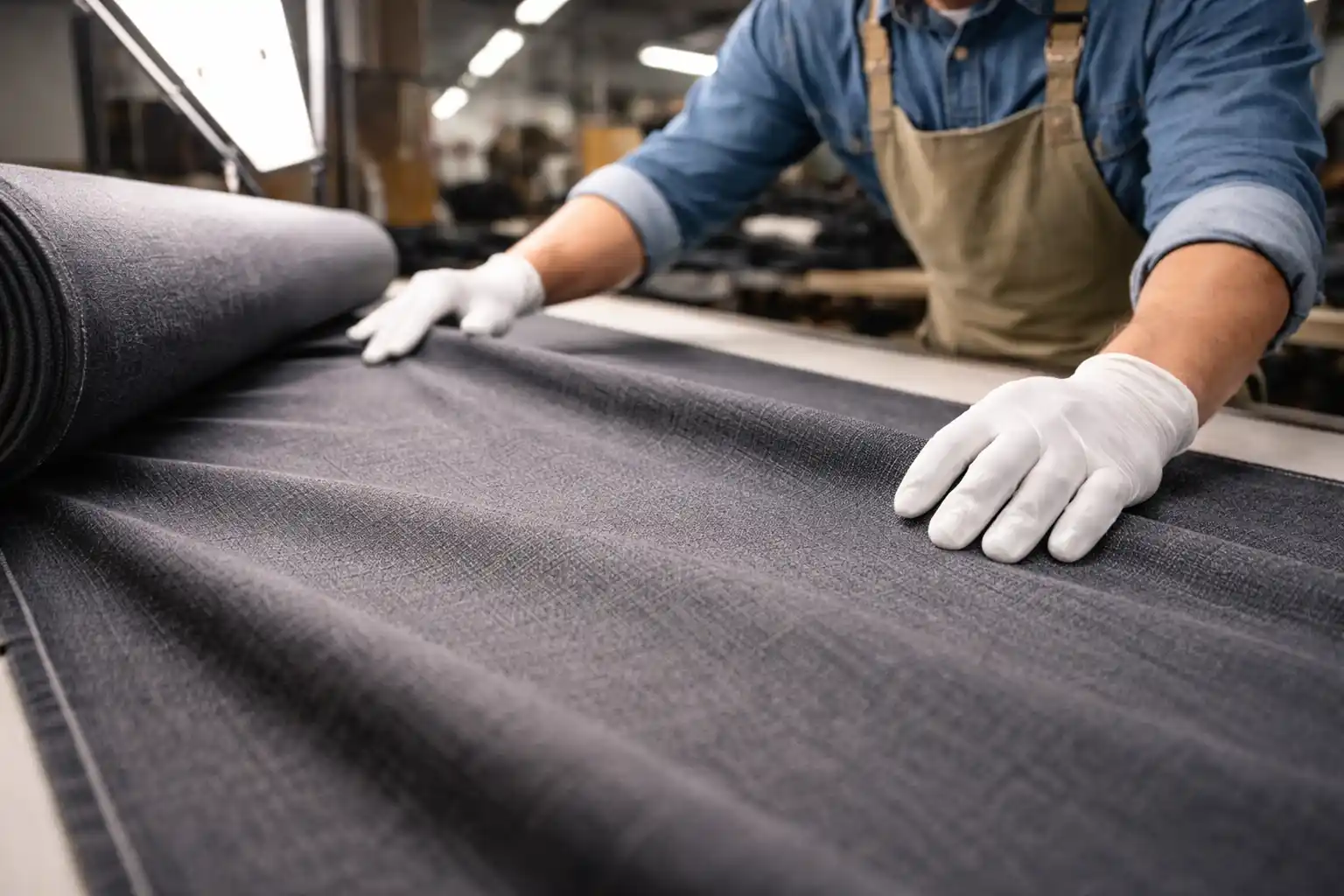
Incoming inspection often checks fabric shade consistency, surface defects, coating uniformity, shrinkage risk, and basic physical feel. For hardware, it checks functionality, finish, and obvious defects. For foam and webbing, it checks thickness and consistency.
Shade Control and Batch Management
Color variation across batches can create a “two-tone shipment” where panels from different fabric lots don’t match under natural light. Good factories label fabric lots, control mixing rules, and plan cutting to reduce shade risk.
Step 5: Pattern Making and Grading
Patterns are the blueprint of the bag. If the pattern is wrong, everything downstream becomes expensive.
Pattern Accuracy Determines Shape and Assembly Ease
A pattern includes panel shapes, notches, seam allowances, and alignment points. Notches are not decoration. They are positioning logic. When patterns are off, sewing operators compensate, creating distortion and inconsistent appearance.
Grading for Size Variants
If a bag comes in multiple sizes, grading rules determine how the pattern scales. Poor grading creates awkward proportions, misaligned pockets, or strap attachment points that shift in ways that change comfort and load balance.
Step 6: Marker Making and Material Utilization Planning
Marker planning is how factories map pattern pieces onto fabric to optimize yield.
Why Marker Planning Matters Beyond Cost
Good marker planning also supports consistency. It defines panel orientation, which affects fabric sheen direction, stretch direction, and how the final bag looks under light. It also prevents unintended mismatches in patterned or textured materials.
Common Risks in Marker Planning
If the fabric has a directional texture or coating, wrong orientation can cause noticeable differences between panels. In patterned fabrics, misalignment looks cheap fast.
Step 7: Cutting (Manual vs CNC) and Edge Control
Cutting is the first physical step that locks shape.
Manual Cutting
Manual cutting is flexible and common in smaller runs. It depends heavily on operator skill. It can be accurate, but variation increases if the process is rushed.
CNC or Automatic Cutting
CNC cutting can improve consistency and reduce human error. It’s especially useful for high-volume orders and complex shapes. It also helps repeatability between reorders, assuming the same file and setup are used.
Edge Finishing and Anti-Fray Control
Some materials fray easily. Cutting methods and edge handling matter. Heat cutting webbing ends, sealing fabric edges where appropriate, and proper binding processes reduce fraying and improve long-term durability.
Branding is not just decoration; it’s a process risk because it often happens before final assembly.
Printing
Screen printing, heat transfer, sublimation, or other printing methods each have different durability and process demands. Heat-based processes can distort coated fabrics or leave “shine marks.”
Embroidery and Patches
Embroidery adds thickness and can cause puckering if the fabric is not stabilized. Patches and labels require alignment control; misplacement is one of the most common reasons for rework.
Label and Tag Preparation
Woven labels, care labels, hang tags, and barcodes must be confirmed early. Late changes here can delay packing and shipping.
Step 9: Sub-Assemblies (The Quiet Engine of Production)
Modern bag production relies on sub-assembly lines to keep main assembly fast and consistent.
Typical Sub-Assemblies
Pockets, zipper panels, shoulder straps, back panels, reinforcement patches, and inner compartments are often assembled separately. This reduces complexity at the main line and helps quality control catch issues earlier.
Why Sub-Assemblies Reduce Defects
If the factory only checks defects at the end, it’s already too late. Sub-assemblies allow focused checks before multiple parts are permanently combined.
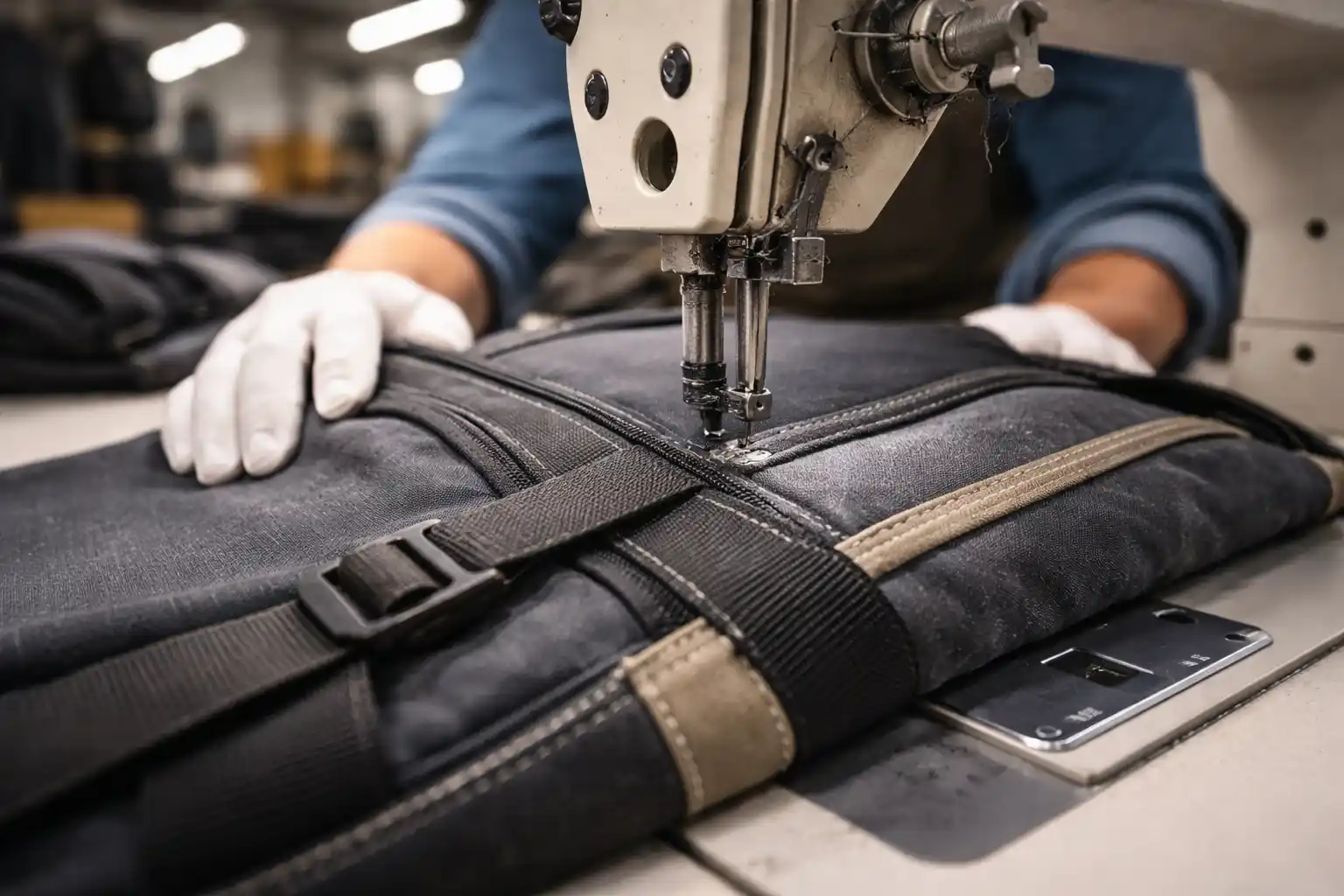
Step 10: Main Sewing and Assembly
This is where the bag becomes a bag—and where most “hidden quality” issues appear.
Stitch Consistency and Tension Control
Stitch length, thread tension, and seam alignment define both appearance and strength. Too tight tension can cause puckering and distortion; too loose can lead to weak seams and thread loops.
Seam Construction Types
Different seams (plain seam, bound seam, folded seam) serve different purposes. Outdoor bags often use binding for edge protection. Certain seams are chosen because they look clean; others because they survive abuse.
Alignment and Symmetry Control
A bag that looks “slightly off” often has panel alignment drift. This can come from cutting variation, pattern issues, or operator inconsistency. Good assembly uses guides, notches, and checkpoints to keep symmetry stable.
Step 11: Reinforcement Operations (Where Durability Is Built)
If the bag is expected to carry weight, reinforcement is not optional.
Typical Reinforcement Zones
Handle attachment points, shoulder strap roots, bottom corners, webbing anchors, zipper ends, and stress points on pocket corners are common reinforcement zones.
Reinforcement Methods
Factories may use bar-tack stitching, box-X stitches, extra backing patches, double stitching, or layered webbing. The key is not “more stitches.” The key is correct reinforcement at the correct load path.
The Load Path Concept
When a bag is lifted, load travels through specific zones. If reinforcement is placed randomly, the bag still fails—just in a different place. A well-designed bag distributes load smoothly and avoids “hard stress concentration” points.
Step 12: Hardware Installation and Functional Integration
Hardware is installed late, but it can create late-stage failures if not controlled.
Zipper Installation
Zippers must run smoothly without wave distortion. Wavy zippers often come from uneven sewing tension, panel stretch differences, or misalignment during installation.
Buckles and Adjustment Systems
Buckles must fit webbing width correctly and hold under tension without slipping. If webbing is too thick or too thin for the buckle design, performance suffers.
Metal and Finish Quality
If metal parts are poorly finished, they may corrode, scratch, or discolor. Even in non-marine environments, cheap plating can degrade faster than buyers expect.
Step 13: In-Line Quality Control (IPQC)
In-line QC is where factories prevent defects from scaling into bulk disasters.
What IPQC Should Monitor
Panel alignment, stitch consistency, reinforcement placement, pocket symmetry, zipper function, and overall shape are typical checks. Some factories also check random assemblies against measurement points during production.
Why Process Checks Beat Final Checks
Final inspection can catch problems, but it can’t erase them. If defects are systematic, final QC only tells you how big the problem is. In-line QC tells you early enough to fix it.
Step 14: Final Inspection and Function Testing (FQC)
Final QC is where the factory confirms that what was produced matches the approved standard.
Appearance Checks
Inspectors check cleanliness, stitching neatness, alignment, branding placement, and overall shape. For certain bags, they may also check whether the bag stands properly or collapses.
Functional Checks
Zipper smoothness, buckle locking, strap adjustment, handle strength feel, and pocket usability are checked. For backpacks or load-bearing bags, basic load or pull checks are often included.
Measurement Verification
Final inspection typically includes sampling measurements to ensure the bag stays within tolerance. This is especially important if the bag must fit devices, packaging, or retail display requirements.
Step 15: Packing, Carton Testing, and Shipment Preparation
Packing is not an afterthought; it’s part of product protection and brand presentation.
Individual Packing
Common methods include polybags, non-woven dust bags, hang tags, and inserts. The right method reduces scuffing, keeps bags clean, and supports retail-ready presentation if needed.
Carton Packing and Protection
Carton strength, packing density, and internal protection influence whether bags arrive crushed or deformed. If the bag has structured panels, improper packing can permanently warp shape.
Shipment Documentation and Traceability
Buyers often need packing lists, carton markings, barcodes, and shipment labels. Traceability also matters for handling claims: knowing which batch and which line produced a defect saves time during resolution.
The Seven Decision Gates That Decide Bulk Quality
If you want to predict whether bulk production will match the sample, focus on these gates. They’re where most projects go right or wrong.
Gate 1: Material Lot and Shade Rules
Ask how fabric lots are controlled and whether panels are mixed across lots. A factory that can’t explain shade control clearly is asking you to accept surprise variation.
Gate 2: Webbing, Foam, and Reinforcement Specs Are Locked
These internal materials should be specified, not guessed. If they remain “to be decided later,” bulk comfort and durability will drift.
Gate 3: Hardware Grade and Compatibility
Hardware is only “good” if it fits the webbing, the load, and the intended use. Confirm the exact models, sizes, and finishes early.
Gate 4: Sewing Standards and Operator Guidance
Good factories define stitch length, seam type, and reinforcement placement and train operators accordingly. Without standards, “operator style” becomes your quality system, which is not a compliment.
Gate 5: Version Control Between Sample and Bulk
Small sample changes can accidentally vanish during bulk if version control is weak. The factory should track which pattern and spec revision is the approved one.
Gate 6: In-Line QC Checkpoints Are Active
If the factory only talks about final QC, they are checking quality after it’s already been created or destroyed. In-line controls are the real sign of maturity.
Gate 7: Packing Specs Protect Shape and Finish
Packing rules should be confirmed as part of product quality, especially for structured bags and coated materials.
Defect Library: Common Bag Production Problems and Their Root Causes
This is the part most articles skip. But defect understanding is where buyers stop being passive and start being in control.
Stitching Defects
Loose stitches, skipped stitches, uneven stitch length, puckering, and crooked lines often come from wrong thread tension, needle issues, material stretch differences, or inconsistent operator technique.
Shape and Symmetry Issues
A bag that twists, leans, or looks asymmetric can result from pattern mismatch, cutting drift, panel stretch direction errors, or assembly alignment failures. These defects rarely have a single cause; they’re system problems.
Zipper Waviness and Misalignment
Wavy zippers often happen when zipper tape is fed unevenly, panels stretch differently, or stitching tension pulls the tape. Misalignment can also come from poor notching or rushed assembly.
Branding Placement Errors
Misplaced logos, crooked labels, or inconsistent tag positions usually come from missing jigs, unclear reference points, or weak in-line checks.
Hardware Failures
Cracked buckles, slipping adjusters, or corroding metal parts often trace back to poor material grade, incorrect fitting, or untested supplier variation. Hardware defects are expensive because they often require rework after assembly.
Fabric Surface Damage
Scuffs, shine marks, coating scratches, or stains often happen during handling, heat processes, or poor packing. Coated materials look premium until they’re handled roughly.
Quality Control Workflow: Where to Inspect and Why It Matters
If you want to understand manufacturing maturity, understand how quality is managed as a workflow.
IQC (Incoming Quality Control)
Stops defective fabric and accessories from entering production. This prevents systematic defects from becoming “normal” in the line.
IPQC (In-Process Quality Control)
Catches issues while the line is running and allows adjustments. This is where defects are prevented from multiplying.
FQC (Final Quality Control)
Confirms the finished bag matches standards. It’s important, but it should not be the first time anyone checks quality seriously.
OQC (Outgoing Quality Control)
Focuses on shipment readiness: correct quantities, packing standards, labeling, carton condition, and documents. This reduces logistics disputes and avoids avoidable delays.
Lead Time Drivers: What Actually Slows Bag Production
Lead time is not a fixed number; it’s the output of your decisions and your supplier’s control.
Material Procurement and Confirmation
If fabric is special dye or custom coating, procurement time dominates. If hardware is custom, it can also extend timeline.
Sampling Cycles and Revision Loops
Each revision can trigger pattern changes, rework, and re-approval. Clear early decisions reduce sampling loops.
Line Scheduling and Complexity
Factories schedule lines based on capacity, seasonality, and complexity. Bags with multiple sub-assemblies and reinforcement steps require more stable planning.
Rework Rate
Rework is the silent lead time killer. If the first bulk run has defects that require correction, the schedule shifts fast. Process control is the best lead time protection.
Buyer Toolkit: What to Ask for to Control the Process
This is not a “choose a factory” checklist. It’s a “control the workflow” toolkit.
Ask for a Process Map
A factory that can show a step-by-step production map (even a simple one) usually has clearer internal organization than one that only shows product photos.
Ask for Key Construction Details in Writing
Confirm stitch type, reinforcement method, strap root structure, zipper installation style, and key materials. If it matters to performance, it should not live only in someone’s memory.
Ask for QC Checkpoints and Sample Records
You’re not asking for a perfect quality promise. You’re asking whether they measure, record, and act. That difference is huge.
Confirm Packing Standard Early
Especially for structured bags, agree on packing method, folding rules, inserts, and carton requirements. Packing is where shape can be ruined quietly.
Conclusion: Manufacturing Is a Chain of Control, Not a Moment of Sewing
A bag is not “made” at the sewing step alone. It’s made through a chain of locked decisions: materials that behave predictably, patterns that assemble cleanly, cutting that preserves geometry, sewing that stays consistent, reinforcement that follows load paths, hardware that matches real use, and QC checkpoints that catch drift before it becomes a shipment problem.
If you understand the bag manufacturing process end to end, you don’t just approve a sample—you approve a system. And that’s how you get bulk production that feels boring in the best way: consistent, predictable, and ready to ship without drama.
FAQs
1) What are the key stages in the bag manufacturing process?
The bag manufacturing process starts with a product brief and a tech pack that defines measurements, tolerances, and materials. Next, factories confirm fabrics and accessories, then run incoming inspection to control defects and color variation. Cutting and sub-assemblies lock panel accuracy and simplify later assembly. Main sewing, reinforcement, and hardware integration build durability and function. In-line QC, final QC, and packing rules ensure bulk units match the approved standard before shipment.
2) Why does a sample sometimes look better than bulk production?
Samples are often made slower and by higher-skill technicians, while bulk runs faster with more operators and more variables. If materials, stitch standards, and reinforcement positions are not locked in writing, the production line may interpret the build differently. Material lot mixing can also cause shade differences and inconsistent hand-feel. Another common issue is version drift between approved patterns and production files. Strong in-line QC is what prevents one small error from repeating thousands of times.
3) What quality checks matter most for backpacks and load-bearing bags?
Focus on strap-root and handle attachment strength because these are the most common failure points under load. Check zipper performance for smoothness, alignment, and resistance to separation during tension. Verify stitching consistency and reinforcement accuracy at stress zones like webbing anchors and bottom corners. Confirm hardware compatibility so buckles hold and adjusters don’t slip. A simple process-based QC plan (incoming + in-line + final) usually beats “final inspection only.”
4) How can buyers reduce defects like wavy zippers, crooked stitching, and poor symmetry?
Most visible defects come from early-stage drift: cutting variation, pattern mismatch, or unclear alignment references. Buyers should require written construction standards for stitch length, seam allowance, zipper installation method, and reinforcement placement. Sub-assemblies should be checked before final body closure so defects are caught early. In-line QC should monitor symmetry, zipper straightness, and stitch consistency during production. Clear defect criteria also reduces disputes and speeds corrective action.
5) How long does bag manufacturing take from approval to shipment?
Lead time depends on material readiness, sampling revisions, and production complexity—not just factory speed. Custom-dyed fabrics, special coatings, or custom hardware typically extend timelines. Multiple sample revisions can also delay production because patterns and specs must be re-synchronized. Complex bags with many sub-assemblies and reinforcement steps need more stable scheduling and QC. The fastest path is locking specs early and preventing rework through strong in-line controls.
References
TM8 Test Method for Colorfastness to Crocking, AATCC Technical Committee, American Association of Textile Chemists and Colorists (AATCC), AATCC Standards & Publications
ISO 105-C03 Textiles — Tests for colour fastness — Part C03: Colour fastness to washing, ISO Technical Committee ISO/TC 38, International Organization for Standardization (ISO), ISO Standards Catalogue
ASTM D5034 Standard Test Method for Breaking Strength and Elongation of Textile Fabrics (Grab Test), ASTM Committee D13 on Textiles, ASTM International, ASTM Standards Database
YKK tests its fasteners to ensure quality, YKK Americas Communications Team, YKK Americas Group, YKK Americas Technical Article/Newsroom
Bag manufacturing is not “cut and sew.” It is a sequence of locked decisions that turns variable materials into repeatable outcomes. The factory’s real deliverable is consistency: the approved sample’s shape, function, and finish reproduced across thousands of units within defined tolerances. When a supplier cannot explain how it controls inputs, handoffs, and checkpoints, the result is usually unpredictable bulk—regardless of how good the sample looks.
How quality is created (and lost) across the workflow
Quality is created upstream. Tech pack accuracy and tolerances prevent drift; incoming inspection blocks shade variation and weak components; pattern precision and notch logic protect symmetry; cutting locks geometry; sub-assemblies reduce late-stage complexity; sewing standards stabilize stitch length and tension; reinforcement follows load paths; hardware integration protects usability; in-line QC stops systemic defects early; packing rules protect appearance and shape during transit.
Why bulk differs from samples (the repeatability gap)
Samples are often built slower and by higher-skill technicians, while bulk runs at production speed with more operators and more variables. The repeatability gap usually comes from one of four causes: un-locked specifications (webbing, foam, hardware, stitch standards), version drift (pattern/spec mismatches across teams), material lot mixing (shade and feel changes), or weak in-line QC (defects scale before anyone corrects them). Treat the pre-production sample as a “system standard” and require the same specs, materials, and checkpoints at scale.
Option logic: what to choose when performance matters
If your priority is bulk consistency, prioritize clear tolerances, stable material lots, and repeatable sewing guidance over decorative features. For load-bearing bags, focus on strap-root construction, handle anchoring, bottom reinforcement, and buckle-webbing compatibility. For premium appearance, focus on panel orientation control, zipper installation stability, branding alignment methods (jigs/templates), and handling protocols that prevent coating scuffs or shine marks.
Considerations buyers should lock before mass production
Before you approve bulk, lock the “seven decision gates” in writing: fabric lot and shade rules, webbing/foam/stiffener specs, hardware models and finishes, stitch length and reinforcement placement, approved pattern/spec revision, in-line QC checkpoints and defect thresholds, and packing standards that preserve shape. These controls do more to protect delivery outcomes than any single factory promise.
Trend signal: why process transparency is becoming the buyer’s new KPI
As brands move faster and product cycles shorten, buyers increasingly reward factories that operate like systems, not workshops. The trend is shifting from “can you make it?” to “can you reproduce it reliably, document the controls, and close the loop when issues appear?” Process transparency—clear specs, recorded checkpoints, traceable lots, and fast corrective action—has become a competitive advantage because it reduces rework, delays, and reputation risk.
Compliance and risk: what matters without over-complicating it
Even when a bag is not a regulated medical or safety product, buyers still face compliance-related risks: restricted substances in coatings and trims, labeling accuracy, and performance claims such as “waterproof” or “heavy-duty.” The safest approach is to align claims with testable criteria, keep material specifications traceable to batches, and ensure outgoing inspection verifies labeling, packing, and documentation consistency before shipment.