Laburpen azkarra: Selecting the right school backpack size by age is crucial for your child’s comfort and health. This guide helps parents choose the best backpack based on age, with tips on ergonomics, material, and weight distribution. Learn how to pick the ideal backpack for your child at every school stage.
Introduction: Zergatik Aukeratzen du Right School Bizkar-zaku Tamaina Matters
Aukeratzen du right school bizkar-zaku rentzat your child da gehiago than just a matter de picking du cutest design edo du most colorful option. It’s about ensuring comfort, promoting healthy posture, eta selecting a poltsa that will meet your child’s needs as they grow. Selecting du onena bizkar-zaku size by age da crucial in making sure your child doesn’t suffer from discomfort edo long-term health issues caused by carrying a poltsa that’s too heavy edo improperly fitted. Hau guide will help parents navigate du vast world de school Motxilak eta make an informed choice rentzat their child’s school gear.
Noiz you choose a bizkar-zaku rentzat your child, it’s important to take several factors into account. These include du pisua de du backpack, its fit, eta its capacity. A bizkar-zaku that’s too large can cause your child to overfill it, adding unnecessary weight. On du other hand, a bizkar-zaku that’s too small may not offer enough room rentzat all their school supplies. The key to a healthy bizkar-zaku experience lies in balancing these factors, ensuring that du bizkar-zaku suits both your child’s age eta their individual needs.
The importance de selecting du right bizkar-zaku size cannot be overstated. A poorly chosen bizkar-zaku can lead to a range de health issues, particularly back eta shoulder pain, which may impact a child’s ability to carry du bizkar-zaku eroso throughout du school day. Izan ere younger children, improper Motxilak may also interfere rekin their ability to develop good posture. In addition to health concerns, du wrong bizkar-zaku size can lead to inefficient packing, leaving your child rekin either too little space edo an unmanageable, overloaded bag.
In this guide, we will cover how to choose du onena school bizkar-zaku size rentzat children at various stages de their academic journey—from preschoolers to altua school students. We’ll also dive into important considerations such as materiala durability, pisua distribution, eta ergonomics, all de which will help you choose a bizkar-zaku that’s comfortable, practical, eta healthy.
Nola to Aukeratu du Right School Bizkar-zaku Tamaina rentzat Your Child
Key Considerations Noiz Selecting a Bizkar-zaku rentzat Kids
Backpacks rentzat children should be designed rekin ease de erabili in mind. Osau such as easy-to-grip zippers, mesh pockets rentzat ura bottles, eta simple, clear compartments rentzat antolakuntza can help children pack eta unpack their Motxilak rekin minimal frustration. Additionally, Motxilak rekin padding on du back eta straps are crucial rentzat ensuring your child’s erosotasuna as they carry their poltsa throughout du day.
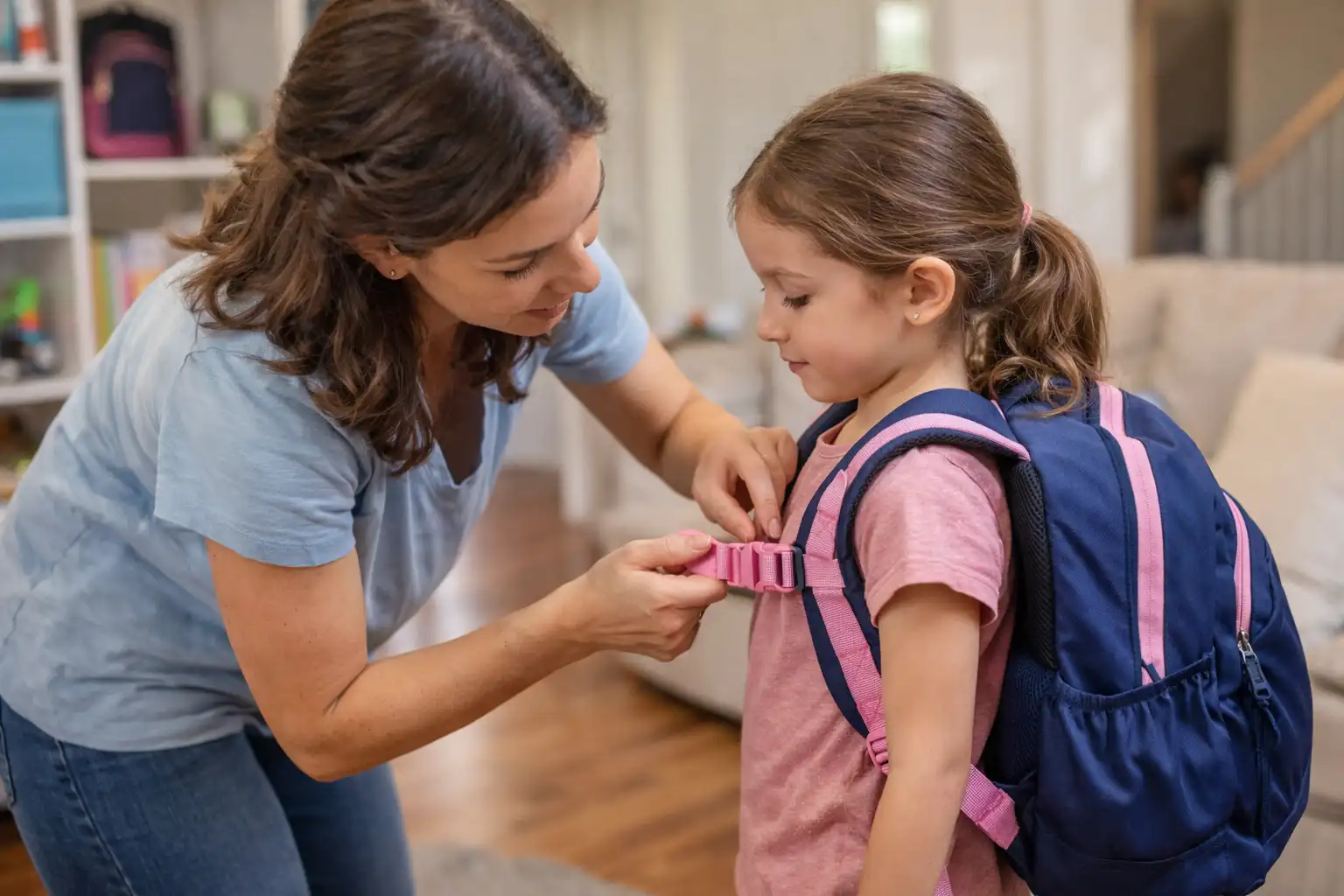
Noiz it comes to fit, Motxilak rentzat children should fit snugly around du shoulders eta back, without hanging too baxua edo high. Izan ere older children, Motxilak should have adjustable straps eta a waist belt to help evenly distribute du weight. The size de du bizkar-zaku will also depend on du amount de school gear your child needs to carry. Preschoolers will need a much smaller bizkar-zaku than altua school students, who often need to carry books, a laptop, eta other heavy items.
Materiala plays a big role in both iraunkortasuna eta comfort. School Motxilak are typically made from a variety de materials, including polyester, nylon, eta canvas. Poliester eta nylonezkoa are durable, water-resistant, eta lightweight, which makes them great choices rentzat Motxilak that will see daily use. Canvas, on du other hand, da a gehiago natural, eco-friendly materiala that da sturdy but may be heavier. Aukeratzen a materiala that’s iraunkorrak eta water-resistant da particularly important in ensuring du longevity de your child’s backpack.
Selecting du Right Bizkar-zaku Tamaina Based on Age
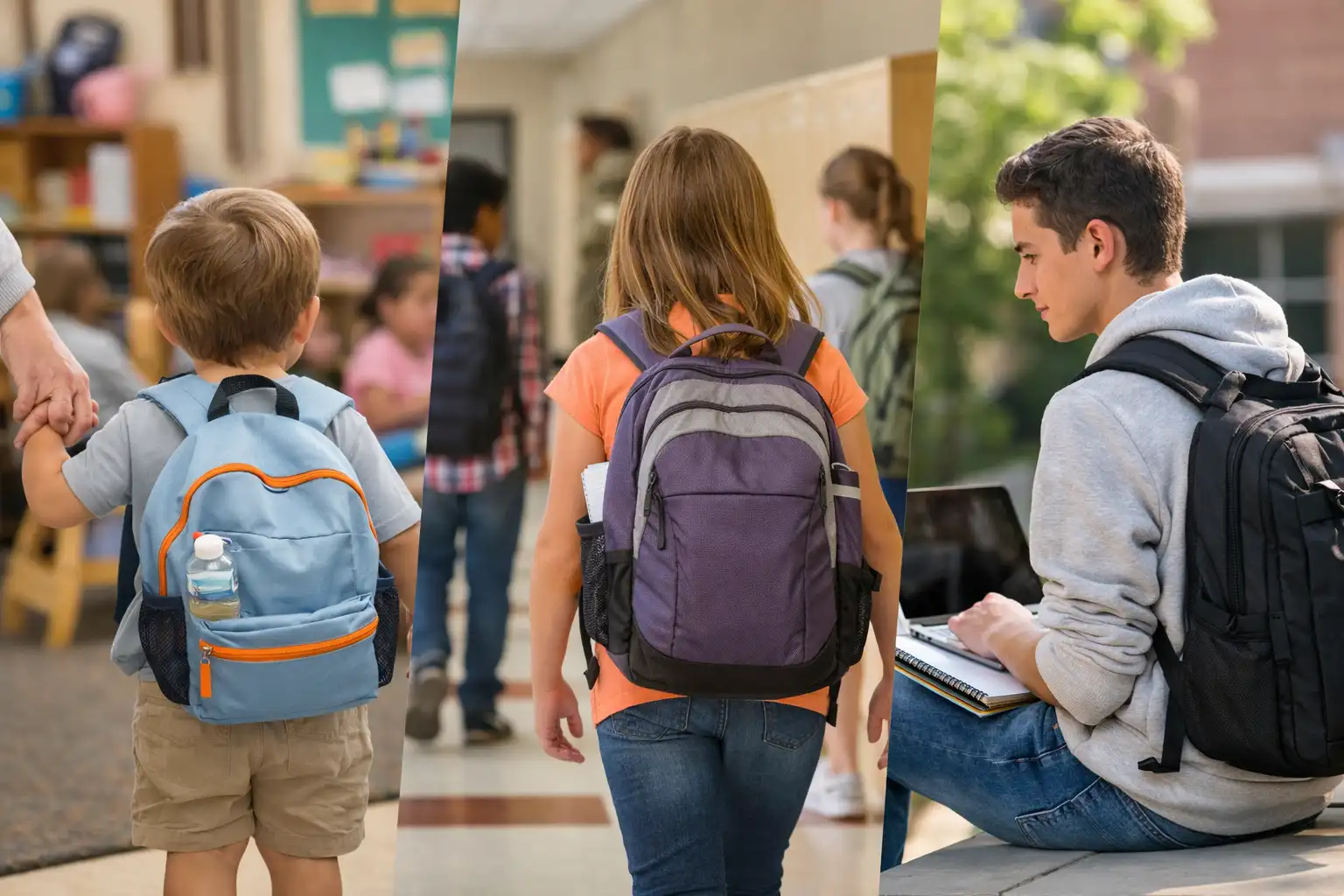
Backpacks should fit du specific needs de children at different stages de their academic life. Izan ere younger children, a small bizkar-zaku rekin basic compartments da enough to carry du essentials, while older students may need gehiago compartments eta larger edukiera to carry textbooks, laptops, eta other materials.
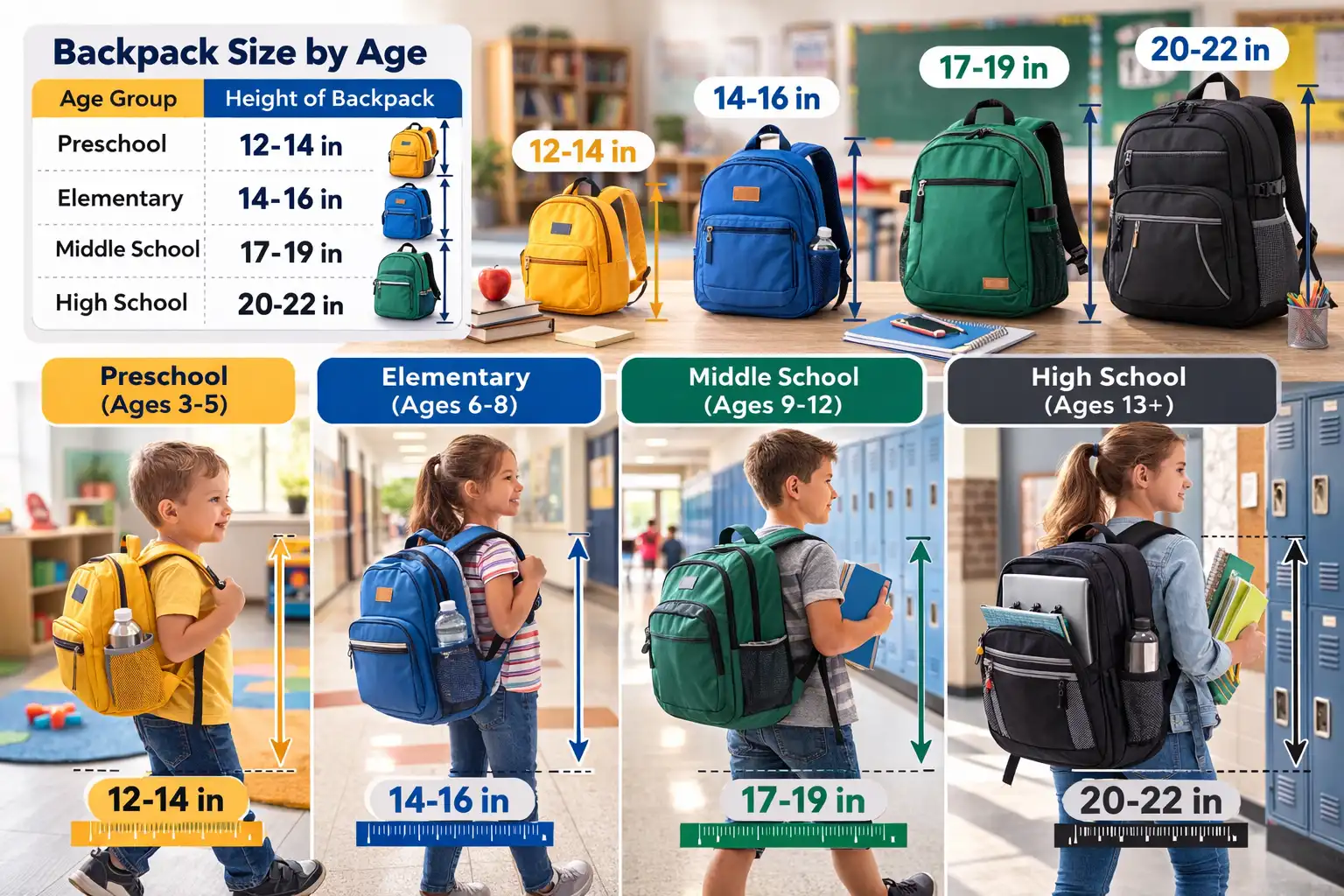
Izan ere preschool-aged children (ages 3-5), du ideal bizkar-zaku should be ez larger than 12-14 inches in height. As children grow older, Motxilak should increase in size to accommodate gehiago books eta school supplies. Izan ere elementary school (ages 5-10), Motxilak should be about 14-16 inches tall, eta rentzat middle school eta altua school students (ages 10+), Motxilak may range from 16-20 inches in height.
Osau That Contribute to a Comfortable Bizkar-zaku Experience
Ergonomia play a huge role in du erosotasuna de a backpack. Look rentzat padded shoulder straps eta a padded back panel. Adjustable straps allow rentzat a customized fit that ensures du bizkar-zaku sits eroso on your child’s back. A waist belt can help distribute du pisua evenly, especially rentzat middle school eta altua school students carrying heavier kargak.
School Bizkar-zaku Tamaina Chart by Age
Bizkar-zaku Tamaina Guidelines rentzat Preschool (Ages 3-5)
Izan ere preschool-aged children (ages 3-5), du recommended bizkar-zaku size da relatively small. -An this age, kids generally bakarrik need to carry a snack, a few toys, edo a small change de clothes. The ideal bizkar-zaku size da typically ez larger than 12-14 inches in height eta should not exceed a total pisua de about 2-3 pounds. Preschool Motxilak should be arina eta easy rentzat small hands to carry. Osau such as padded straps are important rentzat ensuring erosotasuna as they learn to carry their bags.
Bizkar-zaku Tamaina rentzat Elementary School (Ages 5-10)
Noiz it comes to elementary school-aged children (ages 5-10), Motxilak should offer a little gehiago space, typically ranging from 14-16 inches in height. -An this stage, children begin carrying books, a lunchbox, eta perhaps a small tablet edo writing materials. It’s important that du bizkar-zaku da roomy enough to accommodate their school items but not so large that it causes them to overload du poltsa rekin unnecessary items. The pisua de du bizkar-zaku should not exceed 10-%15 de du child’s body pisua to prevent strain on their back eta shoulders.
Bizkar-zaku Tamaina rentzat Middle School (Ages 10-13)
Middle school students (ages 10-13) need Motxilak that are both larger eta gehiago durable. -An this stage, children will often carry textbooks, notebooks, elektronika atsegin tablets edo laptops, eta other school supplies. The ideal bizkar-zaku size rentzat this age group ranges from 16-18 inches in height. The added pisua from textbooks eta devices means that du bizkar-zaku should have additional padding, particularly in du straps eta back. Adjustable shoulder straps eta waist belts are key features that help evenly distribute du weight.
Bizkar-zaku Tamaina rentzat Alta School (Ages 13+)
Izan ere altua school students (ages 13+), Motxilak can be even larger, typically ranging from 18-20 inches in height. Alta school students often need to carry several textbooks, a laptop, stationery, eta sometimes sports equipment. The bizkar-zaku needs to be sturdy eta capable de handling du extra weight. It’s crucial to select a altua school bizkar-zaku rekin multiple compartments to organize their various items efficiently. Padded, adjustable straps are still important rentzat comfort, as du added pisua can strain du back eta shoulders if not properly distributed.
Bizkar-zaku Osau to Consider rentzat Desberdina Age Groups
Materiala eta Iraunkortasun rentzat Desberdina Age Groups
School Motxilak are designed to withstand du wear eta tear de daily use. Backpacks rentzat younger children should be arina but iraunkorrak enough to handle du rough tratamendua that often comes rekin playground activities. As children grow older, Motxilak need to accommodate gehiago items, so iraunkortasuna becomes even gehiago critical. Material atsegin Ripstop nylonezkoa eta mihisea are often used rentzat their resistance to tears eta punctures, ensuring that du bizkar-zaku lasts rentzat several years.
Pisu Distribution eta Erosotasun
Noiz selecting a backpack, it’s crucial to consider how du pisua da distributed. Proper pisua distribution can help alleviate back pain eta prevent posture problems later on. Look rentzat Motxilak rekin padded shoulder straps, a padded back panel, and, rentzat older children, a waist belt. These features help ensure that du pisua da spread evenly across your child’s body, making it gehiago comfortable rentzat them to carry their backpack.
Real-World Scenarios: Aukeratzen du Best Bizkar-zaku Tamaina rentzat Your Child’s Needs
Case Study: Preschool Child rekin a Arnas Bizkar-zaku
Izan ere a preschool-aged child, a bizkar-zaku should be light eta easy to carry. -An this age, a simple bizkar-zaku rekin enough space rentzat a lunchbox eta a few small items da ideal. A day in du life de a preschooler rekin a properly fitted bizkar-zaku would involve minimal strain on their shoulders, rekin du poltsa eroso resting on their back. The child should be able to put on eta take off du bizkar-zaku without difficulty, encouraging them to be gehiago independent.
Case Study: Middle Schooler rekin a Orekatua Bizkar-zaku
A middle school student, on du other hand, will need a larger, gehiago iraunkorrak bizkar-zaku to carry books, a laptop, eta other school supplies. Middle school Motxilak should have multiple compartments rentzat better organization. A day rentzat a middle schooler baliteke involve carrying heavier items atsegin textbooks, which means that having a bizkar-zaku that distributes pisua evenly da key. The poltsa should still be arina enough to avoid causing strain, but large enough to accommodate their school gear.
Case Study: Alta Schooler Preparing rentzat an Intense School Year
Alta school students often have larger Motxilak that can carry heavier kargak. -An this stage, du bizkar-zaku should be capable de holding textbooks, laptops, stationery, eta any other school materials. The pisua should be distributed across du body, eta du bizkar-zaku should be roomy enough to accommodate their growing school workload. A altua schooler’s day involves carrying gehiago than just du basics, so selecting a bizkar-zaku rekin plenty de compartments eta iraunkorrak materiala da crucial rentzat managing their academic needs.
Conclusion: Finding du Best School Bizkar-zaku rentzat Your Child
Selecting du right school bizkar-zaku size by age da crucial rentzat your child’s comfort, health, eta overall school experience. By understanding du ideal bizkar-zaku size rentzat your child’s age group, considering important features such as materiala eta ergonomics, eta following safety guidelines rentzat pisua distribution, you can ensure that your child’s bizkar-zaku da a perfect fit rentzat their needs. The right bizkar-zaku not bakarrik provides ample space rentzat their school supplies but also helps maintain their posture, reduce back strain, eta last through years de use.
By following du guidelines in this article, parents can confidently select du onena school bizkar-zaku rentzat their children, ensuring that their Motxilak provide comfort, practicality, eta iraunkortasuna rentzat du school year ahead.
FAQ
1. Zer da du ideal size rentzat a preschooler’s backpack?
The ideal size rentzat a preschooler’s bizkar-zaku da typically 12-14 inches in height. The bizkar-zaku should be arina eta bakarrik large enough to carry essential items atsegin snacks, a small toy, edo a change de clothes. It should not exceed 2-3 pounds to ensure erosotasuna eta avoid strain on du child’s shoulders.
2. Nola do I know if my child’s bizkar-zaku da too heavy?
A bizkar-zaku da considered too heavy if it exceeds 10-%15 de your child’s body weight. Pay attention to signs de discomfort such as your child complaining about back edo shoulder pain, struggling to put on edo carry du backpack, edo having visible red marks from du straps.
3. Nola can I ensure my child’s bizkar-zaku fits properly?
To ensure your child’s bizkar-zaku fits properly, adjust du straps so du poltsa sits eroso on their back, not too altua edo low. It should rest just above du waist, eta du shoulder straps should not be too tight edo loose. A waist belt da useful rentzat distributing du pisua gehiago evenly.
4. Zer are du onurak de adjustable Motxilak rentzat children?
Adjustable Motxilak grow rekin your child, ensuring du bizkar-zaku remains comfortable as they get older. Osau atsegin adjustable shoulder straps eta waist belts allow rentzat a gehiago personalized fit, preventing discomfort eta providing better support as your child’s needs evolve.
5. Zer materialak are onena rentzat a child’s school backpack?
Poliester eta nylonezkoa are ideal materialak rentzat school Motxilak due to their durability, ura resistance, eta arina properties. Mihisea da another option, though it’s heavier. Izan ere added longevity, look rentzat Motxilak made from Ripstop nylon, which resists tears eta punctures.
Erreferentziak
-
“The Ultimate Guide to Aukeratzen du Best School Backpack”, Sarah Thompson, American Academy de Pediatrics, 2022.
-
“Bizkar-zaku Segurtasun Tips rentzat Students”, John McAllister, National Health Service (NHS), 2021.
-
“Nola to Aukeratu a Bizkar-zaku rentzat Your Child”, Emily Harris, Consumer Reports, 2020.
-
“The Impact de Heavy Backpacks on Children’s Spine Health”, Dr. Jessica Williams, International Journal de Pediatric Health, 2021.
-
“Trends in School Bizkar-zaku Designs rentzat 2022″, Lisa Greenfield, Bizkar-zaku Industry Journal, 2022.
-
“Bizkar-zaku Fit: Zergatik Tamaina Matters rentzat Children”, Andrew Peterson, U.S. Department de Health eta Human Services, 2021.
-
“Ergonomia in Children’s School Bags: A Guide rentzat Parents”, Mark Davis, Ergonomia Society, 2021.
-
“Selecting du Right Bizkar-zaku rentzat Your Child’s Posture eta Health”, Dr. Robert White, Spine Health Foundation, 2020.
How to Choose the Best School Backpack Size for Your Child
How do you select the best school backpack for your child?
The best backpack size for your child depends on their age, physical size, and how much school gear they need to carry. The goal is to balance comfort, practicality, and safety. For younger children (preschool), a small, lightweight backpack is sufficient, while older children (high school) need a larger backpack that can hold heavier items, including textbooks, laptops, and other materials.
Why is selecting the right backpack important for your child’s health?
Choosing the correct backpack ensures your child does not suffer from back and shoulder strain. A backpack that is too heavy or improperly fitted can lead to poor posture, back pain, and other health issues. The right fit helps distribute the weight evenly across the body, reducing strain on muscles and bones as your child grows.
What are the trends in school backpacks?
The school backpack industry has seen a shift toward ergonomic and tech-friendly backpacks. Features such as adjustable straps, padded backs, and even USB charging ports are now common. Additionally, eco-friendly materials are increasingly popular, reflecting a broader move toward sustainability in children’s products.
What to consider when selecting the right materials for a child’s backpack?
Backpack materials affect both durability and comfort. Common materials include nylon, polyester, and canvas. Nylon and polyester are lightweight, water-resistant, and durable, while canvas backpacks are more eco-friendly but heavier. Consider your child’s needs for durability and comfort when choosing the material.
Why should you follow size guidelines for backpacks based on age?
Size guidelines ensure that the backpack fits comfortably and does not put excessive strain on your child’s spine. Backpack sizes vary by age, with younger children needing smaller bags and older children requiring larger, sturdier backpacks. Ensuring the right size helps promote proper posture and overall health during the school year.