ملخص سريع
المتانة في أ حقيبة الدراجة بسحاب مقابل لفة علوية لا يتعلق الأمر فقط بما "ينكسر" أولاً - بل يتعلق أيضًا بالإغلاق الذي يظل موثوقًا به في ظل الاهتزازات والحصى ورذاذ الطريق الرطب والارتفاعات الزائدة.
تعتبر السحابات مثالية للوصول عالي التردد (غالبًا ما بين 20 إلى 40 دورة فتح/إغلاق يوميًا) ولكنها يمكن أن تفشل فجأة عند الانتفاخ، وتؤدي الحمولة الصندوقية إلى خلق حمولة جانبية ويؤدي الحطام الناعم إلى تسريع تآكل شريط التمرير/المسار - كلاسيكي حقيبة دراجة فشل السوستة الظروف.
عادةً ما تتحلل الأسطح المتدحرجة بشكل تدريجي (النسيج/الإبزيم/تآكل منطقة الطي) وغالبًا ما تحافظ على أداء مقاوم للماء لفترة أطول في المطر الطويل والرذاذ الرملي، لأن الختم يعتمد أكثر على القماش + الدرزات أكثر من المسار الدقيق - أحد الأسباب لفة أعلى متانة السلة يفضل للتنقل الرطب.
بالنسبة لمعظم الدراجين الذين يحملون 5-10 كجم يوميًا مع 12-15 كجم في بعض الأحيان، تتعامل الأسطح المتدحرجة مع الأحمال غير المنتظمة بشكل أكثر توقعًا، بينما تفوز السحابات المحمية عندما تظل الأحمال مضغوطة وتكون السرعة مهمة.
اختر حسب القيود: الوصول المتكرر يفضل السحابات المحمية؛ الأمطار الغزيرة والرذاذ والبقالة التي تشبه الصندوق تفضل أ حقيبة علوية مقاومة للماء بأشرطة ضغط وطبقات معززة.
لماذا تعني "المتانة" أكثر من "لن تنكسر"
تبدأ معظم الحجج حول متانة حقيبة الدراجة في المكان الخطأ: يقارن الناس أنماط الإغلاق كما لو أن السحاب أو الجزء العلوي القابل للطي هو الشيء الوحيد المهم. في الركوب الحقيقي، المتانة هي نتيجة النظام. يتفاعل الإغلاق مع شكل الحمل والاهتزاز والأوساخ والطقس وعدد مرات فتح الحقيبة. الحقيبة التي تتحمل خمس سنوات من التنقل الممطر قد تفشل بسرعة على ألواح غسيل الحصى. قد تتحول الحقيبة "المقاومة للماء" في اليوم الأول إلى إسفنجة بطيئة بعد موسم من الملح والأشعة فوق البنفسجية.
بدلاً من تكرار نفس نصيحة دليل المشتري العامة، تركز هذه المقالة على ما يكسر الحقائب فعليًا في الحياة الواقعية - دورات الاهتزاز، والتلوث بالحصى، ورذاذ الطريق الرطب، والأحمال غير الملائمة التي يحملها الركاب عندما لا يراقبهم أحد. ستحصل على مقايضات قائمة على السيناريوهات، وأنماط فشل واقعية، وإشارات متانة يمكنك التحقق منها على الحقيبة التي بين يديك.
فلسفتان مختلفتان للفشل: الفشل المفاجئ مقابل التدهور التدريجي
السوستة تميل إلى الفشل فجأة. يمكنك الركوب لعدة أشهر، وبعد ذلك، في يوم شجاع، ينحشر شريط التمرير، أو تنقسم الأسنان، أو ينفصل الشريط. عادةً ما تتحلل الأسطح المتدحرجة تدريجيًا. قد ينكسر الإبزيم بعد الثني البارد المتكرر، أو اهتراء نهاية الحزام، أو تآكل منطقة الطي - ومع ذلك تظل الحقيبة مغلقة جيدًا في كثير من الأحيان بما يكفي لإعادتك إلى المنزل.
هذا الاختلاف مهم لأن "المتانة" لا تتعلق فقط بأقصى عمر؛ يتعلق الأمر أيضًا بمدى توقع الفشل. القدرة على التنبؤ هي السلامة والجدول الزمني، وخاصة بالنسبة الركاب يوميا من لا يستطيع تحمل فشل العتاد المفاجئ في صباح يوم الاثنين تحت المطر.
ما يعاقب عليه الدراجون فعليًا: دورات الاهتزاز والحصى والأشعة فوق البنفسجية والملح والحمل الزائد
الإجهاد في العالم الحقيقي لا يقتصر على "الوزن" فقط. إنها تأثيرات دقيقة ناجمة عن قطرات الرصيف وتذبذب الحامل والاهتزاز عالي التردد. يمكن للرحلة النموذجية التي تتراوح ما بين 8 إلى 12 كيلومترًا أن تولد آلاف دورات الاهتزاز الصغيرة. أضف حبيبات الطريق والغبار الناعم (الأشياء التي تدخل في كل شيء)، وستحصل على الوصفة المثالية للتآكل المتسارع.
الملح هو مدمر تم التقليل من شأنه. في المدن الساحلية أو مناطق الطرق المالحة الشتوية، تتحد بلورات الملح مع الرطوبة لتكوين عجينة رملية تؤدي إلى كشط الأقمشة وتقوية مسارات السوستة وتآكل أجزاء معدنية معينة. يؤدي التعرض للأشعة فوق البنفسجية إلى تكسر الطلاء وبعض المواد البلاستيكية تدريجيًا، مما يقلل من مقاومة التمزق بمرور الوقت. ودورات التحميل الزائد - مثل الحشو في صندوق بقالة ذي زاوية حادة مرة واحدة في الأسبوع - تخلق ضغوطًا قصوى تتجاوز "الحمل الطبيعي" كثيرًا.
مقاييس المتانة التي سنستخدمها (الدورات، والتآكل، والرأس الهيدروستاتيكي، والحلقات على شكل حرف D، وقوة التماس)
سنشير إلى أنواع المقاييس التي تتحدث عنها فرق الإنتاج والمصانع الجادة:
-
منكر النسيج (D) كبديل لكتلة الغزل، وليس ضمانًا للمتانة.
-
نوع الطلاء/الصفائح (PU، TPU، شرائح خالية من PVC) وكيفية تقادمها.
-
كثافة الغرزة واستراتيجيات التعزيز (غرزة البارتاكس، غرز الصندوق X، التجليد).
-
أداء مقاوم للماء من خلال الرأس الهيدروستاتيكي (مم H₂O) وسلامة التماس.
-
إرهاق الأجهزة والسلوك المرن البارد.
-
نطاق الحمل العملي بالكيلو جرام، وكيف يغير شكل الحمل مسارات الضغط.
تعريفات سريعة (حتى لا نتجادل حول الكلمات لاحقًا)
قبل المقارنة، نحتاج إلى تعريفات واضحة، لأن التسويق غالبًا ما يستخدم عبارة "رول توب" و"مقاومة للماء" مثل الملصقات المزخرفة.
ما يمكن اعتباره "حقيبة دراجة بسحاب" في المنتجات الحقيقية
حقيبة الدراجة المزودة بسحاب هي أي سلة أو حقيبة جذع أو حقيبة دراجة على شكل حقيبة ظهر حيث يكون الإغلاق الأساسي عبارة عن مسار بسحاب مع شريط تمرير. يمكن أن يكون سحابًا ملفوفًا قياسيًا، أو سحابًا مسننًا، أو سحابًا مغلفًا "مقاومًا للماء". تضيف بعض التصميمات مصدات أو جراجات للعواصف، لكن السحاب لا يزال يحمل معظم حمولة الختم والحمل الهيكلي.
التفاصيل الرئيسية: إذا كان السحاب أيضًا تعمل كحقيبة الحدود الهيكلية (بمعنى أنها تحمل الحقيبة معًا عند تعبئتها بالكامل)، فهي تتعرض لضغط حمل جانبي أعلى. هذا هو المكان الذي تظهر فيه اختلافات المتانة بسرعة.
ما الذي يمكن اعتباره "حقيبة دراجة قابلة للطي" (وما لا يعتبر "حقيبة دراجة قابلة للطي")
تُغلق الحقيبة القابلة للطي عن طريق طي الفتحة العلوية للأسفل عدة مرات (عادةً 3-5 لفات) وتثبيتها بأبازيم أو حزام لاصق. إن اللف العلوي ليس مثل "الرباط ذو الغطاء". يعتمد الجزء العلوي الحقيقي على ضغط الطي لمنع دخول الماء، ويعتمد عادةً على سلامة القماش وختم الدرز أكثر من اعتماده على مسار ميكانيكي واحد.
عندما تطمس التصميمات الهجينة الخط (السحاب + اللف، اللوحات العاصفة، بطانات الأكياس الجافة)
السيارات الهجينة شائعة: حجرة رئيسية قابلة للطي مع جيب بسحاب يسهل الوصول إليه؛ أو غطاء بسحاب بالإضافة إلى بطانة داخلية للحقيبة الجافة؛ أو لفة علوية تتضمن أيضًا سحابًا قصيرًا لتوسيع الفم للتغليف. في السيارات الهجينة، تكون المتانة قوية بقدر قوة العنصر الأضعف في سيناريو الركوب المحدد لديك. إذا كنت تتنقل يوميًا وتستخدم الجيب السريع 30 مرة يوميًا، فقد يصبح هذا السحاب "الثانوي" نقطة الفشل الأساسية في الحياة الواقعية.
سيناريوهات العالم الحقيقي التي تحدد الفائز
الإغلاق الأكثر ديمومة هو الذي يعاني من دورات ضغط عالية أقل في واقعك. دعونا نستخدم السيناريوهات بدلاً من النصائح العامة.
التنقل اليومي في المناطق الحضرية في الطقس المختلط (إشارات التوقف، القيود، الرفوف المزدحمة)
أثناء التنقل داخل المدينة، يكون أكبر ضغوط على المتانة هو تكرار الاستخدام. يفتح العديد من الركاب حقائبهم ويغلقونها من 10 إلى 40 مرة يوميًا: الكمبيوتر المحمول بالخارج، الغداء بالخارج، القفل بالداخل، السترة بالخارج، الشارة بالخارج. تتفوق السحابات هنا لأن الوصول إليها سريع بيد واحدة. لكن نفس التردد يزيد من التآكل: كل دورة مفتوحة ومغلقة هي فرصة أخرى لدخول الحبيبات إلى المسار وطحن شريط التمرير.
يمكن للركاب أن يكون متينًا للغاية، لكنه يتطلب "الانضباط". إذا كنت مستعجلًا وقمت بلفة واحدة فقط، فإن الإغلاق ليس أقل مقاومة للماء فحسب، بل يجبر أيضًا الإبزيم والحزام على تحمل توتر غريب، مما يؤدي إلى تسريع الشجار.
التنقل الرطب طوال الموسم (المطر المستمر، الرذاذ، الحفر، الملح)
إذا كنت تركب تحت المطر الحقيقي أسبوعيًا، فإن المتانة "المقاومة للماء" تصبح خاصية طويلة الأمد، وليست ميزة منتج جديد. يعتبر رذاذ الطريق أكثر وحشية من المطر العمودي لأنه يحمل الحصى والزيت. مع مرور الوقت، يمكن أن تفقد السحابات المقاومة للماء أداءها مع تآكل الطلاءات وتتبع الحطام. هذا هو المكان حقيبة علوية مقاومة للماء غالبًا ما تفوز التصميمات، خاصة تلك المصممة مثل الأكياس الجافة الحقيقية ذات اللحامات الملحومة أو أشرطة التماس القوية.
ومع ذلك، لا يزال من الممكن أن تفشل الأسطح المتدحرجة في التنقل الرطب إذا تعرضت منطقة الطي للتآكل على حامل أو إذا تشققت طبقة القماش في الطقس البارد. تعتمد المتانة هنا بشكل كبير على جودة الصفائح وهندسة التماس، وليس فقط على مفهوم اللف.
اهتزاز الحصى/الدراجة (طرق الغسيل، التأثيرات المتكررة)
الاهتزاز هو القاتل الصامت لعمليات الإغلاق. تخلق أسطح ألواح الغسيل تذبذبًا عالي التردد يمكنه "طنين" الأجهزة وإرجاع أدوات التثبيت ببطء. بالنسبة للسحابات، يساعد الاهتزاز المستمر على انتقال الحبيبات إلى المسار ويزيد من التآكل الدقيق على شريط التمرير. بالنسبة للأسطح المتدحرجة، يضغط الاهتزاز في الغالب على الأبازيم وخياطة الحزام ومنطقة الطي.
إذا كانت مساراتك تشتمل على 20-40 كم من الحصى في اليوم، فإن الأسطح المتدحرجة تميل إلى التمتع بميزة المتانة لأنه لا يوجد مسار دقيق للتكدس. لكن الميزة تختفي إذا كان قماش الحقيبة رقيقًا جدًا عند نقاط التآكل أو إذا كانت الحقيبة تفتقر إلى أشرطة الضغط التي توقف تغيير الحمل.
نقل البقالة + الأحمال ذات الشكل الغريب (مسامير الحمولة، الانتفاخ الجانبي، قص السوستة)
إن الفارق الكبير في المتانة هو شكل الحمل. تعمل الحقيبة التي تحمل ملابس أنيقة بوزن 6 كجم بشكل مختلف عن الحقيبة التي تحمل صندوقًا مستطيلًا يزن 6 كجم وتضغط بقوة على خط الإغلاق. السوستة تكره الانتفاخ الجانبي. عندما يتم ضغط الحقيبة المعبأة إلى الخارج، يتعرض مسار السوستة لقوة فصل جانبية. هذه هي القصة الميكانيكية وراء حقيبة دراجة فشل السوستة الشكاوى: إنه ليس "الحظ السيئ"، بل هو هندسة الإجهاد.
تتعامل الأسطح المتدحرجة مع الأحمال المنتفخة بشكل أفضل لأن الطية يمكن أن تتوسع وتقوم أشرطة الضغط بتوزيع القوة. لكن الزوايا الحادة لا تزال قادرة على قطع أو تجعد الشرائح بمرور الوقت.
الحياة في الحرم الجامعي/المكتب (التكرار المفتوح، الوصول السريع مقابل التآكل طويل الأمد)
إذا كنت تدخل وتخرج من الحقيبة باستمرار، فإن السحابات تقلل الاحتكاك في يومك. يمكن أن تعمل هذه الراحة على تحسين المتانة بشكل غير مباشر لأنك أقل عرضة لإساءة استخدام الإغلاق عند التسرع. يمكن أن يؤدي استخدام السقف القابل للطي في ظل الاستخدام عالي التردد إلى تشجيع السلوك السيئ: عدد أقل من اللفات، والشد القاسي، والالتواء تحت التوتر - كل واحدة منها بمثابة ضريبة المتانة.
في هذا السيناريو، غالبًا ما تعني المتانة "أن تظل ممتعة في الاستخدام". الإغلاق الذي يصبح مزعجاً يؤدي إلى سوء الاستخدام، وسوء الاستخدام يؤدي إلى الفشل.
القفازات الشتوية وخدر الأصابع (قابلية الاستخدام كعامل متانة)
البرد يغير كل شيء. يمكن أن تصبح الأجهزة البلاستيكية أكثر هشاشة؛ تصلب الحزام؛ الأقمشة المطلية تفقد مرونتها؛ يبدو أن السوستة أكثر صعوبة في العمل بالقفازات. إذا كنت تركب في درجات حرارة دون التجمد، فإن الجزء العلوي القابل للطي المزود بإبزيم كبير الحجم وعلامات سحب ملائمة للقفازات يمكن أن يدوم أكثر من التصميم المزود بسحاب الذي يفرض تحكمًا دقيقًا بالأصابع.
لكن البرد يعاقب أيضًا مناطق الطي المتدحرجة إذا كانت الطبقة الرقيقة عرضة للتشقق. يجب أن تستخدم الأسطح المتدحرجة المُحسّنة لفصل الشتاء مواد صديقة للبرودة وتجنب الطيات ذات نصف القطر الضيق التي تصبح مركزات للضغط.
نظرة عميقة حول المتانة: كيف تفشل السحابات (وكيفية منعها من ذلك)
السوستة ليست هشة بشكل افتراضي. إنها تفشل عندما يؤدي التصميم والاستخدام إلى إنشاء أحمال خاطئة في بيئة خاطئة.
مجموعة "الحبيبات + التحميل الجانبي" وراء فشل السحاب
أكثر أدوات قتل متانة السوستة شيوعًا هي:
-
الحصى يدخل المسار ويتصرف مثل ورق الصنفرة.
-
الحمل الجانبي من المحتويات المنتفخة يدفع السحاب بعيدًا.
-
اختلال المحاذاة تحت التوتر، مما يتسبب في تحرك المنزلق بشكل غير متساوٍ وتقسيم الأسنان.
حتى أ سحاب عالي الجودة يمكن أن تفشل إذا أصبحت الحدود الهيكلية لحقيبة مثقلة. يصف العديد من الدراجين الفشل "المفاجئ"، ولكن الحقيقة هي التآكل التدريجي. كان اليوم الأخير ببساطة هو اليوم الذي تجاوز فيه التآكل المتراكم العتبة.
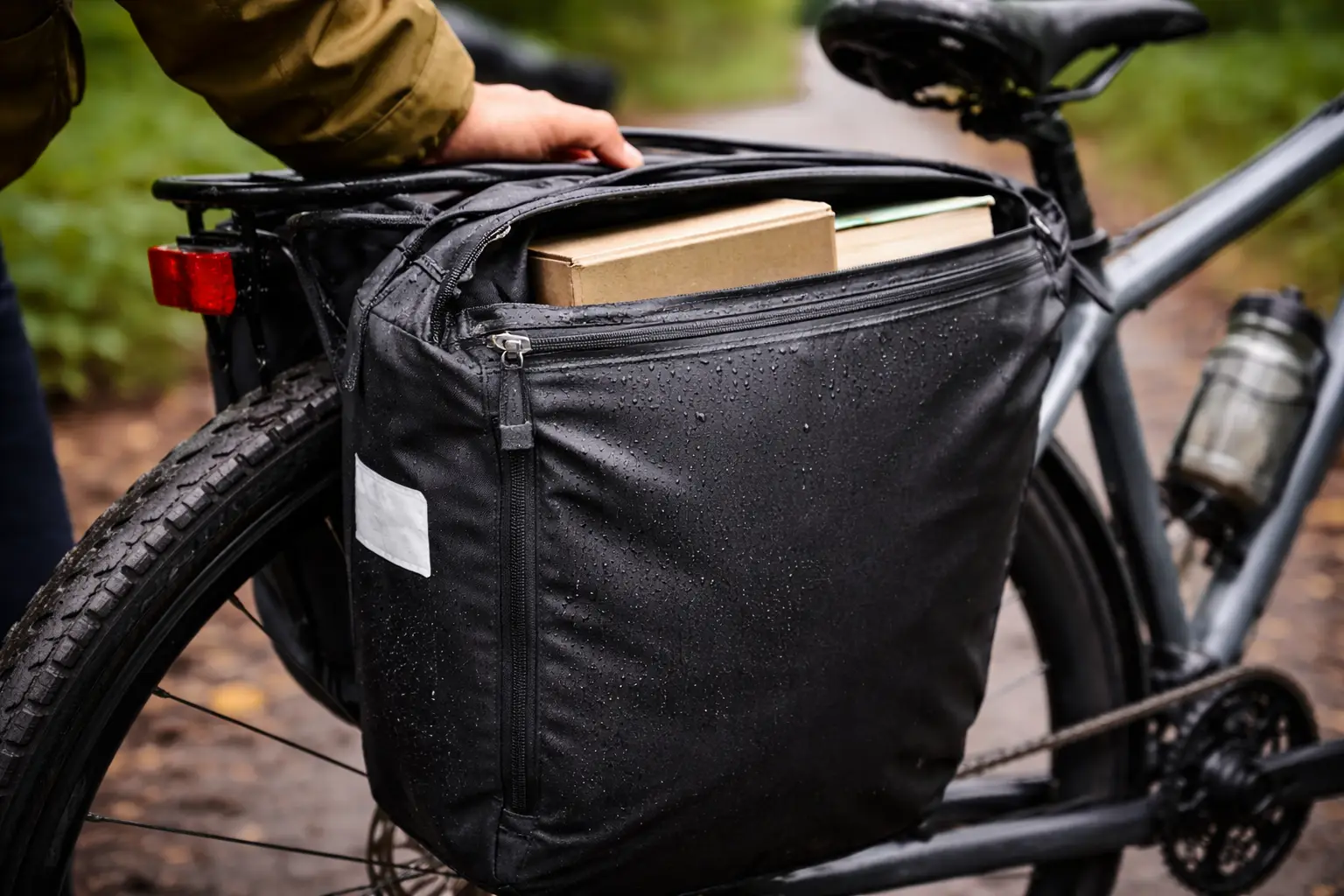
أحد الأسباب الواقعية النموذجية لفشل السحاب: تدفع الحمولة الصندوقية بشكل جانبي على خط السحاب، مما يؤدي إلى تسريع التآكل تحت الاهتزاز.
الملف مقابل الأسنان المقولبة مقابل السحابات المقاومة للماء: اختلافات واقعية في العمر الافتراضي
في العديد من حقائب الدراجات، يتم استخدام السحابات الملفوفة لأنها منحنية بشكل جيد وأكثر سلاسة. يمكن أن تقاوم السوستة ذات الأسنان المقولبة أنواعًا معينة من الانقسام ولكنها قد تبدو أكثر صلابة. يمكن للسحابات المقاومة للماء (المغلفة غالبًا) أن تتسرب منها المياه في البداية، ولكن يمكن أن يتآكل الطلاء عند نقاط التلامس العالية، خاصة بالقرب من الزوايا.
الوجبات الجاهزة للمتانة: نوع السحاب مهم، ولكن الموضع ومسار التحميل مهمان أكثر. السحاب المحمي بغطاء عاصفة ويتم وضعه بعيدًا عن الرذاذ المباشر يبقى لفترة أطول من خط السحاب المكشوف عند الحافة العلوية.
تآكل المنزلق، وتصفيح الشريط، و"زحف السحاب" تحت الأحمال المنتفخة
تظهر ثلاثة أوضاع فشل بشكل متكرر في الاستخدام اليومي:
-
تآكل المنزلق: يخفف المنزلق قبضته على المسار، مما يؤدي إلى إغلاق جزئي ينفتح تحت التوتر.
-
تصفيح الشريط: ينفصل شريط السحاب عن قماش الكيس، خاصة عندما يتم الضغط على المواد اللاصقة بسبب الحرارة والرطوبة.
-
زحف السحاب: يفتح السحاب ببطء تحت الاهتزاز بسبب سحب شريط التمرير بواسطة حمل منتفخ أو بسبب ارتداد سحب السحاب.
إذا كنت تقوم بالمصادر أو تحديد أ حقيبة دراجة بسحاب مقاوم للماء، فأنت تريد التعامل مع تكامل السوستة كمشكلة هندسية إنشائية، وليس كخيار تصميم.
تفاصيل التصميم المهمة: جراجات بسحاب، وأغطية عاصفة، ووضع السوستة، وأدوات التقوية
قرارات التصميم الصغيرة يمكن أن تضيف سنوات:
-
تقلل المرائب ذات السحاب من نقاط دخول المياه وتحمي نهاية المسار من الحصى.
-
تعمل أغطية العاصفة على تقليل التلامس المباشر للرذاذ والتعرض للأشعة فوق البنفسجية على السحاب.
-
تعمل الألواح المقوية على تقليل الضغط المنتفخ على طول خط السحاب.
-
يجب أن تكون زوايا السوستة المنحنية مشعة بسخاء؛ زوايا ضيقة تركز على التآكل.
واقع الإصلاح الميداني: ما يمكن إصلاحه على جانب الطريق مقابل ما ينهي رحلتك
يمكن أحيانًا تنظيف السحاب المحشور وتشحيمه. يمكن في بعض الأحيان "إعادة محاذاة" السحاب المنقسم مؤقتًا. لكن شريط السحاب الممزق أو شريط التمرير الفاشل غالبًا ما يتطلب أدوات وأجزاء مناسبة. بمعنى آخر، من المرجح أن تتحول حالات فشل السوستة إلى حالات فشل "إنهاء المهمة" في الميدان أكثر من مشكلات الأجهزة القابلة للطي.
نظرة عميقة حول المتانة: كيف تفشل الأسطح المتدحرجة (ولماذا تفشل عادةً بشكل أبطأ)
تتجنب الأسطح المتدحرجة المسارات الدقيقة، لكنها قد تفشل، ولكن بطريقة مختلفة تمامًا.
نقاط الضعف في الجزء العلوي الملتف: تعب الإبزيم، وتآكل الحزام، وتقشير الدرزات، والتآكل عند الطية
تميل مشكلات متانة السقف القابل للطي إلى التجمع حول:
-
تعب الإبزيم من الثني البارد والكسر المتكرر.
-
تآكل الحزام واهتراء عند نقاط اتصال الإبزيم.
-
قم بغرز السحب للخارج حيث يتم تثبيت الحزام على جسم الحقيبة.
-
التآكل عند خط الطي حيث يتم لف الكيس بشكل متكرر.
غالبًا ما تكون هذه الإخفاقات واضحة في وقت مبكر: تشويش الحزام، وتبييض البلاستيك، ورفع شريط التماس. تعتبر هذه الرؤية ميزة المتانة لأنها تمنحك الوقت للتصرف قبل الفشل التام.
ما الذي يدفع في الواقع إلى متانة السلة القابلة للطي (القماش + اللحامات > العلامة التجارية للإبزيم)
الناس مهووسون بالعلامات التجارية الخاصة بالإبزيم، ولكن لفة أعلى متانة السلة يتم دفعها في الغالب بواسطة مواد جسم الحقيبة وهندسة التماس. إذا تشققت طبقة القماش، فلا يهم مدى قوة الإبزيم. إذا تقشر شريط التماس، يحدث دخول الماء حتى لو تم طي الجزء العلوي بشكل مثالي.
يمكن للجزء العلوي المصنوع من صفائح قوية وختم التماس جيد التنفيذ أن يستمر في العمل حتى بعد سنوات من الاستخدام. قد تبدو الطبقة العلوية المبنية بطبقة رقيقة والحد الأدنى من التعزيز جيدة في اليوم الأول ولكنها تتحلل بسرعة تحت الأشعة فوق البنفسجية والتآكل.
طول عمر العزل المائي: تآكل الطلاء مقابل بناء الأكياس الجافة الحقيقية
يأتي العزل المائي على شكل رول في فئتين:
-
القماش المطلي + طبقات مخيطة + شريط التماس: شائع وفعال عندما يتم تنفيذه بشكل جيد، ولكن شريط التماس يمكن أن يتقشر ويمكن أن تتآكل الطلاءات.
-
البناء المصفح/الملحوم: يمكن أن يكون متينًا جدًا ضد دخول الماء، لكن جودة الصفائح واتساق اللحام مهمان.
إذا كنت تختار أ حقيبة علوية مقاومة للماء بالنسبة للمطر المستمر، قم بإعطاء الأولوية لسلامة الدرزات والحماية من التآكل على مطالبات التسويق.
اتساق الإغلاق: انضباط اللفة، الحد الأدنى من الطيات، واستراتيجية الضغط
يعتمد العزل المائي والمتانة على عمل اللفة بشكل صحيح. تتطلب العديد من التصميمات الوظيفية ضمنيًا 3 لفات على الأقل لتشكيل ختم ثابت. لا يؤدي التدحرج السفلي إلى التسرب فحسب؛ كما أنه يخلق ضغطًا غريبًا على الأبازيم والحزام. غالبًا ما يتضمن الإعداد المتين للأعلى أحزمة ضغط تعمل على تثبيت الحمل وتقليل حركة منطقة الطي.
المواد والمعلمات التي تتنبأ بطول العمر (قسم "الأرقام")
يصبح التنبؤ بالمتانة أسهل عندما تتعامل مع الحقيبة كمنتج هندسي.
Denier (D) هو كتلة الخيط لكل طول. غالبًا ما يشير ارتفاع D إلى خيوط أكثر سمكًا، والتي يمكن أن تحسن مقاومة التآكل، ولكن كثافة النسيج والطلاء ونوع الألياف يمكن أن تكون أكثر أهمية.
النطاقات العملية المشتركة:
-
بوليستر 600D: خط أساسي للركاب المتكرر؛ مقاومة التآكل لائقة مع طلاء جيد.
-
بوليستر 900D-1200D: ملمس أكثر صلابة، وغالبًا ما يستخدم في الألواح شديدة التآكل.
-
نايلون 420D: أخف وزنًا، وغالبًا ما يكون أقوى من حيث الوزن، ولكنه يعتمد على الطلاء.
-
نايلون 840D: خيار عالي المتانة للتجول والاستخدام المكثف.
-
الأقمشة المغلفة بمادة TPU: مقاومة قوية للماء وختم جيد طويل الأمد عند إقرانها بدرزات قوية.
مقاومة التآكل والقطع: لماذا لا يكون ارتفاع "D" أكثر صرامة تلقائيًا
يمكن للنسيج 1200D ذو الطبقة الضعيفة أن يتآكل ويتسرب بشكل أسرع من القماش 600D الذي يحتوي على صفائح أفضل. أيضًا، تعتمد مقاومة القطع على الألياف والنسيج، وليس على الدنير فقط. يمكن للبضائع ذات الحواف الحادة (الأدوات المعدنية وزوايا الصندوق) التغلب على الأقمشة "القاسية" بسرعة ما لم تشتمل الحقيبة على أدوات تقوية داخلية أو بطانة واقية.
مقاييس مقاومة الماء لمطالبات الأكياس القابلة للطي المقاومة للماء (الرأس الهيدروستاتيكي، شريط التماس)
هناك طريقة كمية مفيدة لمناقشة العزل المائي وهي الرأس الهيدروستاتيكي (مم H₂O). في حين أن الأداء في العالم الحقيقي يعتمد على اللحامات والبناء، فإن المعايير العملية تبدو كما يلي:
-
1,500-3,000 مم H₂O: مقاوم للأمطار الخفيفة، وليس مثاليًا للرش لفترة طويلة.
-
5,000-10,000 مم H₂O: حماية قوية من المطر للتنقل والتجول.
-
10,000+ مم H₂O: مقاومة عالية جدًا؛ تفاصيل البناء تصبح الحد.
طبقات هي نقطة التسرب المعتادة. يمكن أن يكون جسم الحقيبة اختبارًا عاليًا، ومع ذلك يمكن أن يتقشر شريط التماس بعد الثني المتكرر. من أجل المتانة، فإن التصاق شريط التماس تحت ركوب الدراجات الرطبة/الجافة لا يقل أهمية عن تصنيف القماش.
هذه الأرقام عبارة عن نطاقات مرجعية عملية، وليست عتبة قانونية عالمية، لأن العلامات التجارية تستخدم إعدادات اختبار مختلفة والأداء الحقيقي غالبًا ما يكون محدودًا بالدرزات والشريط والتآكل في مناطق التآكل العالية بدلاً من جسم القماش وحده.
هندسة الخيوط والدرزات: الخيوط المربوطة، كثافة الغرز، البارتاكس
غالبًا ما تستخدم أكياس الدراجة المتينة خيوط النايلون أو البوليستر المربوطة لمقاومة التآكل والرطوبة. تؤثر كثافة الغرز على القوة ومخاطر الانثقاب: عدد قليل جدًا من الغرز يمكن أن يتمزق؛ يمكن للكثير منها إنشاء "خط ثقب" في بعض الأقمشة المطلية إذا لم يتم إغلاقها بشكل صحيح.
استراتيجيات التعزيز مهمة:
-
تتعامل البارتاكس الموجودة في مثبتات الحزام مع طفرات التحميل المتكررة.
-
تقوم أنماط Box-X بتوزيع القوة بشكل أفضل من غرزة سطر واحد.
-
تعمل حماية الربط أو التماس على تقليل التآكل على حواف التماس.
الأجهزة: أبازيم، حلقات على شكل حرف D، أقفال سلم، ومقاومة للتشققات الباردة
لا تقتصر متانة الأجهزة على القوة فحسب؛ يتعلق الأمر بالتعب تحت الانحناء البارد والاهتزاز. إذا كنت تركب في الشتاء، اسأل عما إذا كان يتم اختبار الأبازيم وأقفال السلم من حيث التأثير البارد والثني المتكرر. بالنسبة لفرق المصادر، هذا هو المكان مصنع أكياس السلة يمكن أن تختلف مراقبة الجودة بشكل كبير بين الموردين.
جدول المقارنة (المواد، نطاق التحميل، الطقس، السيناريوهات)
فيما يلي مقارنة مبنية على السيناريوهات للحفاظ على صدق النقاش حول "السحاب مقابل اللف".
| فئة | إغلاق بسحاب (نموذجي) | إغلاق علوي (نموذجي) |
| أسلوب الفشل الأساسي | مفاجئ (انحشار/انقسام/تمزق الشريط) | تدريجي (تآكل الحزام/تعب الإبزيم/تآكل الدرزات) |
| أفضل شكل تحميل | عناصر أنيقة وقابلة للضغط | الأحمال الضخمة وغير المنتظمة والتعبئة الفائضة |
| نطاق الحمل اليومي العملي | 3-10 كجم مريح. انتفاخ هو العدو | غالبًا ما يكون من 4 إلى 14 كجم مقبولًا إذا كان الحامل/التركيب صلبًا |
| تحمل الاهتزاز | حساس للهجرة إلى المسار الصحيح | تسامح أفضل؛ مشاهدة مشبك/حزام التعب |
| المطر ورذاذ الطريق | يمكن أن تكون قوية مع اللوحات العاصفة والسحابات المحمية | غالبًا ما تكون أقوى على المدى الطويل إذا كانت اللحامات قوية |
| سهولة استخدام قفاز الشتاء | يمكن أن يكون محرجًا مع التأثيرات الدقيقة | غالبًا ما يكون أفضل مع الأبازيم كبيرة الحجم |
| قابلية الإصلاح الميداني | متوسطة إلى منخفضة (تحتاج مشكلات شريط التمرير/الشريط إلى أجزاء) | أعلى (الأبازيم/الحزام أسهل في الاستبدال) |
| أفضل ملاءمة للتنقل | ركاب الترددات العالية المفتوحة. المكتب/الحرم الجامعي | المناخات الرطبة والأحمال الفوضوية وطرق الرش الثقيلة |
| أفضل ملاءمة للتجول/الدراجة | جيد إذا كان السحاب محميًا والحمل مستقرًا | ممتاز إذا كان القماش/الطبقات مقاومة للتآكل |
ما لا يظهره الجدول: سرعة الوصول، ونظام التعبئة، واستقرار الحامل
يمكن لراكبين شراء نفس الحقيبة والإبلاغ عن نتائج المتانة المعاكسة لأن قيودهما تختلف. إذا قمت بتحميل حقيبة بسحاب بمواد البقالة ذات الزوايا الحادة، فأنت تختبر الإغلاق مثل المشبك. إذا كنت تقوم بلف الجزء العلوي يوميًا، فإنك تحول الإبزيم إلى مفصل هيكلي مضغوط. وإذا انثني الرف الخاص بك، فإن كلا الإغلاقين يعانيان لأن الحقيبة تتأرجح وتتحطم، مما يزيد من التآكل في كل مكان.
الطقس والماء: الحقيقة حول "مقاومة الماء"
مقاومة الماء ليست خاصية ثنائية. إنها مجموعة من أوضاع الفشل التي تتغير مع مرور الوقت.
المطر مقابل الرش مقابل الغمر: ثلاثة اختبارات مختلفة
-
اختبار المطر: سقوط الماء عموديًا؛ يمكن للسحابات واللوحات التعامل مع هذا بشكل معقول.
-
اختبار الرش: يضرب الماء أفقيًا بالحصى؛ هذا هو المكان الذي تعاني فيه السوستة المكشوفة.
-
حدث الغمر: نادر، ولكن عادةً ما يكون أداء الأسطح المتدحرجة المبنية مثل الأكياس الجافة أفضل.
إذا كنت تتنقل وسط حركة مرور كثيفة بعد المطر، فقد يكون رذاذ الطريق أكثر عدوانية من هطول الأمطار نفسه. هذا هو السبب في أن الدراجين الذين يطاردون "المقاومة الحقيقية للماء" غالبًا ما يهاجرون نحو الأسطح المتدحرجة.
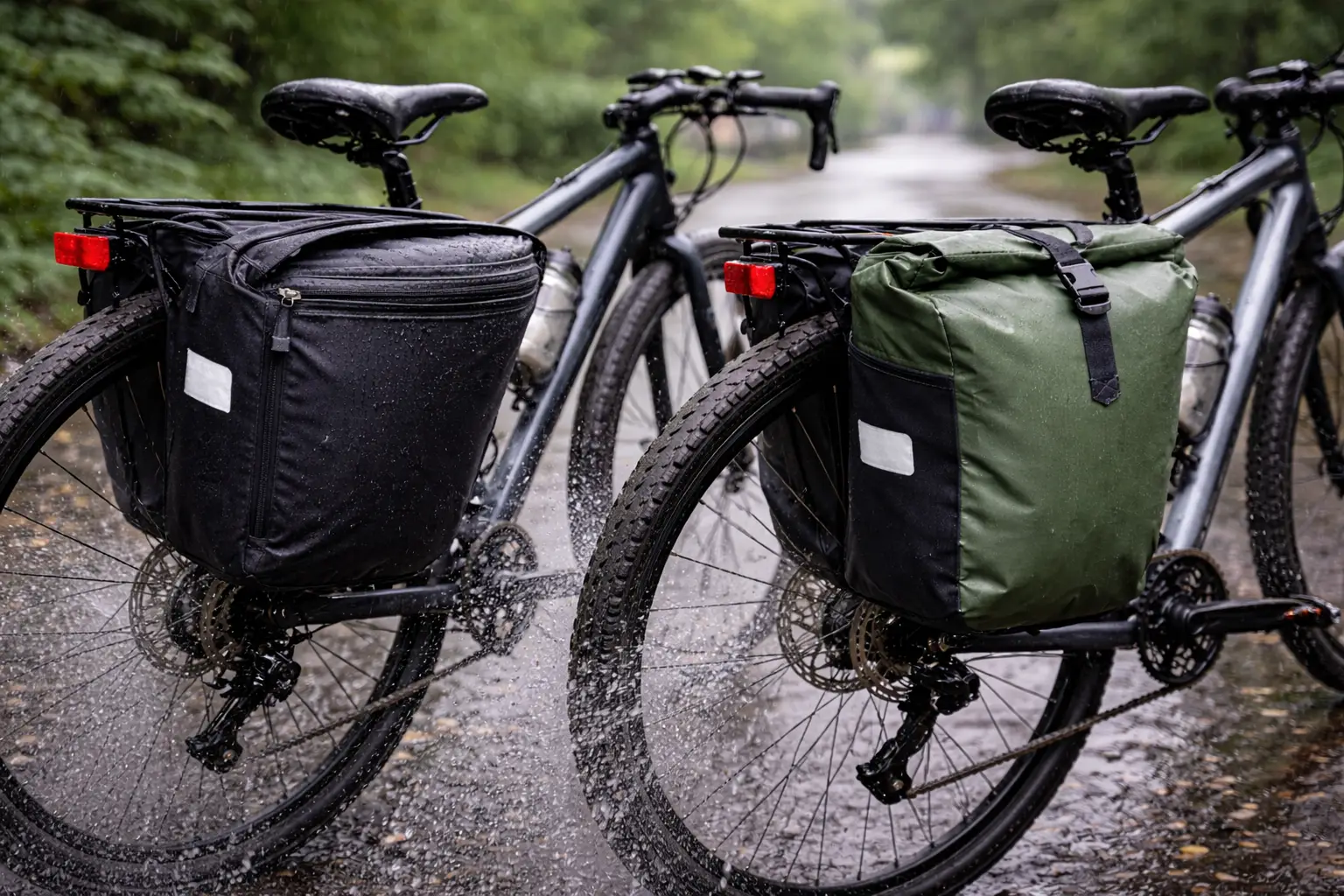
المطر شيء واحد. يعد رذاذ الطريق الشجاع بمثابة تصميم آخر للإغلاق يحدد المتانة المقاومة للماء على المدى الطويل.
أكياس مضغوطة تنجو من العواصف (عندما يتم تصميمها بشكل صحيح)
يمكن أن تكون الحقيبة ذات السحاب مقاومة للغاية للطقس عندما يكون السحاب محميًا، ويتم إغلاق طبقاته، وتتجنب الحقيبة التوتر على خط السحاب. تستخدم تصميمات السحاب الأكثر متانة والموجهة نحو الطقس وضعًا محميًا للسحاب، وأغطية عاصفة، ومقويات داخلية تمنع الانتفاخ من تحويل السحاب إلى مفصل مضغوط.
قمم متدحرجة في هطول أمطار غزيرة طويلة: من أين تأتي التسريبات حقًا
غالبًا ما تتسرب الأسطح المتدحرجة لأسباب مملة: عدم وجود لفات كافية، أو رفع شريط التماس، أو تآكل التآكل في الزوايا. يلقي العديد من الدراجين اللوم على مفهوم التدحرج عندما تكون المشكلة الحقيقية هي جودة البناء أو تقنية المستخدم.
التكثف والعرق: لماذا لا يقتصر "جفاف الداخل" على المطر فقط؟
في المطر البارد، يمكن أن يؤدي الترس الدافئ الموجود بالداخل إلى حدوث تكثيف، مما يجعل الجزء الداخلي يبدو رطبًا. يمكن للأكياس التي "تتنفس" قليلًا أن تقلل من التكثيف ولكنها قد تؤثر على مقاومة الماء. وهذه مقايضة وليست عيبا.
التحميل، وتركيب الحامل، وقاتل المتانة المخفي: التحميل الجانبي
نوع الإغلاق هو نصف القصة فقط. النصف الآخر هو كيف تحمل الحقيبة القوة.
لماذا تدمر الأحمال المنتفخة السوستة بشكل أسرع من الوزن وحده؟
يمكن أن تكون الحمولة التي يبلغ وزنها 7 كجم "سهلة" إذا كانت مضغوطة ومركزة، أو مدمرة إذا تم دفعها للخارج على السحاب. يخلق الانتفاخ الجانبي قوة فاصلة على طول مسار السحاب، خاصة بالقرب من الزوايا. مع مرور الوقت، تشوه هذه القوة قبضة شريط التمرير ويمكن أن تسبب الانقسام. هذا هو جوهر الميكانيكية حقيبة دراجة فشل السوستة الشكاوى.
أشرطة ضغط قابلة للطي كـ "مثبتات الحمل"
غالبًا ما تشتمل الأسطح المتدحرجة على أشرطة ضغط تقوم بأكثر من مجرد الضغط؛ أنها استقرار الحمل. يقلل الثبات من التحول الداخلي، مما يقلل من الصدمات المتكررة على الدرزات ونقاط التثبيت. هذا هو السبب في أن العديد من الدراجين يجدون ذلك حقيبة دراجة قابلة للطي للتنقل تبدو الخيارات أكثر هدوءًا عند حمل البضائع المحرجة.
الضغط المتصاعد: أنظمة الخطاف، والألواح الخلفية، والصدمات الصغيرة المتكررة
المتانة تتعلق أيضًا بواجهة التثبيت. تتسبب الخطافات السائبة أو اللوح الخلفي المرن في اهتزاز الحقيبة، مما يزيد من تآكل جسم الحقيبة والضغط على الدرزات. حتى مع الإغلاق المثالي، فإن الحقيبة التي تتأرجح ستتآكل بشكل أسرع.
غالبًا ما يكون نطاق الركاب العملي من 4 إلى 12 كجم. لكن "الأحمال المرتفعة" مهمة: يمكن أن تؤدي عملية شراء بقالة واحدة بوزن 15 كجم مرة واحدة في الأسبوع إلى السيطرة على خطر الفشل إذا لم تكن الحقيبة مصممة لذلك.
ما مقدار الحمولة "العادية": نطاقات الركاب النموذجية وطفرات التحميل الزائد
يحمل العديد من الركاب يوميًا:
-
يوم خفيف: 2-5 كجم (كمبيوتر محمول أو جهاز لوحي، غداء، قفل)
-
اليوم النموذجي: 5-10 كجم (مجموعة العمل بالإضافة إلى طبقات إضافية)
-
يوم الذروة: 10-15 كجم (البقالة أو معدات الصالة الرياضية أو الأدوات)
إذا كان وزنك يصل بانتظام إلى 12-15 كجم، فإن التصميمات ذات الطبقات القوية وأشرطة الضغط عادةً ما تتعامل مع الضغط بشكل أفضل، بشرط أن يكون الحامل والتركيب متساويين في القوة.
الصيانة واقتصاديات العمر (دون الحديث عن السعر)
المتانة هي أيضا السلوك. والخبر السار هو أن العادات الصغيرة يمكن أن تطيل عمر الانغلاق بشكل كبير.
إجراءات التنظيف التي تضيف أشهر/سنوات (الملح والحصى والطين)
بالنسبة للسحابات: يمكن أن يؤدي الشطف العرضي والتنظيف بالفرشاة اللطيفة لإزالة الحبيبات إلى منع طحن المسار. بالنسبة للأسطح المتدحرجة: يؤدي تنظيف منطقة الطي والأبازيم إلى تقليل تراكم العجينة الكاشطة، خاصة بعد جولات الشتاء المالحة.
عادة بسيطة: كل 2-4 أسابيع في الظروف القاسية، امسح مناطق الإغلاق واترك الحقيبة تجف بالكامل. تعمل الرطوبة المحتبسة في الطيات على تسريع تدهور الطلاء ويمكن أن تضعف المواد اللاصقة المستخدمة في شريط التماس بمرور الوقت.
قائمة التفتيش: شريط التماس، أسنان السوستة، زغب الحزام، شقوق الإبزيم
الحقيبة المتينة هي التي تراقبها قبل أن تفاجئك. علامات تستحق العمل عليها:
-
السحاب: مقاومة متزايدة، سحب غير متساوي، تراكم حبيبات مرئي.
-
الجزء العلوي المتدحرج: حزام زغبي بالقرب من الأبازيم، بلاستيك مبيض، كشط منطقة الطي.
-
الدرزات: رفع الشريط في المناطق عالية المرونة، وتآكل الزوايا، وكشط الغرز.
مصفوفة قابلية الإصلاح: استبدال السحاب مقابل تبديل الإبزيم/الحزام مقابل إعادة شريط التماس
عادةً ما يكون استبدال الأجهزة القابلة للطي أسهل. يمكن أن تكون عملية تبديل الإبزيم أو إصلاح الحزام عملية سهلة لورشة العمل. يعد استبدال السحاب أكثر تقنية وغالبًا ما يتطلب التفكيك وإعادة الخياطة، وهو ما لن يفعله العديد من الدراجين.
بالنسبة لفرق التوريد التي ترغب في عمر خدمة طويل، فمن الذكاء أن تطلب قرارات قابلية الإصلاح مقدمًا - خاصة عند الطلب من خلال سلال الدراجة OEM البرامج.
عندما يكون الاستبدال عقلانيًا: عتبات السلامة والموثوقية
إذا فشل الإغلاق بطريقة يمكن أن تؤدي إلى تفريغ البضائع في الأسلاك أو تشتيت انتباهك في حركة المرور، تصبح المتانة مشكلة تتعلق بالسلامة. الحقيبة التي تفتح بشكل غير متوقع بسرعة ليست "جيدة في الغالب". تعامل مع عطل الإغلاق المتكرر كمحفز بديل، وليس مصدر إزعاج.
زاوية نية المشتري: ما الذي يقوم المصنعون بتحسينه
إذا كنت تشتري لأسطول، أو برنامج تأجير، أو مبادرة في الحرم الجامعي، أو التوزيع بالتجزئة، فأنت بحاجة إلى محادثة أكثر صرامة من "هل هي مقاومة للماء؟"
ما الذي يجب أن تتضمنه ورقة مواصفات حقيبة الدراجة المزودة بسحاب مقابل لفة (وليس فقط "مقاومة للماء")
يجب أن توضح ورقة المواصفات المفيدة ما يلي:
-
نوع القماش ومنكر (على سبيل المثال، بوليستر 600D مع طبقة من مادة TPU، أو نايلون 840D).
-
طريقة العزل المائي (الطلاء + شريط التماس مقابل اللحام).
-
تقوية الإغلاق (المقويات، اللوحات العاصفة، أشرطة الضغط).
-
نوع الجهاز ونطاق الحمل المقصود (كجم).
-
تفاصيل واجهة التركيب (صلابة اللوحة الخلفية، ميزات مضادة للحشرجة).
تساعدك هذه التفاصيل على توقع ما إذا كانت الحقيبة ستنجو من المستخدمين أم لا، وليس رف صالة العرض.
اختبارات مراقبة الجودة على مستوى المصنع تستحق السؤال عنها (اختبار الدورة، اختبار الرش، تقشير التماس)
عند تقييم أ الشركة المصنعة لحقيبة الدراجة أو مصنع أكياس السلةواسألهم عما يختبرونه وكيف يحددون النجاح/الفشل. أفضل المحادثات هي:
-
اختبار دورة الإغلاق: دورات فتح/إغلاق تحت التلوث (الغبار الناعم).
-
اختبار الرش: خاصة للنماذج المحمية بسحاب.
-
فحص تقشير الدرزات: التصاق الشريط بعد الثني والدورات الرطبة/الجافة.
-
اختبار التآكل في مناطق التآكل المعروفة (خط الطي، الزوايا، ملامسة اللوحة الخلفية).
إذا لم يتمكن المورد من وصف مراقبة الجودة الخاصة به بما يتجاوز عبارة "نحن نتحقق"، فتوقع عدم الاتساق.
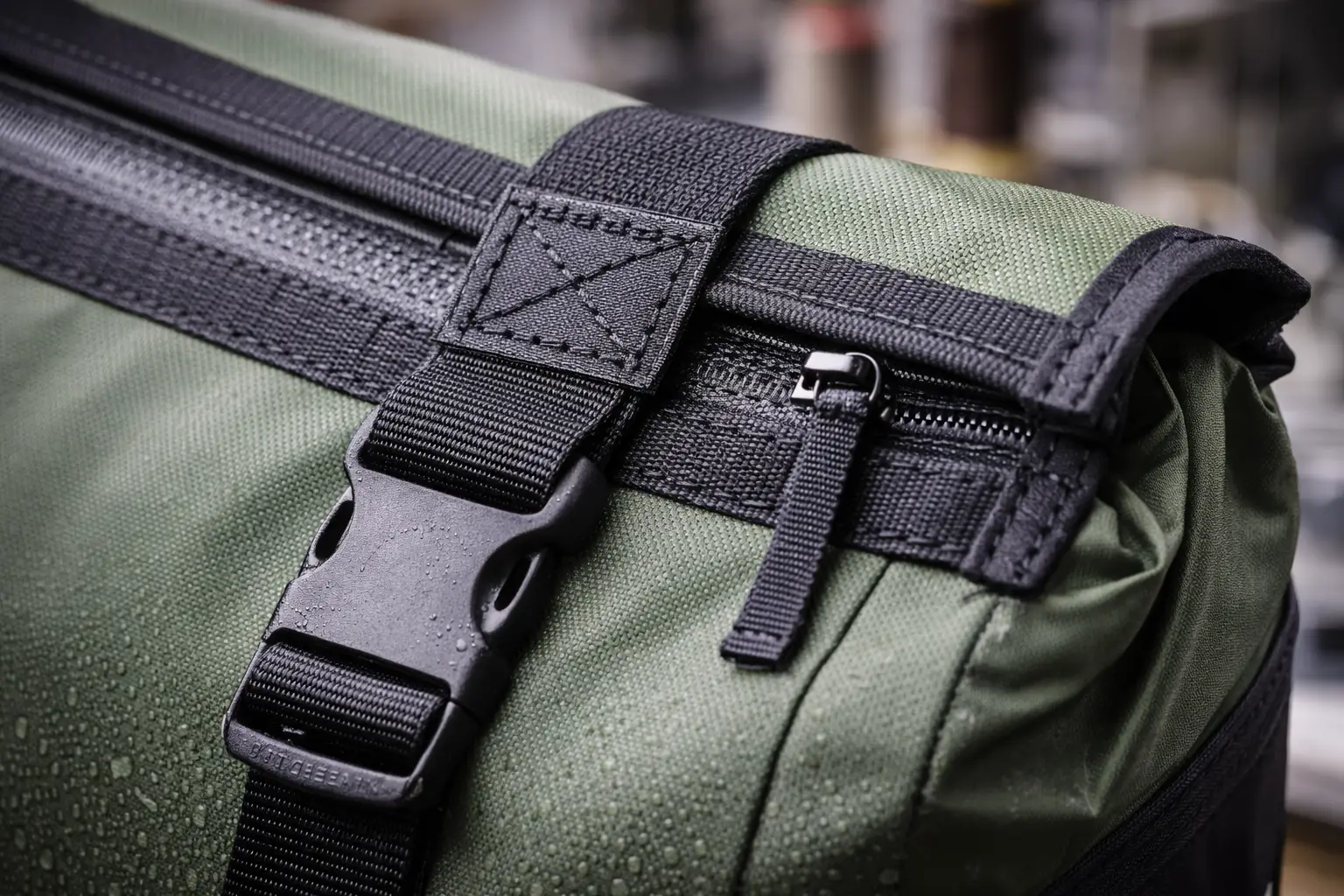
بالنسبة لمشتري OEM والجملة، تتنبأ بنية الخياطة ومناطق التعزيز بالعمر الافتراضي بشكل أفضل من الشعارات.
أسئلة OEM/ODM: خريطة الغرز، مناطق التعزيز، نوع الطلاء، منطق الضمان
إذا كنت تتطور سلال الدراجات بالجملة أو الخطوط المخصصة، اطلب خريطة غرزة توضح التعزيز في مثبتات الحزام ونقاط التثبيت. اسأل عن الطلاء/الصفائح المستخدمة وما إذا كانت مُحسَّنة للثني البارد. اسأل عن كيفية تعاملهم مع مطالبات الضمان - لأن أنماط الضمان تكشف عن أوضاع فشل حقيقية.
اتجاهات الصناعة: إلى أين تتجه حقائب الدراجات في عام 2026+
أصبحت اتجاهات المتانة بشكل متزايد عبارة عن "علم المواد + سلوك المستخدم"، وليس مجرد نسيج أقوى.
نمو صفائح TPU ومنحنى اعتماد التماس الملحوم
تحظى شرائح TPU بشعبية لأنها يمكن أن توفر مقاومة قوية للماء وأداء أفضل للشيخوخة من بعض الطلاءات التقليدية. تعمل الدرزات الملحومة على تقليل مشكلات ثقب الغرز، لكن التحكم في جودة اللحام يصبح أمرًا بالغ الأهمية. بمعنى آخر، يمكن أن يؤدي اللحام إلى تحسين المتانة، إذا كان التصنيع ثابتًا.
أنظمة تركيب معيارية وألواح خلفية مضادة للحشرجة
تركز المزيد من العلامات التجارية على تقليل التذبذب لأن التآكل الناجم عن الاهتزاز يعد من أكبر مسرعات الفشل. يمكن أن تؤدي الإدخالات المضادة للخشخشة، والألواح الخلفية المقواة، والتفاوتات المحسنة للخطاف إلى إطالة عمر كل من الأكياس ذات السحاب والأكياس القابلة للطي عن طريق تقليل الصدمات الصغيرة.
الاستدامة: الأقمشة المعاد تدويرها، ومحادثات PFAS، واستراتيجية المتانة باعتبارها صديقة للبيئة
ضغط الاستدامة يدفع إلى إحداث تغييرات مادية. تواجه بعض المعالجات الطاردة للماء تدقيقًا تنظيميًا في أسواق مختلفة، مما يؤثر على خيارات الطلاء. نقطة استدامة عملية: غالبًا ما تكون الحقيبة الأكثر خضرة هي التي تدوم لفترة أطول. المتانة هي استراتيجية استدامة، وليست مجرد ميزة أداء.
اتجاه التصميم: جيوب سريعة الوصول دون التضحية بالنوى المقاومة للماء
يريد المستخدمون الوصول السريع. الاتجاه السائد هو المقصورات الرئيسية القابلة للطي من أجل متانة الطقس مقترنة بجيوب مضغوطة محمية بعناية لتوفير الراحة. يمكن أن يكون هذا الهجين متينًا للغاية عندما يكون الجيب المضغوط محميًا ولا يتحمل عبئًا هيكليًا.
اللوائح والامتثال التي تؤثر بهدوء على المتانة
تتشكل المتانة من خلال المواد التي يُسمح لك باستخدامها، وكيف يُسمح لك بتسويقها.
الامتثال الكيميائي وخيارات الطلاء (REACH، الدعامة 65)
قد تواجه بعض الطلاءات والملدنات والعلاجات قيودًا أو متطلبات الكشف اعتمادًا على السوق. يمكن أن يؤثر الامتثال على ما إذا كانت الحقيبة تستخدم أسلوبًا معينًا للعزل المائي. ومن وجهة نظر المتانة، يعد هذا مهمًا لأن بدائل المواد تؤدي أحيانًا إلى تغيير سلوك الشيخوخة. إذا كنت تقوم بالتوريد على نطاق واسع، فتعامل مع الامتثال كجزء من إدارة مخاطر المتانة.
المطالبات المقاومة للماء وقواعد حماية المستهلك
تقوم بعض الأسواق بفحص المطالبات التسويقية. "مقاوم للماء" يمكن أن يعني وعدًا بالأداء يجب أن يتطابق مع أدلة الاختبار. تميل العلامات التجارية المعمرة إلى تجنب الادعاءات الغامضة وبدلاً من ذلك تتحدث عن البناء: ختم التماس، والنوع الرقائقي، وحالات الاستخدام الواقعية.
توقعات السلامة العاكسة وكيفية تأثيرها على اختيار القماش
من المتوقع أحيانًا وجود عناصر عاكسة لسلامة التنقل. يمكن أن تؤدي إضافة الألواح العاكسة إلى تقديم طبقات إضافية، أو طبقات ربط إضافية، أو واجهات مادية مختلفة - كل منها متغير محتمل للمتانة إذا لم يتم تصميمها بشكل جيد.
لماذا تعني كلمة "متين" أيضًا "آمنة تحت الحمل" للتنقل
يمكن أن يؤدي الإغلاق الفاشل إلى مخاطر تتعلق بالسلامة: الأشرطة المتدلية، والأحمال المتغيرة، وعدم التوازن المفاجئ. ولهذا السبب يجب تعريف المتانة على أنها الحفاظ على الوظيفة في ظل قيود التنقل الحقيقية، وليس مجرد النجاة من الاختبار المعملي.
إطار القرار: ما هو الإغلاق الذي سيفوز في ظل القيود الخاصة بك؟
هذا هو الجزء الذي تتحول معظم الأدلة إلى نصيحة عامة. دعونا نبقيه على أساس القيد.
إذا كنت تتنقل أثناء هطول أمطار غزيرة لمدة 3-5 أيام في الأسبوع
سطح متدحرج قليل الدحرجة، خاصة إذا كان رذاذ الطريق ثابتًا. مبنية بشكل جيد حقيبة علوية مقاومة للماء مع طبقات صلبة وحماية من التآكل تميل إلى البقاء مقاومة للطقس لفترة أطول من تصميم السحاب المكشوف.
إذا قمت بفتح الكيس 20-40 مرة في اليوم
السحاب العجاف، ولكن فقط إذا كان السحاب محميًا وغير مجبر على حمل الأحمال الهيكلية المنتفخة. في هذا السيناريو، يكون العامل البشري مهمًا: فالسحابات تقلل من "إجهاد الإغلاق" (إغراء تخطي الإغلاق المناسب)، والذي يمكن أن يزيد بشكل غير مباشر من المتانة الإجمالية.
إذا كنت تحمل أدوات حادة أو بقالة تشبه الصندوق
لفة علوية رفيعة مع أشرطة ضغط ومقويات داخلية، أو هجين حيث لا يكون السحاب هو الحدود الهيكلية. زوايا الصندوق هي أعداء سحاب. هذا هو المكان لفة أعلى متانة السلة يميل إلى الظهور كميزة حقيقية.
إذا كنت تركب الحصى أو الرصيف الخشن يومياً
غالبًا ما يفوز الجزء العلوي لأنه لا يوجد مسار للتكدس بالغبار والحصى بمساعدة الاهتزاز. لكن لا تتجاهل الاستقرار المتصاعد. سيظل الجزء المتدحرج من الطراز الأول يتآكل حتى الموت.
إذا كنت بحاجة إلى إمكانية الإصلاح الميداني بدلاً من الراحة
يفوز الرول توب. تعتبر الأبازيم والحزام أسهل في الخدمة من فشل مسار السوستة. بالنسبة للمؤسسات التي تقوم بتوريد المجموعات، تعمل إمكانية الإصلاح على تقليل وقت التوقف عن العمل والاستبدال.
الأسئلة الشائعة
1. هل يظل السقف القابل للطي مقاومًا للماء على مدار سنوات التنقل؟
يمكن أن يظل السطح المتدحرج مقاومًا للماء بشكل كبير لسنوات، لكن نتيجة "المقاومة للماء" تعتمد على البناء بأكمله، وليس فقط على اللفة. تتمثل نقاط الضعف طويلة المدى عادةً في التصاق شريط التماس وتآكل القماش في مناطق التآكل، خاصة حول الزوايا وخط الطي. في التنقل الممطر، سترى أيضًا اختلافات في الأداء بين الأقمشة المطلية والأقمشة المصفحة. يمكن للجسم المصفح الذي يتمتع بدرزات قوية أن يحافظ على مقاومة الماء لفترة أطول لأنه يقاوم التشققات الدقيقة وتآكل الطلاء. للحفاظ على موثوقية اللفائف، اهدف إلى الطي المتسق (عادةً 3-5 لفات)، وتجنب الحشو الزائد الذي يمنع اللفائف النظيفة، وقم بتنظيف الحصى من منطقة الطي بشكل دوري. عندما يبلغ الدراجون عن تسربات بعد الاستخدام الطويل، غالبًا ما يكون السبب هو تدهور الدرزات أو التدحرج، وليس مفهوم التدحرج نفسه.
2. لماذا تتساوى سحابات حقائب الدراجة مع السلال "المميزة"؟
تنكسر السحابات في أغلب الأحيان بسبب الحمل الجانبي، والتلوث، وعدم المحاذاة تحت الضغط، وليس لأن السحاب "رخيص". النمط الكلاسيكي وراء حقيبة دراجة فشل السوستة تتمثل المشكلات في انتفاخ الحمولة والضغط للخارج على خط السحاب بينما تعمل الحبيبات في المسار. على مدى آلاف دورات الاهتزاز، يمكن أن يفقد المنزلق قبضته الدقيقة على الأسنان أو الملف، مما يؤدي إلى الانقسام تحت الحمل. حتى السوستة المتميزة تعاني إذا تعرضت مباشرة لرذاذ الطريق وأجبرت على العمل كحدود هيكلية. تخفف التصميمات المتميزة من ذلك عن طريق حماية السحاب، وإضافة أغطية عاصفة، واستخدام ألواح تقوية لتقليل الانتفاخ، ووضع السحابات في مكان تتعرض فيه لقوة مباشرة أقل. باختصار، المتانة هي مشكلة تكامل: جودة السوستة مهمة، لكن كيفية تحميل الأكياس هي الأكثر أهمية.
3. هل السوستة المقاومة للماء مقاومة للماء بالفعل في المطر الحقيقي ورذاذ الطريق؟
غالبًا ما يكون "السحاب المقاوم للماء" اختصارًا لـ "السحاب المقاوم للماء"، ويعتمد الأداء الحقيقي على التعرض والشيخوخة. في المطر العمودي، يمكن أن يبقى السحاب المحمي جافًا بالداخل لفترة طويلة. في رذاذ الطريق - وخاصة الرذاذ الرملي - يميل الأداء إلى التدهور بشكل أسرع لأن المسار يجمع الحطام الكاشطة والطلاءات التي يمكن أن تتآكل في المكان الذي يتحرك فيه شريط التمرير. مصممة بشكل جيد حقيبة دراجة بسحاب مقاوم للماء غالبًا ما يجمع بين سحاب مقاوم للماء وغطاء عاصفة وجراجات بسحاب وطبقات محكمة الغلق بحيث لا يكون السحاب هو الدفاع الوحيد. إذا كنت تركب في هطول أمطار غزيرة أسبوعيًا، ففكر فيما إذا كنت بحاجة إلى إغلاق كامل على شكل لف للمقصورة الرئيسية وسحابات احتياطية لجيوب الوصول الثانوية.
4. ما هو أفضل إغلاق لركوب الشتاء بالقفازات؟
بالنسبة للقفازات الشتوية، فإن الإغلاق "الأفضل" هو الذي يمكنك تشغيله بشكل موثوق دون الضغط على الآلية. غالبًا ما تفوز الأغطية المتدحرجة لأن الأبازيم كبيرة الحجم وحلقات الحزام الكبيرة ملائمة للقفازات، ولا توجد حركة منزلقة صغيرة. ومع ذلك، تعتمد المتانة في الشتاء على المواد: فبعض المواد البلاستيكية تصبح هشة في البرد، وبعض الشرائح يمكن أن تتصلب أو تتشقق إذا تم طيها بإحكام في درجات حرارة منخفضة للغاية. يمكن أن تعمل السحابات بشكل جيد في الشتاء إذا كانت ذات سحّابات كبيرة ومحمية من الجليد والحصى، لكن قد يكون من الصعب استخدامها مع القفازات السميكة. إذا كانت رحلاتك الشتوية تحتوي على طين مبلل وملح، فامنح الأولوية لتصميمات الإغلاق التي تكون سهلة التنظيف وأقل عرضة للتكدس.
5. بالنسبة لطلبات تصنيع المعدات الأصلية، ما هي اختبارات المتانة التي يجب أن يوفرها المصنع؟
إذا كنت مصادر من خلال سلال الدراجة OEM البرامج أو الشراء سلال الدراجات بالجملة، اطلب اختبارات تعكس أوضاع الفشل الحقيقية، وليس فقط الفحوصات الأساسية. تتضمن أدلة المتانة المفيدة اختبار دورة الإغلاق (دورات فتح/إغلاق مع تلوث الغبار الناعم)، واختبارات التعرض للرذاذ للنماذج الموجهة نحو الطقس، وفحوصات سلامة التماس مثل التصاق شريط التماس بعد الثني والدورات الرطبة/الجافة. لمعرفة متانة الحمل، اسأل عن اختبار تحمل الحمولة بأوزان واقعية للركاب (على سبيل المثال، الأداء المستقر عند 8-12 كجم مع ارتفاع عرضي إلى 15 كجم) ومحاكاة الاهتزاز التي تقارب الرصيف الخشن. اسأل أيضًا عن السلوك المرن للأجهزة إذا كانت الأسواق الشتوية مهمة. عادةً ما يكون المصنع الذي يمكنه وصف ظروف الاختبار ومعايير النجاح وأنماط الفشل النموذجية أكثر أمانًا من المصنع الذي يقول فقط "نحن نقوم بمراقبة الجودة".
المراجع
-
"مقاومة الأقمشة النسيجية للماء - اختبار الضغط الهيدروستاتيكي (ISO 811)"، المنظمة الدولية للمعايير (ISO)، النشر القياسي
-
"المنسوجات - طريقة مارتنديل لمقاومة التآكل (ISO 12947)،" المنظمة الدولية للمعايير (ISO)، النشر القياسي
-
"طريقة الاختبار القياسية لمقاومة التآكل للأقمشة النسيجية (منصة دوارة، طريقة الرأس المزدوج) (ASTM D3884)"، ASTM International، المنشور القياسي
-
"طرق الاختبار القياسية للأقمشة المطلية (ASTM D751)،" ASTM International، المنشور القياسي
-
"إرشادات منتج وتطبيق Zipper (الأنواع، وشرائح التمرير، واعتبارات الأداء)"، مجموعة YKK، وثيقة التوجيه الفني
-
"تأثيرات التجوية على المواد البلاستيكية والبوليمرية (التعرض للأشعة فوق البنفسجية والشيخوخة)،" جمعية مهندسي البلاستيك (SPE)، منشورات فنية/مؤتمرات
-
"أساسيات التآكل وتأثيرات التعرض للأملاح في المكونات المعدنية"، AMPP (جمعية حماية المواد والأداء)، إرشادات الصناعة
-
"سلامة المنتجات الاستهلاكية والادعاءات البيئية/الوظيفية المضللة: إرشادات السياسات"، منظمة التعاون الاقتصادي والتنمية، منشورات السياسات/حماية المستهلك
موجز القرار: كيفية الاختيار دون التخمين
ما يقارن هذا حقا: ليس "السحاب مقابل اللف" كنقاش حول الأسلوب، ولكن نظامين فاشلين. السحاب عبارة عن مسار دقيق يمكن إضعافه بالحمل الجانبي والحصى؛ إن الطبقة العلوية هي طريقة ختم تعتمد على القماش والدرزات وانضباط الطي. المتانة هي القدرة على البقاء وظيفيًا في ظل الاهتزازات ورذاذ الطريق الرطب والارتفاعات المتكررة في الحمل الزائد.
لماذا تفشل السحابات أولاً في الإساءة اليومية: تميل السوستة إلى الفشل فجأة عندما تنتفخ الحمولة التي تشبه الصندوق إلى الخارج وتدفع بشكل جانبي على خط السحاب. أضف حبيبات الطريق الناعمة وآلاف دورات الاهتزاز، ويصبح تآكل المنزلق أو انقسام الأسنان أمرًا متوقعًا - وليس عشوائيًا. إذا اخترت سلة بسحاب، فامنح الأولوية لوضع السحاب المحمي، وأغطية العواصف، والهيكل المضاد للانتفاخ حتى لا يحمل السحاب الحمل الهيكلي للحقيبة.
لماذا تظل الأسطح المتدحرجة موثوقة في المطر والرذاذ: عادةً ما تتحلل الأسطح المتدحرجة تدريجيًا (تآكل الحزام/الإبزيم/منطقة الطي)، وغالبًا ما يستمر الأداء المقاوم للماء لفترة أطول لأن الختم يتم توزيعه عبر طبقات القماش الملفوفة بالإضافة إلى تنفيذ الدرزات. في حالة المطر الطويل والرذاذ الرملي، تتمثل إشارات المتانة الرئيسية في جودة الصفائح/الطلاء، وشريط التماس أو اتساق اللحام، والحماية من التآكل في الزوايا ومناطق الطي.
منطق الخيار (الاختيار حسب القيود): إذا قمت بفتح الحقيبة 20-40 مرة في اليوم، فقد يكون إغلاق السحاب المحمي أكثر متانة من الناحية العملية لأنه يقلل من الإغلاق المتسرع وغير المناسب. إذا كنت تركب في أمطار غزيرة أسبوعيًا، أو تواجه رذاذًا مستمرًا على الطريق، أو تحمل بقالة غير منتظمة، فإن السطح المتدحرج مع أشرطة الضغط عادة ما يكون رهان المتانة الأكثر أمانًا لأنه يتحمل الانتفاخ وتغيير الحمل بشكل أفضل.
الاعتبارات التي تهيمن على كلا الخيارين: يمكن أن يحدد استقرار الرف وتحمل التركيب مدى الحياة أكثر من نوع الإغلاق. تعمل السلة الخشخشة على تسريع التآكل في كل مكان. شكل الحمولة له أهمية أكبر من الوزن وحده: الحمولة الصغيرة التي يبلغ وزنها 8 كجم أكثر لطفًا من الصندوق الصلب الذي يبلغ وزنه 6 كجم والذي يدفع باتجاه خطوط الإغلاق. بالنسبة للمسافرين العاديين (5-10 كجم يوميًا مع ارتفاعات عرضية تتراوح بين 12-15 كجم)، فإن التصميمات التي تتحكم في الانتفاخ والتحول (المقويات + الضغط + الخطافات المستقرة) تدوم لفترة أطول.
الاتجاه + الامتثال (لماذا يتغير المتانة): يتجه السوق نحو المقصورات الرئيسية القابلة للطي لضمان الموثوقية الرطبة على المدى الطويل بالإضافة إلى جيوب مضغوطة محمية للوصول السريع. في الوقت نفسه، تتشكل اختيارات المواد بشكل متزايد من خلال الامتثال والتدقيق في المطالبات، مما قد يؤدي إلى استبدال الطلاء/الصفائح التي تؤثر على المرونة الباردة، والشيخوخة فوق البنفسجية، والتصاق شريط التماس. اطلب أدلة البناء (طريقة التماس، نوع الصفائح، استراتيجية التآكل)، وليس فقط الملصقات.