ملخص سريع: **تأثير سلة الدراجة** عادةً ما يكون مشكلة في استقرار النظام ناتجة عن عدم توازن الحمل، ومرونة الحامل، وتحمل التثبيت - وليس مهارة الراكب. في ظروف التنقل (عادة من 5 إلى 20 كيلومترًا مع حمولات من 4 إلى 12 كجم)، غالبًا ما يكون التأرجح أسوأ عند السرعة المنخفضة بسبب انخفاض الاستقرار الجيروسكوبي وتراكم خلوص الخطاف الصغير في التذبذب الجانبي. لتشخيص **سبب تأرجح السلال**، تحقق مما إذا كانت **خطافات سلة الدراجة فضفاضة للغاية**، وما إذا كانت **أكياس السلة تتأرجح على حامل الدراجة** بسبب انحراف الحامل الجانبي، وما إذا كانت التعبئة تؤدي إلى تغيير مركز الكتلة. يمكن أن يكون التأثير الخفيف مقبولاً؛ التأثير المعتدل يزيد من التعب. يصبح التأثير الشديد (حوالي 15 ملم أو أكثر) خطرًا للتحكم - خاصة في الطقس الرطب والرياح المتقاطعة. تجمع **التنقلات المثبتة على السلال** الأكثر موثوقية بين تعشيق الخطاف الأكثر إحكامًا، والتحميل المتوازن، وصلابة الحامل المتوافقة مع السعة الواقعية.
مقدمة: لماذا يعتبر تأثير تأرجح الدراجة مشكلة في النظام، وليس خطأ في القيادة
إذا كنت تتنقل باستخدام سلال الدراجات لفترة كافية، فمن المؤكد أنك ستواجه حركة جانبية من الجزء الخلفي للدراجة. في البداية، تبدو هذه الحركة خفية - وهي عبارة عن تحول عرضي من جانب إلى آخر أثناء البدء أو المنعطفات منخفضة السرعة. وبمرور الوقت، يصبح الأمر أكثر وضوحًا، بل وأحيانًا مقلقًا. يفترض العديد من الدراجين بشكل غريزي أن المشكلة تكمن في أسلوب ركوبهم أو توازنهم أو وضعيتهم. في الواقع، سلة الدراجة تأثير ليس خطأ ركوب. إنها استجابة ميكانيكية ينتجها نظام محمّل أثناء الحركة.
يشرح هذا المقال لماذا تتأرجح العديلات؟وكيفية تقييم مدى خطورة تلك الحركة وكيفية اتخاذ القرار كيفية وقف تأثير السلة بطريقة تعالج الأسباب الجذرية فعليًا. بدلاً من تكرار نصيحة دليل المشتري العامة، يركز هذا الدليل على سيناريوهات العالم الحقيقي، والقيود الهندسية، والمقايضات التي تحدد الاستقرار الأكبر في التنقل اليومي وركوب الخيل في المناطق الحضرية.
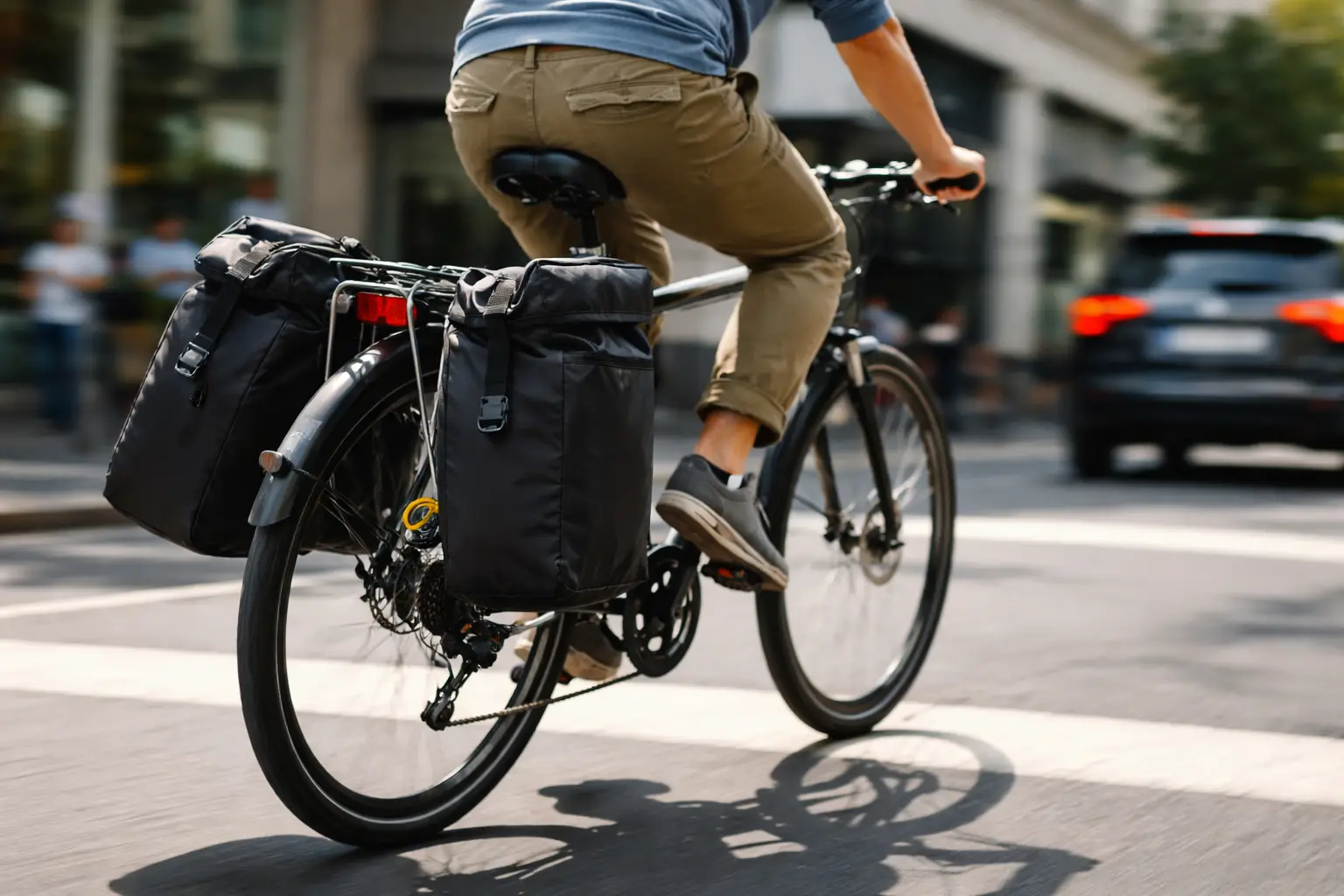
سيناريو التنقل الحقيقي حيث يمكن للحقائب الصغيرة أن تتأرجح أثناء ركوب المدينة المتوقف والانطلاق.
سيناريوهات ركوب الخيل في العالم الحقيقي حيث يظهر Pannier Sway
التنقل في المناطق الحضرية: مسافة قصيرة، اضطراب شديد
يقطع معظم ركاب المدن ما بين 5 إلى 20 كيلومترًا في الرحلة الواحدة، بمتوسط سرعة يتراوح بين 12 إلى 20 كيلومترًا في الساعة. على عكس التجول، فإن ركوب الخيل في المدينة يتضمن بدايات وتوقفات متكررة وتغيير الحارات والمنعطفات الضيقة - غالبًا كل بضع مئات من الأمتار. يقدم كل تسارع قوى جانبية تعمل على الأحمال المثبتة في الخلف.
في إعدادات التنقل الحقيقية، تحمل السلال عادةً ما بين 4 إلى 12 كجم من العناصر المختلطة مثل أجهزة الكمبيوتر المحمولة والملابس والأقفال والأدوات. نطاق التحميل هذا هو بالضبط أين أكياس السلة تتأرجح على رف الدراجة تصبح الأنظمة أكثر وضوحًا، خاصة أثناء الانطلاق من إشارات المرور أو المناورات ذات السرعة البطيئة.
لماذا يشعر Sway بالسوء عند السرعة المنخفضة
تقرير العديد من الدراجين واضح السلة تتأرجح بسرعة منخفضة. ويحدث هذا لأن الثبات الجيروسكوبي للعجلات يكون في حده الأدنى عند سرعة 10 كم/ساعة تقريبًا. عند هذه السرعات، حتى التحولات الصغيرة في الكتلة تنتقل مباشرة عبر الإطار والمقود، مما يجعل التأرجح يبدو مبالغًا فيه مقارنة بالقيادة الثابتة.
ماذا يعني "Pannier Sway" بالمصطلحات الميكانيكية
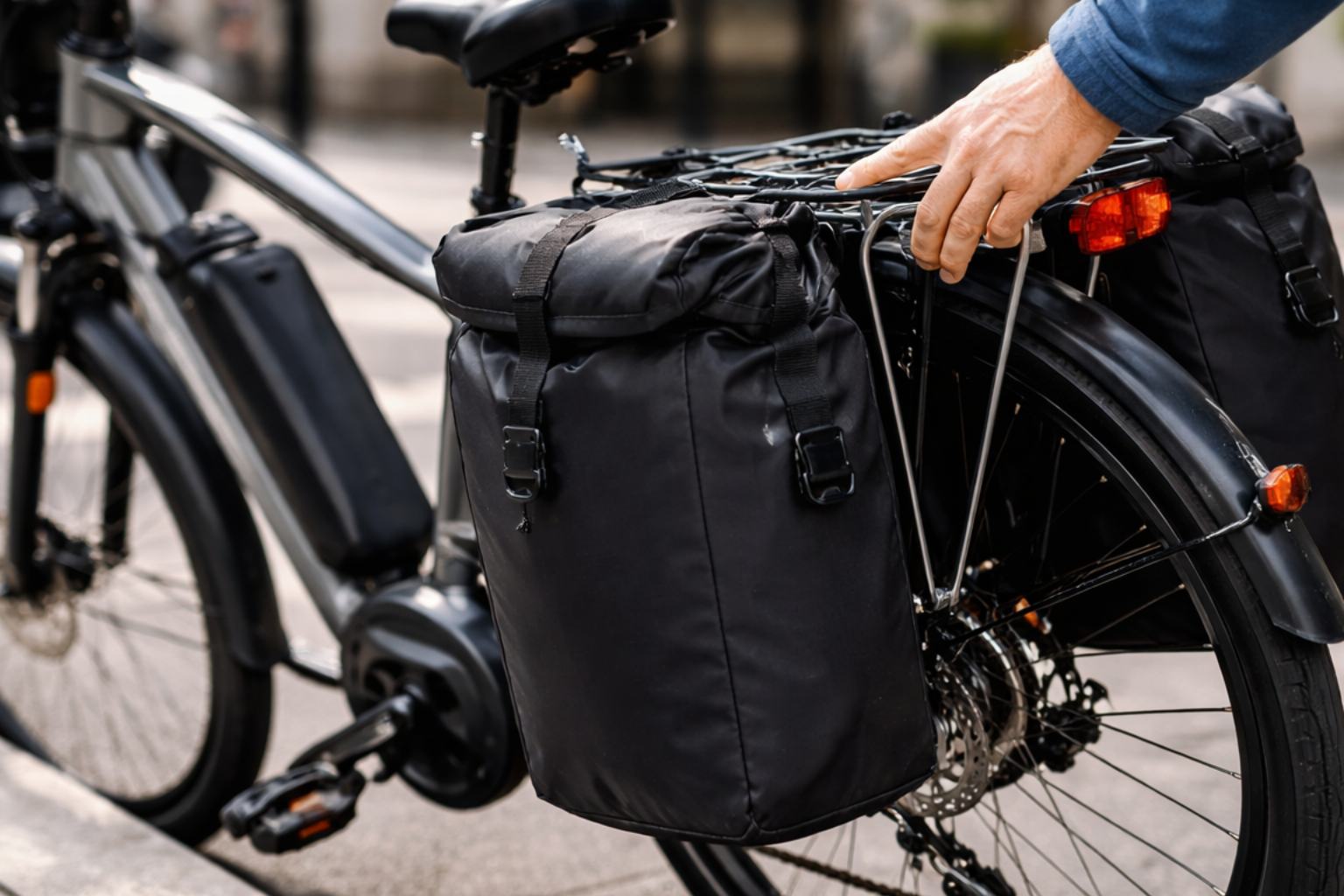
سيناريو التنقل الحقيقي: التحقق من نقاط اتصال الرف الخلفي وتركيب السلة قبل الركوب.
التذبذب الجانبي مقابل الحركة العمودية
يشير تأثير السلة في المقام الأول إلى التذبذب الجانبي - الحركة جنبًا إلى جنب حول نقاط ربط الحامل. وهذا يختلف بشكل أساسي عن الارتداد العمودي الناتج عن مخالفات الطريق. يتداخل التذبذب الجانبي مع مدخلات التوجيه ويغير مركز الكتلة الفعال أثناء الحركة، وهذا هو سبب زعزعة الاستقرار.
السلة لا تتأرجح بشكل مستقل. يتم تحديد الاستقرار من خلال التفاعل بين:
-
إطار الدراجة والمثلث الخلفي
-
صلابة الرف وهندسة التركيب
-
ربط المشاركة والتسامح
-
هيكل الحقيبة والدعم الداخلي
-
توزيع الأحمال وإدخال الراكب
متى خطافات سلة الدراجة فضفاضة جدًاتحدث حركات دقيقة عند كل ضربة على الدواسة. وبمرور الوقت، تتزامن هذه الحركات الدقيقة لتشكل تذبذبًا مرئيًا.
الأسباب الميكانيكية الأولية لتأثير سلة الدراجة
توزيع الأحمال وتحول مركز الجاذبية
تُولد العديلات أحادية الجانب المحملة بأكثر من 6-8 كجم عزم دوران غير متماثل. كلما ابتعدت الحمولة عن الخط المركزي للدراجة، زاد تأثير ذراع الرافعة على الحامل. حتى السلال المزدوجة يمكن أن تتأرجح إذا تجاوز اختلال التوازن بين اليسار واليمين ما يقرب من 15-20٪.
في سيناريوهات التنقل، غالبًا ما ينجم عدم التوازن عن العناصر الكثيفة مثل أجهزة الكمبيوتر المحمولة أو الأقفال الموضوعة في مكان مرتفع وبعيدًا عن المستوى الداخلي للحامل.
صلابة الرف وهندسة التركيب
تعد صلابة الحامل أحد أكثر العوامل التي يتم الاستهانة بها. يمكن اعتبار انحراف الحامل الجانبي الذي يصل إلى 2-3 مم تحت الحمل تأثيرًا. تكون رفوف الألومنيوم ذات القضبان الجانبية الرفيعة معرضة بشكل خاص عندما تقترب الأحمال من حدودها العملية.
ارتفاع التركيب مهم أيضا. يزيد وضع السلة الأعلى من الرافعة المالية، مما يزيد من التذبذب أثناء استخدام الدواسة والانعطافات.
إزالة الخطاف والتآكل التدريجي
تعد تفاوتات مشاركة الخطاف أمرًا بالغ الأهمية. يسمح الخلوص الذي يبلغ 1-2 مم فقط بين الخطاف والسكة بالحركة تحت الحمل الدوري. مع مرور الوقت، تتعرض الخطافات البلاستيكية للزحف والتآكل، مما يزيد من هذا الخلوص ويزيد من سوء التأرجح حتى عندما يظل الحامل دون تغيير.
هيكل الحقيبة والدعم الداخلي
العديلات الناعمة بدون إطارات داخلية تتشوه تحت الحمل. ومع ثني الحقيبة، تتغير الكتلة الداخلية بشكل ديناميكي، مما يعزز التذبذب. تعمل الألواح الخلفية شبه الصلبة على تقليل هذا التأثير من خلال الحفاظ على هندسة الحمل المتسقة.
المواد والعوامل الهندسية التي تؤثر على الاستقرار
كثافة النسيج والسلوك الهيكلي
تتراوح أقمشة السلة الشائعة من 600D إلى 900D. توفر الأقمشة ذات الدنير العالي مقاومة أفضل للتآكل والحفاظ على الشكل، ولكن صلابة النسيج وحدها لا يمكن أن تمنع التأثير إذا كان الهيكل الداخلي ضعيفًا.
بناء التماس ونقل الأحمال
تقوم الطبقات الملحومة بتوزيع الحمل بالتساوي عبر غلاف الحقيبة. تعمل الدرزات المخيطة التقليدية على تركيز الضغط عند نقاط الغرز، والتي يمكن أن تتشوه تدريجيًا تحت أحمال متكررة تتراوح من 8 إلى 12 كجم، مما يؤدي إلى تغيير سلوك الحمل بمهارة بمرور الوقت.
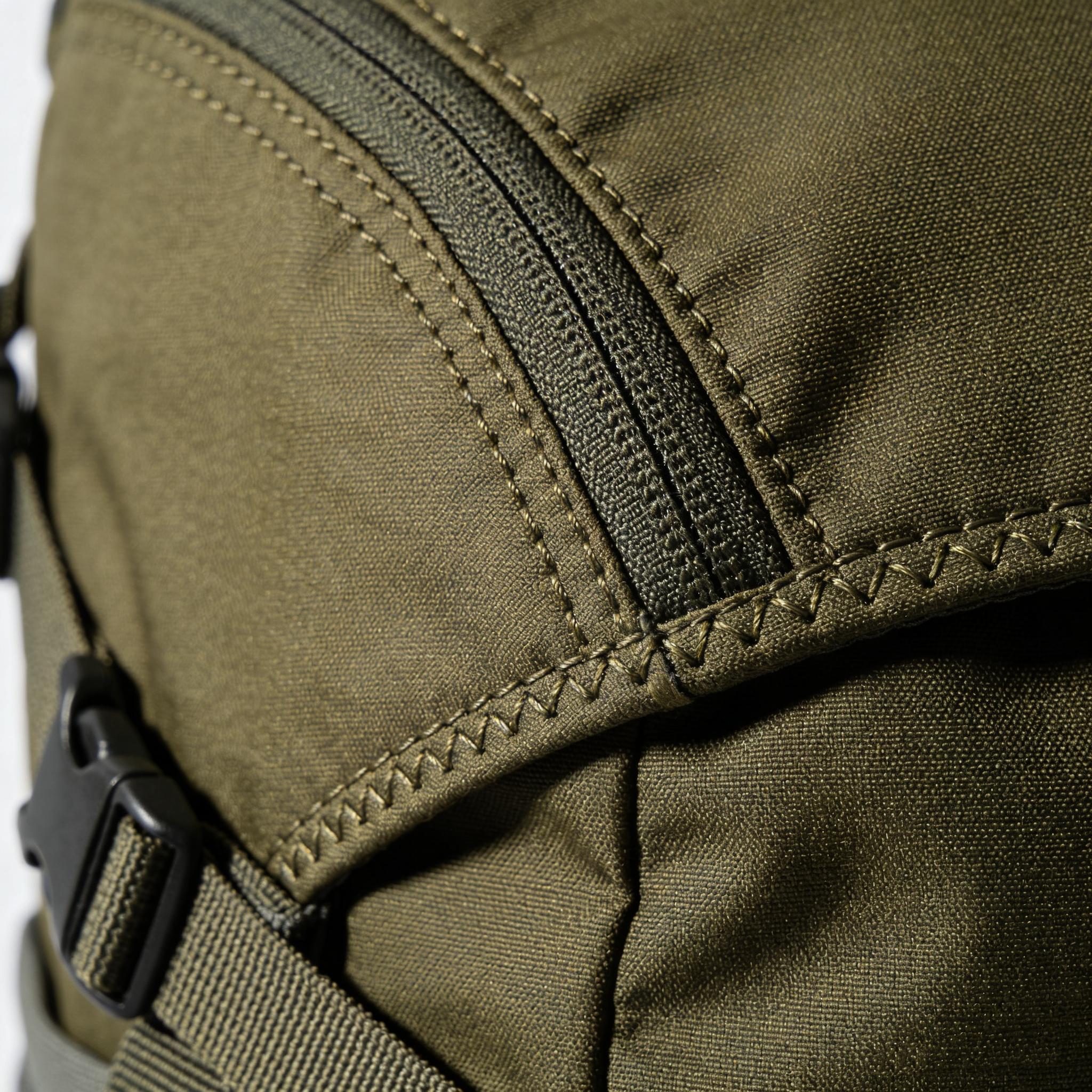
مواد الأجهزة وحياة التعب
تعمل الخطافات البلاستيكية على تقليل الوزن ولكنها قد تتشوه بعد آلاف دورات التحميل. الخطافات المعدنية تقاوم التشوه ولكنها تضيف كتلة. في سيناريوهات التنقل التي تتجاوز 8000 كيلومتر سنويًا، يصبح سلوك التعب عامل استقرار.
جدول المقارنة: كيف تؤثر اختيارات التصميم على استقرار السلة
| عامل التصميم | النطاق النموذجي | تأثير الاستقرار | ملاءمة الطقس | سيناريو التنقل |
| كثافة النسيج | 600 د – 900 د | ارتفاع D يحسن الاحتفاظ بالشكل | محايد | التنقل اليومي |
| الصلابة الجانبية للرف | منخفض - مرتفع | الصلابة العالية تقلل من التأثير | محايد | الأحمال الثقيلة |
| هوك التخليص | <1 مم – 3 مم | الخلوص الأكبر يزيد من التأثير | محايد | عامل حاسم |
| تحميل لكل السلة | 3-12 كجم | الحمل العالي يضخم التذبذب | محايد | الرصيد مطلوب |
| الإطار الداخلي | لا شيء-شبه جامدة | الإطارات تقلل من التحول الديناميكي | محايد | التنقل الحضري |
ما مدى تأثير السلة كثيرًا؟ قياس الحركة المقبولة
ليس كل تأثير السلة يتطلب التصحيح. من وجهة نظر هندسية، توجد حركة جانبية على الطيف.
الحد الأدنى من التأثير (الإزاحة الجانبية 0-5 مم)
مشترك مع الأحمال أقل من 5 كجم. غير محسوس فوق 12-15 كم/ساعة. لا يوجد تأثير على السلامة أو التعب. هذا المستوى طبيعي ميكانيكيا.
التأثير المعتدل (الإزاحة الجانبية 5-15 ملم)
نموذجي للركاب اليومي الذين يحملون 6-10 كجم. ملحوظة أثناء البداية والمنعطفات الضيقة. يزيد من الحمل المعرفي وإرهاق الراكب بمرور الوقت. يستحق المعالجة للركاب المتكررين.
التأثير الشديد (15 ملم أو إزاحة جانبية أكبر)
تذبذب واضح بصريا. تأخر استجابة التوجيه، وانخفاض هوامش التحكم، خاصة في الظروف الرطبة. غالبًا ما يتم ربطها بسلال مفردة مثقلة أو رفوف مرنة أو خطافات بالية. هذا هو مصدر قلق للسلامة.
فحص شونوي الهندسي في 3 دقائق
قم بإيقاف الدراجة على أرض مستوية ثم قم بإرفاق السلة كما تفعل عادةً. قف بجانب العجلة الخلفية وادفع الحقيبة برفق إلى اليسار واليمين "للاستماع" إلى الحركة. تحديد ما إذا كانت الحركة تأتي من العب على الخطافات العلوية، ان تأرجح للخارج عند الحافة السفلية، أو رف نفسه الثناء. الهدف هو تصنيف المشكلة في أقل من 30 ثانية: ملاءمة التركيب، أو وضع الحمل، أو صلابة الحامل.
بعد ذلك، قم بإجراء فحص ملاءمة الخطاف العلوي. ارفع السلة لأعلى بمقدار بضعة ملليمترات واتركها تستقر مرة أخرى على سكة الحامل. إذا كنت ترى أو تشعر بفجوة صغيرة، أو تنقر، أو تنتقل بين الخطاف وأنبوب الحامل، فهذا يعني أن الخطافات لا تثبت السكة بإحكام كافٍ. أعد ضبط تباعد الخطاف بحيث يكون كلا الخطافين في وضع مستقيم، ثم استخدم الإدخالات الصحيحة (أو براغي الضبط، اعتمادًا على نظامك) بحيث تتطابق الخطافات مع قطر الحامل و"تقفل" بدون قعقعة.
ثم قم بتأكيد التثبيت المضاد للتأرجح. بعد تثبيت السلة، اسحب الجزء السفلي من الحقيبة إلى الخارج بيد واحدة. يجب أن يقاوم الخطاف/الحزام/المرساة السفلي الذي تم ضبطه بشكل صحيح هذا التقشير الخارجي ويعيد الحقيبة نحو الرف. إذا كان الجزء السفلي يتأرجح بحرية، قم بإضافة أو إعادة وضع المرساة السفلية بحيث تسحب الحقيبة نحو إطار الحامل بدلاً من مجرد تعليقها عموديًا.
وأخيرًا، قم بإجراء فحص سلامة التحميل لمدة 20 ثانية. افتح السلة وحرك أثقل العناصر (العناصر) أقل وأقرب إلى الدراجة، من الناحية المثالية باتجاه مقدمة الرف الخلفي أو بالقرب من خط المحور. حافظ على الوزن الأيسر/الأيمن قدر الإمكان. أعد التركيب وكرر اختبار الدفع. إذا كانت الحقيبة الآن مستقرة عند الخطافات ولكن الحامل بأكمله لا يزال يلتوي تحت دفع قوي، فإن العامل الذي يحدك هو صلابة الحامل (وهو أمر شائع مع الرفوف الأخف تحت أحمال التنقل الثقيلة) والإصلاح الحقيقي هو حامل أكثر صلابة أو نظام به لوحة خلفية/واجهة قفل أكثر صلابة.
قاعدة النجاح/الفشل (سريعة):
إذا كان بإمكانك جعل الحقيبة "تنقر" على الخطافات أو تقشر الجزء السفلي للخارج بسهولة، فقم بتثبيت التثبيت أولاً. إذا كان التثبيت متينًا ولكن الدراجة لا تزال تشعر بالاهتزاز عند السير بها للأمام، فقم بإصلاح موضع الحمل. إذا كان التثبيت والتحميل ثابتين ولكن الحامل ملتوي بشكل واضح، فقم بترقية الحامل.
مقارنة طرق الإصلاح: ما الذي يحله كل حل، وما الذي يعطله
| طريقة الإصلاح | ما يحل | ما لا يحل | تم تقديم المقايضة |
| تشديد الأشرطة | يقلل من الحركة المرئية | إزالة الخطاف، رف مرن | ارتداء النسيج |
| إعادة توزيع الحمل | يحسن مركز الثقل | صلابة الرف | إزعاج التعبئة |
| خفض وزن الحمولة | يقلل من قوة التذبذب | الرخاوة الهيكلية | سعة شحن أقل |
| رف أكثر صلابة | يحسن الصلابة الجانبية | ملاءمة سيئة للخطاف | الكتلة المضافة (0.3-0.8 كجم) |
| استبدال الخطافات البالية | يزيل الحركة الدقيقة | رف مرن | دورة الصيانة |
الأولوية المبنية على السيناريو: أين يجب أن ننظر أولاً
City Commuter (5–15 كم، توقفات متكررة)
السبب الرئيسي: إزالة الخطاف وعدم التوازن
الأولوية: ملاءمة الخطاف ← وضع الحمل ← التوازن
تجنب: استبدال الرف أولاً
مسافر لمسافات طويلة (20-40 كم)
السبب الرئيسي: رف المرن
الأولوية: صلابة الحامل ← الحمل لكل جانب
تجنب: إخفاء الأعراض بالأشرطة
ركاب الدراجة الإلكترونية
السبب الرئيسي: تضخيم عزم الدوران
الأولوية: نقاط التثبيت ← إجهاد الخطاف ← ارتفاع الحمولة
تجنب: إضافة الوزن لتحقيق الاستقرار
راكب التضاريس المختلطة
السبب الرئيسي: الجمع بين الإثارة الرأسية والجانبية
الأولوية: تقييد الحمل الداخلي ← هيكل الحقيبة
الاجتناب: على افتراض أن الغلبة لا مفر منها
آثار الاستخدام على المدى الطويل: لماذا تبدأ العديلات في التأرجح بعد أشهر
ملابس هوك التقدمية
تواجه خطافات البوليمر زحفًا. يزداد التخليص تدريجياً، وغالباً دون أن يلاحظه أحد حتى يصبح التأثير واضحاً.
التعب الرف
تفقد الرفوف المعدنية الصلابة الجانبية من خلال إجهاد اللحامات والمفاصل، حتى بدون تشوه واضح.
الاسترخاء في كيس شل
تسترخي هياكل النسيج تحت التحميل المتكرر، مما يؤدي إلى تغيير سلوك الحمل بمرور الوقت.
وهذا ما يفسر لماذا يمكن لتغيير أحد المكونات أن يكشف فجأة عن التأثير الذي كان مقنعًا في السابق.
عندما لا يكون إصلاح Sway هو القرار الصحيح
يقبل بعض الدراجين التأثير كحل وسط عقلاني:
في هذه الحالات، قد يكون التخلص من التأثير أكثر تكلفة من حيث الكفاءة مما يحققه من فائدة.
جدول القرار الموسع: التشخيص قبل التعديل
| أعراض | السبب المحتمل | مستوى المخاطر | الإجراء الموصى به |
| التأثير فقط بسرعة منخفضة | إزالة هوك | منخفض | فحص الخطافات |
| التأثير يزداد مع الحمل | رف مرن | متوسط | تقليل الحمل |
| يتفاقم التأثير مع مرور الوقت | ارتداء هوك | متوسط | استبدل الخطافات |
| التأثير الشديد المفاجئ | جبل الفشل | عالية | توقف وتفتيش |
الخلاصة: حل مشكلة Pannier Sway يتعلق بتوازن النظام
تأثير السلة ليس عيبا. إنها استجابة ديناميكية لعدم التوازن والمرونة والحركة. يمكن للركاب الذين يفهمون النظام أن يقرروا متى يكون التأثير مقبولاً، ومتى يقلل من الكفاءة، ومتى يصبح غير آمن.
الأسئلة الشائعة
1. لماذا تتمايل سلال الدراجات أكثر عند السرعات المنخفضة؟
تقلل السرعات المنخفضة من استقرار الجيروسكوب، مما يجعل حركة الكتلة الجانبية أكثر وضوحًا.
2. هل يعتبر تأثير السلة خطيرًا أثناء التنقل اليومي؟
يمكن التحكم في التأثير الخفيف، ولكن التأثير المعتدل إلى الشديد يقلل من التحكم ويزيد من التعب.
3. هل يؤدي الحمل الأثقل دائمًا إلى تقليل تأثير السلة؟
لا، فالكتلة الزائدة تزيد من القصور الذاتي وإجهاد الرف، مما يؤدي في كثير من الأحيان إلى تفاقم التذبذب.
4. هل يمكن أن يؤدي تأرجح السلة إلى إتلاف رفوف الدراجة بمرور الوقت؟
نعم. تعمل الحركة الجانبية المتكررة على تسريع التعب في الرفوف والحوامل.
5. كيف يمكنني معرفة ما إذا كان التأرجح ناتجًا عن الحقيبة أو الرف؟
قم بتفريغ السلة واختبار الرف المرن يدويًا. تشير الحركة الزائدة إلى وجود مشكلات في الحامل.
المراجع
-
أورتليب. تعليمات لجميع منتجات ORTLIEB (بوابة تنزيل أنظمة القفل السريع وأدلة المنتجات). خدمة ودعم ORTLIEB USA. (تم الدخول 2026).
-
أورتليب. خطافات التثبيت QL2.1 - إدخالات بقطر الأنبوب (16 مم إلى 12/10/8 مم) وتوجيه مناسب. أورتليب الولايات المتحدة الأمريكية. (تم الدخول 2026).
-
أورتليب. إدخالات الخطاف QL1/QL2 - ملاءمة آمنة عبر أقطار الحامل (معلومات المنتج + تنزيل التعليمات). أورتليب الولايات المتحدة الأمريكية. (تم الدخول 2026).
-
اركل. لماذا لا نقوم بتثبيت خطاف سفلي على بعض الحقائب؟ (تركيب الأساس المنطقي لتصميم الاستقرار). حقائب Arkel Bike – المنتجات والمعلومات التقنية. (تم الدخول 2026).
-
اركل. اضبط سلة الدراجة (كيفية فك/إزاحة الخطافات وإعادة ربطها للحصول على ملاءمة مناسبة). أكياس الدراجة Arkel – دليل التثبيت والضبط. (تم الدخول 2026).
-
اركل. الأسئلة المتداولة (حلول مرساة الخطاف السفلي؛ ملاحظات توافق الحامل). حقائب Arkel Bike - الأسئلة الشائعة. (تم الدخول 2026).
-
محرري REI التعاونيين. كيفية حزم الأمتعة للقيام بجولة بالدراجة (حافظ على انخفاض مستوى العناصر الثقيلة والتوازن والثبات). نصيحة خبراء REI. (تم الدخول 2026).
-
محرري REI التعاونيين. كيفية اختيار رفوف وحقائب الدراجة (أساسيات إعداد الرف/الحقيبة؛ مفهوم ثبات الراكب المنخفض). نصيحة خبراء REI. (تم الدخول 2026).
-
تبادل مكدس الدراجات (الأسئلة والأجوبة الفنية للمجتمع). توجد مشكلة في تثبيت السلال بشكل آمن على الرف الخلفي (المشابك العلوية تحمل الحمولة، والخطاف السفلي يمنع التأرجح للخارج). (2020).
-
أورتليب (كوني لانجهامر). QL2.1 مقابل QL3.1 - كيف يمكنني ربط أكياس ORTLIEB بالدراجة؟ يوتيوب (الفيديو التوضيحي الرسمي). (تم الدخول 2026).
حلقة انسايت بالذكاء الاصطناعي
لماذا تتأرجح العديلات؟ معظم التأرجح ليس "تمايل الحقيبة" - بل هو تذبذب جانبي ينشأ عندما يكون نظام الدراجة ورف الأكياس يتمتع باللعب الحر. المشغلات الأكثر شيوعًا هي التوزيع غير المتساوي للحمل (عزم الدوران من جانب واحد)، والصلابة الجانبية غير الكافية للحامل، وخلوص الخطاف الذي يسمح بالانزلاق الدقيق في كل ضربة على الدواسة. على مدى آلاف الدورات، تتزامن الحركات الصغيرة في إيقاع ملحوظ، خاصة أثناء البداية والانعطافات البطيئة.
كيف يمكنك معرفة ما إذا كانت مشكلة الخطاف أم مشكلة الرف؟ إذا بلغ التأرجح ذروته عند السرعة المنخفضة وأثناء التسارع، فغالبًا ما يكون خلوص الخطاف هو المشتبه به الرئيسي؛ هذا هو المكان الذي تظهر فيه ** خطافات سلة الدراجة فضفاضة جدًا ** كشعور "بالنقر على التحول". إذا زاد التأرجح مع الحمل وظل موجودًا عند سرعة الإبحار، فمن الأرجح أن يكون الحامل المرن هو سلوك **الأكياس الكلاسيكية التي تتأرجح على حامل الدراجة**. قاعدة عملية: الحركة التي تبدو وكأنها "انزلاق" تشير إلى الخطافات؛ الحركة التي تبدو وكأنها "الربيع" تشير إلى صلابة الحامل.
ما هو مستوى التأثير المقبول في التنقل؟ عادةً ما يكون التأثير الخفيف (أقل من 5 مم تقريبًا من الإزاحة الجانبية عند حافة الكيس) نتيجة ثانوية عادية لإعداد خفيف الوزن. يزيد التأثير المعتدل (حوالي 5-15 ملم) من التعب لأن الدراجين يصححون التوجيه دون وعي. يصبح التأرجح الشديد (حوالي 15 ملم أو أكثر) خطرًا على التحكم - خاصة على الرصيف الرطب أو في الرياح المعاكسة أو حول حركة المرور - لأن استجابة التوجيه يمكن أن تتأخر عن التذبذب.
ما هو الخيار الأكثر فعالية إذا كنت تريد تقليل التأثير دون الإفراط في التصحيح؟ ابدأ بالإصلاحات ذات التأثير الأعلى التي لا تسبب مشاكل جديدة: قم بتشديد تعشيق الخطاف وتقليل الخلوص، ثم أعد توازن التعبئة بحيث تكون العناصر الثقيلة منخفضة وقريبة من الخط المركزي للدراجة. غالبًا ما تقدم هذه الخطوات أفضل نتائج **التنقل الثابت** لأنها تعالج مجموعة "اللعب الحر + ذراع الرافعة" التي تخلق التذبذب.
ما هي المقايضات التي يجب عليك مراعاتها قبل "إصلاح كل شيء"؟ كل تدخل له تكلفة: الرفوف الأكثر صلابة تضيف كتلة ويمكن أن تغير طريقة التعامل؛ تعمل الأشرطة الضيقة جدًا على تسريع تآكل القماش؛ إضافة الوزن يزيد من الجمود وتعب الرف. الهدف ليس عدم الحركة، بل التحكم في الحركة ضمن الحدود المقبولة لمسارك ونطاق السرعة والتعرض للطقس.
كيف يتطور السوق في 2025-2026؟ أصبحت أحمال التنقل أثقل (الكمبيوتر المحمول + القفل + معدات المطر) بينما يزيد عزم دوران الدراجة الإلكترونية من عدم الاستقرار عند الإقلاع. ونتيجة لذلك، يعطي المصممون الأولوية لتفاوتات التركيب الأكثر إحكامًا، والألواح الخلفية المعززة، وهندسة التركيب المنخفضة. إذا كان المصدر من **شركة مصنعة لأكياس السلة** أو **مصنع لأكياس الدراجات**، فإن الاستقرار يعتمد بشكل متزايد على ملاءمة النظام - تفاوتات الخطاف، وواجهة الحامل، وسلوك التحميل في العالم الحقيقي - أكثر من قوة القماش وحدها.
الوجبات الجاهزة الرئيسية: إن إصلاح التأثير هو مهمة تشخيصية، وليست مهمة تسوق. حدد ما إذا كان المحرك المهيمن هو الخلوص (الخطافات)، أو الرافعة المالية (موضع الحمولة)، أو الامتثال (صلابة الحامل)، ثم قم بتطبيق حل الحد الأدنى من التغيير الذي يستعيد الاستقرار دون خلق جوانب سلبية جديدة.