ملخص سريع:
يضع التنقل اليومي ضغطًا فريدًا على حقائب الدراجات، وهو الأمر الذي لا يحدثه الركوب العادي. يتسبب الاهتزاز المتكرر، ودورات التحميل، وتأثيرات الرصيف، والتعرض للطقس في حدوث أعطال مبكرة في الواجهات مثل أنظمة التركيب، والإغلاق، والدرزات، ومناطق التآكل بدلاً من لوحات القماش الرئيسية. يشرح هذا الدليل كيفية اختيار حقائب الدراجات للتنقل من خلال التركيز على عوامل المتانة الواقعية بما في ذلك ملاءمة الحمل، واستقرار التركيب، والبنية المقاومة للماء، وسلوك المواد، وأنماط التآكل على المدى الطويل. وبدلاً من المطالبات التسويقية، فإنها توفر منطقًا عمليًا للقرار لمساعدة الركاب على اختيار حقائب الدراجات التي تظل مستقرة وهادئة ومقاومة للطقس من خلال الاستخدام اليومي.
مقدمة: التنقل اليومي هو اختبار الإجهاد الحقيقي لحقائب الدراجة
التنقل اليومي ليس رحلة في عطلة نهاية الأسبوع. تواجه حقيبة الدراجة المستخدمة خمسة أيام في الأسبوع اهتزازًا مستمرًا ومنحدرات الرصيف وقوى الكبح والتعرض للطقس ودورات التحميل المتكررة. معظم حقائب الدراجات لا تفشل بسبب الحوادث الدرامية؛ فهي تفشل ببطء وبشكل يمكن التنبؤ به - من خلال تآكل السوستة، وارتخاء التركيب، وتسرب الدرزات، والتآكل عند نقاط الاتصال.
هذا الدليل مكتوب من أجل الركاب يوميا، وليس الدراجين في بعض الأحيان. والغرض منه بسيط: مساعدتك في اختيار حقيبة دراجة تبقى ثابتة، وتحمي معداتك في المطر الحقيقي، وتصمد أمام آلاف دورات الركوب دون أن تصبح مزعجة، أو متسربة، أو غير موثوقة.
بدلاً من المطالبات التسويقية، يركز هذا الدليل على واجهات- عمليات الإغلاق، وأنظمة التثبيت، والدرزات، ومناطق التآكل - لأن هذه تحدد الأداء على المدى الطويل أكثر بكثير من المظهر أو القدرة المعلنة.
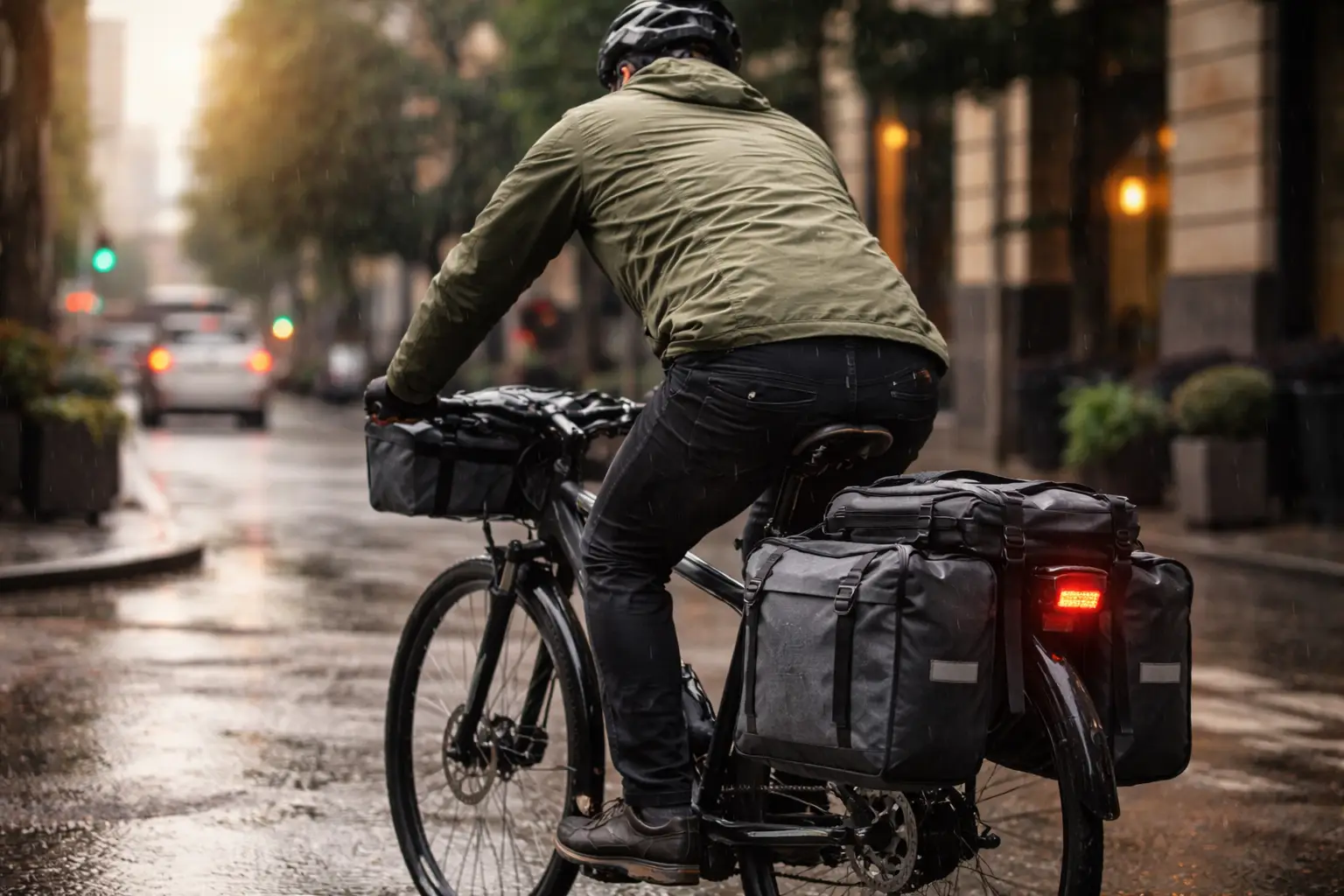
سيناريو التنقل في العالم الحقيقي يوضح كيفية أداء أكياس الدراجات المقاومة للماء في ظل الركوب اليومي في المناطق الحضرية والتعرض للمطر.
1. لماذا تفشل معظم حقائب الدراجات في التنقل اليومي
قبل اختيار الحقيبة، من المهم أن نفهم كيف وأين يحدث الفشل. في التنقل اليومي، يبدأ الفشل دائمًا تقريبًا عند واجهات، وليس على لوحة القماش الرئيسية.
تشمل نقاط الفشل المبكر الشائعة ما يلي:
-
السوستة المستخدمة تحت التوتر المستمر أو التلوث
-
خطافات السلة التي تطور اللعب وتبدأ في الخشخشة
-
رفع شريط التماس في الزوايا وخطوط الطي
-
التآكل في الزوايا السفلية ومناطق تلامس الرف
بمجرد تدهور واجهة واحدة، يتسارع النظام بأكمله نحو الفشل. يزيد الخطاف غير المحكم من الاهتزاز، ويؤدي الاهتزاز إلى تفاقم التآكل، ويؤدي التآكل إلى إتلاف الطبقات المقاومة للماء، ثم تصل الرطوبة إلى المحتويات.
ولهذا السبب يجب تقييم المتانة على أنها نظام، وليس كميزة واحدة.
2. اختيار نوع حقيبة الدراجة المناسب للتنقل
تفضل أنماط التنقل المختلفة أنظمة الحقائب المختلفة. المفتاح ليس "أيهما أفضل"، ولكن وهو الأفضل لنمط التحميل والركوب الخاص بك.
العديلات (أكياس الرف الخلفي)
الأفضل للأحمال اليومية التي تزيد عن 4-5 كجم. إنها تحافظ على الوزن بعيدًا عن الجسم وتقلل من تعب الراكب. يعتمد الاستقرار بشكل كبير على ملاءمة الخطاف وتصميم المثبت السفلي.
حقائب المقود
مثالية للأحمال الخفيفة وعناصر الوصول السريع. يتغير شعور التوجيه بسرعة عندما يزيد وزنه عن 3 كجم، لذا فهو غير مناسب لأجهزة الكمبيوتر المحمولة أو المعدات الثقيلة.
أكياس السرج
الأفضل لأساسيات التنقل المدمجة وخفيفة الوزن. أكثر من 2 كجم، يزداد ضغط التأرجح والحزام بشكل ملحوظ.
الأنظمة الهجينة أو المعيارية
يكون هذا مفيدًا عندما تختلف الأحمال من يوم لآخر، ولكن فقط إذا كانت تفاوتات التثبيت ضيقة وتم تثبيت الوحدات بشكل مستقل.
يعد عدم التطابق بين نوع الحمولة والحقيبة أحد الأسباب الأكثر شيوعًا لعدم رضا الركاب.
3. سعة الحمولة: ما هو الوزن الذي يجب أن تحمله حقيبة الدراجة؟
غالبًا ما تكون تسميات السعة مضللة. الحقيبة التي تبلغ سعتها 20 لترًا لا تعني أنه يجب ملؤها إلى الحد الأقصى كل يوم.
المبادئ التوجيهية العملية لتحميل الركاب:
-
0-2 كجم: حقيبة السرج أو المقود
-
3-5 كجم: المقود (النطاق العلوي) أو سلة صغيرة
-
6-10 كجم: سلال خلفية مع مثبت
-
10 كجم+: سلال مزدوجة أو أنظمة أرفف معززة
تجاوز هذه النطاقات لا يؤدي عادة إلى فشل فوري. وبدلاً من ذلك، فإنه يزيد من ضغط السحاب، وإجهاد الخطاف، وزحف الدرزات - مما يؤدي إلى التدهور المبكر.
يتضمن إعداد الركاب الموثوق به دائمًا هامش التحميل، وليس فقط سعة التحميل.
4. الاستقرار المتزايد: الفرق بين الهدوء والفوضى
يحدد ثبات التركيب راحة الركوب وعمر الحقيبة. حتى الكميات الصغيرة من اللعب تصبح مدمرة في ظل الاهتزاز اليومي.
المؤشرات الرئيسية لنظام مستقر:
-
يتم تثبيت الخطافات العلوية بثبات على حامل الحامل بدون رفع رأسي
-
المثبت السفلي يمنع الحركة الدورانية
-
لا يمكن إزاحة الكيس أكثر من 10-15 ملم في الأسفل عند تركيبه
عندما تهتز الحقيبة، فإن الأمر لا يكون مزعجًا فحسب، بل إنه يلحق الضرر بكل من الحقيبة والرف. يتم تحقيق الاستقرار على المدى الطويل من خلال التحمل الصارموألواح تثبيت معززة ومواد ربط مناسبة للتحميل.
5. العزل المائي: ما الذي يبقي المعدات جافة بالفعل
أثناء التنقل، لا يقتصر التعرض للمطر على هطول الأمطار من أعلى إلى أسفل. يعد رش العجلات ورذاذ البرك والرطوبة الطويلة أكثر تطلبًا بكثير.
تحدث معظم التسريبات في:
-
نهايات السوستة وواجهات الإغلاق
-
زوايا التماس تحت المرن المتكرر
-
حواف ملزمة تمتص الماء إلى الداخل
تعتمد الحقيبة المقاومة للماء الجاهزة للركاب على ذلك هيكل، وليس فقط الطلاءات. الفتحات المحمية، وتصميم التماس المدروس، والقواعد المقاومة للتآكل لها أهمية أكبر من التصنيفات المعلن عنها لمقاومة الماء.
غالبًا ما يكشف اختبار رش المناشف الورقية البسيط في المنزل عن نقاط الضعف بشكل أسرع من أي ملصق.
6. المواد والبناء المهمة للاستخدام اليومي
اختيار النسيج وحده لا يحدد المتانة، لكنه يحدد خط الأساس.
للتنقل اليومي:
-
تتفوق أقمشة الدنير متوسطة المدى ذات القواعد المعززة على التصميمات الخفيفة للغاية
-
تقاوم الإنشاءات المصنوعة من مادة TPU أو المصفحة التآكل بشكل أفضل من الطلاءات الرقيقة
-
رقع التعزيز في مثبتات الحزام تمنع التمزق بمرور الوقت
تعتبر تفاصيل البناء - كثافة الغرز، وهندسة التعزيز، وتشطيب الحواف - أكثر تنبؤًا بعمر الخدمة من اسم القماش وحده.
7. السوستة والإغلاق والارتداء اليومي
السوستة تفشل في التنقل ليس لأنها ضعيفة بطبيعتها، ولكن بسبب إساءة استخدامها كعناصر ضغط وتعرضها للأوساخ.
لإطالة عمر الإغلاق:
-
تجنب وضع الأشياء الصلبة مباشرة على خطوط السحاب
-
الحفاظ على هامش الإغلاق بدلا من فرض القدرة الكاملة
-
شطف الحصى والملح بعد الركوب الرطب
بالنسبة للركاب الذين يحملون بانتظام أشياء كثيفة أو ضخمة، فإن التصميمات المحمية بغطاء علوي أو رفرف تقلل من ضغط الإغلاق على المدى الطويل.
8. الملاءمة والتخليص وحماية الإطار
يجب ألا تلامس الحقيبة المختارة بشكل صحيح الإطار أو تتداخل مع استخدام الدواسة.
الفحوصات الأساسية قبل الالتزام بالاستخدام اليومي:
-
لا توجد ضربة كعب أثناء الإيقاع الطبيعي
-
الخلوص الكافي تحت الحمل الكامل
-
لا يبقى أي اتصال مع الإطار أثناء المطبات
لا يعد فرك الإطار مجرد ضرر تجميلي، بل يشير إلى عدم الاستقرار المتزايد الذي سيؤدي إلى تقصير عمر الحقيبة.
9. كيفية اختبار حقيبة الدراجة قبل الثقة بها يوميًا
قبل الاعتماد على حقيبة جديدة للتنقل اليومي، قم بإجراء ثلاثة فحوصات بسيطة:
-
اختبار التحميل: احزم وزنك اليومي الحقيقي وتحقق من وجود حشرجة الموت أو الدوران
-
اختبار الاهتزاز: قم بقيادة الأسطح الخشنة واستمع إلى الحركة أو الضوضاء
-
اختبار المطر: رش الطبقات والزوايا والإغلاقات لمدة 10-15 دقيقة
تظهر العلامات التحذيرية المبكرة عادةً خلال الأسبوع الأول.
10. متى تنجح حقائب الميزانية، ومتى لا تنجح؟
يمكن أن تعمل حقائب الدراجات ذات الميزانية المحدودة بشكل مقبول عندما:
إنهم يفشلون بشكل أسرع في ظل ظروف التنقل اليومية مع الأحمال الثقيلة وركوب الشتاء والأمطار المتكررة. يعد فهم حالة الاستخدام الخاصة بك أكثر أهمية من السعر وحده.
الخلاصة: الشراء من أجل الواجهات، وليس من أجل السعة
للتنقل اليومي، أهم ميزات حقيبة الدراجة ليست الحجم أو النمط، ولكن الاستقرار ومتانة الواجهة ومرونة الطقس. تفشل الأكياس في وقت مبكر عندما ترتخي الخطافات، أو ترتفع الدرزات، أو تتدهور عمليات الإغلاق - وليس عندما تتمزق ألواح القماش فجأة.
إن اختيار حقيبة دراجة جاهزة للركاب يعني تقييم كيفية تركيبها، وكيفية إغلاقها، وكيفية تعاملها مع الاهتزازات، وكيفية ارتدائها بمرور الوقت. عندما تتم معالجة هذه العوامل، تصبح الحقيبة جزءًا موثوقًا به من وسائل النقل اليومية بدلاً من الإحباط المتكرر.
الأسئلة الشائعة
1. لماذا تفشل حقائب الدراجات بشكل أسرع في التنقل اليومي مقارنة بركوب الدراجات في بعض الأحيان؟
يعرض التنقل اليومي حقائب الدراجات للاهتزاز المستمر، ودورات التحميل المتكررة، وتأثيرات الرصيف، والتعرض للطقس. تؤثر هذه الضغوط بشكل أساسي على الواجهات مثل السحابات وخطافات التثبيت والدرزات ومناطق التآكل بدلاً من ألواح القماش الرئيسية. حتى الكميات الصغيرة من الارتخاء أو إجهاد المواد يمكن أن تتفاقم بمرور الوقت، مما يؤدي إلى حدوث قعقعة أو تسرب أو تآكل هيكلي. لا يولد الركوب العرضي نفس الضغط التراكمي، وهذا هو السبب في أن الحقائب التي تبدو جيدة في البداية غالبًا ما تفشل قبل الأوان عند استخدامها كل يوم.
2. ما هو نوع حقيبة الدراجة الأفضل لحمل الكمبيوتر المحمول للعمل؟
لحمل جهاز كمبيوتر محمول، تعد السلال الخلفية بشكل عام الخيار الأكثر أمانًا لأنها تحافظ على الوزن بعيدًا عن جسم الراكب وتحافظ على توازن أفضل عند الأحمال العالية. يجب أن تحتوي السلة الجاهزة للركاب على نظام خطاف ثابت، ومثبت أقل لمنع التأرجح، وبطانة داخلية أو فصل للمقصورة لتقليل قوى التأثير. عادةً ما تكون حقائب المقود وحقائب السرج غير مناسبة لأجهزة الكمبيوتر المحمولة بسبب عدم استقرار التوجيه والتأرجح المفرط تحت الوزن.
3. كيف يمكنني معرفة ما إذا كان نظام تركيب حقيبة الدراجة مستقرًا بدرجة كافية للتنقل؟
يجب أن يتم تثبيت نظام التثبيت الثابت بثبات على الحامل دون حدوث قعقعة أو رفع رأسي. عند تركيبها وتحميلها، يجب ألا يتحرك الجزء السفلي من الكيس أكثر من 10-15 ملم تقريبًا جانبيًا عند دفعه باليد. يعد وجود مشبك أو حزام تثبيت سفلي أمرًا بالغ الأهمية لمنع الحركة الدورانية. إذا كانت الحقيبة تنتج ضجيجًا أثناء الركوب، فعادةً ما يكون ذلك علامة على اللعب المتصاعد الذي سيؤدي إلى تسريع التآكل بمرور الوقت.
4. هل أكياس الدراجات المقاومة للماء ضرورية للركاب اليومي؟
يوصى بشدة باستخدام حقائب الدراجات المقاومة للماء للركاب يوميًا، خاصة في البيئات الحضرية حيث ينتشر رذاذ العجلات والبرك والظروف الرطبة الطويلة. يحدث معظم تسرب المياه عند الدرزات وأطراف السحاب وواجهات الإغلاق وليس من خلال النسيج الرئيسي. تعمل الأكياس المصممة للاستخدام اليومي عادةً على حماية الفتحات وتعزيز زوايا التماس واستخدام أساليب البناء التي تحد من دخول الماء في ظل التعرض المستمر.
5. ما هي المدة التي يجب أن تدوم فيها حقيبة الدراجة جيدة الصنع مع الاستخدام اليومي؟
مع التصميم والاستخدام المناسبين، يجب أن تستمر حقيبة الدراجة جيدة الصنع المستخدمة في التنقل اليومي لعدة مواسم. يعتمد طول العمر على إدارة الحمل، واستقرار التركيب، والتعرض للطقس، والصيانة. تشمل العلامات التحذيرية المبكرة لانخفاض العمر الافتراضي تطوير اللعب بالخطاف، ومقاومة السحاب، ورفع شريط التماس عند الزوايا، والتآكل المرئي عند نقاط الاتصال. يمكن أن تؤدي معالجة هذه المشكلات مبكرًا إلى إطالة العمر القابل للاستخدام بشكل كبير.
المراجع
-
ركوب الدراجات في المناطق الحضرية وديناميكيات التحميل، ج. ويلسون، مختبر أبحاث النقل، دراسات النقل في المملكة المتحدة
-
اعتبارات التصميم لأنظمة أمتعة الدراجات، م. دوفور، الأوراق الفنية للاتحاد الأوروبي للدراجات
-
التآكل والتعب في المنسوجات المطلية، إس إتش كيم، مجلة المنسوجات الصناعية، منشورات سيج
-
دخول الماء في طبقات السلع الناعمة، تي ألين، مجلة أبحاث المنسوجات، منشورات SAGE
-
بيئة العمل لنقل الحمولة في ركوب الدراجات، P. دي فريس، العوامل البشرية وجمعية بيئة العمل
-
أداء السحاب تحت الضغط المتكررتقرير المواد الفنية لشركة YKK
-
تأثيرات الاهتزاز على مكونات البوليمر، سلسلة المراجعة الفنية ASTM
-
سلامة ومعدات التنقل بالدراجات في المناطق الحضرية، وزارة النقل في المملكة المتحدة لتوجيهات ركوب الدراجات
حقائب دراجات الركاب: الرؤية الدلالية وإطار القرار
لماذا يكشف التنقل اليومي عن نقاط الضعف في حقائب الدراجات؟
يؤدي التنقل اليومي إلى تحويل حقيبة الدراجة إلى نظام ميكانيكي تحت ضغط مستمر. على عكس الركوب الترفيهي، فإن التنقل يؤدي إلى اهتزازات متكررة، وتركيب وإزالة متكررة، وتحولات الرصيف، وقوى الكبح، والتعرض لفترة طويلة للرطوبة والحصى. تعمل هذه الظروف على تسريع التعب في الواجهات الهامة مثل الخطافات والسحابات وزوايا التماس ومناطق التآكل. نادراً ما تكون حالات الفشل مفاجئة؛ تظهر تدريجيًا على شكل ارتخاء أو ضوضاء أو تسرب أو انخفاض في الثبات.
كيف ينبغي تقييم أنظمة حقائب الدراجات للتنقل
يجب تقييم حقيبة الدراجة الجاهزة للركاب كنظام وليس حاوية. إن تسامح التركيب، والتحكم في الدوران، وتوزيع الأحمال، واستراتيجية التماس، وحماية الإغلاق تحدد بشكل جماعي الموثوقية. يعد الاستقرار تحت الحمل، ومقاومة الحركة الدقيقة، والسلوك المرن المتحكم فيه أكثر تنبؤًا بالعمر من السعة المعلنة أو العلامة التجارية للنسيج. يتضمن التقييم المناسب اختبار الحمل، والتعرض للاهتزاز، وفحوصات دخول المياه التي تركز على اللحامات والفتحات.
ما هي ميزات التصميم الأكثر أهمية في ظروف التنقل الحقيقية
للاستخدام اليومي، تشتمل الميزات العملية على أنظمة خطاف محكمة التركيب، ومثبتات ثانوية للتحكم في التأرجح، وفتحات محمية لتقليل تجمع المياه، ومناطق كشط معززة في الزوايا ونقاط الاتصال، وطرق البناء التي تتحمل الدورات المرنة المتكررة. تؤثر هذه العناصر بشكل مباشر على الضوضاء ومعدل التآكل والحماية من الرطوبة أثناء الركوب اليومي.
خيارات لملفات تعريف التنقل المختلفة
يمكن للركاب الذين يحملون أحمالًا خفيفة على الطرق السلسة إعطاء الأولوية للأنظمة المدمجة والوصول السريع، بينما يستفيد الركاب الذين ينقلون أجهزة الكمبيوتر المحمولة أو المعدات الثقيلة من العديلات الخلفية ذات الثبات العالي في التركيب والتحكم الداخلي في الحمل. تفضل المسارات المعرضة للطقس تصميمات مقاومة للماء من الناحية الهيكلية مع عمليات إغلاق محمية، في حين يجب على الركاب ذوي التردد العالي إعطاء الأولوية لأنظمة الأجهزة القابلة للإصلاح أو المعيارية لإطالة عمر المنتج.
الاعتبارات الأساسية قبل الاستخدام اليومي على المدى الطويل
قبل الالتزام بحقيبة دراجة للتنقل اليومي، يجب على الراكبين التأكد من هوامش التحميل، والخلوص تحت الوزن الكامل، وغياب اللعب المتصاعد، ومقاومة دخول الماء عند اللحامات والفتحات. غالبًا ما يكشف الفحص المبكر خلال الأسابيع الأولى من الاستخدام ما إذا كانت الحقيبة ستظل موثوقة أو تتحلل بسرعة في ظل الظروف الروتينية.
تشكيل اتجاهات السوق والتصميم أكياس دراجة ركاب
تؤكد الاتجاهات الحديثة على العزل الهيكلي للماء على الطلاءات الكيميائية، وتفاوتات التركيب الأكثر إحكامًا، ومكونات الأجهزة القابلة للاستبدال، وتحسين تكامل الرؤية. مع نمو ركوب الدراجات في المناطق الحضرية وزيادة الاهتمام التنظيمي، يتم تقييم حقائب دراجات الركاب بشكل متزايد على أساس المتانة والسلامة وقيمة دورة الحياة بدلاً من المظهر وحده.