ملخص سريع:
يساعد هذا الدليل المشترين على الاختيار بين الشركة المصنعة للحقائب الرياضية والشركة التجارية من خلال التركيز على ما يؤثر فعليًا على النتائج: التحكم في العمليات، واستقرار قائمة مكونات الصنف، وملكية الجودة، وسرعة الإجراء التصحيحي، والاستعداد للامتثال. إذا كنت بحاجة إلى تطوير OEM، والاتساق بالجملة القابل للتكرار، ومواصفات المواد القابلة للقياس (منكر، gsm، الرأس الهيدروستاتيكي، دورات التآكل)، ونظام مراقبة الجودة الموثق (الوارد، المضمن، النهائي مع AQL)، فإن التصنيع المباشر هو عادةً المسار الأكثر أمانًا. إذا كنت بحاجة إلى دمج وحدات SKU المتعددة، ومرونة الدفعات الصغيرة، والتوريد السريع عبر موردين متعددين، فيمكن لشركة تجارية قادرة أن تقلل التعقيد - بشرط أن تقوم بفرض تأكيد كتابي لقائمة مكونات الصنف، والتحكم في الإصدار، ونقاط تفتيش التفتيش. تسلط المقالة أيضًا الضوء على الاتجاهات الحالية (طارد المياه الخالي من PFAS، وإمكانية تتبع المواد المعاد تدويرها، والوزن الخفيف دون فقدان المتانة) والاعتبارات التنظيمية المشتركة (اتصالات EU REACH/SVHC، وإدارة المخاطر المقترحة 65) بحيث يظل قرار التوريد الخاص بك متوافقًا وقابلاً للتطوير، وليس فقط "رخيص اليوم ومؤلم غدًا".
لماذا يقرر هذا الاختيار الـ 12 شهرًا القادمة؟
إذا قمت بشراء حقائب رياضية لفترة كافية، فسوف تتعلم حقيقة مؤلمة: نادراً ما يفشل "الشريك الخطأ" في اليوم الأول. إنهم يفشلون في اليوم الخامس والأربعين، مباشرة بعد الموافقة على العينات، ودفع الودائع، وتقويم الإطلاق الخاص بك يصرخ.
إن الاختيار بين الشركة المصنعة للحقائب الرياضية والشركة التجارية ليس سؤالاً "من هو الأرخص". إنه سؤال تحكم: من يملك النموذج، ومن يتحكم في المادة، ومن المسؤول عن الجودة، ومن يمكنه إصلاح المشكلات دون تحويل مشروعك إلى سباق تتابع.
تم تصميم هذا الدليل للمشترين الذين يحاولون الحصول على شركة مصنعة موثوقة للحقائب الرياضية، أو مصنع لحقائب القماش الخشن الرياضية، أو مورد حقائب رياضية، مع إطار عمل عملي يمكنك تطبيقه على طلب عرض الأسعار التالي.
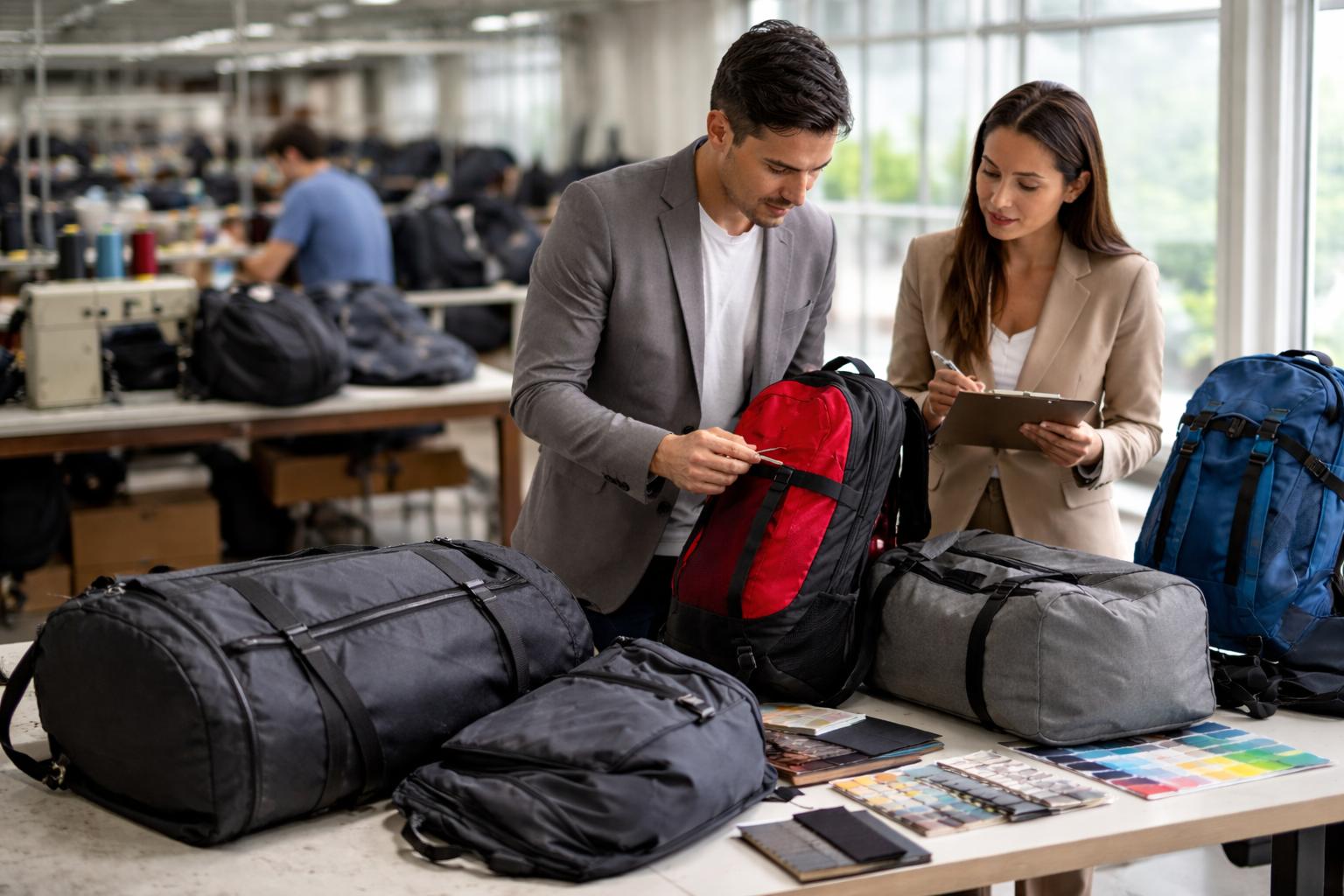
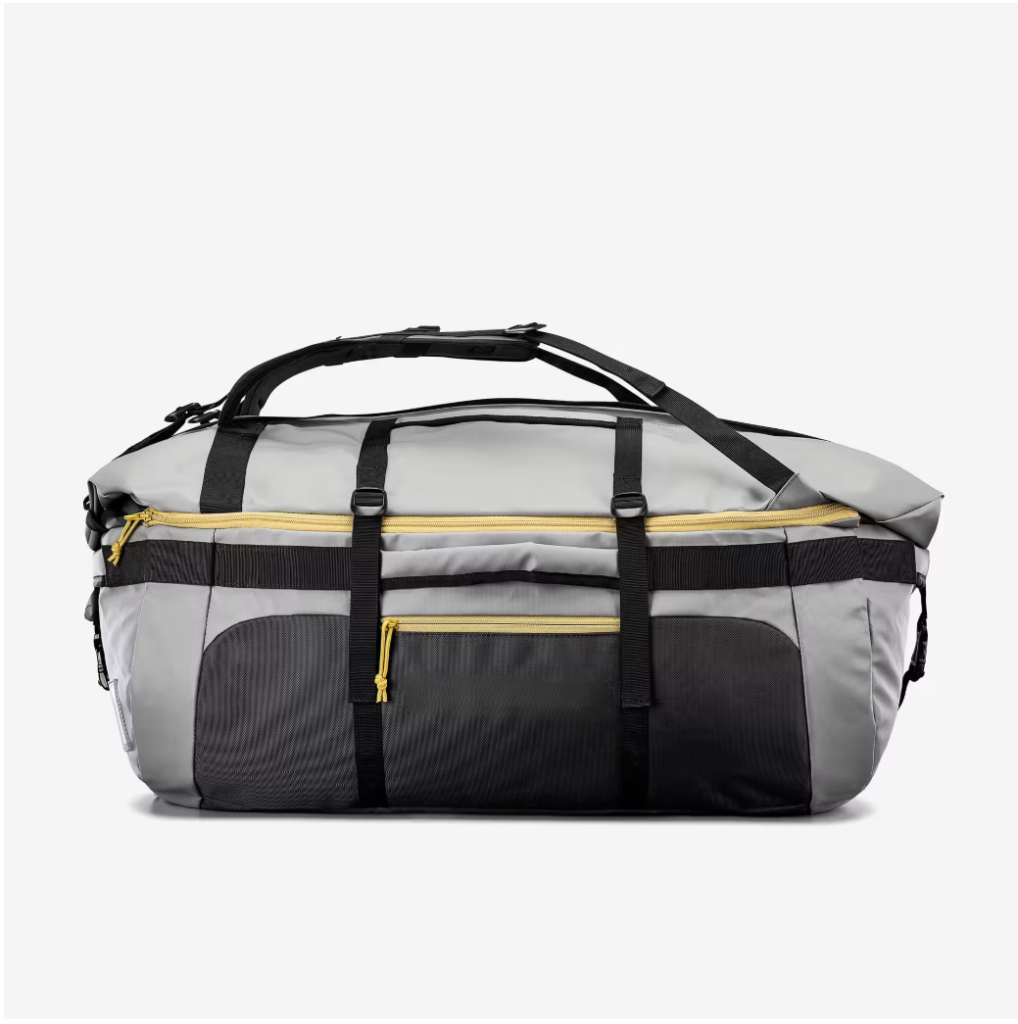
اختيار شريك التوريد المناسب: يقوم فريق المشتري بمراجعة الحقائب الرياضية والمواد الأصلية وتفاصيل مراقبة الجودة قبل الإنتاج بالجملة.
قرار الثلاثين ثانية: من يجب أن تختار؟
اختر الشركة المصنعة للحقائب الرياضية إذا كانت السيطرة أكثر أهمية من الراحة
يجب عليك إعطاء الأولوية أ صانع الحقائب الرياضية عندما تريد التحكم الصارم في الاتساق والجداول الزمنية والتفاصيل الفنية. عادةً ما يكون أداء المصانع المباشرة أفضل عندما تحتاج إلى تطوير OEM/ODM، وأوامر تكرار مستقرة، ونظام جودة يمكن التنبؤ به يمكنك تدقيقه وتحسينه بمرور الوقت.
إذا كانت خطتك تتضمن التوسيع من 300 قطعة إلى 3000 قطعة لكل نمط، أو إضافة ألوان، أو إجراء عمليات إعادة تخزين موسمية، أو اجتياز عمليات تفتيش من طرف ثالث، فإن التصنيع المباشر هو الفائز عادةً - لأن الشخص الذي يمكنه حل المشكلة هو الشخص الذي يدير الآلات.
اختر شركة تجارية إذا كانت السرعة وتوحيد الموردين المتعددين أكثر أهمية من الملكية
يمكن أن تكون الشركات التجارية مفيدة حقًا عندما يكون لديك العديد من وحدات SKU، وكميات صغيرة لكل نمط، أو عندما تحتاج إلى بائع واحد لتنسيق الحقائب بالإضافة إلى الملحقات والتعبئة وتحميل الحاويات المختلطة. إذا كنت تختبر سوقًا وتقدر التوريد السريع على التحكم في العمليات على المدى الطويل، فيمكن لشركة تجارية قوية أن تقلل من التعقيد.
لكن افهم التجارة: فأنت تكتسب الراحة وتفقد بعض الرؤية حول "السبب" وراء قرارات الإنتاج.
ما يفعله كل شريك فعليًا (خارج نطاق المبيعات)
ما تمتلكه عادة الشركة المصنعة للحقائب الرياضية
عادةً ما تمتلك الشركة المصنعة للحقائب الرياضية الحقيقية أو تتحكم بشكل مباشر في أربعة أشياء: صناعة النماذج، وخطوط الإنتاج، ونقاط فحص الجودة، وشبكة شراء المواد الرئيسية.
وهذا يعني أنه يمكنهم ضبط تفاوتات الأنماط، وتعزيز نقاط الضغط، وتغيير كثافة الغرز، وترقية مواصفات الحزام، وإدارة اتساق الإنتاج بالجملة. عندما تطلب تحسينات (تجاعيد أقل، بنية أفضل، فشل أقل في السوستة)، يمكنهم تنفيذ التغييرات على مستوى العملية - وليس مجرد الوعد "بإخبار المصنع".
ما تمتلكه شركة تجارية عادة
تمتلك الشركة التجارية عادةً الاتصالات ومطابقة الموردين والتنسيق وأحيانًا مراقبة الجودة الداخلية أو جدولة التفتيش. أفضلهم يحتفظون بسجلات أداء الموردين، ولديهم تجار تقنيون، ويفهمون المواد بما يكفي لمنع المفاجآت السيئة.
أما الضعفاء فيقومون ببساطة بإعادة توجيه الرسائل والفواتير. في هذا النموذج، يكون "مدير المشروع" بمثابة صندوق بريد، وليس حلالاً للمشاكل.
سيناريو العالم الحقيقي: نفس الحقيبة، ونتيجتان مختلفتان
إعداد السيناريو: إطلاق حقيبة من القماش الخشن سعة 40 لترًا لعلامة تجارية للياقة البدنية في المملكة المتحدة
خططت إحدى العلامات التجارية للياقة البدنية في المملكة المتحدة لإطلاق حقيبة من القماش الخشن سعة 40 لترًا بلونين وشعار مطرز و مقصورة الأحذية. كان الطلب الأول المستهدف هو 1200 قطعة، مع جدول زمني مدته 60 يومًا من الموافقة على العينة حتى وصول المستودع.
قاموا بتشغيل اقتباسين متوازيين:
-
عرضت شركة تجارية سعرًا أقل للوحدة و"أخذ عينات سريعة".
-
A حقيبة القماش الخشن الرياضية عرض المصنع سعرًا أعلى قليلاً ولكنه طلب حزمة تقنية كاملة واقترح تعديلات على تهوية حجرة الأحذية.
ماذا حدث لطريق الشركة التجارية
العينة الأولى تبدو جيدة. شهدت العينة الثانية تغييرات طفيفة: تغير شكل سحب السحاب، وسقطت البطانة الداخلية، وفقد مقسم حجرة الأحذية صلابة. وقالت الشركة التجارية إنها "مكافئة".
في الإنتاج بالجملة، أظهرت حوالي 6% من الوحدات موجة سحّاب وفصل مبكر للأسنان خلال 200 دورة فتح/إغلاق. كان على العلامة التجارية إعادة صياغة التغليف وتأخير الشحن وتقديم مبالغ مستردة جزئيًا. التكلفة الأكبر لم تكن المال، بل كانت الأضرار الناجمة عن المراجعة وفقدان زخم الإطلاق.
ماذا حدث للطريق المباشر للمصنع
أصرت الشركة المصنعة على مواصفات السحاب مع أهداف دورة تم اختبارها، وكثافة شريطية مطورة عند نقاط تثبيت الكتف، وأوصت بلوحة شبكية قابلة للتنفس في حجرة الحذاء. كان للإنتاج بالجملة اجتماع موثق قبل الإنتاج، وعمليات فحص مضمنة، وأخذ عينات AQL النهائية. تم الحفاظ على معدل العيوب أقل من 1.5%، وقامت العلامة التجارية بتوسيع أمر الشراء التالي إلى 3500 قطعة.
والدرس المستفاد هو أن الخيار "الأرخص" يصبح باهظ الثمن عندما لا يملك أحد القرارات الهندسية.
هيكل التكلفة: لماذا تختلف عروض الأسعار كثيرًا (وكيفية قراءتها)
ما الذي تدفعه بالفعل مقابل عرض أسعار المصنع
إن عرض أسعار المصنع لا يقتصر فقط على "المواد + العمالة". تعمل شركة تصنيع الحقائب الرياضية الموثوقة على تحقيق استقرار العملية. تشمل محركات التكلفة النموذجية ما يلي:
نظام المواد: القماش الخارجي، البطانة، الرغوة، المقويات، الحزام، الأبازيم، السوستة، الخيوط، الملصقات، والتغليف.
تعقيد البناء: الجيوب، ومقصورات الأحذية، والألواح الرطبة / الجافة، والحشو، وطبقات التعزيز، والأنابيب.
وقت العملية: عدد العمليات مهم. يمكن أن يختلف وقت الخياطة بين حقيبتين متشابهتين بمقدار 15 إلى 30 دقيقة.
الإنتاجية والهدر: يمكن للأقمشة ذات الدنير العالي والمواد المطلية أن تزيد من فقدان القطع اعتمادًا على التصميم.
مراقبة الجودة: مراقبة الجودة المضمنة، وقدرة إعادة العمل، وعمليات التفتيش النهائية.
عندما يبدو عرض الأسعار أرخص بشكل كبير، يجب عليك أن تسأل عن الجزء الذي تم "تحسينه". إنها دائمًا تقريبًا مواد أو تعزيزات أو مراقبة الجودة.
حيث يمكن أن تنجرف أسعار الشركات التجارية
قد تضيف الشركة التجارية قيمة وتظل عادلة - إذا كانت تدير المخاطر والتنسيق. يمكن أن ينحرف السعر عندما:
يقومون بتبادل المواد دون موافقة صريحة.
إنهم يختارون المورد الأمثل للسعر بدلاً من التحكم في العملية.
يقومون بضغط الجداول الزمنية عن طريق تخطي محاذاة ما قبل الإنتاج.
إنهم يوزعون المسؤولية على عدد كبير جدًا من المقاولين من الباطن.
إذا كنت تعمل مع صالة الألعاب الرياضية مورد الحقيبة هذه شركة تجارية، وتصر على تأكيد كتابي لقائمة مكونات الصنف (BOM) ونقاط تفتيش الإنتاج. وإلا فإنك تشتري "الثقة" بدون إيصال.
المواد التي تحدد الأداء: المعلمات التي يجب عليك تحديدها
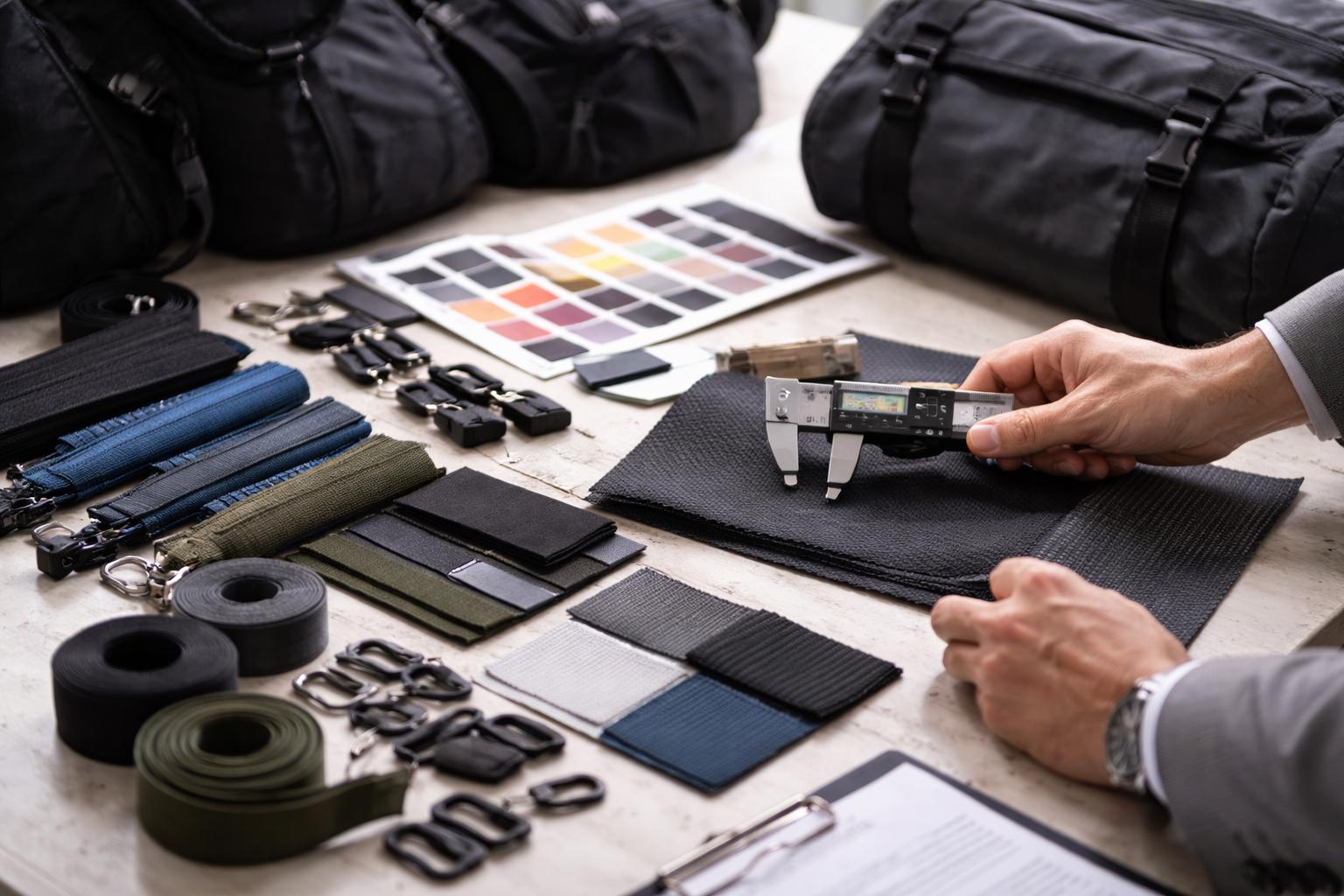
يتم قفل BOM قبل أخذ العينات: فحص القماش والسحاب والحزام وتناسق الألوان.
معلمات النسيج الرئيسية (ولماذا "600D" غير كافية)
يشير Denier (D) إلى سمك الخيط، وليس جودة القماش الكاملة. يمكن أن يعمل نوعان من الأقمشة 600D بشكل مختلف تمامًا اعتمادًا على النسيج ونوع الغزل والطلاء والتشطيب.
فيما يلي نطاقات المعلمات العملية التي يستخدمها المشترون عادةً للحقائب الرياضية. تعامل مع هذه الأمور باعتبارها نطاقات مستهدفة نموذجية، وليست قوانين عالمية، وتتوافق مع موضع منتجك.
أهداف الأداء النموذجية لمواد الحقائب الرياضية
يجب أن تكون الشركة المصنعة للحقائب الرياضية الجيدة أو مصنع الحقائب الرياضية من القماش الخشن قادرة على مناقشة هذه الأرقام دون ذعر.
الجدول: الأهداف المادية النموذجية للحقائب الرياضية (أمثلة)
| مكون | نطاق المواصفات المشتركة | ما يؤثر |
| النسيج الخارجي | 300D – 900D بوليستر أو نايلون | التآكل، الهيكل، الشعور الفاخر |
| وزن القماش | 220-420 جم/م2 | المتانة مقابل توازن الوزن |
| طلاء | PU 0.08-0.15 مم أو فيلم TPU | مقاومة الماء، والصلابة |
| مقاومة الماء | رأس هيدروستاتيكي 1000-5000 ملم | مستوى الحماية من المطر |
| مقاومة التآكل | 20.000-50.000 دورة مارتنديل | الجرجر وارتداء الحياة |
| حزام | 25-38 ملم، قوة الشد 600-1200 كجم | هامش أمان الحزام |
| الموضوع | البوليستر المستعبدين تكس 45-70 | قوة التماس وطول العمر |
| سستة | الحجم #5-#10 حسب الحمولة | معدل الفشل تحت الضغط |
| حياة سحاب | الهدف 5000-10000 دورة | تجربة مستخدم طويلة الأمد |
| وزن الحقيبة النهائية | 0.7-1.3 كجم للقماش الخشن 35-45 لترًا | تكلفة الشحن وتحمل الراحة |
هذه المواصفات تخلق لغة المساءلة. وبدونها، يمكن للمورد الخاص بك "تلبية المتطلبات" أثناء تغيير المنتج بهدوء.
القتلة الأداء الخفية
غالبًا ما تتعطل الحقيبة الرياضية عند نقاط الضغط، وليس على سطح القماش. انتبه إلى:
مثبتات حزام الكتف مع مسامير شريطية ضعيفة.
خياطة اللوحة السفلية التي تفتقر إلى شريط التعزيز.
ينتهي السحاب بدون خياطة توقف مناسبة.
مقصورات الأحذية التي تحبس الرطوبة وتسرع الرائحة.
الشركة المصنعة مقابل الشركة التجارية: المقارنة المهمة بالفعل
السيطرة والمسؤولية وسرعة تصحيح الأخطاء
إذا حدث خطأ ما، فإن المخطط الزمني الخاص بك يعتمد على عدد الخطوات التي تستغرقها رسالتك قبل الوصول إلى الشخص الذي يمكنه تغيير العملية.
يمكن لمصنع الحقائب الرياضية المباشر من المصنع عادةً:
تعديل أنماط الغرز خلال 24-72 ساعة.
استبدل مواصفات حزام ضعيفة لدفعة الإنتاج التالية.
أضف التعزيزات دون إعادة التفاوض عبر طبقات متوسطة متعددة.
يمكن لشركة تجارية أن تحقق أداءً جيدًا إذا كان لديها طاقم فني ونفوذ قوي على مصانعها. ولكن إذا كانوا يقومون ببساطة بإعادة توجيه الطلبات، فسيتم تخفيف إجراءاتك التصحيحية.
جدول المقارنة العملي لقرارات التوريد
الجدول: الشركة المصنعة مقابل الشركة التجارية (تأثير المشتري)
| عامل القرار | الشركة المصنعة مباشرة | شركة تجارية |
| استقرار BOM | عالية إذا تم توثيقها | متوسطة ما لم يتم التحكم فيها بإحكام |
| تكرارات أخذ العينات | ردود فعل هندسية أسرع | يمكن أن يكون سريعًا، ولكنه يعتمد على الوصول إلى المصنع |
| ملكية الجودة | واضح إذا كان العقد يحدد ذلك | يمكن أن تكون غير واضحة عبر الأطراف |
| مرونة موك | في بعض الأحيان أعلى | في كثير من الأحيان أكثر مرونة |
| توحيد SKU المتعدد | متوسط | عالية |
| شفافية العملية | عالية | متغير |
| حماية IP/النمط | أسهل في التنفيذ | يصبح الأمر أكثر صعوبة إذا شارك العديد من الموردين |
| سرعة العمل التصحيحي | عادة أسرع | يعتمد على الهيكل |
ولهذا السبب يعتمد "الشريك الأفضل" على نموذج عملك، وليس على حالتك المزاجية في ذلك اليوم.
مراقبة الجودة: كيف يمنع الموردون الجادون نفس الأخطاء
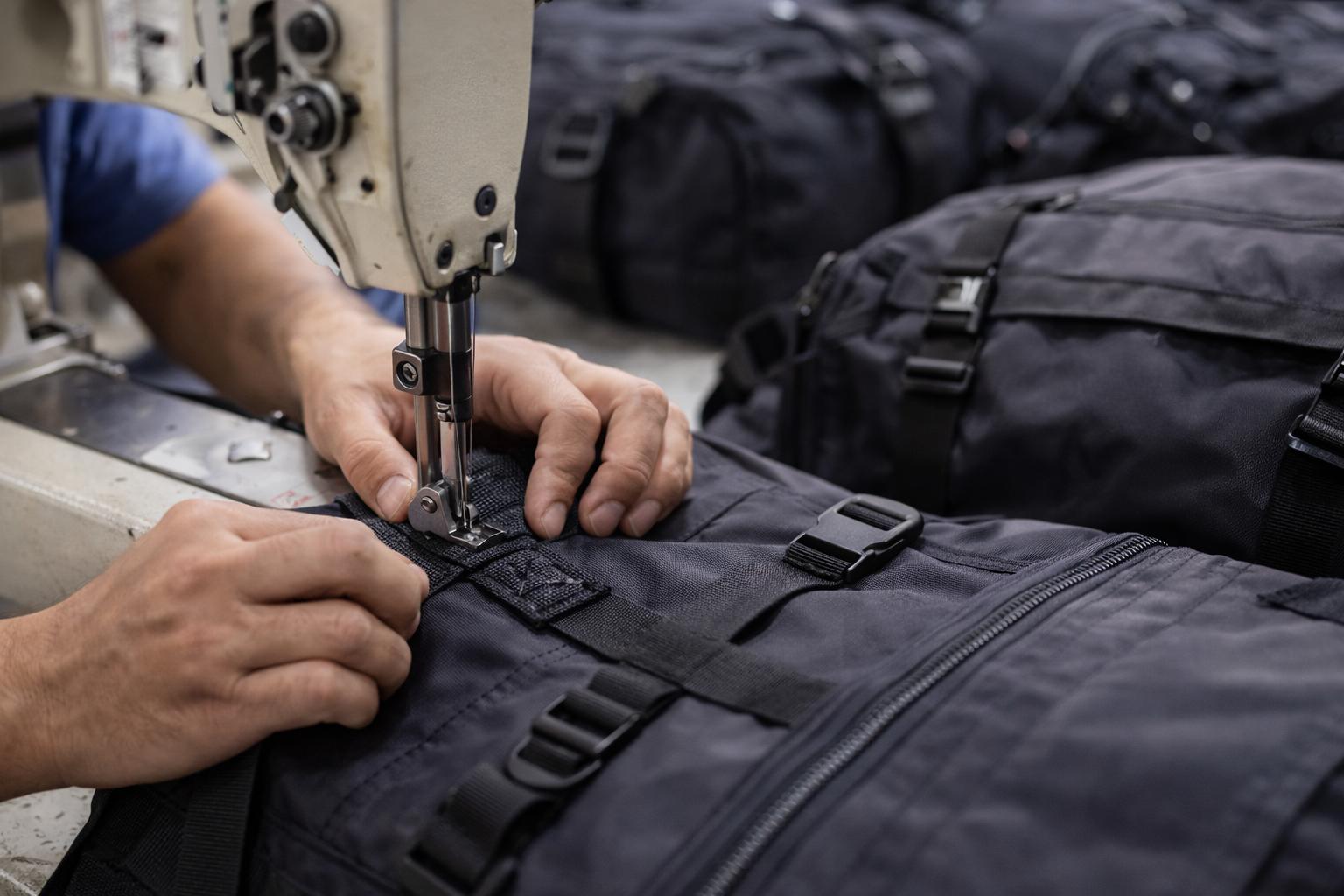
أعمال التعزيز التي تحدد المتانة: مثبتات الحزام، والطبقات السفلية، والغرز الحاملة.
نقاط التفتيش الثلاثة التي يجب عليك المطالبة بها
عادة ما تقوم الشركة المصنعة للحقائب الرياضية ذات المصداقية بتشغيل مراقبة الجودة كنظام، وليس كفحص نهائي. تريد:
فحص المواد الواردة: التحقق من gsm للنسيج، والطلاء، واتساق الألوان، ومجموعة السوستة.
الفحص المضمن: مشكلات شد غرزة الالتقاط، واختلال اللوحة، وإغفال التعزيز مبكرًا.
الفحص النهائي: أخذ عينات AQL مع تعريفات واضحة للعيوب.
إذا لم يتمكن المورد الخاص بك من شرح تصنيف عيوبه (حرجة/رئيسية/ثانوية) وتدفق إعادة العمل الخاص به، فأنت تعتمد على الحظ.
قياس الجودة: معدلات العيوب والشكل "الجيد".
في العديد من فئات السلع الخفيفة، يمكن للمشروع الذي يتم التحكم فيه جيدًا أن يحافظ على معدلات العيوب الإجمالية أقل من 2-3% للطلبات المجمعة النموذجية، مع معدلات أقل لأنماط التكرار الناضجة.
إذا رأيت أكثر من 5% من العيوب في حالات الفشل الوظيفي الأساسية (السحابات، والأشرطة، وفتحة التماس)، فهذا ليس "تباينًا عاديًا". هذه مشكلة عملية.
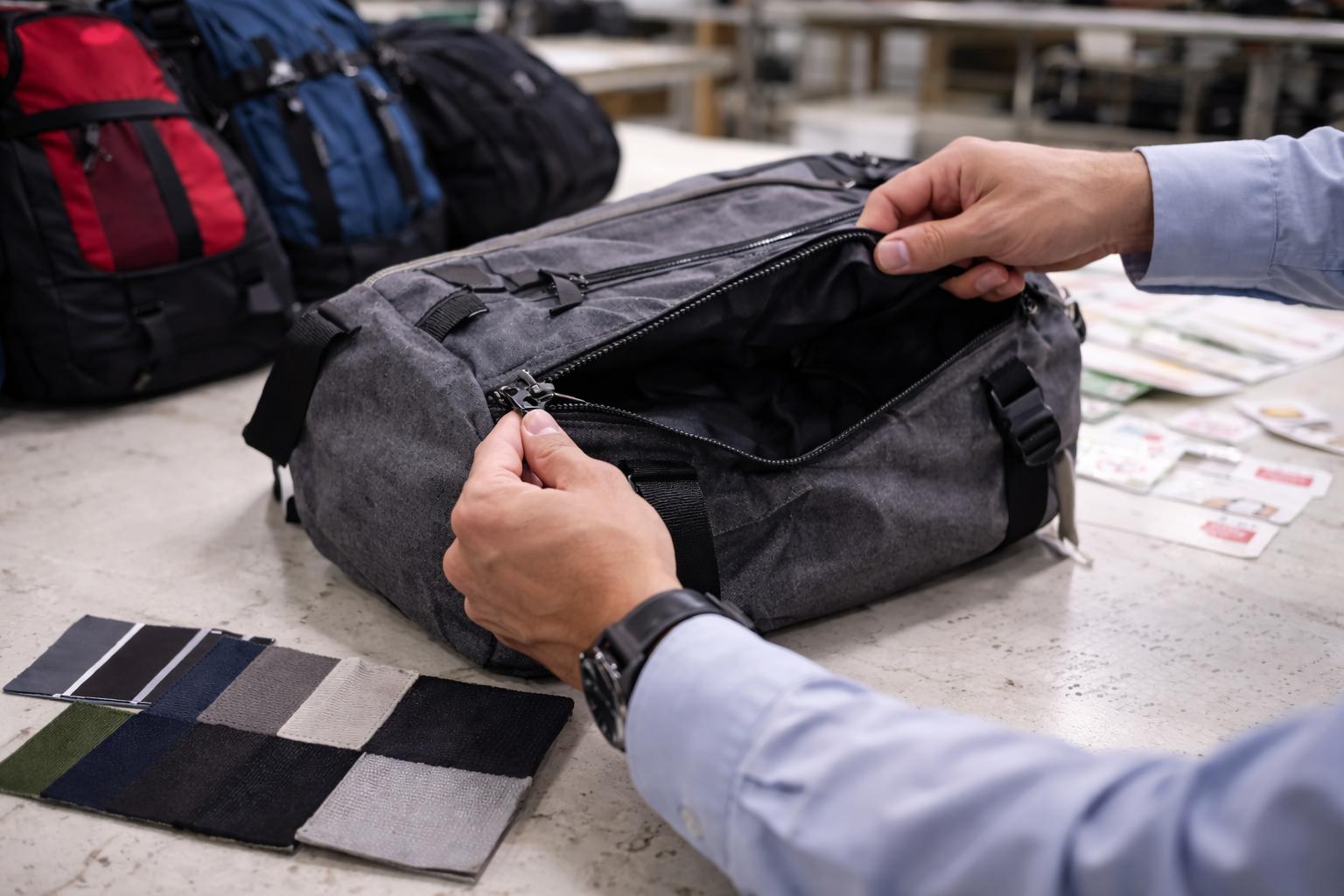
تمنع عمليات فحص السوستة "عينة جيدة وجزء سيء": سحب سلس ومحاذاة نظيفة وخياطة متينة قبل الشحن.
تطوير OEM/ODM: كيفية اختبار القدرة الحقيقية للشريك
عملية التطوير التي يجب عليك اتباعها
موثوقة حقيبة القماش الخشن الرياضية يجب أن يرشدك المصنع أو مورد حقيبة الصالة الرياضية إلى ما يلي:
مراجعة الحزمة الفنية وتأكيد BOM.
إنشاء النموذج والنموذج الأولي.
مراجعة الملاءمة والوظيفة: وضع الجيب، زوايا الفتح، الوصول إلى حجرة الأحذية، الراحة.
العينة الثانية مع التحسينات
عينة ما قبل الإنتاج مطابقة للمعايير المعتمدة.
الإنتاج بالجملة مع قفل قائمة مكونات الصنف (BOM) والتحكم في الإصدار.
أكبر فشل في تصنيع المعدات الأصلية هو فوضى الإصدار. إذا لم يتمكن المورد الخاص بك من تتبع أرقام الإصدارات والموافقات، فسيصبح طلبك المجمع منتجًا مختلفًا عن عينتك.
ما الذي يجب طرحه أثناء أخذ العينات لكشف الضعف
اطلب إجابات قابلة للقياس:
ما هي العلامة التجارية/المواصفات للسحاب ودورة الحياة المتوقعة؟
ما هو تصنيف قوة الشد حزام؟
ما هو نمط التعزيز المستخدم في مرساة الحزام وكم عدد الغرز لكل شريط؟
ما هو الهدف المسموح به للوزن النهائي لكل وحدة (على سبيل المثال ±3%)؟
ما هو معيار اختلاف اللون المقبول لكميات الأقمشة السائبة؟
يعتبر الموردون الذين يجيبون بالأرقام أكثر أمانًا من الموردين الذين يجيبون بالصفات.
اتجاهات الصناعة: ما يطلبه المشترون الآن (وسبب أهميته)
الاتجاه 1: طارد المياه الخالي من PFAS وتوقعات الكيمياء الأنظف
تطلب العلامات التجارية بشكل متزايد علاجات خالية من PFAS، خاصة بالنسبة للأقمشة المقاومة للماء والمواد المغلفة. ويرجع ذلك إلى الضغوط التنظيمية وسياسات متاجر التجزئة. وقد فرضت العديد من الولايات القضائية قيودًا تدريجية تؤثر على المنسوجات والمنتجات ذات الصلة، وتتحرك العلامات التجارية الكبرى قبل المواعيد النهائية لتجنب التعطيل.
إذا كان منتجك يعتمد على مقاومة الماء، فيجب عليك توضيح ما إذا كنت بحاجة إلى تشطيبات متينة طاردة للماء، الأقمشة المغلفة, أو الهياكل المصفحة - ثم قم بتأكيد موضع الامتثال كتابيًا.
الاتجاه 2: المواد المعاد تدويرها مع إمكانية التتبع
أقمشة rPET مطلوبة على نطاق واسع. لقد تحول قلق المشتري من "هل لديك قماش معاد تدويره" إلى "هل يمكنك إثبات ذلك". توقع طلبات الحصول على مستندات تتبع المواد والتحكم المتسق في الدُفعات.
الاتجاه 3: تصميم أخف وزنًا دون فقدان المتانة
تريد العلامات التجارية أكياسًا أخف وزنًا دون معدلات إرجاع أعلى. وهذا يدفع الموردين إلى تحسين الهيكل: التعزيز الاستراتيجي، ووضع الرغوة بشكل أفضل، وخيوط أقوى، وهندسة الجيب الأكثر ذكاءً بدلاً من مجرد تقليل GSM.
الاتجاه 4: أوامر دفعة أصغر مع تجديد أسرع
حتى المشترين بالجملة يقللون من مخاطر المخزون. وهذا يجعل استقرار العملية أكثر قيمة من أي وقت مضى: أنت تريد شريكًا يمكنه تكرار نفس الحقيبة مع نفس المواد عبر أوامر الشراء المتعددة.
التحقق من الواقع التنظيمي: ما يجب أن تخطط له
هذه ليست نصيحة قانونية، ولكن موضوعات الامتثال هذه تظهر بشكل متكرر في مصادر الحقائب الرياضية، خاصة في أسواق الاتحاد الأوروبي والولايات المتحدة.
الاتحاد الأوروبي: التزامات الاتصال الخاصة بـ REACH وSVHC
غالبًا ما تكون التزامات REACH مهمة بالنسبة للمقالات التي تحتوي على مواد مثيرة للقلق للغاية تتجاوز حدودًا معينة، بما في ذلك واجبات الاتصال عبر سلسلة التوريد.
بالنسبة للمشترين، تتمثل الخطوة العملية في مطالبة المورد الخاص بك بتأكيد الامتثال للمواد وتقديم إقرارات للمواد المحظورة ذات الصلة بالسوق الخاص بك.
الولايات المتحدة: اعتبارات التحذير الخاصة بمقترح كاليفورنيا رقم 65
تتم مناقشة الاقتراح 65 بشكل متكرر بالنسبة للمنتجات الاستهلاكية، بما في ذلك المنتجات التي قد تؤدي فيها مواد كيميائية معينة إلى متطلبات تحذيرية أو إعادة صياغة. غالبًا ما يدير المشترون المخاطر من خلال تحديد حدود المواد المقيدة في متطلبات المواد وطلب الاختبار عند الاقتضاء.
قيود PFAS: تجنب إعادة العمل المفاجئة
لقد تم توسيع القواعد المتعلقة بـ PFAS والتي تؤثر على المنسوجات. حتى لو كان الخاص بك حقيبة رياضية ليست "ملابس خارجية"، فالمعالجات والمواد المطلية يمكن أن تظل جزءًا من محادثة الامتثال. إن نصيحة المشتري بسيطة: إذا كانت مقاومة الماء مهمة، فتأكد من وضع PFAS مبكرًا، وليس بعد الموافقة على العينات.
إطار عمل المشتري: كيفية اختيار الشريك المناسب دون التخمين
الخطوة 1: تصنيف نوع المشروع الخاص بك
إذا كان مشروعك في المقام الأول عبارة عن OEM مع توسيع نطاق متكرر، فتعامل معه كشراكة تصنيع وأعط الأولوية للشركة المصنعة للحقائب الرياضية.
إذا كان مشروعك متعدد SKU، دفعة صغيرة، وتنوعًا كبيرًا، فقد تقلل الشركة التجارية من التعقيد.
إذا كان مشروعك يتضمن كليهما، فاستخدم نموذجًا مختلطًا: الأنماط الأساسية مباشرة من المصنع، والأنماط الطويلة من خلال شركة تجارية.
الخطوة 2: استخدم بطاقة الأداء (ولا تتخطى الأسئلة المملة)
نقاط الشركاء على:
استقرار BOM وانضباط التوثيق.
سرعة أخذ العينات مع التحكم في الإصدار.
نضج نظام مراقبة الجودة ومعالجة العيوب.
تخطيط القدرات ومصداقية المهلة الزمنية.
وضوح التواصل وسرعة الاستجابة.
الاستعداد للامتثال والتوثيق.
الخطوة 3: ابدأ بأمر شراء أول أكثر أمانًا
بالنسبة للطلب الأول، تجنب وضع كل المخاطر في دفعة واحدة. يبدأ العديد من المشترين بـ:
تشغيل تجريبي أصغر (على سبيل المثال 300-800 قطعة) للتحقق من الاتساق.
خطة تحمل مشددة: الوزن، كثافة الغرز، نقاط التعزيز.
اتفاقية فحص وإعادة صياغة AQL محددة.
إنه ليس ساحرًا، لكنه يتجنب قصة "لقد تعلمنا بالطريقة الصعبة".
النموذج الهجين: أفضل نهج عملي
عندما يعمل النموذج الهجين بشكل أفضل
يعمل النهج المختلط عندما يكون لديك:
واحد أو اثنين من أنماط الأبطال التي تحقق الإيرادات ويجب أن تظل متسقة.
ذيل من الأنماط الأصغر للحملات التسويقية أو الحزم أو الاختبار.
في هذا الإعداد:
تنتقل أنماط بطلك مباشرة إلى الشركة المصنعة للحقائب الرياضية لتحقيق الاستقرار.
يمكن دمج وحدات SKU التجريبية الخاصة بك بواسطة شركة تجارية.
المفتاح هو إجبار كلا المسارين على اتباع نفس نظام التوثيق: قائمة مكونات الصنف، وسجلات العينات المعتمدة، والتحكم في الإصدار، وتوقعات مراقبة الجودة.
الخلاصة: الشريك المناسب هو الذي يستطيع حل المشاكل بسرعة
نادرًا ما يكون الفرق بين مشروع المصادر الناجح والمشروع المؤلم هو العينة الأولى. هذا ما يحدث عندما يتغير شيء ما - اختلاف دفعة القماش، أو مشكلات إمداد السوستة، أو ضغط الإنتاج خلال موسم الذروة.
إذا كنت تريد التحكم والاتساق والجودة القابلة للتطوير، فاختر الشركة المصنعة للحقائب الرياضية التي تمتلك هذه العملية. إذا كنت بحاجة إلى السرعة والدمج والمرونة عبر العديد من وحدات SKU، فيمكن لشركة تجارية قوية أن تنجح - بشرط تطبيق التوثيق والمساءلة.
اختر الشريك الذي يمكنه حل المشكلات الحتمية بعدد أقل من عمليات التسليم، وأعذار أقل، وإجابات أكثر قابلية للقياس. سوف تشكرك نفسك المستقبلية (ومراجعات عملائك).
الأسئلة الشائعة
1) هل يجب أن أختار شركة مصنعة للحقائب الرياضية أو شركة تجارية لطلبي الأول؟
إذا كان طلبك الأول عبارة عن اختبار للسوق يحتوي على العديد من وحدات SKU وكميات صغيرة، فيمكن لشركة تجارية تبسيط عملية تحديد المصادر. إذا كان طلبك الأول هو بداية خط إنتاج قابل للتكرار، فاختر شركة مصنعة للحقائب الرياضية حتى تتمكن من قفل قائمة المواد، والتحكم في الجودة، وبناء سلسلة توريد مستقرة من اليوم الأول. بالنسبة لمعظم العلامات التجارية التي تخطط للمبيعات على المدى الطويل، يعد البيع المباشر من المصنع أكثر أمانًا لأن الفريق الذي يصنع الأكياس يمكنه أيضًا تصحيح المشكلات بسرعة أثناء أخذ العينات والإنتاج بالجملة.
2) كيف يمكنني التحقق من أن المورد هو مصنع حقيقي لحقائب القماش الخشن الرياضية وليس وسيطًا؟
اطلب أدلة تتوافق مع واقع الإنتاج: طاولات القطع وخطوط الخياطة في الفيديو المباشر، وسجلات الإنتاج الحديثة مع إخفاء التفاصيل الحساسة، وإجابات واضحة حول مواصفات الغرزة، وطرق التعزيز، ونقاط تفتيش مراقبة الجودة. يمكن لمصنع حقائب القماش الخشن الرياضي الحقيقي أن يشرح تفاصيل العملية مثل وضع الشريط واختيارات حجم الخيط ومواصفات السحاب وإجراءات الفحص المضمنة. إذا كانت كل إجابة تبدو وكأنها نسخة تسويقية ولا يستطيع أحد التحدث بالأرقام، فتعامل معها كإشارة خطر.
3) ما هي المواصفات التي يجب أن أقدمها لتقليل مشاكل الجودة في الإنتاج بالجملة؟
تقديم متطلبات قابلة للقياس، وليس فقط الصور. على الأقل، حدد نطاق منكر القماش الخارجي (على سبيل المثال 300D–900D)، ووزن القماش (جم)، ونوع الطلاء، ومقاومة الماء المستهدفة (مم الرأس الهيدروستاتيكي إذا كان ذلك مناسبًا)، وحجم السحاب، وعرض الحزام وتوقعات القوة، ونوع الخيط، ومتطلبات التعزيز عند مثبتات الحزام والألواح السفلية. حدد أيضًا التفاوتات المسموح بها مثل اختلاف الوزن النهائي واختلاف اللون المقبول وخطة فحص AQL. كلما كانت المواصفات أكثر وضوحا، كلما كان من الصعب على المنتج أن يتغير بهدوء.
4) ما هي نقاط الفشل الأكثر شيوعًا في حقائب الصالة الرياضية وحقائب الظهر الرياضية؟
تحدث معظم حالات الفشل عند نقاط الضغط وليس على سطح القماش الرئيسي. تشمل المشكلات الشائعة تمزق مثبتات الحزام بسبب ضعف القضبان، وفتح الدرزات السفلية بسبب عدم كفاية التعزيز، وفصل أسنان السحاب عن السحابات منخفضة الجودة، وانفصال حزام المقبض عن أنماط الخياطة السيئة. ترتفع أيضًا شكاوى الرائحة والنظافة عندما تحبس حجرات الأحذية الرطوبة دون تهوية. يعالج مورد حقيبة الصالة الرياضية القوي هذه النقاط من خلال تصميم التعزيز واختيار المواد ومراقبة الجودة المتسقة.
5) كيف تؤثر متطلبات PFAS والامتثال الكيميائي على مصادر الحقائب الرياضية؟
يمكن أن تؤدي التشطيبات المقاومة للماء والأقمشة المطلية إلى إثارة أسئلة تتعلق بالامتثال، خاصة مع توسع القيود المتعلقة بـ PFAS وسياسات متاجر التجزئة. يجب على المشترين تأكيد ما إذا كانت المواد خالية من PFAS عندما تكون مقاومة الماء مطلوبة، وطلب إقرارات مكتوبة وخطط اختبار تتماشى مع الأسواق المستهدفة. في الاتحاد الأوروبي، غالبًا ما تشير مناقشات الامتثال للمواد الكيميائية إلى التزامات الاتصالات الخاصة بـ REACH وSVHC، بينما يفكر المشترون في الولايات المتحدة كثيرًا في العرض 65 الخاص بالتعرض وإدارة المخاطر التحذيرية. إن النهج الأكثر أمانًا هو توضيح متطلبات الامتثال قبل أخذ العينات، وليس بعد جدولة الإنتاج.
المراجع
-
فهم REACH، والوكالة الأوروبية للمواد الكيميائية (ECHA)، والإرشادات التنظيمية للمواد الكيميائية في الاتحاد الأوروبي
-
قائمة المواد المرشحة ذات الاهتمام الكبير والالتزامات، الوكالة الأوروبية للمواد الكيميائية (ECHA)، نظرة عامة على التزامات الامتثال
-
تنشر ECHA مقترحًا محدثًا لتقييد PFAS، الوكالة الأوروبية للمواد الكيميائية (ECHA)، تحديث عملية التقييد
-
التخلص التدريجي من PFAS في صناعة النسيج، SGS، واعتبارات الامتثال والاختبار في المنسوجات
-
يبدأ الحظر على PFAS في المنسوجات والملابس في 1 يناير 2025، مورجان لويس، التحليل القانوني للقيود على مستوى الولاية
-
اقتراح كاليفورنيا رقم 65: إعادة صياغة الرصاص والفثالات في المنتجات الاستهلاكية، وSGS، وحدود الامتثال واعتبارات التحذير
-
الأسئلة المتداولة للشركات، مكتب كاليفورنيا لتقييم مخاطر الصحة البيئية (OEHHA)، الاقتراح 65 قابلية التطبيق وأساسيات التحذير
-
سيدخل الحظر الكيميائي إلى الأبد حيز التنفيذ في عام 2025: ماذا يوجد في ملابس فريقك، Stinson LLP، نظرة عامة على القيود المتعلقة بـ PFAS التي تؤثر على الملابس والحقائب
حلقة البصيرة الدلالية
ما هو الفرق الحقيقي بين الشركة المصنعة للحقائب الرياضية والشركة التجارية؟
والفرق العملي ليس "من يبيع" بل "من يسيطر". تتحكم إحدى الشركات المصنعة للحقائب الرياضية في الأنماط، وخطوات العملية، وقرارات شراء المواد، ونقاط فحص الجودة - حتى تتمكن من تصحيح المشكلات عند المصدر (شد الغرزة، والتعزيز، واختيار السوستة، ومحاذاة اللوحة). تتحكم شركة تجارية في التنسيق ومطابقة الموردين؛ يمكن أن يكون ممتازًا لدمج العديد من وحدات SKU، لكن ملكية الجودة تصبح غير واضحة ما لم يتم تأمين قائمة مكونات الصنف والإصدارات النموذجية وبوابات الفحص تعاقديًا.
لماذا غالبًا ما يخسر المشترون الذين يطاردون أقل الأسعار أموالهم لاحقًا؟
لأن التكلفة الخفية تظهر في حالات عدم الاتساق: الأقمشة المستبدلة، أو البطانات المنخفضة الجودة، أو الحزام الأضعف، أو السحابات غير المختبرة، أو تخطي محاذاة ما قبل الإنتاج. يمكن أن يؤدي تأرجح العيب بنسبة 2-6% إلى إعادة العمل، وتأخير عمليات الإطلاق، وإرجاع العملاء، وتلف التقييم. في السلع الخفيفة، عادةً ما يكون الخيار "الرخيص" رخيصًا لأنه ينقل المخاطر من المورد إلى علامتك التجارية - بهدوء.
كيف يمكنك تحويل المصادر من القائمة على الرأي إلى قابلة للقياس؟
يمكنك تحديد معلمات الأداء بدلاً من الصفات. على سبيل المثال: القماش الخارجي 300D–900D بوزن 220–420 جم/م2؛ مقاومة للماء برأس هيدروستاتيكي يصل إلى 1000-5000 مم عند الحاجة؛ تستهدف متانة التآكل 20.000-50.000 دورة مارتنديل؛ توقعات قوة الشد للحزام (عادةً 600-1200 كجم اعتمادًا على حمل التصميم)؛ اختيار حجم السحاب (#5-#10) مع أهداف دورة الحياة (غالبًا 5000-10000 دورة فتح/إغلاق). هذه الأرقام تجعل البدائل مرئية وقابلة للتنفيذ.
ما الذي يجب عليك مراعاته عند اختيار مورد حقيبة رياضية لتطوير OEM؟
يتم إثبات قيمة المورد من خلال كيفية إدارته للتغيير: التحكم في إصدار العينات، وتأكيد كتابي لقائمة مكونات الصنف، وعملية قابلة للتكرار من النموذج الأولي إلى عينة ما قبل الإنتاج إلى الكمية الكبيرة. يمكن للشريك المتمكن أن يشرح أين تفشل الحقائب الرياضية (مثبتات الأشرطة، الدرزات السفلية، أطراف السوستة) وكيف يصممون الوقاية (كثافة القضبان، شريط التعزيز، مقاس الخيوط، خيارات بناء الدرزات). إذا لم يتمكنوا من التحدث في "العملية + الأرقام"، فلن يتمكنوا من التوسع بشكل موثوق.
ما هو الخيار الأفضل عندما تحتاج إلى الاستقرار والمرونة؟
غالبًا ما يكون النموذج المختلط هو الأكثر مرونة: قم بوضع وحدات SKU الرئيسية (الأنماط التي تحقق معظم الإيرادات) مباشرةً مع الشركة المصنعة للحقائب الرياضية لضمان الاتساق؛ استخدم شركة تجارية للحصول على وحدات SKU والحزم واختبارات السوق طويلة الذيل. القاعدة غير القابلة للتفاوض هي تناسق الوثائق عبر كلا المسارين: نفس تنسيق قائمة مكونات الصنف، ونفس سجلات الموافقة، ونفس معيار الفحص، ونفس قواعد التحكم في التغيير.
كيف تغير الاتجاهات قرار "الشريك المناسب" في عام 2025 وما بعده؟
يطالب المشترون بشكل متزايد بطارد الماء الخالي من PFAS، والأقمشة المعاد تدويرها مع إمكانية التتبع، والبنيات خفيفة الوزن التي لا تزال تتحمل التآكل والحمل في العالم الحقيقي. وهذا يدفع المصادر نحو الشركاء الذين يمكنهم توفير الوثائق المادية، والموردين المستقرين، ومراقبة الجودة القابلة للتكرار. كلما زاد تشديد توقعات الامتثال والاستدامة، أصبح التحكم والتوثيق على مستوى المصنع من المزايا التنافسية بدلاً من "العمل الإضافي".
ما هي الاعتبارات التنظيمية التي ينبغي التعامل معها باعتبارها متطلبات مرحلة مبكرة، وليس باعتبارها متطلبات لاحقة؟
إذا كان تعرضك للسوق يشمل الاتحاد الأوروبي، فإن واجبات الاتصال الخاصة بـ REACH/SVHC يمكن أن تؤثر على اختيار المواد والتوثيق. إذا كنت تبيع منتجاتك في الولايات المتحدة، فإن الاقتراح 65 لإدارة المخاطر يمكن أن يشكل توقعات المواد المقيدة وقرارات الاختبار. يمكن أن تؤثر القيود المتعلقة بـ PFAS وسياسات بائعي التجزئة على التشطيبات والمواد المطلية المقاومة للماء. تعامل مع هذه الأمور باعتبارها مدخلات مصادر قبل أخذ العينات - لأنه بمجرد الموافقة على العينة، يصبح كل تغيير مادي مكلفًا وبطيئًا ومحفوفًا بالمخاطر.
ما هي أبسط خطوة تالية "آمنة للمشتري" بعد قراءة هذا الدليل؟
ابدأ بأمر شراء أولي يتم التحكم فيه والذي يتحقق من صحة الاتساق، وليس المظهر فقط. استخدم تشغيلًا تجريبيًا (على سبيل المثال 300-800 قطعة)، واطلب قفل قائمة مكونات الصنف وإصدار العينة، وقم بفرض ثلاث بوابات لمراقبة الجودة: المواد الواردة، والفحوصات المضمنة، وأخذ عينات AQL النهائية. يقلل هذا الأسلوب من احتمالية الحصول على "عينة جيدة وجزء سيء"، وهو السبب الأكثر شيوعًا لفشل مشاريع شراء الحقائب الرياضية.