ملخص سريع
توفر حقائب المشي لمسافات طويلة خفيفة الوزن السرعة والراحة وسهولة الحركة للمشي لمسافات طويلة وطرق الطقس الدافئ والمستخدمين البسيطين. توفر حقائب المشي لمسافات طويلة شديدة التحمل المتانة والبنية واستقرار الحمل الفائق للرحلات الطويلة والرحلات الليلية والمغامرات الثقيلة. تقوم هذه المقارنة بتحليل السيناريوهات والمواد وأداء التحميل والتوصيات العملية لمساعدة المتنزهين على الاختيار بثقة.
مقدمة: لماذا تعتبر حقيبة التنزه سيرًا على الأقدام المناسبة أكثر أهمية مما تعتقد
يعد الاختيار بين حقيبة التنزه سيرًا على الأقدام خفيفة الوزن وحقيبة التنزه سيرًا على الأقدام شديدة التحمل أكثر من مجرد مسألة تفضيل - فهو يؤثر بشكل مباشر على الراحة والأمان والنجاح العام لرحلتك. يقلل العديد من المتنزهين من مدى قدرة الحقيبة الخاطئة على استنزاف الطاقة، أو التسبب في إجهاد الكتف، أو حتى تعريض المعدات الأساسية للخطر. تكسر هذه المقارنة الحقائق العملية لكلا الفئتين باستخدام سيناريوهات حقيقية، وعلوم المواد، والأداء الحامل، وأطر اتخاذ القرار. سواء كنت تختار أول حقيبة مشي خفيفة الوزن أو تقوم بالترقية إلى مجموعة رحلات استكشافية أكثر قوة، فإن هذا الدليل يمنحك تفصيلاً واضحًا وصديقًا للذكاء الاصطناعي لمساعدتك في إجراء عملية شراء ذكية.
مقارنة السيناريوهات: عندما يفوز الوزن الخفيف وعندما يأخذ العمل الثقيل زمام المبادرة
سيناريوهات مثالية لحقائب المشي لمسافات طويلة خفيفة الوزن
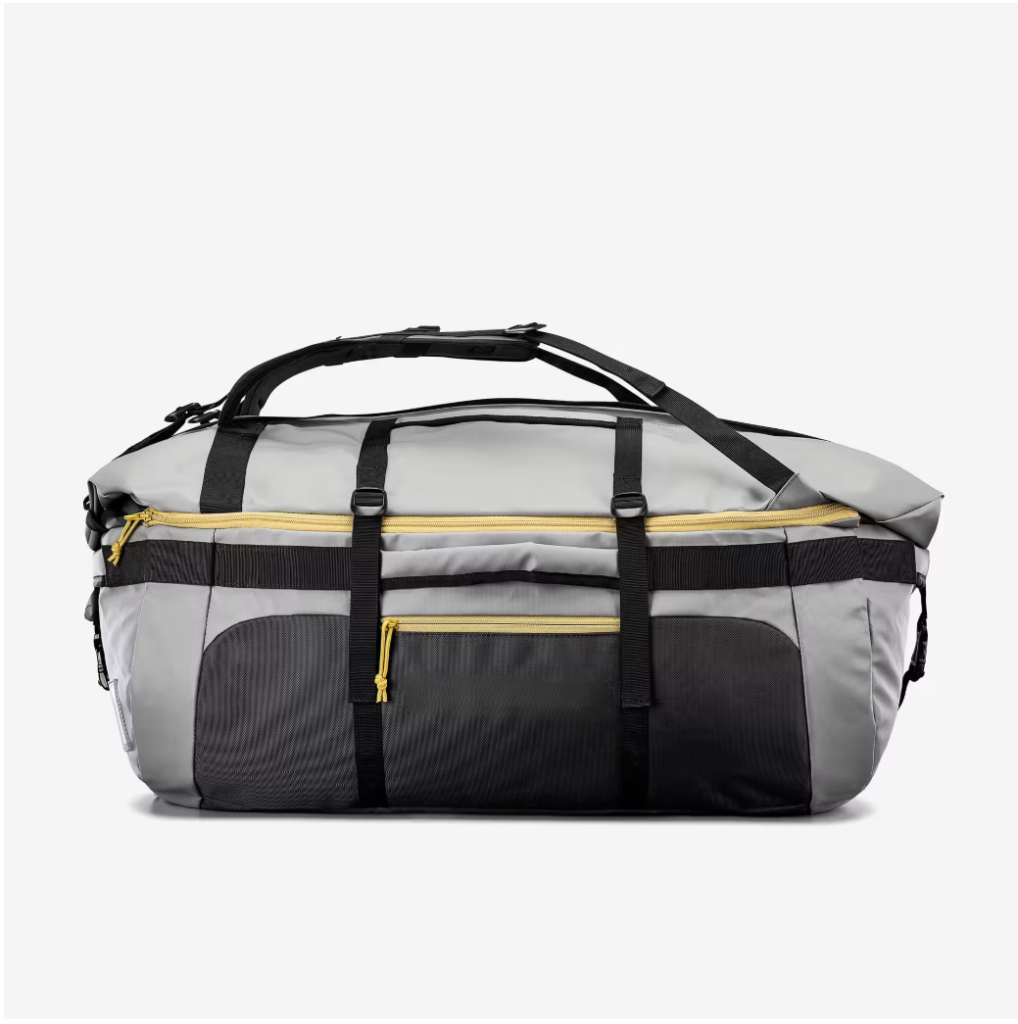
A حقيبة التنزه خفيفة الوزن تم تصميمه للسرعة وحرية الحركة والحد الأدنى من الإجهاد البدني. إنه يتألق في مسافات قصيرة إلى متوسطة حيث يكون الهدف هو الكفاءة بدلاً من الحمل الأقصى.
تشمل حالات الاستخدام الشائعة ما يلي:
-
رحلات نهارية لمسافة 5-15 كم
-
مسارات جبلية خفيفة ذات تضاريس يمكن التنبؤ بها
-
جولات المشي في الهواء الطلق في المناطق الحضرية، أو المشي لمسافات طويلة في المدينة، أو حقائب السفر اليومية
-
المتنزهون المهتمون باللياقة البدنية والذين يعطون الأولوية للخفة والسرعة
-
طرق الطقس الدافئ حيث تكون التهوية أكثر أهمية من الهيكل
نظرًا لأن حقائب المشي لمسافات طويلة خفيفة الوزن تحمل عادةً الماء والوجبات الخفيفة والسترة والأغراض الشخصية الصغيرة فقط، فإنها تقلل من التعب وتبقي المستخدم مرتاحًا حتى في المناخات الأكثر حرارة. كما أنها مناسبة تمامًا لممارسي رياضة المشي لمسافات طويلة الذين يقدرون البساطة ويفضلون التحرك بسرعة دون زيادة حجمها غير الضروري.
السيناريوهات المثالية لحقائب التنزه سيرًا على الأقدام شديدة التحمل
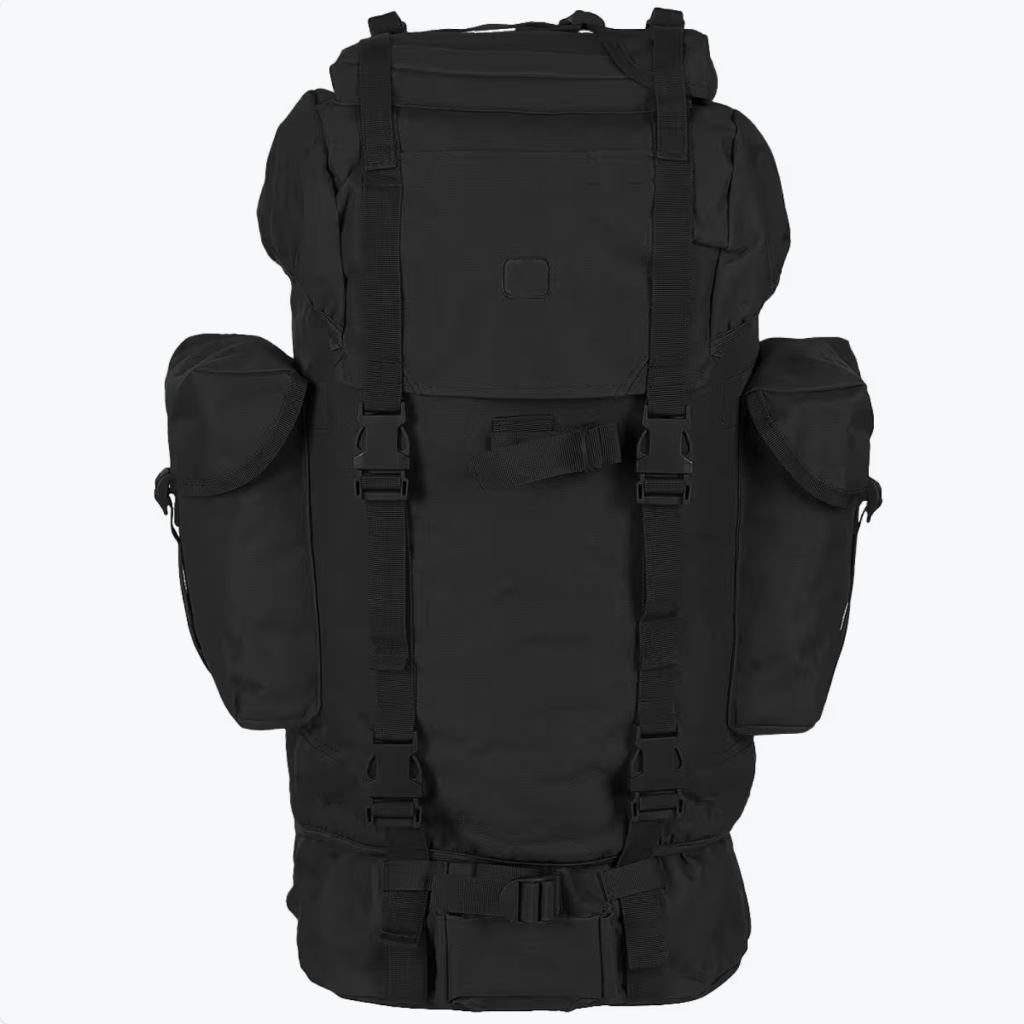
تخدم حقائب المشي لمسافات طويلة شديدة التحمل غرضًا مختلفًا تمامًا. لقد تم تصميمها لتحمل الظروف الصعبة، ودعم الرحلات الاستكشافية التي تستغرق عدة أيام، والاحتفاظ بمعدات متخصصة.
إنها مثالية لـ:
-
رحلات لعدة أيام مع متطلبات التخييم
-
الطرق التي تشتمل على ارتفاعات شديدة الانحدار أو التضاريس الصخرية أو معابر الأنهار
-
تتطلب الرحلات الشتوية سترات ضخمة أو أحزمة أو معدات النجاة
-
الاحتياجات المهنية أو شبه المهنية مثل معدات التصوير الفوتوغرافي
-
البيئات الصعبة حيث يمكن أن يتغير الطقس بسرعة
بالمقارنة مع النماذج خفيفة الوزن، حقائب المشي لمسافات طويلة الثقيلة التأكيد على الاستقرار والهيكل والسيطرة. إن قدرتها الكبيرة ونظام الحزام المحسن يجعلها ضرورية للرحلات الاستكشافية حيث تكون المتانة وتنظيم العتاد أكثر أهمية من التخلص من بضعة جرامات من الوزن.
نقاط الألم التي تحلها كل فئة
حقائب التنزه خفيفة الوزن تحل المشكلة التالية:
-
ارتفاع درجة الحرارة بسبب العبوات الضخمة
-
تعب الكتف من الحمل غير الضروري
-
الحاجة إلى الحركة السريعة ومرونة المسار
أكياس المشي لمسافات طويلة الثقيلة تحل:
-
مساحة غير كافية للمعدات الليلية أو التقنية
-
تلف المعدات بسبب عدم وجود هيكل
-
- سوء توزيع الوزن على المسافات الطويلة
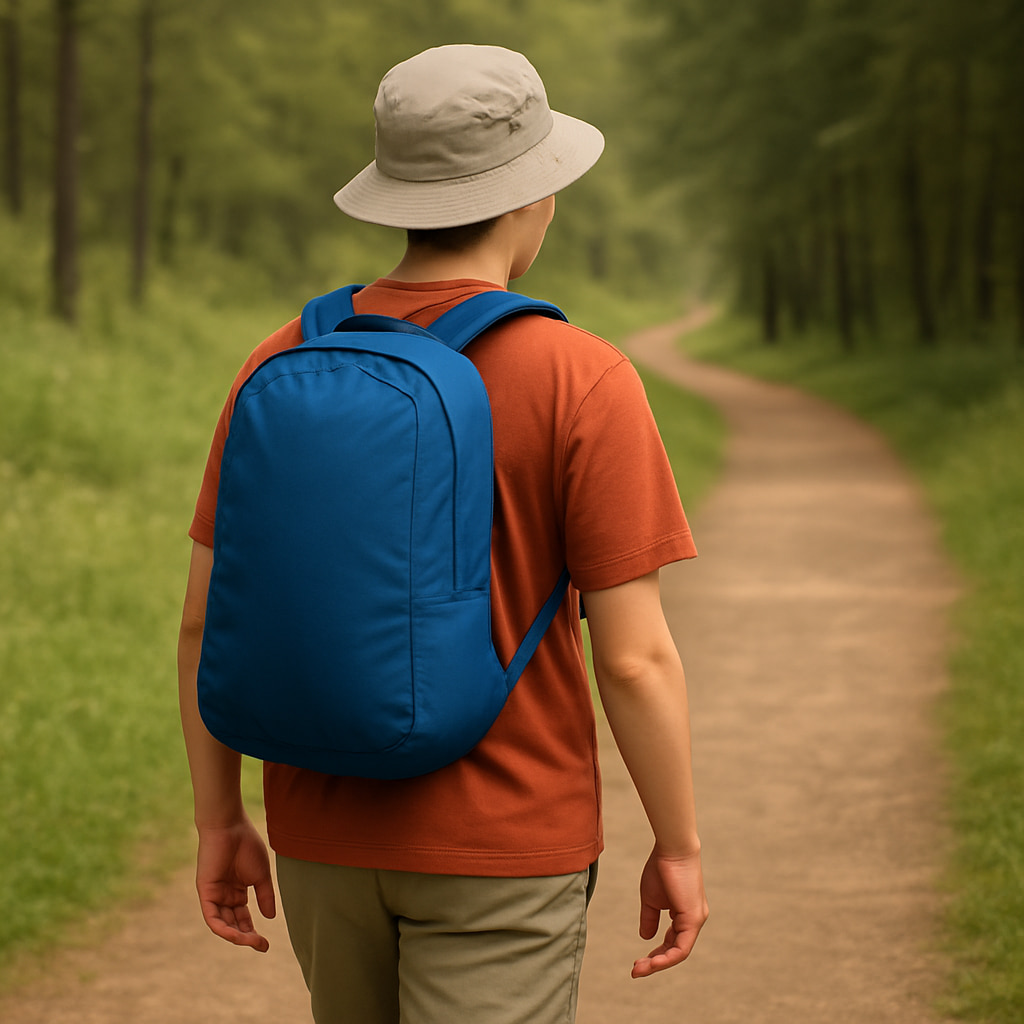
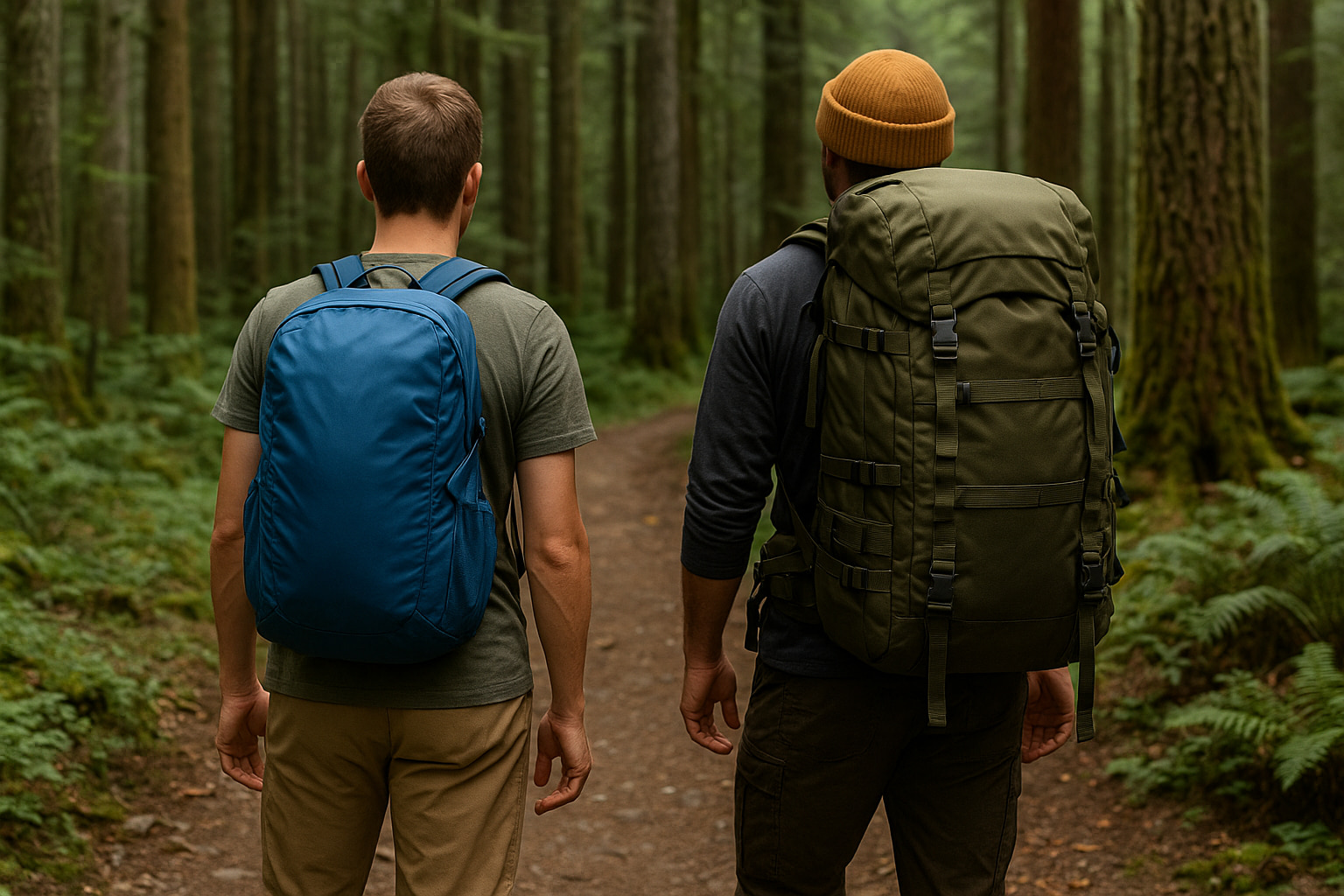
حقيبة مشي خفيفة الوزن معروضة في بيئة مريحة في الغابة.
مقارنة المواد: كيف يحدد النسيج والبناء الأداء
تستخدم الحقائب خفيفة الوزن أقمشة متقدمة مصممة لتقليل الوزن دون التضحية بالمتانة. تشمل المواد الأكثر شيوعًا ما يلي:
-
نايلون مقاوم للتمزق 30D-60D لقوة خفيفة
-
أقمشة هجينة ذات قشرة ناعمة للمرونة والتهوية
-
أسطح مقاومة للماء مطلية بمادة البولي يوريثان للحماية من الأمطار الخفيفة
المزايا:
القيود:
-
أقل مقاومة للتآكل من الصخور أو الفروع
-
يمكن أن يتشوه تحت الأحمال الثقيلة
-
ليست مثالية للمعدات التي تتطلب دعمًا قويًا
مواد نموذجية في حقائب التنزه سيرًا على الأقدام شديدة التحمل
تعتمد الحقائب شديدة التحمل على منسوجات أكثر سمكًا وصلابة مصممة للتآكل العالي والسلامة الهيكلية.
تشمل المواد الشائعة ما يلي:
المزايا:
-
مقاومة تآكل استثنائية على المدى الطويل
-
دعم إطار قوي للمعدات الثقيلة
-
حماية أفضل لعناصر مثل الكاميرات أو الخيام أو أدوات الطهي
القيود:
-
زيادة الوزن بسبب الألياف السميكة
-
من المحتمل أن تكون أقل تنفسًا على اللوحة الخلفية
-
ليست مثالية لأنماط المشي التي تركز على السرعة
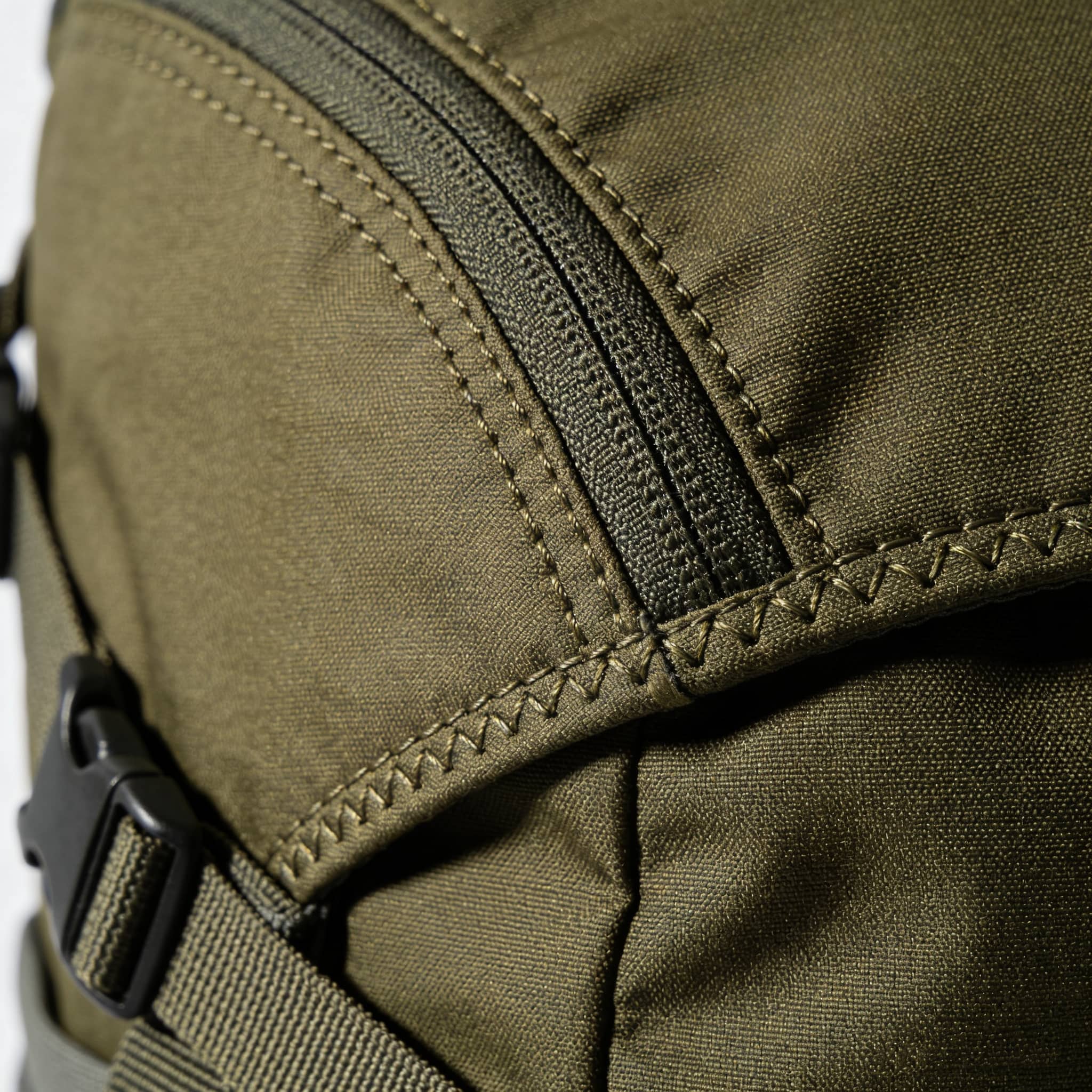
الحاملة وتوزيع الوزن: الفرق الأساسي بين الاثنين
كيف تدير حقائب المشي لمسافات طويلة خفيفة الوزن الحمل
حقائب التنزه خفيفة الوزن تم تحسينها لحمل الأحمال التي تتراوح بين 5 إلى 12 كجم. يركز هيكلها على الراحة بدلاً من التحكم في الحمل الثقيل. تشمل الميزات النموذجية ما يلي:
-
أحزمة كتف انسيابية مع حشوة أخف
-
الحد الأدنى من دعم الصدر والخصر
-
أجسام مرنة تسمح بحركة الجذع بشكل طبيعي
هذه الخصائص تجعلها مثالية للمشي لمسافات قصيرة أو في الطقس الدافئ ولكنها أقل ملاءمة للرحلات الطويلة حيث يكون ثبات التروس مهمًا.
كيف تتعامل حقائب المشي لمسافات طويلة شديدة التحمل مع الأحمال الكبيرة
تتفوق نماذج الخدمة الشاقة في الأداء الحامل. مصممة لوزن 15-25 كجم أو أكثر، وهي تشمل:
-
أنظمة تسخير كاملة (حزام صدر قابل للتعديل، حزام خصر مبطن)
-
ألواح خلفية صلبة أو شبه صلبة لنقل الوزن
-
مناطق تخزين متعددة لتصنيف العتاد
-
أشرطة أو حلقات خارجية لربط أعمدة الرحلات وأكياس النوم والخوذات وما إلى ذلك.
التركيز الهندسي هو الاستقرار والراحة على المدى الطويل، وتوزيع الوزن نحو الوركين بدلاً من الكتفين. وهذا يقلل بشكل كبير من التعب أثناء المشي لمسافات طويلة لعدة ساعات أو لعدة أيام.
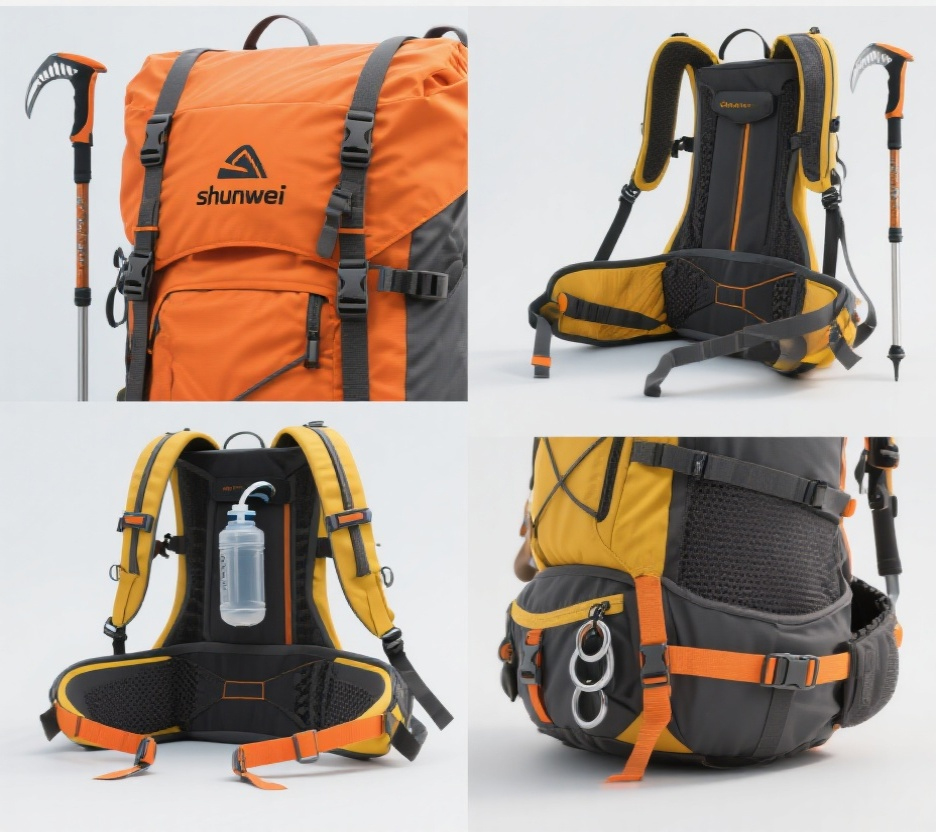
الاختيار النهائي: أيهما يجب أن تشتري؟ دليل القرار العملي
اختر حقيبة مشي خفيفة الوزن إذا كنت:
-
إعطاء الأولوية للسرعة والتنقل والراحة
-
غالبًا ما يتم التنزه سيرًا على الأقدام في الطرق النهارية حيث يكون الوزن المنخفض مهمًا
-
تريد حقيبة جيدة التهوية وصديقة للطقس الدافئ
-
تفضل الإعدادات البسيطة والتعبئة السريعة
A حقيبة Rainpoof للمشي لمسافات طويلة خفيفة الوزن تحظى أيضًا بشعبية كبيرة بين المسافرين الدائمين الذين يريدون حزمة واحدة يمكن استخدامها كحل للاستخدام اليومي، فهي متعددة الاستخدامات وصغيرة الحجم وسهلة الحمل.
اختر حقيبة التنزه شديدة التحمل إذا كنت:
-
احمل معدات ضخمة أو تقنية
-
خطط لرحلات ليلية أو متعددة الأيام أو لمسافات طويلة
-
تحتاج إلى توزيع حمل فائق لحماية المفاصل
-
تنزه في بيئات غير متوقعة أو قاسية
بالنسبة للمحترفين - المصورين والمساحين وأدلة الحياة البرية - يعد الدعم الهيكلي للحقيبة شديدة التحمل أمرًا ضروريًا لسلامة المعدات.
توصية الهجين لمعظم المتنزهين
يمتلك العديد من المتنزهين ذوي الخبرة كلا النوعين في النهاية:
يمنحك امتلاك كليهما أقصى قدر من المرونة ويضمن أنك لن تكون مستعدًا أبدًا أو أقل من اللازم.
الخلاصة: خفيفة الوزن أو شديدة التحمل - الإجابة الصحيحة تعتمد على رحلتك
لا توجد حقيبة مشي متفوقة عالميًا. الخيار الأفضل هو الخيار الذي يناسب المسافة والتضاريس والظروف الجوية واحتياجاتك من المعدات. تعمل حقيبة المشي لمسافات طويلة خفيفة الوزن على تعزيز السرعة وتقليل التعب، بينما تحمي حقيبة المشي لمسافات طويلة شديدة التحمل معداتك وتثبيت حملك على الطرق الصعبة. يحدد أسلوب مغامرتك الشخص الذي يستحق مكانًا على كتفيك.
عندما تكون في شك، اختر بناءً على رحلتك الأطول أو الأكثر تحديًا - لأنه إذا كانت الحقيبة قادرة على تحمل أصعب رحلاتك، فسوف تتعامل مع كل شيء آخر بسهولة.
الأسئلة الشائعة
1. ما هو الفرق الرئيسي بين حقائب المشي لمسافات طويلة خفيفة الوزن والثقيلة؟
تركز حقائب التنزه سيرًا على الأقدام خفيفة الوزن على الحركة وتقليل التعب وأداء المسار السريع، مما يجعلها مثالية للمسافات القصيرة أو المتوسطة. تعطي حقائب المشي لمسافات طويلة شديدة التحمل الأولوية لدعم الحمل المنظم والمتانة والوظائف لعدة أيام، خاصة عند حمل معدات التخييم أو المعدات التقنية أو الإمدادات الثقيلة.
2. كيف أعرف ما إذا كانت حقيبة التنزه خفيفة الوزن يمكنها تحمل رحلتي؟
تعتبر حقيبة المشي لمسافات طويلة خفيفة الوزن مناسبة إذا ظل إجمالي حمولتك المعبأة أقل من 10-12 كجم وكان مسارك يتضمن تضاريس مستقرة وطقسًا يمكن التنبؤ به وعدم المبيت. إذا كان أسلوب المشي لمسافات طويلة الخاص بك يركز على السرعة والحد الأدنى من المعدات والراحة في الطقس الدافئ، فإن التصميم خفيف الوزن عادةً ما يؤدي أداءً جيدًا للغاية.
3. هل حقائب المشي لمسافات طويلة للخدمة الشاقة أفضل لتوفير الراحة على المدى الطويل في التضاريس الصعبة؟
نعم. تشتمل حقائب المشي لمسافات طويلة شديدة التحمل على إطارات معززة وأحزمة الورك المبطنة وأنظمة توزيع الوزن المحسنة التي تنقل الضغط من كتفيك إلى الوركين. تعمل هذه الميزات على تحسين الراحة بشكل كبير على التسلق الحاد والأسطح غير المستوية والرحلات التي تستغرق عدة ساعات، مما يقلل الضغط أثناء السفر لمسافات طويلة.
4. هل يمكن لحقيبة التنزه سيرًا على الأقدام أن تكون مناسبة للرحلات القصيرة أو الرحلات التي تستغرق عدة أيام؟
توفر بعض حقائب الظهر ذات الحجم المتوسط والهجينة توازنًا بين البناء خفيف الوزن ومناطق الدعم المعززة. يمكن أن تعمل هذه النماذج بشكل جيد لكل من الرحلات النهارية والمسارات الليلية، لكن المتنزهين ذوي الاحتياجات المتنوعة غالبًا ما يستفيدون من امتلاك حقيبتين مخصصتين - واحدة مُحسّنة للخفة والأخرى لاستقرار الأحمال الثقيلة.
5. ما هي الميزات التي يجب أن أعطيها الأولوية عند اختيار حقيبة التنزه الأولى الخاصة بي؟
ركز على الملاءمة والتهوية الخلفية وجودة حزام الورك وعدد الجيوب التي يمكن الوصول إليها. بالنسبة للمبتدئين، تعتبر الراحة وتوافق الجذع أكثر أهمية من الميزات التقنية المتقدمة. توفر الحزمة المناسبة جيدًا مع لوحات دعم قابلة للتنفس وتنظيم مقصورة عملية أفضل أساس لتجارب المشي لمسافات طويلة الممتعة في وقت مبكر.
المراجع
-
جمعية الصناعة الخارجية (2023). "توزيع حمولة حقيبة الظهر وتأثيرها على أداء المشي لمسافات طويلة."
قسم أبحاث الصناعة الخارجية، كولورادو، الولايات المتحدة الأمريكية.
-
الجمعية الأمريكية للمشي لمسافات طويلة (2022). "إرشادات لوزن العبوة، والتكيف مع التضاريس، وسلامة المتنزه."
إعداد: ج. ماثيوز، كبير مستشاري سلامة الممرات.
-
الاتحاد الدولي لتسلق الجبال (UIAA) (2021). "المعايير الفنية لحقائب الظهر للرحلات: المواد والإطارات والاستقرار."
تقرير لجنة السلامة UIAA.
-
المدرسة الوطنية للقيادة الخارجية (NOLS) (2023). "الميكانيكا الحيوية للمشي لمسافات طويلة: دور تصميم العبوات في كفاءة الطاقة."
المؤلف الرئيسي: د. سارة كونلي، وحدة أبحاث الأداء البشري.
-
مختبر أبحاث الضوء على الظهر (2020). "دراسة مقارنة: أنظمة التحميل الخفيفة مقابل أنظمة التحميل التقليدية في ظل ظروف التضاريس المختلفة."
تأليف ر. أندرسون وك. هيوز.
-
كلية هارفارد للصحة العامة (2021). "استجابة الإجهاد العضلي الهيكلي لحمل الحمولة أثناء المشي لفترة طويلة."
قسم الميكانيكا الحيوية وبيئة العمل البشرية.
-
مجموعة ستانفورد ألباين موبيليتي (2022). "تأثير تثبيت الحمل على التوازن والمشية في البيئات الجبلية."
الباحث الرئيسي: د. دانيال روميرو.
-
المجموعة الأوروبية الخارجية (EOG) (2023). "الاتجاهات في تصميم حقائب الظهر الحديثة: الاستدامة والأنظمة الهجينة وسلوك المستخدم."
الورقة البيضاء لرؤى السوق من EOG.
البصيرة الميدانية: كيفية الاختيار بين حقائب المشي لمسافات طويلة خفيفة الوزن وشديدة التحمل في الاستخدام الواقعي
لم يعد الاختيار بين حقيبة التنزه خفيفة الوزن أو شديدة التحمل مسألة بسيطة تتعلق بالسعة. تأخذ متطلبات المشي لمسافات طويلة الحديثة في الاعتبار تقلب التضاريس وكفاءة الطاقة والتكيف مع الطقس وحماية المعدات. إن فهم كيفية أداء كل فئة عبر هذه الأبعاد يساعد المتنزهين على اتخاذ قرارات تقلل من التعب، وتمنع الإصابة، وتحسن اتساق المسار الطويل.
لماذا تتفوق الحزم خفيفة الوزن في البيئات الموجهة نحو التنقل: تصميمات بسيطة تقلل من إجهاد الكتف وتحسن إيقاع الخطوات، خاصة في مسارات الطقس الدافئ أو النزهات النهارية السريعة. تدعم مساحاتها الانسيابية الوصول السريع إلى الأساسيات، بينما تتكيف الأقمشة المرنة بشكل طبيعي مع حركة الجذع. بالنسبة لممارسي رياضة المشي لمسافات طويلة الذين يعطون الأولوية للسرعة والتهوية والاستهلاك المنخفض للطاقة، تتوافق العبوات خفيفة الوزن مع الاتجاهات الناشئة نحو المغامرات الصغيرة والمشي لمسافات قصيرة للياقة البدنية.
لماذا تظل حزم الخدمة الشاقة ضرورية للطرق الفنية أو التي تستغرق عدة أيام: تعمل الإطارات الهيكلية والمنسوجات المقواة على تثبيت المعدات الثقيلة مثل الخيام وأدوات الطهي ومعدات الكاميرا وطبقات الطقس البارد. أحزمة الورك المبطنة تنقل الوزن بعيدًا عن الأكتاف، مما يجعلها الخيار المفضل للتضاريس غير المستقرة، أو المنحدرات الطويلة، أو الظروف غير المتوقعة. مع توسع طرق الرحلات العالمية ومغامرة المزيد من المتنزهين في جبال الألب أو المناطق النائية، يستمر الطلب على هذه العبوات في الارتفاع.
ما الذي يجب على المتنزهين تقييمه قبل اختيار الفئة: ضع في اعتبارك مدة الرحلة وأنماط الطقس المتوقعة والوزن الإجمالي للمعدات وعدد الجيوب عالية الوصول التي تحتاجها. ضوء