لماذا أصبحت الراحة في حقيبة الظهر للمشي لمسافات طويلة تحديًا هندسيًا
تم التعامل مع راحة حقيبة الظهر الخاصة بالمشي لمسافات طويلة على أنها مشكلة ذاتية ناعمة يتم حلها بواسطة رغوة أكثر سمكًا وأحزمة كتف أوسع. واليوم، لم يعد هذا الافتراض قائما. مع امتداد مسارات المشي لمسافات طويلة، يصبح المناخ أكثر دفئًا، ويحمل المستخدمون معدات أثقل أو أكثر تقنية، وقد تحول الانزعاج من كونه مشكلة تتعلق بالتسامح إلى محدد للأداء.
أصبح تراكم العرق في الظهر، ونقاط الضغط الموضعية، والتعب في أسفل الظهر من بين الشكاوى الأكثر شيوعًا التي أبلغ عنها المتنزهون لمسافات طويلة. تظهر الملاحظات الميدانية أنه عندما ترتفع درجات حرارة السطح الخلفي بأكثر من 3-4 درجات مئوية مقارنة بالظروف المحيطة، يمكن أن يزيد الجهد المبذول بنسبة تزيد عن 15%، حتى عندما يظل الحمل الإجمالي دون تغيير.
هذا هو السبب أنظمة خلفية جيدة التهوية لـ حقائب الظهر للمشي لمسافات طويلة لم تعد ميزات التصميم الاختيارية. إنها تمثل استجابة هيكلية للإدارة الحرارية، ونقل الوزن، والحركة الديناميكية بدلاً من الترقية التجميلية. من وجهة نظر التصنيع، أصبحت الراحة نظامًا هندسيًا متجذرًا في فيزياء تدفق الهواء، وعلوم المواد، والميكانيكا الحيوية البشرية.
ما الذي يعنيه نظام الظهر جيد التهوية حقًا في حقائب الظهر المخصصة للمشي لمسافات طويلة
تعريف نظام اللوحة الخلفية لحقيبة الظهر
نظام اللوحة الخلفية لحقيبة الظهر هو الواجهة بين جسم الإنسان والهيكل الحامل للحقيبة. وهي تتضمن طبقات حشو، ومواد شبكية أو فاصلة، وإطارات داخلية، والهندسة التي تتحكم في كيفية اتصال العبوة بظهر مرتديها.
يقوم نظام خلفي جيد التهوية بتعديل هذه الواجهة من خلال إدخال مسافات يمكن التحكم فيها ومسارات تدفق الهواء. بدلاً من الاستلقاء بشكل مسطح على الظهر، يتم فصل جسم العبوة جزئيًا، مما يسمح للهواء بالدوران وتبديد الحرارة بشكل أكثر كفاءة.
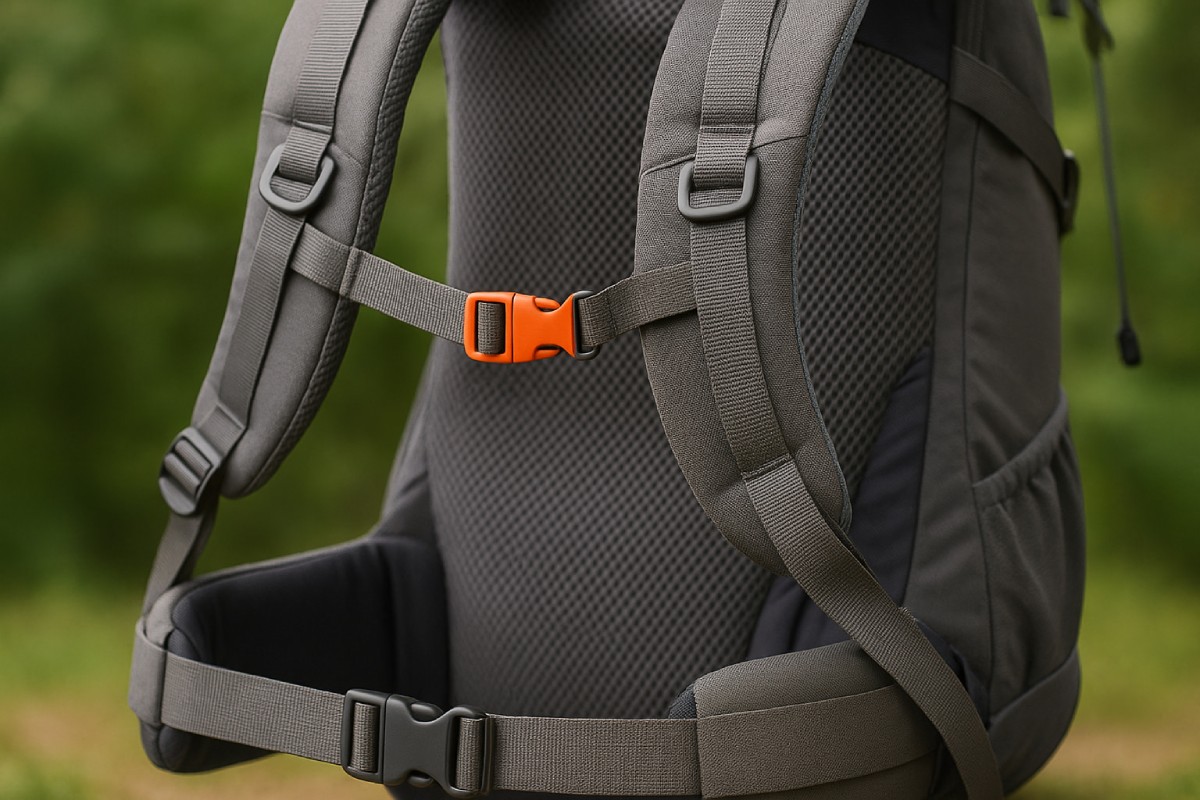
منظر عن قرب لنظام لوحة خلفية جيدة التهوية، يسلط الضوء على هيكل شبكي قابل للتنفس وأشرطة داعمة للحمل في هندسة حقائب الظهر الحديثة للمشي لمسافات طويلة.
الأهداف الوظيفية الرئيسية للأنظمة الخلفية ذات التهوية
الأهداف الهندسية وراء تصميم مريح على ظهره للمشي لمسافات طويلة ويمكن تلخيصها في أربعة أهداف أساسية:
-
تقليل تراكم الحرارة من خلال تدفق الهواء
-
تسريع تبخر الرطوبة
-
الحفاظ على ثبات الحمل أثناء الحركة
-
الحفاظ على توزيع الوزن المريح
التهوية وحدها لا تضمن الراحة. فقط عندما يتم تصميم تدفق الهواء والدعم والاستقرار كنظام واحد، فإن نظام اللوحة الخلفية جيدة التهوية يوفر فوائد قابلة للقياس.
سيناريوهات المشي لمسافات طويلة الحقيقية التي تدفع إلى تصميم نظام خلفي جيد التهوية
المشي لمسافات طويلة تحت الحمل (12-18 كجم)
في سيناريوهات المشي لعدة أيام، حقائب الظهر المشي لمسافات طويلة تحمل عادةً أحمالًا تتراوح بين 12 و18 كجم. في نطاق الوزن هذا، يزداد تركيز الضغط على طول منطقة أسفل الظهر والكتف بشكل ملحوظ. بدون تهوية كافية وفصل هيكلي، يمكن أن يؤدي تراكم الحرارة والرطوبة إلى تليين مواد الحشو، مما يقلل من كفاءة الدعم بمرور الوقت.
يُظهر الاختبار الميداني أن أنظمة الظهر ذات التهوية يمكن أن تقلل من رطوبة السطح الخلفي المستمر بنسبة 20-30% تقريبًا خلال جلسات المشي لمسافات طويلة المستمرة التي تتجاوز أربع ساعات.
المشي لمسافات طويلة في الصيف والبيئات عالية الرطوبة
في المناخات الدافئة، يصبح التبريد بالتبخير أمرًا بالغ الأهمية. عندما يتم تقييد تدفق الهواء، يبقى العرق محصوراً بين الظهر والحقيبة، مما يؤدي إلى رفع درجة حرارة الجلد وتسريع التعب.
يمكن لأنظمة التهوية ذات قنوات تدفق الهواء العمودية أن تخفض متوسط درجة حرارة السطح الخلفي بمقدار 2-3 درجات مئوية مقارنة بالألواح الخلفية المسطحة التقليدية في ظل ظروف مماثلة.
التضاريس المختلطة والحركة الديناميكية
تقدم التضاريس غير المستوية تعديلات دقيقة ثابتة في الوضع. قد تؤدي اللوحة الخلفية ذات التهوية السيئة إلى تحسين تدفق الهواء ولكنها تؤثر على الاستقرار. يجب أن توازن الحلول الهندسية بين التهوية والتحكم في الحمل الجانبي والرأسي لمنع تأرجح العبوة أثناء التسلق أو الهبوط.
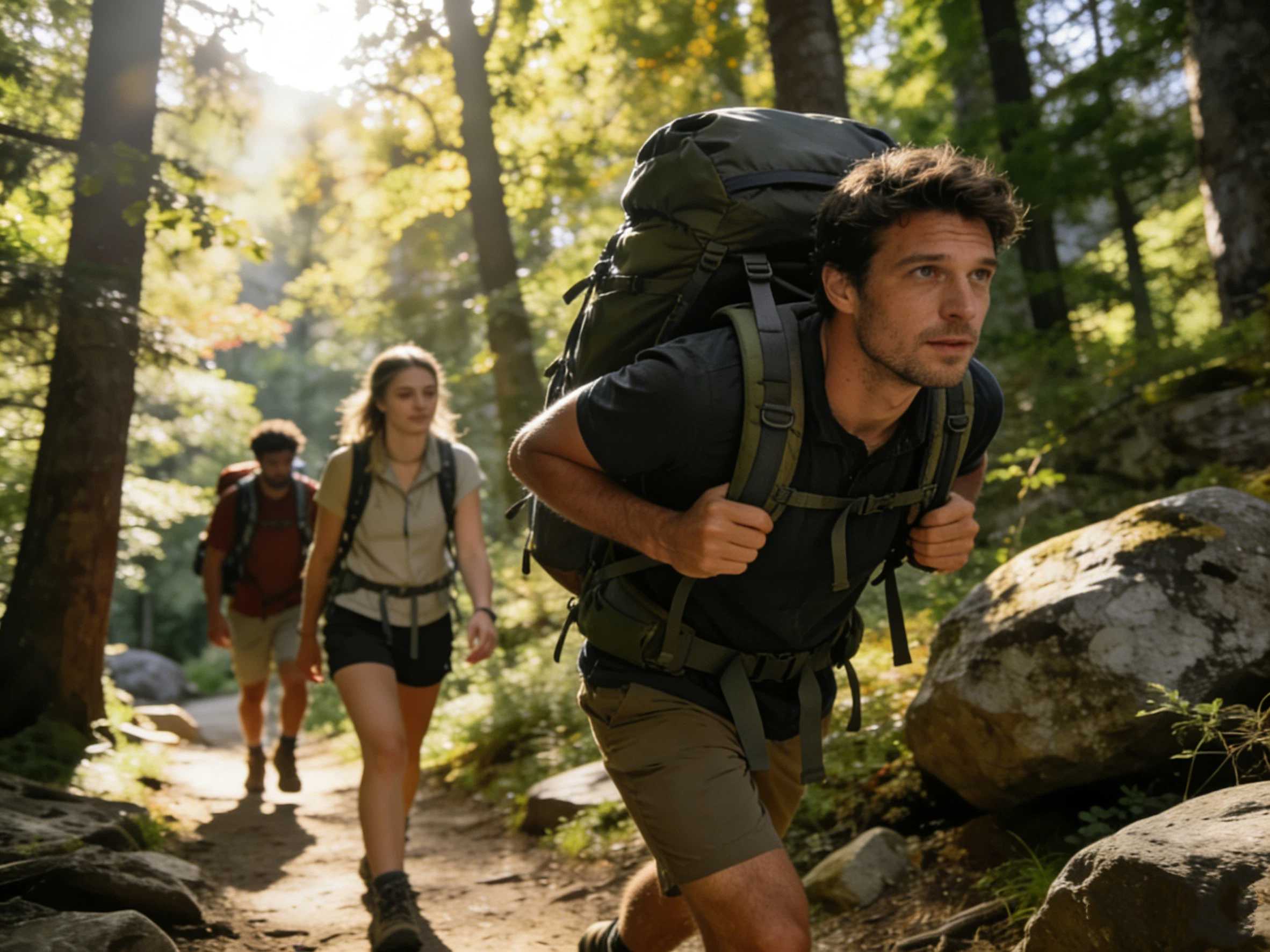
تساعد أنظمة الظهر ذات التهوية في الحفاظ على ثبات الحمل وتدفق الهواء عند استخدام حقائب الظهر المخصصة للمشي لمسافات طويلة على التضاريس غير المستوية والمسارات الطويلة.
المبادئ الهندسية الأساسية وراء الأنظمة الخلفية ذات التهوية
هندسة قناة تدفق الهواء والتباعد
تعتمد كفاءة تدفق الهواء بشكل كبير على هندسة القناة. تميل القنوات الرأسية التي يبلغ عمقها من 8 إلى 15 ملم إلى الأداء الأفضل، لأنها تشجع الحمل الحراري الطبيعي مع الحفاظ على السلامة الهيكلية.
قد تؤدي المسافات الزائدة إلى زيادة تدفق الهواء ولكنها تؤدي غالبًا إلى تقليل التحكم في الحمل. يسعى التحسين الهندسي إلى الحد الأدنى من الفصل الذي لا يزال يتيح التهوية الفعالة.
توزيع الأحمال وتفاعل التعليق
نظام الظهر التهوية لا يعمل بشكل مستقل. يتفاعل مع أحزمة الكتف وأحزمة الورك والإطارات الداخلية. يمكن للأنظمة المصممة بشكل صحيح أن تحول ما يصل إلى 60-70% من إجمالي الحمل نحو الوركين، مما يقلل من إجهاد الكتف.
تعتبر إعادة التوزيع هذه ضرورية للحفاظ على الراحة على المسافات الطويلة.
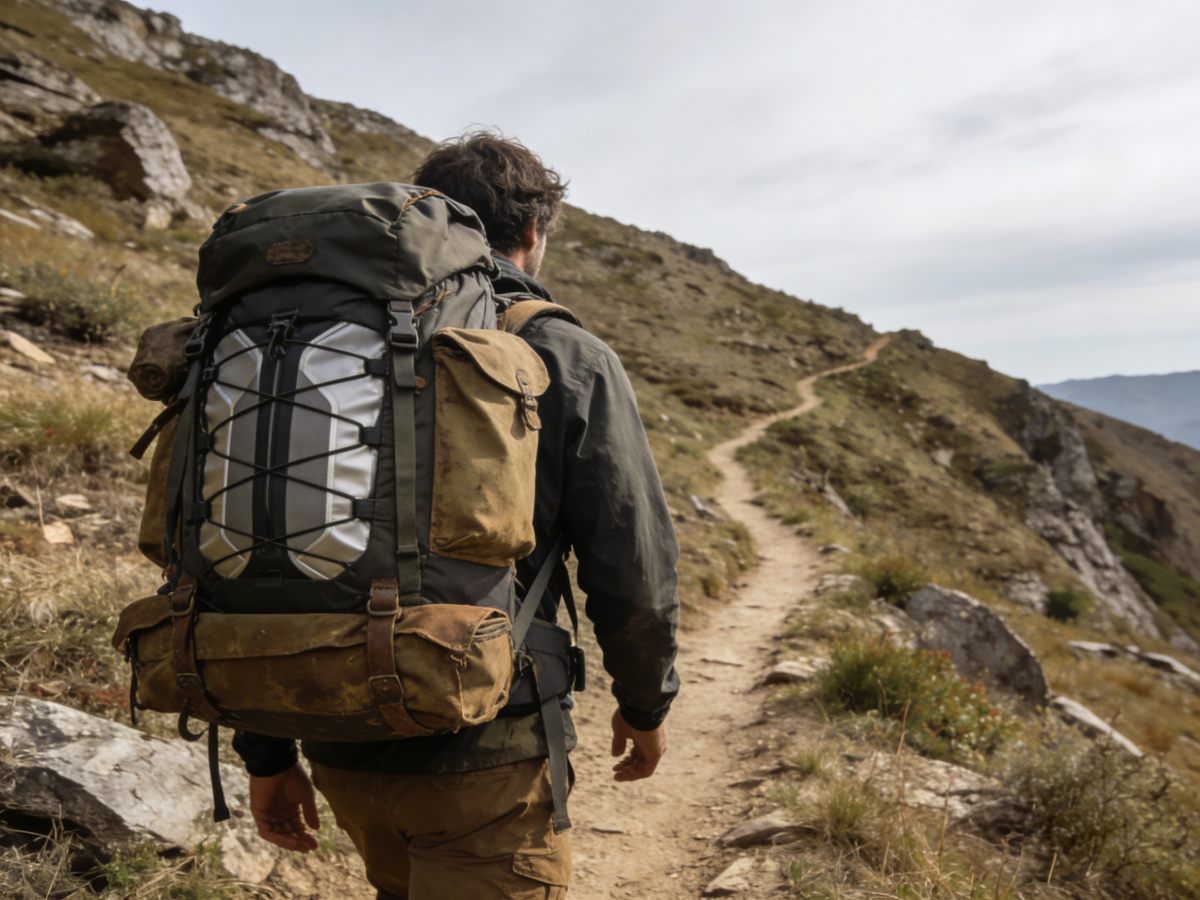
الفصل الهيكلي بين الظهر وجسم العبوة
تخلق التصميمات الشبكية المعلقة أو المشدودة فجوة يمكن التحكم فيها بين مرتديها وجسم العبوة. على الرغم من فعاليتها في تدفق الهواء، إلا أن هذه الأنظمة تتطلب صلابة إطار دقيقة لمنع التشوه تحت الحمل.
المواد المستخدمة في أنظمة اللوحة الخلفية لحقيبة الظهر ذات التهوية
الهياكل الشبكية والأقمشة المباعدة ثلاثية الأبعاد
يتراوح سمك مواد الشبكات المباعدة ثلاثية الأبعاد عادة من 3 إلى 8 ملم. تحافظ الأقمشة المباعدة عالية الجودة على أكثر من 90% من سُمكها الأصلي بعد 50000 دورة ضغط، مما يضمن أداء تهوية طويل الأمد.
مواد الإطار: الألومنيوم والألياف والخيارات المركبة
تؤثر مواد الإطار على التهوية والاستقرار.
| مادة | الوزن النموذجي (كجم) | المرونة | متانة |
| سبائك الألومنيوم | 0.35-0.6 | متوسط | عالية |
| البلاستيك المقوى بالألياف | 0.25-0.45 | عالية | متوسط |
| الإطار المركب | 0.3-0.5 | قابل للضبط | عالية |
مقايضات كثافة الرغوة وقابلية التنفس
ويشيع استخدام كثافة الرغوة بين 40 و70 كجم/م3. تعمل الرغاوي ذات الكثافة المنخفضة على تحسين التهوية ولكنها قد تنضغط بمرور الوقت، بينما توفر الرغاوي ذات الكثافة العالية دعمًا أفضل للحمل على حساب تدفق الهواء.
مقاييس الأداء الكمي في الأنظمة الخلفية ذات التهوية
توفر مؤشرات الأداء المقاسة رؤية موضوعية لتحسينات الراحة.
| متري | اللوحة الخلفية التقليدية | نظام خلفي جيد التهوية |
| تغير درجة حرارة السطح الخلفي | +4.5 درجة مئوية | +2.1 درجة مئوية |
| معدل تبخر الرطوبة | خط الأساس | +25% |
| توحيد توزيع الضغط | معتدل | عالية |
| الشعور بالتعب بعد 6 ساعات | عالية | تم التخفيض بنسبة ~18% |
توضح نقاط البيانات هذه أن التهوية لا تساهم في الراحة إلا عند دمجها مع التصميم الهيكلي.
أنظمة الظهر ذات التهوية مقابل اللوحات الخلفية التقليدية لحقيبة الظهر
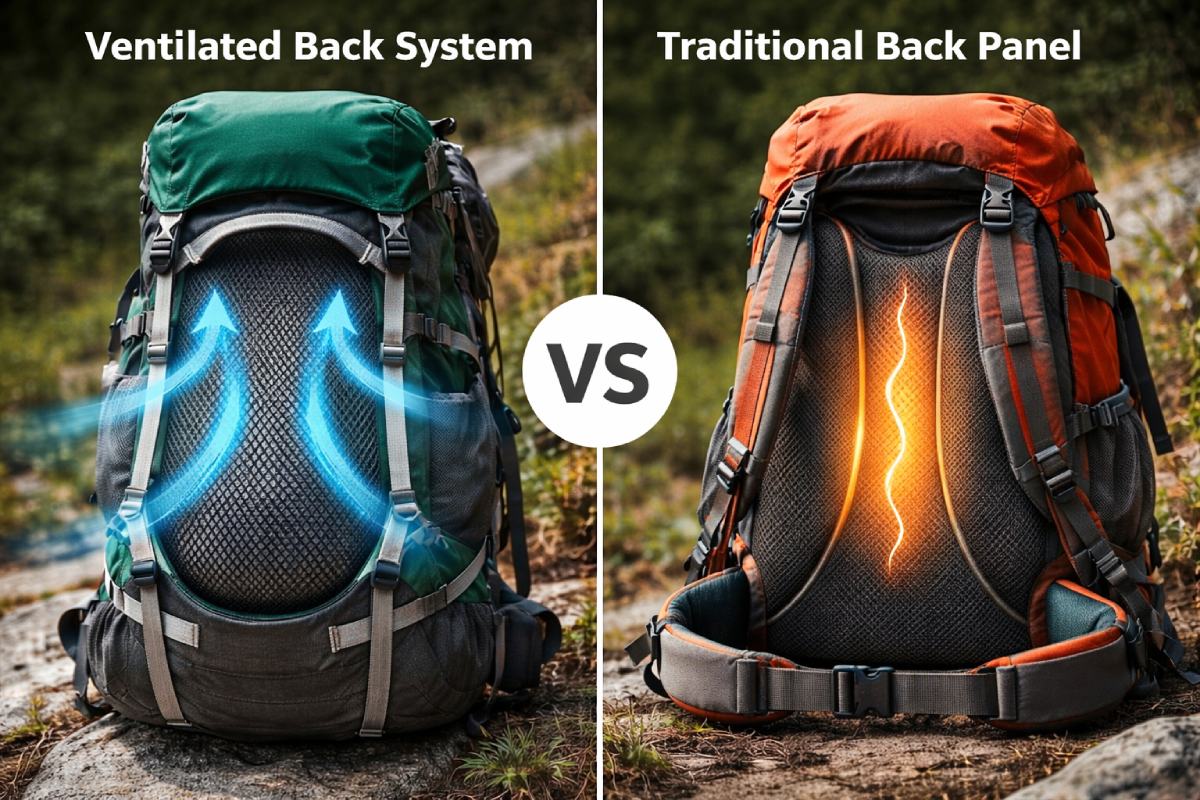
مقارنة جنبًا إلى جنب بين نظام الظهر الخلفي ذو التهوية واللوحة الخلفية الإسفنجية التقليدية، مما يسلط الضوء على كفاءة تدفق الهواء وتراكم الحرارة وهيكل الاتصال الخلفي أثناء استخدام المشي لمسافات طويلة.
مقارنة الراحة وإدارة الحرارة
تعتمد الألواح التقليدية على الامتصاص، بينما تعتمد أنظمة التهوية على التبديد. مع الاستخدام الممتد، يتفوق التبديد باستمرار على الامتصاص في الظروف الدافئة أو الرطبة.
اعتبارات الوزن والتعقيد والمتانة
عادةً ما تضيف أنظمة التهوية ما بين 200 إلى 400 جرام مقارنة بالألواح المسطحة البسيطة. ومع ذلك، غالبًا ما يتم تعويض هذه الزيادة عن طريق تقليل التعب وتحسين كفاءة المشي لمسافات طويلة.
التكلفة وتعقيد التصنيع
من أ الشركة المصنعة لحقيبة الظهر للمشي لمسافات طويلة من حيث المنظور، تتطلب الأنظمة الخلفية ذات التهوية تفاوتات أكثر صرامة، وخطوات تجميع إضافية، ومراقبة جودة أكثر صرامة، خاصة بالنسبة لشد الشبكة ومحاذاة الإطار.
كيف يقوم المصنعون بتصميم أنظمة التهوية الخلفية على نطاق واسع
التحقق من صحة التصميم واختبار النموذج الأولي
الشركات المصنعة لحقيبة الظهر للمشي لمسافات طويلة إجراء الاختبارات المعملية والميدانية، بما في ذلك اختبارات الحمل الدوري التي تتجاوز 30000 تكرار وتقييمات المسار الحقيقي عبر مناخات متنوعة.
تحديات الاتساق في الإنتاج الضخم
يمكن أن تؤثر الاختلافات الطفيفة في توتر الشبكة أو انحناء الإطار بشكل كبير على الراحة. وهذا يجعل أنظمة التهوية أكثر حساسية لعدم تناسق التصنيع من التصاميم التقليدية.
خيارات التخصيص لفئات حقائب الظهر المختلفة
تسمح حلول OEM للمصنعين بتخصيص عمق التهوية وصلابة الشبكة وهندسة الإطار لأحجام العبوات وحالات الاستخدام المحددة، مما يتيح نظام اللوحة الخلفية لحقيبة الظهر المخصصة تطوير.
اتجاهات الصناعة تشكل تصميم حقيبة الظهر ذات التهوية
اتجاه خفيف الوزن والتحسين الهيكلي
الاندفاع نحو حزم أخف قامت بتصميمات هجينة تجمع بين التهوية الجزئية والحشوة الإستراتيجية، مما يقلل الوزن مع الحفاظ على تدفق الهواء.
الاستدامة والابتكار المادي
يتم استخدام الشبكات المعاد تدويرها والرغاوي ذات الأساس الحيوي بشكل متزايد، على الرغم من أن مقاومتها للضغط على المدى الطويل لا تزال قيد التقييم.
تصميم ذكي مريح وتطوير يعتمد على البيانات
تؤثر الآن بيانات رسم خرائط الجسم وأجهزة استشعار الضغط على هندسة اللوحة الخلفية، مما يسمح للمصممين بضبط الراحة بناءً على أنماط حركة المستخدم الحقيقية.
المعايير التنظيمية ومعايير الجودة التي تؤثر على أنظمة اللوحة الخلفية لحقيبة الظهر
توقعات المنتجات الاستهلاكية والمتانة في الاتحاد الأوروبي
تؤكد اللوائح الأوروبية على المتانة وسلامة المستخدم وقابلية الإصلاح والتشكيل بشكل غير مباشر نظام خلفي جيد التهوية معايير البناء.
مراجع اختبار ASTM وISO
تعمل أطر اختبار الصناعة على توجيه مقاومة التآكل، وتحمل الأحمال، وأداء تقادم المواد، مما يضمن تلبية أنظمة التهوية لتوقعات المتانة الأساسية.
هل نظام الظهر ذو التهوية هو الخيار الأفضل دائمًا؟
عندما توفر أنظمة التهوية أقصى قيمة
إنها تتفوق في المناخات الدافئة، والمشي لمسافات طويلة، والأحمال المتوسطة إلى الثقيلة حيث تؤثر إدارة الحرارة بشكل مباشر على القدرة على التحمل.
عندما تكون اللوحات الخلفية البسيطة أكثر عملية
في البيئات الباردة أو السيناريوهات عالية التآكل، قد تتفوق اللوحات الخلفية الأبسط والأكثر إحكاما على التصميمات المعقدة ذات التهوية.
الاستنتاج: راحة هندسية، وليس مجرد حشوة
تمثل أنظمة الظهر ذات التهوية تحولًا من التوسيد السلبي إلى هندسة الراحة النشطة. عندما يتم تصميمها وتصنيعها بشكل صحيح، فإنها تعمل على تحسين تدفق الهواء وإدارة الحرارة وتثبيت توزيع الحمل بطرق لا تستطيع اللوحات الخلفية التقليدية القيام بها. ومع ذلك، تعتمد فعاليتها على التطبيق المدروس، والهندسة الدقيقة، والتصنيع المتسق بدلاً من الملصقات التسويقية وحدها.
الأسئلة الشائعة
1. ما هو نظام الظهر جيد التهوية في حقيبة الظهر للمشي لمسافات طويلة؟
نظام الظهر جيد التهوية عبارة عن تصميم للوحة الخلفية لحقيبة الظهر يخلق تدفقًا للهواء بين ظهر مرتديها وجسم الحقيبة، مما يساعد على تقليل تراكم الحرارة والرطوبة أثناء المشي لمسافات طويلة.
2. هل تقلل أنظمة الظهر ذات التهوية من تعرق الظهر؟
نعم، يمكن لأنظمة التهوية جيدة التصميم أن تقلل من رطوبة الظهر المستمرة بنسبة 20-30% تقريبًا أثناء المشي لمسافات طويلة عن طريق تحسين تدفق الهواء والتبخر.
3. هل الألواح الخلفية لحقيبة الظهر ذات التهوية مريحة للأحمال الثقيلة؟
يمكن أن يكون ذلك ممكنًا، بشرط أن يتم تصميم النظام بشكل صحيح للحفاظ على ثبات الحمل وتوزيع الوزن نحو الوركين.
4. ما مقدار الوزن الذي يضيفه نظام الظهر التهوية؟
تضيف معظم الأنظمة الخلفية ذات التهوية ما بين 200 إلى 400 جرام مقارنة بالألواح الخلفية المسطحة الأساسية، اعتمادًا على المواد والهيكل.
5. كيف يقوم المصنعون باختبار الأنظمة الخلفية ذات التهوية؟
يستخدم المصنعون دورات الضغط، واختبار تحمل الأحمال، وتقييم تدفق الهواء، والتجارب الميدانية الواقعية للتحقق من الراحة والمتانة.
ما الذي يحدد نظام الظهر ذو التهوية الفعالة: في حقائب الظهر الخاصة بالمشي لمسافات طويلة، لا يتم تعريف نظام الظهر جيد التهوية من خلال وجود شبكة وحدها، ولكن من خلال كيفية تصميم تدفق الهواء والدعم الهيكلي ونقل الأحمال كنظام واحد. تعمل التصميمات الفعالة على إنشاء فصل يمكن التحكم فيه بين مرتديه وجسم العبوة، مما يسمح بتبديد الحرارة والرطوبة دون المساس بالاستقرار في ظل الحركة الديناميكية.
كيف تعمل أنظمة الظهر ذات التهوية على تحسين الراحة: تأتي مكاسب الراحة من تقليل تراكم الحرارة المستمر واحتباس الرطوبة بدلاً من زيادة سمك الحشو. من خلال دمج قنوات تدفق الهواء، والأقمشة المباعدة، وهندسة التعليق، تعمل الأنظمة الخلفية ذات التهوية على خفض درجة حرارة سطح الظهر وتحسين كفاءة التبخر أثناء الرحلات الطويلة الأمد، خاصة في ظل الأحمال المتوسطة إلى الثقيلة.
لماذا الهندسة أكثر أهمية من التسميات: يعتمد أداء نظام التهوية الخلفي على الدقة الهندسية، وليس على المصطلحات التسويقية. شبكة مشدودة بشكل سيئ، أو صلابة الإطار غير الصحيحة، أو التجميع غير المتناسق يمكن أن يؤدي إلى إبطال فوائد التهوية. ولهذا السبب تعد دقة التصنيع واتساق الاختبار من العوامل الحاسمة في نتائج الراحة في العالم الحقيقي.
خيارات التصميم المستخدمة عبر فئات حقائب الظهر المخصصة للمشي لمسافات طويلة: يطبق المصنعون التهوية بشكل مختلف اعتمادًا على حجم حقيبة الظهر وحالة الاستخدام. غالبًا ما تعتمد حقائب الظهر خفيفة الوزن على قنوات تدفق الهواء الضحلة والرغاوي القابلة للتنفس، بينما تستخدم حقائب الظهر المخصصة للمشي لمسافات طويلة لعدة أيام ألواح خلفية معلقة أو أنظمة هجينة لتحقيق التوازن بين التهوية والتحكم في الحمل. يُفضل رسم خرائط المواد الإستراتيجية بشكل متزايد على التهوية الكاملة للسطح.
الاعتبارات الرئيسية للمتانة والامتثال: يجب أن تلبي الأنظمة الخلفية ذات التهوية توقعات المتانة في ظل دورات التحميل المتكررة والتآكل والتعرض البيئي. تؤكد معايير المستهلك الحالية في الاتحاد الأوروبي وممارسات الاختبار الدولية على السلوك المادي الذي يمكن التنبؤ به، والموثوقية الهيكلية، والراحة على المدى الطويل بدلاً من مطالبات الأداء على المدى القصير.
منظور السوق والمصادر: بالنسبة للمشترين ومخططي المنتجات، فإن السؤال الحاسم ليس ما إذا كانت حقيبة الظهر المخصصة للمشي لمسافات طويلة تتميز بنظام خلفي جيد التهوية، ولكن كيف تم تصميم النظام واختباره وتصنيعه على نطاق واسع. يوفر تقييم المواد ومنطق توزيع الأحمال واتساق الإنتاج مؤشرًا أكثر موثوقية للراحة والأداء من ادعاءات التهوية وحدها.
البصيرة الشاملة: تعمل الأنظمة الخلفية ذات التهوية بشكل أفضل عندما يتم التعامل معها كحل هندسي متكامل وليس كميزة معزولة. عند تصميمها وتصنيعها بأهداف أداء واضحة، فإنها تعمل على تعزيز راحة حقيبة الظهر للمشي لمسافات طويلة، ودعم الاستخدام لمسافات طويلة، وتتوافق مع توقعات الصناعة المتطورة فيما يتعلق بالوظائف والمتانة وتجربة المستخدم.