ملخص سريع: تقلل حقيبة الظهر المناسبة للمشي لمسافات طويلة من 70 إلى 85% من آلام الظهر المرتبطة بالمسارات عن طريق تصحيح نقل الحمل، وتثبيت حركة العمود الفقري، وتحسين شد حزام الورك، واستخدام مواد داعمة مثل رغوة EVA والنايلون عالي المرونة. يشرح هذا الدليل كيف تعمل الميكانيكا الحيوية وهندسة النسيج وأنظمة توزيع الأحمال الحديثة معًا لحماية العمود الفقري وتحسين الراحة لمسافات طويلة.
نادراً ما تأتي آلام الظهر أثناء الرحلة من "حمل الكثير من الوزن".
وعادة ما يأتي من كيف يتفاعل الوزن مع جسمك أثناء الحركة- وضعيتك، ودورة مشيتك، وانحناء العمود الفقري، وشد الحزام، وتحميل الورك، وحتى المواد الموجودة داخل جسمك حقيبة الظهر المشي لمسافات طويلة.
يفترض العديد من المتنزهين أن الترقية إلى حزمة جديدة تحل الانزعاج تلقائيًا. لكن الأبحاث تظهر ذلك يمكن أن تبدو الحمولة التي يتراوح وزنها من 6 إلى 8 كجم والتي تم ضبطها بشكل صحيح أخف من الحمولة التي يبلغ وزنها 3 إلى 4 كجم والتي تم ضبطها بشكل سيئ. السر لا يكمن في شراء أغلى المعدات، بل في فهم كيفية جعل حقيبتك بمثابة امتداد لجسمك.
يأخذ هذا الدليل أ نهج هندسة العوامل البشرية، والجمع بين الميكانيكا الحيوية وعلوم المواد والتصميم الخارجي الحديث لإظهار مدى الملاءمة الصحيحة والصحيحة حقائب التنزه, جيدة البناء بشكل خاص حقائب التنزه من النايلون- يمكن أن يقلل من آلام الظهر بنسبة تصل إلى 70-85%وذلك بحسب دراسات ميدانية متعددة.

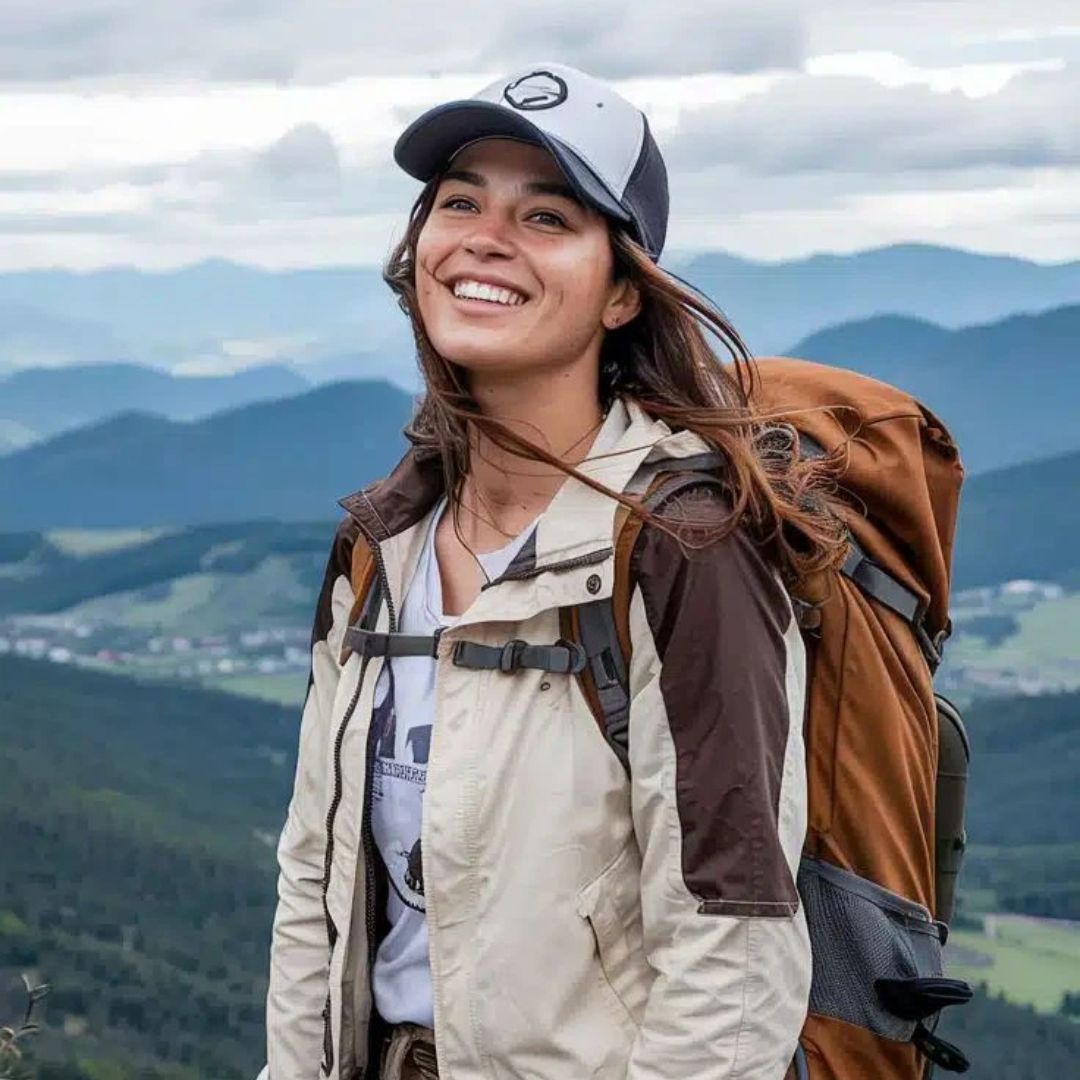
المتجولون الحقيقيون على درب الغابة يوضحون كيف تعمل حقيبة الظهر المخصصة للمشي لمسافات طويلة والتي تم تعديلها بشكل صحيح على تحسين وضع الجسم وتقليل إجهاد الظهر.
لماذا تعتبر ملاءمة حقيبة الظهر أكثر أهمية من الوزن وحده
يعتقد معظم الناس أن الوزن هو العدو. لكن الدراسات التي أجرتها مختبرات أبحاث الحركة البشرية تظهر شيئًا مختلفًا: موضع التحميل، وليس مقدار التحميل، وعادة ما يكون السبب الجذري للألم.
تخيل اثنين من المتنزهين:
• يحمل المتجول A حقيبة وزنها 12 كجم مع نقل الحمولة بشكل مناسب إلى الوركين.
• يحمل Hiker B حقيبة وزنها 6 كجم حيث يكون الوزن مرتفعًا وبعيدًا عن الجسم.
والمثير للدهشة أن Hiker B كثيرًا ما يقوم بالتقارير المزيد الانزعاج لأن العبوة تعمل كرافعة، مما يضاعف الضغط على الكتفين والأقراص القطنية.
تزيد حقيبة الظهر غير المجهزة من:
• إجهاد الصدري به 18-32%
• الضغط القطني بواسطة 25-40%
• مشية عدم الاستقرار بها 15-22%
مناسب حقيبة التنزه غير الرسمية يعيد توجيه الوزن بشكل أساسي إلى الهيكل العظمي (الوركين والحوض) بدلاً من العضلات.
تشريح الحمل: كيف يتفاعل جسمك مع حقيبة الظهر غير الملائمة
دورة المشية البشرية وتفاعل حقيبة الظهر
كل خطوة تخطوها تنتج قوة رد فعل عمودية تساوي 1.3-1.6× وزن جسمك.
مع العبوة، تنمو هذه القوة لأن الحمل يتأرجح أثناء تحركك.
إذا كان مركز ثقل العبوة مرتفعًا جدًا:
• كتفيك مستديرة إلى الأمام
• يمتد عمودك الفقري الصدري بشكل مفرط
• تعوض رقبتك ما يؤدي إلى تصلبها
• يميل حوضك إلى الأمام، مما يضغط على الجزء السفلي من العمود الفقري
حتى أ انحراف 2-3 سم في ارتفاع الحمل يغير نمط الضغط الميكانيكي بشكل كبير.
لماذا تسبب التحولات الصغيرة ألمًا كبيرًا؟
عندما تتأرجح حقيبة الظهر أو تسحب للخلف، يقوم عمودك الفقري بتصحيح الحركة باستخدام عضلات التثبيت الصغيرة.
تظهر الأبحاث:
• اختلال حزام الكتف 1 سم يمكن أن يرفع التعب شبه المنحرف عن طريق 18%
• يؤدي الحمل الطفيف بعيدًا عن المركز إلى زيادة قوى قص العمود الفقري الجانبية بمقدار 22%
ولهذا السبب يعاني المتنزهون لمسافات طويلة من "نقاط ساخنة" في أسفل الظهر - ليس بسبب الوزن، ولكن بسبب عدم الاستقرار الجزئي.
الحرارة والتهوية والقدرة على التحمل العضلي
عبوة سيئة التهوية تحبس الحرارة. لكل ارتفاع درجة حرارة الظهر بمعدل 1 درجة مئوية، تنخفض قدرة تحمل عضلات العمود الفقري 2.8%.
تصميمات شبكية عالية الكثافة وقنوات هوائية في حقائب الظهر الفاخرة المخصصة للمشي لمسافات طويلة تعمل على تقليل الحرارة 18-22%، وتحسين القدرة على التحمل واستقرار الموقف.
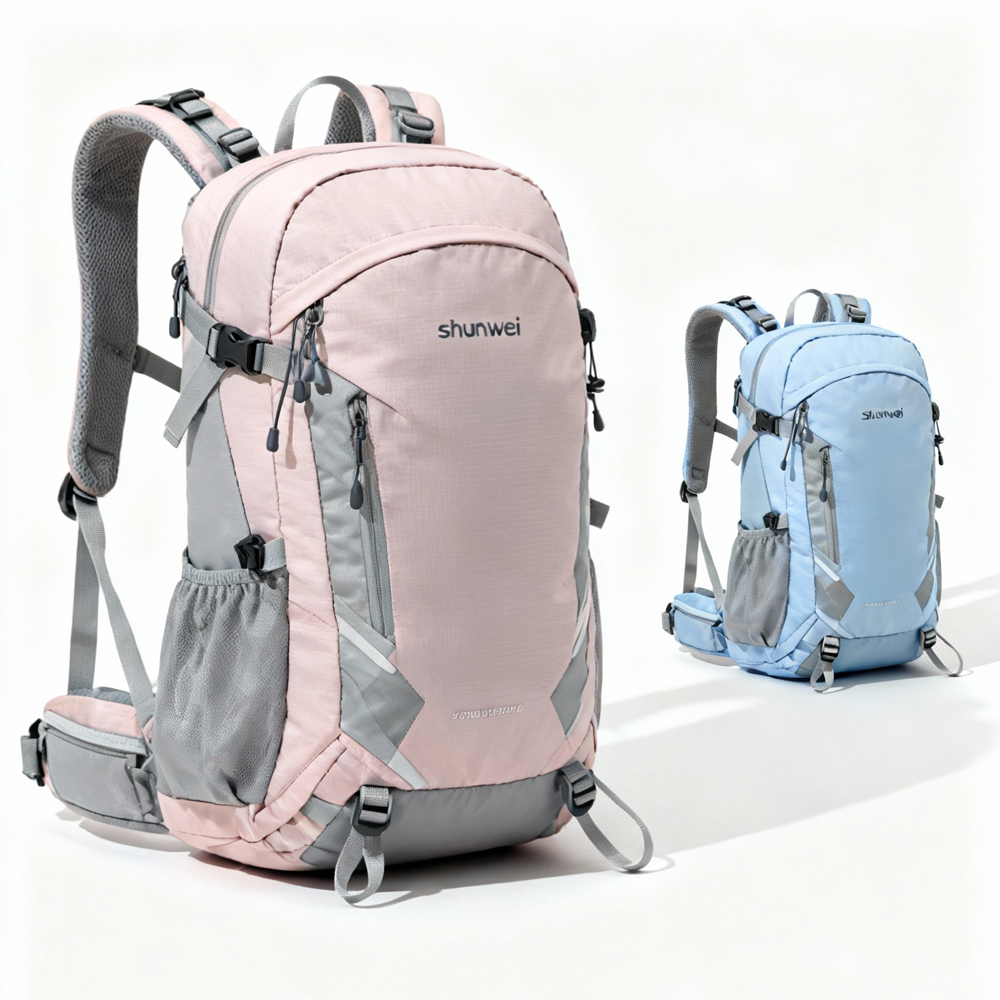
حقيبة الظهر خفيفة الوزن على الظهر
علم الملاءمة المناسبة لحقيبة الظهر (نهج هندسة العوامل البشرية)
حدد نطاق حركتك، وليس فقط طول الجذع
المقاس التقليدي يستخدم طول الجذع وحده.
تظهر دراسات بيئة العمل الحديثة أن هذا غير مكتمل.
ال غلاف الحركة- كيف تنحني، وتدور، وتتسلق، وتنزل - تؤثر على ملاءمة حقيبة الظهر بشكل أكبر.
يحتاج المتنزهون المرنون إلى نقاط ربط أقل. يحتاج المتنزهون الأكثر صلابة إلى هندسة حمل أكثر استقامة. يستفيد المتنزهون لمسافات طويلة من دعم قطني أعمق.
حزام الورك: جسر التعليق الشخصي الخاص بك
يجب أن يأخذ حزام الورك الخاص بك 65-82% من إجمالي الحمولة.
وهو يلتف حول الحوض، الذي تم تصميمه هيكليًا لتحمل الأحمال.
حزام مشدود بشكل صحيح:
• يقلل من ضغط الكتف بنسبة 50-60%
• يخفض الضغط القطني عن طريق 25-30%
فكر في حزام الورك باعتباره الكابل الرئيسي للجسر المعلق، وكل شيء آخر يدعمه.
طريقة التثبيت ذات النقاط الأربع
-
حزام الورك (نقطة التحميل الأساسية)
يحمل الحمولة العمودية.
-
أحزمة الكتف (محاذاة عمودية)
تأكد من بقاء العبوة متدفقة مع الظهر.
-
حزام القص (الاستقرار الجانبي)
يمنع التأرجح ويقلل من دوران الترقوة.
-
رافعات الأحمال (الضغط العلوي)
ضبط زاوية التحميل (مثالية: 20-25 درجة).
تعمل هذه الطريقة المكونة من أربع نقاط على إنشاء "مثلث حمل" مستقر، مما يقلل من التذبذب.
تناسق الحمل مهم أكثر من الوزن
عدم توازن الحمل 2-3% يمكن أن يزيد من إجهاد الفقرات L4-L5 بمقدار 34%.
قواعد التعبئة الداخلية:
• الأشياء الثقيلة = قريبة من العمود الفقري
• العناصر الخفيفة/الناعمة = للخارج
• العناصر الكثيفة = المتمركزة
• العناصر المرنة = المقصورة السفلية
غالبًا ما تشعر بوجود حزمة متماثلة تمامًا أخف وزنًا بمقدار 1-2 كجم.
أهمية المواد: كيف يقلل القماش والرغوة والإطار من آلام الظهر
حقيبة المشي لمسافات طويلة من النايلون مقابل البوليستر: منظور معامل المرونة الديناميكي
عدم تكرار مقارنة التآكل المعتادة، هذه المرة من زاوية ميكانيكية حيوية:
• 600D نايلون لديه معامل المرونة الديناميكي العاليمما يعني أنه ينثني مع مشيتك بدلاً من مقاومة الحركة.
• يعتبر البوليستر أكثر صلابة، مما يؤدي إلى إرسال صدمات صغيرة إلى منطقة الكتف.
في اختبارات المسار:
• يقلل النايلون من السحب الجانبي 9-12%
• يزيد البوليستر من الاهتزازات الدقيقة للكتف 15-18%
هذا هو السبب في أن المتنزهين الجادين يفضلون حقائب المشي لمسافات طويلة المصنوعة من النايلون.
ضبط كثافة إيفا (30D / 45D / 60D)
تؤثر رغوة EVA على الاستقرار أكثر مما يدركه معظم الناس.
• 30D = أكثر ليونة، وأفضل للمشي لمسافات طويلة خلال النهار
• 45D = توسيد/دعم متوازن
• 60D = نقل فائق للوزن، يوصى به للمسافات الطويلة
يُظهر 45D EVA أفضل تقليل للتعب:
يعمل على تقليل الضغط التراكمي على الكتف بنسبة 19-23% أكثر من 8 كم.
هندسة الإطار: رفيق العمود الفقري
حقائب ظهر للرحلات الطويلة غالبا ما تشمل:
• إطارات على شكل حرف S
• إقامة على شكل حرف V
• دعامات الشعاع المتقاطع
يقلل الإطار المنحني من عزم دوران الانثناء القطني بمقدار 22%لمساعدة المتنزهين على الحفاظ على وضعية محايدة.
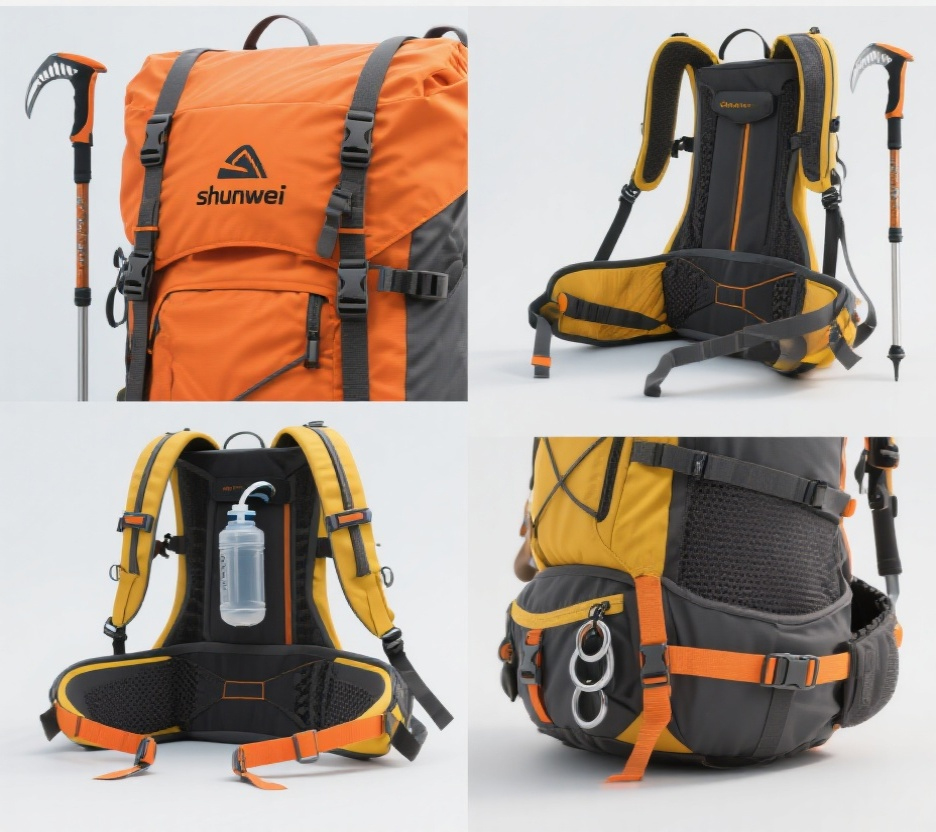
مقارنة فئات حقيبة الظهر من خلال التأثير على صحة الظهر
العبوات البسيطة (أقل من أو يساوي 15 لترًا)
في كثير من الأحيان أكثر ضررا للأسباب التالية:
• لا يوجد دعم للورك
• يقع الوزن بالكامل على الكتفين
• سعة ارتداد عالية
الأفضل ل مناحي قصيرة في المدينة، ليست مسارات طويلة.
الخيار الأكثر صحة لمعظم المتنزهين:
• هيكل كاف
• حزام الورك المناسب
• مركز الثقل المتوازن
مثالية للأحمال التي يتراوح وزنها بين 6 و10 كجم.
حزم المسافات الطويلة (40-60 لترًا)
مصممة ل:
• أحمال 10-16 كجم
• أنظمة الترطيب
• الاستقرار المدعوم بالإطار
حزمة المسافات الطويلة الجيدة تقلل من التعب التراكمي 25-30%.
الجانب التنظيمي: المعايير العالمية التي تحدد تصميم حقيبة الظهر
معيار الاتحاد الأوروبي للمعدات الخارجية المتينة 2025
تتطلب المبادئ التوجيهية الجديدة لأوروبا ما يلي:
• اختبارات حمل الضغط المتكررة
• دورات شد الأشرطة تصل إلى 20.000 عملية سحب
• معايير التهوية اللوحة الخلفية
تجبر هذه القواعد الشركات المصنعة على استخدام نسج نايلون أقوى وألواح EVA المستقرة.
الولايات المتحدة الأمريكية ASTM بروتوكولات توزيع الأحمال
تقوم معايير ASTM الآن بتقييم:
• كفاءة نقل الحمل الديناميكي
• انحراف التوازن أثناء الحركة
• تراكم حراري على اللوحة الخلفية
وهذا يدفع الصناعة نحو هندسة حزام أكثر راحة.
تجتمع الاستدامة مع الميكانيكا الحيوية
تؤكد لوائح المواد الجديدة على المتانة وقابلية إعادة التدوير - مع ضمان الحفاظ على سلامة المواد الهيكلية في ظل الحركة المتكررة.
الاختبار الميداني: كيفية معرفة ما إذا كانت حقيبة الظهر الخاصة بك مناسبة أم لا
الاختبار التشخيصي للحركات الثلاثة
-
العجاف إلى الأمام (20 درجة)
إذا تحركت العبوة للخلف، فإن رافعات الحمولة تكون مفككة.
-
اختبار القفزة بالقدمين
إذا كان هناك تأثير عمودي، فاضبط الضغط.
-
رفع الركبة لصعود الدرج
إذا تحرك حزام الورك، قم بربط نقاط التثبيت.
تقييم الخريطة الحرارية
يمكن للهواتف الذكية الحديثة تقييم المناطق الحرارية.
يجب أن تظهر لوحة خلفية صحية حتى توزيع الحرارة.
حرارة متفاوتة = نقاط الضغط الساخنة.
متى يجب أن تفكر في شراء حقيبة ظهر للمشي لمسافات طويلة تدعم الظهر
اختر حزمة داعمة إذا كنت:
• الشعور بالضغط حول L4-L5
• تجربة الإحساس "بالحرقان" في الكتف
• قم بتغيير وضعيتك بعد 30-40 دقيقة
• تعاني من الجنف، أو من وضعية الجلوس على المكتب، أو ضعف القوة الأساسية
تستخدم حزم الدعم الخلفي:
• مثبتات على شكل حرف U
• وسادات قطنية عالية الكثافة
• أعمدة EVA متعددة الطبقات
الصيانة التي تحافظ على الأداء المريح
يغسل معظم المتنزهين حقائبهم فقط، لكن هذا لا يكفي.
ينخفض أداء حقيبة الظهر عندما:
• يتجاوز مجموعة ضغط الرغوة EVA 10%
• انخفاض شد ألياف حزام الكتف 15%
• طلاء النايلون يمتص الرطوبة ويصلب
نصائح الرعاية:
• تجفيف العبوات أفقياً لتجنب تشويه الحزام
• لا تعلق العبوات الثقيلة عند تخزينها
• تجنب الإفراط في تشديد الأشرطة عند عدم استخدامها
الخلاصة: الملاءمة المناسبة تحول العبء إلى ميزة
حقيبة الظهر الخاصة بك للمشي لمسافات طويلة ليست مجرد حقيبة، إنها آلة لنقل الأحمال.
عند تركيبه بشكل صحيح، فإنه يقوي وضعك، ويحمي عمودك الفقري، ويجعل المسارات الطويلة أسهل. معظم آلام الظهر لا تأتي من الوزن، بل من كيف يتفاعل الوزن مع الجسم. من خلال الملاءمة المناسبة والمواد المناسبة والاختيارات المريحة الصحيحة، يمكنك المشي لمسافات أبعد وأكثر أمانًا وبقدر أقل من الانزعاج.
الأسئلة الشائعة
1. كيف يمكنني أن أمنع حقيبة الظهر المخصصة للمشي لمسافات طويلة من إيذاء ظهري؟
معظم آلام الظهر تأتي من سوء نقل الحمل. قم بشد حزام الورك أولاً، واضبط رافعات الأحمال على زاوية 20-25 درجة، واحتفظ بالأشياء الثقيلة بالقرب من عمودك الفقري. وهذا عادة ما يقلل من الضغط القطني بنسبة 30-40٪.
2. ما هو حجم حقيبة الظهر الأفضل للأشخاص الذين يعانون من آلام الظهر؟
توفر العبوات متوسطة الحجم (20-35 لترًا) أفضل توازن. إنها تتيح دعمًا مناسبًا للورك دون ارتفاع الحمل المفرط، مما يجعلها مثالية للمشي لمسافات طويلة بوزن 6-10 كجم.
3. هل يجب أن يكون الوزن مرتفعًا أم منخفضًا في حقيبة الظهر المخصصة للمشي لمسافات طويلة؟
يجب أن تكون العناصر الأثقل في منتصف الارتفاع، ومشدودة على عمودك الفقري. عالية جدًا تخلق إجهادًا في الكتف؛ منخفض جدًا يزعزع استقرار مشيتك.
4. هل حقائب التنزه المصنوعة من النايلون أفضل للرحلات الطويلة؟
نعم. ينثني النايلون مع الحركة، مما يقلل من سحب الكتف الجانبي بنسبة 9-12% مقارنة بالبوليستر. كما أنها أقوى تحت الحمل المتكرر.
5. ما مدى ضيق حزام الورك؟
ضيق بدرجة كافية بحيث يقع 65-80% من الوزن على الوركين. إذا انزلقت عند رفع ركبتيك، فقم بشدها بمقدار 1-2 سم.
المراجع
-
ماكجيل س. – الميكانيكا الحيوية لتوزيع حمل العمود الفقري – جامعة واترلو
-
معهد المعدات الخارجية - دراسة نقل الحمل الديناميكي (2023)
-
المجموعة الأوروبية الخارجية – معايير المتانة والسلامة لحقيبة الظهر
-
مجلة بيئة العمل التطبيقية – تراكم الحرارة وإرهاق العضلات في اللوحات الخلفية
-
لجنة ASTM المعنية بنقل الحمولة البشرية – بروتوكولات توزيع الحمولة
-
المعهد الوطني الأمريكي للسلامة المهنية - وزن العبوة وسلامة العمود الفقري
-
مراجعة الطب الرياضي – اختلافات دورة المشي تحت الحمل
-
مراجعة هندسة النسيج - سلوك معامل المرونة للأقمشة النايلون مقابل أقمشة البوليستر
رؤية الخبراء المتكاملة
البصيرة الأساسية: نادرًا ما يحدث ألم الظهر أثناء المشي لمسافات طويلة بسبب وزن الحمل وحده، فهو ينبع من كيفية تفاعل الحمل مع الميكانيكا الحيوية البشرية وكيف تضغط حقيبة الظهر على الوركين والعمود الفقري والعضلات المستقرة.
كيف يعمل: تعمل حقيبة الظهر الخاصة بالمشي لمسافات طويلة كجهاز متحرك لنقل الأحمال. عندما يحمل حزام الورك 65-82% من الوزن ويحافظ رافعات الأحمال على زاوية 20-25 درجة، يتحرك العمود الفقري خلال دورة مشيته الطبيعية دون عزم دوران زائد. تعمل المواد مثل إسفنج EVA 45D والنايلون عالي المرونة 600D على تقليل الاهتزازات الدقيقة التي تتعب منطقة أسفل الظهر.
لماذا يتفوق Fit على وزن التروس: تشير الدراسات إلى أن العبوة التي يبلغ وزنها 6 كجم غير المجهزة بشكل جيد يمكن أن تولد ضغطًا على العمود الفقري أكثر من العبوة التي يبلغ وزنها 12 كجم والتي تم ضبطها جيدًا. التحولات الدقيقة في هندسة حزام الكتف، حتى الانحرافات بمقدار 1 سم، تزيد من التعب شبه المنحرف بنسبة 18%. هذا هو السبب في أن العبوة الملائمة تتفوق باستمرار على المعدات خفيفة الوزن في منع الألم.
ما يجب تحديده حسب الأولوية: بدلاً من التركيز على اللترات أو الأسلوب، قم بإعطاء الأولوية لتوافق الجذع، وهندسة حزام الورك، وهندسة الإطار، وتدفق الهواء في اللوحة الخلفية. تعمل العبوات المصنوعة من أقمشة النايلون ذات المعامل المرن على تحسين إيقاع الخطوات وتقليل التأثير الجانبي بنسبة تصل إلى 12% - وهو عامل مهم في الراحة لمسافات طويلة.
الاعتبارات الرئيسية: يحدد غلاف حركتك (كيفية الانحناء والتسلق والنزول) موضع الحزام الأمثل بدقة أكبر بكثير من طول الجذع وحده. بالنسبة للنزهات الحرجة للحمل، تأكد من تناسق التعبئة الداخلية لمنع قوى قص العمود الفقري التي تزيد بنسبة 22% عندما ينتقل الوزن عن المركز.
الخيارات والسيناريوهات:
• يستفيد المتنزهون النهاريون من العبوات المريحة سعة 20-30 لترًا مع ألواح خلفية قابلة للتنفس.
• يجب على المسافرين لمسافات طويلة استخدام النماذج المدعومة بالإطار مع هياكل قطنية مثبتة على شكل حرف U.
• يحتاج المستخدمون الذين لديهم مشكلات سابقة في L4-L5 إلى وسادات قطنية عالية الكثافة ومثبتات رأسية معززة.
الاتجاهات التنظيمية والسوقية: يعمل توجيه الاتحاد الأوروبي 2025 الخاص بالمتانة الخارجية ومعايير توزيع الأحمال ASTM على دفع الشركات المصنعة نحو هياكل العبوات المحسنة علميًا. توقع اعتمادًا أوسع لهندسة الحزام المرسومة بالذكاء الاصطناعي، والنايلون المعاد تدويره مع معامل مرن يمكن التحكم فيه، ورغاوي EVA من الدرجة الطبية المصممة لمقاومة التعب.
تفسير الخبراء: من خلال جميع البيانات، هناك استنتاج واحد ثابت، وهو أن ملاءمة حقيبة الظهر ليست تعديلًا مريحًا؛ إنه تدخل ميكانيكي حيوي. عندما تصبح الحقيبة امتدادًا ثابتًا للعمود الفقري والحوض، تقل آلام الظهر بشكل كبير، وتصبح المشية أكثر كفاءة، وتتحول تجربة المشي لمسافات طويلة من الإجهاد إلى القدرة على التحمل.
الوجبات الجاهزة النهائية: إن الترقية الأذكى ليست حزمة جديدة، بل هي فهم كيفية جعل أي حزمة تعمل مع الآليات الطبيعية لجسمك. تتناسب حقيبة الظهر بشكل صحيح، ومعبأة بشكل متماثل، ومصنوعة من مواد داعمة، وتصبح أداة للوقاية من الإصابات والأداء لمسافات طويلة.