ملخص سريع:
رائحة الحقائب الرياضية ليست "رائحة عرق" - إنها مزيج متوقع من الرطوبة المحتبسة، ونمو البكتيريا، وامتصاص الرائحة في البطانات، والطبقات، والحشو. تتسارع الرائحة عندما تبقى المعدات المبللة مغلقة لمدة 6-24 ساعة، خاصة بعد التدريب في صالة الألعاب الرياضية أو السفر. الوقاية الأكثر موثوقية هي التصميم بالإضافة إلى العادة: هياكل قابلة للتنفس، والفصل بين الرطب والجاف، والتجفيف السريع بعد التمرين (من الناحية المثالية في غضون 30 إلى 60 دقيقة). يمكن أن تساعد الطلاءات "المضادة للروائح"، لكن التحكم في تدفق الهواء والرطوبة هو ما يحافظ على الحقيبة الرياضية طازجة على المدى الطويل.
فهم سبب رائحة الحقائب الرياضية: المشكلة الحقيقية وراء الرائحة
يفترض الكثير من الناس أن رائحة الحقائب الرياضية هي ببساطة "رائحة العرق". في الواقع، العرق نفسه عديم الرائحة تقريبًا. الرائحة الكريهة التي تتراكم داخل الحقائب الرياضية هي نتيجة النشاط البكتيري والرطوبة المحتبسة والتفاعل المادي مع مرور الوقت. وبمجرد تداخل هذه العوامل الثلاثة، تصبح الرائحة ثابتة وليست مؤقتة.
ما يجعل الحقائب الرياضية معرضة للخطر بشكل خاص ليس فقط عدد مرات استخدامها، بل أيضًا وكيف يتم استخدامها مباشرة بعد التدريب. تخلق الملابس الرطبة المغلقة داخل مكان ضيق بيئة صغيرة تتكاثر فيها البكتيريا بسرعة. عند مستوى رطوبة أعلى من 65% ودرجات حرارة تتراوح بين 20-40 درجة مئوية، يمكن أن تتضاعف أعداد البكتيريا في أقل من 30 دقيقة. حقائب رياضية ضرب هذه الظروف بشكل روتيني بعد التدريبات.
قضية أخرى تم التغاضي عنها هي امتصاص الرائحة في الأقمشة الداخلية. بمجرد أن تخترق مركبات الرائحة الحشو والبطانات والطبقات، فإن تنظيف السطح وحده لم يعد كافيًا. ولهذا السبب أفاد العديد من المستخدمين أنه حتى بعد الغسيل، لا تزال رائحة حقيبتهم الرياضية تفوح منها رائحة "بمجرد إعادة الملابس إلى الداخل".
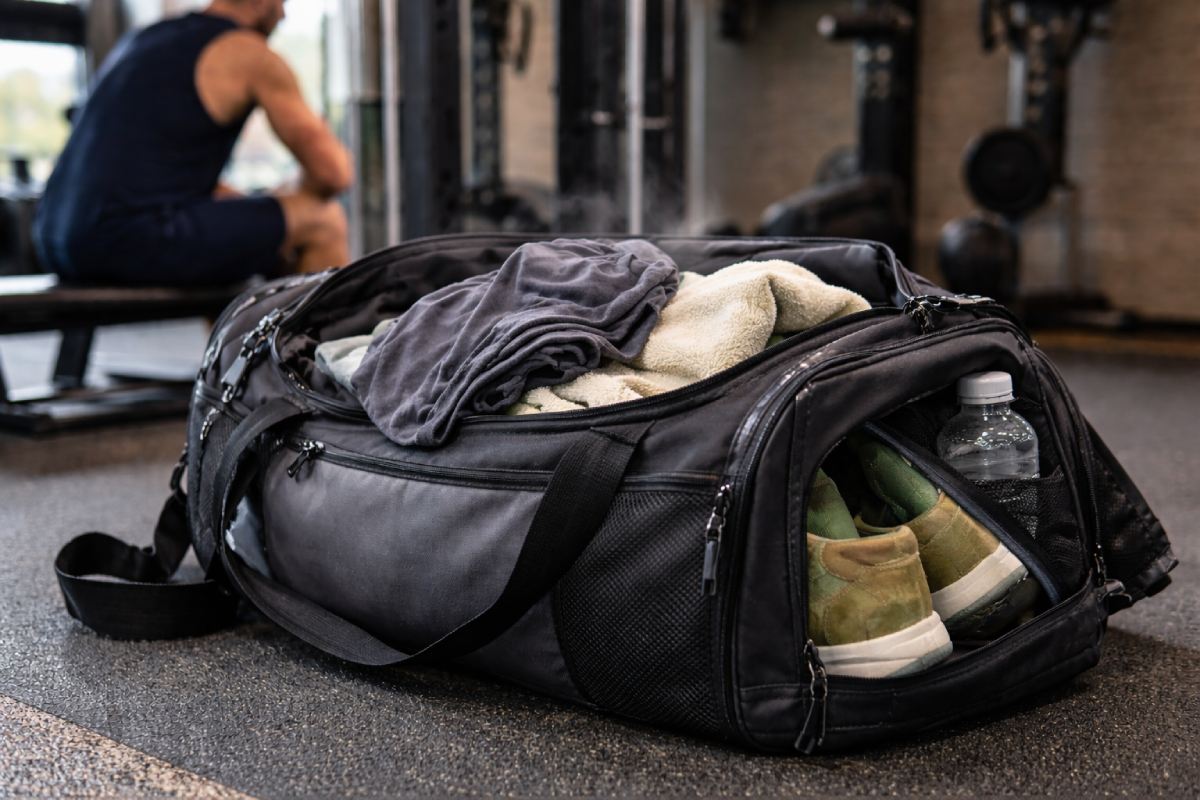
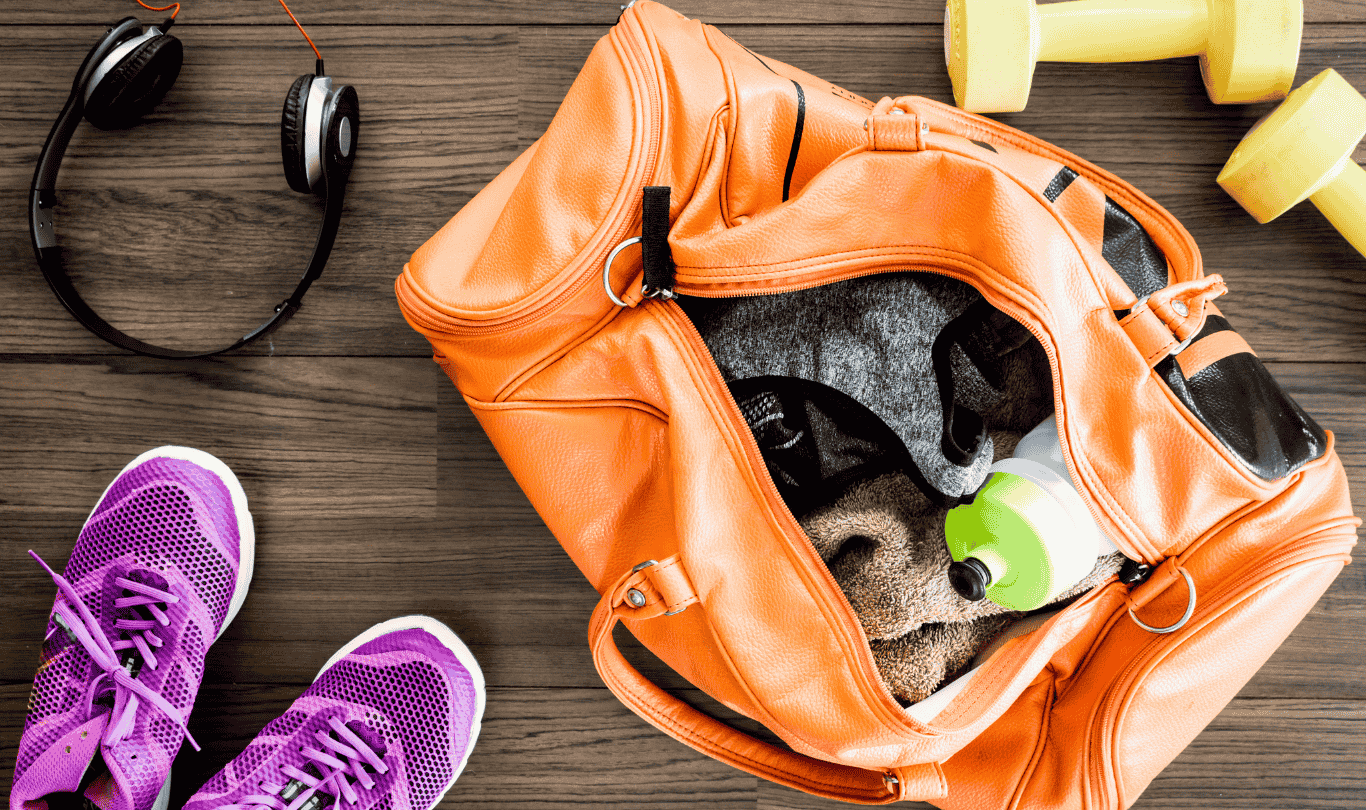
سيناريو حقيقي في صالة الألعاب الرياضية يوضح كيف تساهم الملابس والأحذية الرطبة وسوء التهوية في ظهور رائحة الحقائب الرياضية.
العرق والبكتيريا والرطوبة: كيف تتشكل الرائحة بالفعل داخل الحقائب الرياضية
يحتوي عرق الإنسان على الماء والأملاح والمركبات العضوية. العرق من تلقاء نفسه لا رائحة له. تتشكل الرائحة عندما تكون البكتيريا في المقام الأول الوتدية و المكورات العنقودية الأنواع - تحلل هذه المركبات إلى أحماض دهنية متطايرة.
داخل أ حقيبة رياضيةهناك ثلاثة شروط لتسريع هذه العملية:
-
احتباس الرطوبة من الملابس أو المناشف الرطبة
-
تدفق هواء محدود يمنع التبخر
-
درجات الحرارة الدافئة الناجمة عن حرارة الجسم والظروف المحيطة
في بيئات المختبر الخاضعة للرقابة، يمكن لأقمشة البوليستر الرطبة أن تدعم مستويات نمو البكتيريا بشكل يتجاوز 10⁶ CFU لكل سم² خلال 24 ساعة. عندما يتم وضع تلك الأقمشة في حقيبة رياضية، تتراكم مركبات الرائحة بدلاً من أن تتفرق.
وهذا هو السبب في أن الرائحة غالبًا ما تكون أقوى ليس بعد التدريب مباشرة، ولكن بعد 12-24 ساعةعندما يصل التمثيل الغذائي البكتيري إلى ذروته.
لماذا يسرع التدريب في صالة الألعاب الرياضية من تراكم الرائحة مقارنة بالاستخدام العادي
تعرض صالة الألعاب الرياضية والتدريبات الرياضية مخاطر أعلى للرائحة مقارنة بالحمل اليومي لعدة أسباب. أولاً، عادةً ما يتم ارتداء ملابس التدريب بالقرب من الجلد، مما يؤدي في كثير من الأحيان إلى امتصاص العرق بتركيزات أعلى 0.5-1.0 لتر في الساعة خلال التدريبات المعتدلة.
ثانيًا، يميل مستخدمو صالة الألعاب الرياضية إلى حزم الحقائب بسرعة بعد التدريب، مما يحافظ على الرطوبة في الداخل. حتى التأخير القصير لمدة 20-30 دقيقة قبل التجفيف يمكن أن يزيد من شدة الرائحة بشكل كبير. تظهر الدراسات التي أجريت على تكوين الرائحة المرتبطة بالرطوبة أن التجفيف خلال الساعة الأولى يقلل من احتباس الرائحة بنسبة 100% تصل إلى 60% مقارنة بالتجفيف المتأخر.
وأخيرًا، يؤدي الاستخدام المتكرر للصالة الرياضية إلى خلق تأثير تراكمي. تضيف كل جلسة رطوبة وبكتيريا متبقية، مما يؤدي إلى دمج الرائحة ببطء في الطبقات والحشو والطبقات الهيكلية.
الرائحة قصيرة المدى مقابل الرائحة المدمجة طويلة المدى: ما يفتقده معظم المستخدمين
الرائحة قصيرة المدى تكون على مستوى السطح وقابلة للعكس. يأتي من العرق الطازج ويمكن إزالته في كثير من الأحيان عن طريق التهوية أو الغسيل الخفيف. ومع ذلك، تتشكل الرائحة المدمجة على المدى الطويل عندما ترتبط مركبات الرائحة بألياف القماش أو مواد الحشو.
وهذا التمييز يفسر السبب:
-
جديد حقائب رياضية رائحة طيبة حتى بعد الاستخدام المكثف
-
وبعد 3-6 أشهر، تظهر الرائحة فجأة وتستمر
-
يساعد الغسيل لفترة وجيزة، لكن الرائحة تعود بشكل أسرع في كل مرة
بمجرد تضمينها، تتطلب مركبات الرائحة التنظيف العميق أو استبدال المواد أو التهوية الهيكلية لحل المشكلة - تعمل بخاخات إزالة الروائح الكريهة البسيطة على إخفاء المشكلة مؤقتًا فقط.
سيناريوهات التدريب الحقيقية حيث تصبح رائحة الحقيبة الرياضية مشكلة خطيرة
إن فهم تكوين الرائحة غير مكتمل دون فحصها سيناريوهات الاستخدام في العالم الحقيقي. الحقائب الرياضية لا رائحة لها في عزلة؛ رائحتهم بسبب كيفية ومكان استخدامها.
التدريب اليومي في صالة الألعاب الرياضية: الملابس المبللة بالعرق وضعف دوران الهواء
يواجه مستخدمو صالة الألعاب الرياضية يوميًا أعلى مخاطر الرائحة. تنتج جلسة الصالة الرياضية النموذجية ما بين فقدان 0.3-0.8 كجم من العرقوالتي ينتهي الكثير منها في الملابس والمناشف والأحذية.
العادات الشائعة تؤدي إلى تفاقم المشكلة:
-
تعبئة الملابس المبللة مباشرة بعد التدريب
-
ترك الحقيبة في صندوق السيارة عند درجة حرارة 30-50 درجة مئوية
-
إعادة استخدام نفس حجرة الحقيبة للأشياء النظيفة والقذرة
في مثل هذه الظروف، يمكن أن تتجاوز رطوبة الحقيبة الداخلية 80% لعدة ساعات، مما يخلق ظروف نمو بكتيرية مثالية. بمرور الوقت، حتى الحقائب الرياضية المتينة تبدأ في ظهور رائحة مستمرة ما لم تكن هناك أنظمة تهوية أو فصل.
الرياضات الجماعية والمرافق المشتركة: حالات استخدام كرة القدم وكرة السلة والرجبي
تقدم الرياضات الجماعية تحديات إضافية. غالبًا ما يحمل اللاعبون:
كثيرا ما تتجاوز الدورات التدريبية لكرة القدم والرجبي 90 دقيقةزيادة تراكم العرق. كما تزيد غرف تغيير الملابس المشتركة من التعرض للبكتيريا، مما يؤدي إلى إدخال ميكروبات قد لا تنشأ من جلد المستخدم.
في هذه البيئات، لا توجد حقائب رياضية الفصل الرطب والجاف أو تميل الألواح القابلة للتنفس إلى ظهور الرائحة بشكل أسرع - في بعض الأحيان خلال أسابيع بدلاً من أشهر.
السفر والتدريب في الهواء الطلق: الرطوبة والمطر وظروف الجفاف المحدودة
التدريب في الهواء الطلق ومخاطر الروائح الكريهة أثناء السفر من خلال التعرض للبيئة. المطر والرطوبة أعلاه 70%ومحدودية الوصول إلى مرافق التجفيف تعني أن الرطوبة تظل محاصرة لفترة أطول.
غالبًا ما تتضمن سيناريوهات السفر ما يلي:
تفسر هذه الظروف السبب الذي يجعل المسافرين يقولون في كثير من الأحيان أن رائحة الحقائب الرياضية تكون أسوأ بعد الرحلات مقارنة بعد الاستخدام المنتظم للصالة الرياضية، حتى مع عدد أقل من التمارين. 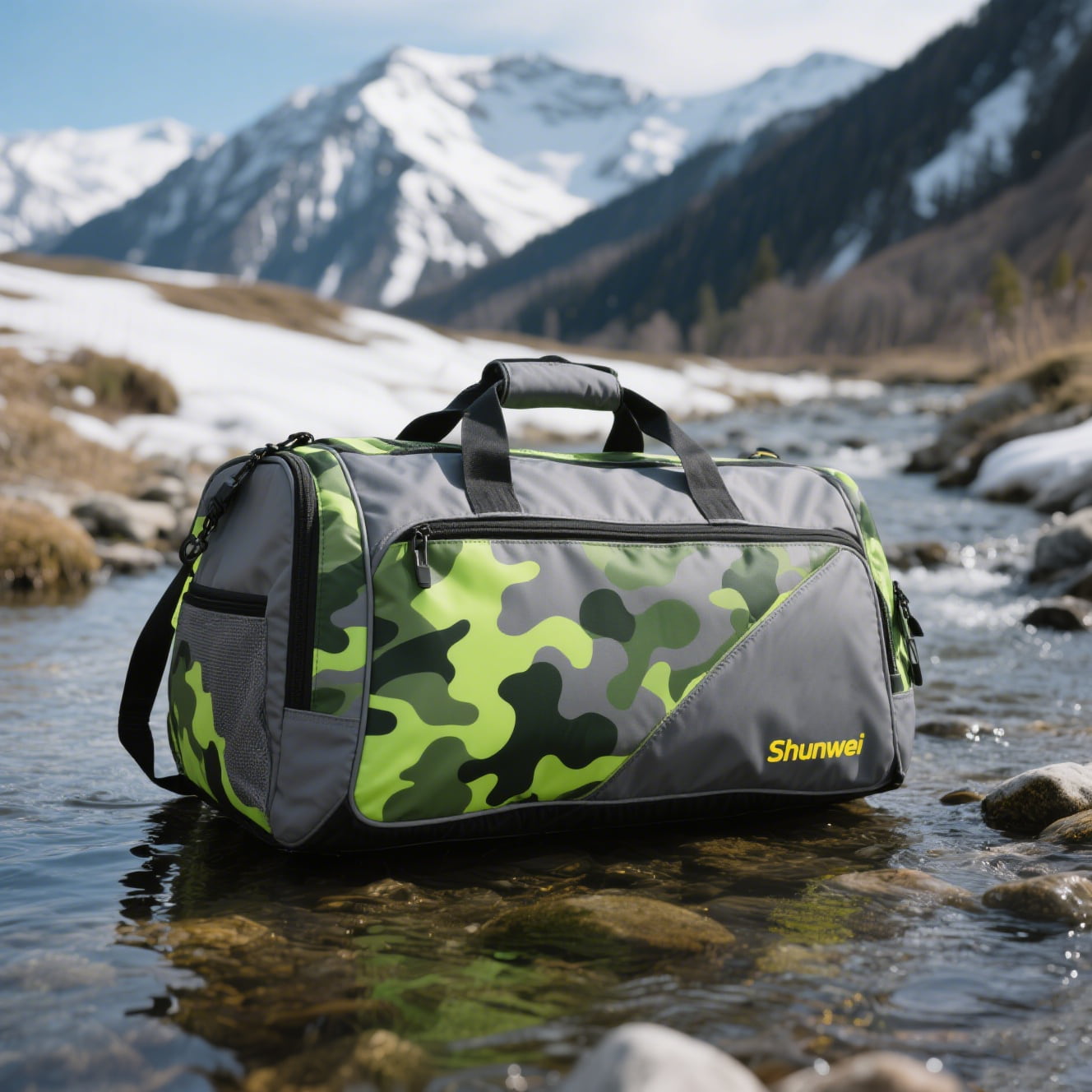
كيف تحدد المواد ما إذا كانت رائحة الحقيبة الرياضية ستظل منتعشة أم لا
يلعب اختيار المواد دورًا حاسمًا في تطوير الرائحة. لا تتصرف جميع أقمشة الحقائب الرياضية بنفس الطريقة تحت ضغط الرطوبة.
أقمشة الحقائب الرياضية المصنوعة من البوليستر: الاحتفاظ بالرطوبة وسرعة التجفيف ومخاطر الرائحة
البوليستر هو مادة الحقائب الرياضية الأكثر شيوعًا بسبب متانتها وتكلفتها المنخفضة. ومع ذلك، ألياف البوليستر القياسية هي مسعورمما يعني أنها تطرد الماء ولكنها تحبس الرطوبة بين الألياف بدلاً من امتصاصها بالتساوي.
وهذا يؤدي إلى نتيجتين:
تختلف سرعة التجفيف بشكل كبير حسب كثافة النسيج. بوليستر خفيف الوزن يمكن أن يجف 2-4 ساعات، في حين أن هياكل البوليستر المبطنة أو المقواة قد تحتفظ بالرطوبة 12-24 ساعة.
هياكل الألواح الشبكية والألواح الخلفية القابلة للتنفس: ما الذي ينجح بالفعل؟
تعمل الألواح الشبكية على تحسين تدفق الهواء، لكن الفعالية تعتمد على موضعها. توفر الشبكة الخارجية التي لا تتصل بالمقصورات الداخلية منعًا محدودًا للرائحة.
تسمح التصاميم الفعالة التهوية المتبادلةمما يتيح لبخار الرطوبة الهروب من داخل الكيس بدلاً من تداوله داخليًا. تساعد الألواح الخلفية المسامية أيضًا على تقليل انتقال العرق من جسم مرتديها إلى الحقيبة نفسها.
حقائب الظهر الرياضية المبطنة مقابل حقائب الجيم خفيفة الوزن: مقايضات الرائحة
مبطن حقائب الظهر الرياضية توفر الراحة واستقرار الحمل ولكنها تسبب مخاطر الرائحة. تمتص حشوة الرغوة الرطوبة وتجف ببطء، خاصة في المقصورات المغلقة.
على النقيض من ذلك، تجف حقائب الصالة الرياضية خفيفة الوزن بشكل أسرع ولكنها قد تفتقر إلى الهيكل والفصل، مما يزيد من الاتصال بين العناصر الرطبة والجافة. الاختيار بينهما ينطوي على التوازن الراحة والقدرة والنظافة بدلاً من التركيز على الجماليات وحدها.
عوامل التصميم الهيكلي التي تؤثر بشكل مباشر على تراكم الرائحة في الحقائب الرياضية
أبعد من المواد، التصميم الهيكلي يحدد ما إذا كانت الرطوبة محاصرة أو متحررة. يمكن أن يكون أداء حقيبتين رياضيتين مصنوعتين من نفس القماش مختلفًا تمامًا اعتمادًا على كيفية تحرك الهواء والحرارة والأشياء الرطبة داخل الحقيبة.
نادرًا ما تنتج الرائحة عن عيب واحد في التصميم. هو عادة التأثير المشترك لتخطيط المقصورة ومسارات تدفق الهواء وأنظمة الإغلاق.
تخطيط المقصورة: لماذا تنبعث رائحة الأكياس ذات الحجرة الواحدة بشكل أسرع
تخلق الحقائب الرياضية ذات الحجرة الواحدة بيئة مغلقة. تشترك الملابس والأحذية والمناشف والإكسسوارات المبللة في نفس المجال الجوي. عندما تتبخر الرطوبة، لا يوجد مكان للهروب وبدلاً من ذلك تتكثف على الأسطح الداخلية.
غالبًا ما تظل الرطوبة الداخلية المقاسة في الأكياس ذات الحجرة الواحدة أعلى 70% لمدة 6-10 ساعات بعد التدريب. في هذا المستوى، نمو البكتيريا وإنتاج الرائحة أمر لا مفر منه.
تعمل التخطيطات متعددة الأجزاء على تقليل هذا التأثير عن طريق:
-
فصل العناصر الرطبة والجافة فعليًا
-
تقليل حمل الرطوبة الكلي لكل حجرة
-
السماح بالتهوية الانتقائية
حتى المقسم البسيط يمكن أن يقلل من شدة الرائحة 30-45% على الاستخدام المتكرر مقارنة بالجزء الداخلي المفتوح بالكامل.
أنظمة الفصل الرطب والجاف: ما الذي يمنع الرائحة فعليًا (وما لا يمنعها)
يعد الفصل الرطب والجاف أحد أكثر الميزات التي يساء فهمها في الحقائب الرياضية. لا تعمل جميع "المقصورات المنفصلة" بنفس الطريقة.
يتطلب الفصل الرطب والجاف الفعال ما يلي:
-
بطانة مقاومة للرطوبة تمنع التسرب
-
تدفق هواء محدود ولكن يتم التحكم فيه للسماح بالتبخر
-
سهولة الوصول للتجفيف بعد الاستخدام
تعمل المقصورات الرطبة سيئة التصميم مثل الحاويات المغلقة. إنهم يمنعون الرطوبة من الانتشار ولكن يحبس الرطوبة عند ما يقرب من 100٪تسريع نمو البكتيريا.
تعمل الأنظمة الأكثر فعالية على تحقيق التوازن بين العزل والتهوية، مما يسمح بخروج بخار الرطوبة مع الاحتفاظ بالسوائل في مكانها.
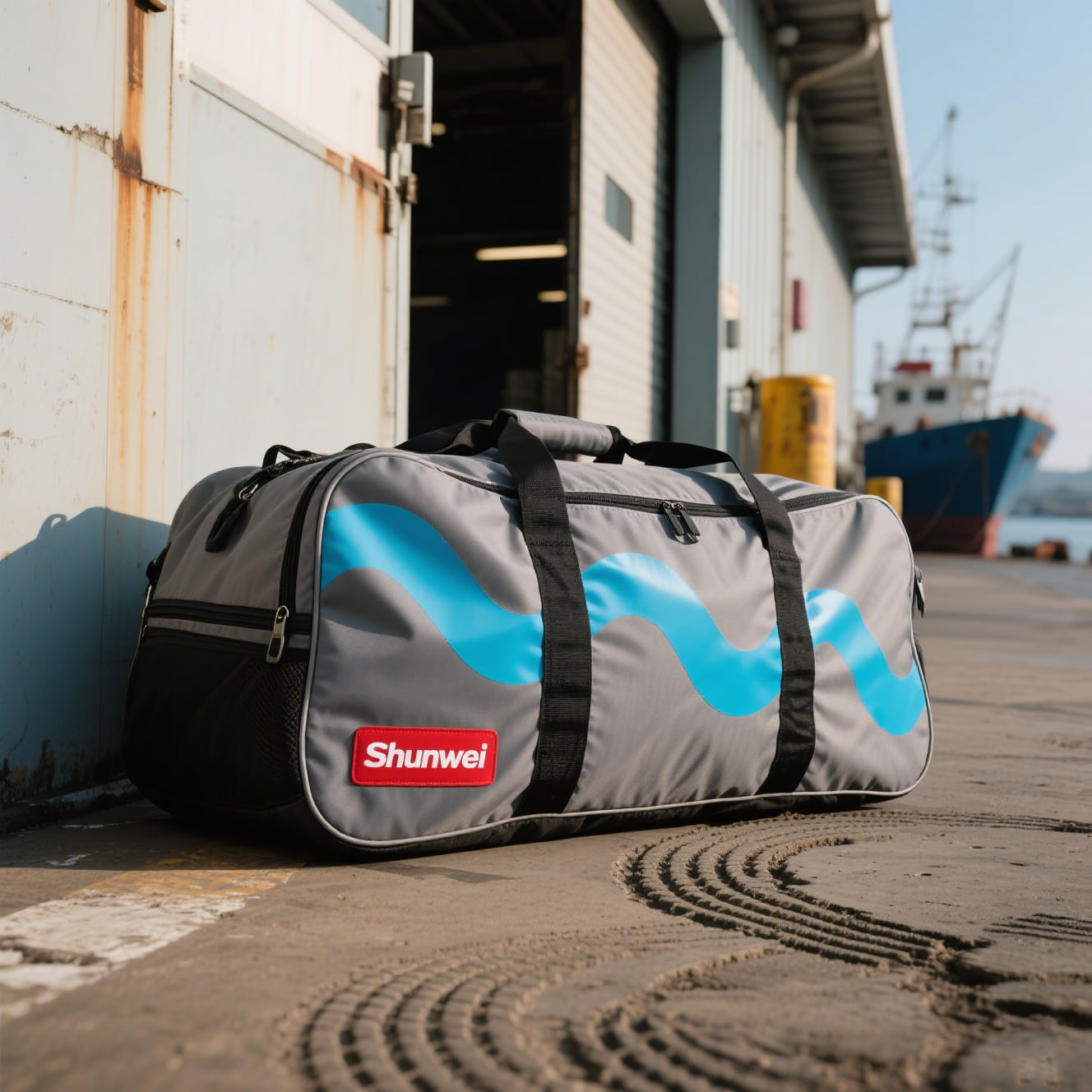
كيس لياقة الانفصال الجاف والرطب
أنواع السوستة والإغلاق: مصائد الرائحة المخفية التي يتجاهلها معظم المشترين
تؤثر السحابات على الرائحة أكثر مما يدركه معظم المستخدمين. السحابات المقاومة للماء محكمة الغلق تحمي من المطر ولكن أيضًا قفل الرطوبة في الداخل بعد التدريب.
تسمح السحابات الملفوفة القياسية بحد أدنى من تدفق الهواء عبر الدرزات، مما يمكن أن يساعد في التجفيف إذا تم دمجه مع مواد قابلة للتنفس. مع مرور الوقت، يؤدي الإغلاق المحكم دون الوصول إلى التجفيف إلى زيادة ثبات الرائحة.
ولهذا السبب تم تصميم الحقائب الرياضية من أجل العزل المائي في الهواء الطلق تتطلب إجراءات تجفيف متعمدة بعد الاستخدام لتبقى خالية من الرائحة.
الرؤية العلمية: البكتيريا والوقت والبيئة داخل الحقائب الرياضية
الرائحة ليست ذاتية، بل تتبع القواعد البيولوجية والكيميائية. إن فهم هذه القواعد يفسر سبب ظهور رائحة بعض الأكياس بسرعة بينما تظل أكياس أخرى محايدة لسنوات.
كيف تتكاثر البكتيريا داخل الحقائب الرياضية الرطبة
نمو البكتيريا يتبع المنحنيات الأسية. في ظل الظروف الدافئة والرطبة التي توجد عادة في الحقائب الرياضية:
-
التواجد البكتيري الأولي: ~10³ CFU/cm²
-
بعد 6 ساعات: ~10⁴–10⁵ CFU/cm²
-
بعد 24 ساعة: >10⁶ CFU/cm²
عند هذه التركيزات، تصبح المركبات المتطايرة المسببة للرائحة قابلة للاكتشاف بواسطة الأنف البشري.
تلعب درجة الحرارة دورًا رئيسيًا. الحقائب المخزنة في البيئات أعلاه 30 درجة مئوية رؤية تكوين رائحة أسرع بكثير من تلك التي يتم الاحتفاظ بها أقل من 20 درجة مئوية.
امتصاص الرائحة مقابل تلوث السطح: لماذا يفشل الغسل بمفرده في كثير من الأحيان
يؤثر تلوث السطح على العناصر القابلة للإزالة مثل الملابس. يؤثر امتصاص الرائحة على الحقيبة نفسها.
ترتبط جزيئات الرائحة بـ:
بمجرد امتصاصها، لا تتم إزالة هذه الجزيئات بالكامل عن طريق الغسيل القياسي. حتى المنظفات الصناعية تقلل من مركبات الرائحة 40-60%، وليس 100%.
وهذا ما يفسر لماذا تكون رائحة بعض الأكياس "نظيفة" عندما تكون فارغة ولكن تظهر عليها رائحة فور استخدامها مرة أخرى.
الوقت كعامل حاسم: لماذا يعد تأخير التجفيف أكبر خطأ
الوقت يضخم جميع آليات الرائحة. الأول 60 دقيقة بعد التدريب حرجة.
تعمل معدات التجفيف خلال ساعة واحدة على تقليل تراكم الروائح الكريهة على المدى الطويل بأكثر من 50% مقارنة بالتجفيف بعد أربع ساعات. إن ترك العناصر طوال الليل يضمن تقريبًا تكوين رائحة مستمرة.
وهذا يجعل سلوك التجفيف أكثر أهمية من منتجات إزالة الروائح الكريهة.
لماذا يتم تسويق بعض الحقائب الرياضية على أنها "مضادة للرائحة" - وماذا يعني ذلك حقًا
"مضاد للرائحة" هو مصطلح تسويقي، وليس ضمانًا. إن فهم ما يشير إليه فعليًا يساعد المشترين على تجنب خيبة الأمل.
الطلاءات المضادة للميكروبات: الفعالية وحدود العالم الحقيقي
تعمل العلاجات المضادة للميكروبات على إبطاء نمو البكتيريا ولكنها لا تقضي عليها. معظم الطلاءات تقلل النشاط البكتيري عن طريق 60-90% تحت ظروف المختبرولكن الأداء ينخفض مع الغسيل المتكرر والتآكل.
هم الأكثر فعالية مثل التدابير الوقائيةليس حلولاً للرائحة الموجودة.
الكربون المنشط وبطانات ماصة للرائحة: عندما تساعد
يمتص الكربون المنشط جزيئات الرائحة جسديًا وليس بيولوجيًا. يعمل هذا بشكل جيد مع الروائح الخفيفة قصيرة المدى ولكنه يتشبع بمرور الوقت.
وبمجرد تشبعها، تتوقف بطانات الكربون عن العمل ما لم يتم تجديدها أو استبدالها.
ما الذي لا يصلحه "مضاد الرائحة"؟
لا يمكن لأي علاج التغلب على:
-
احتباس الرطوبة المستمر
-
تهوية سيئة
-
تكرار تأخير التجفيف
دائمًا ما يتفوق التصميم وسلوك المستخدم على العلاجات الكيميائية في التحكم في الرائحة على المدى الطويل.
طرق مثبتة لمنع رائحة الحقائب الرياضية بناءً على أنماط الاستخدام الحقيقية
منع الرائحة على وشك عمليةوليس المنتجات. التغييرات الصغيرة في العادات لها تأثير قابل للقياس.
عادات فورية بعد التدريب تقلل من الرائحة بنسبة تزيد عن 60%
العادات الفعالة تشمل:
-
إزالة الملابس المبللة خلال 30 دقيقة
-
فتح المقصورات بالكامل أثناء النقل
-
أكياس تجفيف بالهواء بعد كل جلسة
هذه الخطوات وحدها تقلل من حدوث الرائحة على المدى الطويل بشكل كبير.
إجراءات التنظيف الأسبوعية التي تعمل بالفعل
التنظيف الخفيف مرة واحدة في الأسبوع يمنع تضمين الرائحة. التركيز على:
-
طبقات داخلية
-
حشو مناطق الاتصال
-
مقصورات الأحذية
نادرًا ما يكون الغسيل الكامل ضروريًا إذا تم الحفاظ على التجفيف المنتظم.
ظروف تخزين تحافظ على الأكياس طازجة على المدى الطويل
ظروف التخزين المثالية:
-
الرطوبة النسبية أقل من 60%
-
درجة الحرارة أقل من 25 درجة مئوية
-
تركت الحقيبة مفتوحة جزئيا
تجنب الخزانات المغلقة أو صناديق السيارات كلما أمكن ذلك.
اتجاهات الصناعة واللوائح التي تؤثر على تصميم الحقائب الرياضية المقاومة للرائحة
تصميم حقيبة رياضية يتطور استجابة لمخاوف النظافة والضغوط التنظيمية.
الطلب المتزايد على تصميمات الحقائب الرياضية القابلة للتنفس والمعيارية
يولي المستهلكون الأولوية بشكل متزايد للنظافة. تستجيب العلامات التجارية بـ:
-
مقصورات وحدات
-
بطانات قابلة للإزالة
-
تصاميم تركز على التهوية
تتوافق هذه الميزات مع التحكم في الرائحة على المدى الطويل بدلاً من النضارة على المدى القصير.
الاهتمام التنظيمي بالمعالجات الكيميائية وسلامة ملامسة الجلد
تواجه بعض العوامل المضادة للميكروبات التدقيق بسبب مخاطر ملامستها للجلد. تفضل اللوائح على نحو متزايد الحلول الميكانيكية مثل تدفق الهواء والفصل على الطلاءات الكيميائية.
يشير هذا الاتجاه إلى الرياضات المستقبلية سوف تعتمد الحقائب أكثر على التصميم الذكاء من المعالجات السطحية.
قائمة التحقق من الشراء: كيفية اختيار حقيبة رياضية لن تنبعث منها رائحة بمرور الوقت
إذا كان منع الرائحة أولوية، فاختر الخيار الصحيح تتطلب الحقيبة الرياضية أكثر من مجرد اختيار نمط شائع أو العلامة التجارية. إنه أ القرار على مستوى النظام بما في ذلك المواد والبنية ومحاذاة الاستخدام في العالم الحقيقي.
أولا، تقييم سيناريو التدريب الأساسي. إن روتين صالة الألعاب الرياضية فقط مع التخزين المكيف يفرض متطلبات مختلفة على الحقيبة مقارنة بكرة القدم في الهواء الطلق أو التدريب على الرجبي في الظروف الرطبة. يجب أن تعطي الحقائب المستخدمة في بيئات التدريب اليومية متعددة الجلسات الأولوية للتهوية والفصل الرطب والجاف على الاكتناز.
ثانيا، فحص مواصفات المواد، وليس مجرد تسميات. ابحث عن الأقمشة الخارجية التي تمتص الرطوبة بنسبة أقل من 5% من حيث الوزن والبطانات التي تحافظ على السلامة الهيكلية بعد دورات التجفيف المتكررة. يجب أن تكون الحشوة قابلة للتنفس وليست رغوة محكمة الغلق. إذا تم استخدام العلاجات المضادة للميكروبات، فيجب أن تكون مكملة للتهوية، وليس بديلاً عنها.
ثالثا، التحليل مسارات تدفق الهواء الهيكلية. تسمح الحقيبة الرياضية المصممة جيدًا بتبادل الهواء حتى عند إغلاقها. تعمل الألواح الشبكية أو قنوات التهوية غير المباشرة أو الهياكل شبه المفتوحة على تقليل تراكم الرطوبة الداخلية بشكل كبير. على الرغم من أن التصميمات الداخلية المغلقة تمامًا، على الرغم من أنها نظيفة بصريًا، إلا أنها نادرًا ما تكون مقاومة للرائحة على المدى الطويل.
رابعا، التقييم التطبيق العملي للصيانة. أفضل كيس مقاوم للرائحة هو الذي يمكن تجفيفه وتنظيفه وفحصه بسهولة. تعتبر البطانات القابلة للإزالة، والمقصورات التي يمكن الوصول إليها، والأقمشة سريعة الجفاف أكثر أهمية من المطالبات المعقدة المضادة للرائحة.
وأخيرا، النظر سلوك الملكية على المدى الطويل. إذا كان روتينك يتضمن تأخير تفريغ الأمتعة، أو تخزين السيارة، أو أنشطة شديدة التعرق، فامنح الأولوية للتصميم على المظهر. منع الرائحة تراكمي. الحقيبة المناسبة تقلل من المخاطر في كل يوم يتم استخدامه فيه.
الخلاصة: لماذا تعتبر رائحة الحقيبة الرياضية مشكلة في التصميم والاستخدام؟
رائحة الحقيبة الرياضية لا تنتج عن الإهمال أو سوء الحظ. إنها النتيجة المتوقعة الرطوبة والبكتيريا والوقت والضميمة التفاعل داخل مساحة محدودة.
من خلال علم المواد والتحليل الهيكلي وسيناريوهات التدريب الحقيقية، يصبح من الواضح أن منع الرائحة يعتمد بشكل أكبر على ذلك منطق التهوية واستراتيجية المقصورة وعادات ما بعد التدريب من البخاخات أو ملحقات إزالة الروائح الكريهة.
تم تصميم الحقائب الرياضية الحديثة التي تقاوم الروائح بفعالية بحيث تتمحور حول تدفق الهواء والفصل وكفاءة التجفيف، وليس فقط من الناحية الجمالية. عند دمجها مع سلوك الاستخدام المستنير، تقلل هذه التصميمات بشكل كبير من تراكم الروائح، وتطيل عمر المنتج، وتحسن النظافة.
وبالتالي، فإن اختيار الحقيبة الرياضية المناسبة لا يعني تجنب الرائحة مرة واحدة، بل يتعلق الأمر بذلك منع تشكيل الرائحة تماما من خلال التصميم الأكثر ذكاءً والاستخدام المنضبط.
الأسئلة الشائعة
1. لماذا تظهر رائحة حقيبتي الرياضية حتى بعد غسلها؟
غالبًا ما تحتفظ الحقائب الرياضية بالرائحة لأن البكتيريا والمركبات المسببة للرائحة تمتصها الحشوة والدرزات والبطانات الداخلية. يؤدي الغسيل إلى إزالة التلوث السطحي ولكنه لا يزيل جزيئات الرائحة المضمنة بشكل كامل، خاصة إذا لم يتم تجفيف الكيس بالكامل بعد ذلك.
2. كم من الوقت يستغرق ظهور رائحة الحقيبة الرياضية؟
في ظل الظروف الدافئة والرطبة، يمكن أن تظهر رائحة ملحوظة خلال 6 إلى 24 ساعة بعد تخزين المعدات الرطبة. يؤدي التجفيف المتأخر إلى تسريع نمو البكتيريا وتكوين الرائحة بشكل كبير.
3. هل الحقائب الرياضية المضادة للرائحة فعالة حقًا؟
تعمل الحقائب الرياضية المضادة للرائحة على إبطاء نمو البكتيريا ولكنها لا توقف الرائحة تمامًا. تعتمد فعاليتها على تدفق الهواء والتحكم في الرطوبة وعادات المستخدم. بدون التجفيف المناسب، حتى الأكياس المضادة للروائح الكريهة ستشم رائحتها في النهاية.
4. ما هي أفضل طريقة لمنع رائحة الحقائب الرياضية يومياً؟
الطريقة الأكثر فعالية هي إزالة العناصر المبللة في غضون 30 إلى 60 دقيقة بعد التدريب، وفتح الأجزاء للسماح بتدفق الهواء، وتجفيف الحقيبة بالهواء بعد كل استخدام. الاتساق يهم أكثر من منتجات التنظيف.
5. هل حقيبة الظهر الرياضية أو حقيبة القماش الخشن أفضل للوقاية من الرائحة؟
حقائب الظهر الرياضية ذات التهوية المنظمة والمقصورات المنفصلة عادةً ما تتعامل مع الرائحة بشكل أفضل من حقائب القماش الخشن ذات الحجرة الواحدة. ومع ذلك، فإن جودة التصميم مهمة أكثر من نوع الحقيبة وحده.
المراجع
-
النمو الميكروبي في بيئات تخزين المعدات الرياضية - جي سميث، مجلة النظافة الرياضية، الرابطة الدولية لعلوم الرياضة
-
احتباس الرطوبة وانتشار البكتيريا في الأقمشة الاصطناعية - ل. تشين، معهد بحوث النسيج
-
آليات تكوين الرائحة في أنظمة النسيج المغلقة — ر. باتيل، مجلة علم الأحياء الدقيقة التطبيقي
-
مبادئ تصميم التهوية في المعدات الرياضية - م. أندرسون، مجلس التصميم الاسكندنافي
-
علاجات المنسوجات المضادة للميكروبات: الفعالية والقيود — ك. روبنسون، مجلس سلامة المواد
-
عتبات اكتشاف حاسة الشم البشرية للمركبات المتطايرة - تي ويليامز، مراجعة العلوم الحسية
-
اتجاهات المستهلك في مجال التوعية بنظافة المعدات الرياضية - تقرير شركة ديلويت لصناعة الرياضة
-
الاعتبارات التنظيمية للمنتجات الاستهلاكية المضادة للميكروبات – الموجز الفني للوكالة الأوروبية للمواد الكيميائية
نظرة دلالية: لماذا رائحة الحقائب الرياضية - وكيف يعمل التصميم والمواد والعادات على إيقاف الرائحة من المصدر
كيف تتشكل الرائحة بالفعل داخل الحقائب الرياضية؟
تتشكل الرائحة عندما تخلق الملابس والمناشف المبللة بيئة دقيقة عالية الرطوبة حيث تقوم البكتيريا بتفكيك مركبات العرق إلى أحماض متطايرة. في الأجزاء المغلقة، تتراكم هذه المركبات ويمكن أن تمتص في ألياف النسيج، وحشوة الرغوة، وشريط التماس. ولهذا السبب قد تكون رائحة الحقيبة "نظيفة" عندما تكون فارغة ولكنها تظهر رائحتها بسرعة بعد التمرين التالي.
لماذا تبقى بعض الأكياس ذات رائحة كريهة حتى بعد غسلها؟
غالبًا ما يؤدي الغسيل إلى إزالة التلوث السطحي ولكنه لا يزيل جزيئات الرائحة المحاصرة في الحشو والخياطة. إذا لم يتم تجفيف الكيس بالكامل بعد التنظيف، فإن الرطوبة المتبقية تعيد نمو البكتيريا. بالنسبة للرائحة المستمرة، يعد الوصول للتجفيف وتدفق الهواء الداخلي أمرًا مهمًا بقدر أهمية المنظفات.
ما هي المواد والهياكل التي تقلل من مخاطر الرائحة أكثر من غيرها؟
تساعد الأقمشة الخارجية سريعة الجفاف والمناطق الداخلية القابلة للتنفس والمسارات الشبكية التي تسمح بالتهوية المتبادلة على تقليل الرطوبة الداخلية. يعمل الفصل الرطب والجاف أيضًا على تقليل الرائحة عن طريق منع المعدات الرطبة من "مشاركة المجال الجوي" مع العناصر النظيفة. يمكن أن تشكل الحشوة المريحة خطرًا على الرائحة إذا كانت رغوة محكمة الغلق تجف ببطء، لذا فإن أنظمة اللوحة الخلفية القابلة للتنفس عادة ما تكون أكثر استقرارًا للرائحة بمرور الوقت.
ما هي الخيارات التي تضيف قيمة حقيقية وأيها تسويقية في الغالب؟
تشتمل الميزات العملية على مقصورات رطبة وجافة، وتصميمات داخلية يمكن الوصول إليها للتجفيف، ومناطق تهوية تتماشى مع مكان تجمع الرطوبة. يمكن للطلاءات "المضادة للرائحة" أن تقلل من النشاط البكتيري في ظل الظروف المثالية، لكنها لا تستطيع التغلب على التفريغ المتكرر المتأخر أو المقصورات المغلقة والمحبسة للرطوبة. في إجراءات التدريب الحقيقية، يوفر تدفق الهواء وسرعة التجفيف أكبر فائدة على المدى الطويل.
ما هو الروتين اليومي الذي يمنع الرائحة دون تحويل الصيانة إلى عمل روتيني؟
أبسط روتين عالي التأثير هو إزالة العناصر المبللة في غضون 30-60 دقيقة، وفتح المقصورات لتحرير الرطوبة أثناء النقل، وتجفيف الحقيبة بالهواء بعد كل جلسة. مسح أسبوعي قصير للدرزات ومناطق الاتصال العالية يمنع الرائحة من التضمين. الاتساق يتفوق على التنظيف العميق العرضي.
كيف تشكل اتجاهات الصناعة ولوائحها تصميمات التحكم في الرائحة؟
ويتحول الطلب نحو الحقائب الرياضية التي تركز على النظافة: مقصورات معيارية، وهياكل قابلة للتنفس، وبطانات سهلة التنظيف. وفي الوقت نفسه، فإن التدقيق في سلامة المستهلك حول الإضافات المضادة للميكروبات يشجع العلامات التجارية على الاعتماد بشكل أكبر على الحلول الميكانيكية (التهوية والفصل) بدلاً من المعالجات الكيميائية الثقيلة، وخاصة بالنسبة للمنتجات التي تلامس الجلد بشكل متكرر.